Traditional Sports That Involve Extreme Bravery
Some people watch sports from the comfort of their couch. Others sign up to get trampled by livestock, thrown off cliffs, or beaten with sticks.
These aren’t modern extreme sports invented for adrenaline junkies with too much money. They’re ancient traditions that have tested human courage for centuries, and they’re still happening today.
Running Through the Streets With Angry Bulls
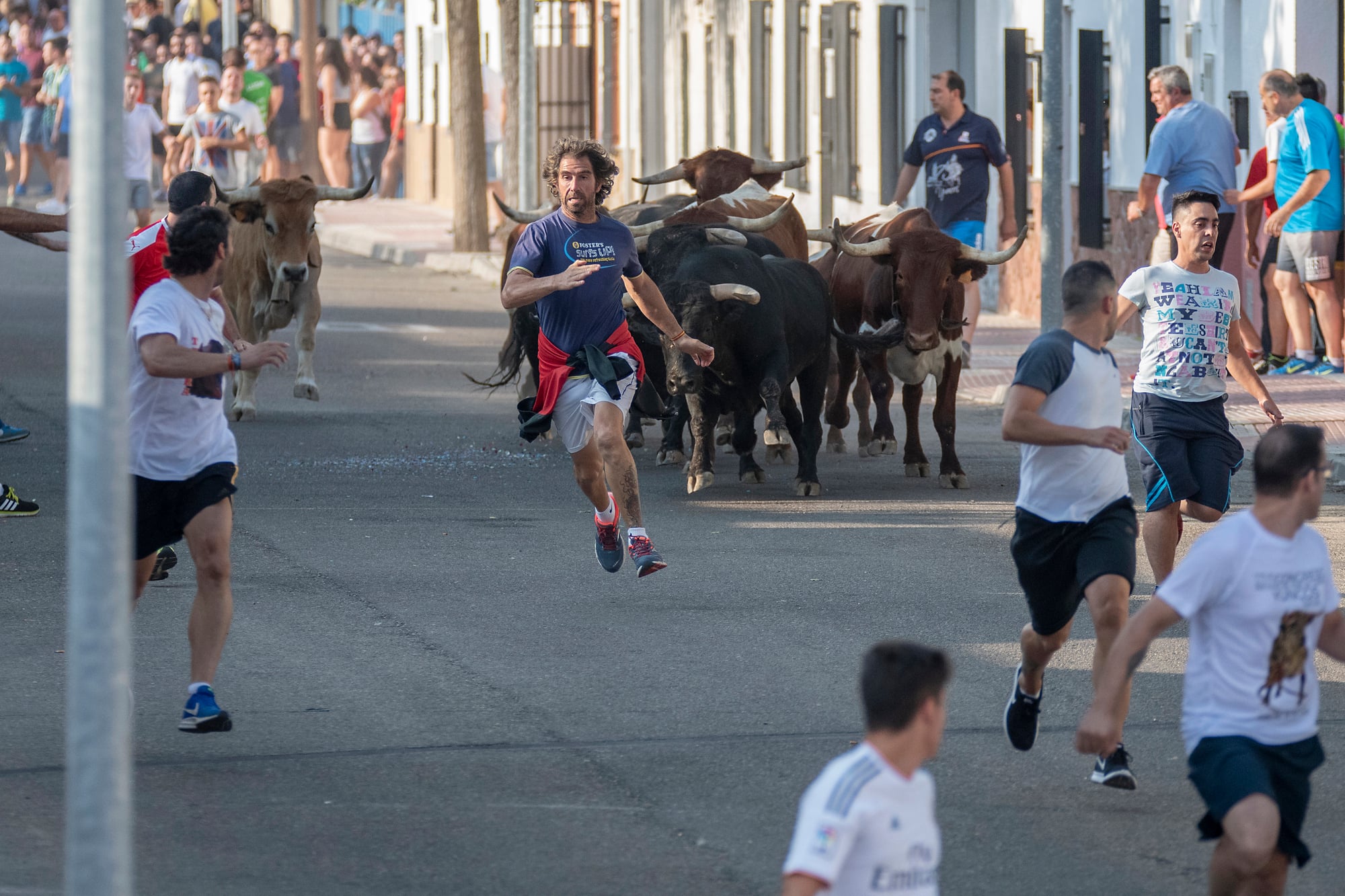
Every July in Pamplona, Spain, people sprint through narrow cobblestone streets while bulls chase them from behind. The Running of the Bulls lasts about three minutes, but those minutes contain enough terror to last a lifetime.
You can’t slow down. You can’t look back too long.
The animals weigh over 1,000 pounds and run faster than you ever will. Fifteen people have died during the event since 1910.
Hundreds get injured every year. The medical tents stay busy from dawn until the last runner crosses into the bullring.
Yet thousands sign up annually, traveling from around the world to risk everything for three minutes of pure fear.
Fighting for a Goat Carcass on Horseback
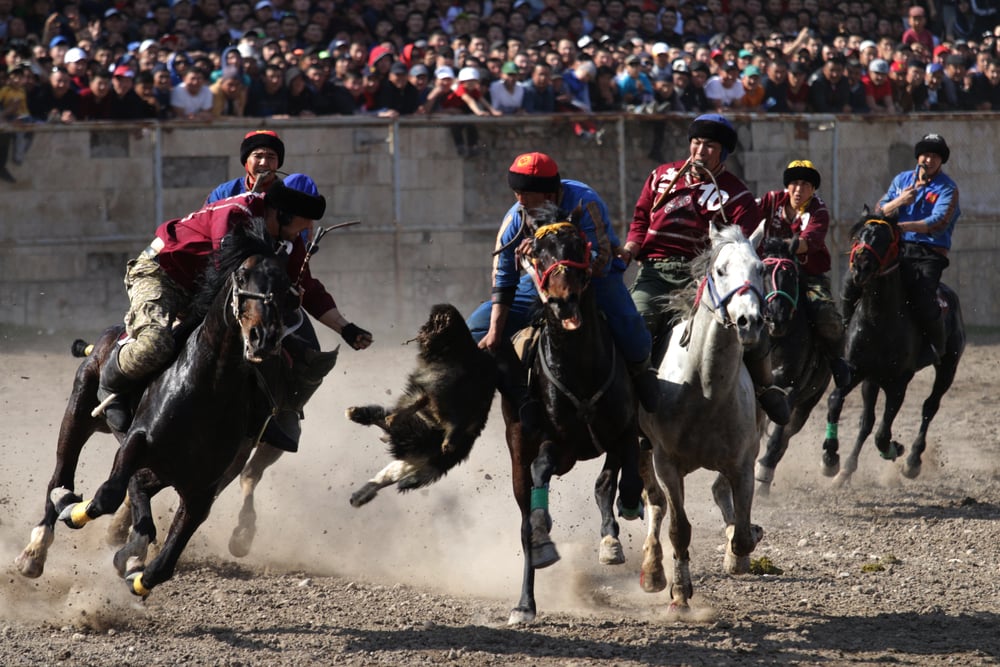
Buzkashi riders in Afghanistan compete for what looks like chaos but demands incredible skill. Teams of horsemen fight to grab a headless goat carcass from the ground, carry it around a pole, and drop it in a scoring circle.
Everyone else tries to steal it from you. The games last for hours in freezing mountain weather.
Players train their horses for years. The best riders command respect across Central Asia, earning status that transcends borders and politics.
You need strength to lift the carcass while other horses slam into yours. You need courage to hold on when five riders surround you, all grabbing for the same prize.
No protective gear. No timeouts.
Just horses, riders, and a tradition older than most nations.
Wrestling Bulls Barehanded
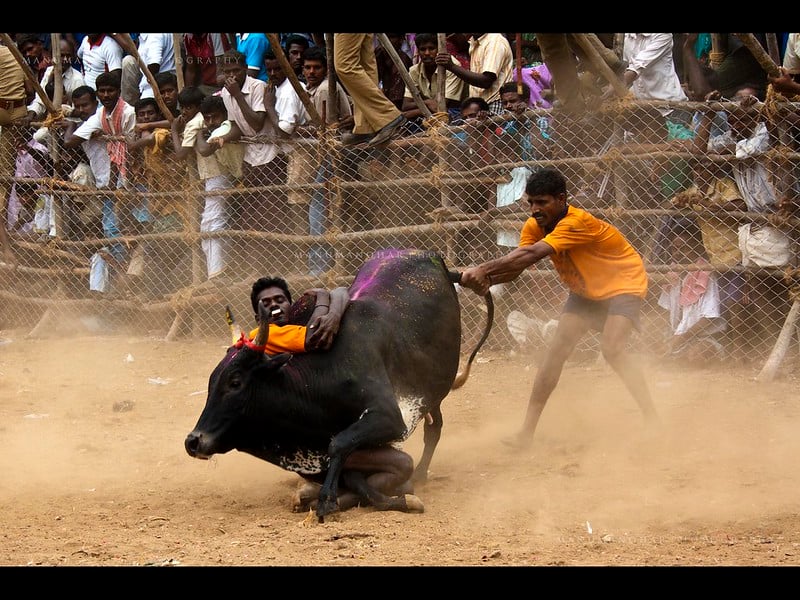
Tamil Nadu’s Jallikattu pits young men against charging bulls in one of India’s oldest sports. The rules seem simple: hold onto the hump on the bull’s back for a certain distance or time.
But bulls don’t cooperate. They buck, spin, and ram into anything nearby.
Broken bones happen often. Serious injuries aren’t rare.
The sport faced bans over safety and animal welfare concerns, sparking massive protests from people who saw it as cultural erasure. The practice survived because entire communities fought to preserve it.
Participants don’t wear padding or armor. When your feet leave the ground and the bull starts spinning, you either hang on or hit the dirt hard.
Medieval Football That Never Ended
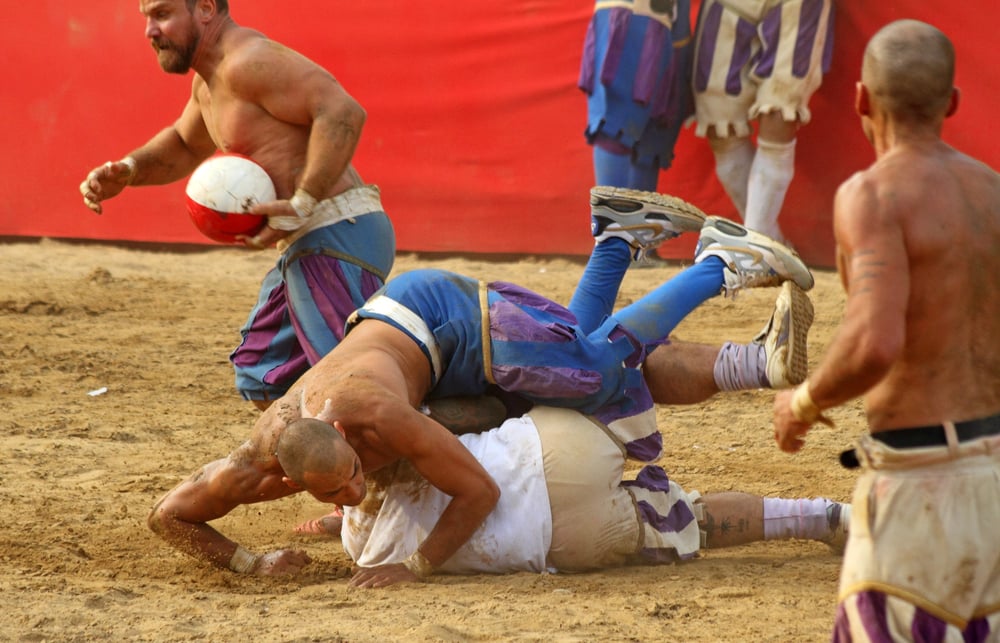
Calcio Storico in Florence looks like football played by gladiators who forgot to die. Four teams of 27 players each battle on a sand-covered piazza, trying to score by throwing or kicking a sphere into nets at opposite ends.
But the orb matters less than the fights. Punching, kicking, and wrestling happen constantly.
Head-butting is allowed. Choking is allowed.
The only real rules are no kicks to the head and no more than two-on-one attacks. Games last 50 minutes.
Blood flows freely. Medical staff wait on the sidelines because they know they’ll be needed.
The sport dates back to the 16th century. Players train all year for matches that happen during one week in June.
Winners receive a cow. The losing team gets nothing but bruises and the chance to try again next year.
Kicking Each Other in the Shins Until Someone Quits
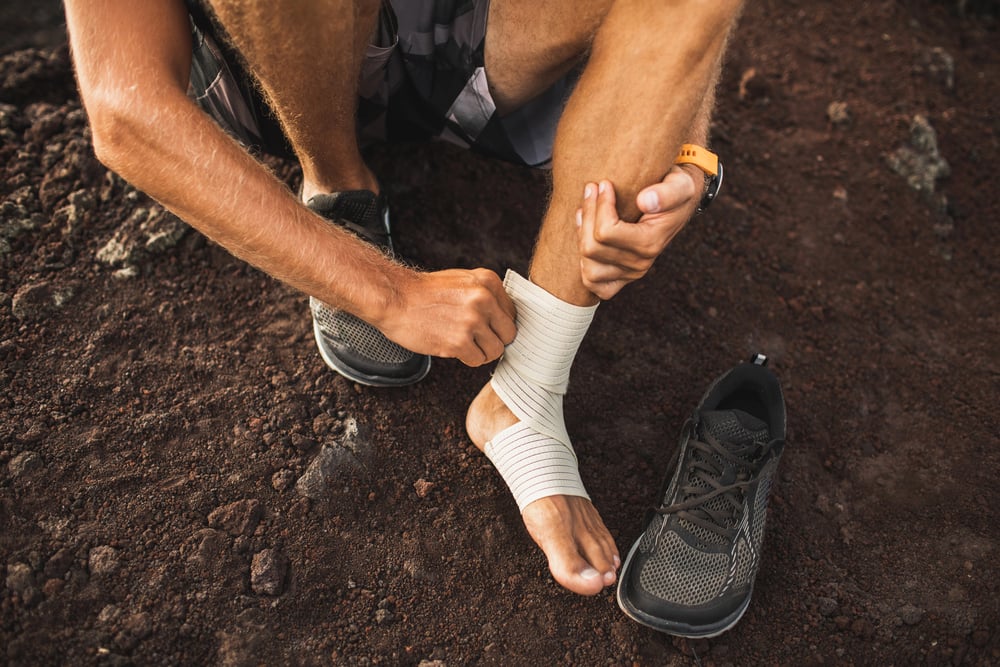
The Cotswold Olimpicks in England includes a competition that makes your ancestors seem tough. Two competitors face each other, grab each other’s shoulders, and kick each other’s shins repeatedly.
Hard. The first person to let go loses.
Participants wear steel-toed boots. They pad their shins with straw, which helps about as much as you’d expect.
Matches continue until someone surrenders or can’t stand anymore. Some bouts last minutes.
Others stretch past an hour. The sport flourished in the 17th century when laborers competed after long workdays.
Modern participants keep the tradition alive, proving that some people will do anything for a trophy and bragging rights.
Riding Logs Down a Volcano
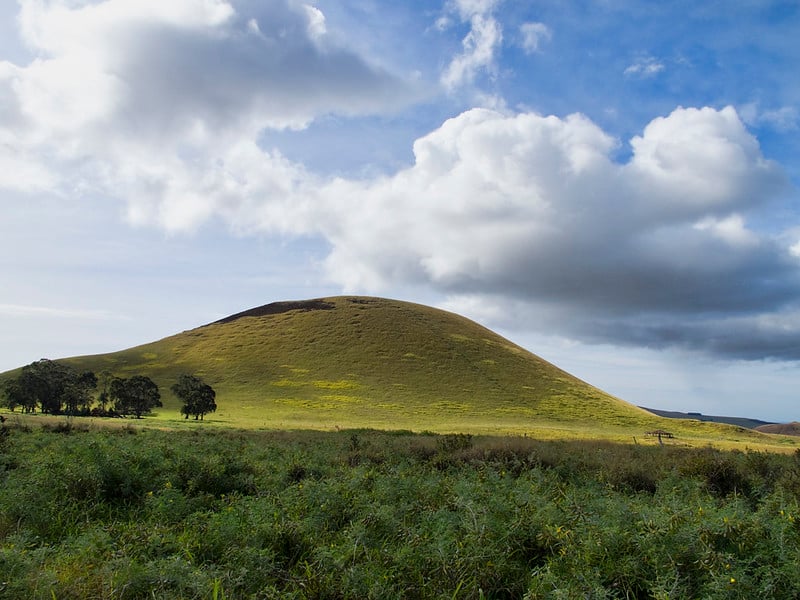
Easter Island’s Haka Pei sends young men sliding down the slope of a volcano on banana tree trunks. You sit on the log wearing only a loincloth.
No steering mechanism. No brakes.
Just gravity pulling you down a 45-degree slope at speeds up to 50 miles per hour. Rocks stick out from the hillside.
The trunk bounces and spins. You hold on with your hands while trying to keep your body positioned correctly.
Wipeouts scatter riders across the volcanic slope, leaving them with burns and bruises that take weeks to heal. The sport connects to ancient Rapa Nui traditions, honoring ancestors who tested themselves against the island’s harsh landscape.
Winners gain respect. Everyone gains scars.
Jumping Off Towers With Vines Tied to Your Ankles
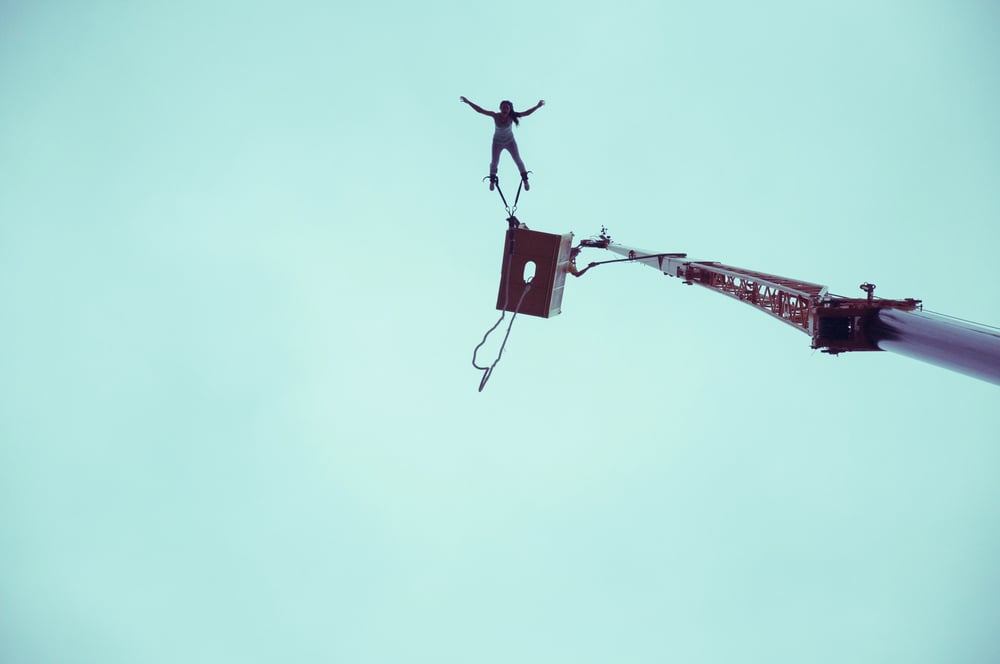
Land diving in Vanuatu predates bungee jumping by centuries. Men climb wooden towers up to 100 feet tall, tie vines around their ankles, and jump headfirst toward the ground.
The vines slow you down just enough. Maybe.
Getting the vine length right determines whether you survive. Too short, and you stop far from the ground.
Too long, and you hit hard.Villagers measure carefully, but vines stretch differently based on moisture and age. Weather affects elasticity.
Even experienced divers can’t eliminate all risks. The tradition emerged as a coming-of-age ritual and evolved into a harvest celebration.
Men prove their courage before their community. The youngest jumpers start from lower platforms, working their way up as they gain confidence and the respect of their elders.
Fighting With Every Part of Your Body
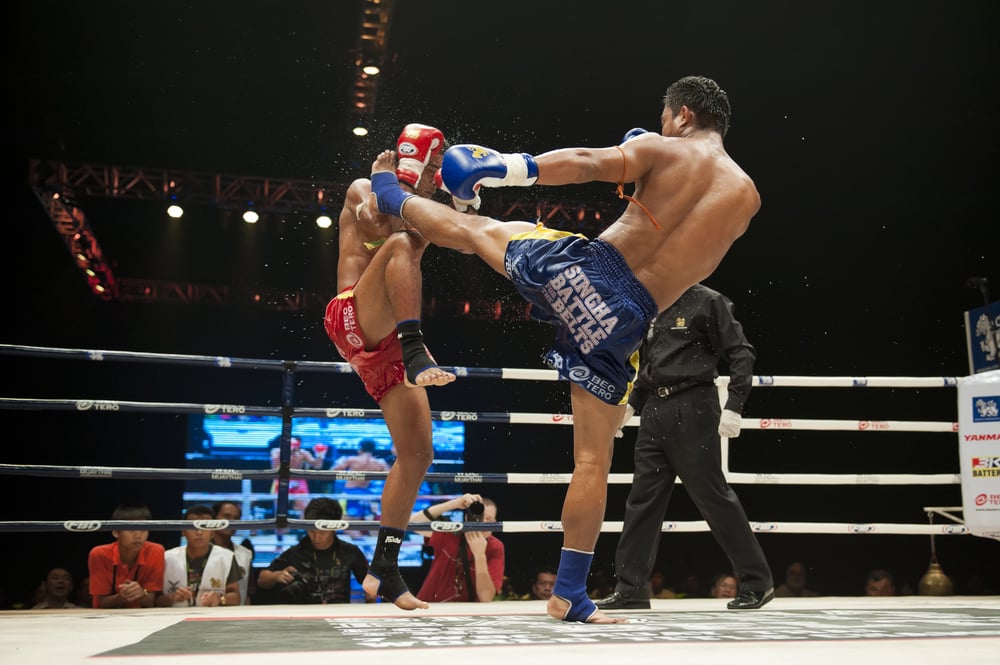
Muay Thai fighters in Thailand learn to strike with fists, elbows, knees, and shins. Training starts in childhood for those who pursue it seriously.
The sport developed over centuries as a combat system for soldiers, then evolved into a cultural cornerstone.Modern rules make Muay Thai safer than its historical form, but safe is relative.
Fighters still absorb tremendous impacts.Broken noses, fractured ribs, and concussions occur despite protective equipment.
Training camps push students to their physical limits, building the conditioning needed to survive five rounds of constant striking.The pre-fight ritual, the wai khru, honors teachers and asks for protection.
Then the bell rings, and politeness disappears.Fighters attack with combinations that require split-second timing and perfect technique.
Wrestling Camels Without Breaking Them
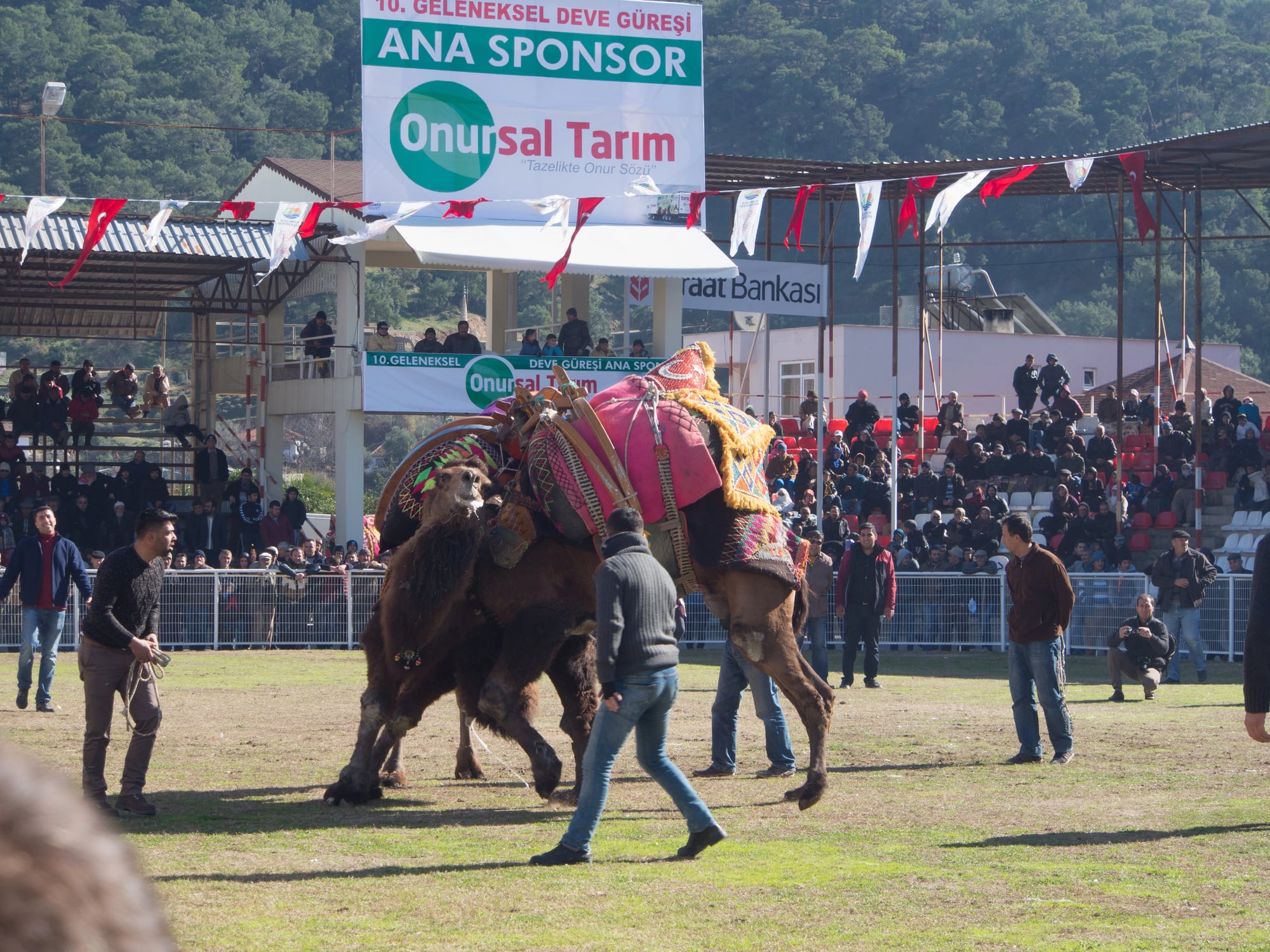
Turkish camel wrestling involves two male camels pushed together during mating season, when they’re naturally aggressive. The camels grapple with their necks, trying to force each other down.
Handlers surround them with ropes, ready to separate the animals if things get dangerous.For humans, the danger comes from being too close to animals that weigh nearly a ton and don’t care about bystanders.
Camels kick, bite, and spit.When they fall, they fall hard and fast.
Handlers need quick reflexes and complete trust in their ability to read the animals’ movements.The tradition stretches back centuries in the Aegean region.
Villages host festivals around wrestling events, combining athletic competition with community celebration.The best handlers develop reputations that attract crowds from across the region.
Oil Wrestling Until One Man Wins
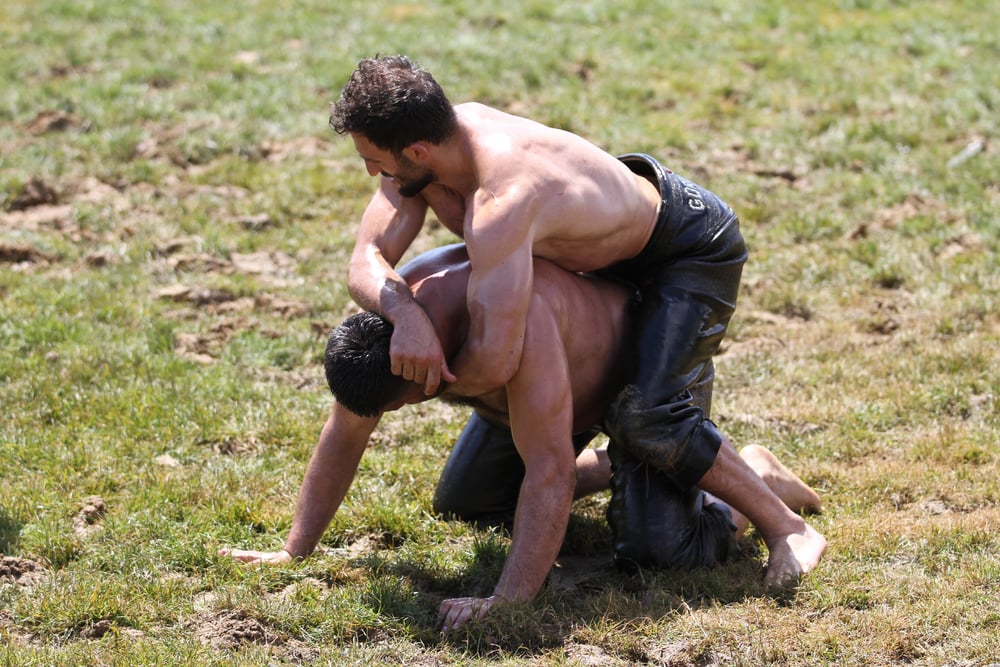
Kirkpinar oil wrestling in Turkey pits competitors against each other in a battle that can last hours. Fighters cover themselves completely in olive oil, making gripping nearly impossible.
Victory comes when one wrestler pins his opponent or lifts him above his head.Matches have no time limits in traditional rules.
Some bouts continue until both men collapse from exhaustion.The oil means techniques rely more on strength and endurance than on leverage.
You can’t maintain holds easily.Everything slips.
The festival dates back to the 14th century, making it one of the oldest continuously running sports competitions in the world.Winners gain fame across Turkey.
The Kirkpinar champion becomes a national figure, honored for combining skill, strength, and unbreakable determination.
Throwing Trees Through the Air
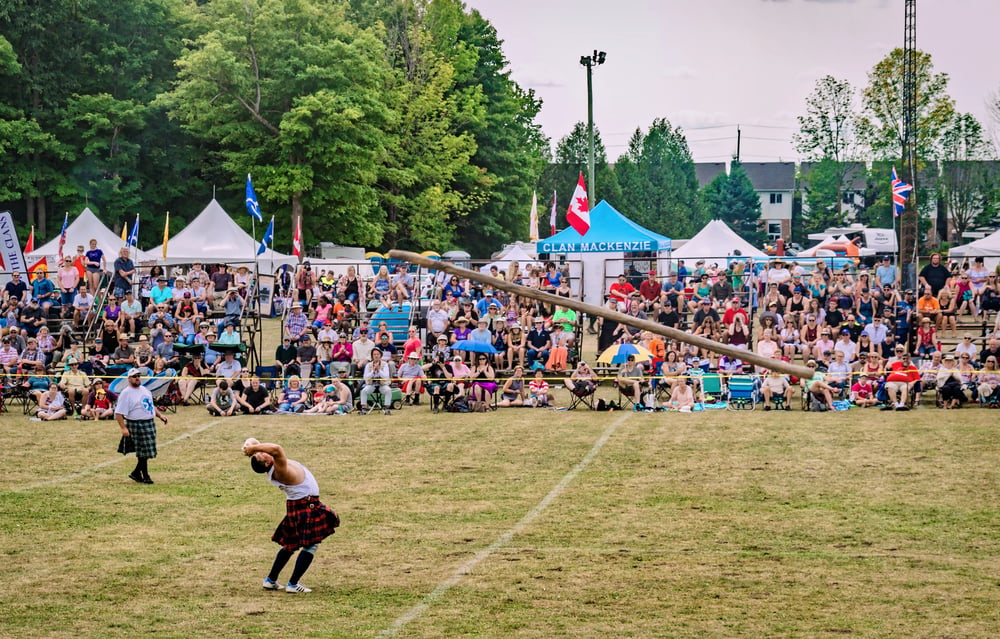
Scottish Highland Games feature the caber toss, where athletes lift and flip telephone pole-sized logs. The caber weighs around 175 pounds and stretches nearly 20 feet long.
You balance it vertically against your shoulder, run forward, and throw it so it flips end over end.Perfection means the caber lands exactly in front of you, pointing away like a clock hand at 12 o’clock.
Most attempts fail.The caber tilts left or right.
It doesn’t flip.It slips from your hands during the run-up.
The sport requires ridiculous strength combined with precise technique.One wrong movement and the caber crashes down on you.
Highland Games athletes train year-round, developing power through traditional strongman exercises and endless practice with logs of increasing size.
Bare-Knuckle Fighting on Island Beaches
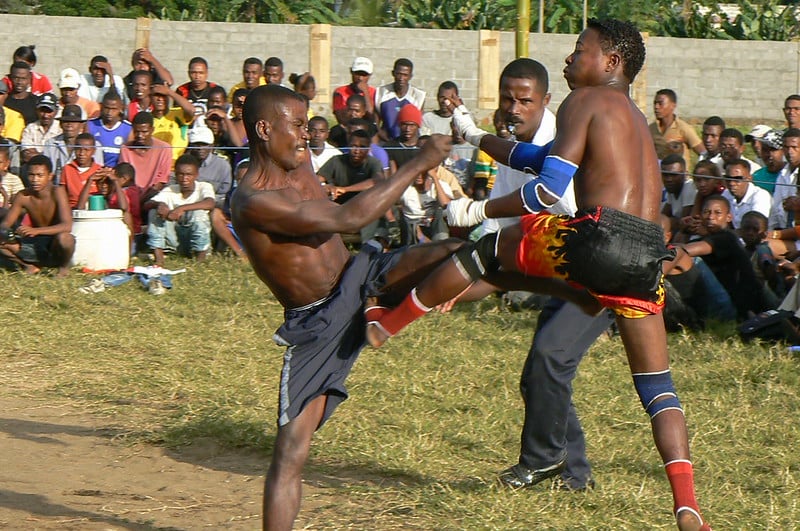
Madagascar’s Moraingy pits fighters against each other with no gloves and minimal rules. Matches happen on beaches or in village squares, with entire communities watching.
Fighters strike with closed fists until one man falls or concedes defeat.Blood is common.
Broken jaws occur.The sport teaches young men to defend themselves and their families, passing down fighting traditions that predate colonial contact.
Older fighters train younger ones, building lineages of teachers and students that span generations.Modern Moraingy maintains its traditional brutality despite occasional attempts to regulate it.
Communities value the sport’s role in teaching courage and resilience.Young fighters earn respect through their willingness to compete, regardless of whether they win.
Racing Down a Hill After Cheese
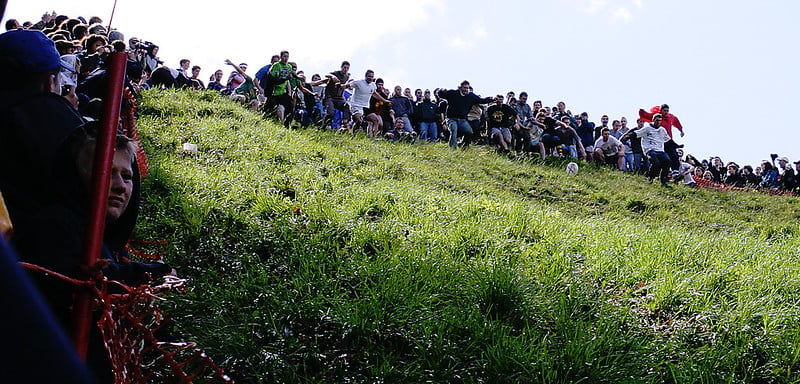
Cooper’s Hill Cheese-Rolling in England sends people sprinting and tumbling down a dangerously steep hill chasing a nine-pound wheel of cheese. The cheese reaches speeds of 70 miles per hour.
You won’t catch it. The race is really about who reaches the bottom first.
The hill is so steep you can’t run down it—you fall, bounce, and tumble. Broken ankles, dislocated shoulders, and concussions happen every year.
Ambulances wait at the bottom because organizers know injuries are inevitable. People compete anyway.
The tradition may date back hundreds of years, though its exact origins remain unclear. Thousands of spectators gather each May to watch dozens of people risk themselves for cheese and glory.
When Humans Leap Over Bulls
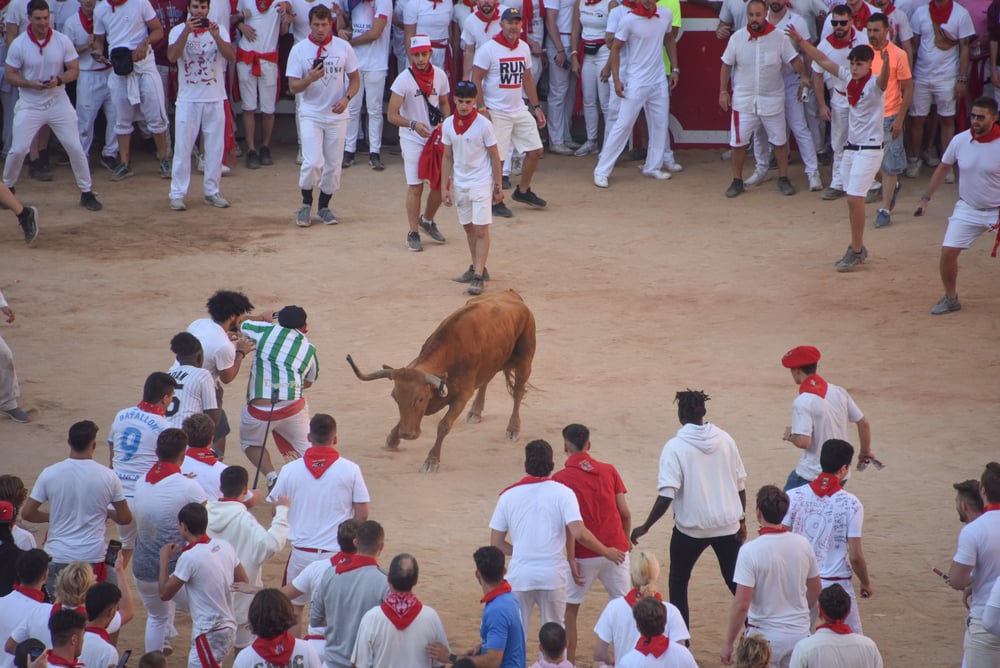
Bulls thunder forward in ancient wall paintings, where jumpers seize horned heads mid-charge – flipping skyward in a flash. Today’s tryouts reveal just how wild that move truly feels when bones meet speed.
A sudden charge comes straight toward you. Timing matters most when reaching out to catch hold.
Momentum carries you forward if done right, tossing you across safely. Landing wrong brings danger close – hooves or horns might strike.
This animal does not care about your move. Years pass before modern athletes even try one clean jump.
Preparation helps, yet risk still climbs high. What happens here blends speed, split-second choices, sudden courage.
Fear Within Tradition
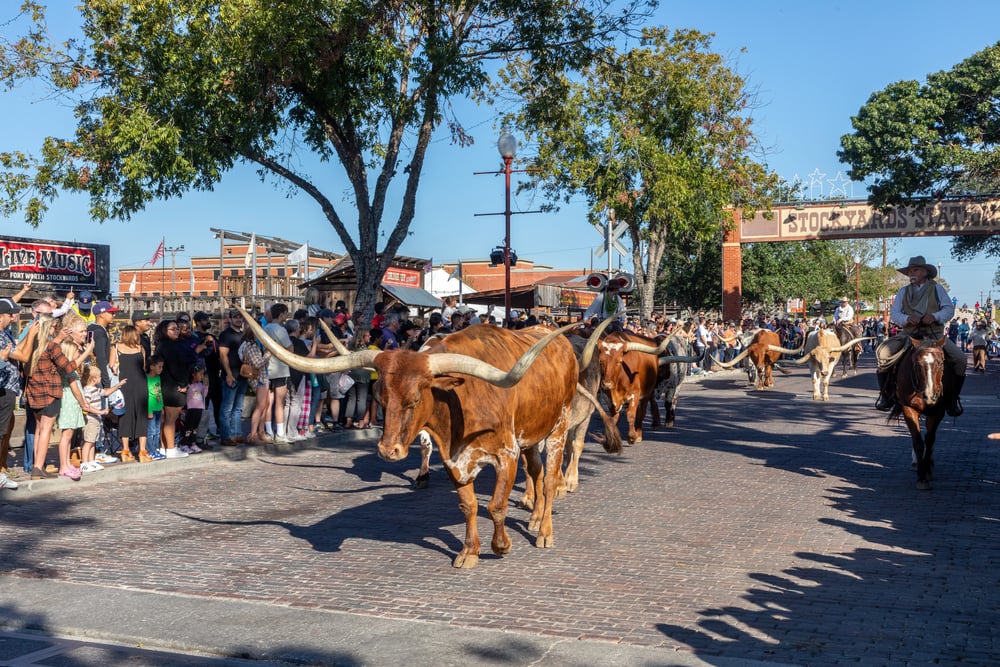
Survival isn’t the point – meaning carries these customs forward. Tied to those who once braved threats every single day.
A current competitor steps in, knowing full well the hazards mirror what elders long ago endured. That link remains unbroken, woven through time by choice.
Danger lingers even under familiar routines. Presently each morning practice begins.
Lives on when silence falls before the start line. Waits quietly as balance shifts toward courage.
Perhaps that’s exactly it. Not feeling afraid?
That isn’t courage. Choosing what matters – ritual, people, your own limits – even when scared – that’s where it shows up.
More from Go2Tutors!

- The Romanov Crown Jewels and Their Tragic Fate
- 13 Historical Mysteries That Science Still Can’t Solve
- Famous Hoaxes That Fooled the World for Years
- 15 Child Stars with Tragic Adult Lives
- 16 Famous Jewelry Pieces in History
Like Go2Tutors’s content? Follow us on MSN.