Mistakes That Led to Breakthroughs
Sometimes the best discoveries happen when things go completely wrong. A failed experiment, a clumsy accident, or a simple miscalculation has sparked some of the most important innovations in history.
These moments prove that progress doesn’t always follow a straight path, and what seems like a disaster at the time can turn into something incredible. Let’s look at some of the most famous mistakes that changed the world for the better.
Penicillin’s Accidental Discovery

Alexander Fleming returned from vacation in 1928 to find his laboratory in a mess. He’d left a petri dish of bacteria uncovered, and mold had contaminated the whole thing.
Most scientists would have tossed it in the trash and started over. Fleming noticed something odd though—the bacteria around the mold had died. That moldy mistake became penicillin, the first antibiotic that has saved countless millions of lives since then.
The Microwave Oven Nobody Planned
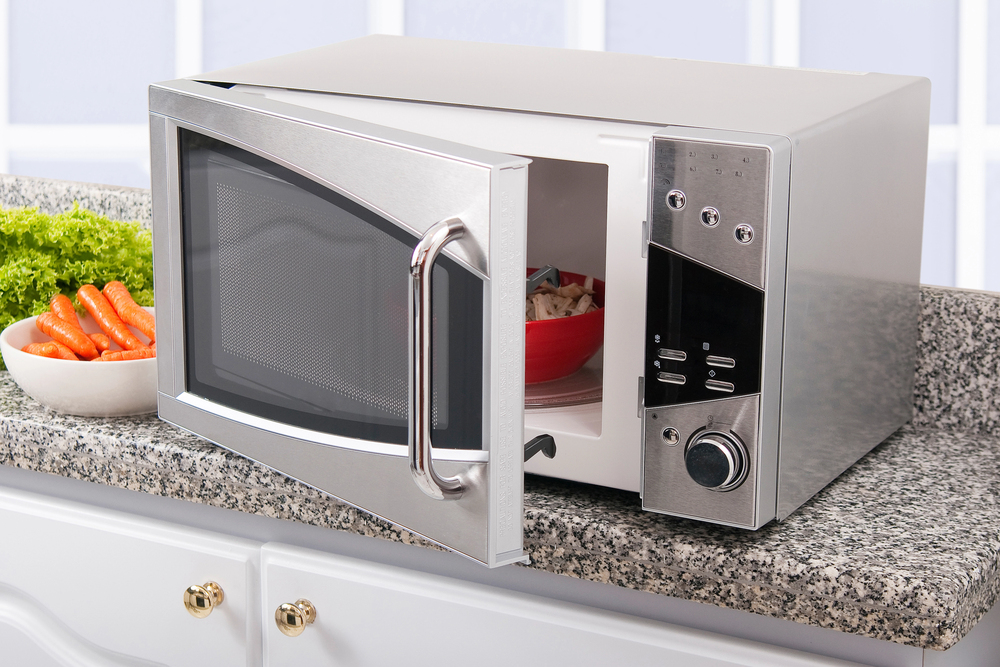
Percy Spencer was testing a military radar device in 1945 when he felt something strange in his pocket. The chocolate bar he’d been saving for later had melted into a gooey mess.
Instead of getting annoyed about his ruined snack, Spencer got curious and started experimenting with other foods near the magnetron. Popcorn kernels popped, and an egg exploded. Within a few years, the first microwave oven hit the market, standing over five feet tall and weighing 750 pounds.
Post-it Notes From a Failed Glue

Spencer Silver wanted to create the strongest adhesive ever made for 3M in 1968. What he got instead was a weak glue that barely stuck to anything and peeled off easily.
The company had no idea what to do with this useless invention for years. A colleague named Art Fry got frustrated with bookmarks falling out of his church hymnal and remembered Silver’s weak glue. Those little yellow sticky notes are now everywhere, from offices to refrigerators around the world.
Coca-Cola’s Medicinal Beginnings
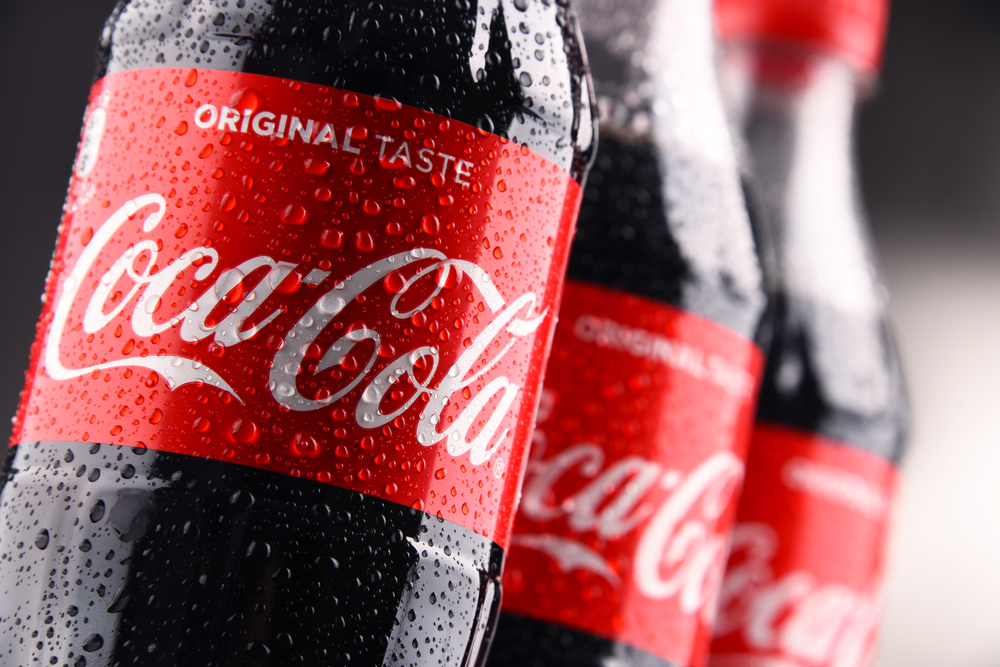
John Pemberton set out to create a cure for headaches and morphine addiction in 1886. The Atlanta pharmacist mixed together a syrup with coca leaves and kola nuts, planning to sell it as medicine.
His bookkeeper accidentally mixed the syrup with carbonated water instead of regular water while serving it to a customer. That fizzy mistake tasted better than the original, and the world’s most famous soft drink was born by complete accident.
Vulcanized Rubber’s Kitchen Accident
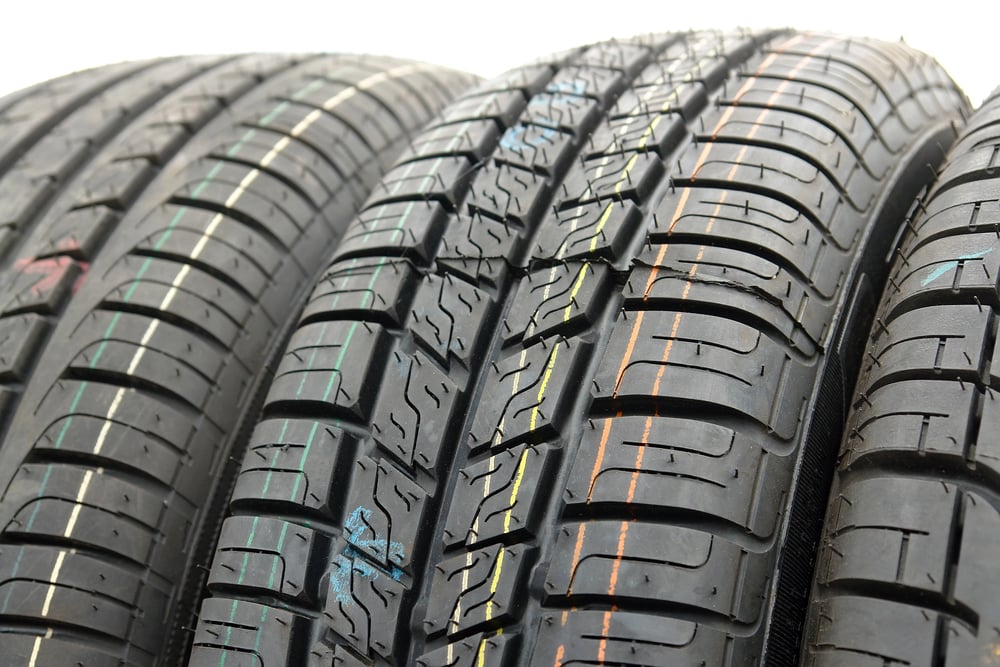
Charles Goodyear spent years trying to make rubber useful in all weather conditions. Natural rubber became sticky in heat and brittle in cold, making it practically worthless for most applications.
In 1839, Goodyear accidentally dropped a mixture of rubber and sulfur onto a hot stove. The heat transformed the rubber into a material that stayed flexible and strong in any temperature. This process, called vulcanization, made possible everything from car tires to waterproof clothing.
The Pacemaker’s Electrical Error
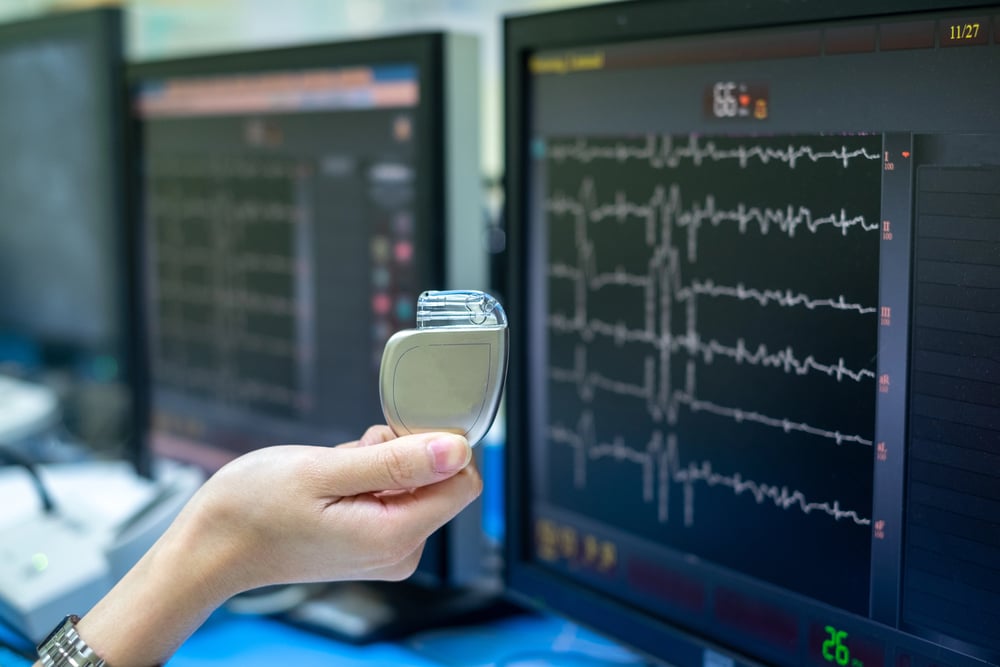
Wilson Greatbatch was building a device to record heart sounds in 1956 when he grabbed the wrong resistor from his toolbox. He installed a component that was 100 times too powerful for what he needed.
The circuit started giving off electrical pulses that perfectly matched a human heartbeat. Greatbatch realized he’d stumbled onto something far more valuable than his original project. The implantable pacemaker now keeps millions of hearts beating regularly.
Saccharin Sweetens by Accident
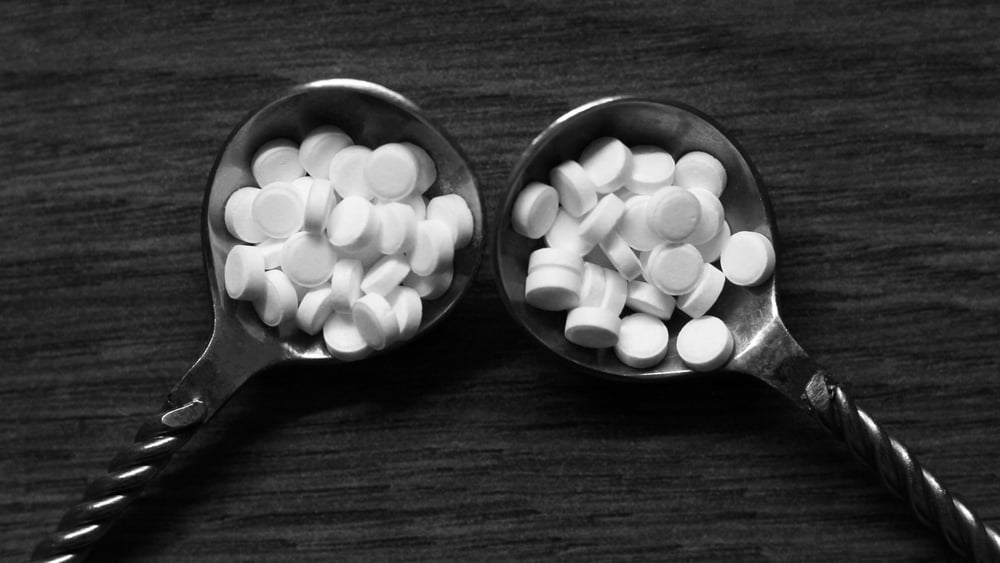
Constantin Fahlberg was working with coal tar derivatives in 1879, trying to create new chemical compounds. He forgot to wash his hands before dinner one evening after a long day in the lab.
Everything he ate tasted incredibly sweet, and he traced it back to the chemicals on his fingers. Saccharin became the first artificial sweetener, helping diabetics and dieters for over a century.
Cornflakes From Stale Wheat
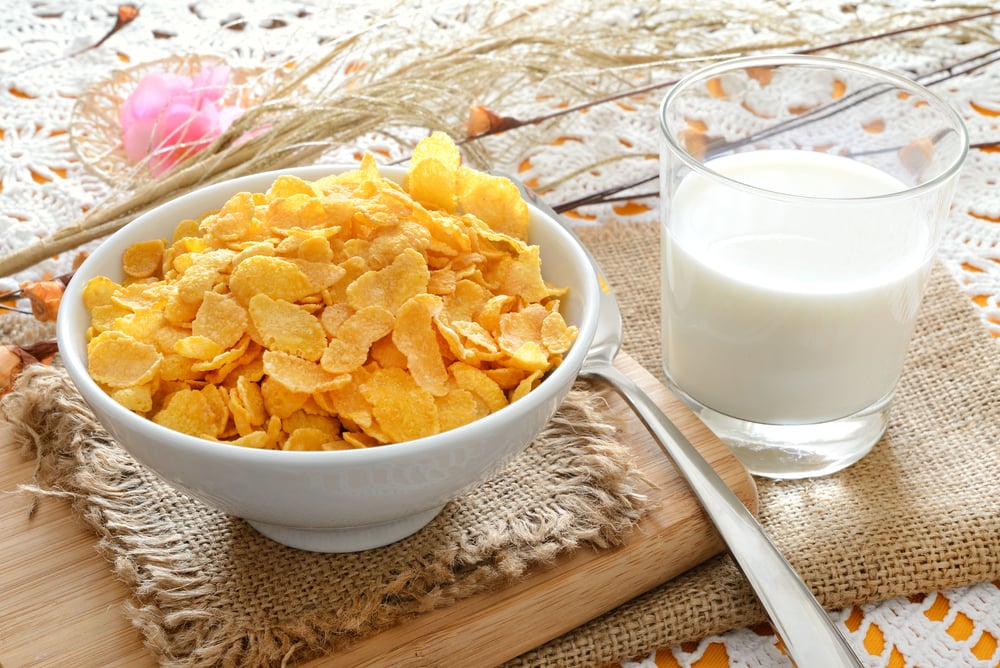
John Harvey Kellogg ran a health sanitarium in Michigan and served bland vegetarian food to his patients. In 1894, he and his brother left a pot of boiled wheat out too long and it went stale.
Rather than waste the expensive grain, they tried rolling it out anyway. The wheat came out in flakes instead of a solid sheet. They toasted the flakes, and patients loved them so much that the Kellogg brothers started a whole new breakfast industry.
X-rays Illuminate by Chance
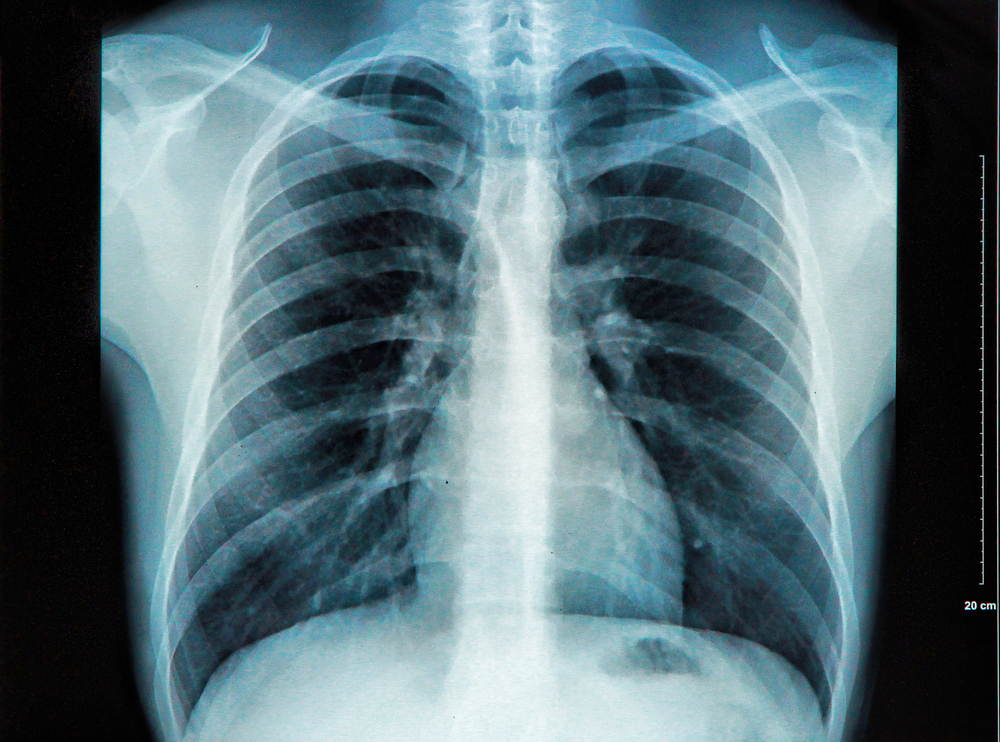
Wilhelm Roentgen was experimenting with cathode ray tubes in 1895, working in a completely darkened room. He noticed a fluorescent screen across the room was glowing even though the tube was covered.
Roentgen had no idea what these mysterious rays were, so he called them X-rays. His accidental discovery let doctors see inside the human body without surgery, transforming medicine forever.
Safety Glass From a Dropped Flask

Edouard Benedictus knocked a glass flask off his desk in 1903 and braced for the sound of shattering glass. The flask cracked but held together instead of breaking into dangerous shards.
The French scientist realized the flask had contained cellulose nitrate, which had coated the inside and kept the glass intact. This observation led to laminated safety glass, which now protects drivers in car windshields and prevents countless injuries.
Teflon’s Slippery Surprise
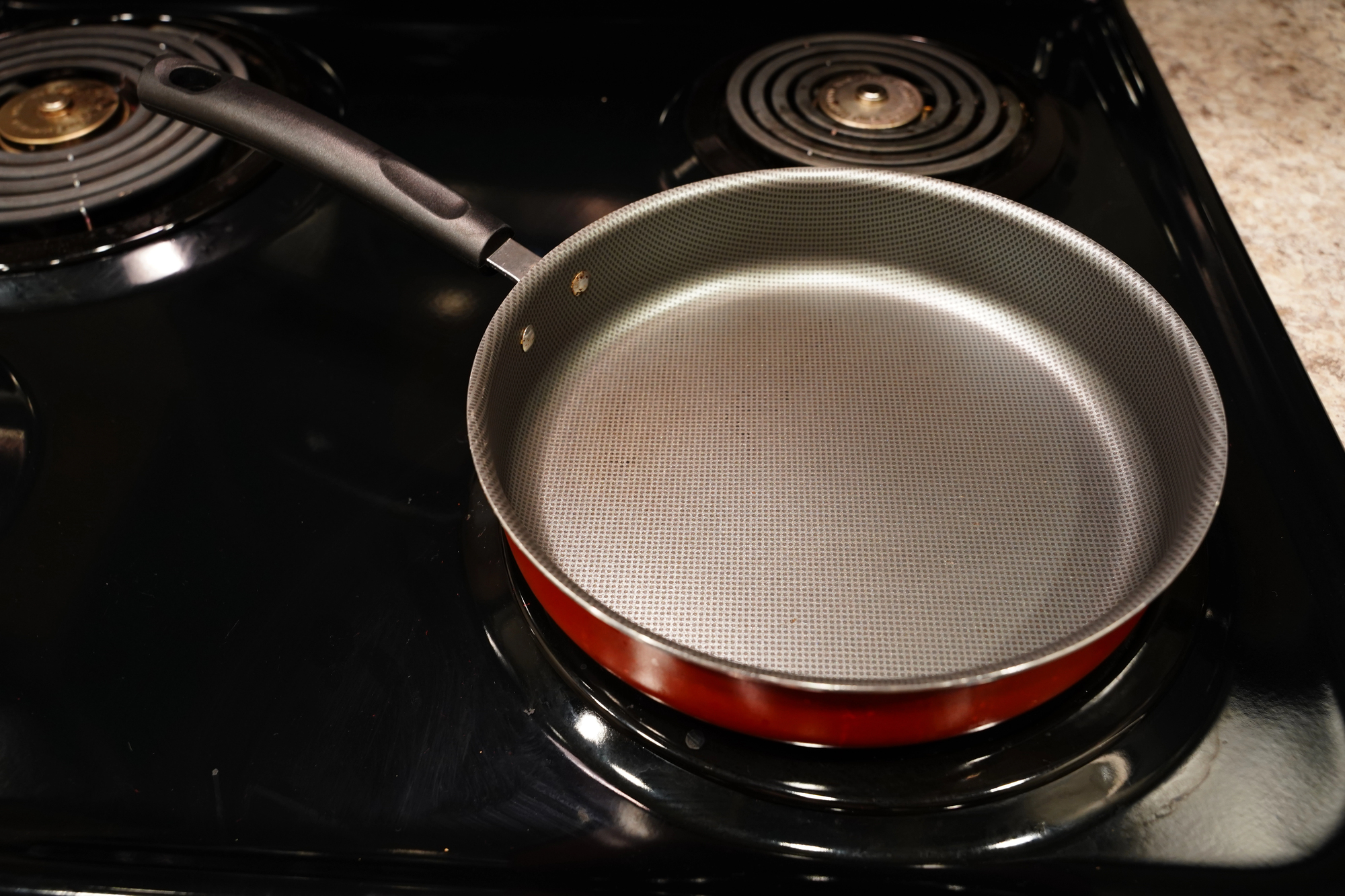
Roy Plunkett was trying to create a new refrigerant for DuPont in 1938. He stored tetrafluoroethylene gas in pressurized canisters, planning to use it the next day.
When Plunkett opened the container, nothing came out, but the canister still weighed the same. The gas had polymerized into a white, waxy solid that was incredibly slippery and heat-resistant. Teflon now coats everything from frying pans to spacecraft.
Silly Putty’s Wartime Failure
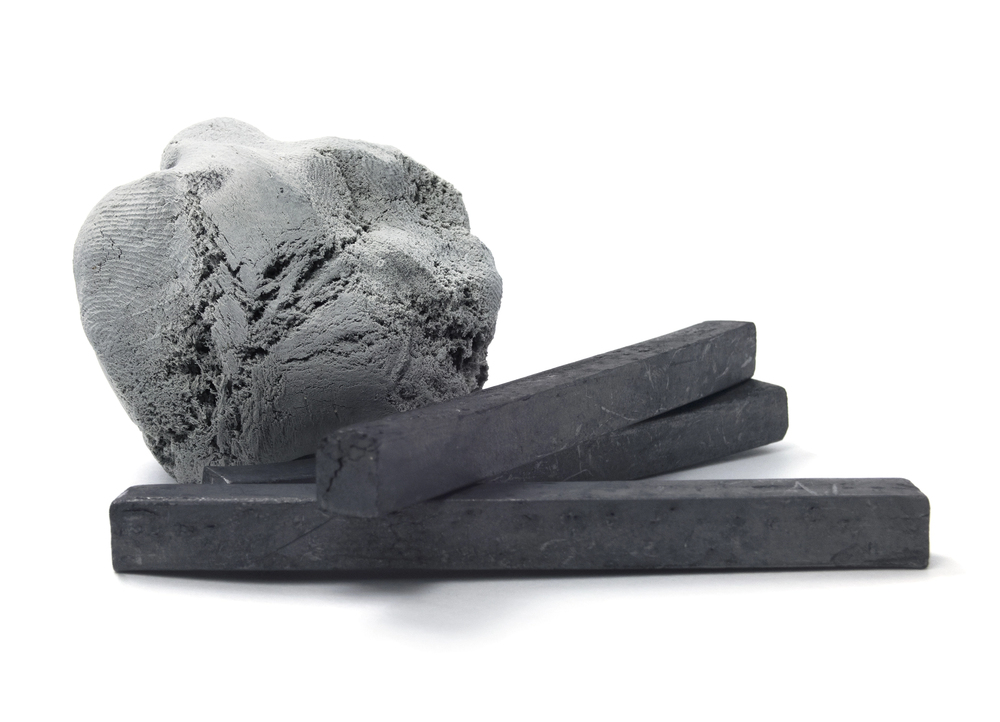
Engineers during World War II desperately needed synthetic rubber because Japan had cut off access to natural rubber supplies. James Wright mixed boric acid with silicone oil in 1943, hoping to create a rubber substitute.
The result was a gooey substance that bounced, stretched, and copied newsprint, but it was completely useless for the war effort. A toy store owner saw its potential as a children’s toy, and Silly Putty became one of the most popular playthings of the 1950s.
Brandy From Spoiled Wine

Dutch merchants in the 16th century faced a problem shipping wine from France to northern Europe. The wine was often spoiled during the long voyage, wasting money and cargo space.
Traders started boiling the wine to remove water, planning to add it back at the destination. They discovered the concentrated spirit tasted even better than the original wine, especially after aging in wooden barrels. This ‘burnt wine’ became brandy, one of the world’s most prized spirits.
The Slinky’s Downward Walk
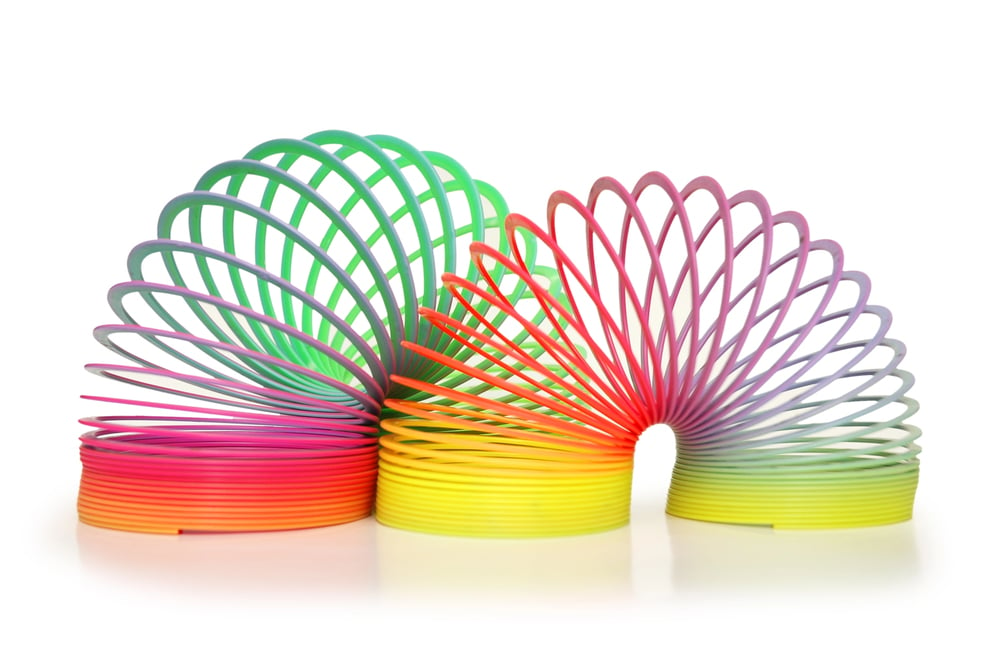
Richard James was a naval engineer in 1943, trying to develop springs that could stabilize sensitive equipment on ships. He knocked one of his experimental springs off a shelf and watched it ‘walk’ down from the shelf to a stack of books to the floor.
James spent two years perfecting the toy version with his wife Betty. The Slinky has sold over 300 million units and continues walking down stairs in homes everywhere.
Superglue’s Sticky Problem
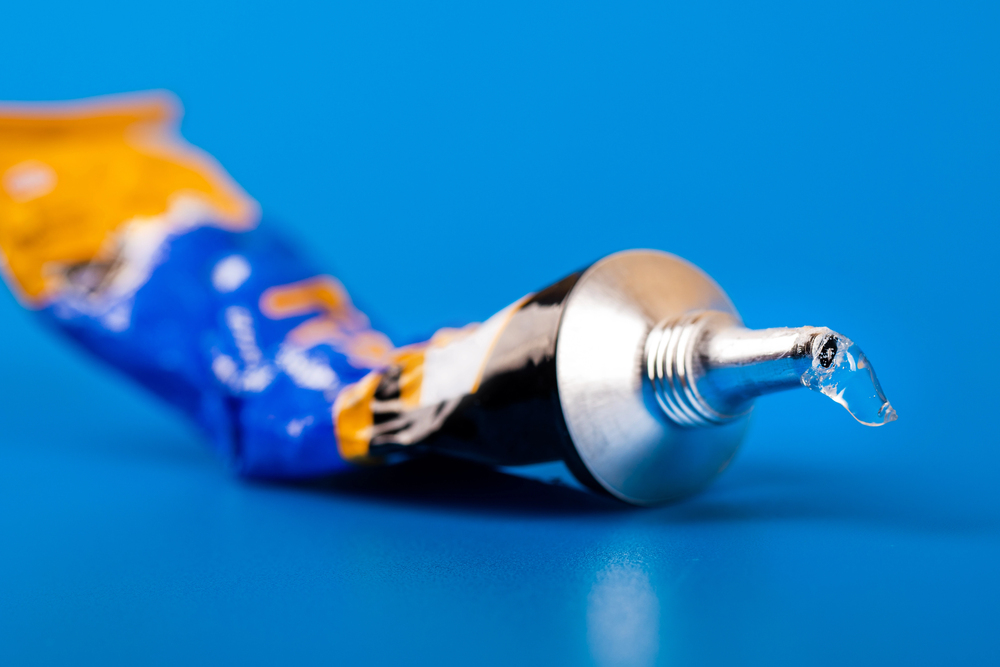
Harry Coover was trying to make clear plastic gun sights for the military in 1942. He created cyanoacrylate but rejected it immediately because it stuck to absolutely everything it touched.
Six years later, Coover was working on a different project and rediscovered the same compound. This time he recognized the value of an adhesive that bonded almost instantly to nearly any surface. Superglue now fixes everything from broken ceramics to medical wounds.
Champagne’s Explosive Evolution

Winemakers in the Champagne region of France considered bubbles in their wine a serious defect for centuries. Dom Perignon, a Benedictine monk, actually spent much of his career trying to prevent the fizz that naturally occurred during fermentation.
Bottles frequently exploded from the pressure, and consumers complained about the carbonation. Eventually, producers embraced the bubbles and developed techniques to control them. Champagne became the drink of celebration, all because winemakers learned to love their mistakes.
Chocolate Chip Cookies by Substitution
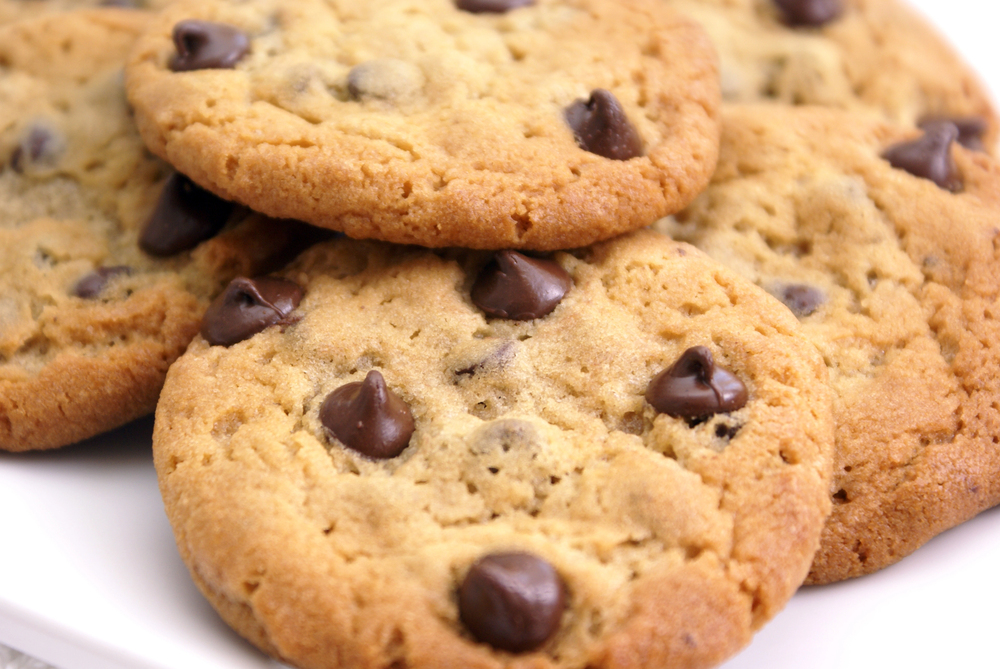
Back in 1938, Ruth Wakefield baked at the Toll House Inn tucked away in Massachusetts. While preparing chocolate cookies one afternoon, she found herself without proper baking chocolate.
So, she broke apart a regular Nestle chocolate bar into small bits and mixed them in. Honestly, she thought it would blend smoothly into the batter when heated. Instead, little chunks stayed firm, forming gooey centers after baking. That twist? It caught on fast. Over time, those treats turned into America’s favorite cookie. Eventually, Nestle printed her original method right onto each package of their new chip bags.
Potato Chips From Spite
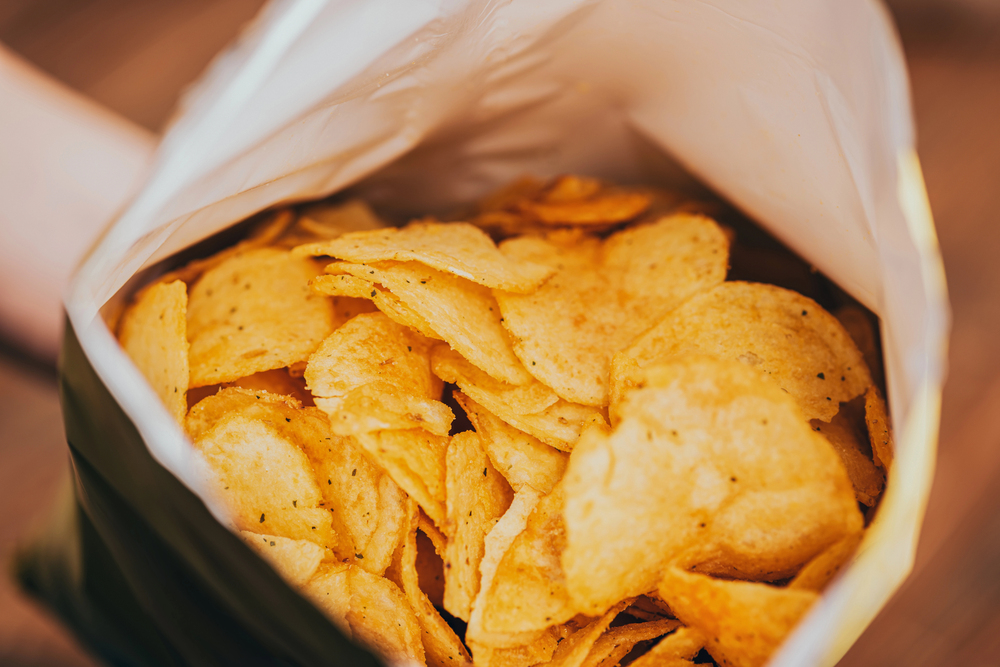
Back in 1853, George Crum cooked meals at a resort in upstate New York. One guest wouldn’t stop returning his fries – too thick, he said, too soft on the inside.
Irritated by the complaints, Crum took sharp aim: slices so thin they nearly vanished, then deep-fried into crispness, layered with salt out of sheer defiance. Surprise turned to delight – the eater enjoyed every bite. Word spread fast among diners asking for those crunchy potato slips named ‘Saratoga Chips.’ From irritation came invention; now shelves bend under similar bags worldwide.
When Wrong Becomes Right

Curiosity kept them moving even when results did not match plans. When experiments broke down, they paused rather than walked away.
A shift in view turned what seemed broken into something useful. Missteps led to places that careful steps never could. Moments meant to be forgotten became starting points. What failed one way worked another. Some of history’s key moments began with spilled liquids or cracked tools. An idea born from chaos often outlives perfect but dull attempts.
More from Go2Tutors!

- The Romanov Crown Jewels and Their Tragic Fate
- 13 Historical Mysteries That Science Still Can’t Solve
- Famous Hoaxes That Fooled the World for Years
- 15 Child Stars with Tragic Adult Lives
- 16 Famous Jewelry Pieces in History
Like Go2Tutors’s content? Follow us on MSN.



