Photos Of Iconic Deserts From Around The World
There’s something magnetic about deserts that draws the eye long before you understand why. Maybe it’s the way they strip everything down to essentials — sand, stone, sky — or how they make space feel infinite while somehow still intimate.
Desert photography captures this strange contradiction: landscapes so vast they humble you, yet so detailed that every ripple in a dune feels deliberate. These images from the world’s most iconic deserts don’t just document places.
They reveal the personality of emptiness itself.
Sahara Desert, North Africa

The Sahara doesn’t mess around. Endless dunes, scorching heat, camels if you’re lucky.
This is what most people picture when they hear “desert” — and they’re not wrong to start here. Those golden sand seas stretch farther than your mind wants to accept.
The light changes everything twice a day, turning ordinary sand into something that looks molten at sunrise and blood-red at sunset.
Atacama Desert, Chile

Here’s the thing about the Atacama: it’s so dry that some weather stations have never recorded rainfall (and some of these stations have been operating for decades, which gives you an idea of just how committed this place is to staying parched). The landscape looks like Mars decided to set up shop on Earth — red rock formations, salt flats that stretch to the horizon, and a sky so clear at night that astronomers from around the world come here just to stare up.
So when photographers capture the Atacama, they’re documenting something closer to an alien world than anything most of us will encounter. And yet there’s life here — not much, but enough to remind you that adaptation can be more stubborn than the harshest conditions.
The flamingos that gather at the high-altitude salt lakes seem almost absurd against the backdrop, like someone photoshopped tropical birds into a moonscape.
Wadi Rum, Jordan

Wadi Rum feels like stepping into a film set — which makes sense, because it frequently is one. The red sandstone formations rise from the desert floor like ancient monuments, carved by wind into shapes that seem too deliberate to be natural.
Lawrence of Arabia rode through here, and every photograph from Wadi Rum carries that sense of epic adventure. The rock bridges, the narrow canyons, the way the stone glows amber in the late afternoon light.
It’s desert photography with a narrative built right in.
Gobi Desert, Mongolia And China

The Gobi operates on a different frequency entirely. Where other deserts feel ancient and timeless, the Gobi feels alive — almost restless.
Temperatures swing from blazing hot to well below freezing, sometimes in the same day. Snow falls on sand dunes.
Dinosaur fossils emerge from the ground like the earth is telling old stories. Photographs from the Gobi capture this volatility.
One image shows endless grassland dotted with gers (traditional Mongolian dwellings), another reveals sand dunes that could belong in the Sahara. The Gobi refuses to be just one thing, and the photos reflect that stubborn complexity.
Antelope Canyon, Arizona, USA

Antelope Canyon exists because water and time decided to collaborate on something spectacular. The slot canyon’s walls flow like frozen waves, carved smooth by flash floods over thousands of years.
Light enters from above in concentrated beams, illuminating the sandstone in colors that shift from deep purple to brilliant orange. Every photo taken here looks like a painting.
The canyon walls curve and twist in ways that feel almost organic — less like rock, more like the interior of a seashell scaled up to human size.
Namib Desert, Namibia

The Namib has been around longer than most continents have been in their current positions — somewhere around 55 million years of practice at being a desert. This experience shows.
The sand dunes here aren’t just large; they’re architectural. Sossusvlei’s red dunes rise over 1,000 feet, their edges sharp enough to cut the sky into geometric shapes.
Photographs from the Namib often look abstract until you spot the tiny human figure included for scale. Then the enormity hits.
These aren’t hills covered in sand; they’re mountains made entirely of sand, shaped by winds that have been perfecting their technique for longer than mammals have existed.
Monument Valley, Utah/Arizona, USA

Monument Valley doesn’t need an introduction, but it gets one anyway because those sandstone buttes have been the backdrop for so many Westerns that they’ve become visual shorthand for the American frontier. The formations rise from the desert floor like ancient skyscrapers, their red stone glowing against blue sky.
The photography here writes itself. Every angle reveals another iconic composition — the three sisters, the mittens, the endless dirt road disappearing toward the horizon.
It’s almost impossible to take a bad photo in Monument Valley, which might be why it shows up in so many films. But here’s what the movies don’t capture: the silence.
Monument Valley photographs often feel like they should come with sound — wind, maybe, or the distant call of a hawk. Instead, there’s just space and stone and the kind of quiet that makes you aware of your own heartbeat.
Thar Desert, India/Pakistan

The Thar refuses to be empty in the way other deserts are empty. Villages dot the landscape, their mud-brick buildings rising from sand that seems to flow around them like a slow river.
Camels aren’t tourist attractions here — they’re transportation, workhorses, companions. Photographs from the Thar capture this integration of human life and harsh landscape.
Women in bright saris cross sand dunes that could swallow cities. Children play in courtyards while sand accumulates in the corners like snow.
The desert isn’t something to be conquered or survived here; it’s home.
White Sands, New Mexico, USA

White Sands operates by dream logic — miles of pure white gypsum sand that looks like snow but feels like powder. The dunes shift and flow, erasing footprints and rewriting the landscape daily.
Against the white sand, anything with color becomes electric: a red flower, a blue sky, the green of a yucca plant. Photography here deals with a technical challenge most desert photographers never encounter: too much reflected light.
The white sand acts like a massive reflector, bouncing light in all directions. The result is images that seem to glow from within, landscapes so bright they feel almost overexposed even when they’re not.
The place looks like winter in the middle of the desert Southwest. Children sled down the dunes on pieces of cardboard, and the sand stays cool enough to walk on barefoot even in summer.
Every photograph from White Sands looks like it was taken on another planet — one where snow falls upward and dunes flow like water.
Kalahari Desert, Botswana/South Africa
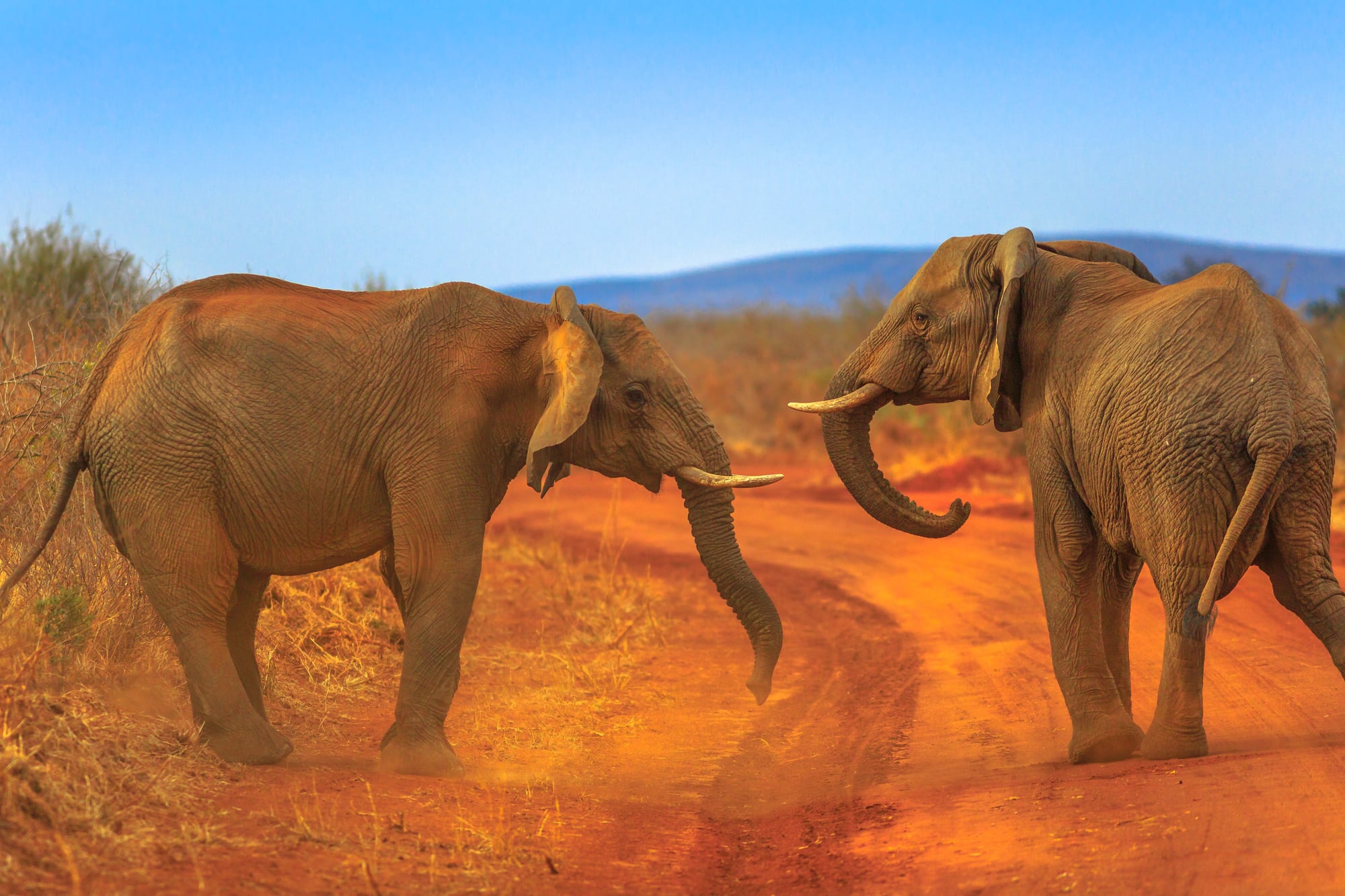
The Kalahari challenges the definition of desert entirely. Red sand, yes, but also grasslands, scattered trees, seasonal rivers that actually flow.
During the rainy season, parts of the Kalahari transform into wetlands that attract hundreds of thousands of animals. This is desert photography with wildlife — elephants walking across red sand, meerkats standing sentinel on termite mounds.
Lions that have adapted to hunt in conditions most big cats would avoid. The images capture something most deserts don’t offer: abundance in the middle of scarcity.
Sonoran Desert, Arizona/Mexico

The Sonoran doesn’t conform to desert stereotypes. Instead of endless sand, there are forests of saguaro cacti reaching toward the sky like thirty-foot-tall candelabras.
Instead of barren emptiness, there’s more biodiversity than any other desert in the world. Photographs from the Sonoran reveal this complexity layer by layer.
A wide shot shows the iconic saguaros against purple mountains; a closer look reveals barrel cacti, ocotillo, and palo verde trees creating an intricate ecosystem. The desert blooms here — literally.
Spring brings wildflowers that carpet the desert floor in colors bright enough to hurt your eyes. Sunset photography in the Sonoran often feels almost too dramatic to be real.
The saguaros become silhouettes against skies that cycle through every color between gold and deep purple, and the mountains provide a backdrop that changes from blue to pink to black as the light fades.
Karakum Desert, Turkmenistan

The Karakum earned its nickname “Black Sands” honestly, but that’s not why photographers come here. They come for the Door to Hell — a natural gas crater that has been burning continuously since 1971.
The flame illuminates the desert night like something from mythology. Daytime photographs show a harsh landscape of sand and scrub, unremarkable except for its size.
But after dark, the burning crater transforms everything. The photographs look like the earth opened up to reveal its molten core, orange flames dancing against black sky and darker sand.
Simpson Desert, Australia

The Simpson Desert proves that remoteness has its own aesthetic. This is one of the most isolated places on Earth — red sand dunes running parallel for hundreds of miles, separated by valleys that rarely see human footprints.
The dunes here don’t shift much; they’ve been locked in place by vegetation for thousands of years. Photography from the Simpson captures this sense of deep time and deeper solitude.
The red sand creates patterns that look almost woven, geometric designs that stretch to the horizon. When wildflowers bloom after rare rains, they transform the valleys between dunes into corridors of color that seem to exist in a completely different world from the one just a few feet up the dune face.
Where The Horizon Teaches Patience

Desert photography doesn’t just document landscapes; it reveals something about the relationship between human perception and infinite space. These images from the world’s most iconic deserts capture places where the horizon becomes a destination rather than just a boundary, where emptiness fills with meaning the longer you look.
Each desert speaks in its own visual language — the Sahara’s golden minimalism, the Atacama’s Martian surrealism, Monument Valley’s cinematic drama. Together, they form a collection of landscapes that remind us how much beauty exists in places that seem, at first glance, to offer nothing at all.
More from Go2Tutors!

- The Romanov Crown Jewels and Their Tragic Fate
- 13 Historical Mysteries That Science Still Can’t Solve
- Famous Hoaxes That Fooled the World for Years
- 15 Child Stars with Tragic Adult Lives
- 16 Famous Jewelry Pieces in History
Like Go2Tutors’s content? Follow us on MSN.