Cities That Used to Be National Capitals
Every country has a capital city, but not all of them started out that way. Some nations moved their seats of power for better security, more central locations, or simply because a new city offered a fresh start.
The old capitals didn’t disappear, though. Many of them remain important cultural and economic centers, carrying the weight of history even after losing their political crown.
Rio de Janeiro
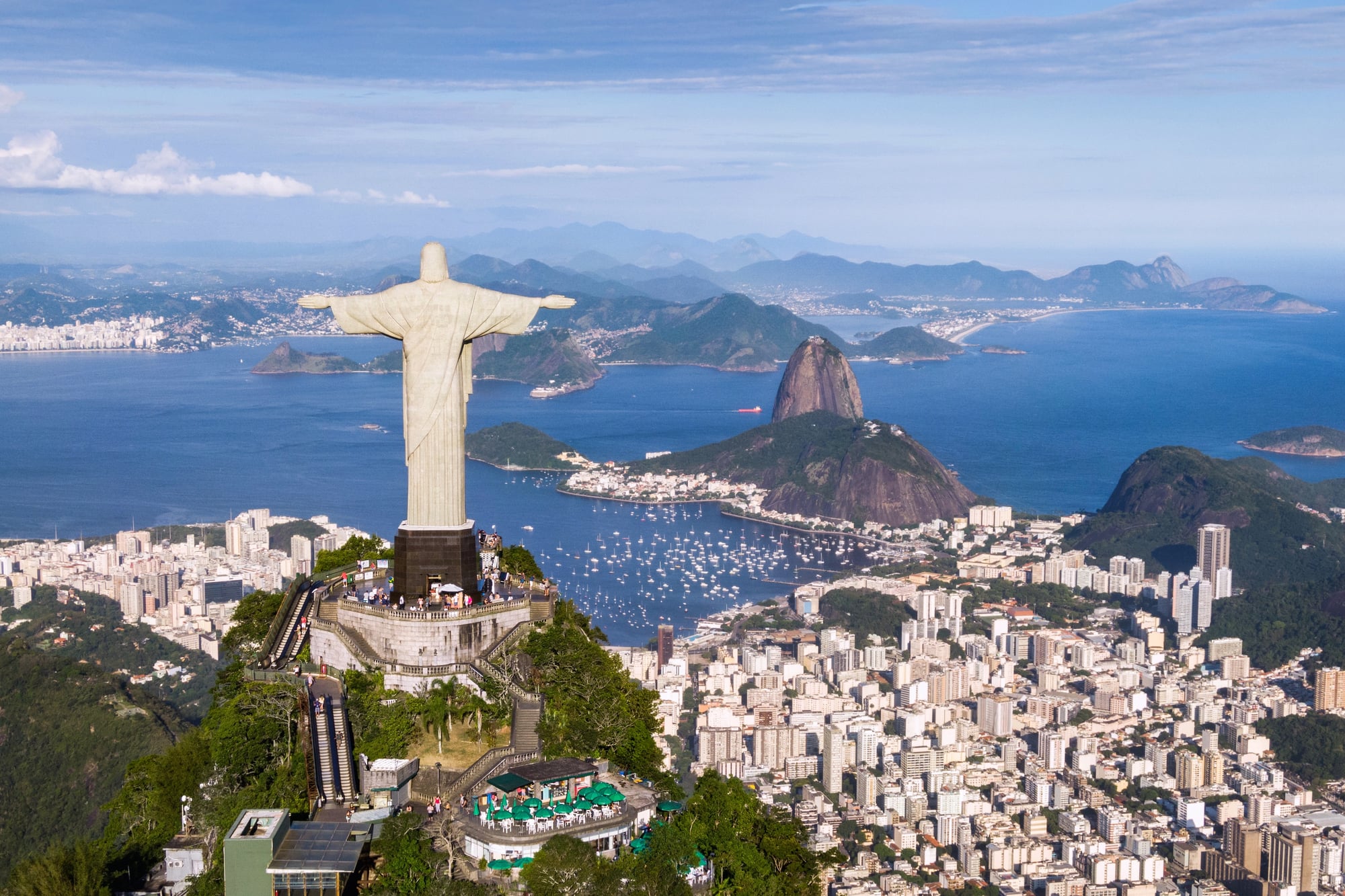
Brazil’s most famous city once held the reins of power for nearly two centuries. Rio served as the capital from 1763 until 1960, when the government decided to build an entirely new city called Brasília in the country’s interior.
The move aimed to spread development away from the coast and populate the central regions. Rio kept its beaches, its carnival celebrations, and its iconic Christ the Redeemer statue, but the politicians packed up and headed inland.
Karachi
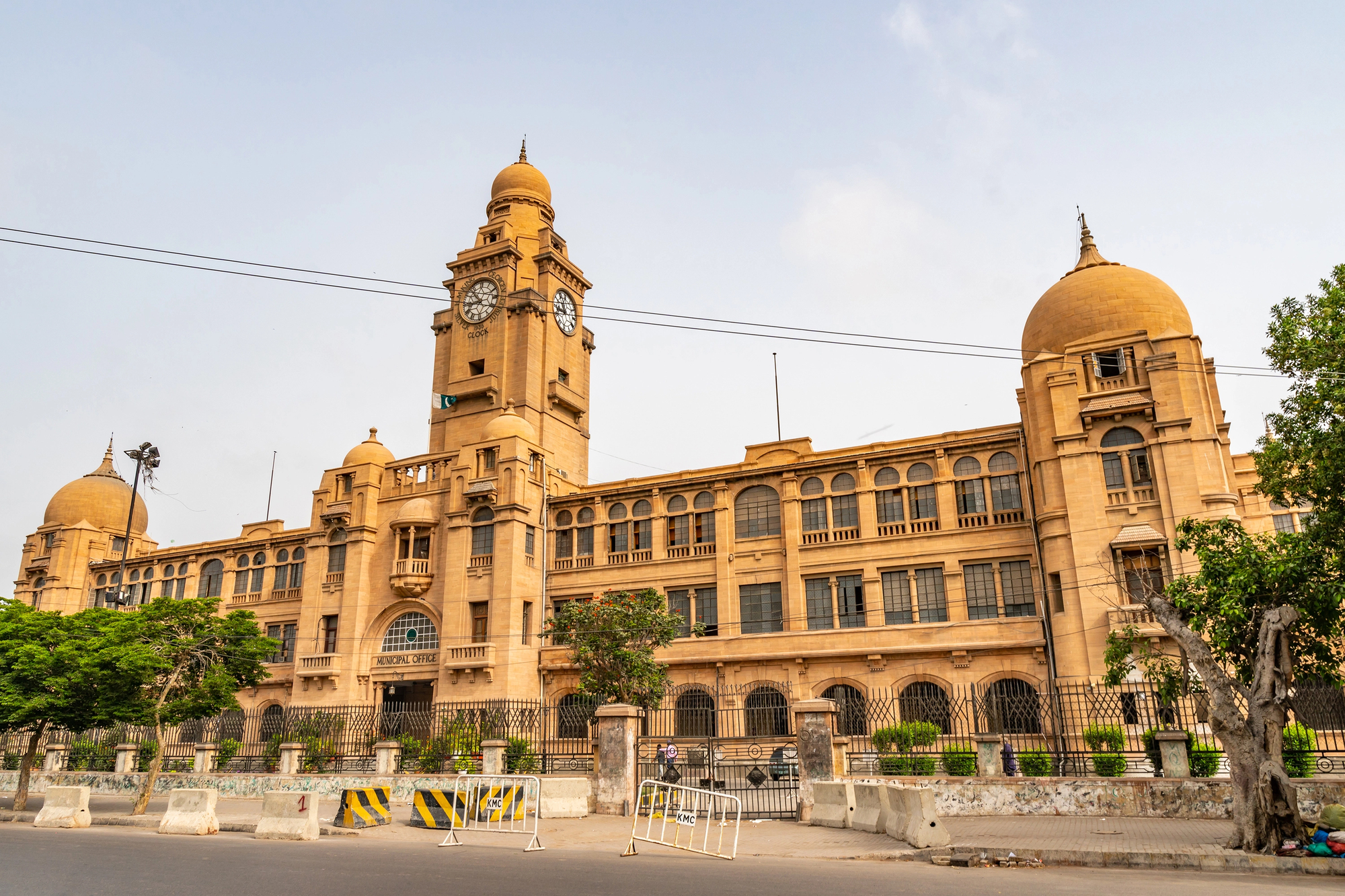
Pakistan’s largest city and main seaport wasn’t always playing second fiddle to Islamabad. Karachi served as the capital when Pakistan gained independence in 1947, but the government shifted to Islamabad in 1967.
The new capital offered a more central location and better security, sitting farther from the Indian border. Karachi remained the economic powerhouse, handling most of the country’s trade and commerce.
Yangon
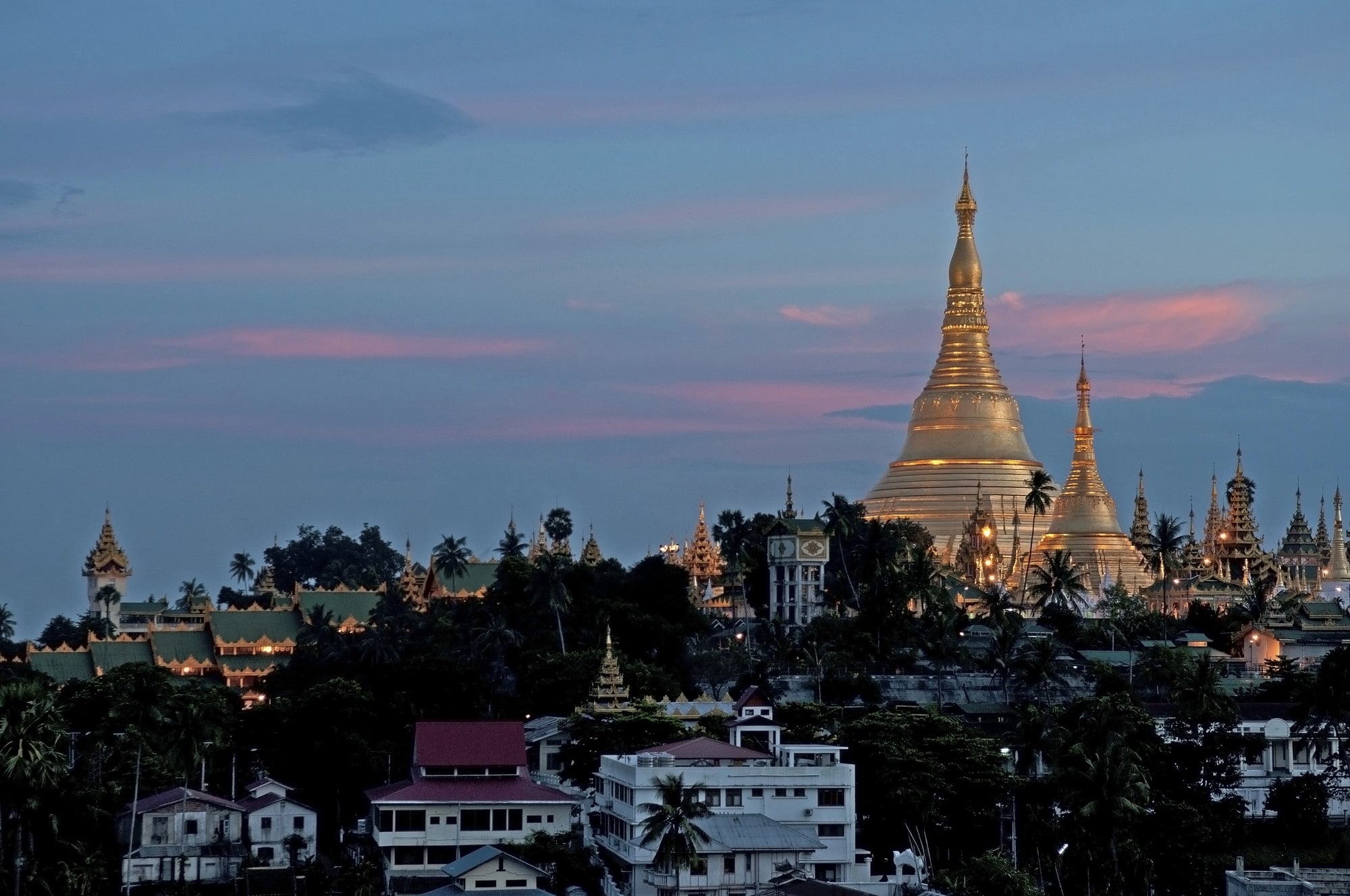
Myanmar’s largest city went by the name Rangoon when it served as the capital under British colonial rule and for decades after independence. The military government suddenly announced in 2006 that they were moving the capital to a city called Naypyidaw, built specifically for that purpose in central Myanmar.
The reasons behind the move remain murky, with theories ranging from strategic military positioning to astrology. Yangon kept its colonial architecture, the famous Shwedagon Pagoda, and most of the country’s economic activity while the government relocated to a city that critics call eerily empty.
Lagos
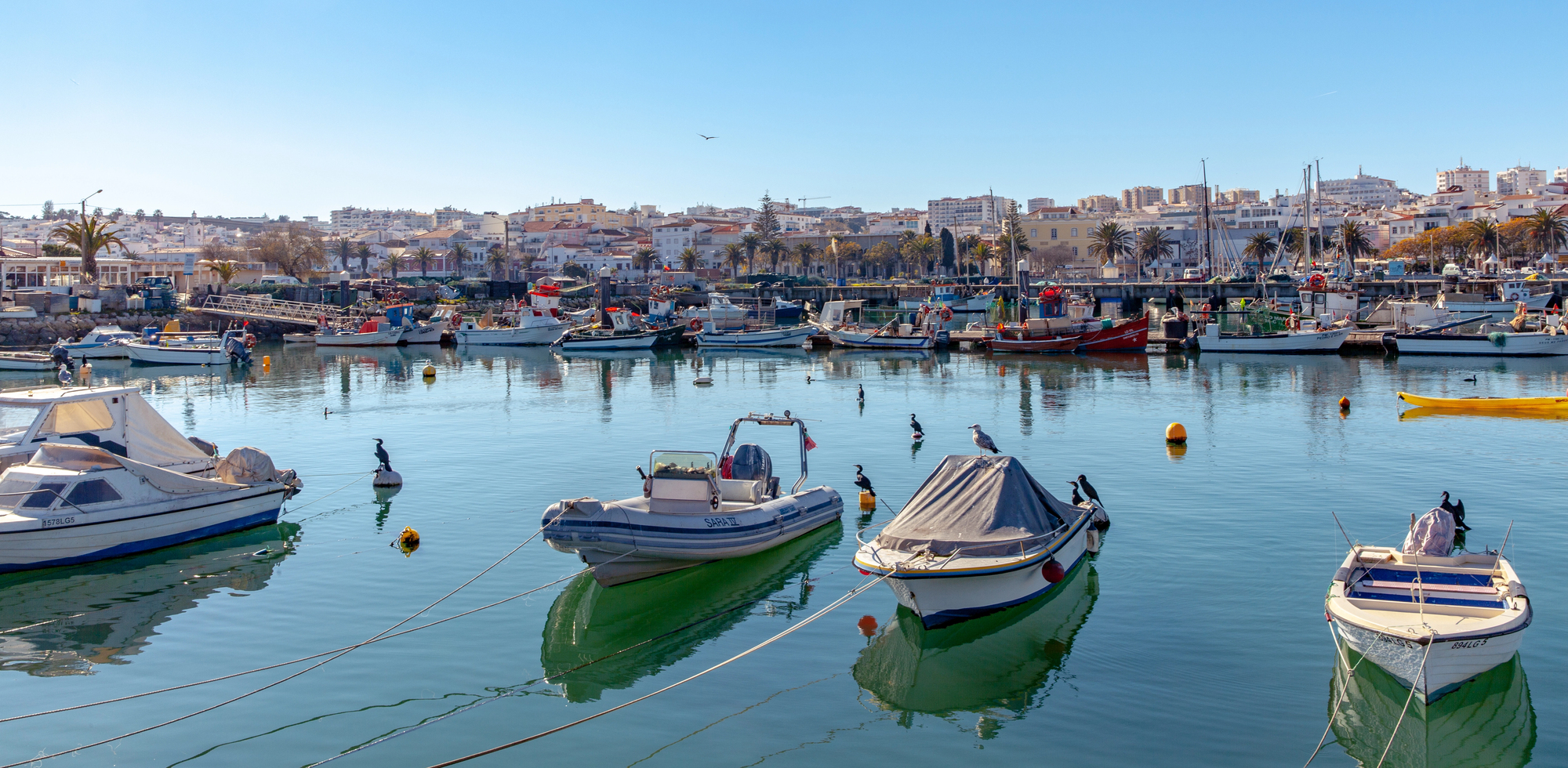
Nigeria moved its capital from Lagos to Abuja in 1991, though the transition took several years to complete fully. Lagos had become overcrowded, sitting on coastal swampland that limited expansion and made infrastructure improvements difficult.
Abuja offered more space and a location closer to the center of Africa’s most populous nation. The change didn’t slow Lagos down one bit.
Almaty
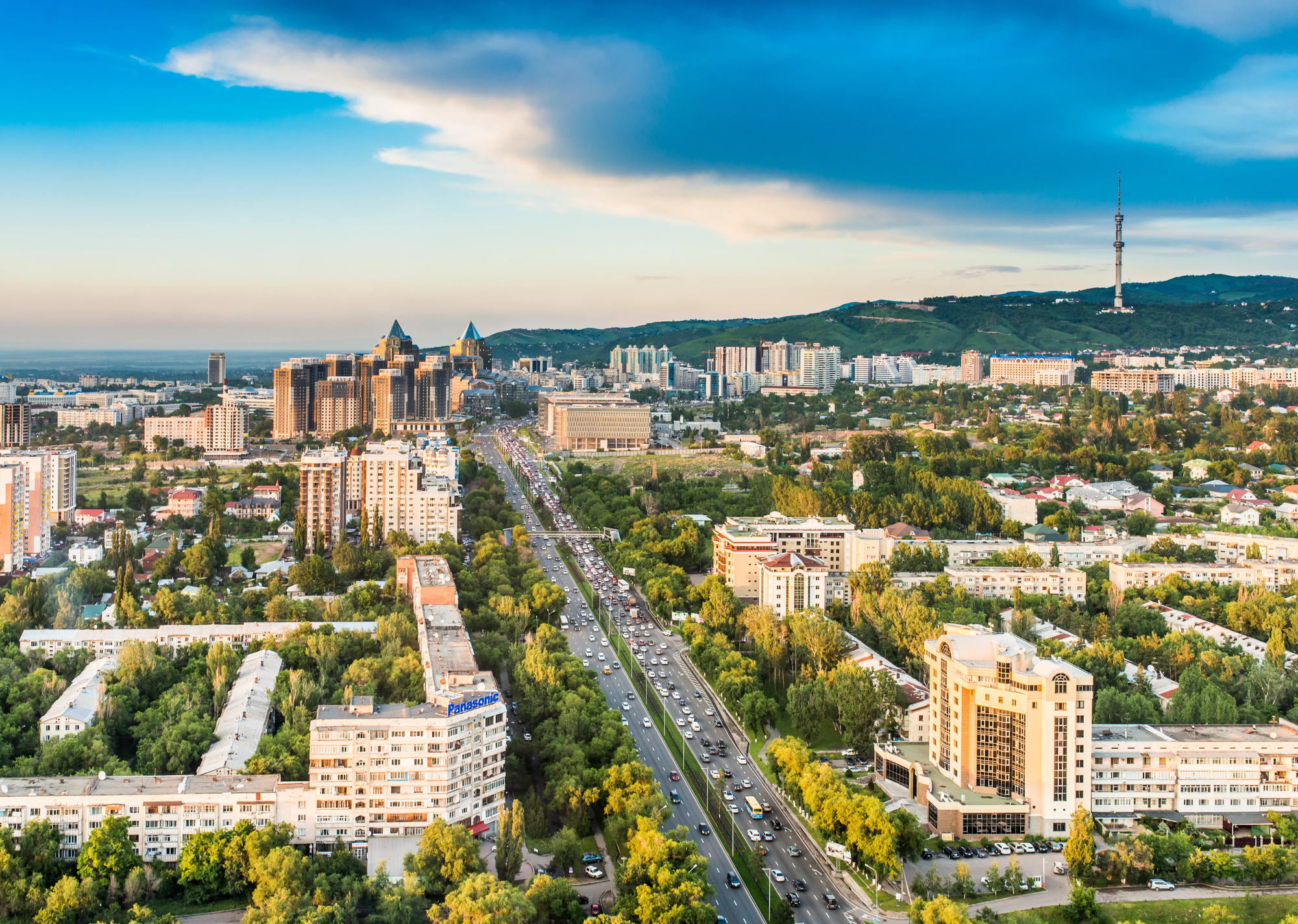
Kazakhstan’s largest city lost its capital status in 1997 when the government moved north to Astana, later renamed Nur-Sultan and then changed back to Astana again. The Soviet Union had made Almaty the capital of the Kazakh Soviet Socialist Republic, and it kept that role after independence in 1991.
The government cited earthquake risks and limited room for expansion as reasons for the move. Almaty sits in the country’s southeast corner near the mountains, while the new capital occupies a more central position.
Kyoto
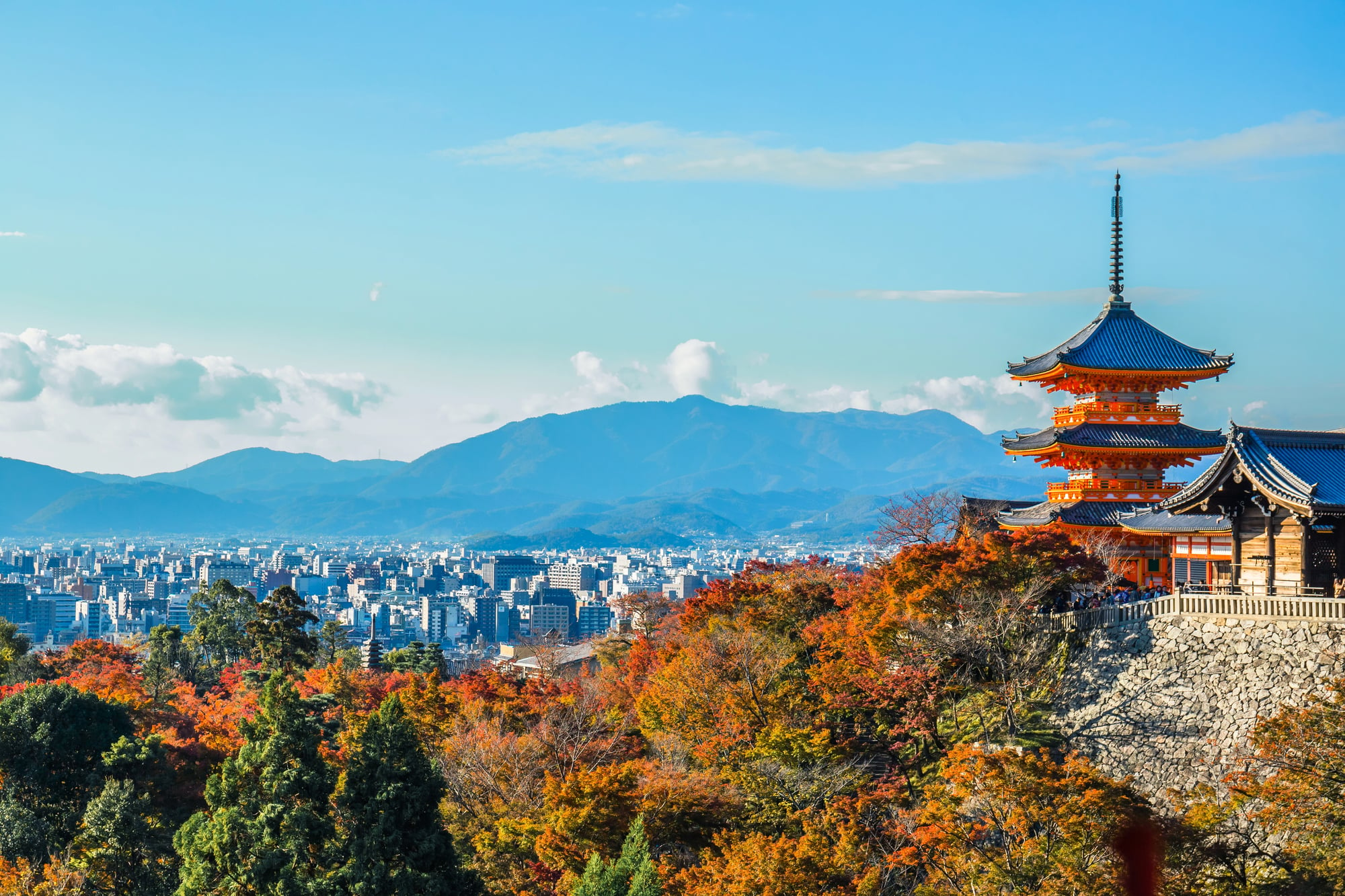
Japan’s ancient capital held that position for over a thousand years before Emperor Meiji moved the imperial court to Tokyo in 1868. Kyoto served as the seat of imperial power from 794, though actual political control often rested with shoguns based elsewhere.
The city escaped major bombing during World War II, so it preserved countless temples, gardens, and traditional wooden buildings. Tokyo got the government offices and the imperial palace, but Kyoto kept its soul as the cultural heart of Japan.
Philadelphia
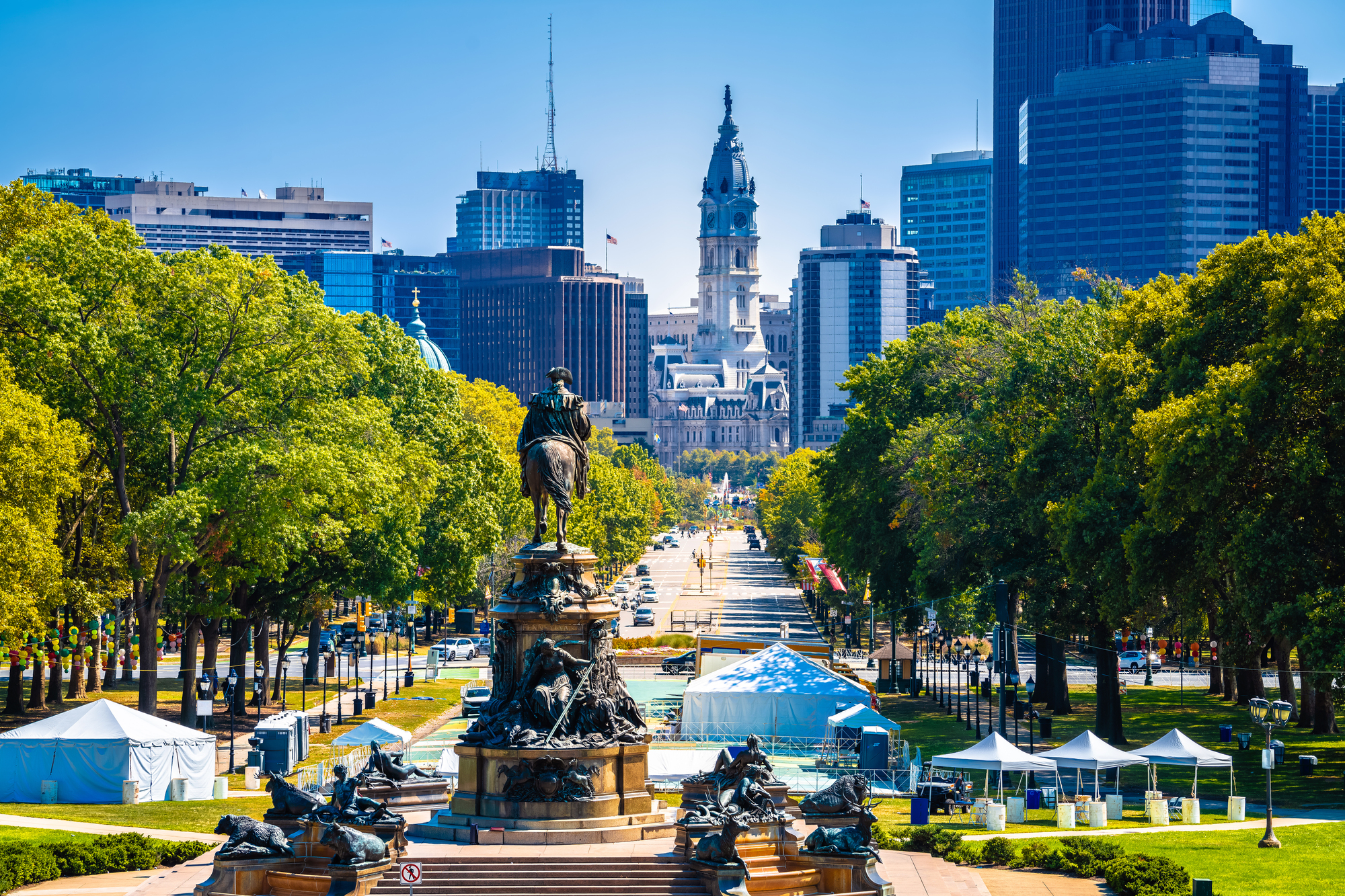
The United States had its capital in Philadelphia for most of the period from 1776 to 1800, with a few interruptions when it temporarily moved to other cities. The founding fathers signed both the Declaration of Independence and the Constitution there.
George Washington served as president from Philadelphia for most of his time in office. The government then shifted to the newly built Washington, D.C., designed specifically to serve as a permanent capital in a location that wasn’t part of any state.
Saint Petersburg
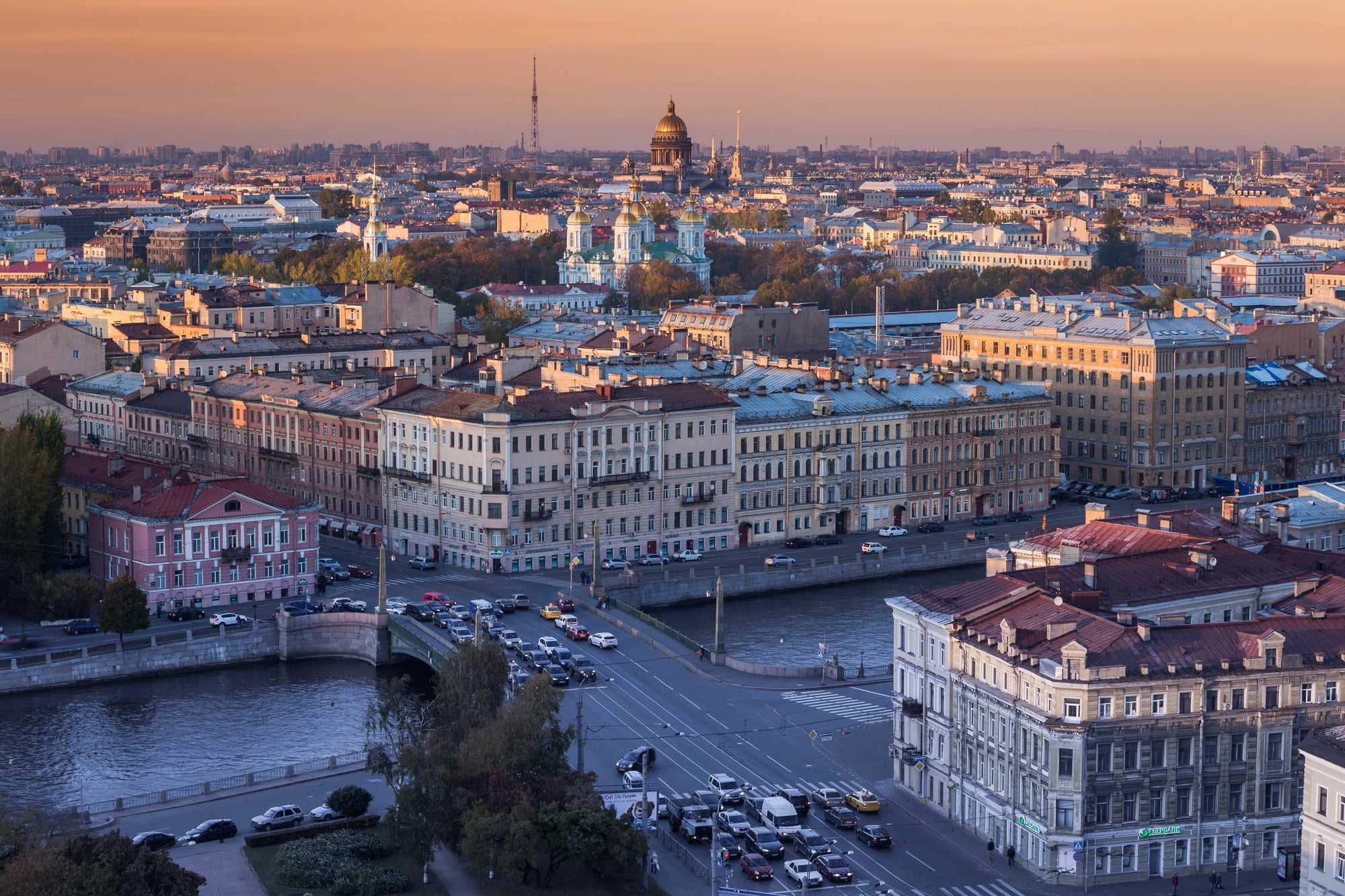
Russia’s most European city served as the capital for just over 200 years, from 1712 until 1918. Peter the Great built it from scratch on swampland along the Baltic Sea, wanting a ‘window to Europe’ that would modernize his empire.
The Russian Revolution changed everything. Vladimir Lenin moved the capital back to Moscow in 1918, partly because Saint Petersburg (then called Petrograd) sat too close to the western border during wartime.
Calcutta
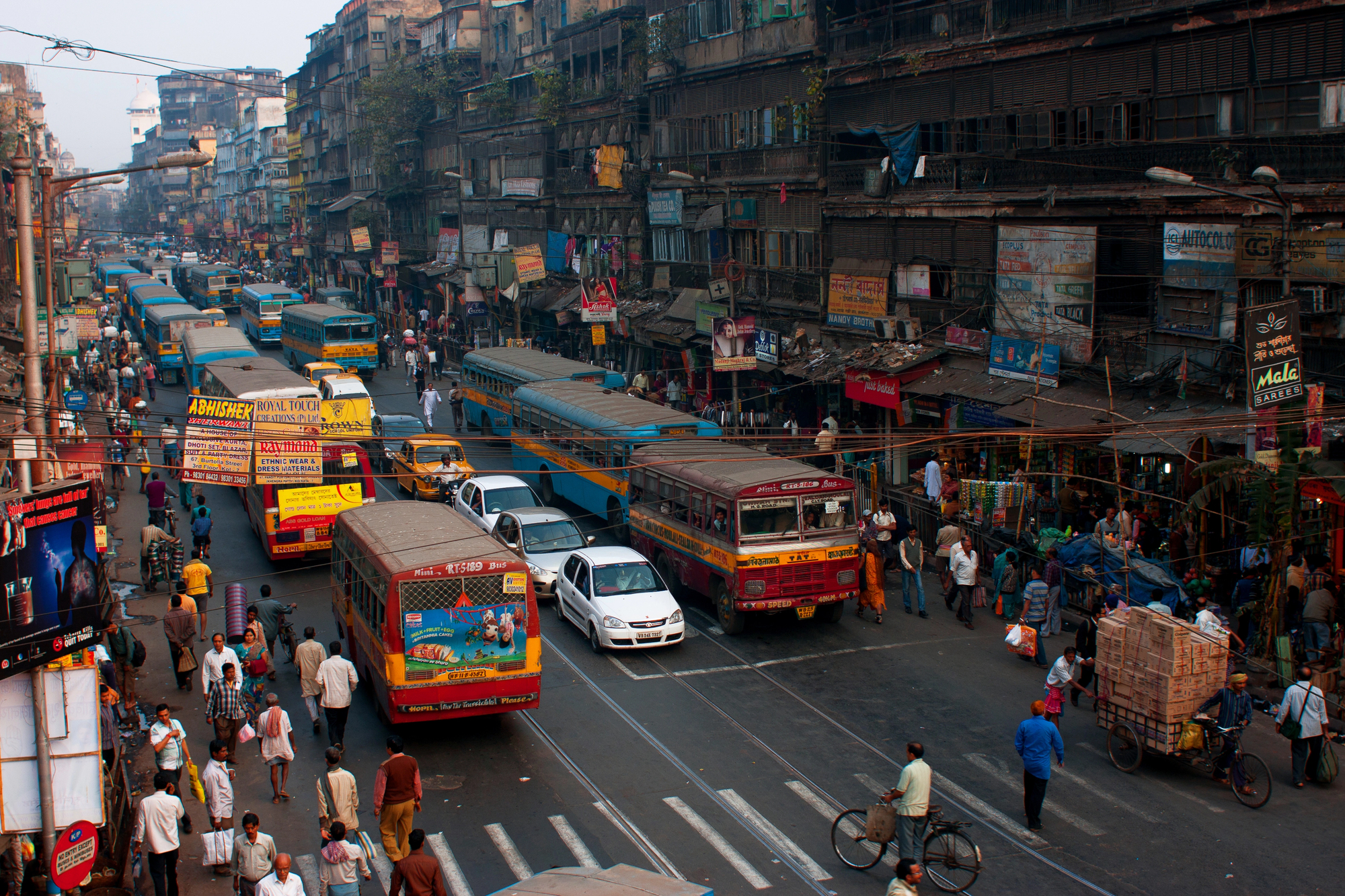
The British Empire made Calcutta the capital of British India in 1772, and it held that position until 1911. The city grew wealthy from trade, becoming a major center for jute, tea, and textiles.
King George V announced at the Delhi Durbar that the capital would move to Delhi, which offered a location with deeper historical roots and more central positioning for governing the vast subcontinent. Calcutta, now called Kolkata, remained the capital of West Bengal state.
Istanbul
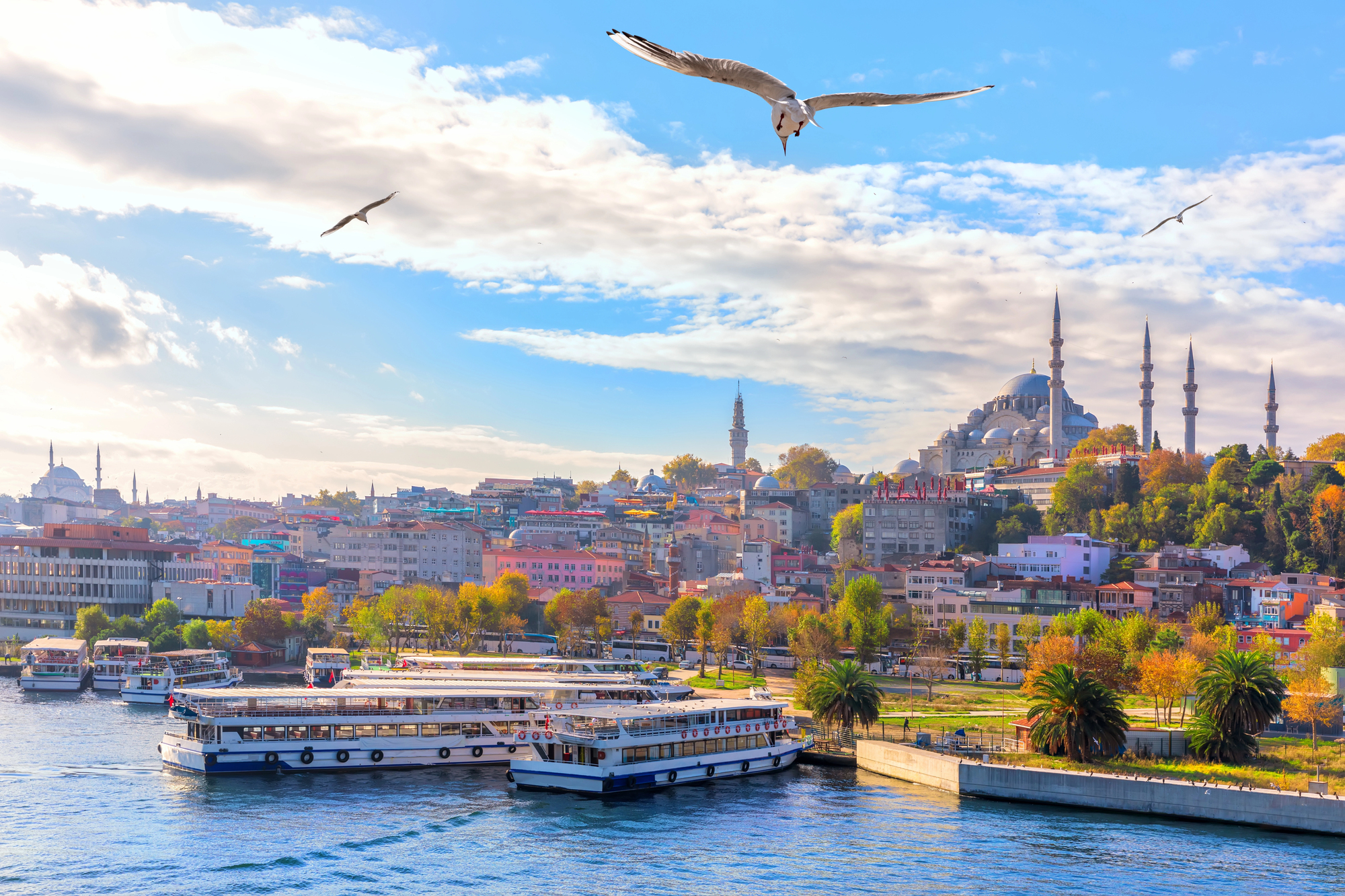
This city has worn many names and served multiple empires as their capital. Constantinople stood as the capital of the Byzantine Empire for over a thousand years, then became the Ottoman capital after 1453.
When modern Turkey emerged from the ashes of World War I, Mustafa Kemal Atatürk moved the capital to Ankara in 1923. Istanbul kept its position straddling Europe and Asia, its historic mosques and palaces, and its role as Turkey’s largest city and economic engine.
Nanjing
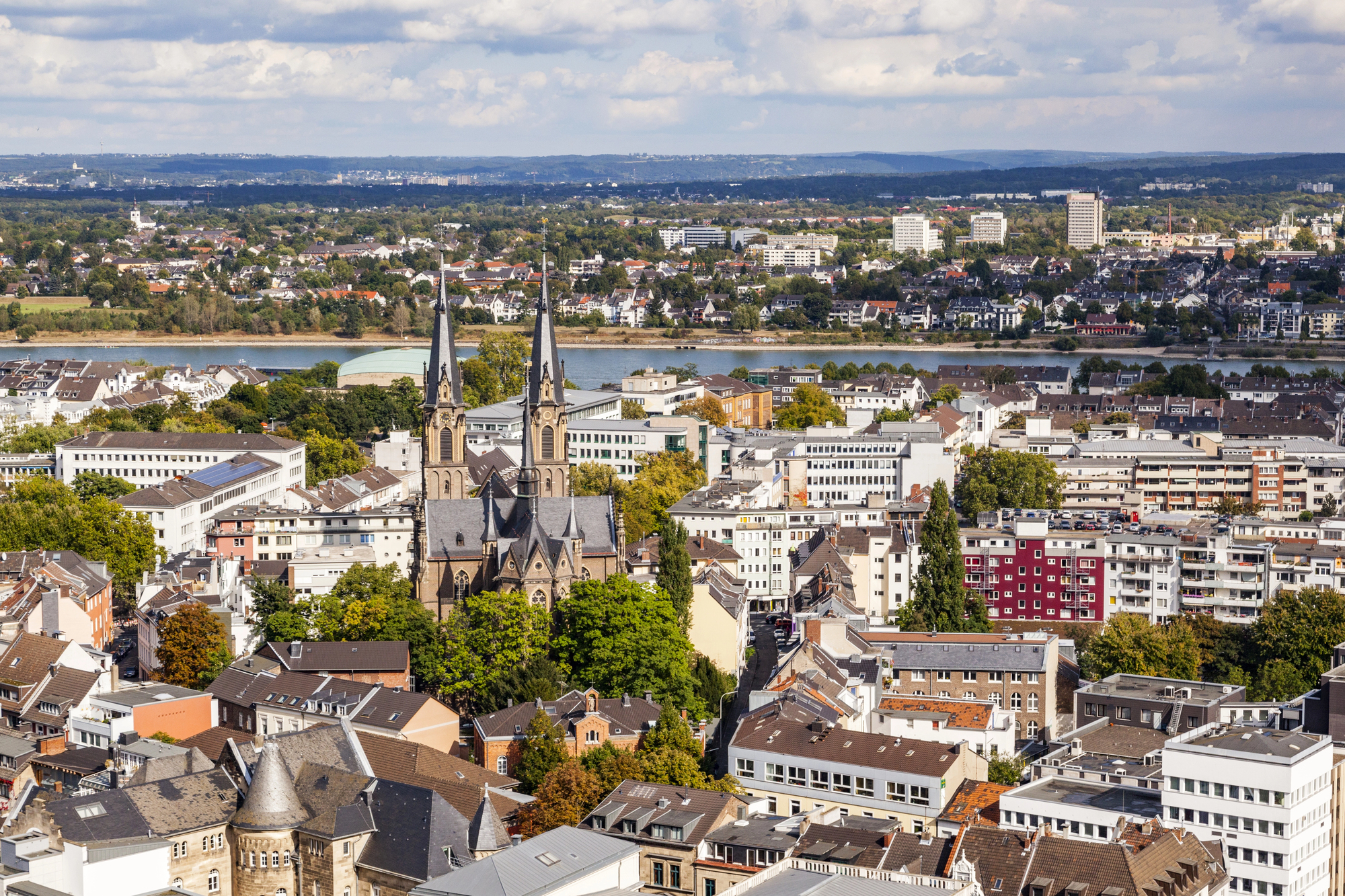
China’s capital bounced between cities throughout history, and Nanjing held the honor several times. Most recently, it served as the capital of the Republic of China from 1927 until the Communist victory in 1949.
The Nationalist government fled to Taiwan, and the Communists established Beijing as the capital of the People’s Republic. Nanjing sits on the Yangtze River in eastern China, offering good access to trade routes but lacking the northern position that Chinese dynasties traditionally favored.
Bonn
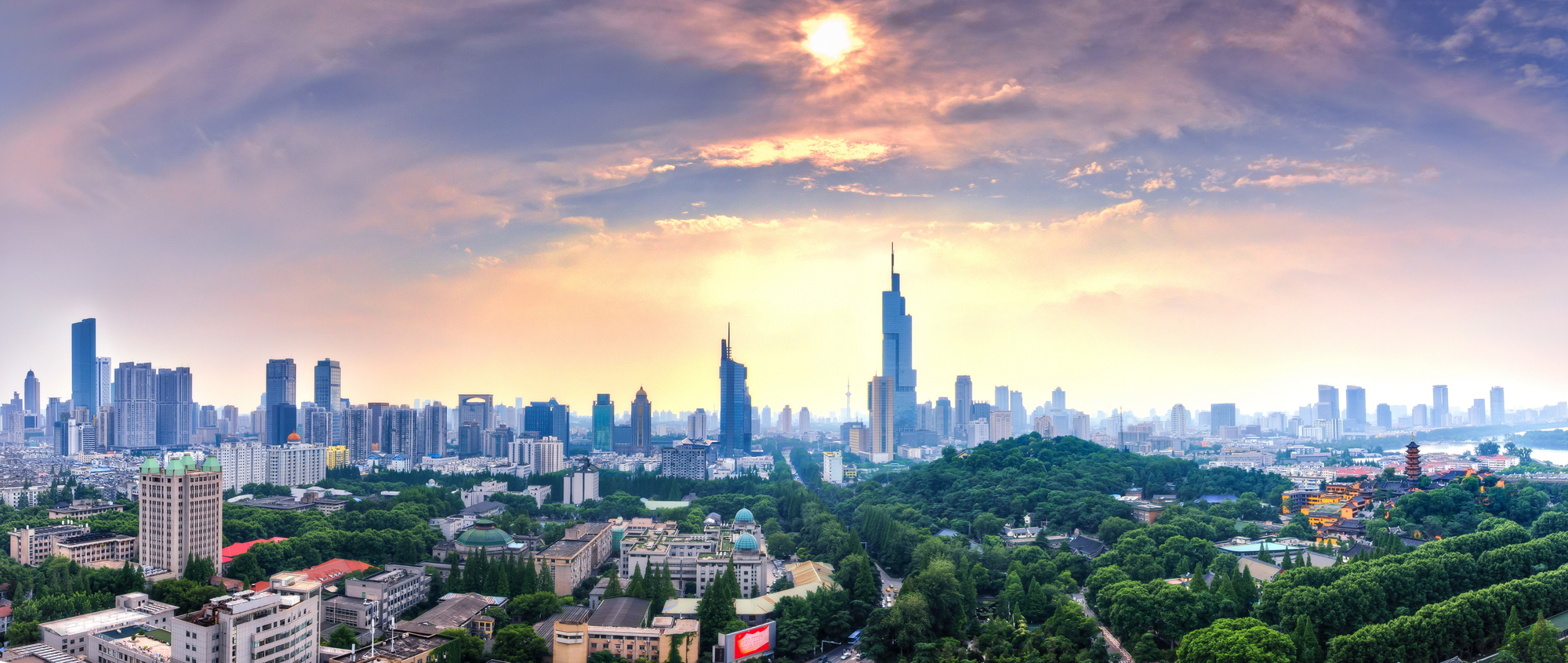
West Germany picked this small city on the Rhine River as its capital in 1949, partly because Konrad Adenauer, the first chancellor, lived nearby. The choice was supposed to be temporary, but Bonn remained the capital for over 40 years.
When Germany reunified in 1990, the government decided to move back to Berlin despite Bonn’s lobbying to keep its status. Bonn got to keep some federal ministries and agencies as a consolation prize, but it shrank from capital of a major nation to a city of about 300,000 people.
Auckland
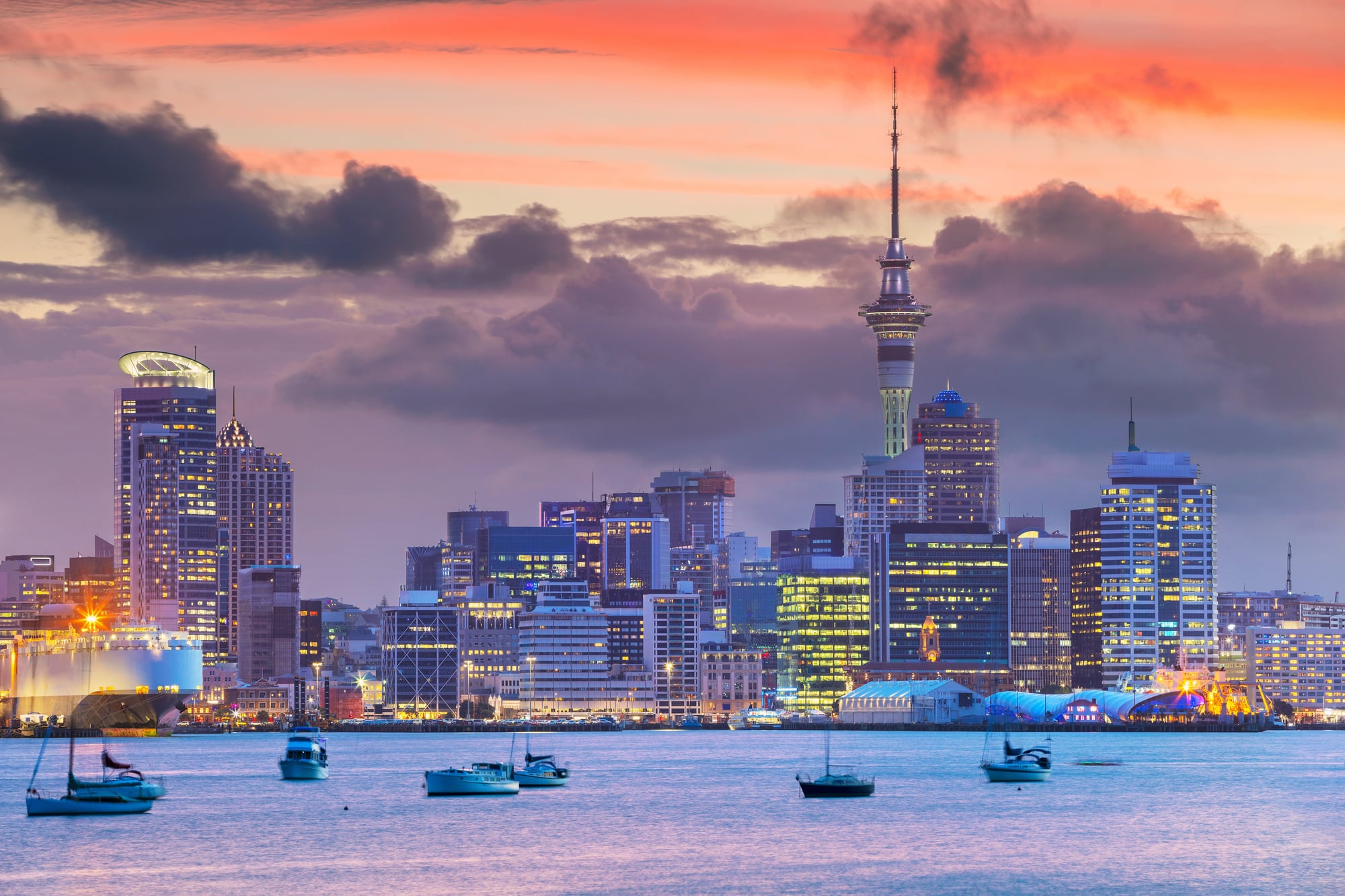
New Zealand’s largest city served as the capital from 1841 until 1865, when the government moved to Wellington. Auckland sat in the northern part of the North Island, but Wellington offered a more central location between the two main islands.
The new capital also had a better harbor for the growing maritime trade. Auckland kept growing anyway, eventually becoming home to about one-third of New Zealand’s entire population.
Krakow
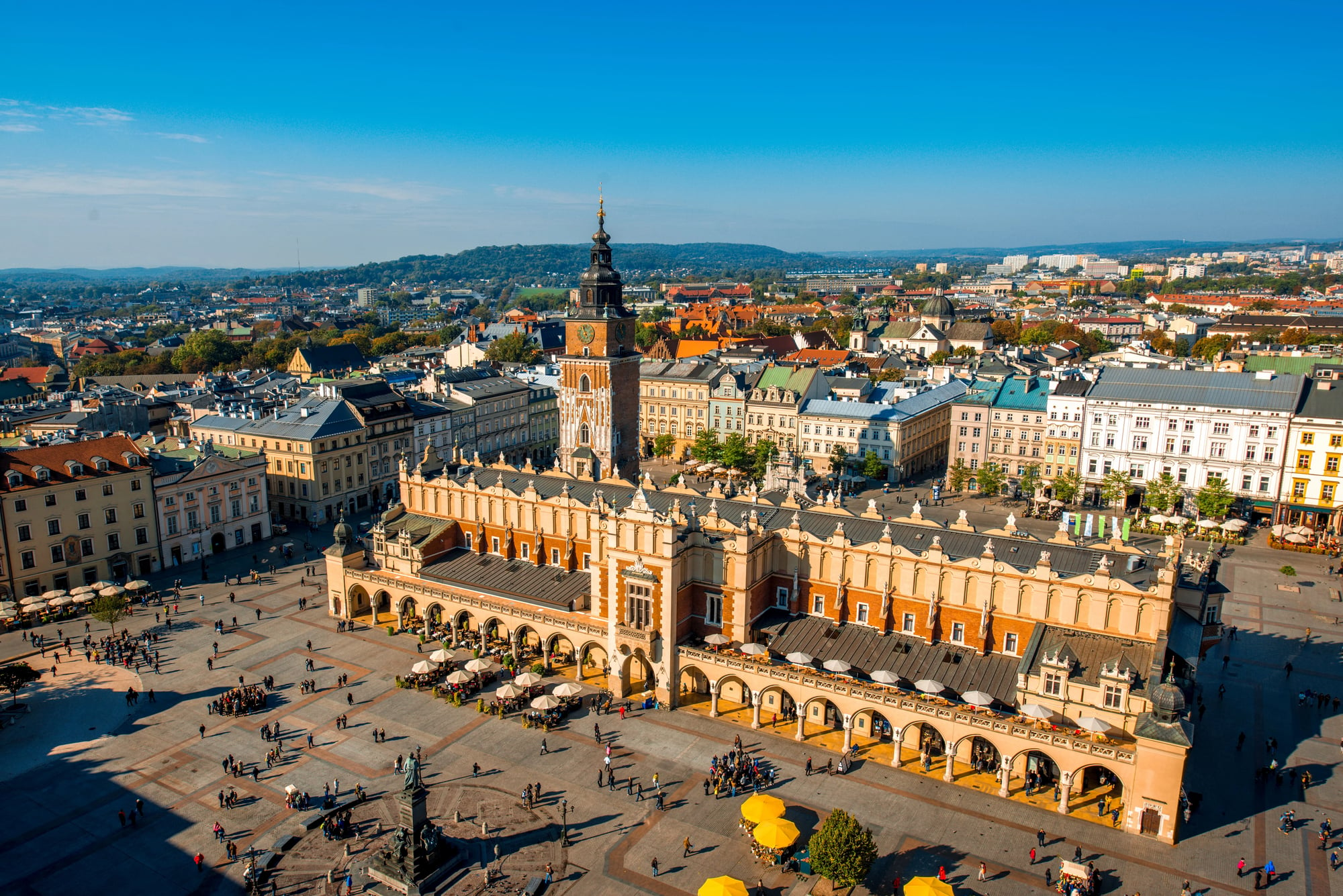
Poland’s kings ruled from Krakow for centuries before moving the capital to Warsaw in 1596. The shift happened partly because Warsaw sat in a more central location and partly due to political changes within the Polish-Lithuanian Commonwealth.
Krakow escaped the worst destruction of World War II that leveled much of Warsaw, so it preserved its medieval old town, castle, and historic churches. Many Poles consider it the cultural capital even though Warsaw handles government business.
Melbourne
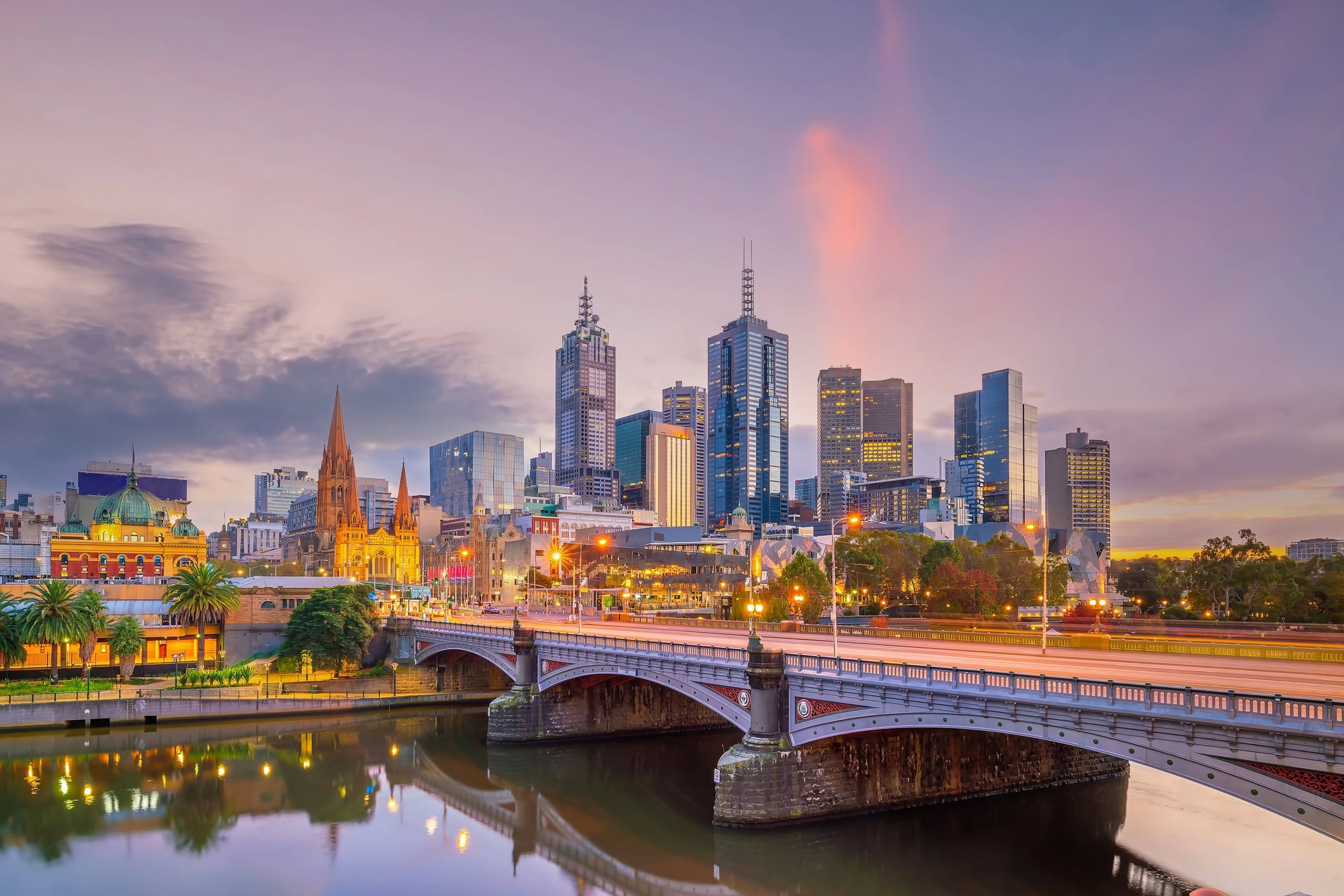
Australia’s second-largest city briefly served as the temporary capital of the newly federated nation from 1901 to 1927. Sydney and Melbourne competed fiercely for the honor of becoming the permanent capital.
The Australian government solved the rivalry by building an entirely new city called Canberra between the two competitors. Melbourne hosted the federal parliament while construction crews worked on the new capital.
Zanzibar City
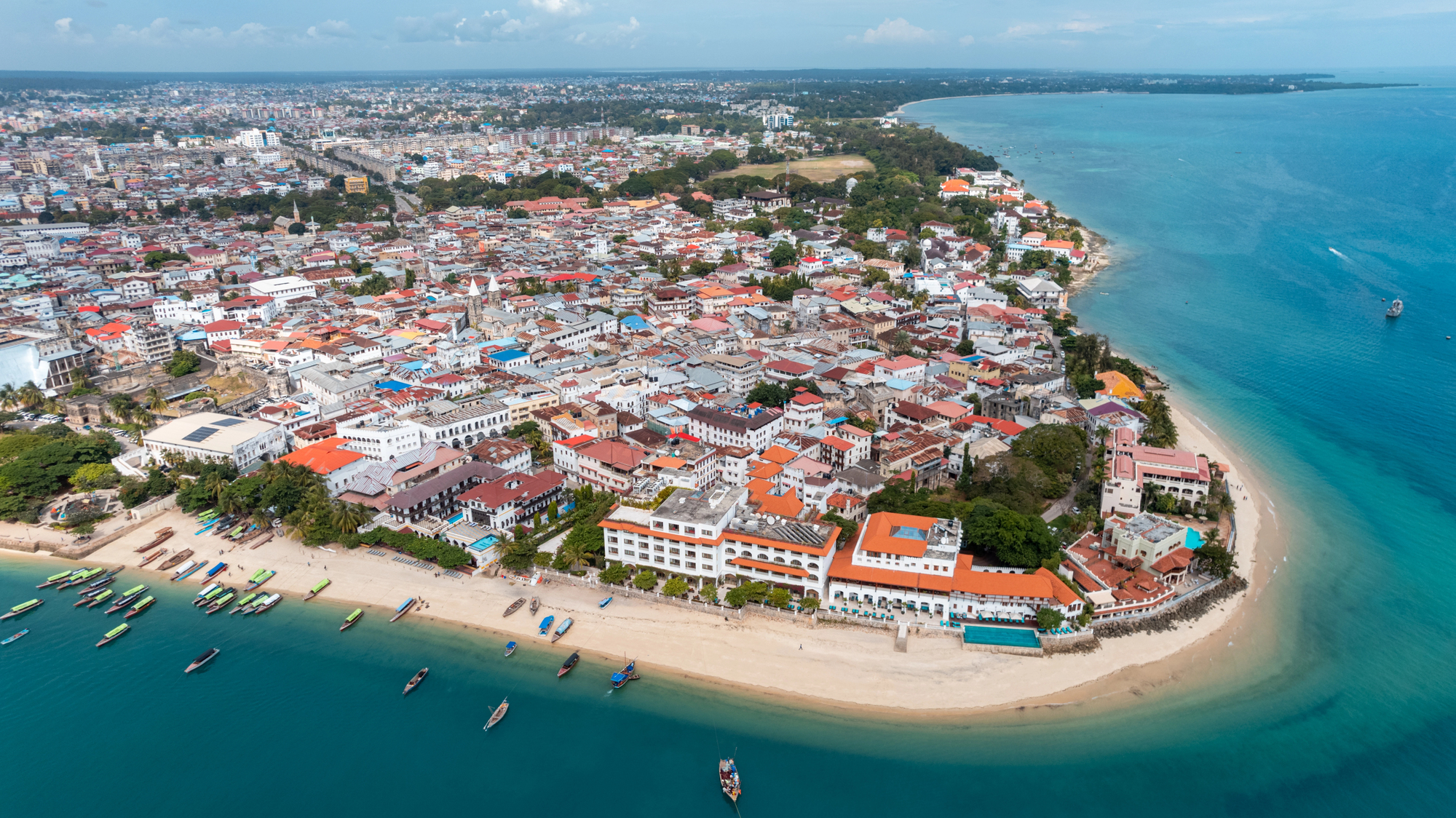
This island city off the coast of Tanzania once served as the capital of the Sultanate of Zanzibar, an independent nation until 1964. The sultan’s palace overlooked the harbor where ships loaded spices bound for markets around the world.
Zanzibar merged with Tanganyika to form Tanzania, and Dar es Salaam became the de facto capital of the new nation. Zanzibar City remained the center of the semi-autonomous Zanzibar archipelago, preserving its Stone Town with narrow alleys and carved wooden doors.
Cuzco
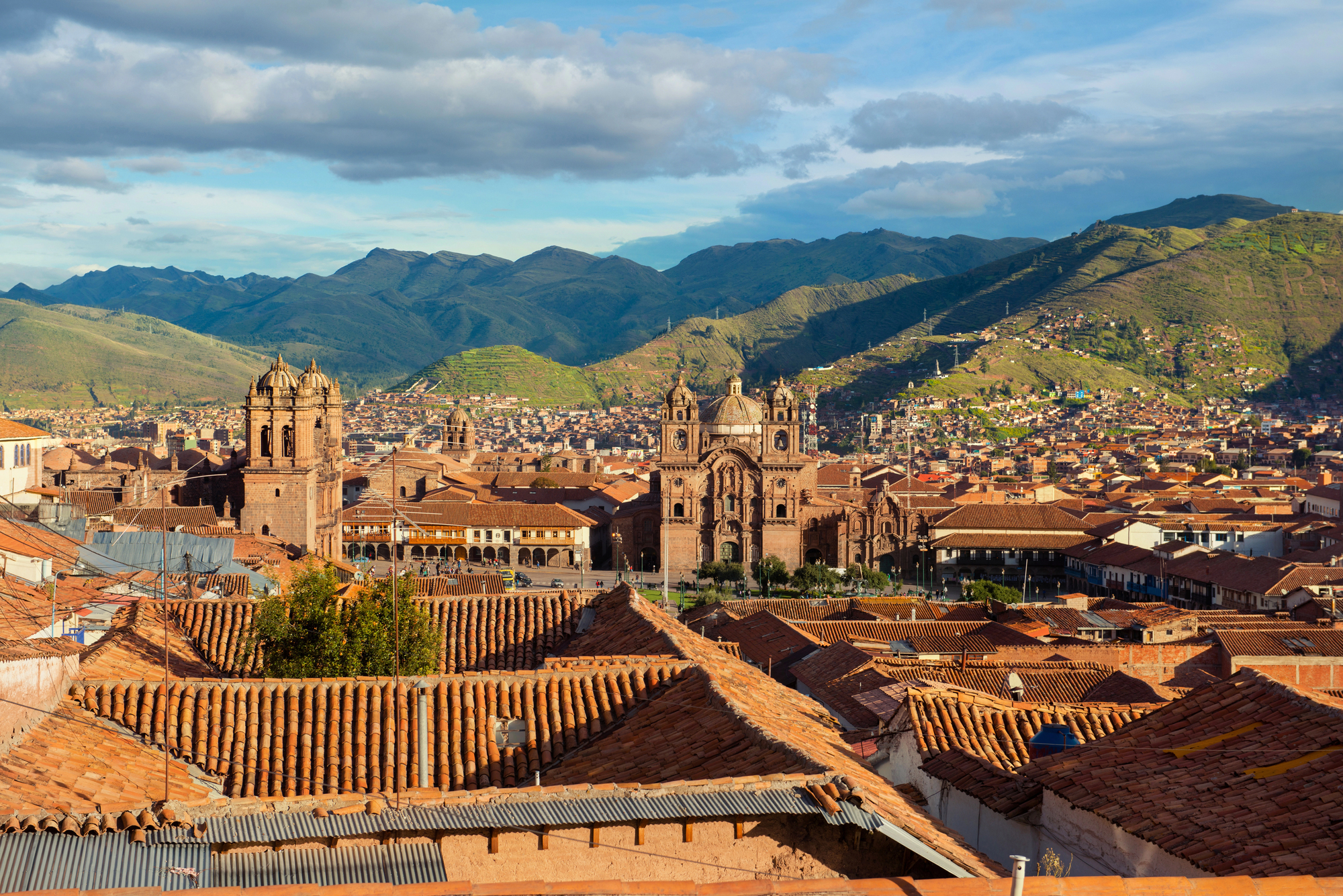
High in the Andes, this city once governed vast stretches of western South America under Inca rule. By 1533, Spanish conquistadors had taken control of Cuzco.
Later, they shifted their colonial hub to Lima, closer to the sea. Cuzco remained key as a local hub and stayed central as the starting point for visiting Machu Picchu.
Malacca
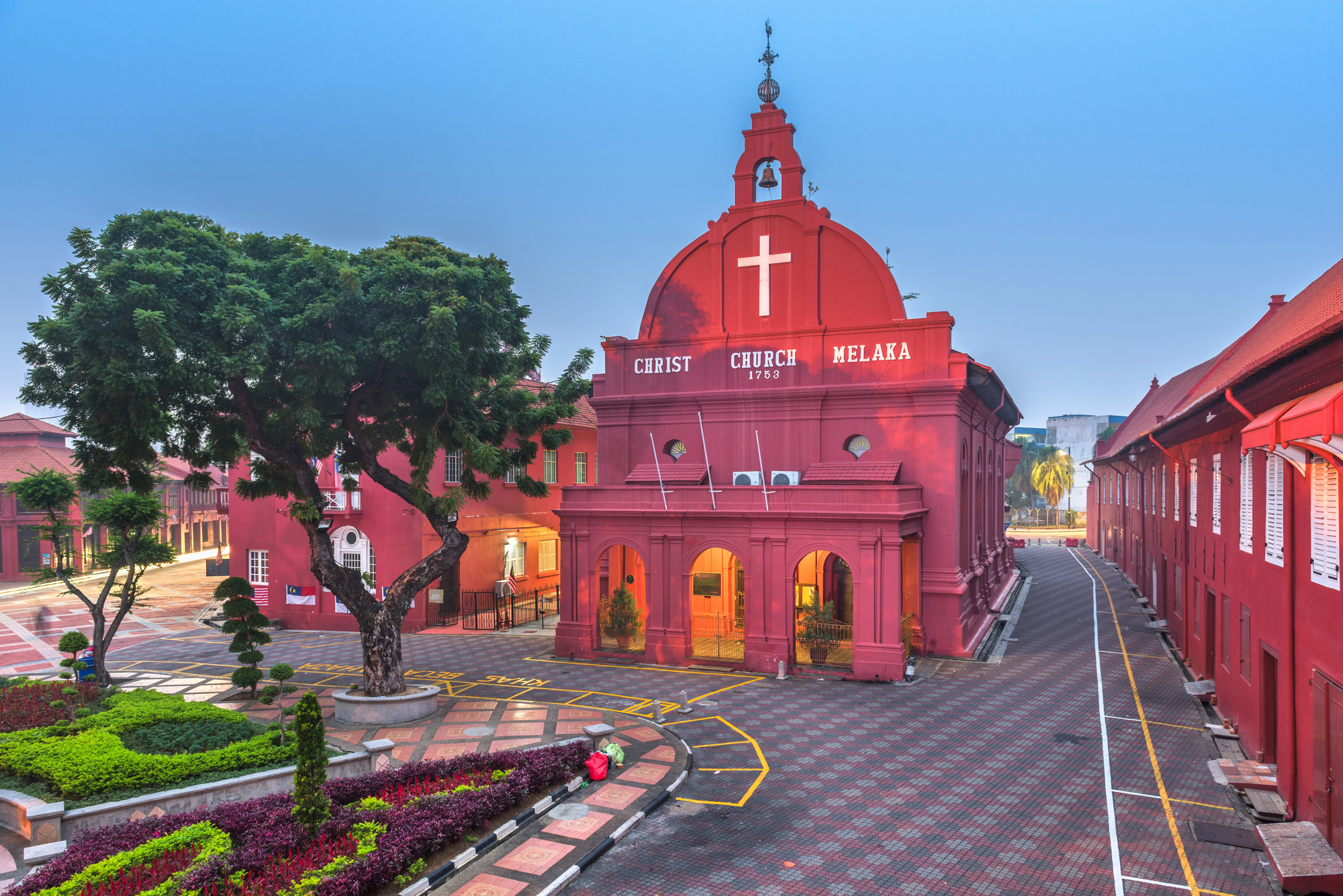
Malaysia’s busy sea route carries the name of this place. Back in the 1400s, the sultanate based here ruled trade between Chinese merchants, Indian traders, and those coming from the spice-rich islands.
Power shifted through Portuguese hands, then Dutch control, later British rule – each wanted a grip on the port. Even though this city once thrived, when freedom came, attention moved elsewhere.
When the Government Leaves Town
Old capitals vanish from official maps, yet the towns themselves stick around. Not gone – just changed shape, like rivers bending after floods.
Many turned toward art scenes instead of government work. Others built strong markets without any state backing.
A few pulled ahead in size, surpassing the newer capitals meant to replace them. Losing top status shifted how they moved through time – one foot still on old stone steps, one stepping onto fresh pavement.
Grand halls remain standing, filled now with visitors or music rather than laws. Power shifts elsewhere, sure – but quiet growth often follows close behind.
More from Go2Tutors!

- The Romanov Crown Jewels and Their Tragic Fate
- 13 Historical Mysteries That Science Still Can’t Solve
- Famous Hoaxes That Fooled the World for Years
- 15 Child Stars with Tragic Adult Lives
- 16 Famous Jewelry Pieces in History
Like Go2Tutors’s content? Follow us on MSN.