Extraordinary Stories Behind Ordinary Inventions
Every day, we use dozens of items without giving them a second thought. That microwave heating up your leftovers, the Post-it note reminding you about an appointment, or the can of WD-40 in your garage—they all seem pretty unremarkable.
But behind these everyday objects are stories so bizarre, accidental, or downright strange that they’re hard to believe. Many of the things we take for granted were never meant to exist in the first place, or they started out as something completely different before stumbling into their current form.
The truth is, innovation rarely follows a straight path. Sometimes it takes a melted candy bar, a clumsy spouse, or even a batch of moldy dough to change the world. Here is a list of ordinary inventions with extraordinary origin stories.
The Microwave Oven
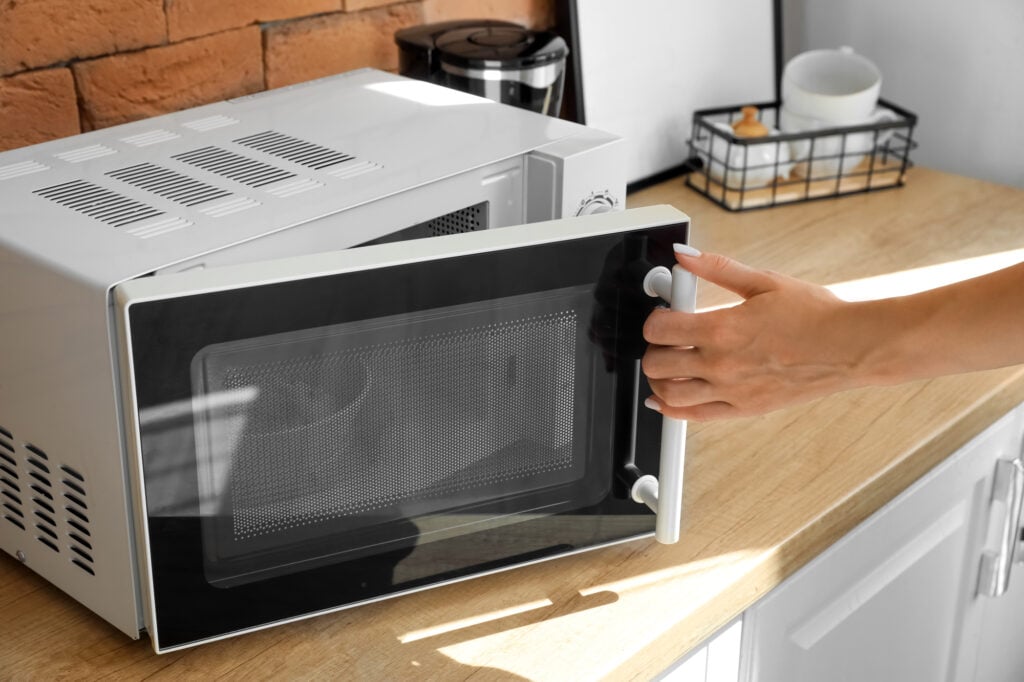
Percy Spencer was tinkering with magnetrons for radar equipment in 1945 when he noticed something odd. The chocolate bar in his pocket had turned into a gooey mess.
Most people would have cursed their ruined snack and moved on, but Spencer got curious. He started experimenting with other foods, pointing the magnetron at popcorn kernels and watching them pop.
Within months, he’d built a metal box that could shoot electromagnetic waves at food to heat it up. That first microwave was enormous—about the size of a refrigerator and weighing around 750 pounds—but it worked.
Today, nearly every kitchen has one, all because a curious engineer paid attention to his melted chocolate.
Band-Aids
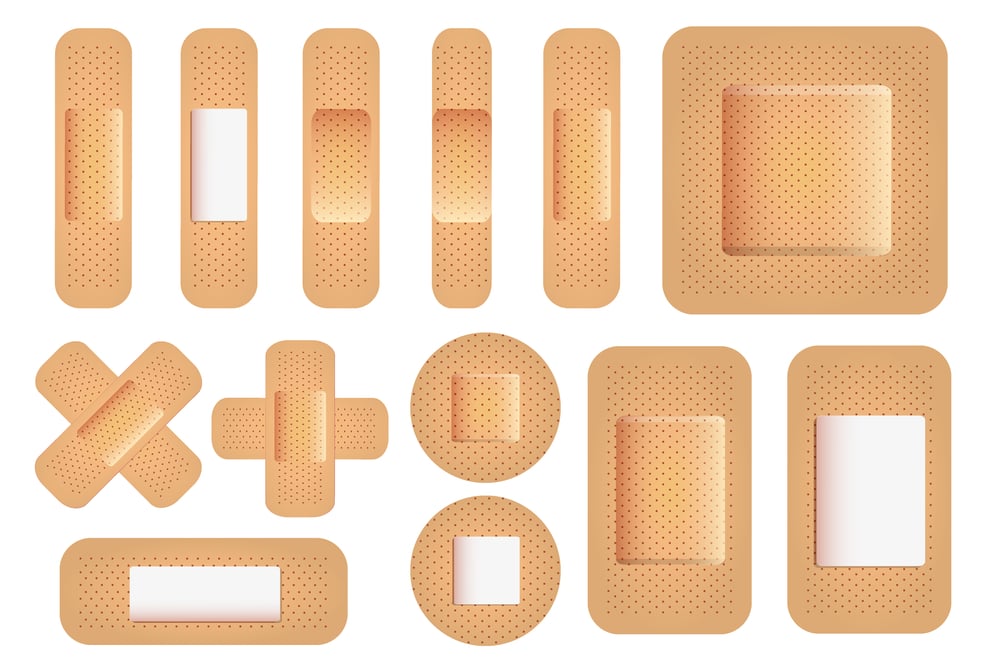
Earle Dickson had a problem in 1920, and that problem was his wife Josephine. She wasn’t a bad person, just exceptionally accident-prone.
Every time she cooked or cleaned, she’d end up with another cut or burn. Dickson worked for Johnson & Johnson as a cotton buyer, and he got tired of constantly bandaging his wife’s injuries with bulky gauze and tape.
His solution was brilliantly simple: he cut small squares of gauze and stuck them to the center of adhesive tape strips, covering the sticky parts with crinoline fabric so they wouldn’t dry out. Now Josephine could grab a ready-made bandage whenever she needed one.
Dickson showed his invention to his boss, and the company started mass-producing them. The Band-Aid became one of the most successful medical products ever created, all thanks to one man’s love for his clumsy wife.
Post-it Notes
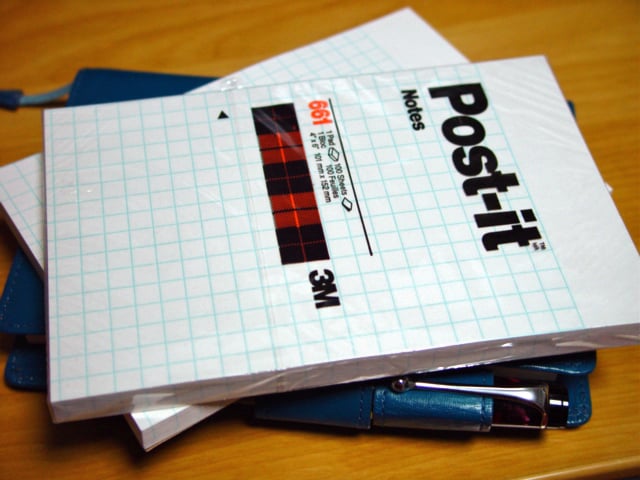
Spencer Silver was trying to create a super-strong adhesive for 3M in 1968, but he failed spectacularly. Instead of something powerful, he ended up with a glue that barely stuck to anything.
For years, nobody knew what to do with his weak adhesive until 1974, when his colleague Art Fry got frustrated during choir practice. The bookmarks in his hymnal kept falling out, and he had a lightbulb moment.
What if he used Spencer’s failed glue to make bookmarks that would stick but not damage the pages? Fry created the first Post-it notes, and after some initial skepticism from 3M executives, they became one of the company’s bestselling products. Sometimes the best inventions come from spectacular failures.
Velcro
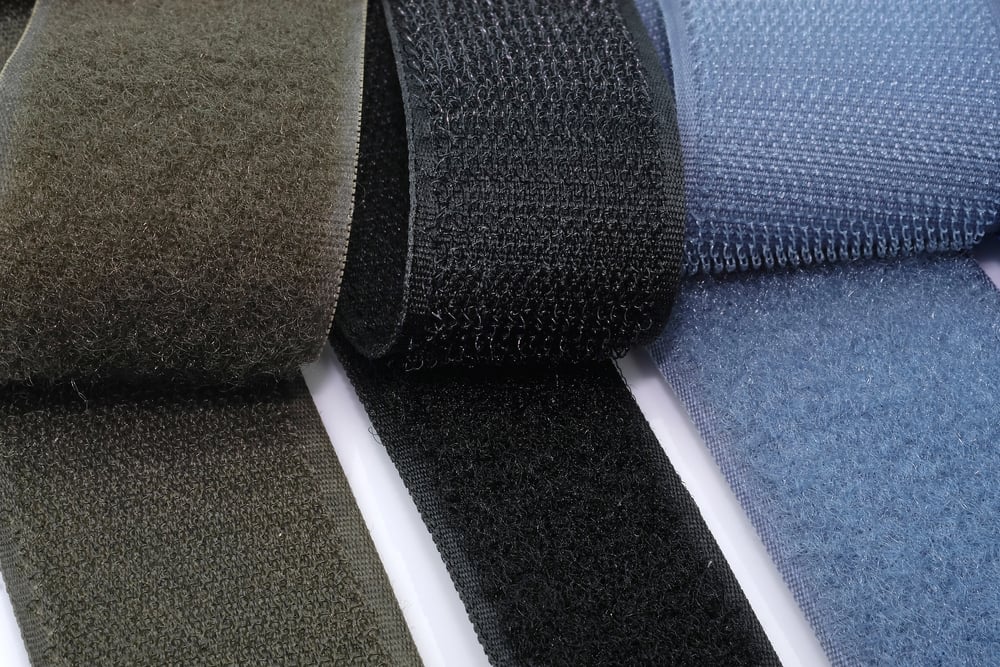
George de Mestral went hunting in the Swiss Alps in 1941 and came home covered in burrs. Rather than just picking them off and complaining, he grabbed a microscope to see why they were so annoyingly effective at sticking to fabric.
Under magnification, he discovered tiny hooks on each burr that grabbed onto the loops in clothing and dog fur. De Mestral spent the next eight years trying to recreate this natural fastening system, eventually developing two strips of fabric—one with hooks and one with loops—that could stick together and pull apart repeatedly.
He called it Velcro, combining the French words for velvet and hook. Nobody took him seriously at first, but today Velcro is everywhere from shoes to space suits. Nature had been using this technology for millions of years before humans caught on.
Barcodes
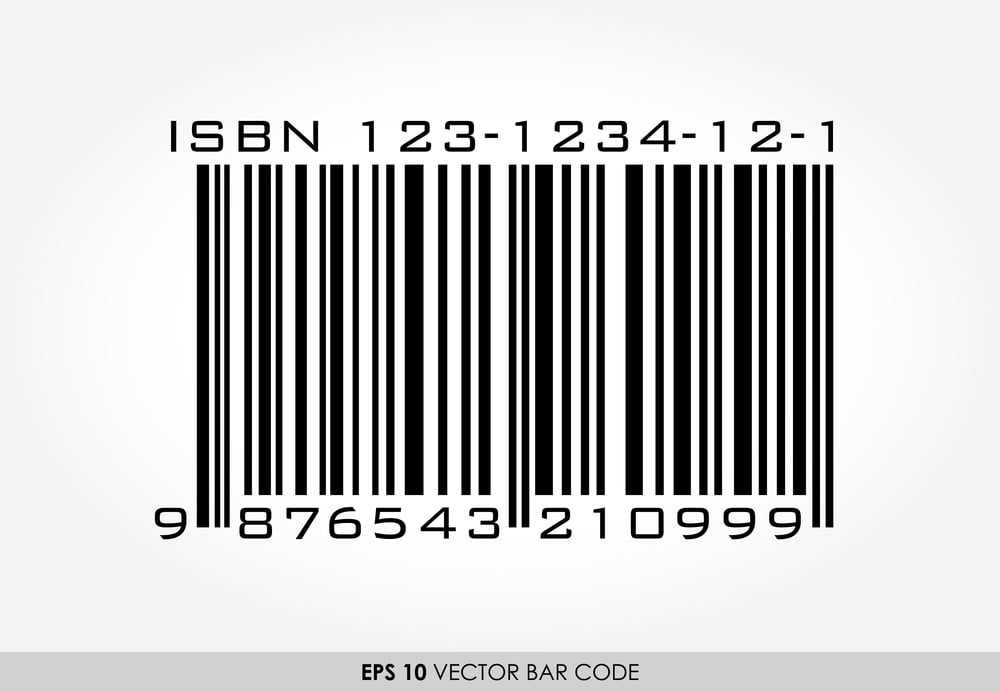
Joseph Woodland was stumped in 1948 when a grocery store owner asked him to invent a way to speed up checkout lines. He thought about the problem constantly, but nothing clicked until one day at the beach in Miami.
Woodland was sitting in the sand, dragging his fingers through it, when he realized he was essentially drawing Morse code dots and dashes. What if he could create a visual version of Morse code that machines could read? He sketched out a pattern of thick and thin lines arranged in a circle, like a bullseye.
The technology wasn’t quite ready for his invention yet—it took until the 1970s before lasers and computers were good enough to make it practical. But that moment in the sand led to the scanning system that now tracks billions of products worldwide.
Smoke Detectors
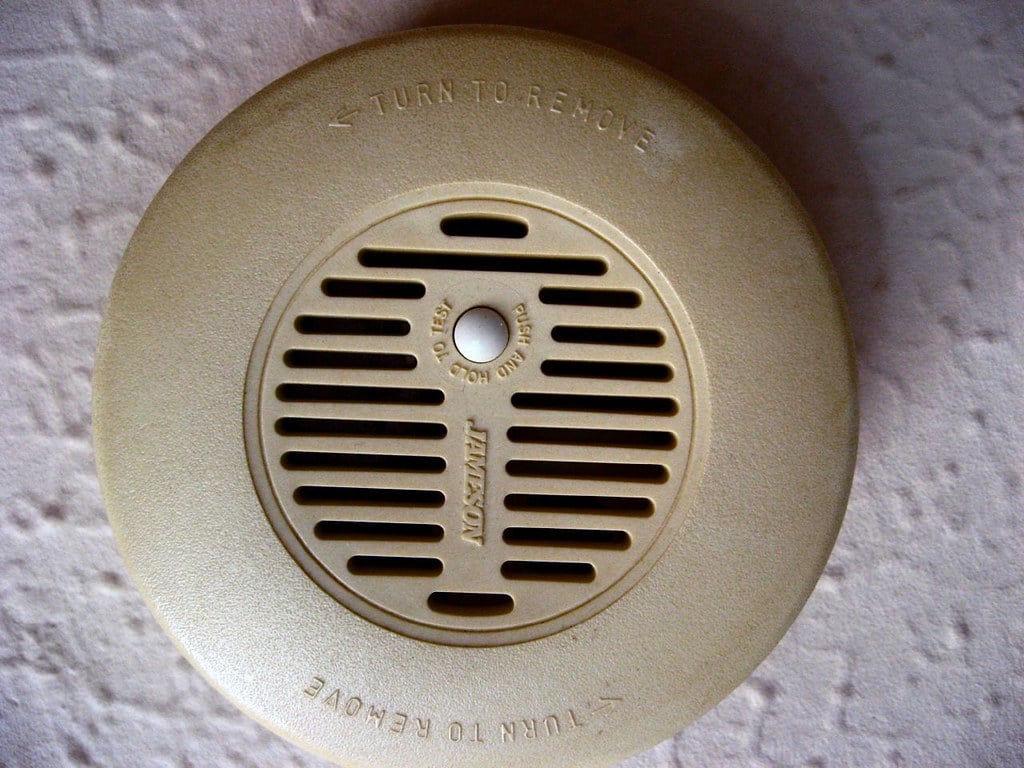
Swiss physicist Walter Jaeger was working on a sensor to detect poisonous gas in the 1930s, but his device didn’t respond to anything. Frustrated, he lit up nicotine while staring at his failed invention, and suddenly the alarm went off.
Jaeger realized his machine couldn’t detect gas, but it was incredibly sensitive to smoke particles. What seemed like a complete failure turned out to be the foundation for modern smoke detectors.
It took several more decades and improvements from other engineers before smoke detectors became common in homes, but they’ve saved countless thousands of lives since then. Jaeger’s smoke break turned a useless gas detector into a life-saving device.
The Stethoscope
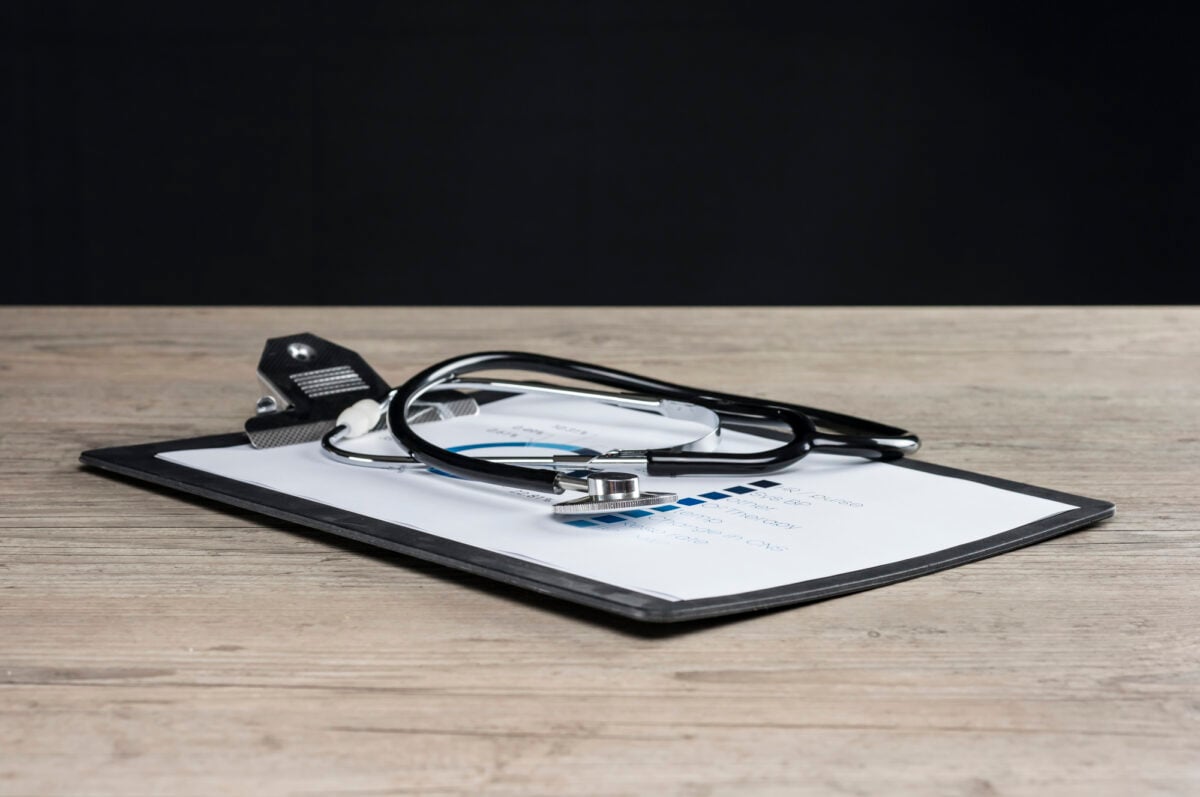
René Laënnec faced an awkward situation in 1816 at his Paris hospital. He needed to examine a young woman’s heart, but the standard method at the time involved pressing his ear directly against the patient’s chest.
For a proper gentleman in 19th-century France, this was mortifying with a female patient. Laënnec rolled up a sheet of paper into a tube and placed one end on her chest and the other to his ear.
To his surprise, he could hear her heartbeat more clearly than he ever had by direct contact. He refined the design, eventually creating a wooden tube that became the first stethoscope.
Medical embarrassment led to one of the most important diagnostic tools doctors have ever used.
Air Conditioning

Willis Carrier wasn’t trying to keep people comfortable when he invented air conditioning in 1902. A printing company in Brooklyn had a serious problem—humidity kept causing the paper to expand and contract, throwing off their color printing.
Carrier, a young engineer, designed a system that passed air over chilled water coils to control both temperature and humidity in the printing plant. It worked perfectly for the machines, and people noticed an unexpected bonus: the building became much more pleasant to work in.
Carrier’s invention eventually transformed architecture, population distribution, and daily life in hot climates. Office buildings, movie theaters, and homes in the South would all look completely different without a device that was originally built to help ink dry properly.
Coca-Cola

John Pemberton was a pharmacist with a morphine addiction, a Civil War injury, and a desperate need for pain relief in 1886. He mixed up various plant extracts and ingredients in a brass pot in his Atlanta backyard, trying to create a medicine that might help him kick his morphine habit.
His concoction contained extracts from coca leaves and kola nuts, which provided a mild stimulant effect. When Pemberton brought his syrup to a local pharmacy, someone accidentally mixed it with carbonated water instead of plain water, and the result tasted surprisingly refreshing.
Pemberton sold it as a patent medicine claiming it could cure headaches and exhaustion. He died broke just two years later, never knowing his pain relief tonic would become the world’s most recognized beverage.
The cocaine was quietly removed from the formula around 1903, but the name stuck.
Corn Flakes

The Kellogg brothers were running a health sanitarium in Battle Creek, Michigan in 1894 when they accidentally invented breakfast cereal. John Harvey Kellogg, the doctor, and his brother Will were experimenting with wheat dough to create healthy foods for patients.
One night, they left a batch of boiled wheat sitting out way too long, and it started to ferment. Rather than waste it, they rolled the slightly moldy dough through pressing rollers anyway.
Instead of sheets, they got thin flakes. When they toasted these flakes, they became crispy and surprisingly tasty.
Patients loved them so much that Will eventually left the sanitarium to start his own company, adding sugar and malt to make them more appealing to regular consumers. John was furious about the added sugar, and the brothers feuded for years.
That forgotten, fermented dough launched an entire industry and transformed what Americans eat for breakfast.
WD-40
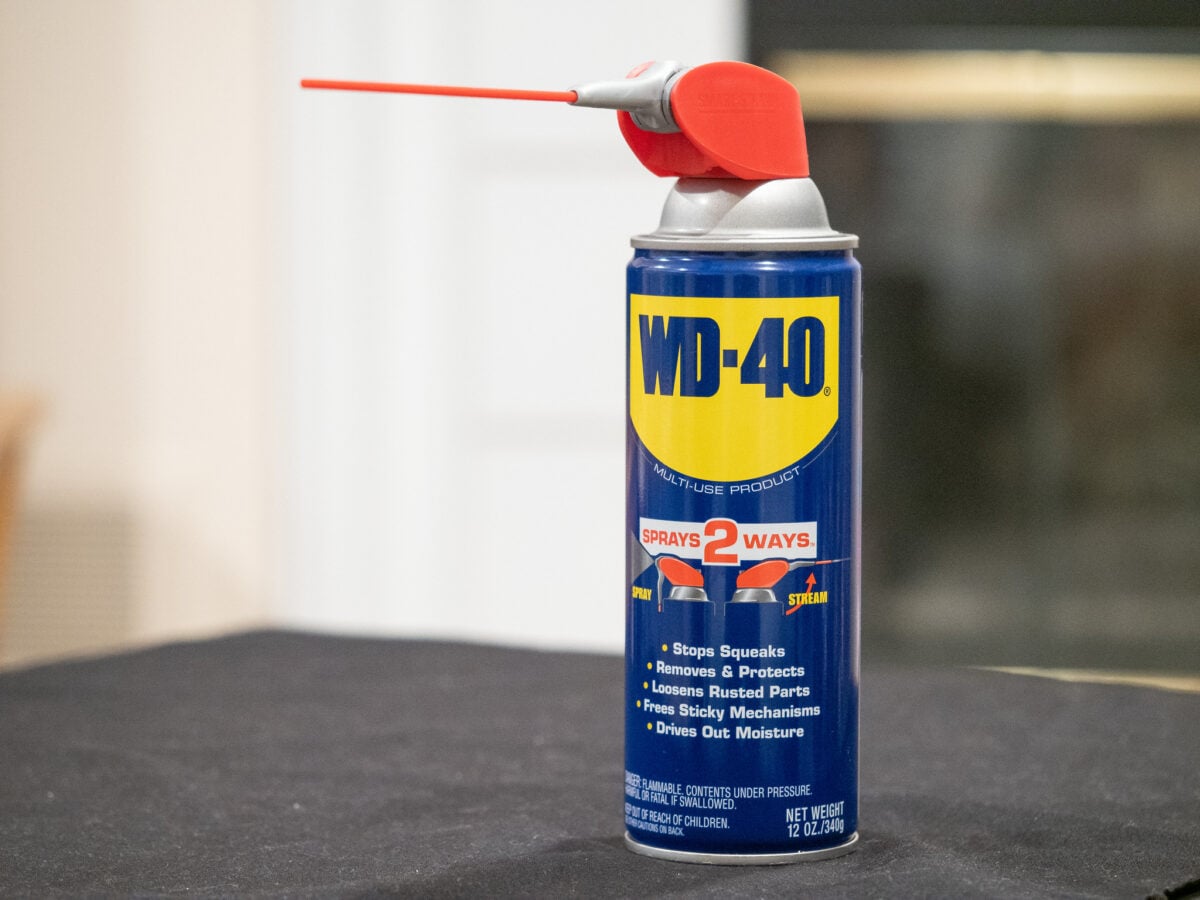
The Rocket Chemical Company in San Diego had one job in 1953: prevent rust on the Atlas missile, America’s first intercontinental ballistic weapon. A small team tried formula after formula to create a substance that would displace water and stop corrosion.
They failed 39 times before finally getting it right on their 40th attempt, which is exactly how the product got its name—Water Displacement, 40th formula. The aerospace contractor Convair started using WD-40 on their missiles, and employees began sneaking cans home because it worked so well on squeaky hinges and stuck bolts.
The company founder noticed this trend and decided to package it for consumers in 1958. A Cold War military secret became the go-to fix for everything from rusty bikes to stubborn zippers.
Bubble Wrap
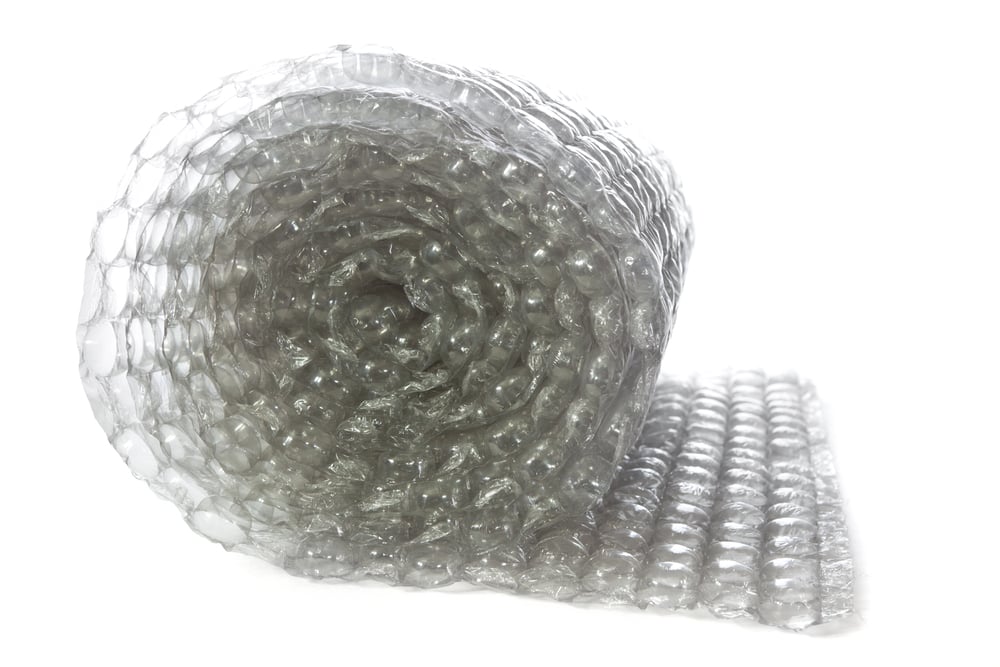
Alfred Fielding and Marc Chavannes were trying to invent textured wallpaper in 1957 by sealing two shower curtains together with air trapped between them. The result looked terrible as wallpaper.
They tried marketing it as greenhouse insulation, but that flopped too. It wasn’t until 1960 that someone at IBM realized those air pockets would make perfect packaging material for shipping computers and delicate equipment.
Suddenly, their failed wallpaper became indispensable for protecting fragile items during shipping. The satisfying pop of bubble wrap became an unexpected bonus that people still can’t resist today.
Pringles

Fredric Baur was a chemist and food engineer who decided potato chips needed a major redesign in the 1960s. Traditional chips were greasy, broke easily, and came in bags that were mostly air.
Baur developed a method to make uniform, stackable chips from dehydrated potato flakes that could be packed efficiently in a distinctive cylindrical container. His tennis orb design meant the chips wouldn’t crumble and the package wouldn’t waste space.
Baur was so proud of his invention that when he died in 2008, his family honored his wishes by burying some of his ashes in a Pringles can. That’s dedication to your life’s work.
Super Glue
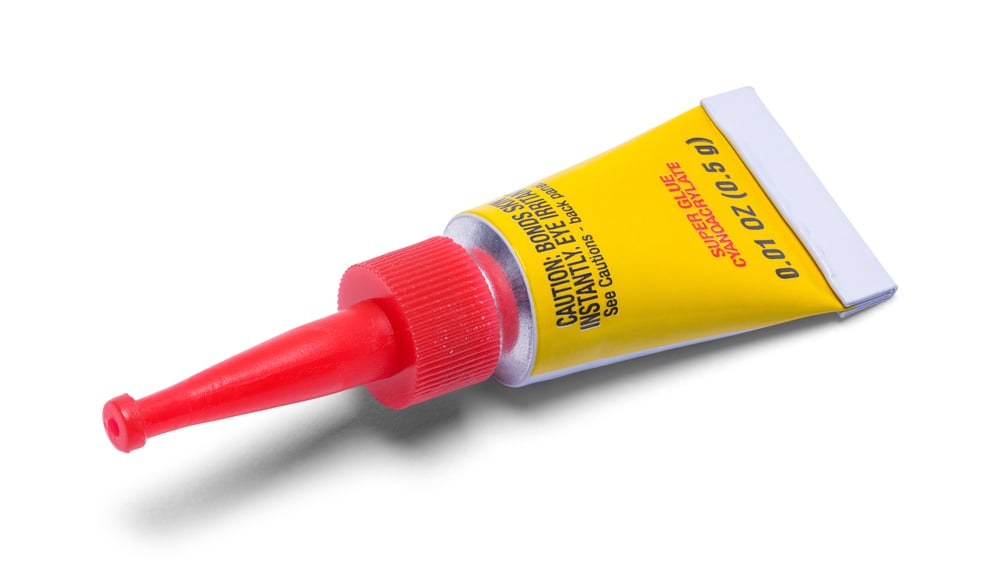
Harry Coover was trying to develop clear plastic gun sights for American rifles during World War II in 1942. He experimented with chemicals called cyanoacrylates, but they were frustratingly sticky and ruined everything they touched.
Coover gave up on them as useless. Years later in 1951, he was working on heat-resistant canopies for jet aircraft when he encountered the same annoying chemicals again. This time, he realized that “impossibly sticky” could actually be useful.
By 1958, Eastman Kodak was selling it as Eastman 910, which later became known as Super Glue. A substance too sticky to be practical for its original purpose became famous precisely because nothing sticks better.
The Slinky

Richard James was a naval engineer in 1943, working with springs designed to stabilize sensitive equipment on ships during rough seas. He accidentally knocked one of his tension springs off a shelf and watched, fascinated, as it didn’t just fall—it “walked” down from the shelf to a stack of books to a table and finally onto the floor. James immediately saw the potential for a toy.
His wife Betty suggested naming it Slinky, a Swedish word meaning sleek or sinuous. When James demonstrated it at a Philadelphia department store in 1945, all 400 units sold out in 90 minutes.
A piece of naval equipment became one of the most popular toys of the 20th century, entertaining millions of children who couldn’t care less about ship stabilization.
When Accidents Build the Future

The inventions we rely on every day rarely started as grand visions or carefully planned innovations. More often, they emerged from mistakes, frustrations, melted candy bars, and moldy dough that someone decided not to throw away.
These stories remind us that the difference between failure and breakthrough often comes down to paying attention when something unexpected happens. The microwave, Post-it notes, and Velcro all started as problems or accidents that curious people turned into solutions.
Next time something goes wrong in your kitchen or workshop, take a closer look before you clean it—you might be holding the next everyday miracle.
More from Go2Tutors!

- 16 Historical Figures Who Were Nothing Like You Think
- 12 Things Sold in the 80s That Are Now Illegal
- 15 VHS Tapes That Could Be Worth Thousands
- 17 Historical “What Ifs” That Would Have Changed Everything
- 18 TV Shows That Vanished Without a Finale
Like Go2Tutors’s content? Follow us on MSN.