19 Internet Trends We Want to Forget
The internet has given us so much. Instant communication, endless entertainment, and access to information at our fingertips.
But for every useful innovation, there have been dozens of bizarre trends that swept through social media like wildfire, only to leave us wondering what we were all thinking. Some trends were harmless fun that just got old fast.
Others were downright dangerous or deeply cringeworthy. Either way, they’re moments in internet history that most people would rather pretend never happened.
Let’s take a walk down memory lane and revisit some of the internet trends that really should have stayed in the drafts folder.
Planking

Remember when people thought lying face-down in random places was peak comedy? Planking took over the internet around 2011, with people photographing themselves lying stiff as a board on railings, rooftops, and even moving vehicles.
What started as a quirky photo trend quickly turned dangerous when people started planking in increasingly risky locations. Several injuries and even deaths were linked to the fad.
The whole thing was basically just lying down, yet somehow it captured the attention of millions before everyone collectively realized how silly it looked.
The Harlem Shake
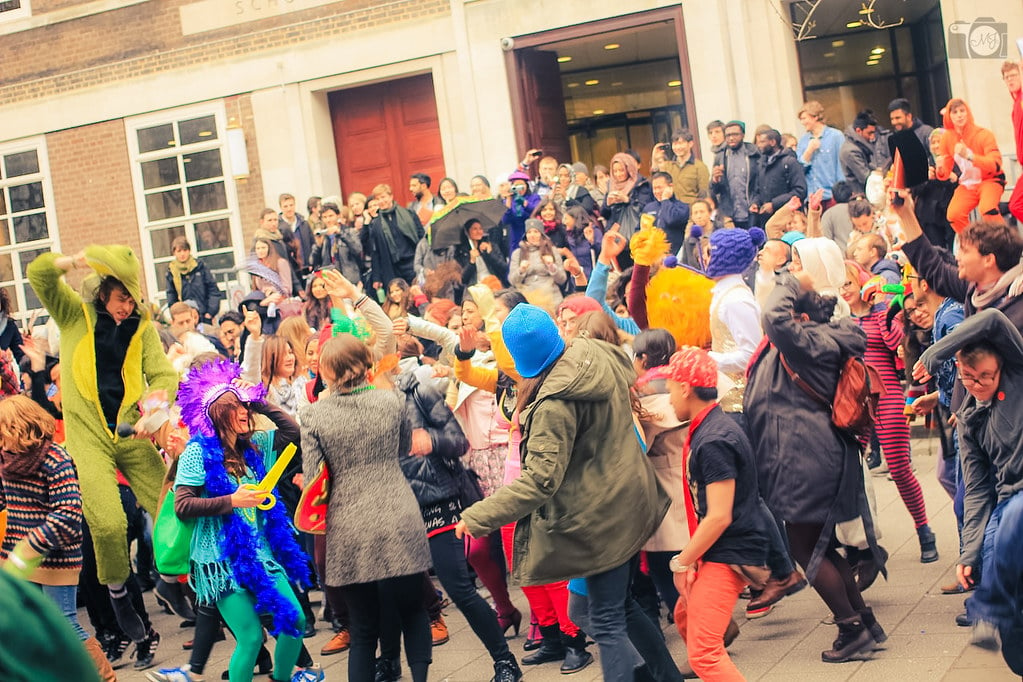
This 2013 dance craze involved groups of people jerking around wildly to a snippet of Baauer’s song while wearing ridiculous costumes. Every school, office, and sports team felt compelled to make their own version.
The videos flooded YouTube for months, each one following the exact same formula. One person would dance alone, then suddenly everyone would join in chaotic movement.
It got old incredibly fast, yet the trend kept going long past its expiration date. Most people can’t even remember what made it funny in the first place.
Ice Bucket Challenge Copycats
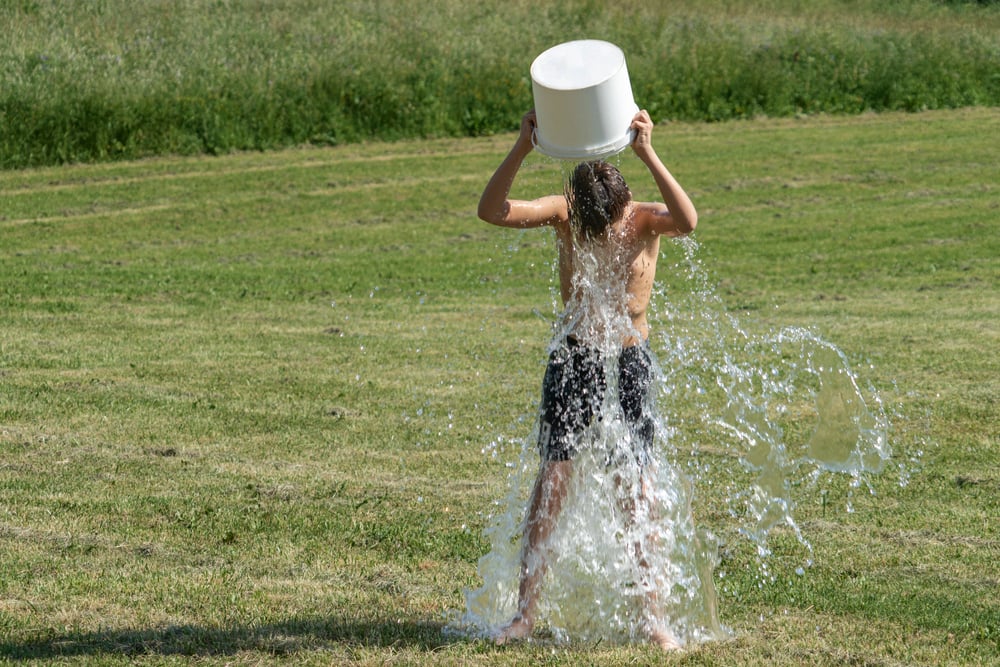
The original Ice Bucket Challenge for ALS awareness actually did some good, raising millions for charity. But then everyone started copying the format for every cause imaginable, diluting the whole concept.
Soon people were dumping buckets of everything on their heads for attention rather than awareness. The trend spawned dangerous variations like the Fire Challenge, where people literally set themselves on fire.
What started as charitable fundraising devolved into people just wanting to go viral, with the actual causes getting lost in the noise.
Tide Pod Challenge

This one wins the award for most baffling internet trend. Teenagers started filming themselves biting into laundry detergent pods, despite the obvious fact that they’re toxic.
Poison control centers saw a spike in calls, and multiple people were hospitalized. The pods were never meant to be eaten, yet somehow the bright colors and squishy texture made them tempting to a generation raised on dare videos.
Tide had to launch a full campaign telling people not to eat their products. The whole thing highlighted just how far people will go for a few likes and shares.
Mannequin Challenge
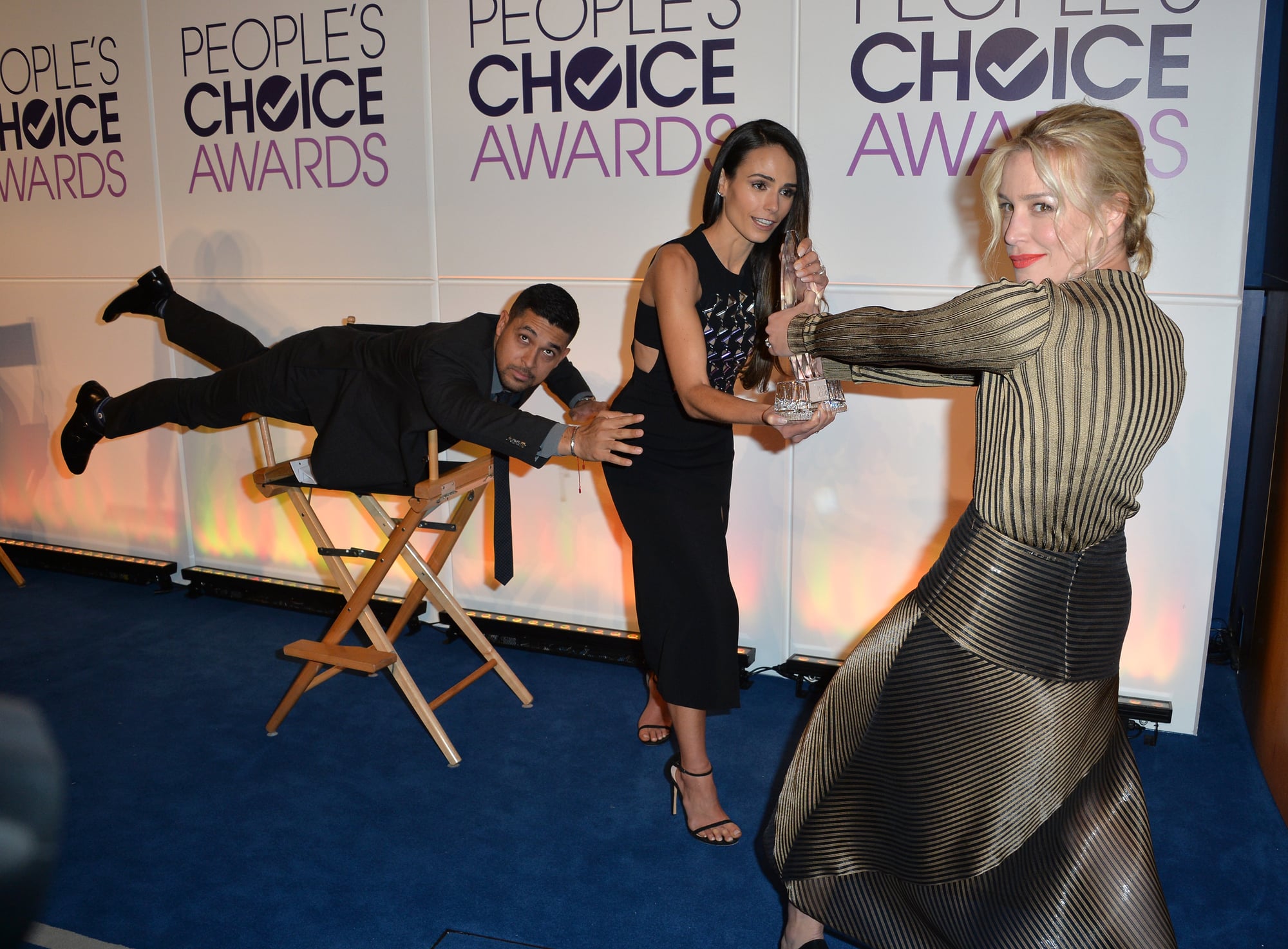
For a few months in 2016, everyone was freezing in place while someone walked through the scene with a camera. Schools did it, celebrities did it, even Hillary Clinton’s campaign did it.
The videos showed people holding still in elaborate scenes while ‘Black Beatles’ by Rae Sremmurd played in the background. At first it was mildly impressive to see how long people could stay frozen.
But after the thousandth version, the creativity wore thin. Most people now associate it with awkward company team-building exercises.
Cinnamon Challenge

Long before Tide Pods, people were swallowing spoonfuls of dry cinnamon for internet fame. The challenge was essentially impossible because cinnamon is incredibly dry and irritating to the throat.
Participants would choke, cough, and sometimes inhale the powder into their lungs, causing real medical problems. Doctors warned about the risks of lung damage and collapsed lungs.
Yet videos of people hacking and gasping for air racked up millions of views. The trend proved that common sense doesn’t always win against the desire for viral content.
Kylie Jenner Lip Challenge

Teenagers used shot glasses, bottle caps, and other objects to create suction around their lips, trying to replicate Kylie Jenner’s full pout. The results were bruised, swollen, and sometimes permanently damaged lips.
Dermatologists and doctors spoke out about the dangers of rupturing blood vessels and scarring delicate skin. The trend was painful, pointless, and based on achieving beauty standards through self-harm.
Most participants ended up with lips that looked injured rather than attractive, though that didn’t stop thousands from trying it anyway.
Dabbing
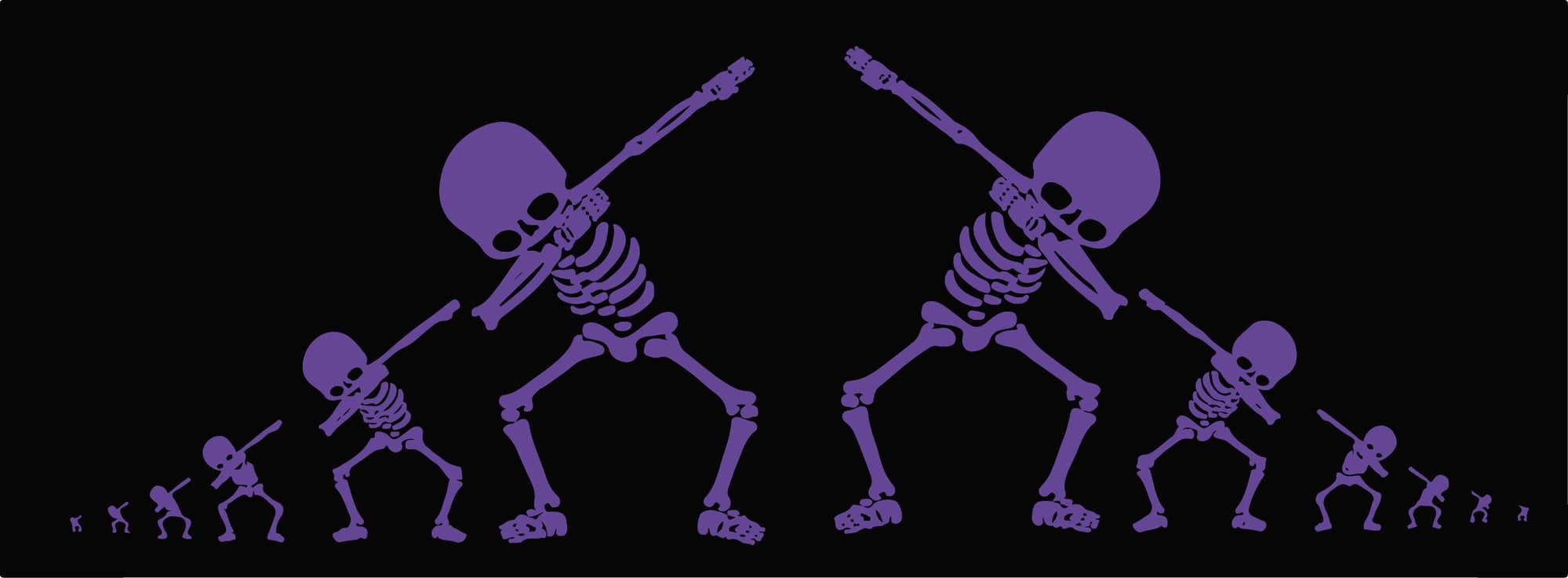
This dance move started in Atlanta’s hip-hop scene before exploding into mainstream culture around 2015. Soon everyone from elementary school kids to grandparents was throwing one arm up while tucking their face into the other elbow.
Athletes celebrated touchdowns with dabs, politicians tried to look cool by dabbing, and it showed up in every possible context. The move was beaten into the ground through sheer overuse.
By the time brands started using it in advertising, the dab had become deeply uncool, yet somehow it lingered for years.
Bottle Flip Challenge

Flipping a partially filled water bottle and landing it upright became an obsession in 2016. Students did it in classrooms, disrupting lessons with the constant thud of plastic hitting desks.
The move required basically no skill once you figured out the right amount of water and force. Schools actually started banning bottle flipping because it became such a distraction.
What made the trend particularly annoying was the repetitive nature and the fact that it happened everywhere you went. The sound of bottles landing became the soundtrack to that year.
In My Feelings Challenge
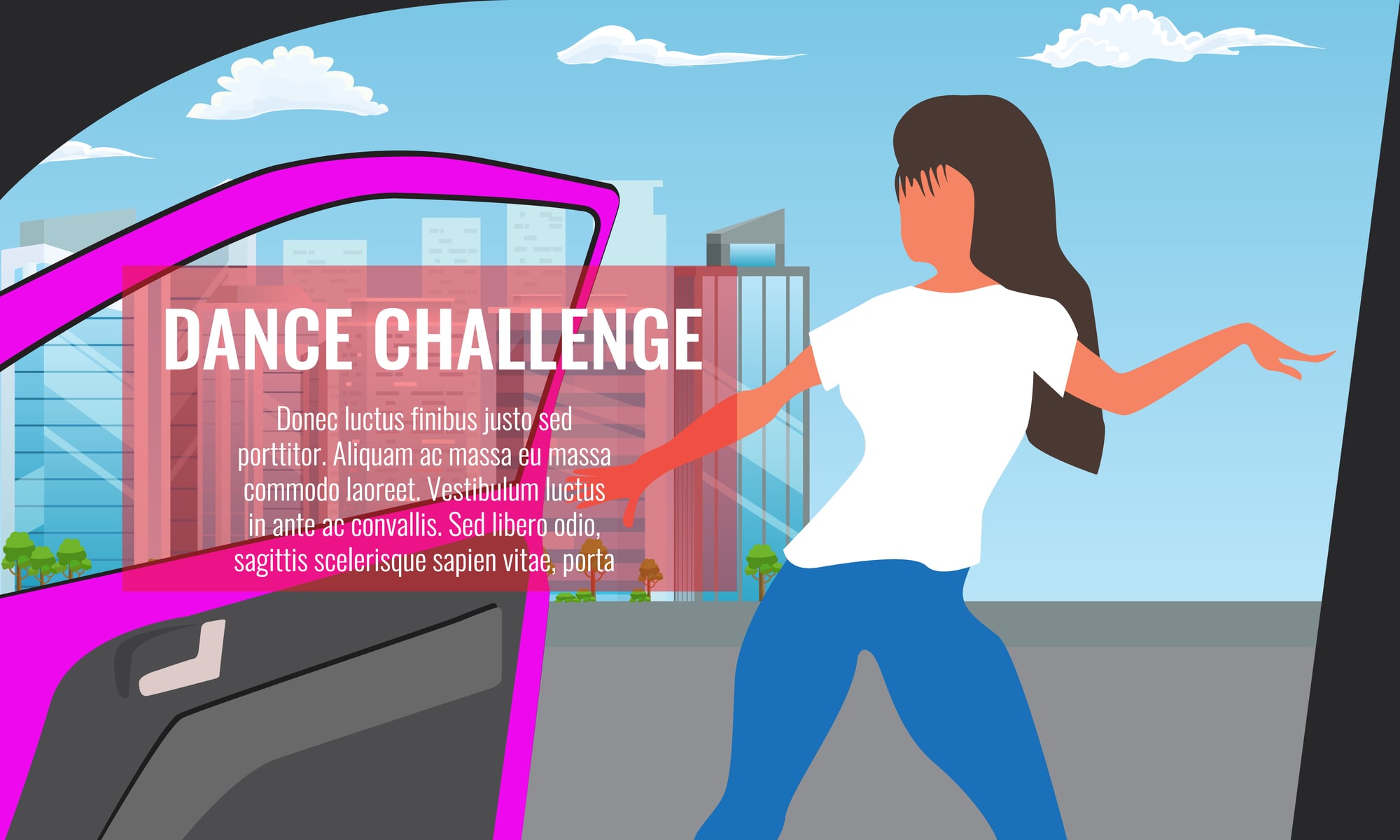
Drake’s song inspired people to jump out of moving cars and dance alongside them while someone filmed from inside the vehicle. The challenge, also called the Kiki Challenge, led to numerous accidents and injuries as people danced in traffic.
Some participants got hit by other cars, while others fell and hurt themselves. Police departments had to issue warnings, and several people faced charges for dangerous driving.
The whole trend was proof that viral fame makes people ignore basic safety. Most of the videos showed terrible dancing combined with terrible decision-making.
Slap Cam

This trend involved sneaking up on unsuspecting people and slapping them while recording their reaction. Schools saw fights break out because of slap cam videos, and some people suffered injuries from unexpected hits.
What started as supposedly harmless pranks often crossed into assault, especially when strangers became targets. The trend normalized hitting people without consent, all for a few laughs online.
Many videos showed victims who were clearly upset or hurt, yet viewers found it entertaining. Eventually schools and platforms started cracking down, but not before countless slap cam videos spread across social media.
Condom Snorting Challenge

People inhaled condoms through their noses and pulled them out of their mouths in yet another dangerous stunt for views. The practice could cause choking, infection, and blockage of airways.
Medical professionals pointed out the obvious risks of putting latex deep into your nasal passages. Despite the warnings, videos of people gagging and struggling through the process went viral.
The trend highlighted how shock value trumped common sense in the race for internet attention. Most participants looked miserable during and after the challenge, yet they posted the videos anyway.
Charlie Charlie Challenge

This supposed supernatural game involved balancing pencils in a cross formation and asking a Mexican demon named Charlie questions. Students filmed themselves asking ‘Charlie Charlie, are you here?’ and waiting for the pencils to move.
The trend was basically just pencils falling due to balance and air currents, with zero supernatural involvement. Yet it spread through schools like wildfire, with kids genuinely believing they were summoning spirits.
Teachers found themselves dealing with pencils on every desk and students too scared to be alone. The whole thing was nonsense, but it captivated millions before fading away.
Eraser Challenge
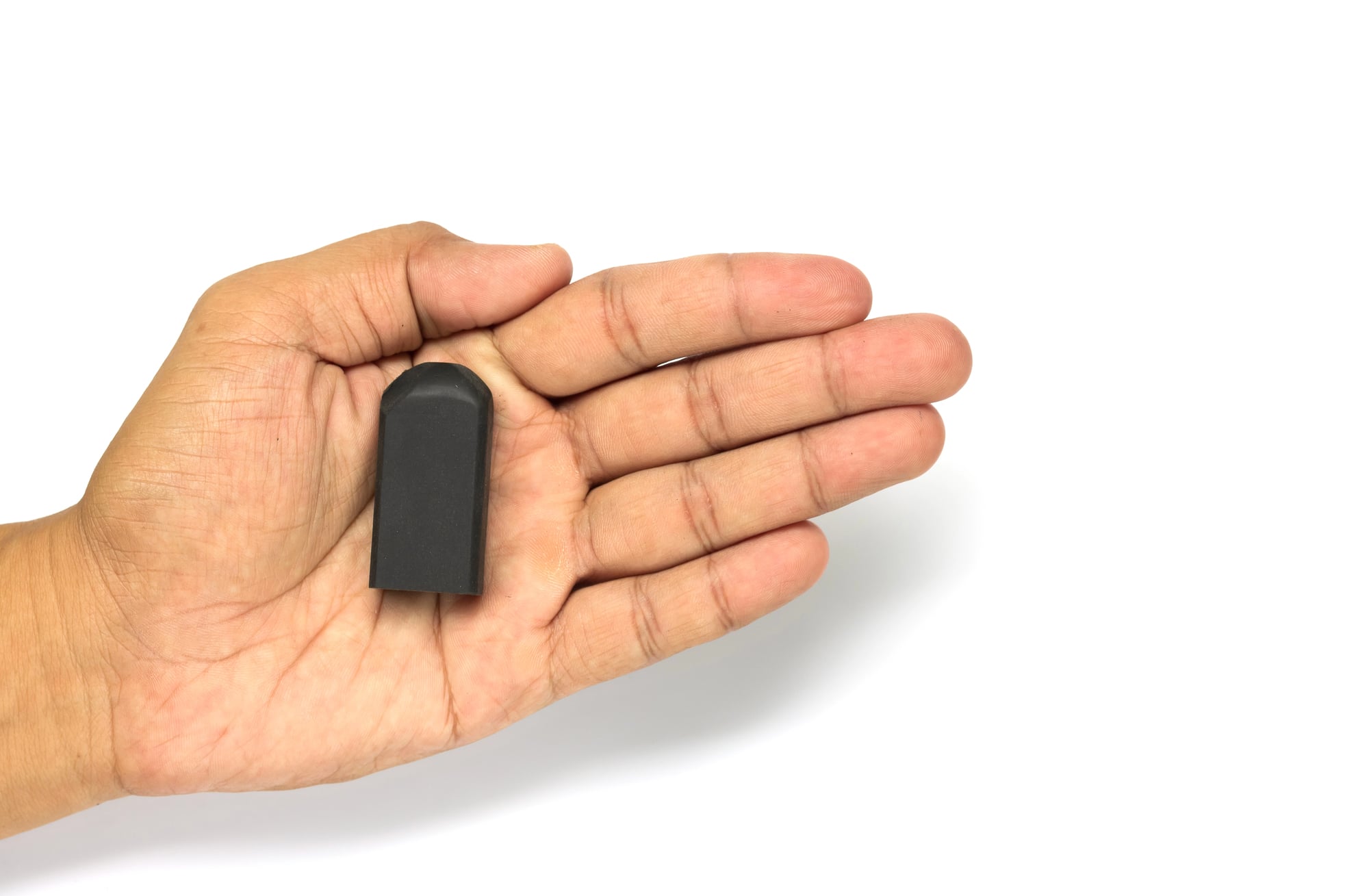
Middle school students rubbed erasers back and forth on their skin while reciting the alphabet or a phrase. The friction created burns that left scars, with some cases requiring medical attention for infected wounds.
Kids treated it like a test of toughness, ignoring the pain and permanent skin damage. School nurses dealt with an influx of students sporting raw, wounding patches on their arms.
The challenge served no purpose except proving who could endure pain the longest. Most participants ended up with scars they still carry today as reminders of a pointless trend.
Salt And Ice Challenge
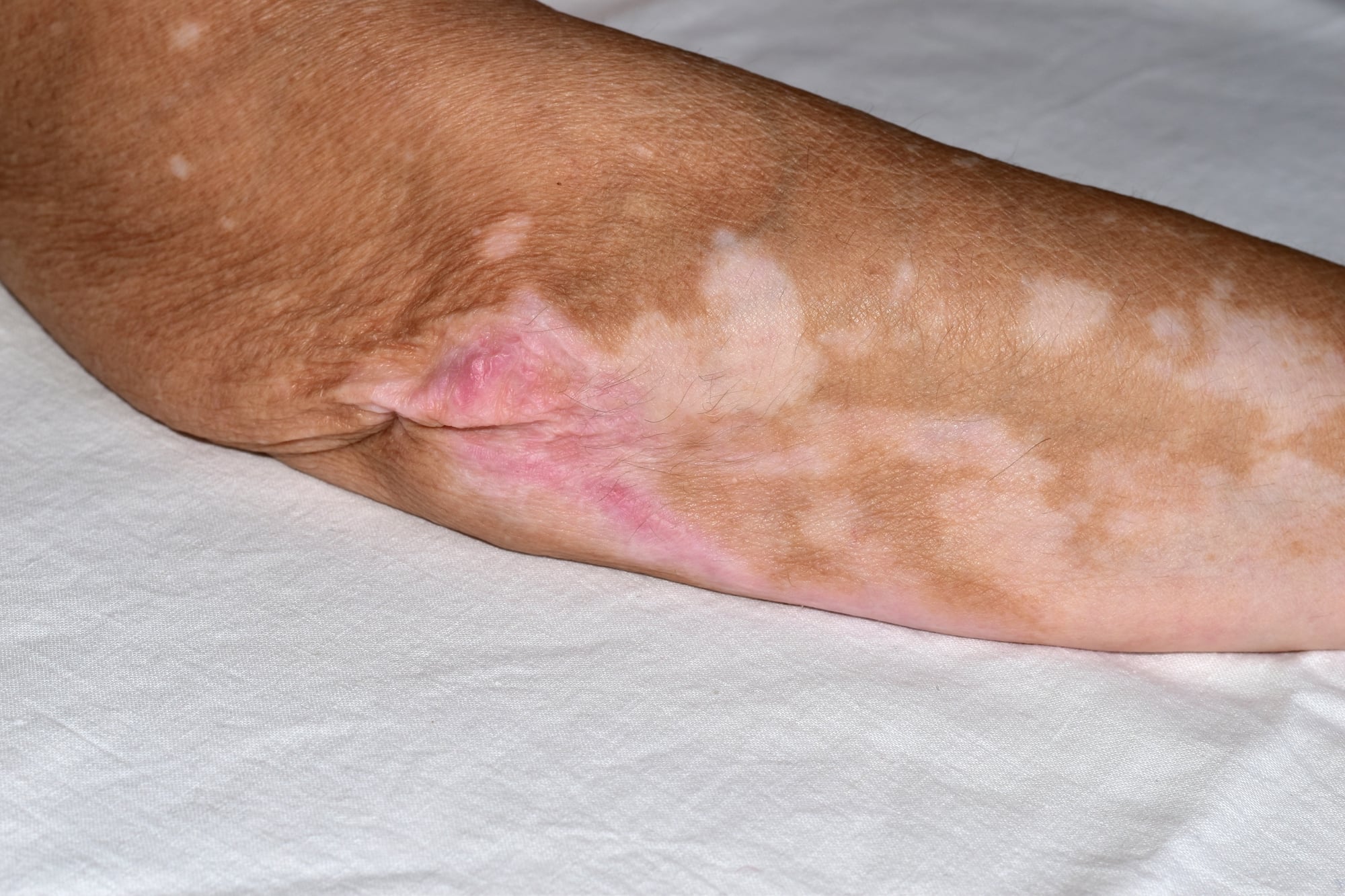
Participants put salt on their skin, then pressed ice against it, creating a chemical reaction that caused frostbite-like burns. The combination can drop skin temperature dangerously low, causing second and third-degree burns.
Kids ended up in emergency rooms with severe tissue damage that sometimes required skin grafts. The trend spread despite clear evidence of the harm it caused, with new videos appearing even after medical warnings.
Like many challenge trends, peer pressure and the desire to prove toughness overrode self-preservation. The resulting scars served as permanent reminders of a few minutes of internet clout.
Don’t Judge Challenge

This trend claimed to promote self-acceptance but actually did the opposite. People drew on fake acne, unibrows, and other features considered unattractive, then removed them to reveal their actual appearance.
The transformation implied that certain features made people ugly and needed to be hidden or fixed. Critics pointed out that the challenge reinforced beauty standards while pretending to challenge them.
People with the features being mocked found the videos hurtful rather than empowering. The trend showed how performative activism can actually perpetuate the problems it claims to address.
48-Hour Challenge

Teenagers filmed themselves staying in stores like Target or Walmart overnight, hiding from employees and making forts out of merchandise. The videos showed trespassing, destruction of property, and sometimes theft.
Store employees had to deal with the aftermath of disturbed stock and damaged goods. Some participants faced criminal charges for breaking and entering.
The challenge treated retail spaces like personal playgrounds, showing no respect for workers or businesses. What teens saw as adventurous fun created real problems for the people who had to clean up and explain missing inventory.
Duct Tape Challenge

Strapped tight by buddies using heavy-duty tape, folks tried wiggling loose – only to tumble hard since they could not steady their fall. This game turned dangerous fast: a young person dropped backward, cracked his skull, lost eyesight for weeks on end, healing took forever.
Numb limbs, dark purple marks, sudden breathless fear followed others who got stuck too long without motion. Some felt blood stop flowing right under the sticky wrap, skin turning cold before release.
Stillness mixed with slipping made it risky, though players acted like the threat wasn’t there. Many clips captured faces strained, even tears rolling down – still, nobody stepped back.
Skull Breaker Challenge
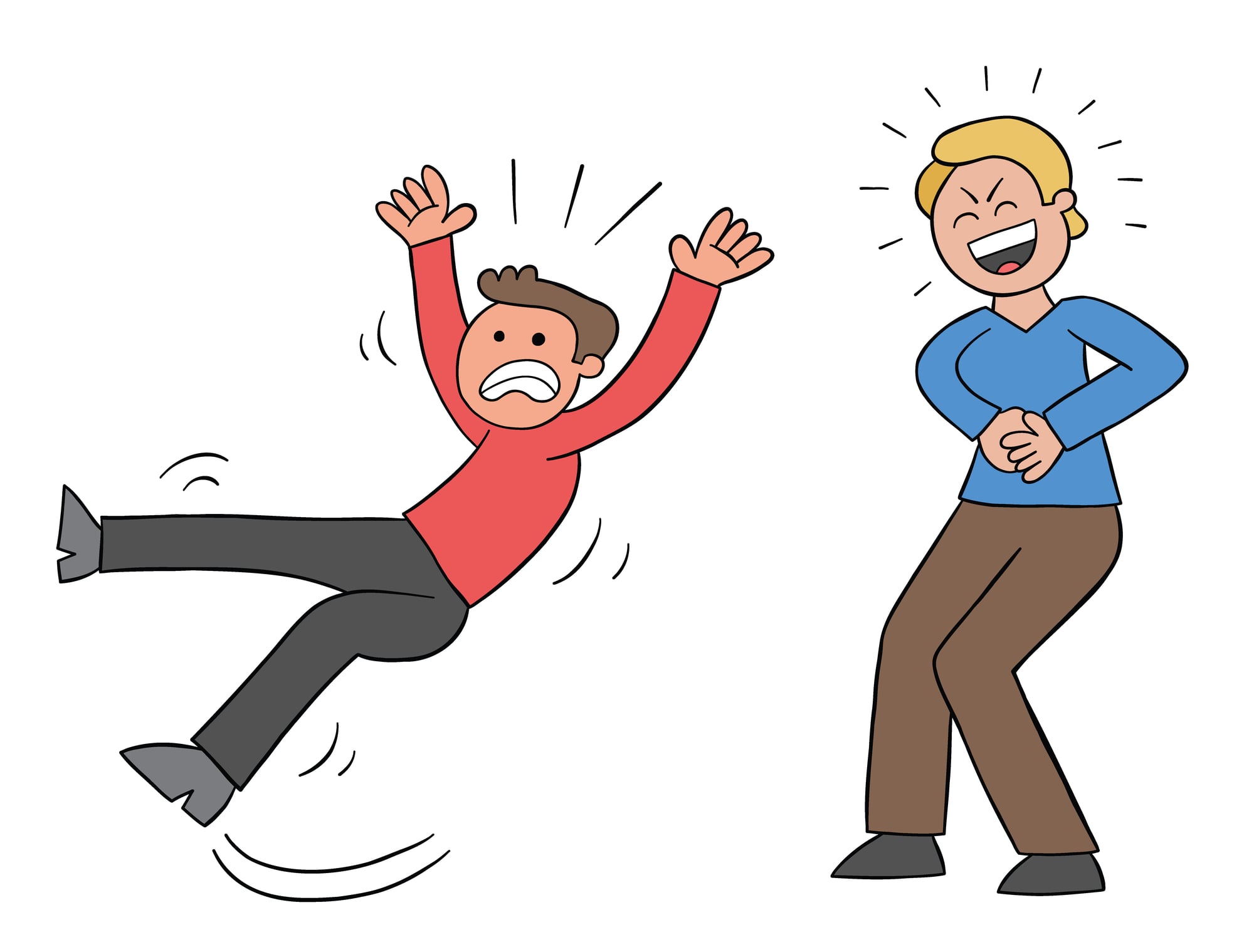
One after another, three individuals lined up, the one in the center clueless. As those at both edges leapt suddenly, so did the one between – then their feet were swept away midair.
Downward motion followed fast, backs meeting unyielding ground without chance to break the fall. Injuries piled up: dazed minds, damaged spines, cracked limbs.
Certain ones ended up inside medical centers, brains bruised beyond immediate repair. Warnings reached parents when kids got hurt trying that challenge.
What started online as a joke turned real fast – bodies bruised, lives derailed without warning. One moment it’s laughter, next thing you know: hospital visits instead.
Slowly Does The Internet Learn

What once swept online often showed how quickly things go wrong. Not seeking fame but caught in a push to join, many followed along.
Because something spreads fast does not mean it helps anyone. When everyone jumps, pause comes later.
We see now what repeated itself again and again. Understanding arrives after the fact, always just behind.
More from Go2Tutors!

- The Romanov Crown Jewels and Their Tragic Fate
- 13 Historical Mysteries That Science Still Can’t Solve
- Famous Hoaxes That Fooled the World for Years
- 15 Child Stars with Tragic Adult Lives
- 16 Famous Jewelry Pieces in History
Like Go2Tutors’s content? Follow us on MSN.