20 Road Trip Tips from the 1950s That Still Hold Up Today
Back then, drivers relied on folded maps that cracked at the creases instead of turn-by-turn alerts. Road trips meant cranking down windows for cool air while dad steered through sunlit highways.
No apps suggested shortcuts; towns appeared like surprises around every bend. Motels with blinking neon signs welcomed travelers near dusty diner lots.
Kids sprawled across backseats reading comic books under hot afternoon light. The hum of tires on fresh asphalt became a kind of steady music.
Parks waited beyond state lines, full of trails and untouched woods. Lunch came from paper bags passed over seats during quick stops.
Vacation unfolded mile by mile without updates or notifications. Freedom felt wide even when stuck behind slow-moving grain trucks.
Here’s a closer look at 20 road trip tips from the 1950s that still hold up surprisingly well today.
Plan Your Route In Advance

In the 1950s, planning meant sitting at the kitchen table with a paper map and a pencil. Drivers highlighted highways, calculated mileage, and estimated fuel stops before ever turning the ignition.
The process required intention. Even with digital navigation, pre-planning remains essential.
Knowing the major stretches of your route helps avoid last-minute detours and reduces stress. Technology is helpful, but awareness still beats blind trust in an app.
Carry A Physical Map

Glove compartments in the 1950s were rarely empty. Folded state maps were standard equipment, often provided free at gas stations.
Drivers knew that roads could change or signs could be unclear. Today, phone batteries die and signals drop in remote areas.
A physical map still offers reassurance. It never needs charging and provides a broader sense of geography than a small screen.
Check Your Tires Before Leaving
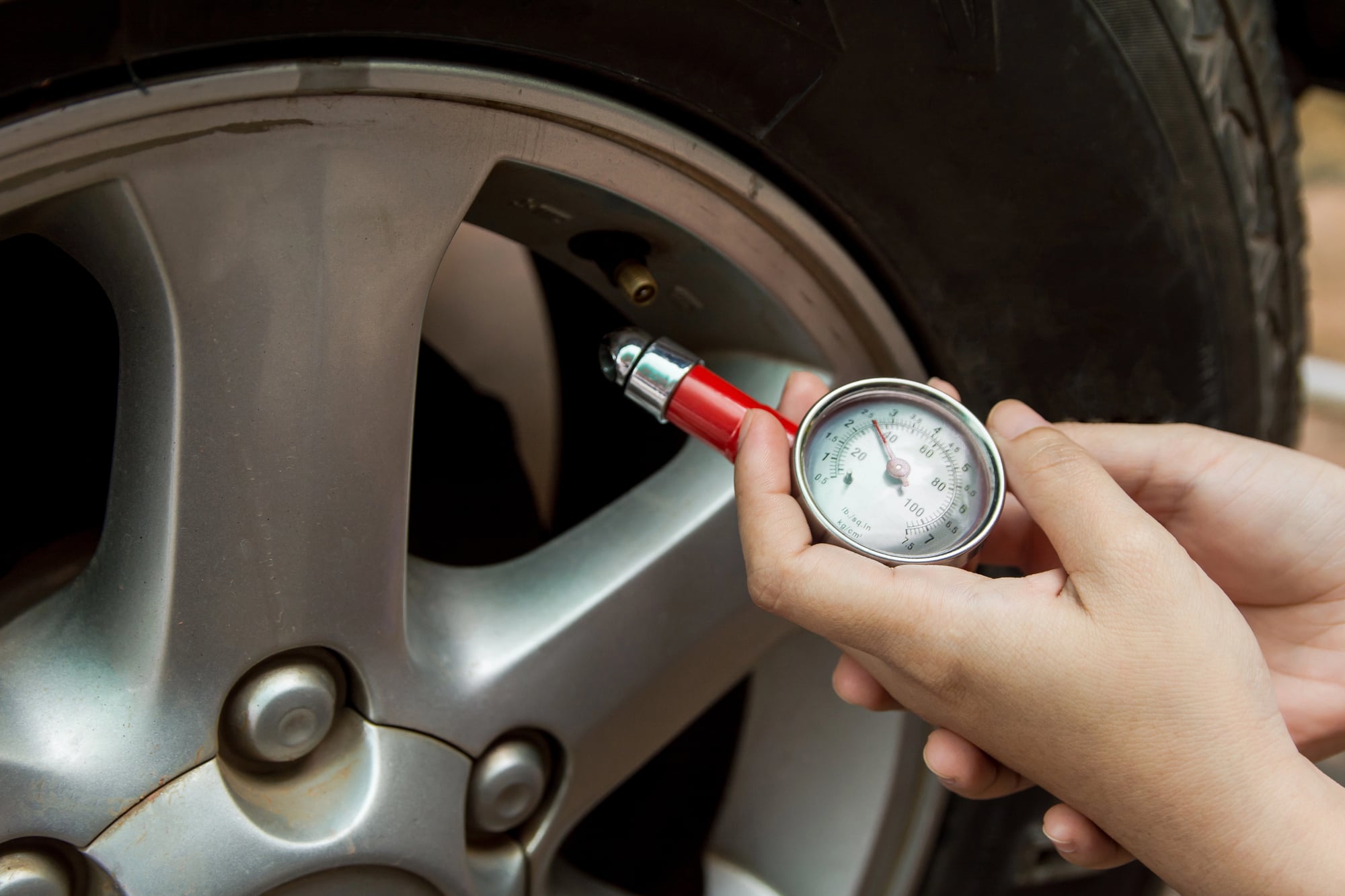
Mid-century travel guides constantly reminded motorists to inspect tire pressure and tread. Blowouts were more common, and roadside assistance was not guaranteed.
While modern tires are more reliable, long-distance driving still puts strain on them. A quick inspection before departure can prevent inconvenient delays miles from the nearest town.
Pack A Cooler With Food And Drinks
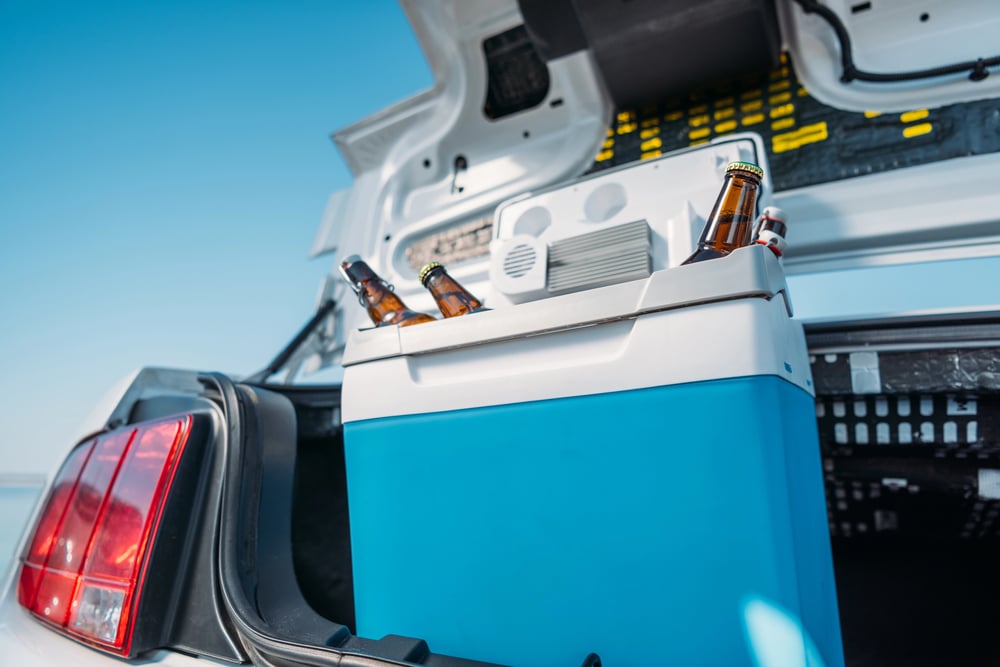
Before fast-food chains dotted every exit, families packed sandwiches, fruit, and thermoses. Picnic tables at rest stops were part of the journey.
Even now, having snacks within reach saves money and time. It also reduces the temptation to settle for whatever is available at the next gas station.
Start Early In The Day
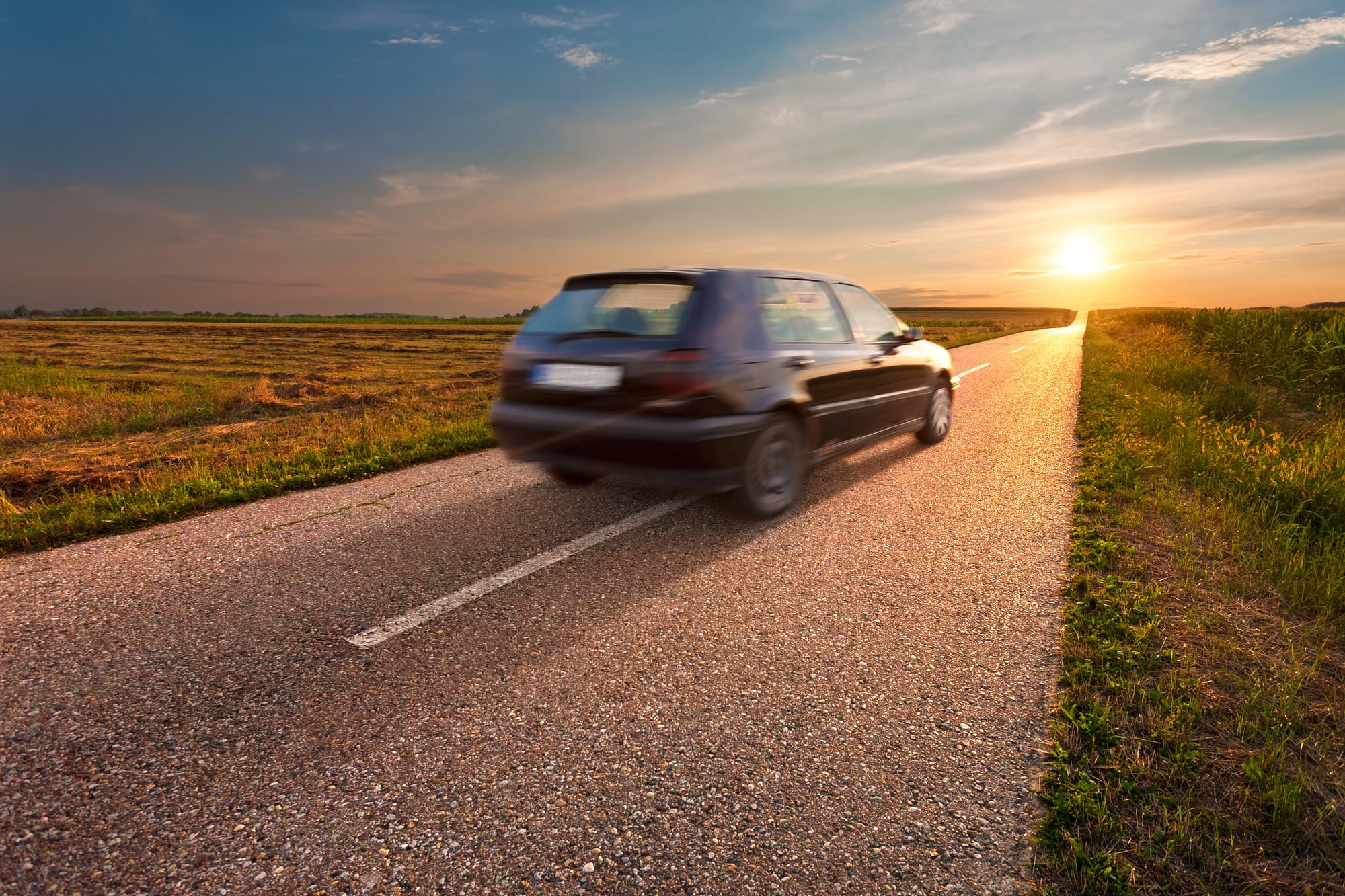
Travel guides from the 1950s often advised departing at dawn to avoid traffic and summer heat. Early starts also provided more daylight for unexpected stops.
That advice still works. Morning travel feels calmer, and arriving before dark makes unfamiliar destinations easier to navigate.
Keep Emergency Supplies In The Trunk
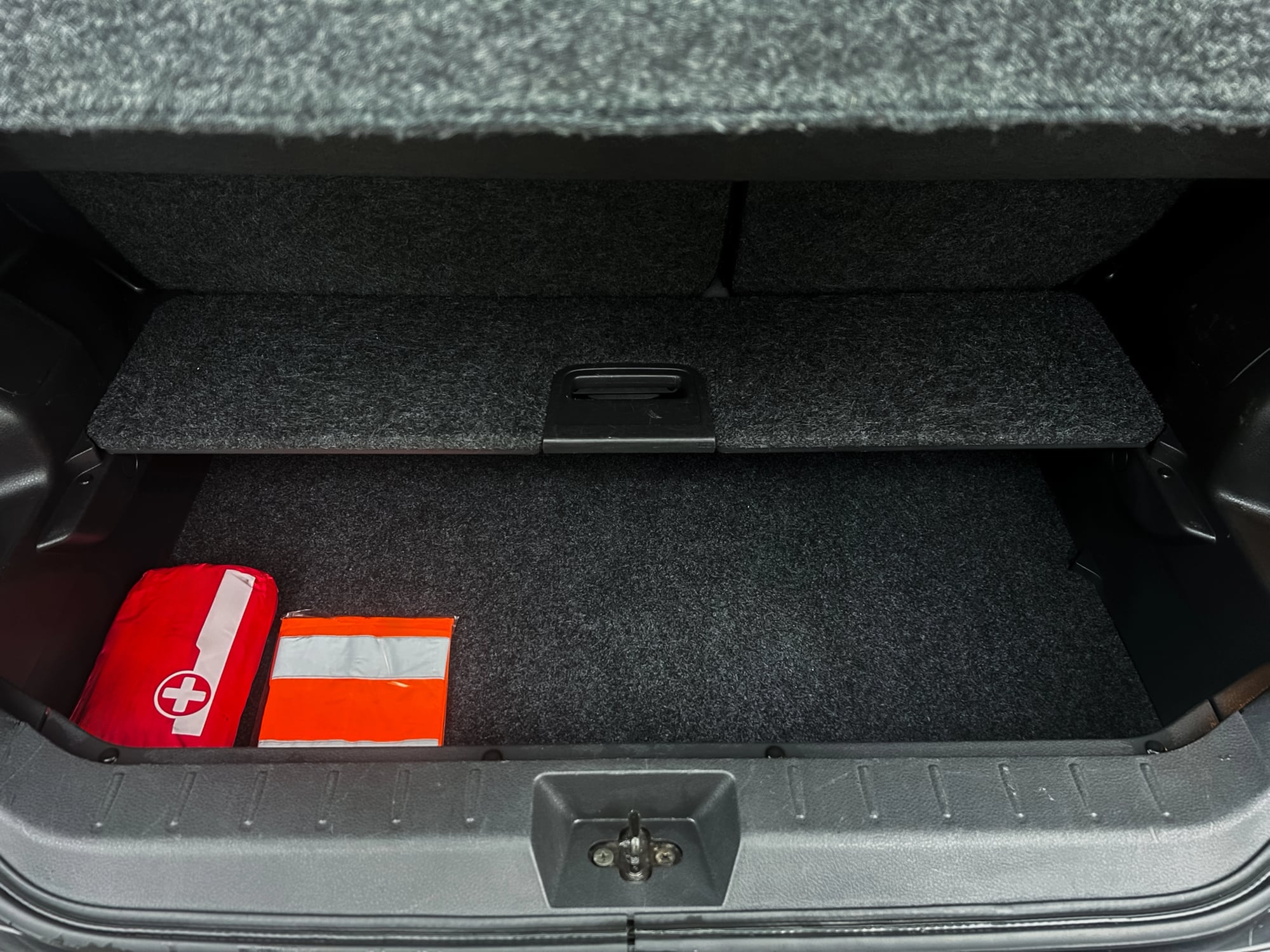
Flashlights, blankets, jumper cables, and basic tools were considered road trip essentials. Remote stretches of highway demanded preparation.
Modern vehicles are more dependable, but breakdowns still happen. A small emergency kit offers peace of mind that never goes out of style.
Take Scenic Highways When Possible
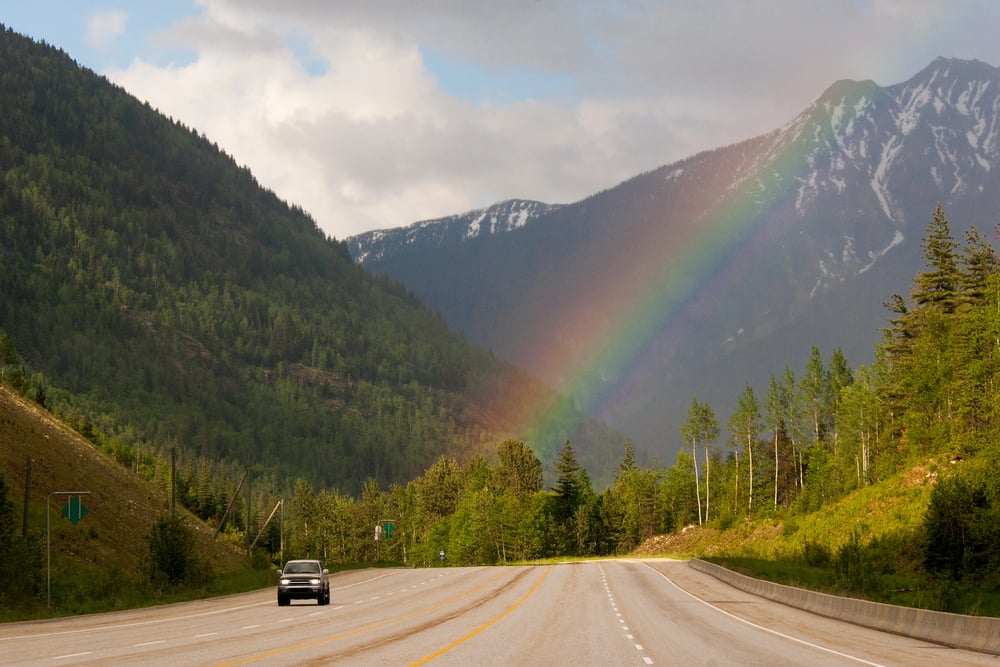
Back then, folks drove slow on narrow roads that curled past farms, woods, maybe a diner with neon fading. Even as freeways spread across states, those old paper books pointed travelers toward quieter routes instead.
Through sleepy towns where everyone knew each other, the journey mattered more than speed. Highways get you there fast.
Yet slipping onto back roads might shift how you see the trip. Moments stretch out differently when speed fades.
Even the quiet stretches stick in your mind later.
Respect The Speed Limit
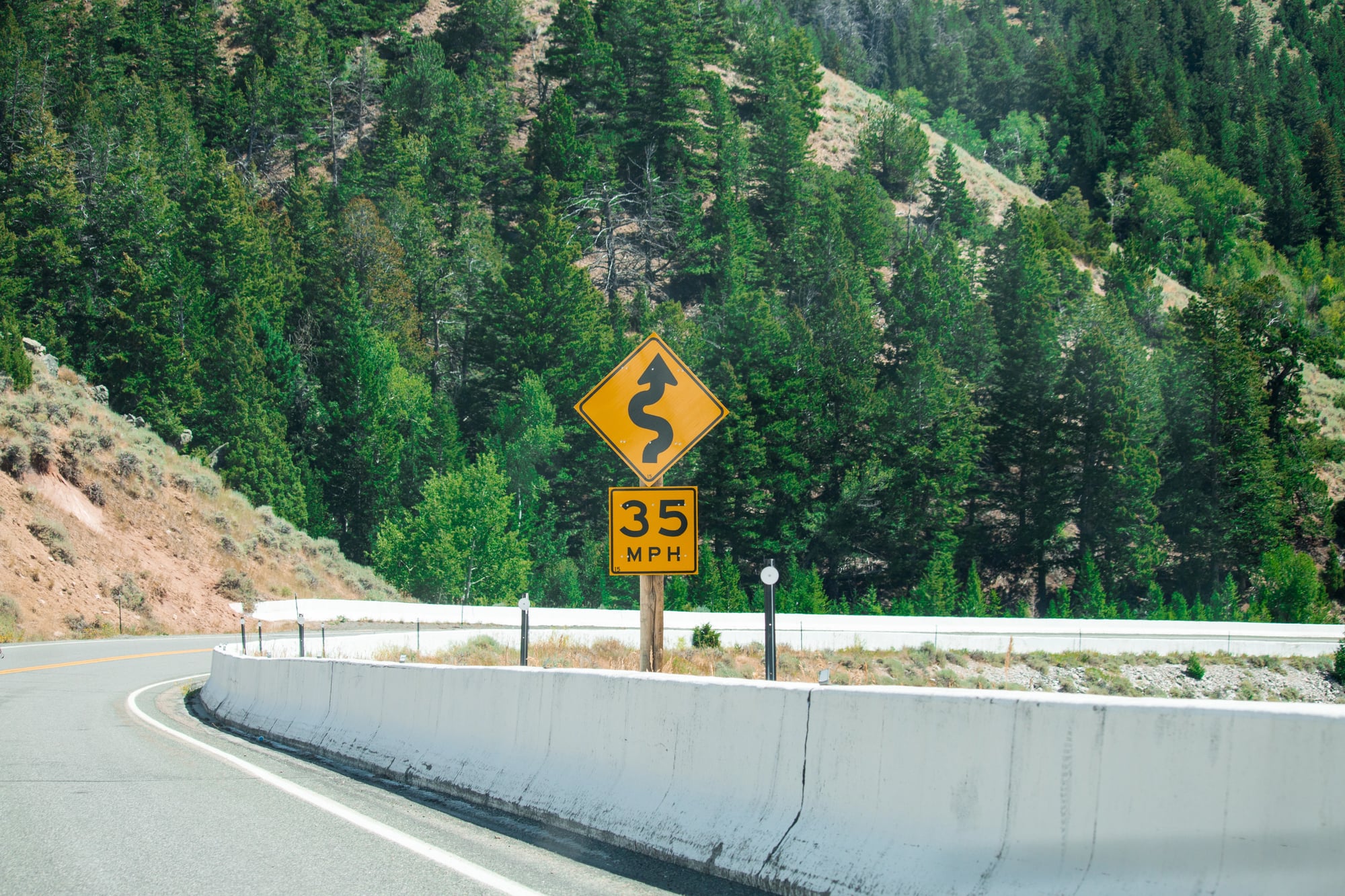
Postwar public safety campaigns emphasized responsible driving. Cars were becoming faster, and highways were expanding.
The principle remains unchanged. Saving a few minutes rarely outweighs the risks of speeding.
Calm, steady driving makes long distances easier on both the driver and the vehicle.
Keep The Windshield Clean

In the 1950s, long stretches of rural highway meant insects and dust quickly clouded visibility. Drivers stopped frequently to wipe glass and headlights.
Clear visibility is still fundamental to safe travel. Clean windows reduce glare and improve reaction time, especially during sunrise or sunset drives.
Rotate Drivers On Long Trips
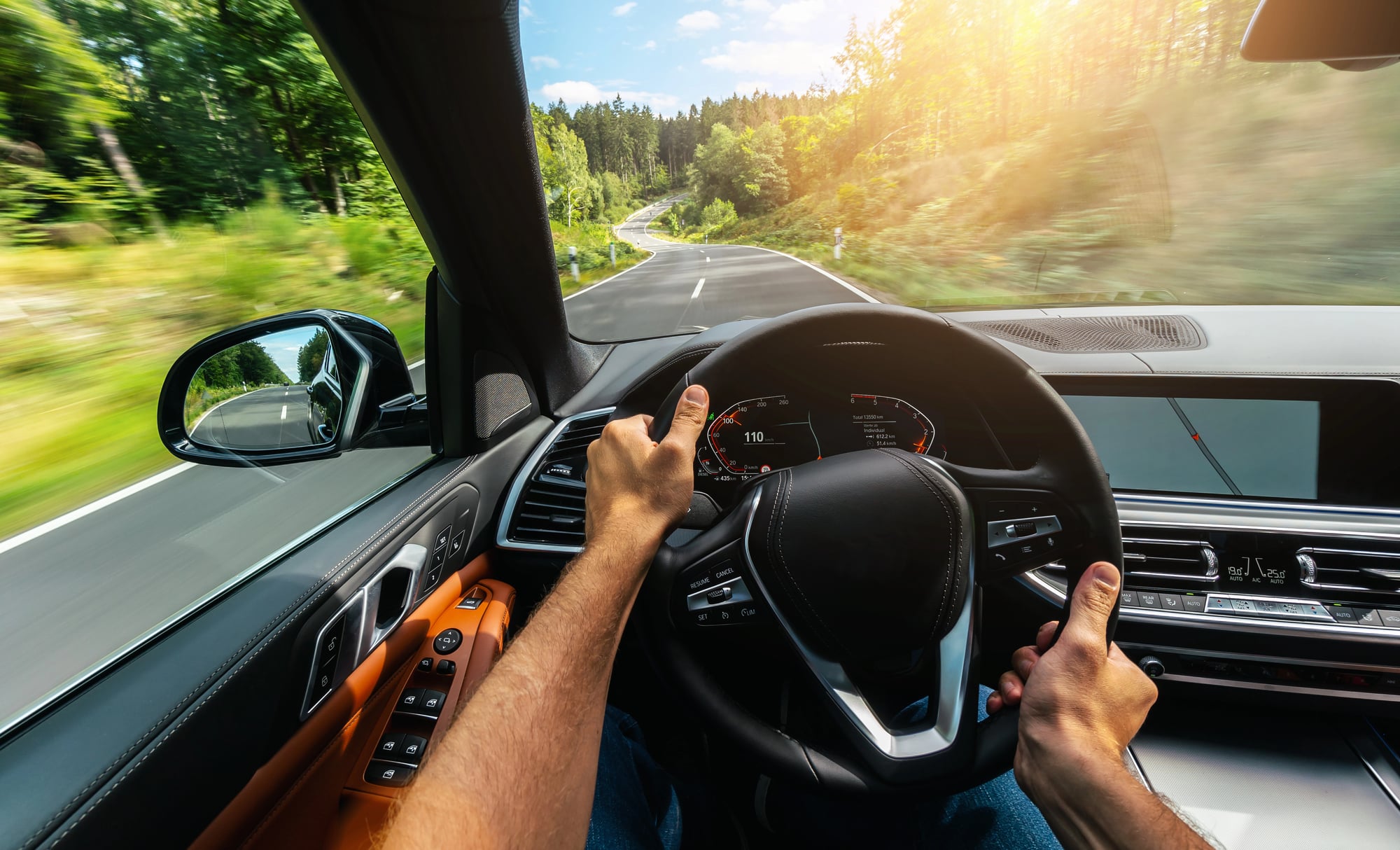
Family road trips often involved switching drivers to prevent fatigue. Travel articles warned against pushing through exhaustion.
Modern research confirms what 1950s advice already suggested. Alert drivers are safer drivers.
Sharing the wheel keeps everyone sharper.
Make Reservations In Busy Seasons

As roadside tourism boomed, motels filled quickly during summer months. Guidebooks recommended calling ahead whenever possible.
Peak travel seasons still strain accommodations. Booking in advance reduces uncertainty and prevents late-night searches for vacancies.
Keep Change Handy For Tolls

Highways in the 1950s increasingly included toll roads and bridges. Drivers kept coins within reach for quick payments.
While many tolls are now electronic, some still require payment. Being prepared avoids awkward moments at toll booths.
Entertain Passengers Without Screens

Families relied on conversation, games, and radio broadcasts to pass the time. License plate games and storytelling filled hours.
Though devices dominate today’s travel, shared activities create stronger memories. Road trips feel shorter when everyone participates.
Watch The Weather Closely
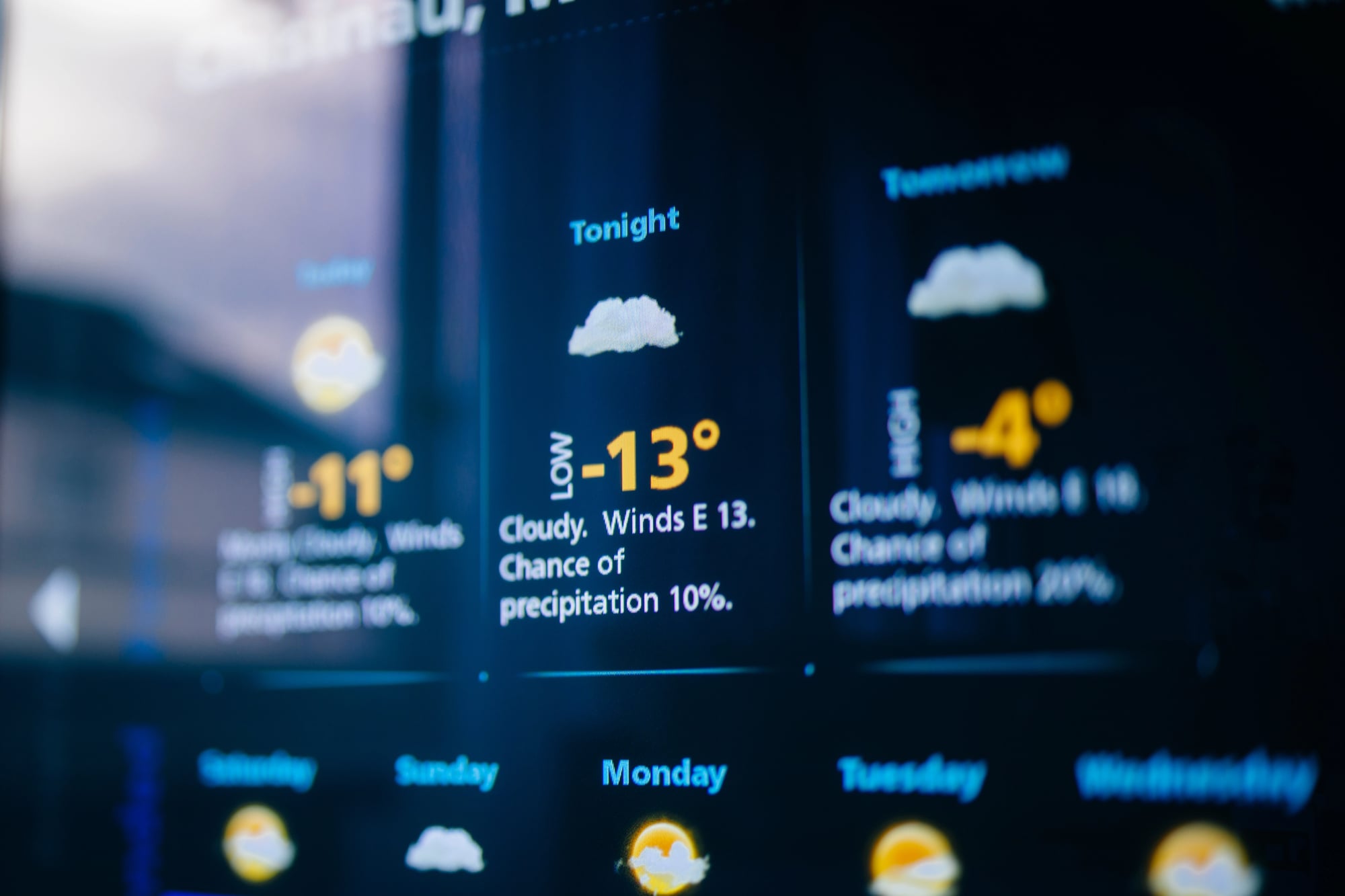
Travelers in the 1950s listened to radio forecasts before long drives. Severe storms could quickly alter plans.
Weather still shapes safe travel. Checking conditions ahead of time allows for smarter timing and route adjustments.
Stretch And Walk During Stops

Road safety campaigns encouraged drivers to rest and move during long stretches behind the wheel. Stiff muscles and fatigue could slow reaction times.
Frequent breaks remain one of the simplest ways to stay alert. A short walk at a rest stop can reset focus for the next leg.
Label Your Luggage Clearly

Before digital reservations and barcoded tags, travelers marked bags with clear identification. Misplaced luggage could derail plans.
Though car trips rarely involve airlines, labeling gear is still useful when staying at hotels or sharing vehicles.
Keep Cash On Hand

Credit cards existed in the 1950s but were not universally accepted. Travelers carried cash for gas, meals, and emergencies.
While digital payments are widespread, rural areas may still have limited options. A small cash reserve can be surprisingly helpful.
Respect Small-Town Etiquette

Mid-century road guides often advised travelers to be courteous guests in small towns. Politeness went a long way when asking for directions or recommendations.
That advice feels timeless. Respectful behavior builds goodwill and often leads to better local tips than any review site.
Maintain Your Vehicle Before Departure
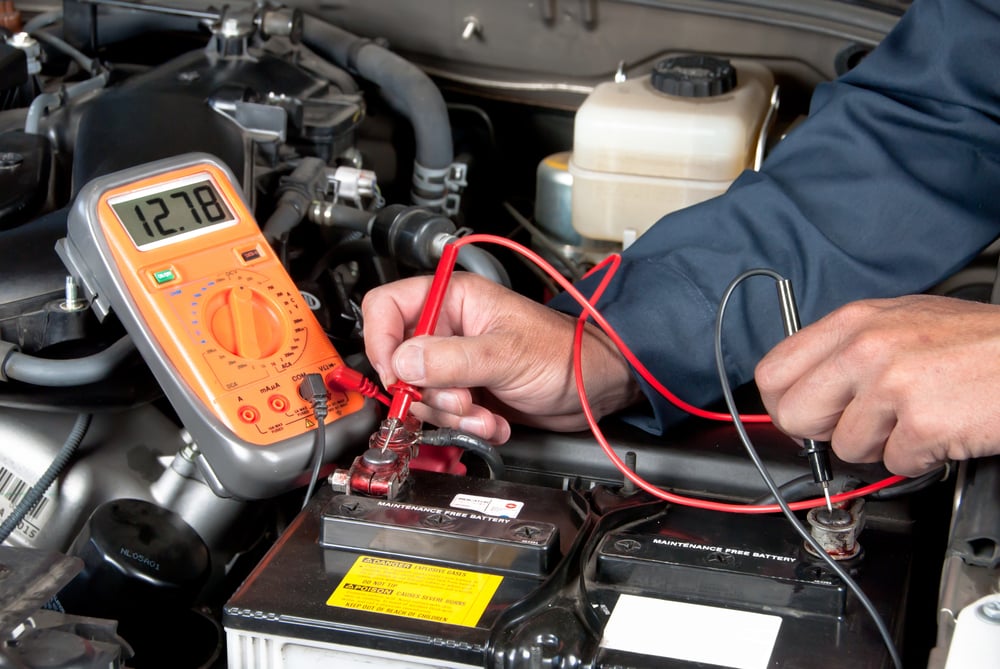
Routine maintenance was heavily emphasized in 1950s travel brochures. Oil levels, belts, and cooling systems required regular attention.
Modern engines are more forgiving, but preventive care still reduces risk. A quick checkup before a long drive remains a smart investment.
Enjoy The Drive, Not Just The Destination

Perhaps the most enduring piece of 1950s road wisdom was simple: the trip itself matters. Travel was framed as an adventure rather than a chore.
That perspective still holds up. Highways connect more than cities.
They connect stories, landscapes, and moments that rarely appear on itineraries.
Why The Old Advice Still Works

Driving machines look different now. Roads stretch wider across the land because traffic grew.
Digital maps guide most trips instead of paper ones. Still, what truly keeps travelers safe hasn’t shifted much at all.
Being ready helps when things go sideways. Waiting calmly makes hard moments easier.
Noticing details around you beats relying on tools. Gadgets cannot replace attention.
Back then, road trips meant planning ahead, plus a good dose of grit. Even now, those traits make travel stick in your mind.
Underneath GPS and fast charging, what matters on the highway hasn’t changed much at all. Turns out, solid guidance lasts just like an old station wagon rolling into sunset light.
More from Go2Tutors!

- The Romanov Crown Jewels and Their Tragic Fate
- 13 Historical Mysteries That Science Still Can’t Solve
- Famous Hoaxes That Fooled the World for Years
- 15 Child Stars with Tragic Adult Lives
- 16 Famous Jewelry Pieces in History
Like Go2Tutors’s content? Follow us on MSN.