15 Things That Were Ahead of Their Time
History has a funny way of proving the visionaries right — just usually decades after everyone laughed them off. The things that seemed impossible, impractical, or downright ridiculous often turn out to be the blueprints for tomorrow.
Sometimes being right early feels a lot like being wrong for a very long time.
The Tesla Model S

Electric cars weren’t supposed to be cool. For decades, they puttered around like apologetic golf carts, whispering their environmental guilt while everyone else roared past.
Then Tesla showed up in 2012 with a sedan that could smoke a Ferrari and drive itself to the grocery store. The entire auto industry suddenly remembered they’d been working on electric vehicles all along.
Leonardo da Vinci’s Flying Machine

Leonardo sketched helicopters and airplanes 400 years before the Wright brothers figured out how to get off the ground (and even his parachute design worked when someone finally tested it in 2000, because of course it did). His notebooks read like science fiction written by someone who’d accidentally seen the future — submarines, tanks, automated machines that wouldn’t exist for centuries.
But Leonardo was stuck in a world of wood and rope, dreaming in metal and engines.
The man designed contact lenses, for crying out loud. In 1508. While everyone else was still trying to figure out why people needed glasses in the first place, Leonardo was already solving the next problem down the line.
And yet he spent most of his life explaining why birds could fly but humans couldn’t, watching his mechanical dreams gather dust in notebooks that wouldn’t be properly understood until the industrial age caught up to his imagination.
Google Glass
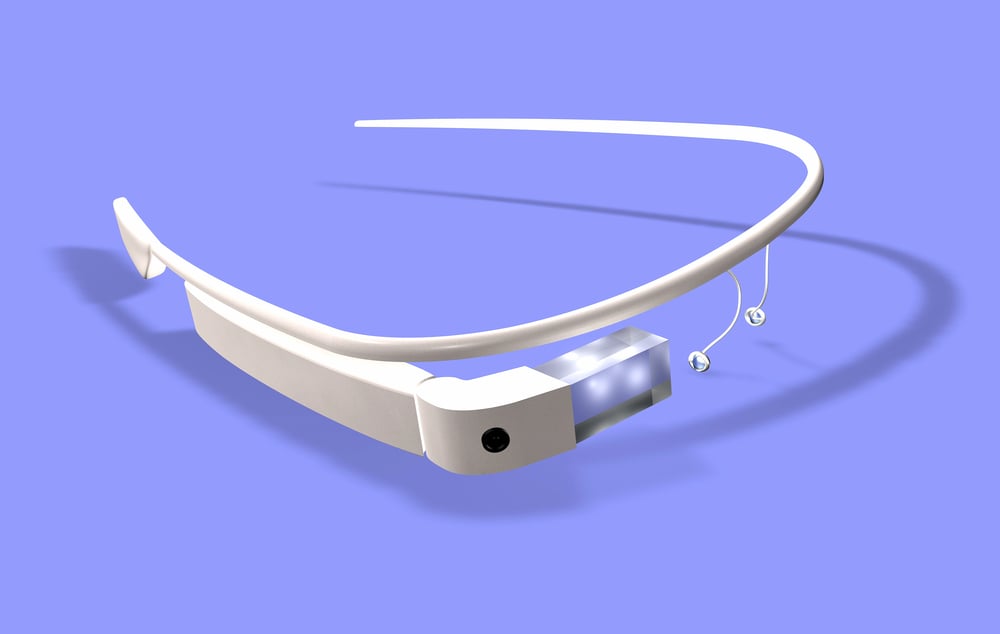
Google Glass failed spectacularly. That much is obvious to anyone who remembers the collective eye-roll when tech bros started wearing computers on their faces in 2013 (Explorer Edition launch).
But the failure wasn’t really about the technology — it was about timing, and social norms, and the fact that nobody wants to talk to someone who might be recording them. Fast forward to today, and augmented reality is everywhere.
Apple’s Vision Pro, Snapchat filters, even simple heads-up displays in cars — all of it traces back to those dorky glasses that made everyone uncomfortable.
The hardware was clunky and the software was half-baked, sure. But the core insight was sound: information should live where you’re looking, not buried in your pocket.
Google just tried to skip about ten years of cultural adaptation and technological refinement. They were right about the destination, wrong about when people would be ready for the journey.
Nikola Tesla’s Wireless Power
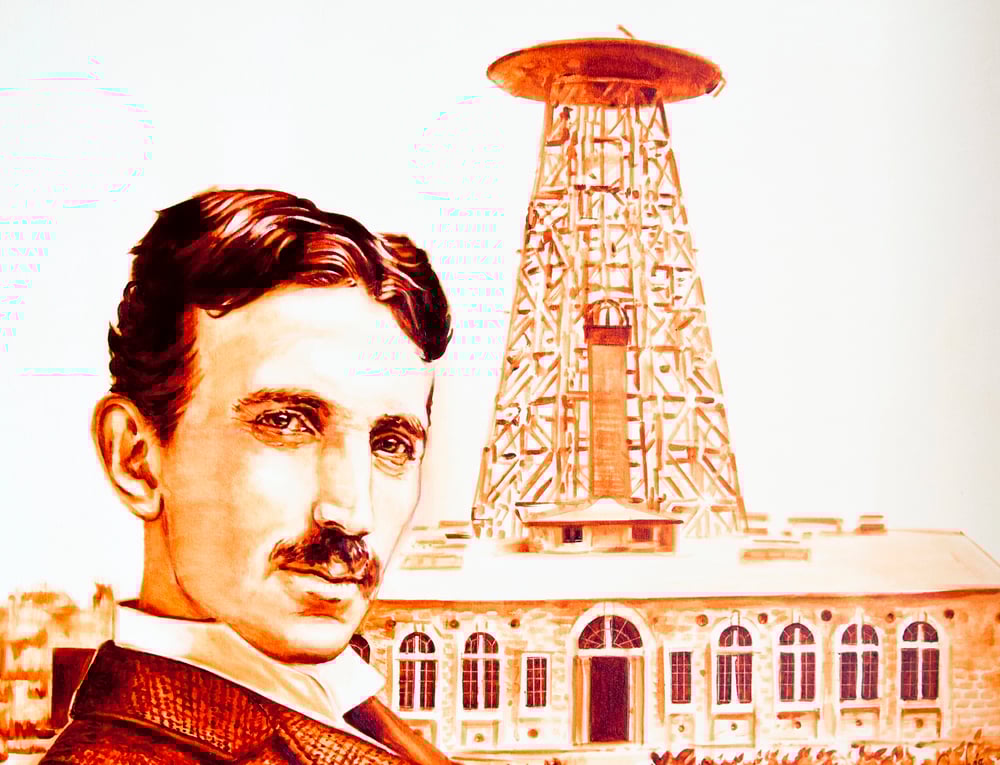
Tesla envisioned a world where electricity flowed through the air like radio waves — no wires, no plugs, just power wherever needed. He built a massive tower in Colorado Springs to prove it could work, broadcasting electricity across empty fields while investors watched their money disappear into the atmosphere.
The project collapsed in 1906, leaving Tesla broke and the world convinced that wireless power was pure fantasy.
A century later, smartphones charge on wireless pads and electric cars park over inductive coils that fill their batteries without any physical connection. Tesla’s tower was too ambitious, too early, too expensive — but the physics were sound.
He just needed a world with semiconductors and precise electromagnetic control, neither of which existed in his lifetime. So he spent his final years feeding pigeons in New York parks, watching the wired world catch up to his wireless dreams one patent at a time.
The Segway

The Segway was supposed to revolutionize transportation. Cities would redesign themselves around these two-wheeled gliders that carried people effortlessly through urban spaces.
Instead, they became expensive toys for mall cops and tourists — a punchline about tech hype that promised everything and delivered awkwardness.
But look around now. Electric scooters cover every sidewalk, personal transportation devices are everywhere, and self-balancing technology powers hoverboards that kids ride like it’s nothing.
The Segway’s core insight was correct: people want personal, electric, efficient ways to move short distances. The execution was wrong — too heavy, too expensive, too much like riding a standing desk. But the idea stuck around long enough for someone else to build it smaller, cheaper, and actually useful.
Virtual Reality in the 1990s
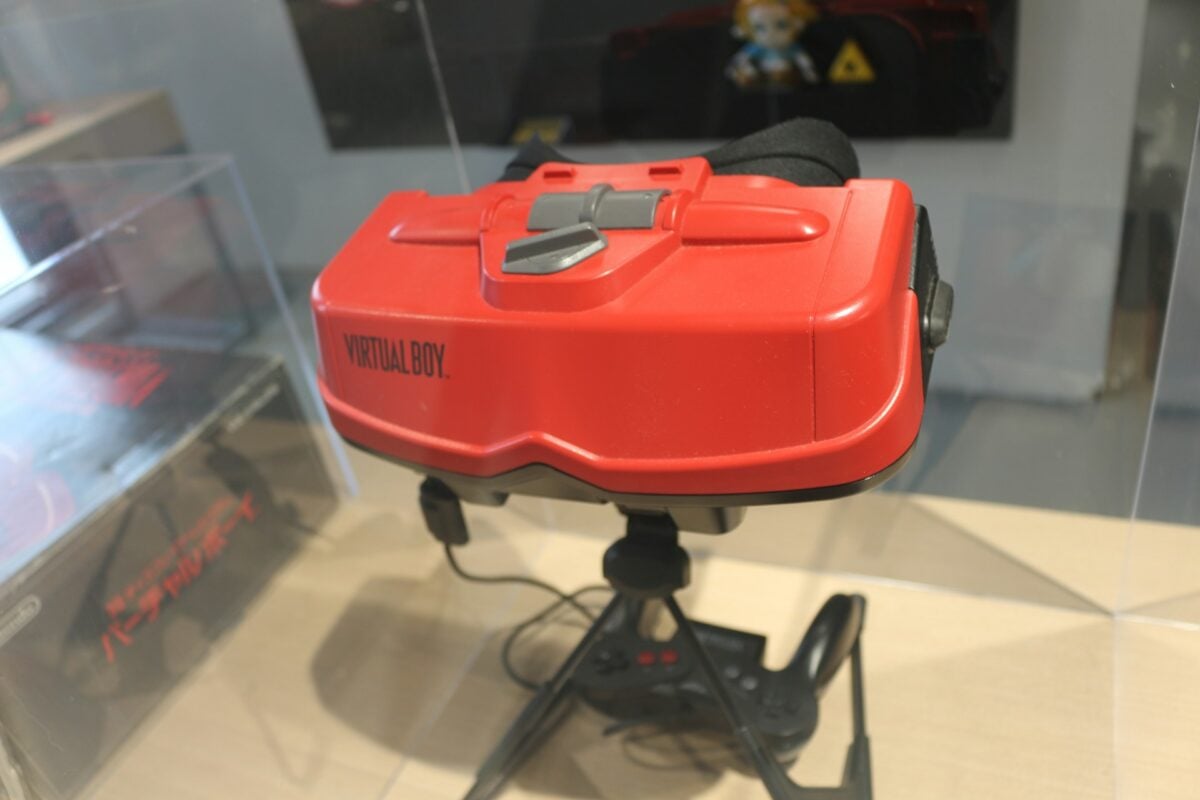
Virtual reality in the 1990s was like watching someone describe color through a kaleidoscope made of pixels the size of sugar cubes. The hardware was brutally heavy, the graphics looked like angry geometry, and the whole experience usually ended with motion sickness and buyer’s remorse.
Companies like Virtual Boy convinced an entire generation that VR was just expensive nausea wrapped in science fiction marketing.
And yet here we are, strapping computers to our faces and calling it revolutionary. The vision was always sound — step inside the screen, manipulate virtual objects, meet people in digital spaces that feel real.
The 1990s just didn’t have the processing power, display technology, or motion tracking to pull it off. So VR spent twenty years in exile, waiting for smartphones to solve the hard problems of tiny screens and precise sensors. Sometimes being ahead of your time means being ridiculed until the world builds the tools you needed all along.
The Newton MessagePad
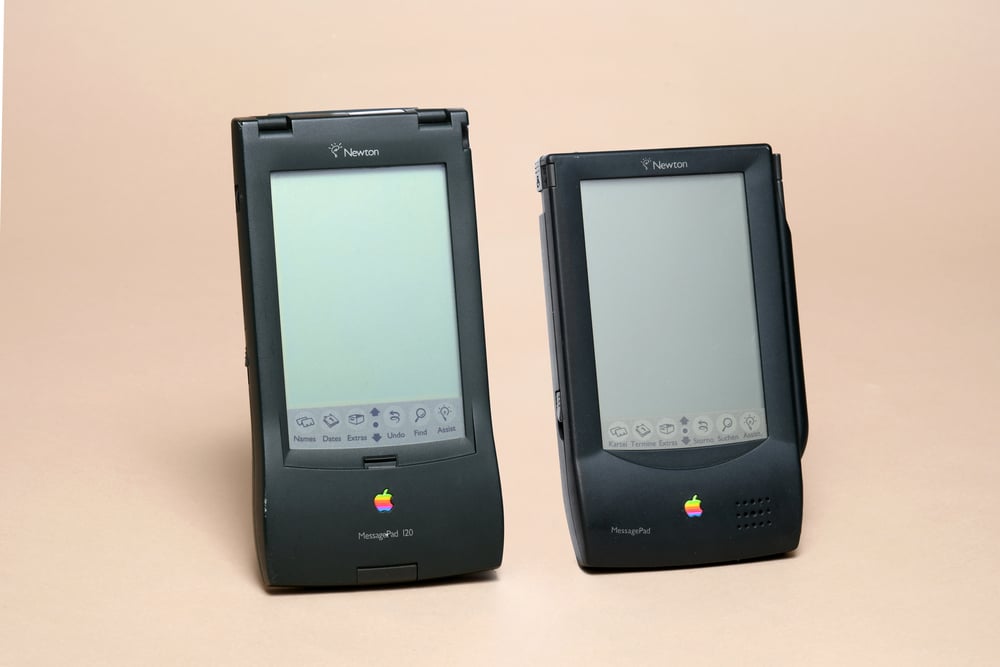
Apple’s Newton was a disaster wrapped in ambition. Released in 1993, it promised handwriting recognition, wireless communication, and portable computing in a device that mostly delivered frustration and terrible battery life.
The handwriting recognition was so notoriously bad that it spawned comic strips and convinced people that computers would never understand human writing.
Fast forward to today, and everything the Newton tried to do lives in your pocket. Smartphones recognize handwriting, voice, and gestures with casual precision that would have seemed magical in 1993.
The Newton wasn’t wrong about the future — it was just built with 1993 technology trying to solve 2007 problems. Apple spent the next decade learning those lessons, which explains why the iPhone felt like such a natural evolution when it finally arrived.
Sometimes you have to fail publicly before you can succeed quietly.
Electric Cars (1900s)
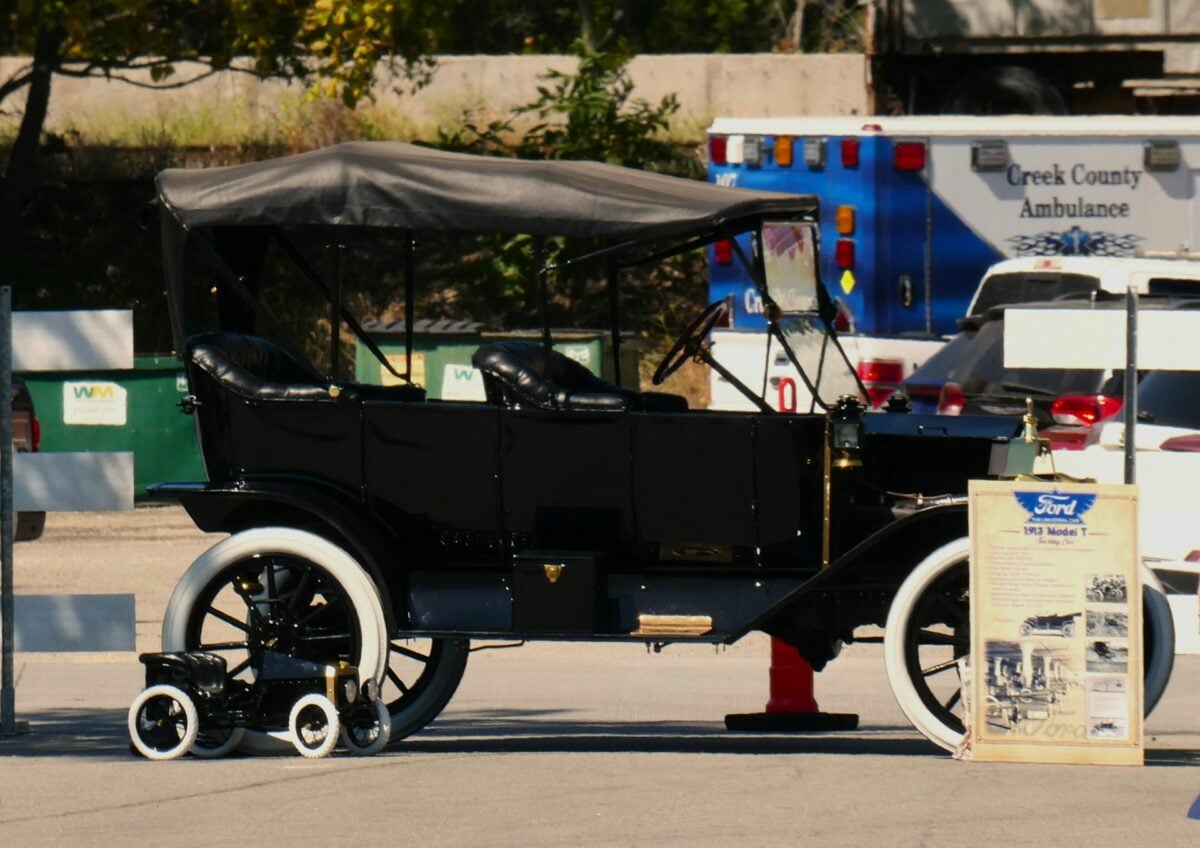
At the turn of the 20th century, electric cars competed vigorously with gasoline and steam vehicles, but gasoline cars quickly dominated the market. They were quiet, clean, and didn’t require hand-cranking to start — which was a genuine selling point when the alternative might break your arm.
But they were also slow, expensive, and tethered to charging infrastructure that barely existed outside major cities.
Then Henry Ford made gasoline cars cheap and oil companies made fuel available everywhere, while battery technology stagnated for the better part of a century. Electric vehicles became a curiosity, then a punchline, then an environmental statement for people willing to sacrifice convenience for principles.
But the original insight held: electric motors are simpler, quieter, and more efficient than internal combustion engines. It just took a hundred years for batteries to catch up to the ambition, and for someone like Elon Musk to make electric cars desirable instead of dutiful.
Video Calling in the 1960s
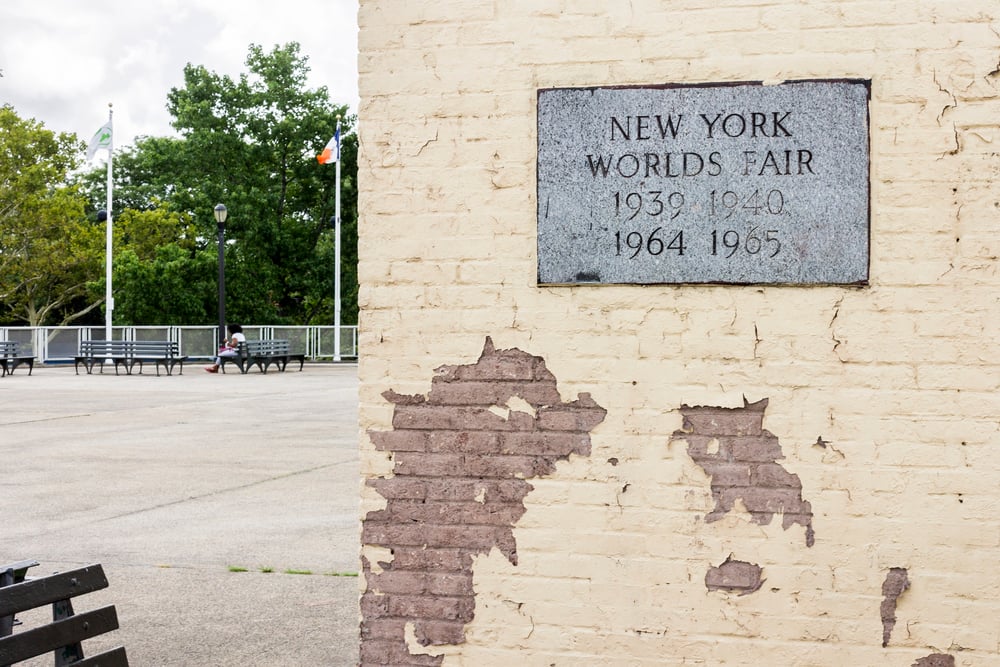
Picture phones appeared at the 1964 World’s Fair like something beamed in from 2024. AT&T demonstrated video calling between New York and Disneyland, showing visitors a future where every conversation would include facial expressions and gestures transmitted across telephone lines.
The technology worked — you could see and hear someone thousands of miles away in real time, which was genuinely miraculous for 1964.
But it cost $16 for three minutes (roughly $150 in today’s money), required specialized equipment, and solved a problem most people didn’t know they had. Voice calls were cheaper, easier, and honestly less awkward than staring at someone through a tiny screen while worrying about how your hair looked.
So video calling disappeared into research labs for forty years, waiting for the internet to make bandwidth free and smartphones to put cameras in everyone’s hands. Sometimes the future arrives exactly when predicted — just several decades later than anyone expected.
Digital Music (1980s)
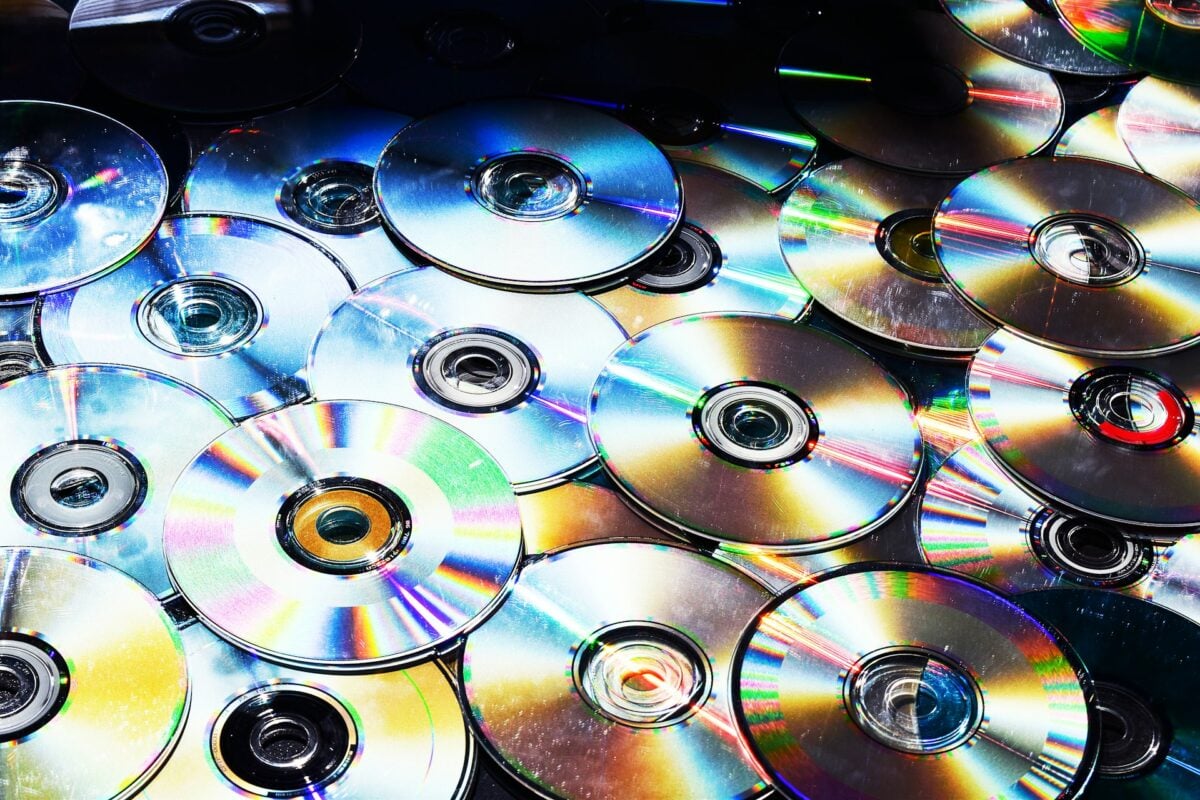
Compact discs were supposed to be indestructible. Sony and Philips introduced them in 1982 as the perfect music format — no scratches, no warping, no degradation over time, just pure digital sound that would last forever.
The music industry embraced CDs because they were harder to pirate and more profitable than vinyl. Consumers bought in because the sound quality was noticeably better and the convenience was obvious.
But the real revolution was hiding in plain sight: music as data instead of physical grooves. Once sound became ones and zeros, it was only a matter of time before someone figured out how to compress, copy, and share those files without the plastic disc.
Napster arrived in 1999, iTunes followed in 2001, and suddenly the music industry was scrambling to adapt to a world where songs lived in hard drives instead of record stores. CDs accidentally solved the wrong problem — they made music digital when what people really wanted was music everywhere.
The Apple Lisa
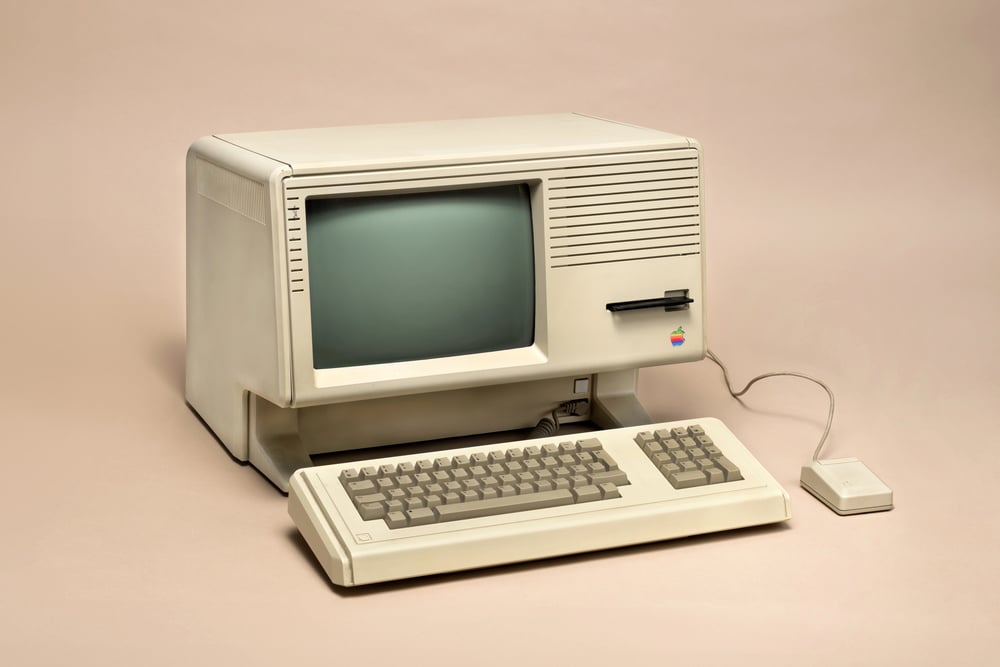
The Lisa was everything personal computers were supposed to become — graphical interface, mouse control, multitasking, networking capabilities, and a user experience designed for humans instead of engineers. Released in 1983, it felt like science fiction made real.
And it sold terribly, killed by a price tag that put it out of reach for almost everyone who might actually want one.
But the Lisa proved that computers could be intuitive tools instead of cryptic machines that required programming knowledge just to check your calendar (the mouse, windows, icons, and menus that seemed so revolutionary would become the standard interface for the next forty years, once the hardware got cheap enough and fast enough to make the experience smooth). Apple learned the lesson and built the Macintosh — same ideas, better execution, lower price.
Sometimes being ahead of your time means building the expensive prototype so you can figure out how to make it affordable.
Streaming Video Services (Late 1990s)
Companies like iTV and WebTV tried to bring video streaming to homes in the late 1990s, promising movies and shows delivered through internet connections instead of cable boxes or video stores. The vision was sound — on-demand entertainment without physical media or broadcast schedules.
The execution was painful. Dial-up internet turned movie streaming into a slideshow of pixelated frustration, and the content selection was limited to whatever fit through bandwidth constraints roughly equivalent to drinking from a garden hose.
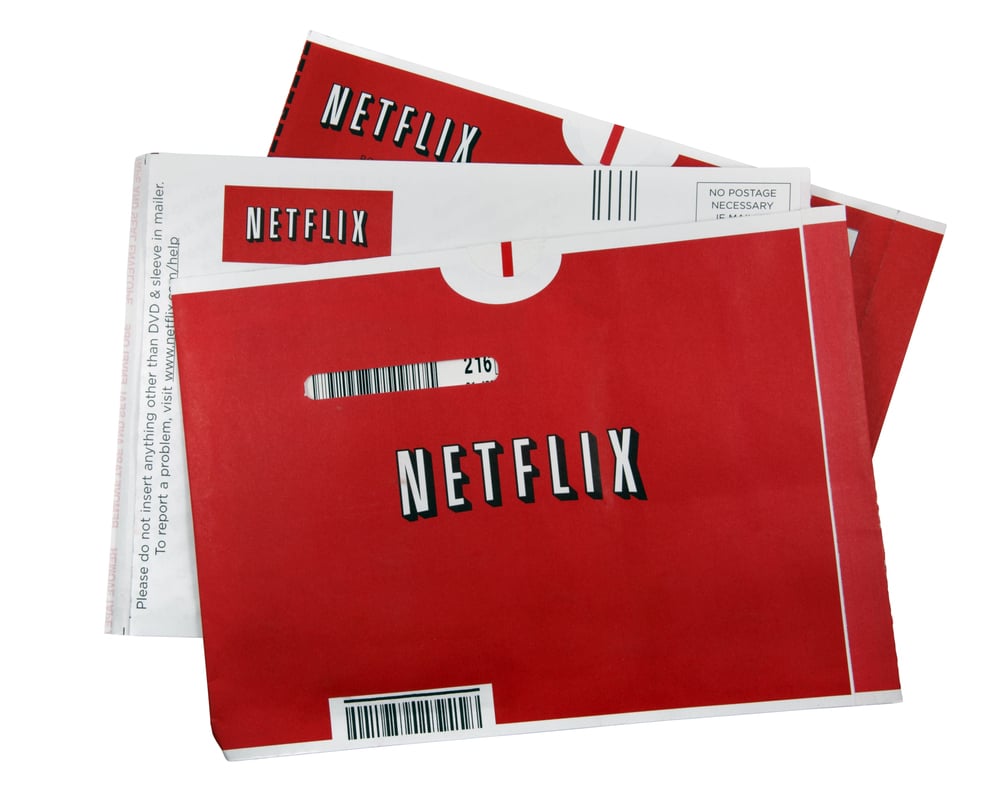
Netflix started as a DVD-by-mail service in 1997, but Reed Hastings openly discussed plans for streaming delivery once internet speeds caught up. He was right about the timeline — broadband adoption accelerated through the 2000s, compression algorithms improved, and content delivery networks made global streaming feasible.
By 2007, Netflix launched its streaming service to a world finally ready for the idea. The 1990s pioneers weren’t wrong about streaming; they were just early to a party that required better infrastructure.
Voice-Controlled Computers (1990s)

Dragon NaturallySpeaking launched in 1997 with the promise that you could talk to your computer like a person and it would understand every word. The software was genuinely impressive for its time — you could dictate documents, control applications, and navigate interfaces without touching a keyboard.
But it required extensive training, perfect pronunciation, and the kind of patience usually reserved for meditation retreats.
The technology was there, but the implementation felt like work instead of magic. You had to read training passages for hours to teach the software your voice patterns, speak slowly and clearly, and correct mistakes constantly.
Fast forward to today, and voice control is everywhere — Siri, Alexa, Google Assistant all respond to casual speech without training or setup. The difference is cloud computing and machine learning algorithms that Dragon’s developers could only dream about in 1997.
Sometimes the future just needs better math and bigger servers.
Tablet Computers (1990s-2000s)
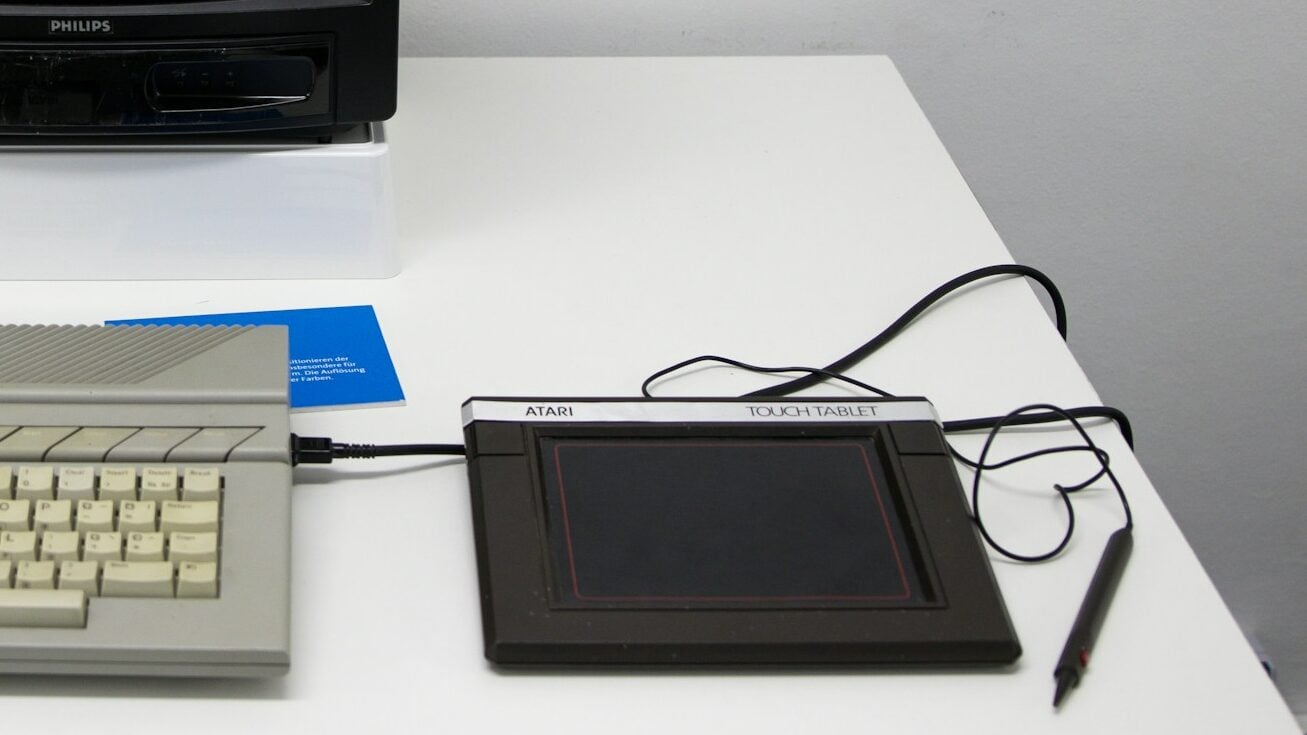
Microsoft spent the better part of a decade trying to make tablet PCs happen, starting with Windows for Pen Computing in 1991 and continuing through various tablet initiatives that never quite caught on. The hardware was clunky, the software was essentially desktop Windows with stylus support grafted on, and the whole experience felt like using a laptop with the keyboard broken off.
But the core insight was solid: people want computers that work like paper — touch directly, write naturally, carry easily. Microsoft’s tablets failed because they tried to shrink desktop computing instead of reimagining it.
When Apple released the iPad in 2010, it succeeded by building touch-first software and treating tablets as a new category instead of compromised laptops. Microsoft was right about the destination, wrong about the route. Sometimes being ahead of your time means solving the right problem with the wrong tools.
Online Shopping (1980s)
CompuServe launched electronic mall services in 1984, allowing users to browse and purchase products through dial-up connections and text-based interfaces. The concept was revolutionary — shop from home, compare prices instantly, avoid crowds and salespeople.
But the execution was brutal.
You navigated through text menus, waited minutes for product descriptions to load, and trusted your credit card information to systems that felt more like experiments than stores.
Amazon started selling books online in 1995, but Jeff Bezos understood that e-commerce needed better infrastructure, faster connections, and user interfaces that didn’t require technical expertise. The early pioneers of online shopping weren’t wrong about consumer demand — they just arrived before the web had graphics, secure payment processing, or reliable delivery networks.
By the time broadband became common and web browsers could display actual pictures of products, online shopping transformed from a curiosity into a necessity. Sometimes being ahead of your time means proving that people want something before the technology exists to deliver it properly.
Looking Back, Moving Forward
The pattern repeats itself with remarkable consistency: someone sees the future clearly, builds it with today’s tools, and watches it fail spectacularly. But the failure isn’t really failure — it’s expensive market research for the person who shows up later with better technology and smarter execution.
Being ahead of your time requires a peculiar kind of optimism, one that can survive ridicule, bankruptcy, and the hollow satisfaction of being right too early. The visionaries rarely get to enjoy their vindication, but they do get to watch the world catch up to ideas that once seemed impossible.
More from Go2Tutors!

- 16 Historical Figures Who Were Nothing Like You Think
- 12 Things Sold in the 80s That Are Now Illegal
- 15 VHS Tapes That Could Be Worth Thousands
- 17 Historical “What Ifs” That Would Have Changed Everything
- 18 TV Shows That Vanished Without a Finale
Like Go2Tutors’s content? Follow us on MSN.