16 Nobel Prize Winners With Dark Secrets
Shining bright in human achievement, the Nobel Prize celebrates those who push science, writing, and peace forward. Laureates often stand tall in public memory, linked tightly to progress and brilliance.
Yet behind some golden awards lingered choices few like to mention. While their work changed the world, their actions outside the spotlight told another story.
Still, what they gave mankind remains beyond dispute. Some sharp thinkers still say things that clash with what their honors stand for.
Their Nobel prizes come with odd shadows hanging nearby.
James Watson
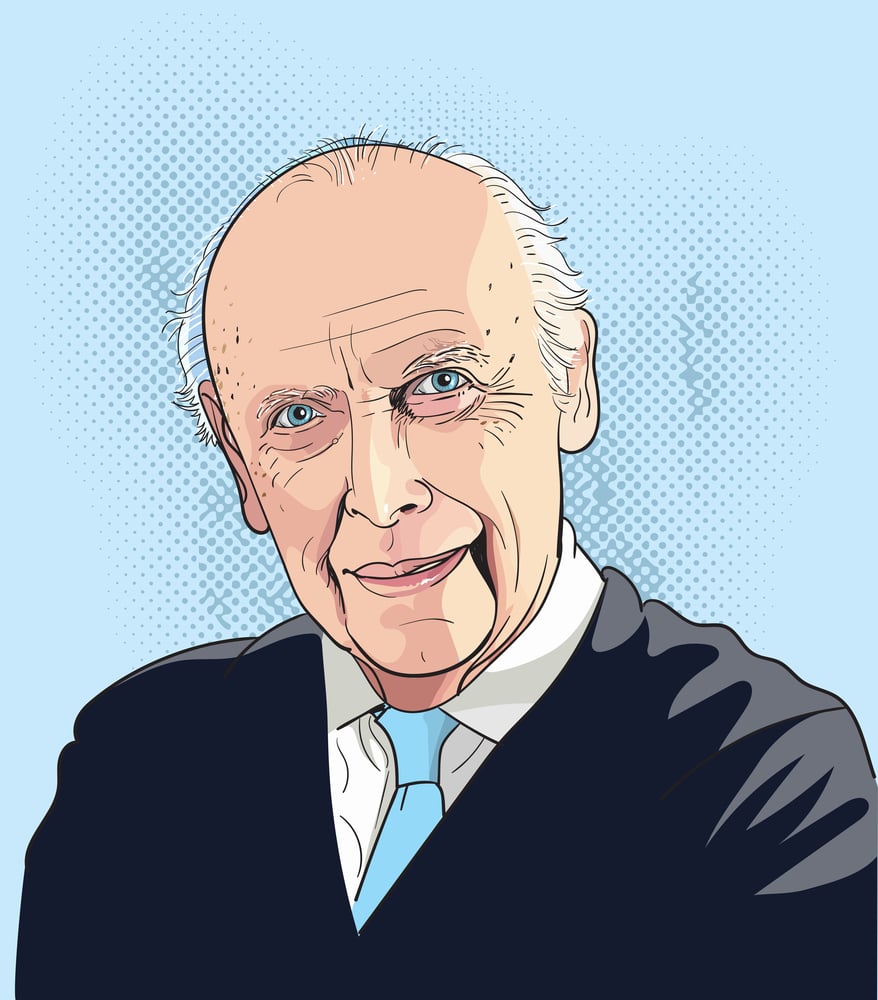
Long after winning a Nobel in 1962, the man who helped reveal DNA’s shape lost honors due to remarks on race and smarts. Though his work reshaped science, what he said about African Americans’ minds had no basis – genetics has shown that plainly.
Ideas like his crumble under evidence, but they still surfaced again and again through his later life. At some point, even institutions once tied to him stepped back.
Leadership at Cold Spring Harbor ended its connection when silence was no longer an option.
William Shockley
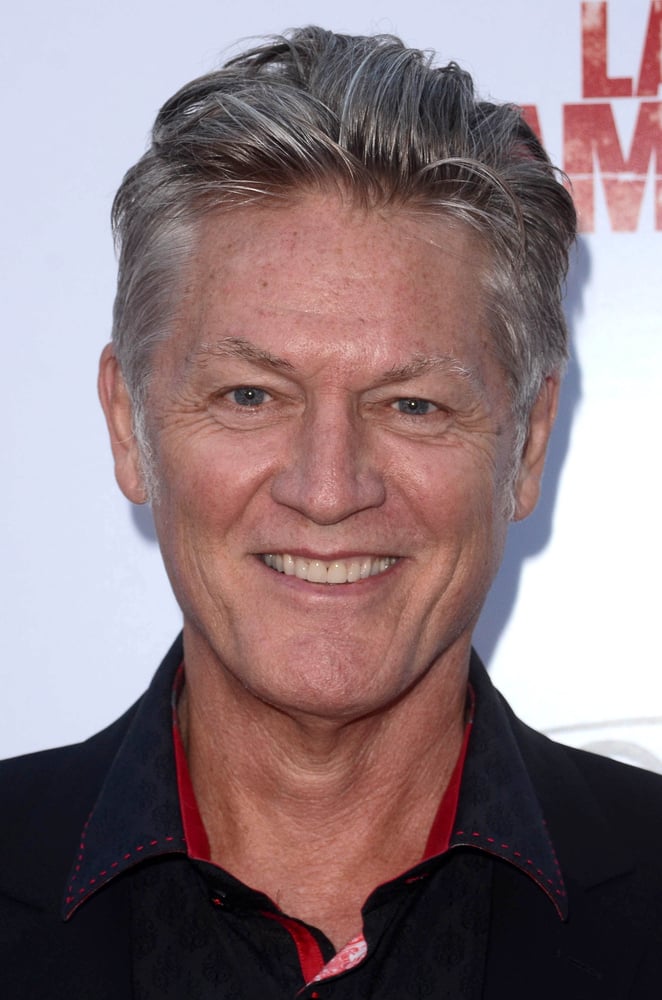
This physicist shared the 1956 Nobel Prize for inventing the transistor, a device that launched the computer age. Later in life, Shockley became obsessed with eugenics and spent years promoting the idea that intelligence varied by race.
He even started a sperm bank intended to spread the genes of people he deemed superior. The man who helped create Silicon Valley ended up advocating for policies that echoed some of history’s darkest chapters.
His scientific legacy remains huge, but his later crusade left a stain that won’t wash away.
Alexis Carrel
This French surgeon won the 1912 Nobel Prize for pioneering work in vascular suturing and organ transplantation. Carrel wrote a book called ‘Man, the Unknown’ that promoted eugenics and suggested society should eliminate people he considered unfit.
He supported forced sterilization programs and his ideas influenced policies in multiple countries during the 1930s. The medical techniques he developed saved countless lives, yet his vision for humanity included discarding those he viewed as inferior.
His work in France during World War II raised additional questions about his loyalties and choices.
Knut Hamsun
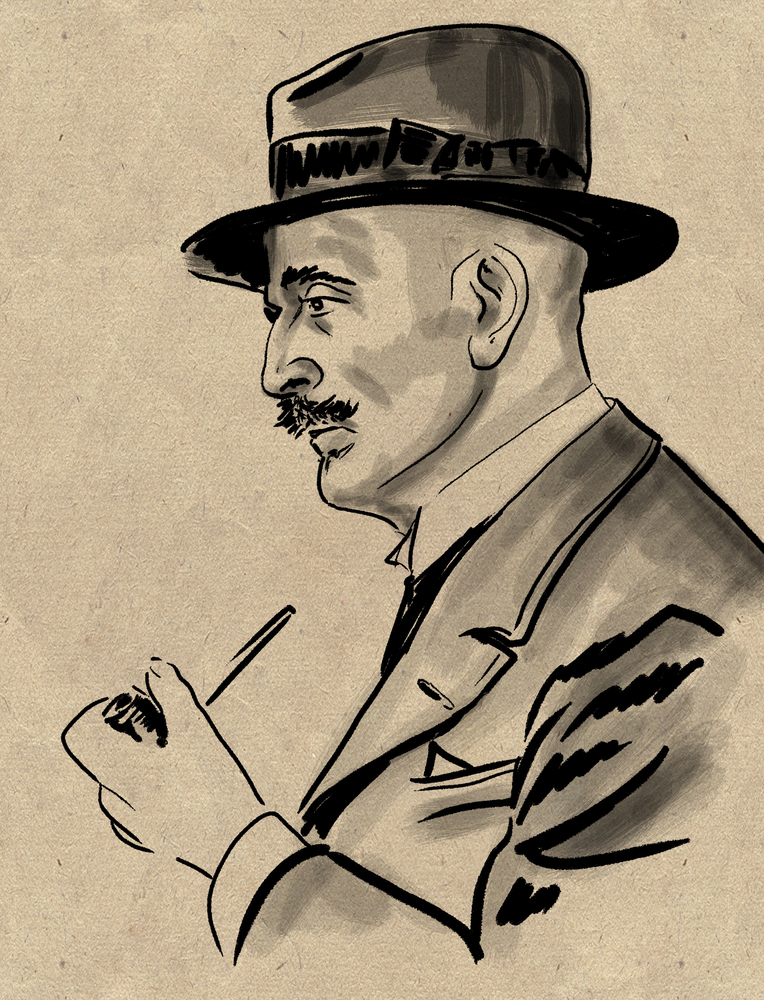
The Norwegian author received the 1920 Nobel Prize in Literature for his novel ‘Growth of the Soil’ and other works that captured rural life. Decades later, Hamsun became an ardent supporter of Nazi Germany and met personally with Adolf Hitler and Joseph Goebbels.
He even donated his Nobel medal to Goebbels as a gift, an act that shocked Norway and the literary world. After the war, Norwegian authorities charged him with treason, though his advanced age spared him prison time.
His novels remain part of Norwegian literature, but his wartime actions cast a permanent shadow.
Johannes Stark
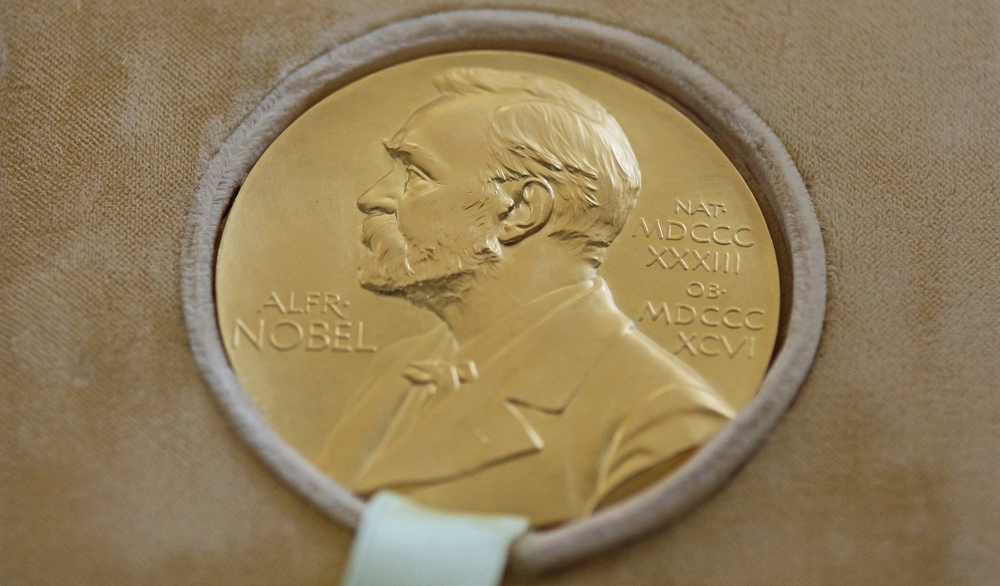
This German physicist won the 1919 Nobel Prize for discovering the splitting of spectral lines in electric fields. Stark became an early and enthusiastic Nazi Party member, using his scientific reputation to attack Jewish physicists and promote ‘Aryan physics’.
He denounced Einstein’s relativity theory as Jewish propaganda and worked to purge Jewish scientists from German universities. His scientific contributions were real, but he weaponized them for political hatred.
After World War II, he was sentenced as a major offender in denazification proceedings.
Philipp Lenard
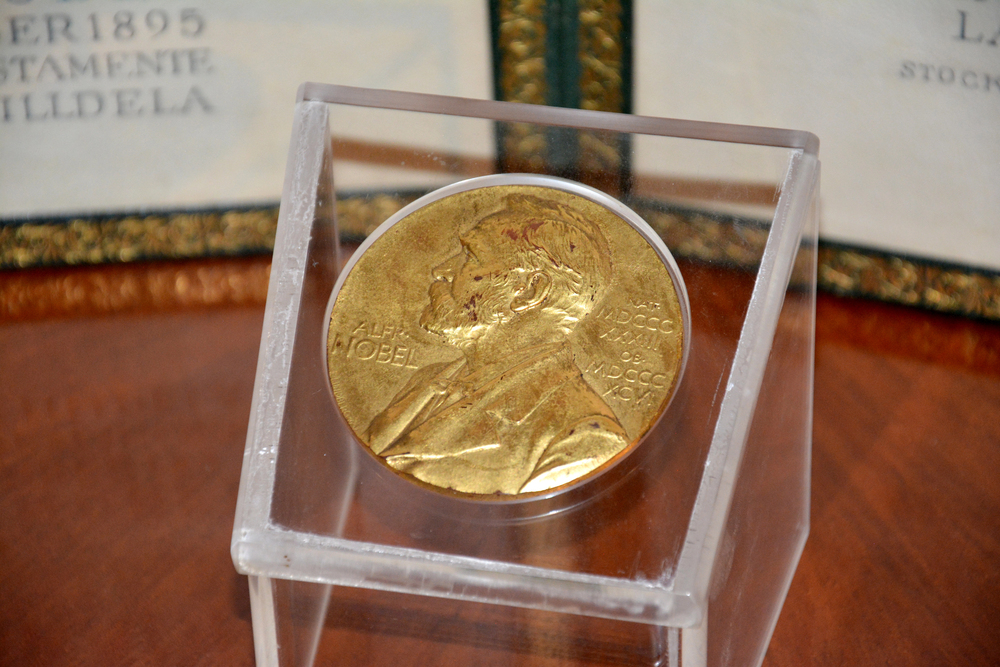
Another German physicist, Lenard won the 1905 Nobel Prize for his research on cathode rays. He grew increasingly bitter about not receiving more recognition and became a fierce antisemite who rejected modern physics developed by Jewish scientists.
Lenard praised Hitler and the Nazi regime, calling the Führer’s rise a ‘gift from God’ for Germany. He spent years trying to establish ‘Deutsche Physik’ as an alternative to theories he deemed tainted by Jewish influence.
His early scientific work was solid, but his later years were consumed by prejudice and political extremism.
Charles Richet

A strange twist shaped Charles Richet’s legacy. Though he uncovered anaphylaxis – earning the 1913 Nobel Prize – his curiosity didn’t stop at medicine.
Instead, it wandered into dangerous ideas about human worth. One moment he advanced immunology; the next, he pushed eugenics with cold certainty.
Behind lab success sat writings full of racial rankings. Breeding humans like farm animals seemed logical to him, somehow.
Sharp science paired with blunt prejudice. Progress in one room, harm in another.
Recognition for healing, yet silence on control. Brilliant insight mixed with troubling belief.
Not every discovery lifts humanity.
Antonio Egas Moniz
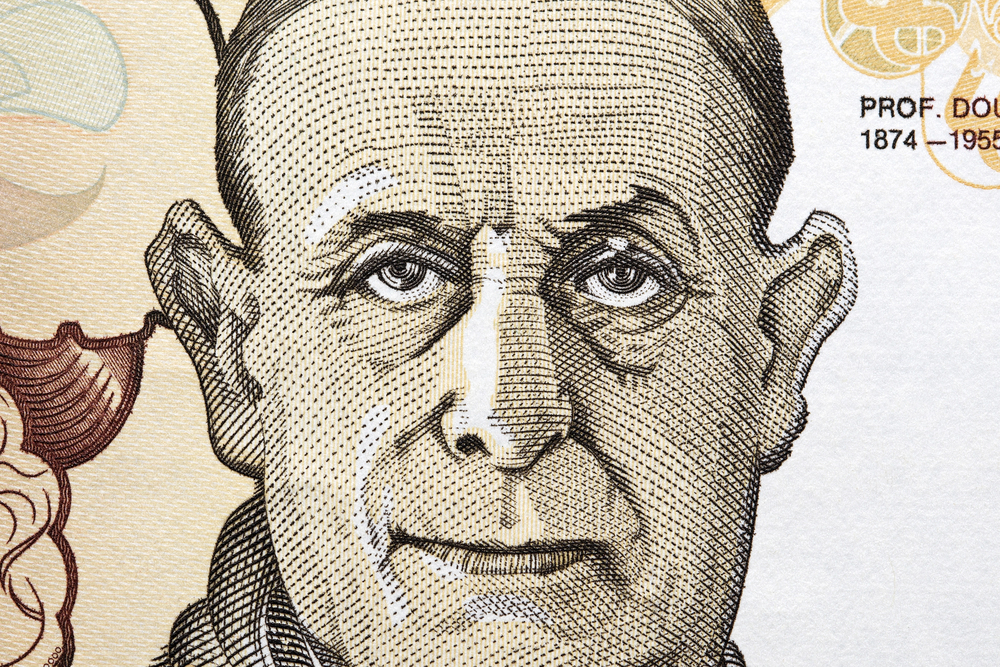
A Portuguese doctor got the 1949 Nobel Prize for inventing the lobotomy to treat mental illness. Cutting nerves in the brain’s front area often left patients emotionally flat or barely responsive.
His method led to countless operations, leaving many with lasting damage. By the 1960s, doctors finally saw the practice as cruel, so it faded out.
That prize now stands as one of the award’s most debated moments.
Fritz Haber
For creating ammonia, a process that allowed fertilizers to be produced in large quantities and helped feed billions of people, the German chemist was awarded the 1918 Nobel Prize. During World War I, Haber also invented chemical warfare by directing the first application of chlorine gas, which resulted in the deaths and injuries of thousands of soldiers.
His wife, a chemist as well, committed self-harm in part because she was depressed about his work on weapons. Due to his Jewish ancestry, Haber later left Nazi Germany and died while living in exile.
His tale encapsulates the paradoxical character of scientific progress: the same mechanism that sustains humankind also made mass murder possible.
Linus Pauling
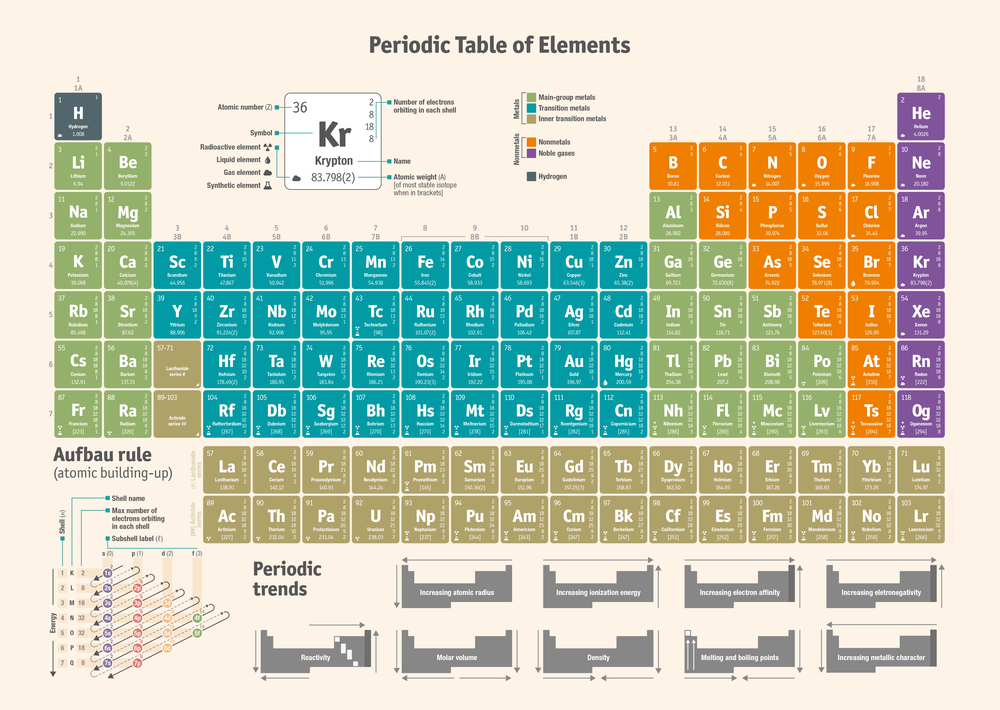
Pauling, the only recipient of two unshared Nobel Prizes, was honored for his contributions to peace in 1962 and chemistry in 1954. He later developed an obsession with vitamin C, saying that high dosages could treat anything from cancer to colds.
Due to his promotion of megavitamin therapy, which lacked reliable scientific support, many people put off seeking appropriate medical care. Because of his reputation, Pauling was able to advance these theories well beyond what the evidence could support.
Although his earlier research was revolutionary, his vitamin campaign demonstrated how even brilliant scientists can marry unproven theories.
Daniel Carleton Gajdusek
This American virologist won the 1976 Nobel Prize for discovering how prion diseases spread through cannibalistic practices in Papua New Guinea. Years later, he pleaded guilty to molesting a teenage boy, one of dozens of young boys from the Pacific Islands he had brought to live with him in the United States.
He served a year in prison before fleeing to Europe, where he lived until his death. His scientific work on kuru disease was legitimate, but his personal life involved predatory behavior that exploited vulnerable children from communities he studied.
Wangari Maathai
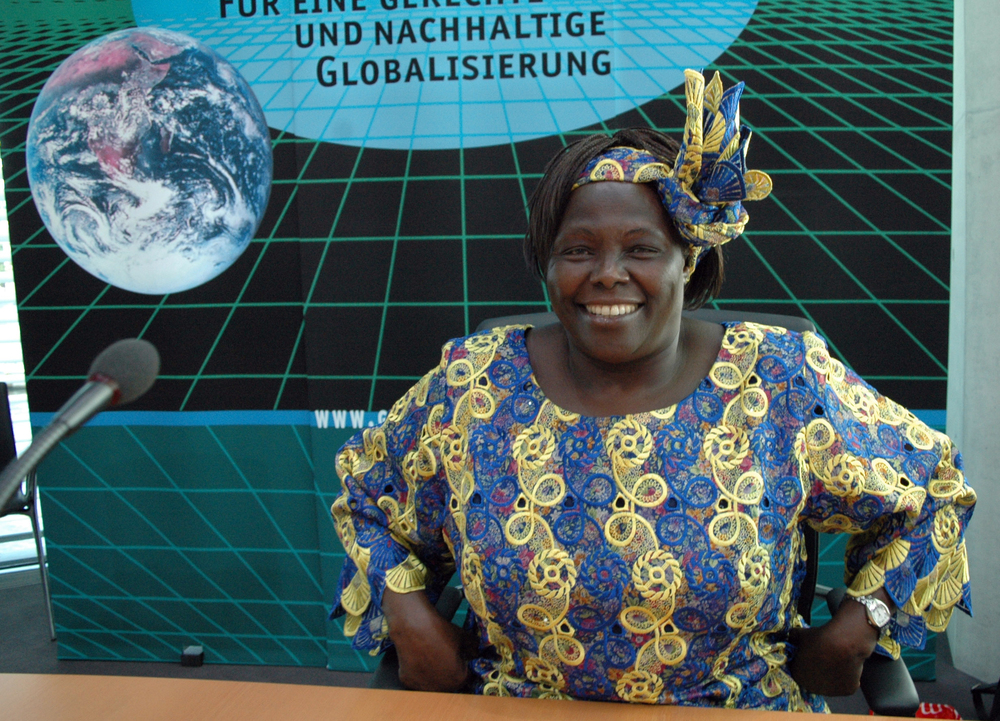
The Kenyan environmental and political activist won the 2004 Nobel Peace Prize for her conservation work and founding the Green Belt Movement. Maathai made controversial statements suggesting that HIV/AIDS was deliberately created by Western scientists to depopulate Africa.
She later softened these claims but never fully retracted them. Her environmental legacy in Kenya remains strong, but her conspiracy theories about AIDS caused real harm in a continent struggling with the epidemic.
The comments showed how even well-intentioned activists can spread dangerous misinformation.
Dario Fo
The Italian playwright received the 1997 Nobel Prize in Literature for works that challenged authority with satire and political commentary. Fo made statements defending the September 11 attacks, suggesting they were understandable responses to American policies.
He also expressed support for various extremist groups over the years, framing terrorists as freedom fighters. His plays were genuinely funny and thought-provoking, but his political commentary sometimes crossed into justifying violence.
The Nobel committee’s choice to honor him sparked debate about separating an artist’s work from their political views.
Doris Lessing

This British novelist won the 2007 Nobel Prize in Literature for her decades of powerful fiction examining society and human relationships. Lessing spent years as a devoted communist and supporter of Stalin, even after evidence of Soviet atrocities became widely known.
She later renounced these views but had spent considerable time defending a regime responsible for millions of deaths. Her novels explored freedom and oppression with great insight, yet she herself supported one of history’s most oppressive systems.
The contradiction between her literary wisdom and political blindness remains striking.
Günter Grass
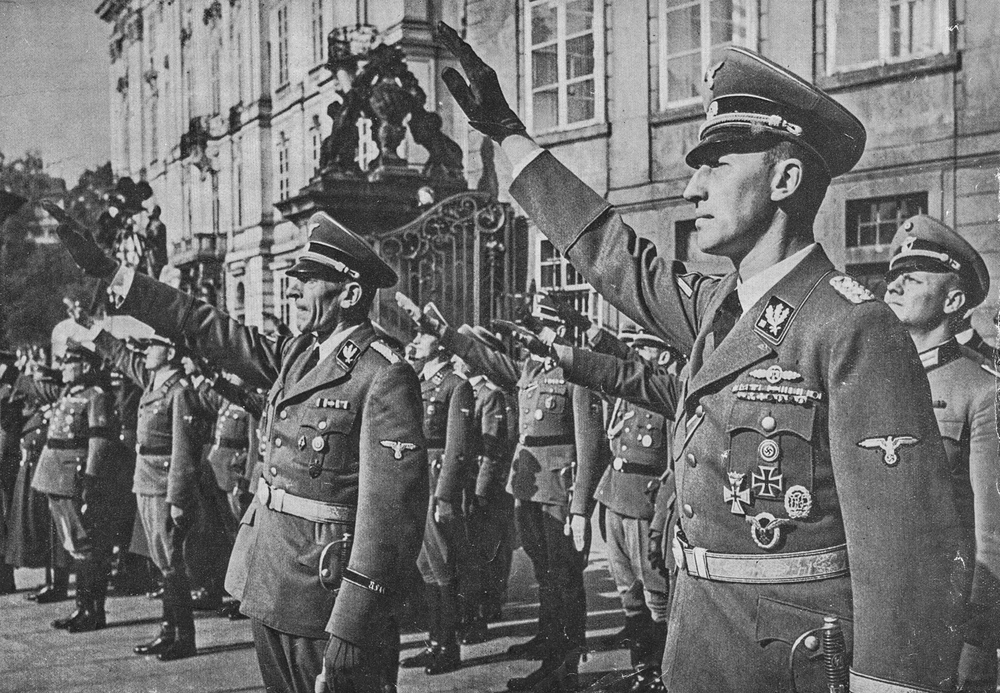
Not long after winning the 1999 Nobel Prize in Literature for works that faced down Germany’s Nazi history without looking away, the truth about Günter Grass began to surface. By 2006, he admitted serving in the Waffen-SS during World War II – a detail kept silent throughout sixty years of standing as a national symbol of ethical clarity.
Though recruited by force and never entering battle, his silence carried weight. All those years judging others’ failure to confront their pasts suddenly looked different.
Membership in one of Hitler’s most feared units did not fit the image he’d shaped over decades. His books remained unchanged, still sharp, still present on shelves.
Yet now readers paused, wondering how much truth had been left out. Moral authority, once assumed, became something harder to accept.
Jean-Paul Sartre
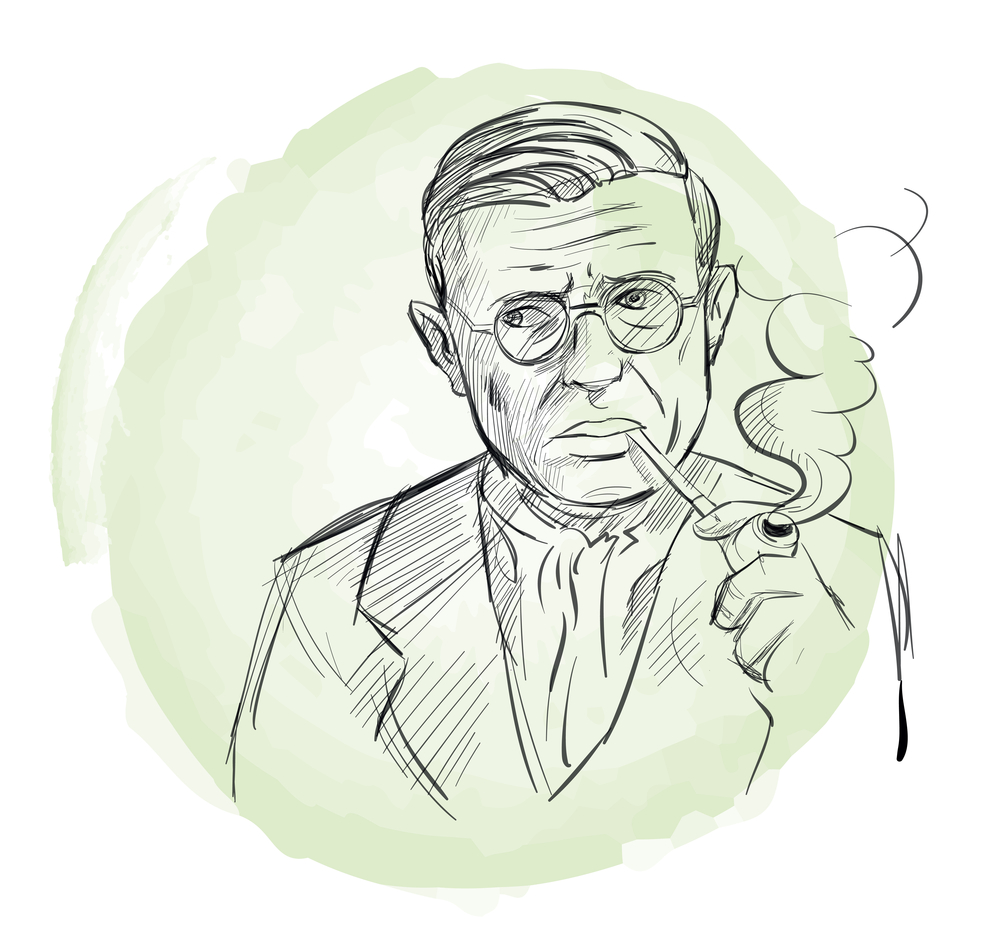
Refusing the 1964 Nobel Prize in Literature fit right into the pattern – honors from institutions never interested him. Not that his stance surprised anyone; what shocked some was how openly he backed brutal policies, all while claiming moral clarity.
Because he saw Western capitalism as more dangerous, he let Soviet atrocities slide under silence or excuses. Petitions supporting rigged trials carried his signature, even when facts about forced labor camps were already out there.
Though later on he admitted those horrors were real, years had passed where denial shaped his voice. Freedom and personal choice sat at the heart of his writings, strangely matched by support for governments ripping such things away.
Here’s Where Sharp Minds Blend With Real Heart
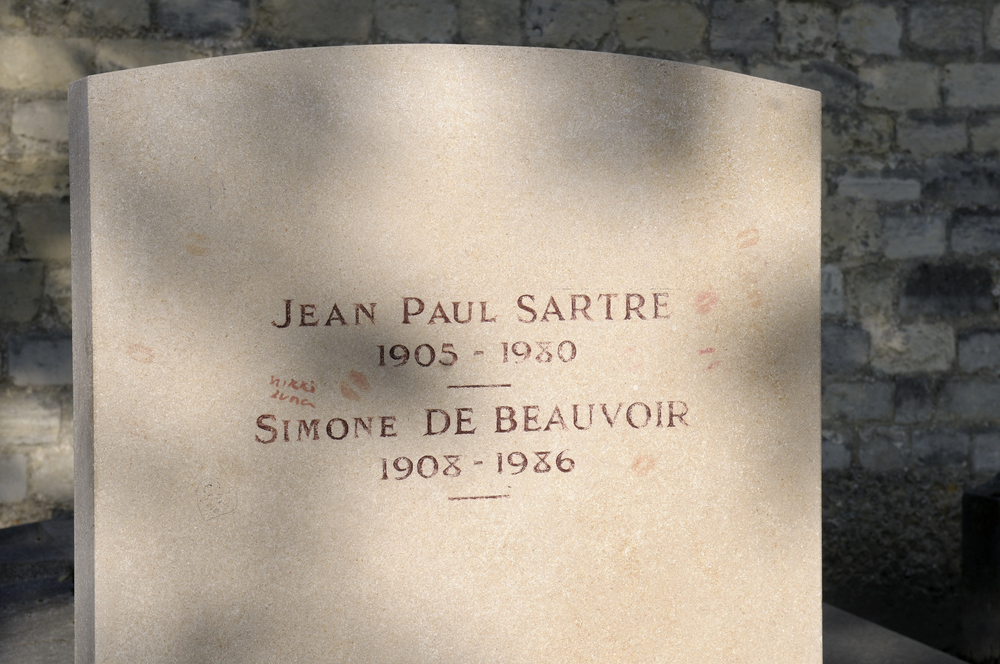
Some who won the Nobel Prize reached heights few ever touch, expanding what we understand in ways that shifted reality. Still, their flaws, biases, and wrong turns show brilliance does not guarantee insight or fairness.
Minds uncovering deep laws of life or shaping powerful words could also hold harsh views or act in damaging ways. From them, a lesson grows: honor what people contribute, yet remember even great thinkers can stumble, carry blind spots, fail deeply.
More from Go2Tutors!

- The Romanov Crown Jewels and Their Tragic Fate
- 13 Historical Mysteries That Science Still Can’t Solve
- Famous Hoaxes That Fooled the World for Years
- 15 Child Stars with Tragic Adult Lives
- 16 Famous Jewelry Pieces in History
Like Go2Tutors’s content? Follow us on MSN.