Photos Of the 12 Rarest Cat Breeds in the World
Thousands of years beside people, cats still hold secrets in rare kinds few ever meet. Not many know them because breeders work slowly, laws block movement across borders.
Genetic luck plays a part too – some looks just do not stick around easily. Mainstream favorites flood cities while others linger quietly, kept alive by focused effort.
Small groups watch over them, making sure they do not fade. A few exist simply because nature shifted something small.
Rarity isn’t magic – just separation, time, or careful choices by people tending stock. Not all old ones come from distant eras; a couple were shaped just decades ago.
Beneath the surface lie twelve feline kinds seldom seen across the globe.
Sokoke
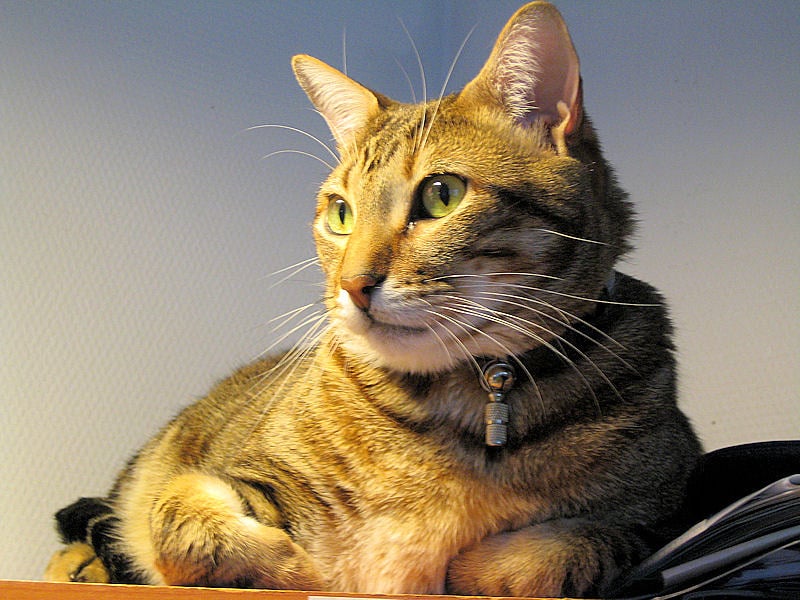
The Sokoke originated in the coastal forests of Kenya and remains one of the rarest natural cat breeds. Discovered in the late 20th century, it is believed to descend from native landrace cats that adapted to a forest environment.
Its coat features a distinctive marbled pattern that resembles tree bark, offering natural camouflage. Sokokes are athletic, intelligent, and highly active.
Because breeding programs remain small and carefully managed, the global population is limited, making the breed a true rarity outside specialized circles.
Khao Manee
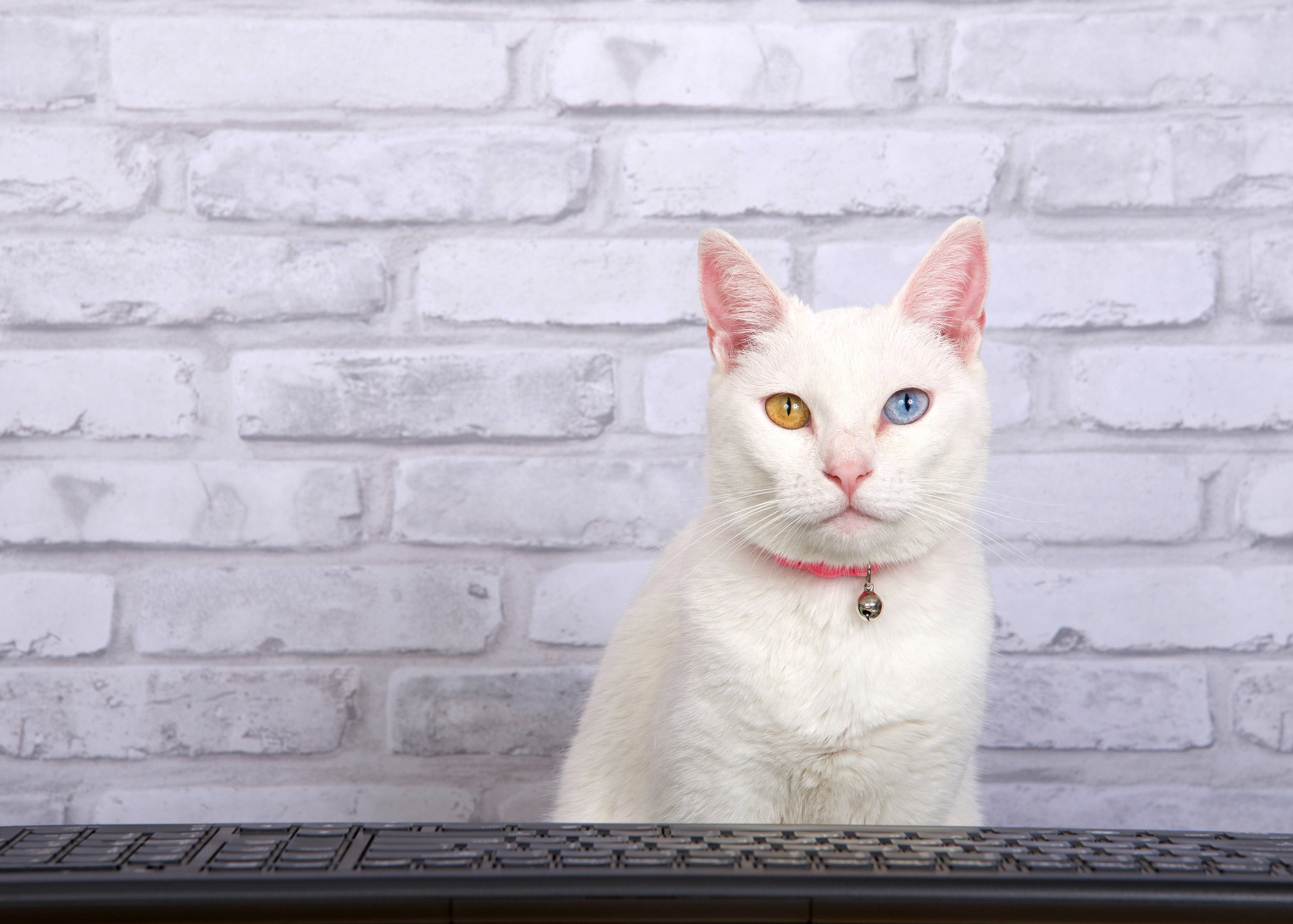
The Khao Manee, whose name translates to ‘white gem,’ is a centuries-old breed from Thailand. Historically associated with royalty, these cats are known for their pure white coats and striking eyes, which may be blue, gold, or one of each.
Although treasured in Thailand for generations, the breed was only recently introduced to Western breeding programs. Strict preservation efforts and a relatively small founding population contribute to its scarcity.
The Khao Manee’s elegant appearance and calm demeanor make it highly sought after among collectors and breeders.
Serengeti
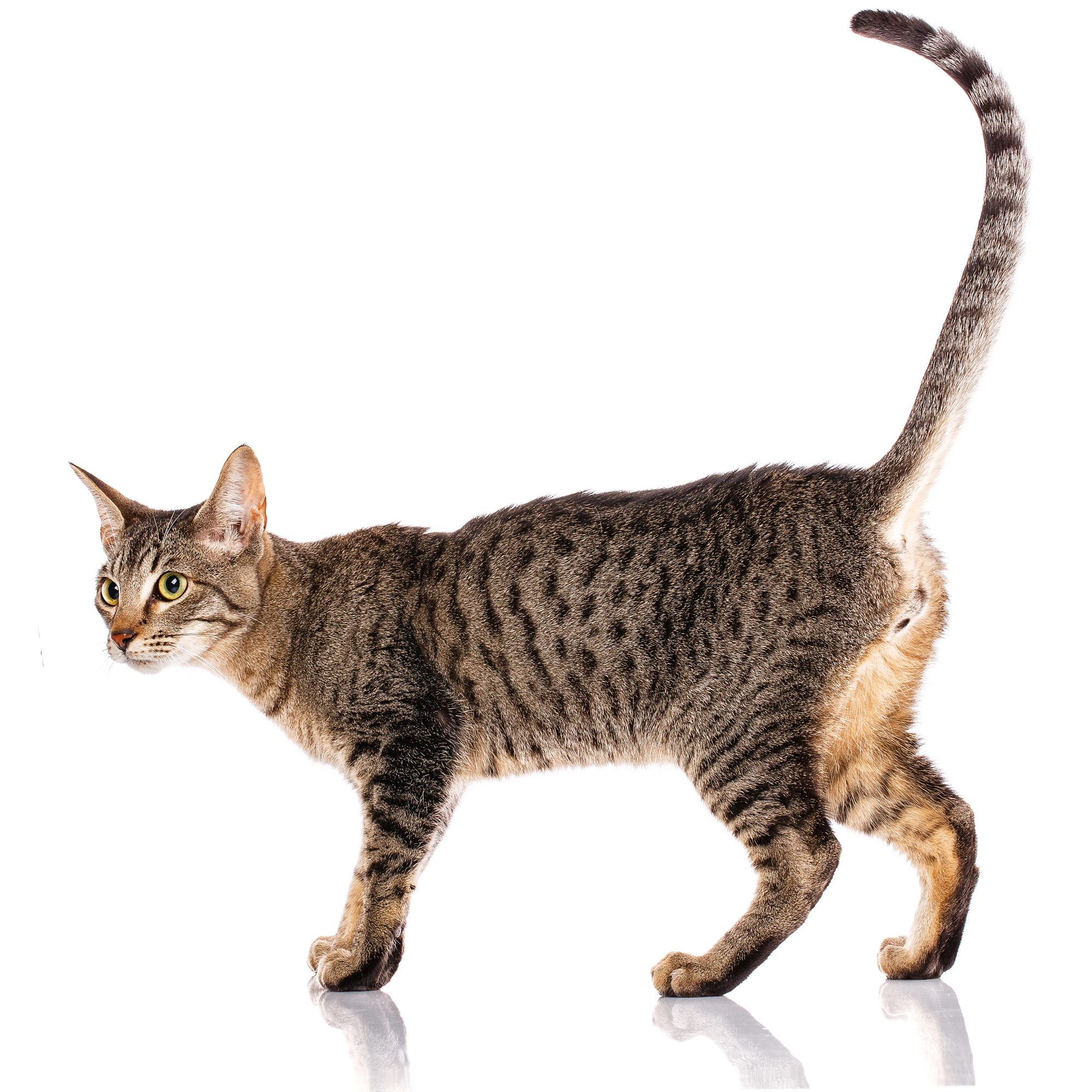
The Serengeti cat was developed in the 1990s by crossing Bengal cats with Oriental Shorthairs. The goal was to create a domestic cat with the appearance of a wild serval, without using any wild bloodlines.
With long legs, large ears, and a spotted coat, the Serengeti carries an exotic look. However, because the breeding pool is narrow and carefully regulated, numbers remain low.
Responsible breeders prioritize health and temperament, which naturally limits large-scale expansion.
Turkish Van
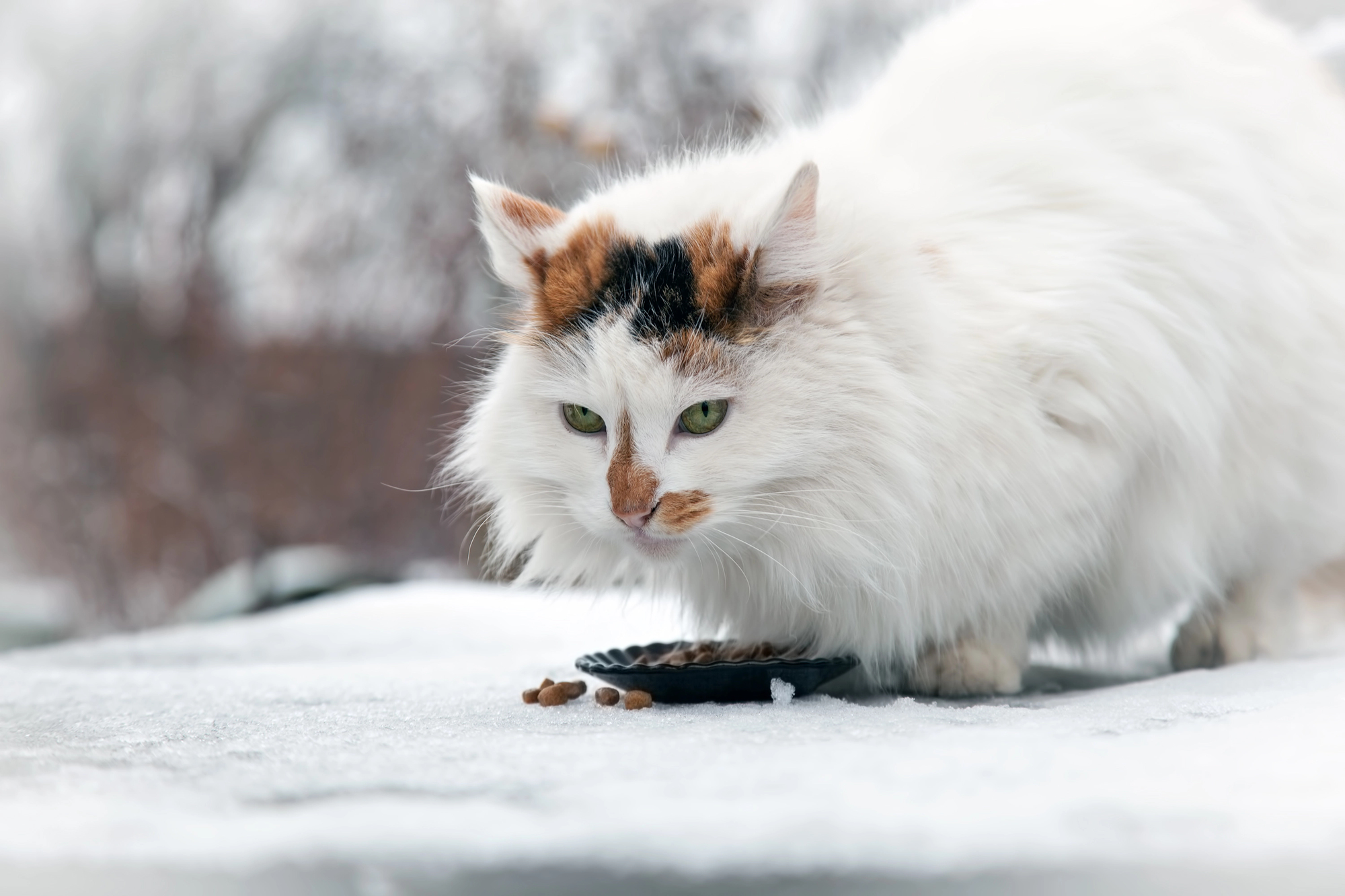
The Turkish Van is a naturally occurring breed from the Lake Van region of Turkey. Known for its semi-long coat and distinctive color pattern — usually white with colored markings on the head and tail — it has been cherished in its homeland for centuries.
Although recognized internationally, the breed remains uncommon outside Turkey. Export restrictions and controlled breeding programs contribute to its rarity.
The Turkish Van is also known for its unusual fondness for water, setting it apart from many other domestic cats.
LaPerm
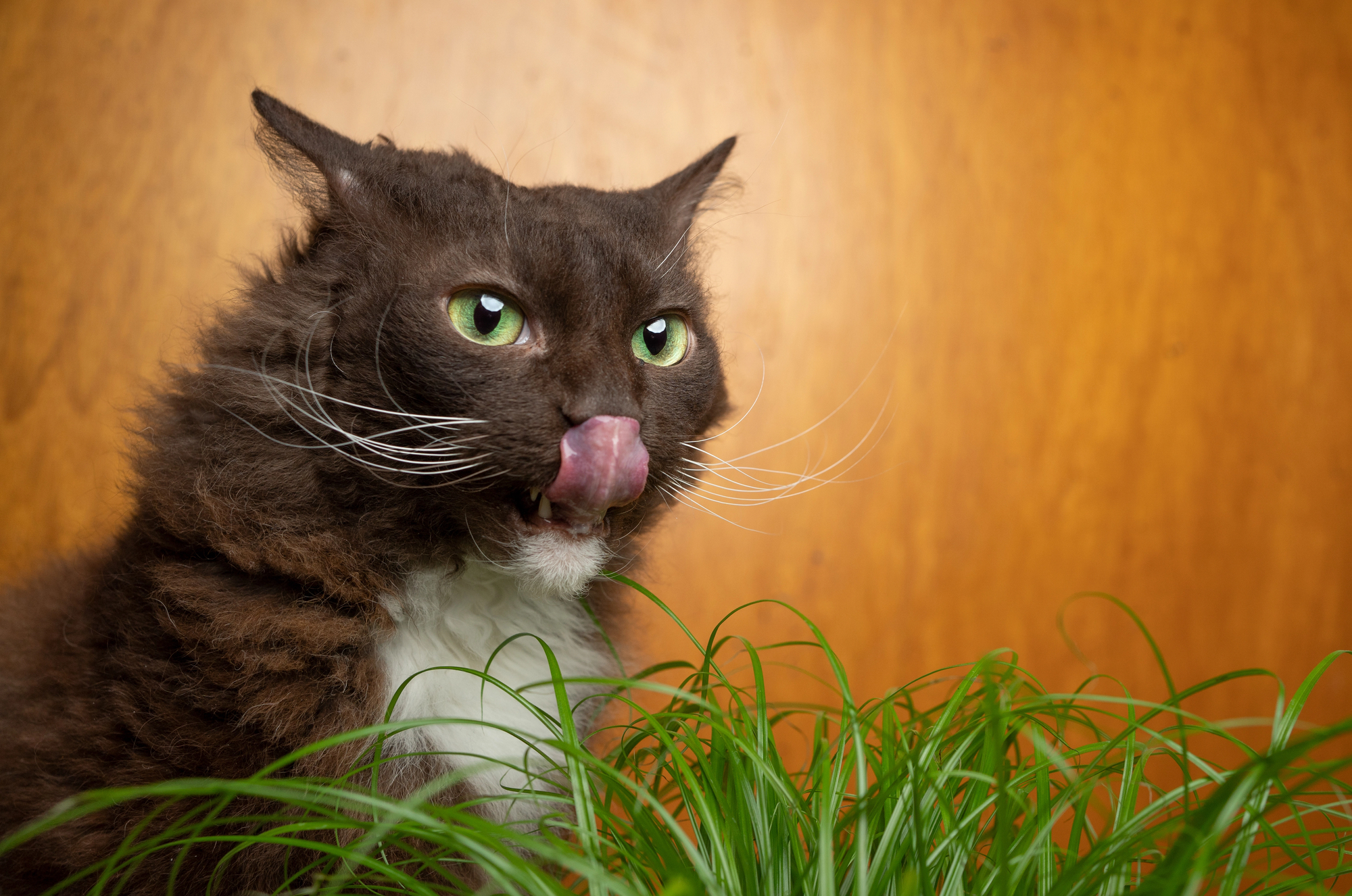
The LaPerm is defined by its curly coat, which results from a spontaneous genetic mutation first observed in the United States in the 1980s. The curls can range from loose waves to tight ringlets, giving the breed a soft, textured appearance.
Because the mutation is uncommon and must be bred carefully to maintain health standards, LaPerms are not widely available. Their affectionate nature and distinctive look have gained attention, but breeding remains relatively limited compared to mainstream breeds.
Peterbald
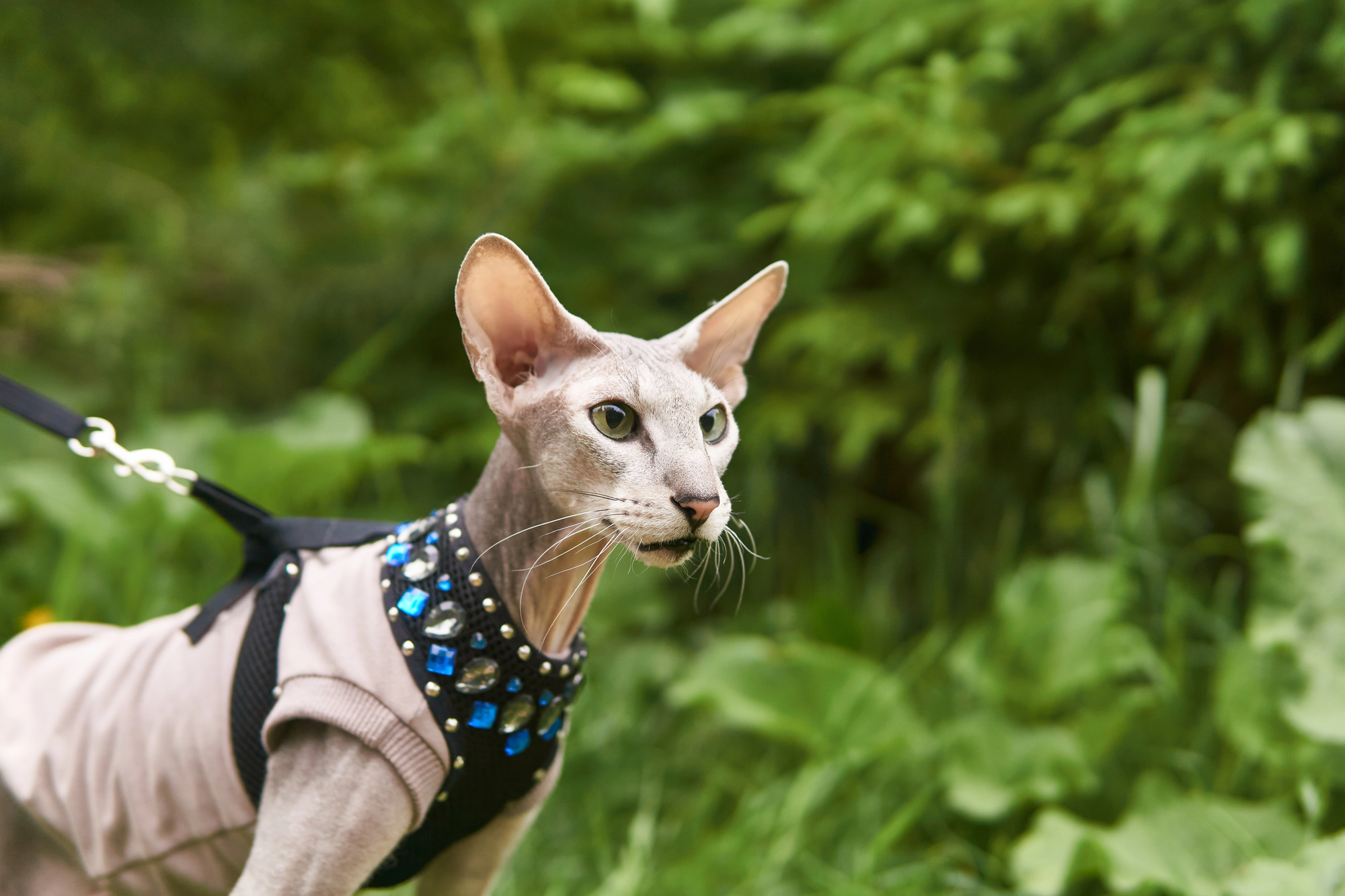
The Peterbald originated in Russia in the 1990s through experimental breeding involving the Donskoy and Oriental Shorthair. The breed is known for its slender frame, large ears, and often hairless or near-hairless appearance.
Peterbalds can be completely bald, lightly fuzzed, or even coated, depending on genetics. Maintaining the breed requires attentive breeding practices to avoid health complications associated with hairlessness.
Its unique appearance and limited breeding networks keep global numbers modest.
Korat
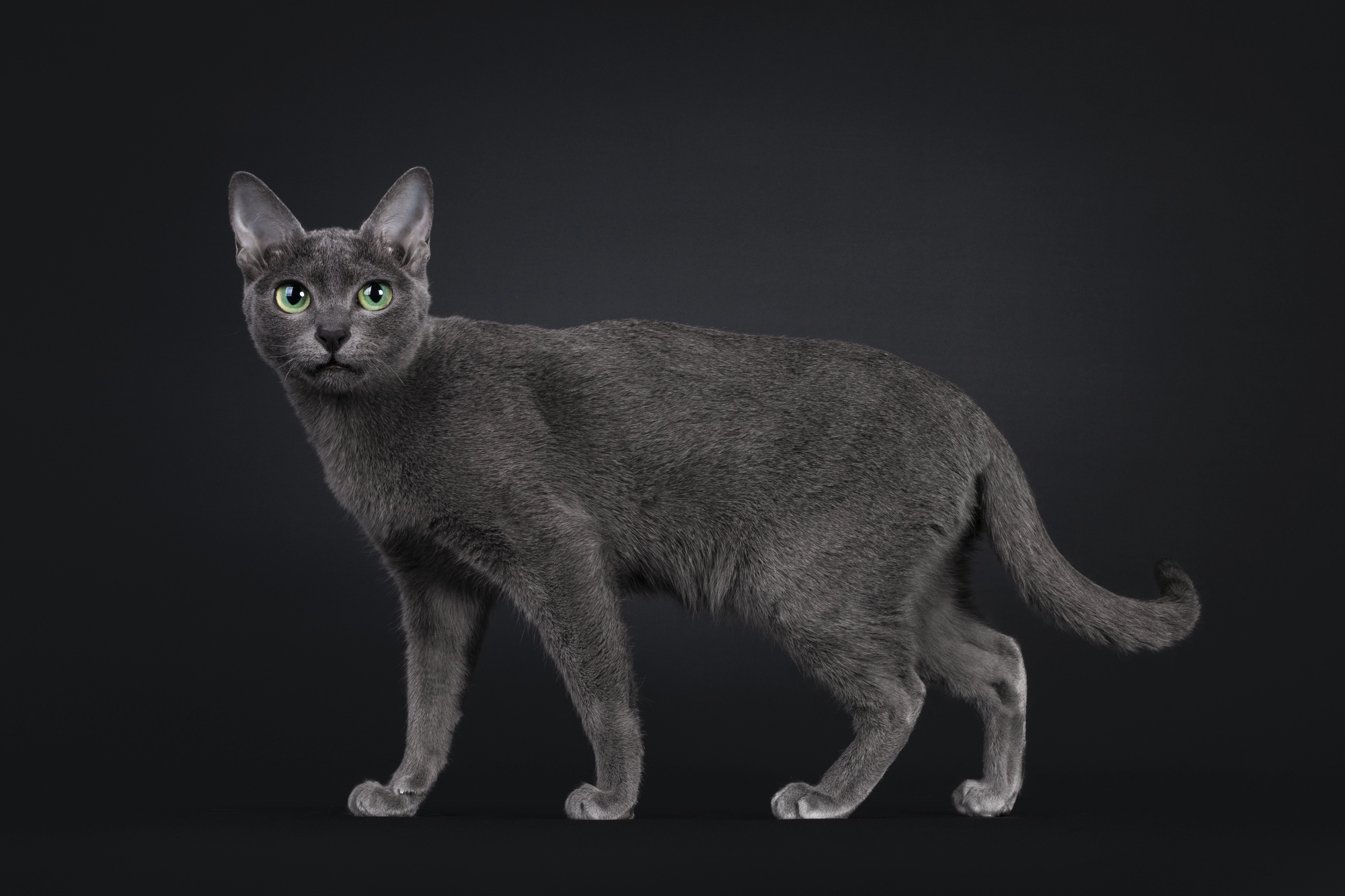
The Korat is an ancient Thai breed with roots that trace back several centuries. Traditionally considered a symbol of good fortune, Korats have a silver-blue coat and luminous green eyes.
While they are highly valued in Thailand, international populations remain small. Strict standards for maintaining pure bloodlines have limited expansion.
The Korat’s rarity is tied not to novelty, but to cultural preservation and careful stewardship.
American Wirehair
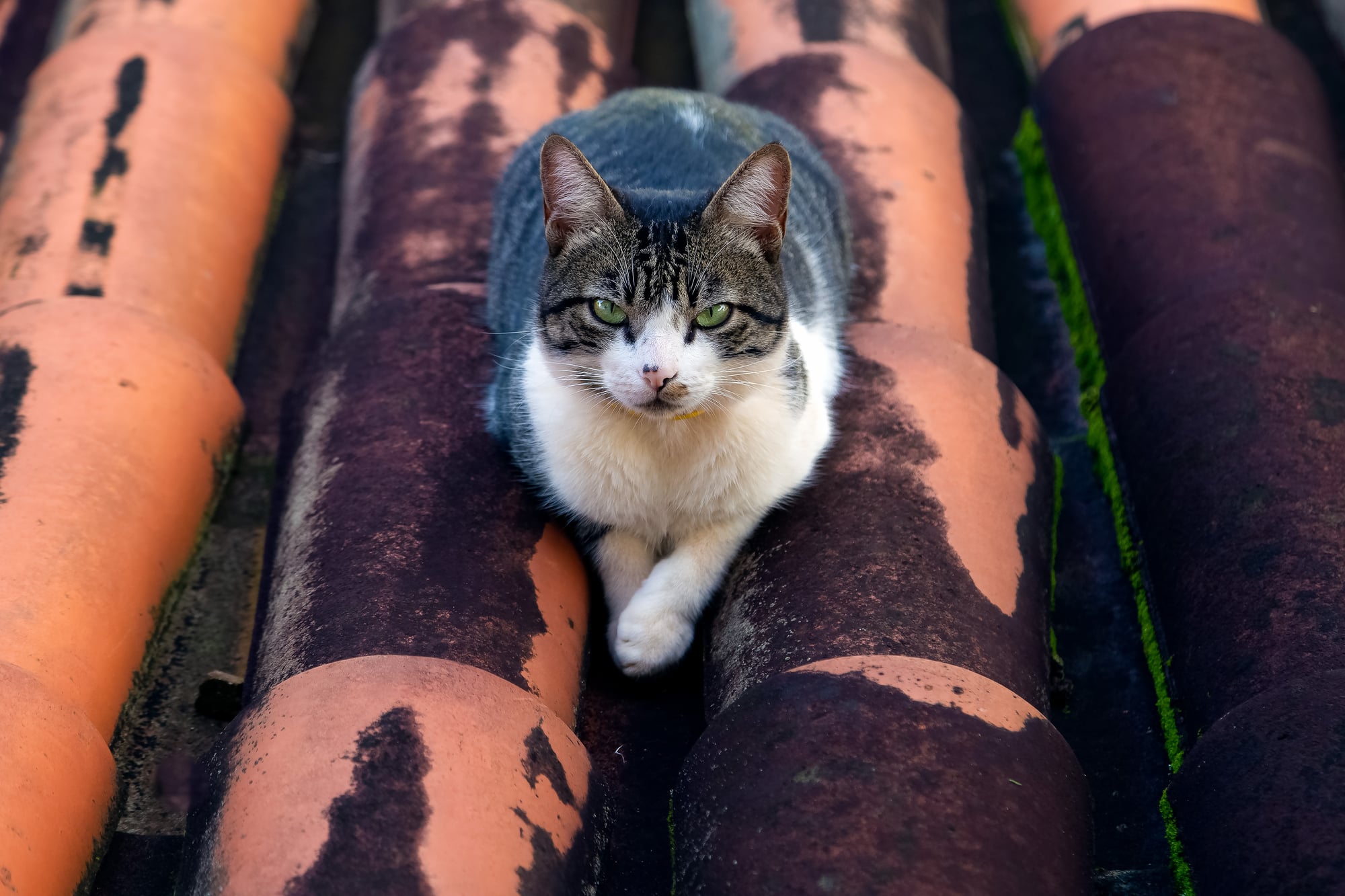
The American Wirehair emerged in the 1960s due to a spontaneous mutation in upstate New York. Its wiry, springy coat distinguishes it from other shorthaired breeds.
Despite recognition by major cat registries, the American Wirehair remains one of the least common American breeds. The mutation responsible for its coat texture is not widespread, which naturally limits large-scale breeding.
Its calm temperament and unusual fur give it quiet appeal among enthusiasts.
Chartreux
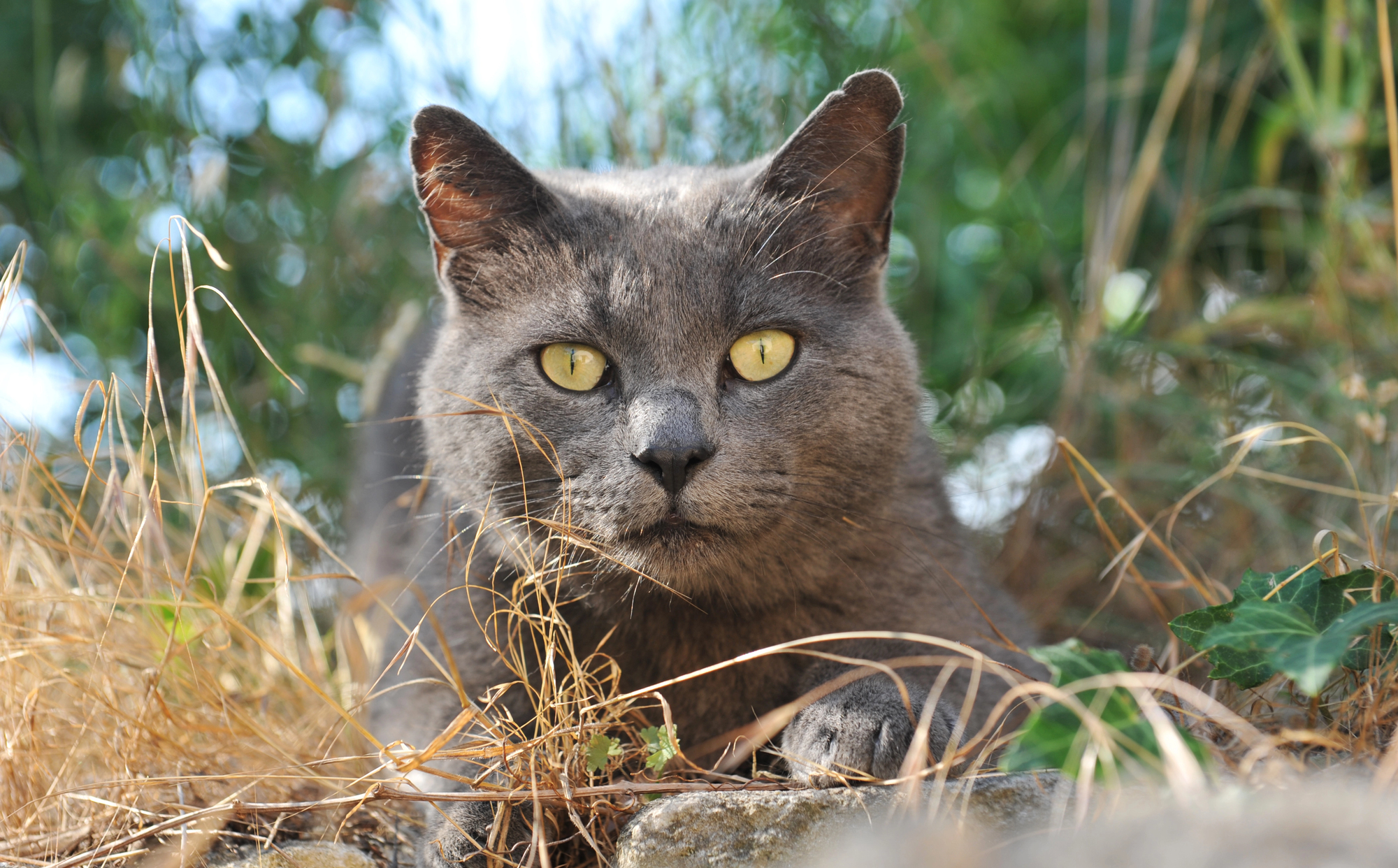
The Chartreux is a French breed believed to date back centuries, possibly linked to monastic communities. It is known for its dense blue-gray coat and copper or gold eyes.
Though established in Europe, the breed has never reached the popularity of other blue-coated cats. Careful breeding and relatively small international networks contribute to its limited numbers.
The Chartreux’s reserved but affectionate personality adds to its understated charm.
Devon Rex
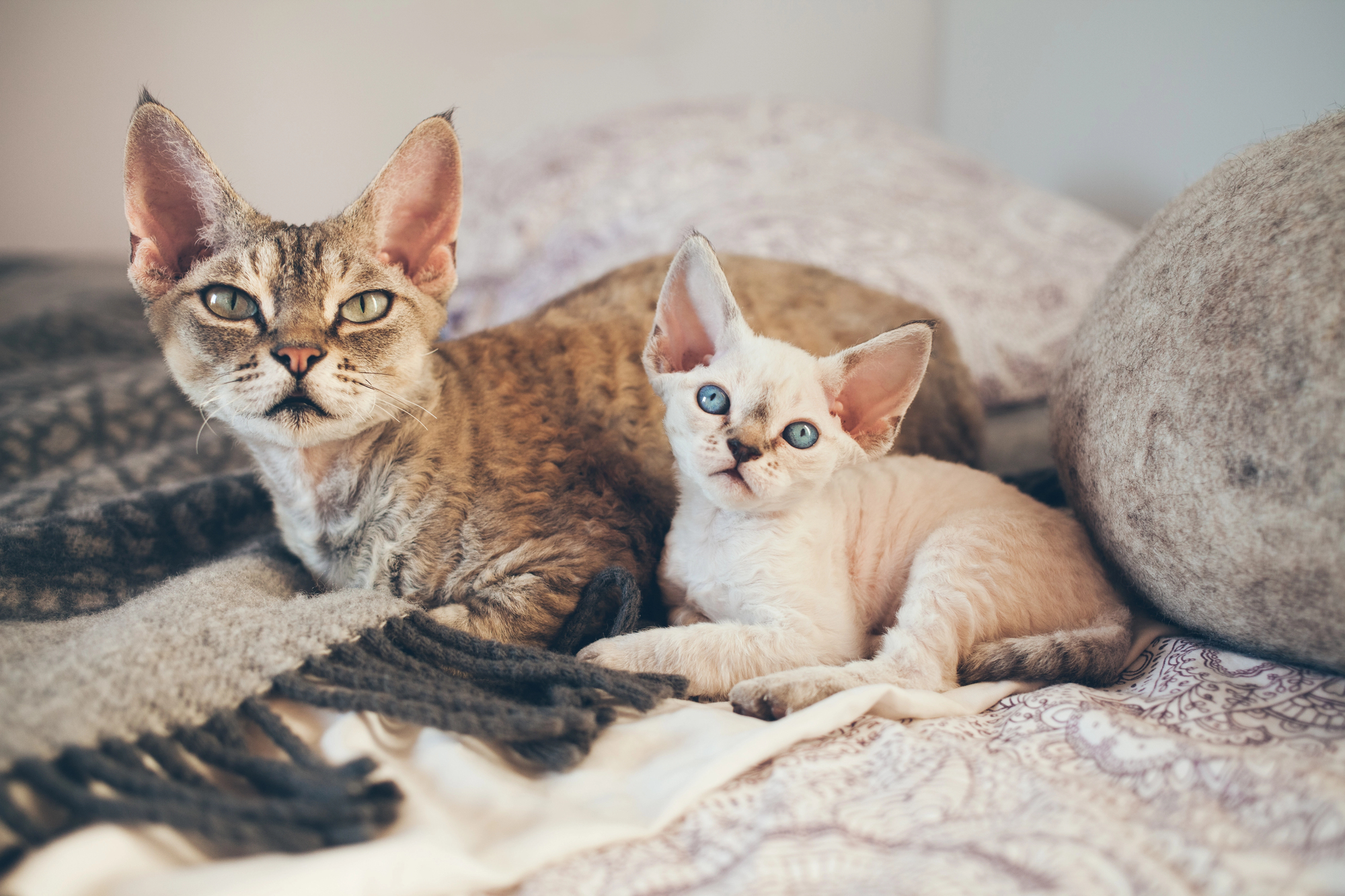
The Devon Rex developed in England in the 1950s from a natural mutation that produced a soft, wavy coat. Its large ears, delicate features, and playful expression give it a distinctive appearance.
Although more visible than some breeds on this list, the Devon Rex remains uncommon compared to mainstream cats. Responsible breeding programs focus on genetic diversity and health, which can slow expansion.
Its combination of unusual looks and lively personality continues to attract devoted followers.
Kurilian Bobtail
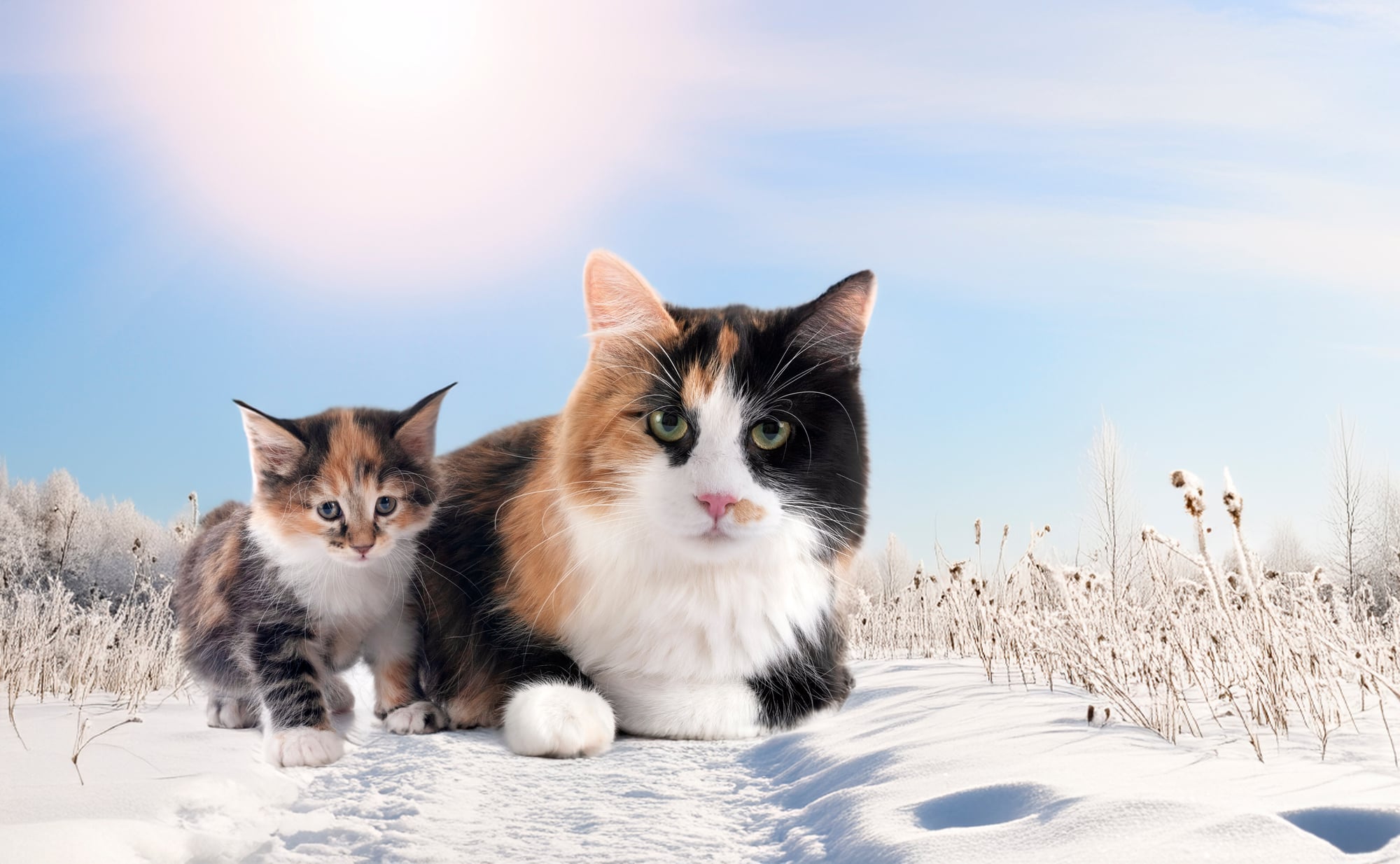
The Kurilian Bobtail originates from islands between Russia and Japan. It is known for its short, pom-pom-like tail, which varies in shape from cat to cat.
This breed developed naturally in relative isolation, contributing to its strong health and balanced temperament. Export from its native region has historically been limited, keeping international populations small.
Its rugged build and expressive tail set it apart in the feline world.
Toyger
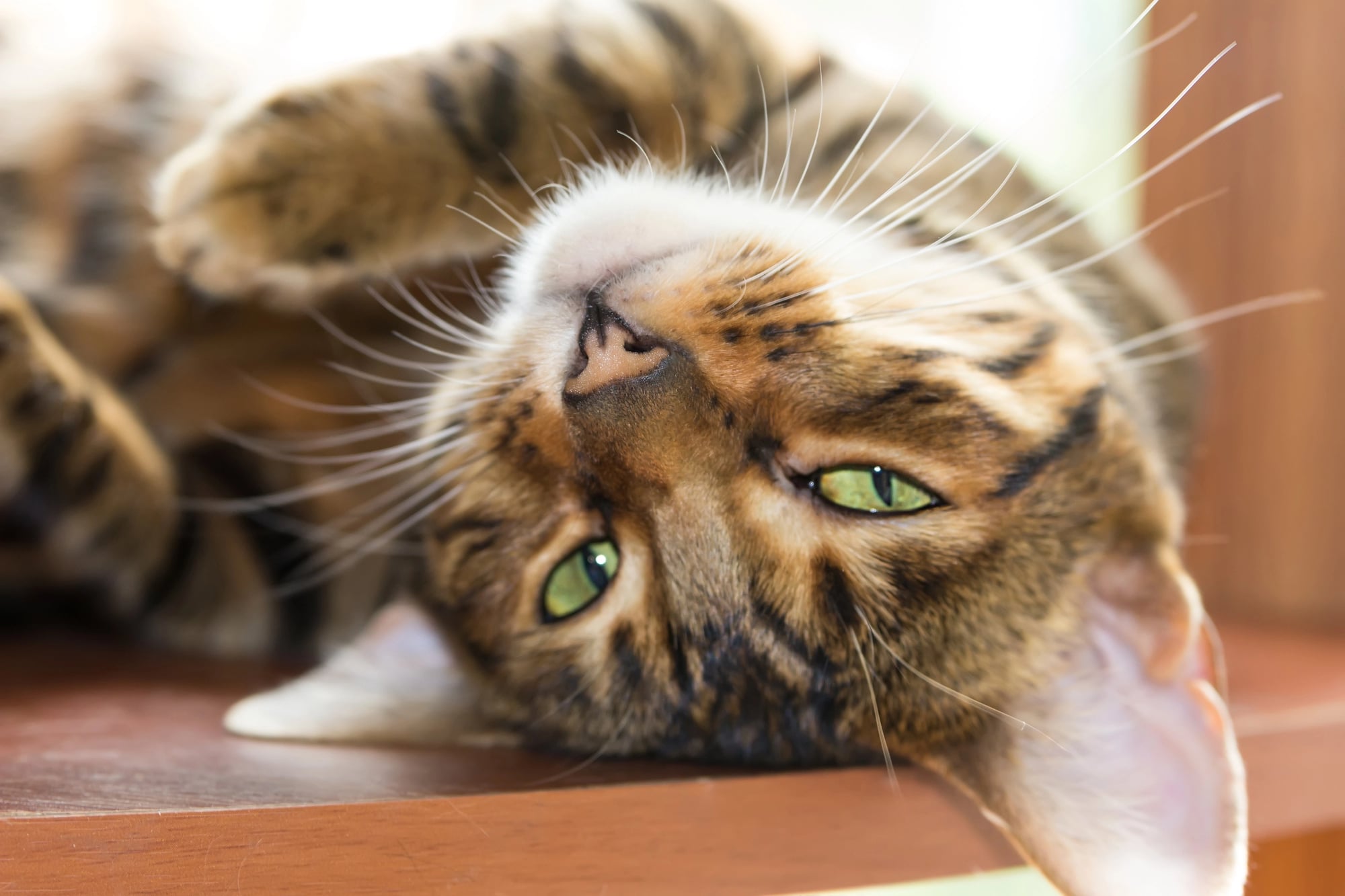
The Toyger is a modern breed developed to resemble a miniature tiger. Created in the late 20th century, it features bold striped markings and a muscular frame.
Despite growing recognition, the Toyger remains rare due to controlled breeding programs designed to maintain specific coat patterns and overall health. The breed’s distinctive appearance requires careful genetic pairing, which prevents rapid expansion.
Its rarity reflects precision rather than obscurity.
Why Rarity Matters
Some cats come from unique mixes of genes, places, and weak spots. Records matter when numbers stay low – health checks, slow growth help too.
Popularity spikes don’t shape them; time does instead. Care lasts generations, not seasons.
When some animals suddenly grab attention, being rare means something deeper. Not about making more, but protecting what’s already here.
Every one of these dogs shows unique looks or ways of acting, yet points to effort put into keeping their kind alive carefully. It’s not their rarity that sets them above, yet it’s what makes them stand out.
Hidden in the steady presence of these rare felines is a nudge – difference, be it in wild things or those we live beside, matters simply because it exists.
More from Go2Tutors!

- The Romanov Crown Jewels and Their Tragic Fate
- 13 Historical Mysteries That Science Still Can’t Solve
- Famous Hoaxes That Fooled the World for Years
- 15 Child Stars with Tragic Adult Lives
- 16 Famous Jewelry Pieces in History
Like Go2Tutors’s content? Follow us on MSN.