Famous Lost Treasures People Are Seeking
Lost treasure isn’t just the stuff of Hollywood blockbusters and adventure novels.
Around the world, real fortunes in gold, jewels, and priceless artifacts have vanished into history, leaving behind tantalizing clues and generations of obsessed seekers.
Some disappeared during shipwrecks, others were deliberately hidden during times of war, and a few simply vanished under mysterious circumstances that still baffle historians today.
From sun-baked deserts to frozen lakes, from Caribbean waters to mountain caves, these treasures represent more than just material wealth.
They’re pieces of history waiting to be rediscovered.
Here are some famous lost treasures that continue to capture imaginations and fuel expeditions across the globe.
The Ark of the Covenant

According to Hebrew scripture, Moses constructed this ornate, gold-plated wooden chest to hold sacred relics including stone tablets bearing the Ten Commandments.
The Israelites carried it for 40 years through the wilderness before placing it in King Solomon’s temple in Jerusalem.
When Babylonians besieged Jerusalem in 607 B.C., slaughtering over a million people, the Ark disappeared along with many other treasures.
Nobody knows if it was hidden before the attack or destroyed by invaders, but archaeologists and treasure hunters have been searching for over a century without success.
Montezuma’s Aztec Treasure

When Hernán Cortés arrived in the Aztec capital of Tenochtitlan in 1519, Emperor Montezuma II greeted him with gold and silver, hoping the Spanish would leave peacefully.
Instead, Cortés put Montezuma under house arrest and ransacked the city.
After a brutal massacre during a religious festival sparked an Aztec rebellion, Spanish forces fled under attack and dumped their looted riches into Lake Texcoco during their escape.
The most popular theory places the treasure at the bottom of the lake, though many have searched unsuccessfully.
An alternative legend suggests that 2,000 men retrieved the treasures and marched them north, possibly as far as southern Utah.
Blackbeard’s Treasure

Edward Teach, better known as Blackbeard, prowled the West Indies and Atlantic coast from 1716 to 1718 with his 40-gun flagship Queen Anne’s Revenge, preying on ships laden with treasure from Mexico and South America.
British Lieutenant Robert Maynard killed the infamous pirate in 1718 after a fierce battle, then had Blackbeard decapitated and hung his head from the ship’s bowsprit.
Before his death, Blackbeard claimed to have hidden his massive treasure but never revealed its location.
Treasure hunters have combed everywhere from Virginia’s Chesapeake Bay to the Caribbean and Cayman Islands, but the fortune remains lost.
The Amber Room

Experts created an exact replica of the Amber Room in 2004 using original drawings and old photos, but the spectacular original treasure has never been located despite numerous theories about its whereabouts.
This masterpiece of baroque art once adorned a palace in Russia, constructed entirely from amber panels backed with gold leaf and mirrors.
When Nazi forces invaded the Soviet Union during World War II, they dismantled the room and shipped it to Germany.
The panels vanished near the end of the war, possibly destroyed in Allied bombing or hidden away by retreating Germans.
Some believe it’s buried in underground tunnels, while others think it was lost at sea.
Nazi Gold Train
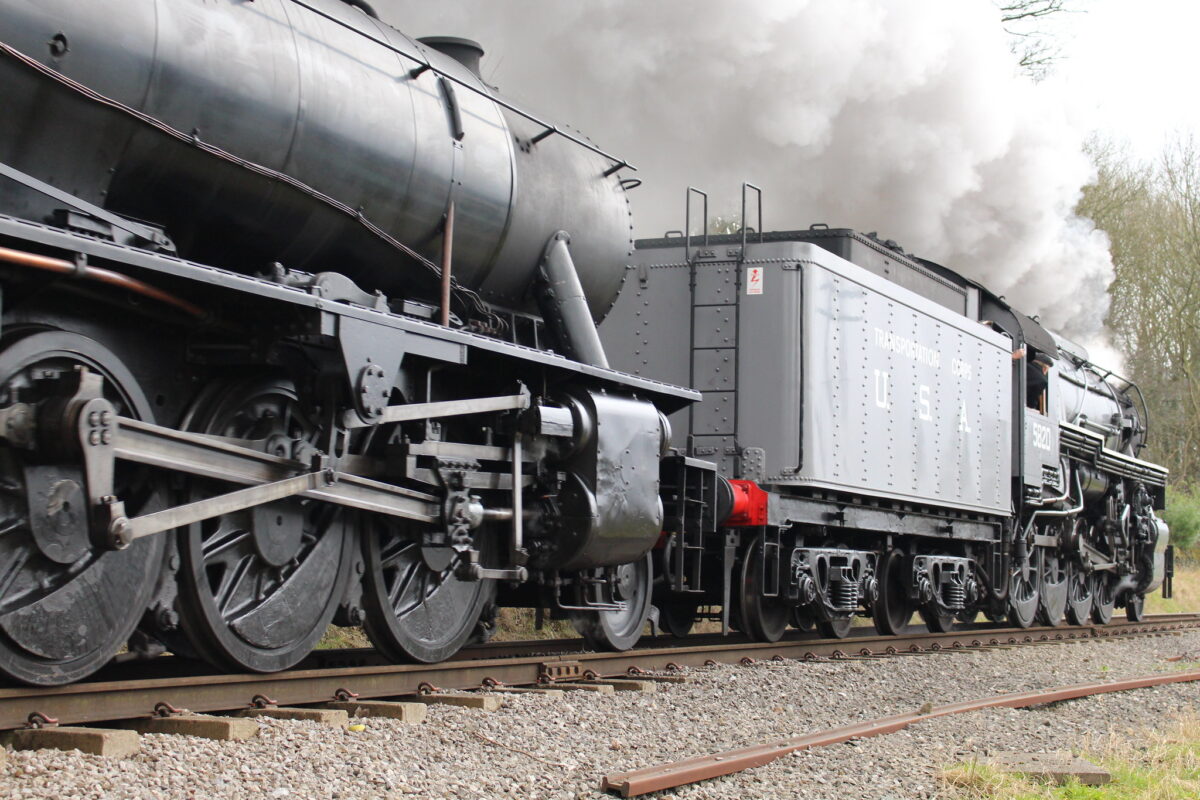
Local rumor claims a Nazi train loaded with tons of pillaged valuables was buried in the Project Riese complex of tunnels near Walbrzych in Poland in January 1945 as World War II ended.
The majestic 13th-century Ksiaz Castle, Poland’s third largest castle, is rumored to contain underground tunnels hiding this train laden with Nazi gold.
The stash, if it exists, would be worth billions of dollars in today’s money and may even contain the lost Amber Room.
Treasure hunters have conducted numerous searches, but the train’s whereabouts and even its existence remain shrouded in mystery.
Lake Toplitz Nazi Treasure
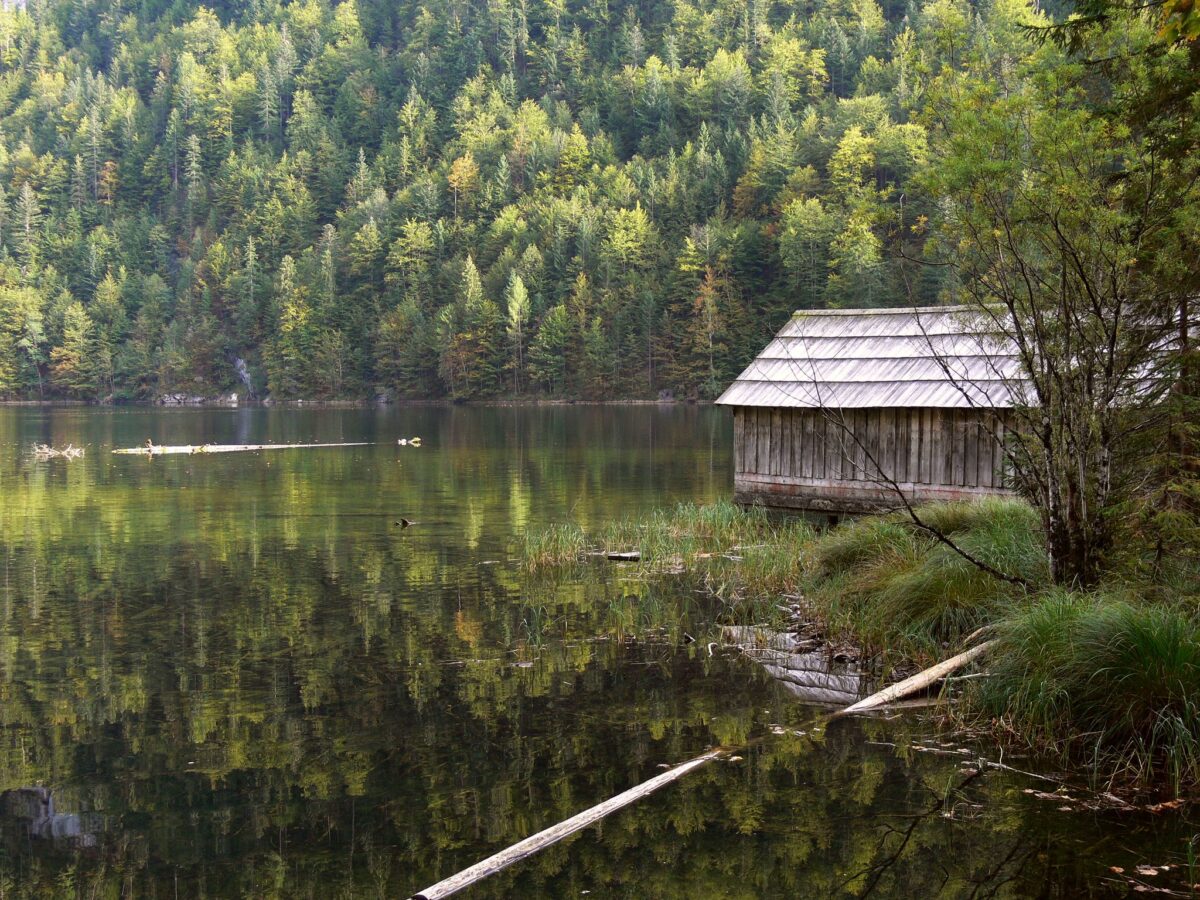
As World War II came to a close and US troops were closing in, a group of Nazis dumped several boxes in Lake Toplitz, which was part of a Nazi naval base at the time, about 40 miles southeast of Salzburg, Austria.
The lake is surrounded by mystery and supposedly full of intentionally-sunk treasure boxes.
Treasure hunters have risked their lives diving deeper into the lake in search of the real treasure, but all that has been discovered so far is a collection of fake British currency.
Austrian authorities restricted further exploration after multiple diving accidents, but the legend persists that enormous wealth remains hidden beneath the surface.
Oak Island Money Pit
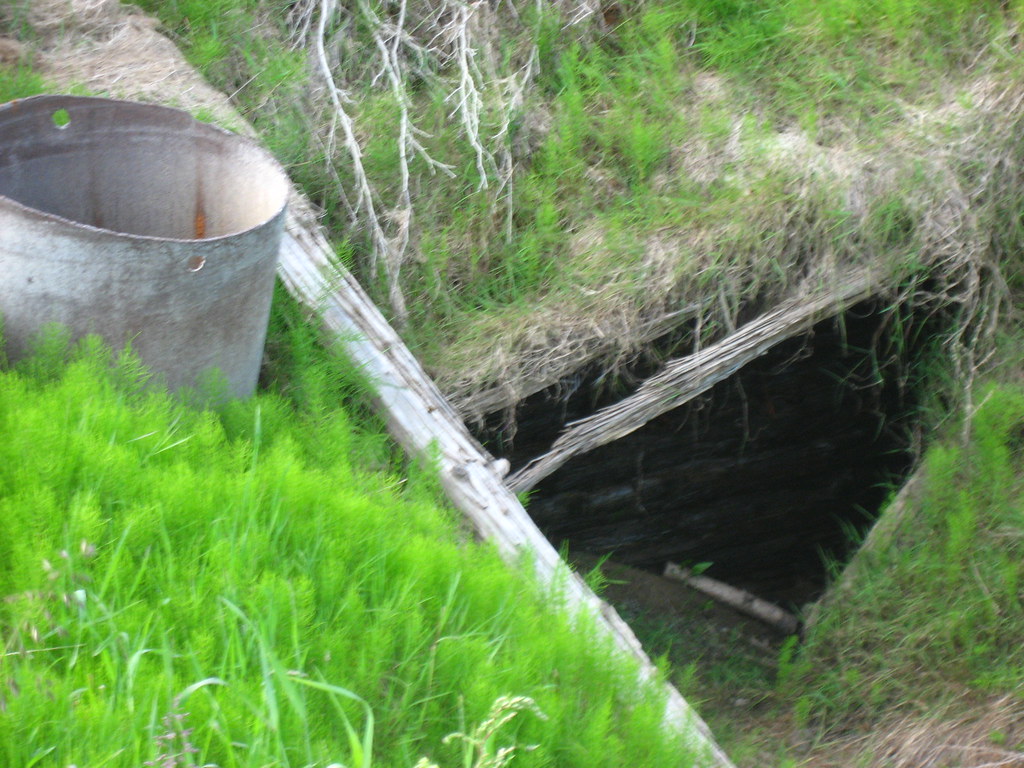
For over two centuries, Oak Island in Nova Scotia has drawn adventurers with promises of buried treasure and enigmatic artifacts, with legends suggesting everything from pirate gold to the Holy Grail could be hidden beneath its surface.
Despite extensive digs and the discovery of intriguing items like mysterious stones and wooden structures, no conclusive treasure has ever been found.
The island features a mysterious shaft that floods whenever diggers get too deep, leading to theories about elaborate booby traps.
A popular television series has kept curiosity alive, with new excavations continuing to uncover puzzling clues without revealing the ultimate prize.
Lost Dutchman’s Gold Mine
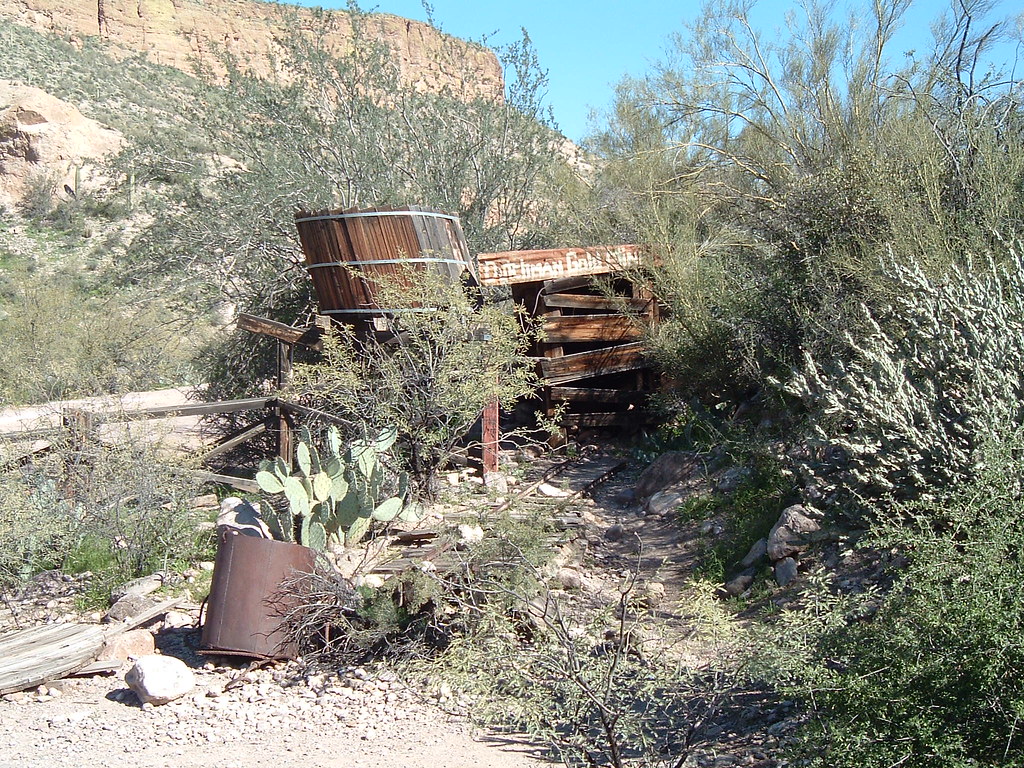
America’s most famous lost mine, the Lost Dutchman’s Gold Mine, is said to be located somewhere in Arizona’s rugged Superstition Mountains and is named after 19th-century immigrant Jacob Waltz, who reportedly left gold there worth around $200 million in today’s money.
Waltz allegedly discovered a rich vein of gold and worked it secretly until his death.
On his deathbed, he gave vague directions to the mine’s location, sparking more than a century of treasure hunts.
The harsh desert terrain and numerous deaths associated with the search have only added to the legend.
Modern seekers still venture into the Superstition Mountains hoping to strike it rich.
Flor de la Mar
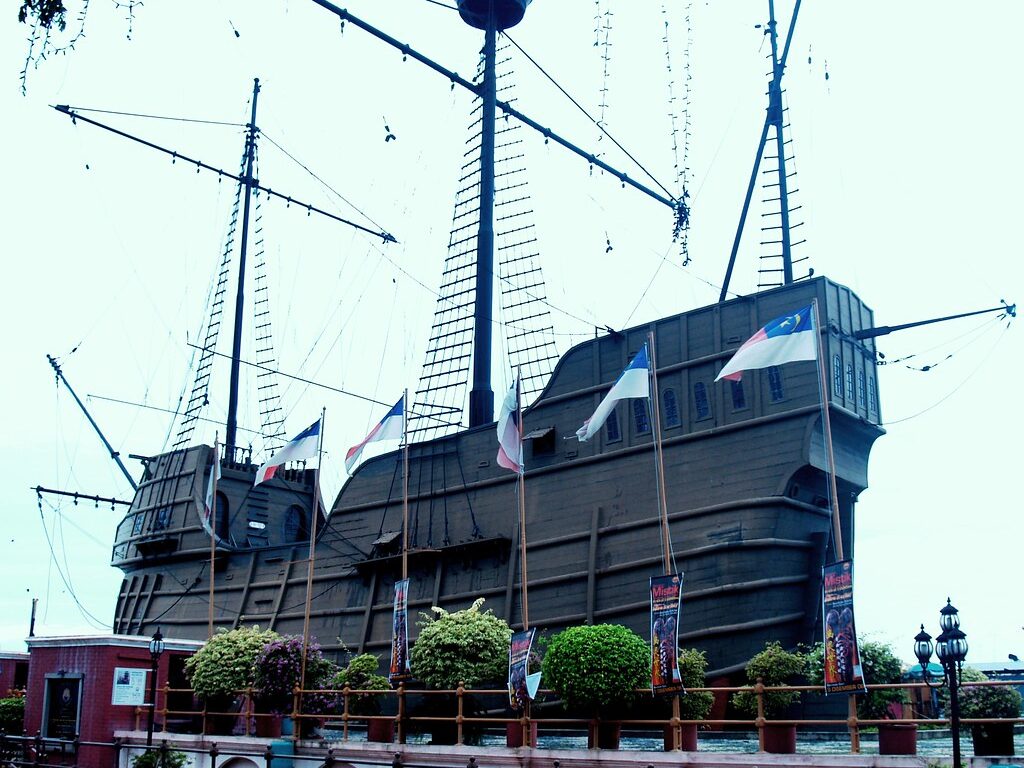
The Flor de la Mar was a legendary Portuguese vessel that vanished in 1511 while laden with an enormous fortune in gold, silver, and precious stones, sinking during a storm off the coast of Sumatra.
For over five centuries, treasure hunters have searched for its lost cargo, believed to be worth billions.
The ship was returning from a Malaysian conquest when it encountered the fatal storm.
Though the nobleman who collected the treasure was saved, the vessel and its bounty disappeared beneath the waves.
The exact location remains unknown despite numerous expeditions to the waters off Sumatra.
Confederate Treasury Gold

When the Confederacy’s president was compelled to leave Richmond, Virginia, in April 1865, he boarded two trains bound for the south, one of which was carrying the Confederate States’ entire treasury.
There was unaccounted gold worth millions of dollars after the Civil War ended.
The rest of the gold was supposedly lost after being placed in various locations for storage, leading some to believe that it eventually ended up in Lake Michigan.
Numerous historians and treasure hunters have searched based on fragmentary clues, but the bulk of the Confederate fortune has never been recovered.
King John’s Crown Jewels

King John lost the crown jewels of England and some other jewels in the muddy waters of a body of water known as the Wash while fleeing from his enemies in 1216.
John died on October 18 in Newark, and though a search was mounted for the lost treasure, it has never been found, with the nature of the landscape suggesting it could be buried beneath 20 feet of mud.
The intervening 700 years have seen the village of Sutton Bridge in Lincolnshire drained, but no treasure has ever emerged.
Silt deposits and peat swamps make the search particularly challenging.
The Lima Treasure

In 1820, as revolutionary leader José de San Martín’s forces advanced on Lima, Peru, Spanish authorities hurried to save the riches they had amassed since their conquest of the Inca Empire in the 16th century.
They loaded a fortune onto a ship captained by a British trader, trusting him to keep it safe.
Instead, the captain and his crew murdered the Spanish guards and sailed off with the treasure.
According to legend, they buried the fortune on Cocos Island off Costa Rica before being captured.
The captain and first mate were the only survivors of their execution, and they reportedly died on the island without revealing the exact location of their stash.
1715 Spanish Treasure Fleet

Nearly a thousand lives were lost when the 1715 Spanish Treasure Fleet sank, along with a considerable amount of cargo, and even though Spain reclaimed 80% of the lost treasure, the rest is still up for grabs as four of the ships are yet to be discovered.
A hurricane off Florida’s coast destroyed the fleet as it carried riches from the New World back to Spain.
Parts of the cargo keep turning up on a semi-regular basis, with recent discoveries including over 1,000 gold and silver coins.
Treasure hunters continue to work the waters off Florida’s east coast, and each major storm has the potential to shift sand and reveal new finds.
Forrest Fenn’s Treasure
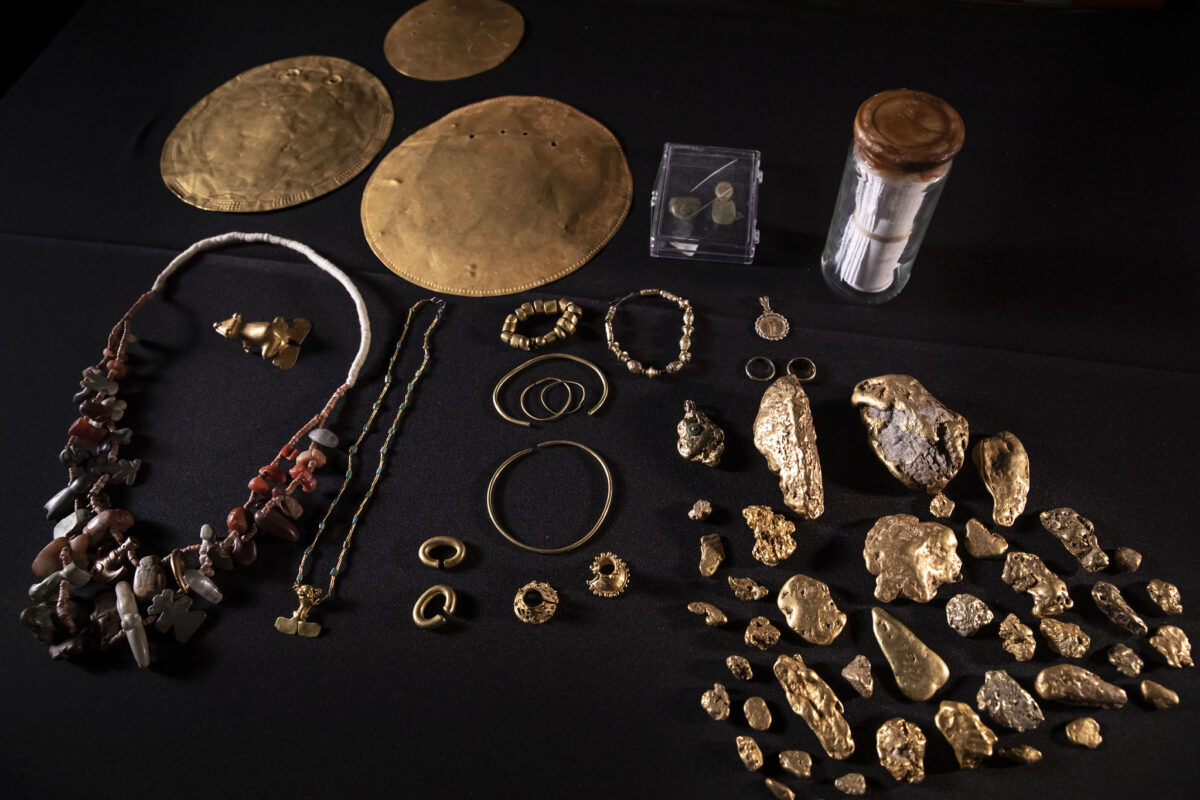
This treasure, which bears the name of the man who hid it after beating a terminal disease, is said to be hidden somewhere in the Rocky Mountains.
Art dealer and author Forrest Fenn concealed a bronze chest filled with gold nuggets, rare coins, jewelry, and gemstones somewhere in the mountains, then published a poem with clues to its location.
The treasure hunt captured national attention for a decade, with thousands of seekers combing the Rockies.
In 2020, a medical school student from Michigan finally found it, though the exact location was never publicly revealed to preserve the wilderness area.
San Miguel Spanish Treasure Galleon
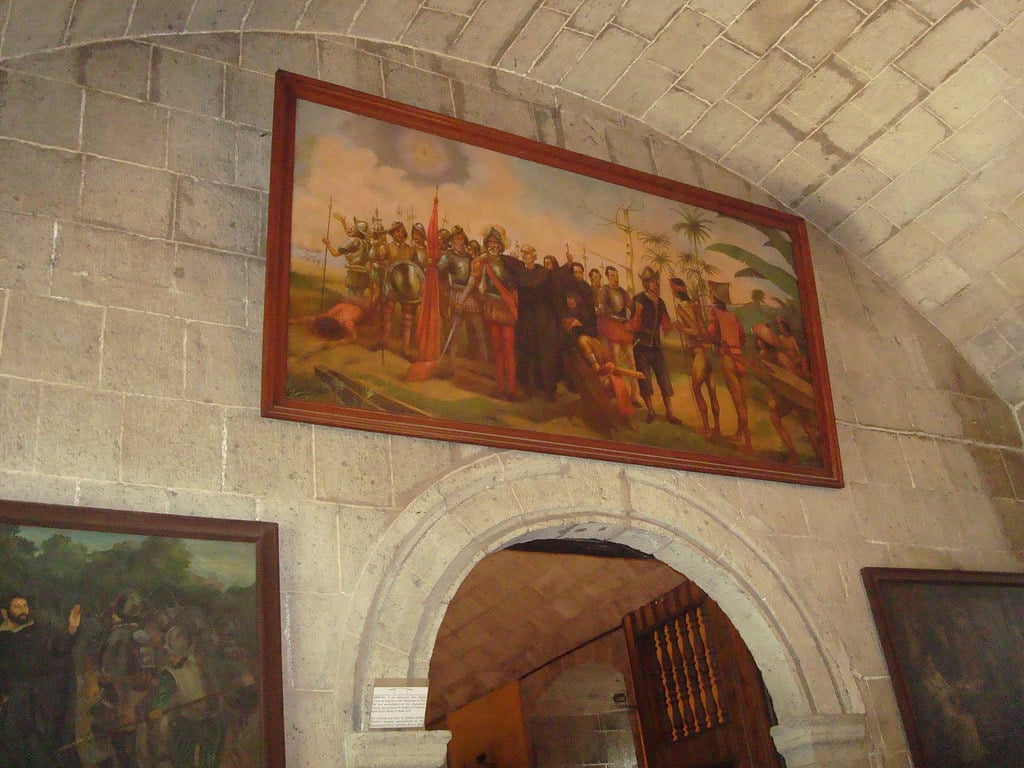
Another lost shipwreck, the San Miguel Spanish Treasure Galleon, is yet to be located after the ship was destroyed in a hurricane on 29 April 1551 off the coast of Santo Domingo in what is now the Dominican Republic.
It’s thought to have been carrying cargo valued at $2 billion, and shipwreck hunters have been looking for the San Miguel for centuries.
The search in the seas around the Dominican Republic continues, with modern technology offering new hope.
The ship was part of Spain’s treasure fleet system, carrying wealth extracted from the Americas back to Europe when disaster struck.
Cleopatra’s Tomb
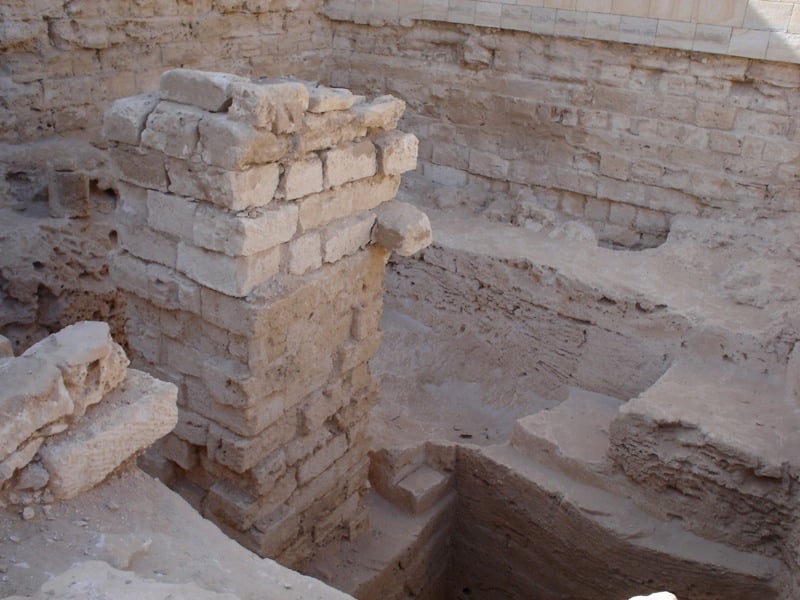
Cleopatra is one of the most popular figures in history who was the last queen of Ptolemaic Egypt, dying in 30 BC, and her tomb is a famous lost treasure that has never been found despite being the subject of many fruitless searches for many years.
Cleopatra’s tomb is believed to be in Egypt near the city of Alexandria, and with the location narrowed down to this part of Egypt, it may not take long before the queen’s tomb is discovered.
Ancient accounts suggest she was buried alongside her lover Mark Antony, but earthquakes and rising sea levels have drastically changed the Alexandria coastline.
Some archaeologists believe the tomb now lies underwater in the harbor.
The Hunt Continues

These lost treasures represent more than just material wealth—they’re windows into pivotal moments in human history.
Each missing artifact tells a story of conquest, desperation, greed, or tragedy that shaped the world we know today.
Modern technology like sonar imaging, metal detectors, and satellite mapping has revolutionized treasure hunting, bringing us closer than ever to solving centuries-old mysteries.
Whether these fortunes rest at the bottom of the ocean, buried beneath desert sands, or hidden in mountain caves, one thing is certain: as long as these treasures remain lost, people will keep searching.
More from Go2Tutors!

- The Romanov Crown Jewels and Their Tragic Fate
- 17 Halloween Costumes Once Considered Taboo
- Famous Hoaxes That Fooled the World for Years
- 15 Child Stars with Tragic Adult Lives
- 16 Famous Jewelry Pieces in History
Like Go2Tutors’s content? Follow us on MSN.



