Heaviest Trains Ever Operated on Railways
Trains never cared about being delicate. Right away, their job was clear: haul heavy things too big for carts or boats, mile after mile without fail.
As years passed, this purpose quietly turned into a test of how tough machines could be. One by one, new models broke old records – more tons, longer trains, stronger pull – all showing rail lines could handle loads once thought impossible.
Nowadays, the biggest trains ever used aren’t tucked away in glass cases or pulled out just for shows. A lot ran regular jobs – hauling tons of iron ore, coal, or raw materials nonstop, fueling whole nations day after day.
Without something to compare them to, their size feels unreal. Picture a train longer than four miles, heavier than countless houses stacked together, moving slowly across open land.
What made rail lines carry so much weight becomes clear when studying the record holders. Some of these machines redefined what was thought possible on steel tracks.
The Pilbara Iron Ore Giants
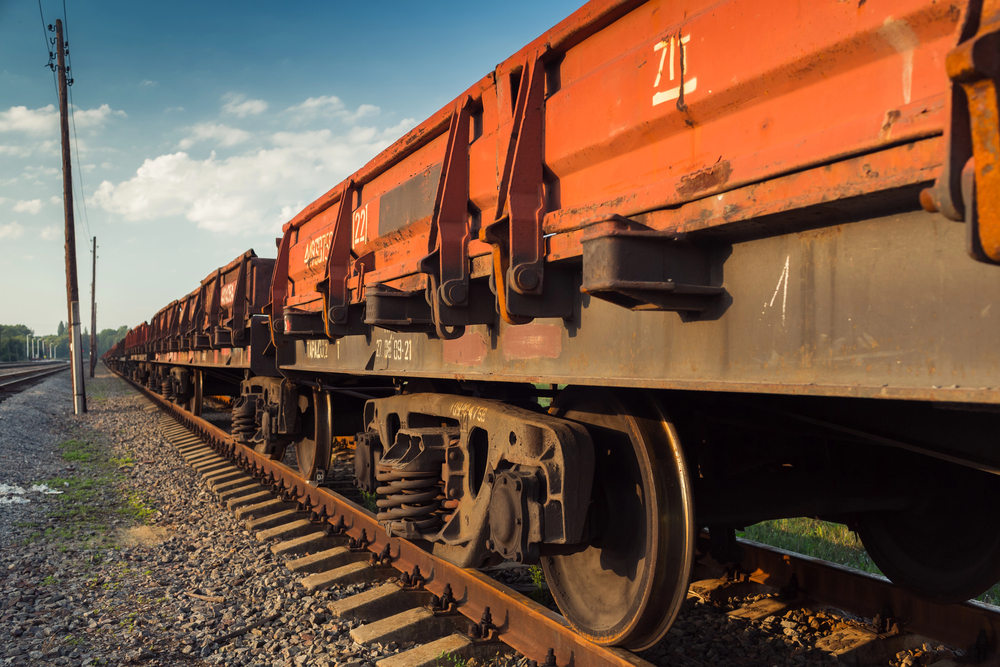
Hauling iron ore through the red dust of Western Australia, the Pilbara hosts the planet’s most massive working trains. Operated by firms like BHP and Rio Tinto, these loads often surpass 40,000 tons when fully loaded.
More than a mile and a half in length, they rely on engines placed up front, within the midsection, even tagged at the back. Though immense, their movement follows routine paths carved deep into the outback terrain.
Heavy trains stretch across long distances, linking remote mines to seaside harbors where iron ore begins its journey. Because distance matters so much, how well things run shapes what gets earned.
Signals pass between engines using digital links, easing pressure where cars connect and rails bear weight. What rolls forward isn’t only massive – it moves in rhythm, built to carry extreme tonnage while staying intact.
The 99,734-Ton Record Train
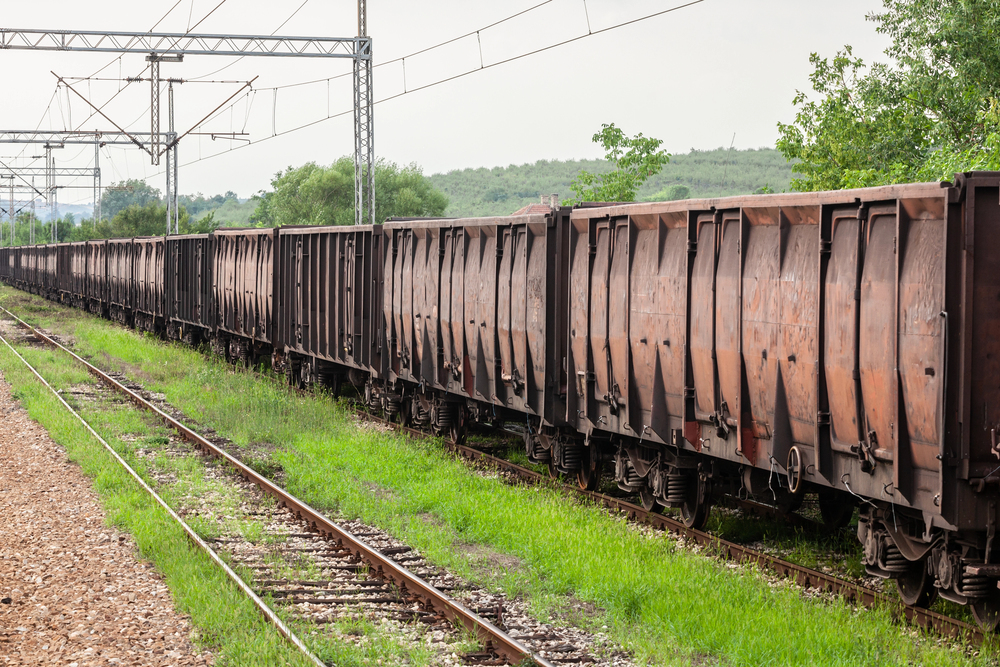
In 2001, BHP operated what remains one of the heaviest trains ever recorded. Weighing approximately 99,734 tons and stretching nearly 4.5 miles, the train consisted of eight locomotives pulling 682 ore cars.
It traveled about 170 miles from the Yandi mine to Port Hedland. This was not a publicity stunt.
It was a calculated test of what heavy-haul rail could achieve under real operating conditions. The success of the run demonstrated that modern rail systems, when precisely managed, could sustain weights approaching six figures in tonnage.
Few other forms of land transport operate on that scale.
Heavy Coal Trains in the United States
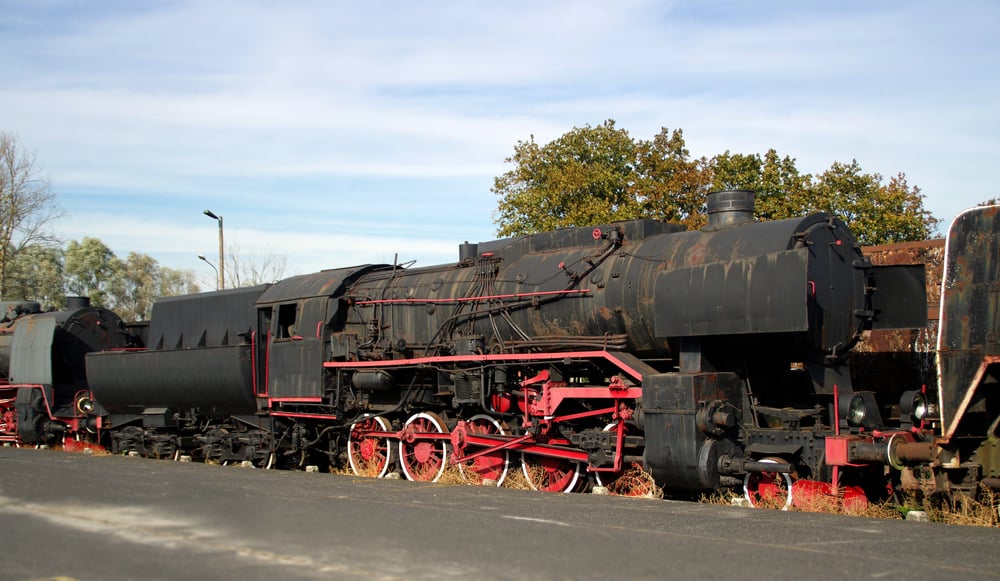
While Australia dominates record-setting weights, the United States operates some of the heaviest coal trains in North America. In Wyoming’s Powder River Basin, unit coal trains regularly weigh between 17,000 and 20,000 tons.
These trains typically measure over a mile long and operate as dedicated trains, carrying coal from mine to the power plant without being broken up. Coal transport has shaped American rail infrastructure for decades.
The heavy axle loads require reinforced track, powerful locomotives, and careful scheduling. Although individual trains may not rival Australia’s extreme figures, their frequency and consistency make them industrial workhorses.
Canadian Iron Ore and Bulk Freight
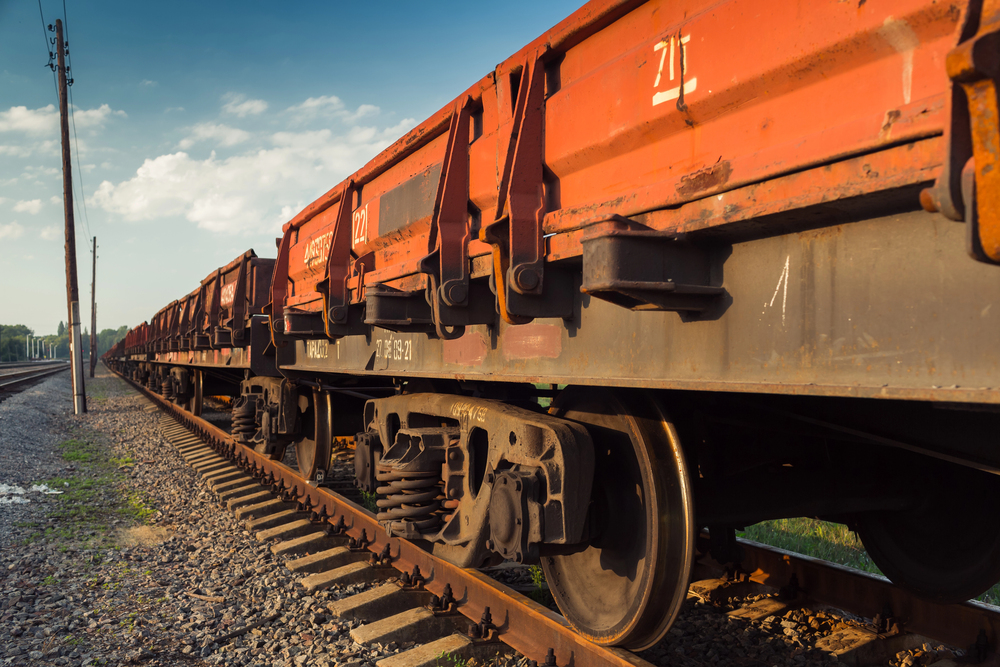
Canada’s vast mining operations have also produced exceptionally heavy trains. Iron ore routes in Quebec and Labrador routinely operate trains exceeding 30,000 tons.
The geography adds complexity, with harsh winters testing braking systems and steel resilience. Cold temperatures can make steel brittle, and braking performance changes dramatically in sub-zero conditions.
Even so, Canadian rail operators have managed to sustain high-tonnage freight under environmental stress that would challenge lighter systems. The combination of weight and climate adds a distinct layer of engineering difficulty.
South Africa’s Sishen–Saldanha Line
Over forty thousand tons of iron ore once rolled across South Africa on a track built only for that job. Stretching close to five hundred thirty miles, the path links Sishen to Saldanha Bay without detours.
Trains move slowly there, loaded beyond most rails’ dreams. This line exists because mines needed an exit, nothing more.
Faster uphill movement of heavy cargo happens when electric engines work with smart remote controls along the route. This rail path shows where money goes when moving large amounts matters most to a country’s growth plan.
The Longest and Heaviest Test Consists
Beyond routine freight operations, railways occasionally conduct record attempts to test the limits of coupling strength and braking systems. Some experimental trains have combined hundreds of cars purely to evaluate structural performance.
These consists may exceed operational norms, but they offer insight into the upper boundaries of rail capability. Such tests help refine technology that eventually trickles into daily service.
Heavy-haul rail is rarely about spectacle. It is about incremental advancement, achieved through data, stress testing, and mechanical refinement.
Engineering Behind Extreme Weight
The true story of the heaviest trains is not just about tonnage. It is about how railways prevent thousands of tons from behaving unpredictably.
Distributed power, where locomotives are spaced throughout the train, reduces longitudinal forces that can snap couplers. Advanced braking systems allow synchronized deceleration across miles of rolling stock.
Track structure also evolves. Heavier rails, reinforced ballast, and precisely maintained alignment are essential.
Without these adaptations, extreme weight would simply damage infrastructure. Heavy trains succeed because entire systems adapt to accommodate them.
Why Iron Ore Dominates
Iron ore consistently appears in discussions of the heaviest trains because of its density and export demand. A single ore car can carry well over 100 tons of material.
Multiply that by several hundred cars, and the scale becomes clear. Bulk commodities reward consolidation.
It is more efficient to run one enormous train than several smaller ones. The economics favor maximum weight per trip, provided the infrastructure supports it.
In that sense, the heaviest trains are products of both geology and market demand.
The Limits of Steel and Physics
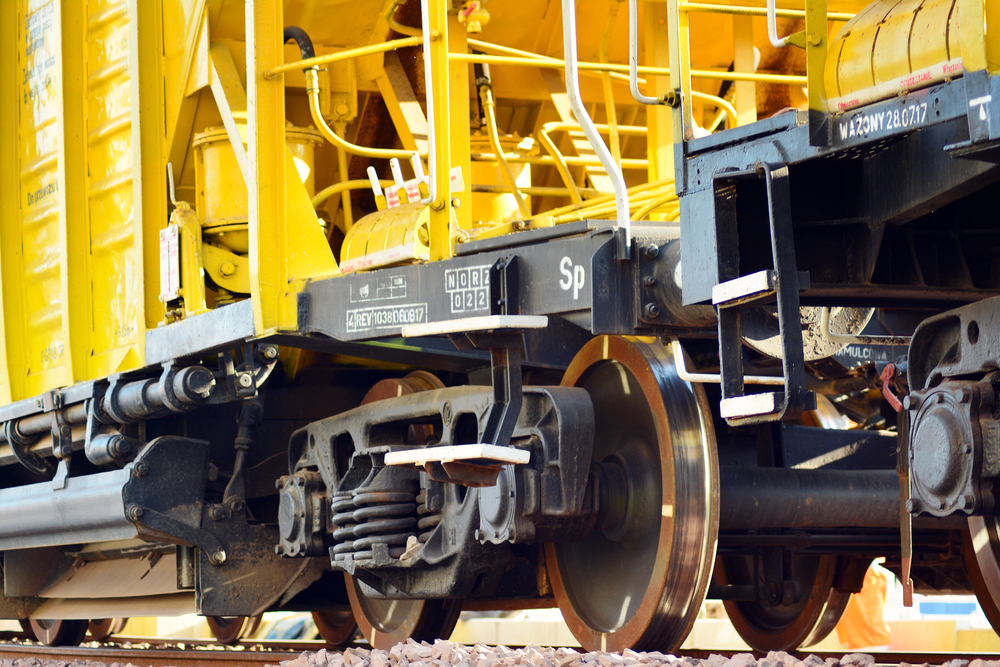
Despite impressive records, railways operate within strict physical boundaries. Wheel-rail adhesion limits how much traction locomotives can generate.
Too much weight without sufficient power results in wheel slip. Excessive force between cars risks structural failure.
Engineers must constantly balance ambition with safety margins. Modern sensors monitor stress in real time, allowing operators to adjust power distribution instantly.
The heaviest trains are not brute-force achievements. They are finely tuned mechanical systems moving at measured speeds.
A Global Benchmark for Heavy Haul
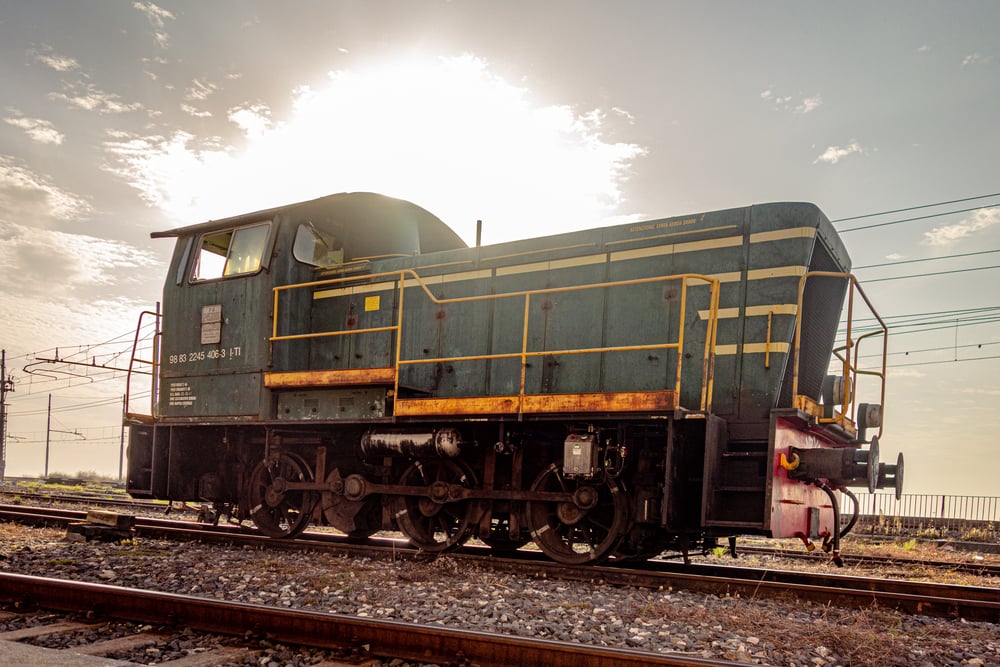
Heavy-haul rail has become a specialized discipline. Countries rich in mineral resources invest heavily in rail corridors designed specifically for high tonnage.
These lines differ from mixed-traffic routes carrying passengers or container freight. Dedicated heavy-haul lines minimize curves, manage gradients carefully, and use robust track materials.
This specialization enables consistent operation at weights that would overwhelm traditional networks. The heaviest trains are rarely accidents of scale.
They are deliberate outcomes of focused infrastructure design.
The Ground Beneath the Wheels
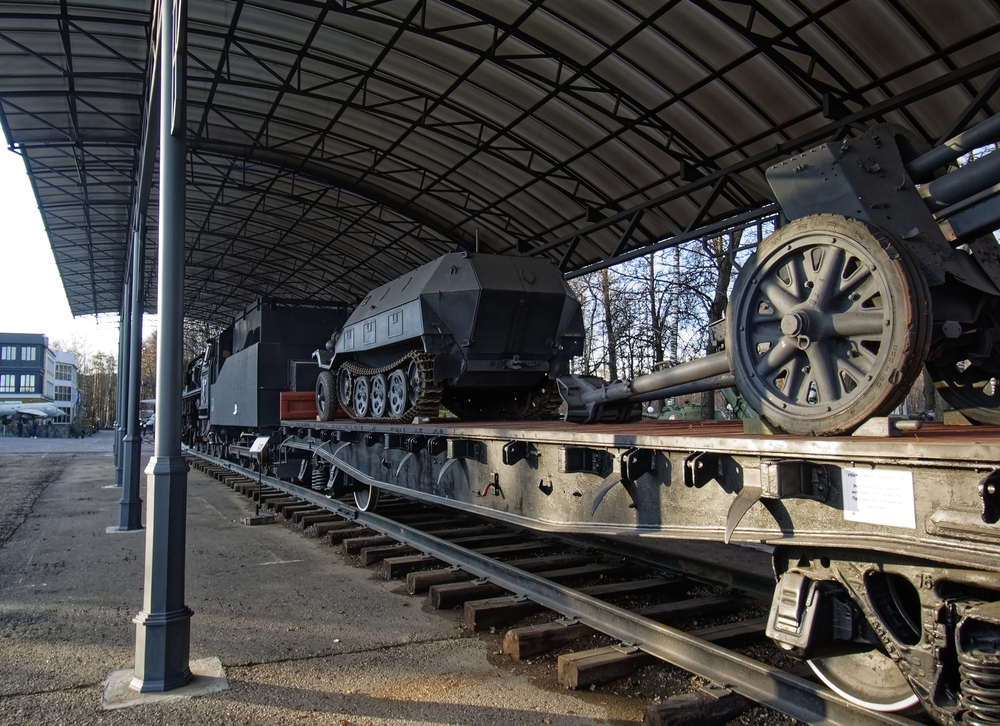
The existence of 90,000-ton and 40,000-ton trains underscores how far rail transport has evolved since the 19th century. Early freight trains would have struggled with a fraction of that mass.
Improvements in metallurgy, communication systems, and power management transformed railways from modest haulers into industrial lifelines. Even so, the spectacle of a multi-mile train moving steadily across open terrain still feels almost surreal.
It is a reminder that some of the most dramatic engineering feats are not vertical skyscrapers or supersonic aircraft, but horizontal chains of steel stretching beyond the horizon.
The Weight That Moves Economies
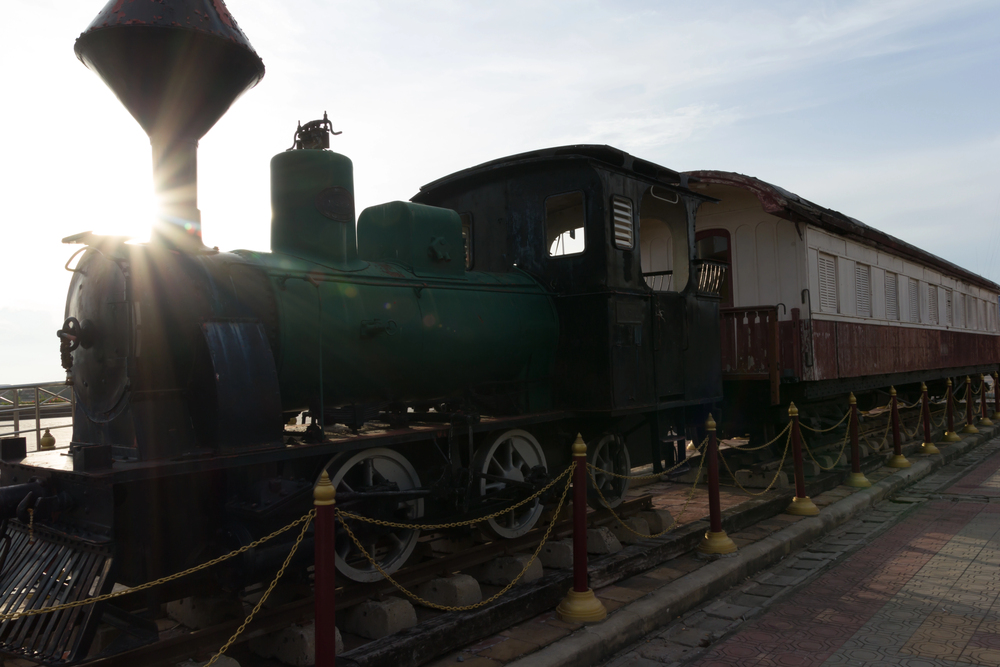
Heavy trains aren’t just numbers on paper. Power flows through them, thick like molten metal.
Each freight wagon full of rock ties back to digging deep underground, deals signed across oceans, ships docking at dusk, furnaces burning day and night. Motion begins – wheels turn – and suddenly it’s not only weight rolling forward.
Factories hum inside that rhythm, whole nations breathing behind the steel. When everything races online, big trains move slow but huge loads.
One trip can haul close to 100,000 tons, showing weight still counts. Steel tracks hold dreams built on force, math, and timing.
These machines run not fast, yet prove power lives in size. Motion like this needs more than engines – it takes planning, muscle, balance.
Heavy rails stand apart, doing what few systems dare.
Steel Titans in Motion
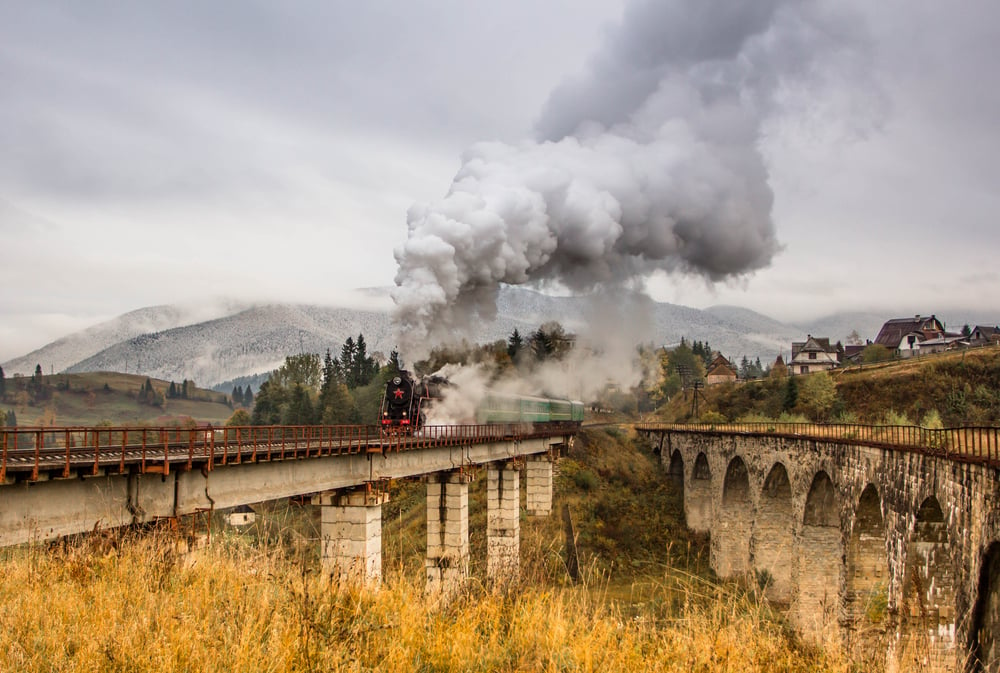
Massive trains that once rolled tell a quiet truth about steel tracks. Even with planes hauling cargo and ships stacking boxes, nothing beats rails when shifting enormous weight over long stretches on time.
Where earth yields ore and industry hungers for stone, these routes grow without pause. Out here, away from the noise, these machines log achievements without fanfare.
Not because they’re built too large, but because every part works exactly as it should – handling massive loads without fail, day after day. Motion turns into meaning when steel meets track in perfect timing.
What looks like routine is actually mastery, hidden in the constant roll of axles through open country.
More from Go2Tutors!

- The Romanov Crown Jewels and Their Tragic Fate
- 13 Historical Mysteries That Science Still Can’t Solve
- Famous Hoaxes That Fooled the World for Years
- 15 Child Stars with Tragic Adult Lives
- 16 Famous Jewelry Pieces in History
Like Go2Tutors’s content? Follow us on MSN.