16 Royal Banquets Featuring Unbelievable Dishes
Power showed up on plates long before speeches did. Meals fit for kings played roles bigger than hunger could explain.
A single spice might whisper conquests across oceans. Victories in war often felt less impressive than feasts laid out at dusk.
Refinement hid in sauces, while influence simmered beneath roasted meats. Banquets once served more than food – they carried messages of strength.
Rulers across lands like medieval Europe and imperial China turned meals into displays. To win favor with diplomats, silence enemies, or show dominance within palace walls, grand eating events became tools.
Dishes arrived not just rich but strange – some almost staged like performances. Today’s kitchens could hardly produce what those tables held.
Imagine flavors lost, recipes forgotten, presentations bold enough to match empires built on strict hierarchies. These spreads mirrored the unreachable status of thrones.
Each course reflected control, wealth twisted into edible form.
Henry VIII’s Tudor Feasts

Few monarchs are as closely associated with lavish eating as Henry VIII of England. Court records from the 16th century show banquets featuring hundreds of dishes, including roasted swan, heron, and elaborate meat pies decorated with gilded pastry.
Sugar, still considered a luxury import, appeared in sculpted decorations known as ‘subtleties.’ These edible displays often depicted castles, mythical creatures, or political symbols.
The sheer volume of meat consumed reflected both England’s hunting culture and the king’s appetite for spectacle.
The Peacock Pie of Medieval Europe
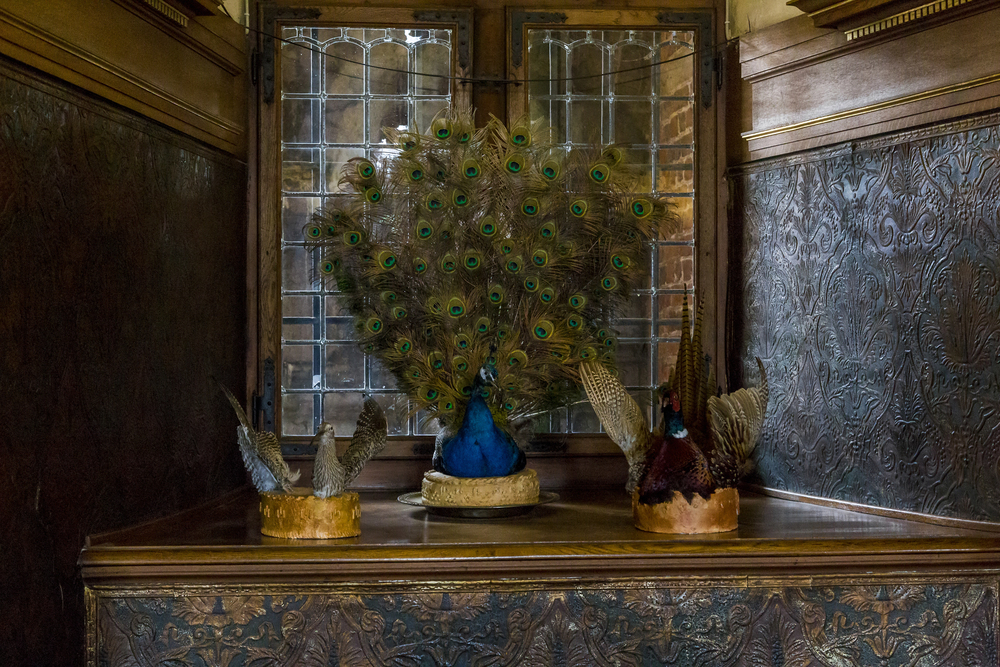
In medieval Europe, the peacock became a symbol of status on banquet tables. The bird would be roasted, then reassembled inside its own plumage, often with its feathers carefully preserved and arranged for dramatic effect.
Served with spices imported from distant trade routes, the dish demonstrated wealth and global connections. The visual impact mattered as much as flavor.
Guests were meant to marvel at the presentation before taking a single bite.
The Field of the Cloth of Gold

In 1520, Henry VIII met Francis I of France in a summit designed to showcase mutual splendor. The event, known as the Field of the Cloth of Gold, included days of feasting under temporary palaces draped in luxurious fabrics.
Menus featured roasted meats, ornate pastries, and vast quantities of wine. Contemporary accounts describe fountains flowing with drink and tables stretching for yards.
The banquet became a diplomatic performance intended to project unmatched prosperity.
Louis XIV at Versailles
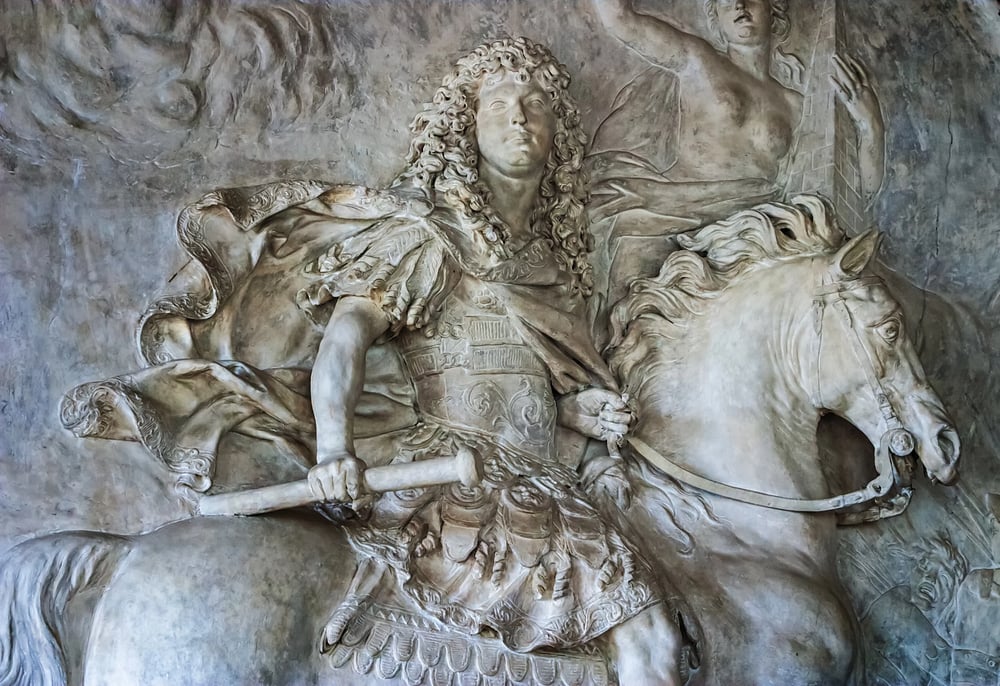
At Versailles, Louis XIV elevated dining into ritual. The king’s daily meals, known as the ‘grand couvert,’ were often eaten in public view.
Formal banquets included multiple courses featuring game birds, fish, pastries, and delicately prepared vegetables. Exotic fruits cultivated in heated greenhouses appeared on the table regardless of season.
The message was clear: nature itself bent to royal will. Versailles dining reinforced hierarchy and control as much as indulgence.
The Manchu-Han Imperial Feast
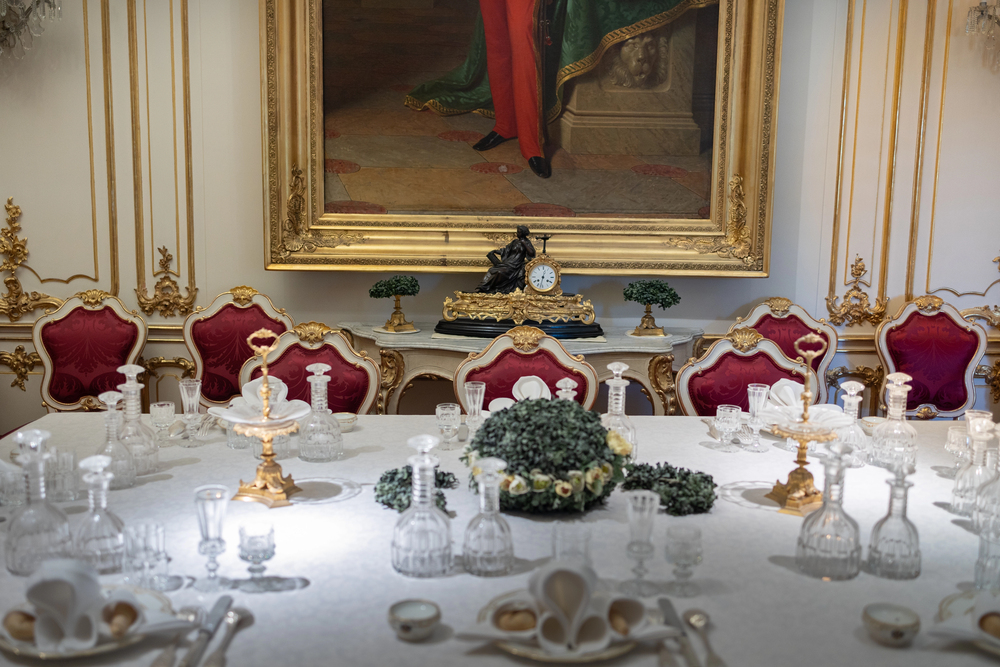
During China’s Qing dynasty, the Manchu-Han Imperial Feast became legendary. This multi-day banquet, reportedly featuring over 300 dishes, was designed to celebrate unity between Manchu and Han cultures.
The menu combined regional specialties from across the empire, including rare seafood, intricate dumplings, and elaborate soups. Preparation required coordination across vast distances.
The scale of the feast reflected both political strategy and culinary mastery.
Mughal Rice Dishes

In Mughal India, emperors such as Shah Jahan presided over banquets where rice dishes were transformed into jeweled displays. Biryani and pulao were infused with saffron, nuts, dried fruits, and edible silver leaf.
The visual richness mirrored the architectural grandeur of the era, including monuments like the Taj Mahal. Food served as both nourishment and artistry, reinforcing the opulence of the imperial court.
Ottoman Sugar Sculptures
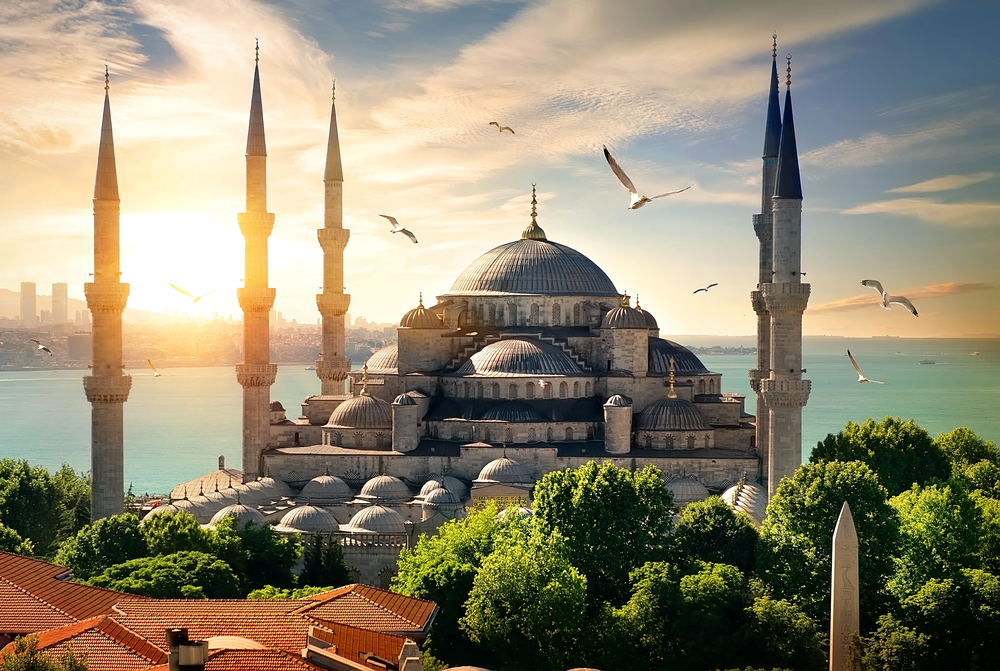
Ottoman palace banquets in Istanbul often featured elaborate sugar sculptures crafted into animals, towers, and floral designs. These creations were as much decoration as dessert.
Sugar, imported and refined at significant cost, symbolized trade dominance and refinement. Guests were invited to admire the artistry before the sculptures were eventually broken apart and shared.
Roman Emperor Vitellius’ Feast
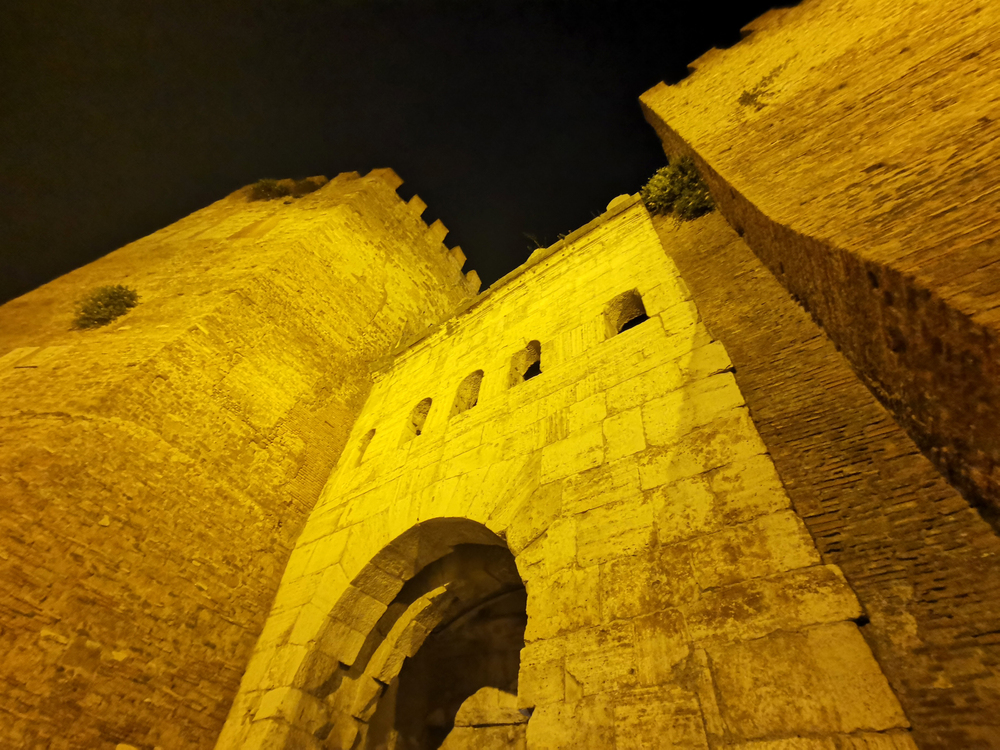
Roman sources describe Emperor Vitellius hosting a banquet featuring a massive dish called the ‘Shield of Minerva.’ It reportedly combined delicacies from across the empire, including fish livers and rare seafood.
While ancient accounts may contain exaggeration, they underscore Rome’s capacity to draw ingredients from distant provinces. The dish symbolized imperial reach in edible form.
Russian Coronation Feasts
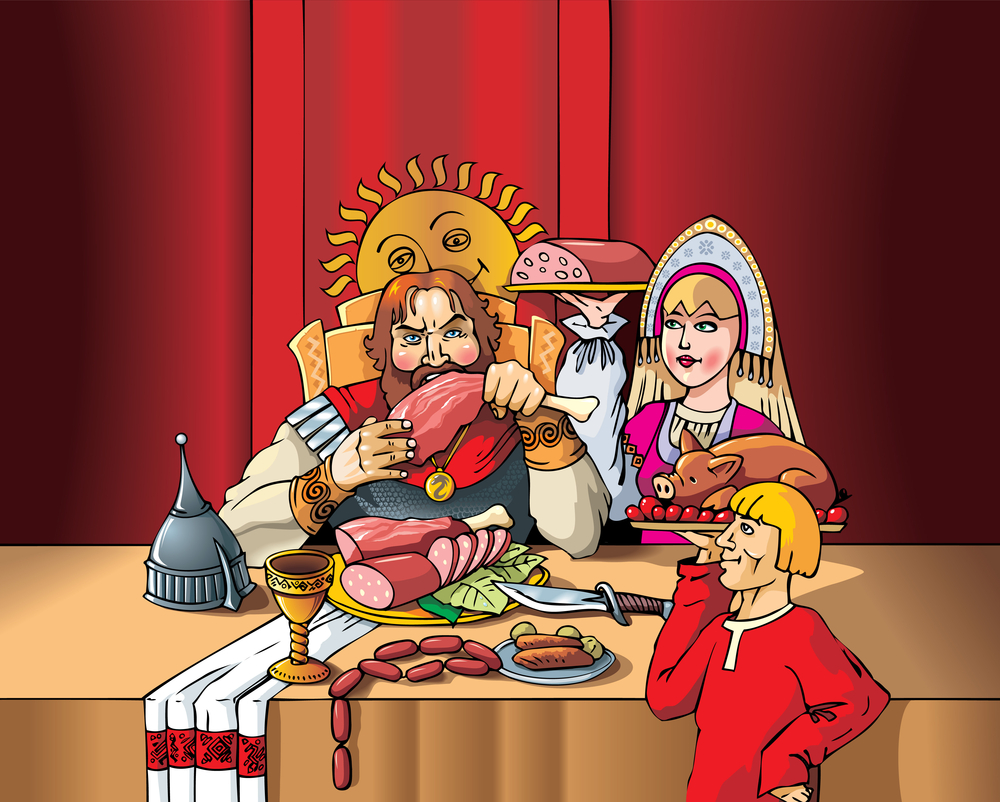
Coronation banquets for Russian tsars often featured dishes designed to reflect abundance across vast territories. Sturgeon from the Volga River and rich game from northern forests filled the tables.
During Nicholas II’s coronation festivities in 1896, mass public celebrations included specially prepared foods distributed to thousands. Even in public form, the scale aimed to reflect imperial generosity.
The Swan Banquets of England
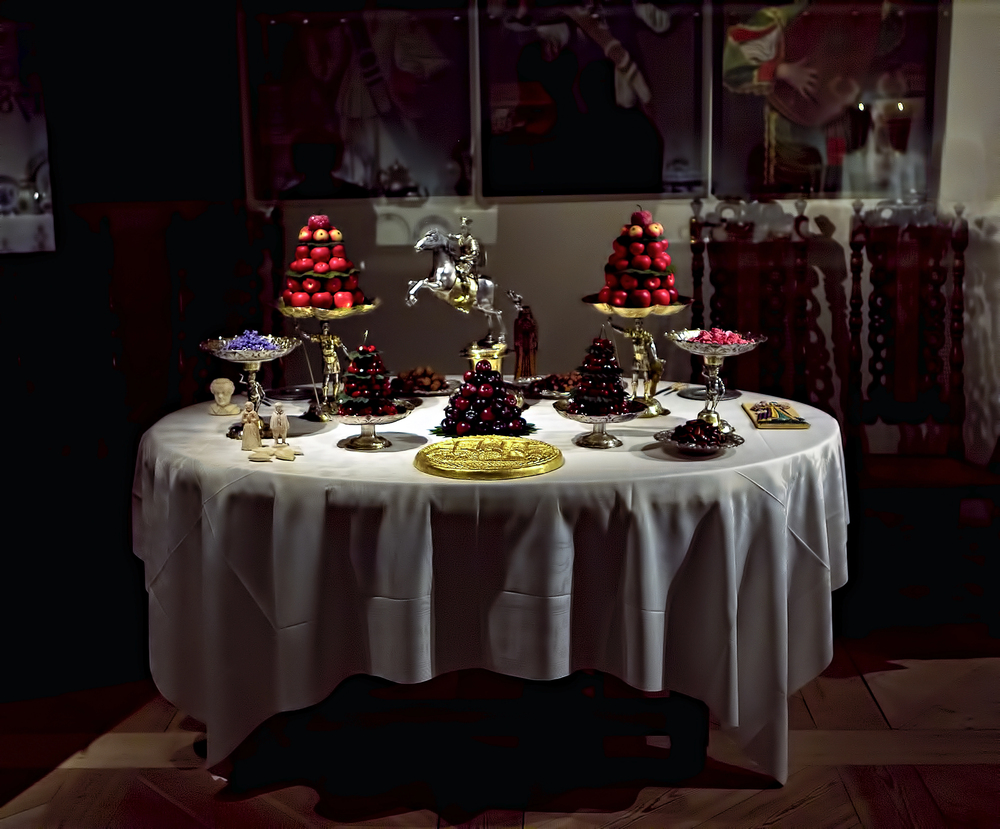
In medieval England, swans were considered royal property. Serving swan at a banquet required explicit permission, reinforcing its association with authority.
Prepared with spices and ornate garnishes, swan dishes signaled exclusivity. The rarity of the bird heightened its impact among guests.
Persian Royal Feasts
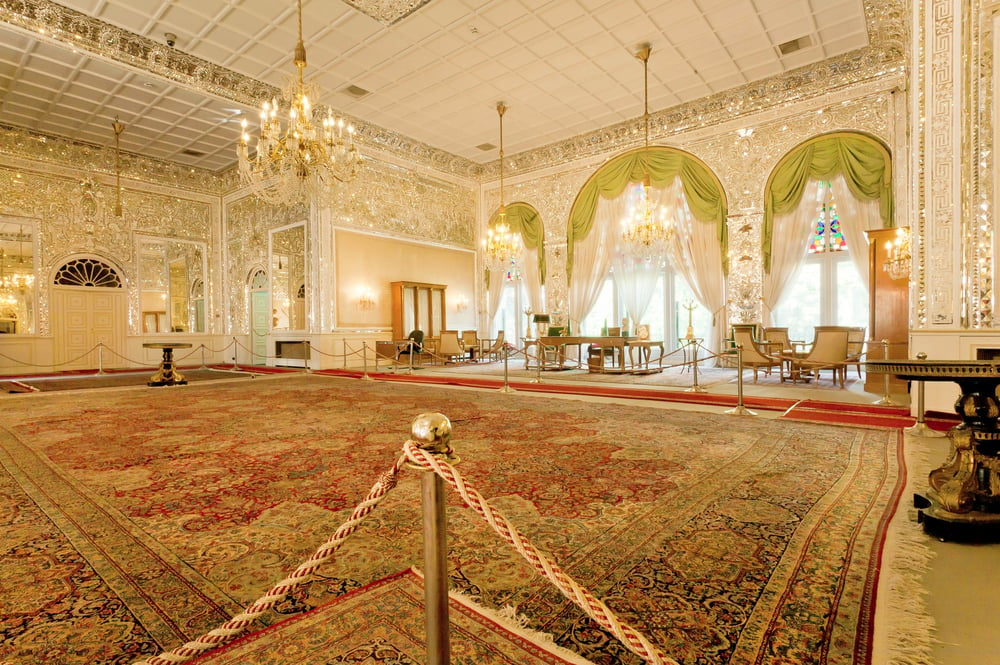
Persian courts were known for lavish spreads featuring aromatic stews, jeweled rice, and intricately layered desserts. Ingredients such as pomegranates, pistachios, and saffron added color and depth.
The emphasis on balance and presentation reflected a culinary tradition rooted in both flavor and symbolism. Banquets showcased refinement as a form of cultural dominance.
The Habsburg Hunting Feasts
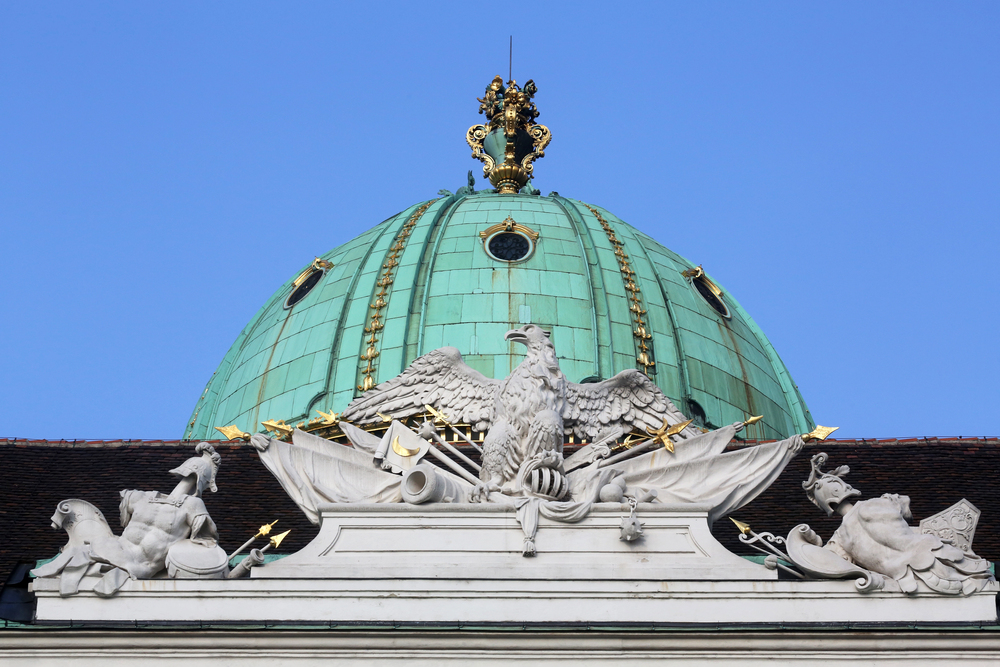
The Habsburg rulers of Central Europe frequently hosted banquets centered around game from royal hunts. Venison, wild boar, and pheasant were prepared in multiple styles.
These meals celebrated aristocratic privilege tied to land and sport. Hunting culture reinforced status, and the feast extended that symbolism to the dining hall.
Catherine the Great’s French-Inspired Tables
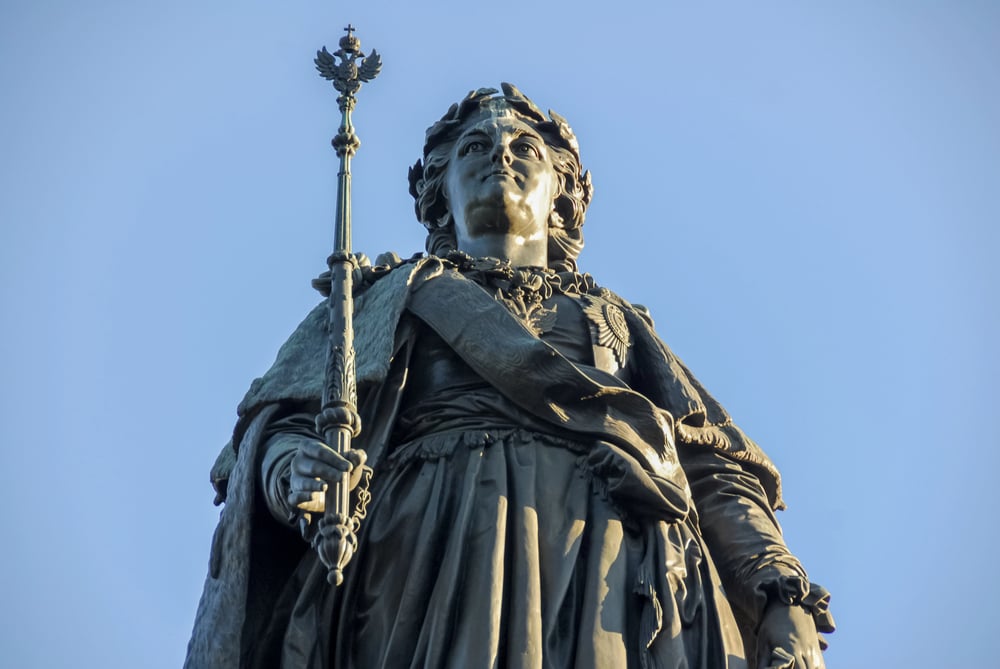
Catherine II of Russia embraced French culinary influence. Her court featured elaborate sauces, pastries, and refined table settings modeled on European trends.
Importing chefs and ingredients from abroad demonstrated cultural alignment with Western Europe. The menu became a statement of political and intellectual ambition.
Ethiopian Imperial Feasts
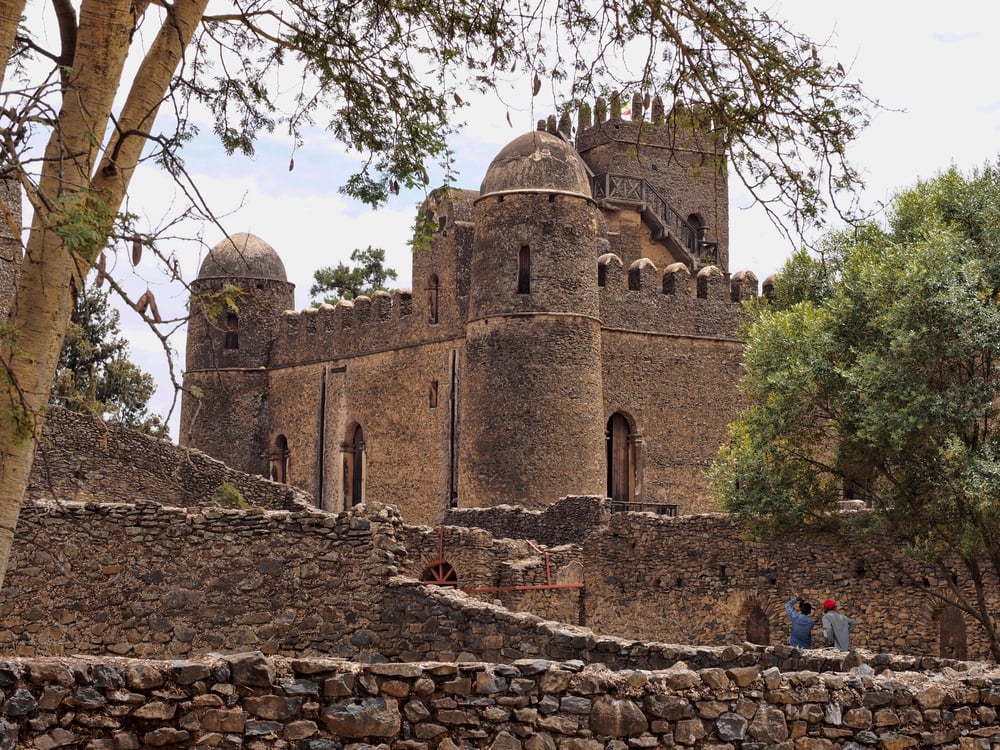
Ethiopian emperors hosted banquets where communal platters of richly spiced stews were served atop injera bread. The shared dining style reflected tradition while emphasizing abundance.
Royal occasions elevated these meals with rare meats and ceremonial presentation. Food strengthened bonds between rulers and guests.
Japanese Imperial Court Cuisine
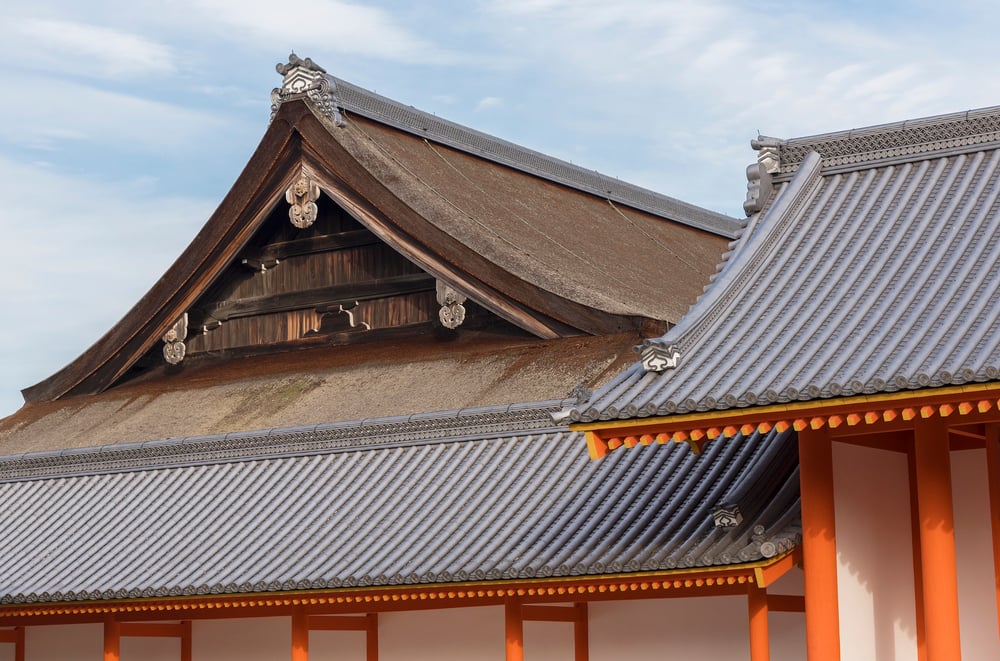
Traditional Japanese imperial banquets featured kaiseki-style meals emphasizing seasonal ingredients and aesthetic precision. Each dish was arranged with deliberate care.
The focus on harmony and presentation conveyed refinement rather than excess. Even restraint became a form of royal statement.
The Banquets of Charlemagne
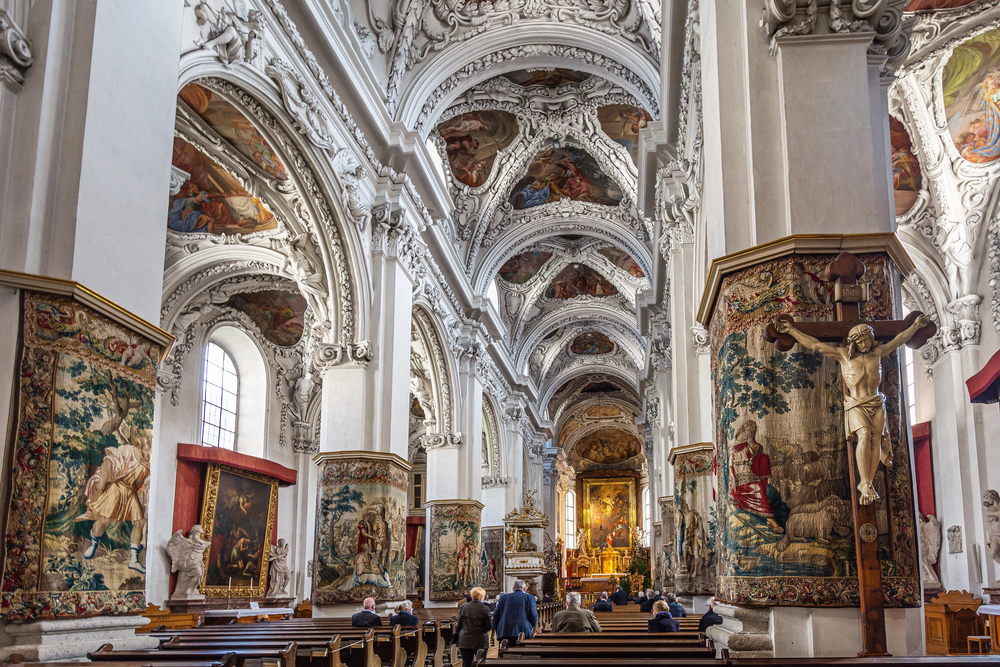
Charlemagne’s court in the early medieval period combined Frankish traditions with influences from across Europe. Roasted meats, bread, and imported spices formed part of ceremonial meals.
While less ornate than later courts, these feasts symbolized unity across newly consolidated territories. Food anchored authority during a formative period of European history.
Power Served on a Platter

Banquets fit for royalty hardly ever felt relaxed. Power moved behind every gesture, every plate placed just so.
Peacocks baked into pies sat beside castles made of sugar – each bite meant something bigger than taste. Far beyond their borders, leaders served meals that whispered power across time.
Though grown distant, each item arrived by effort spanning deserts, seas, or frozen trails. Through such feasts, control revealed itself – quiet, deliberate, wide-reaching.
Those feasts might seem far away now, still their core idea sticks around. Even now, showing off plenty of points to control, just in different shapes.
Outlandish spreads on golden plates whisper what meals always have – taste speaks louder than words when it comes to rule.
More from Go2Tutors!

- The Romanov Crown Jewels and Their Tragic Fate
- 13 Historical Mysteries That Science Still Can’t Solve
- Famous Hoaxes That Fooled the World for Years
- 15 Child Stars with Tragic Adult Lives
- 16 Famous Jewelry Pieces in History
Like Go2Tutors’s content? Follow us on MSN.