15 Photos Of The Highest Bungee Jumping Spots On The Entire Planet
There’s something magnetic about standing at the edge of impossible heights, looking down at a world that suddenly seems very far away. The heart pounds, the mind races through every rational objection, and yet thousands of people each year choose to leap from platforms, bridges, and cliffs with nothing but an elastic cord between them and gravity.
These aren’t just any jumping spots — these are the highest, most breathtaking locations where thrill-seekers push the boundaries of what feels survivable.
Royal Gorge Bridge, Colorado
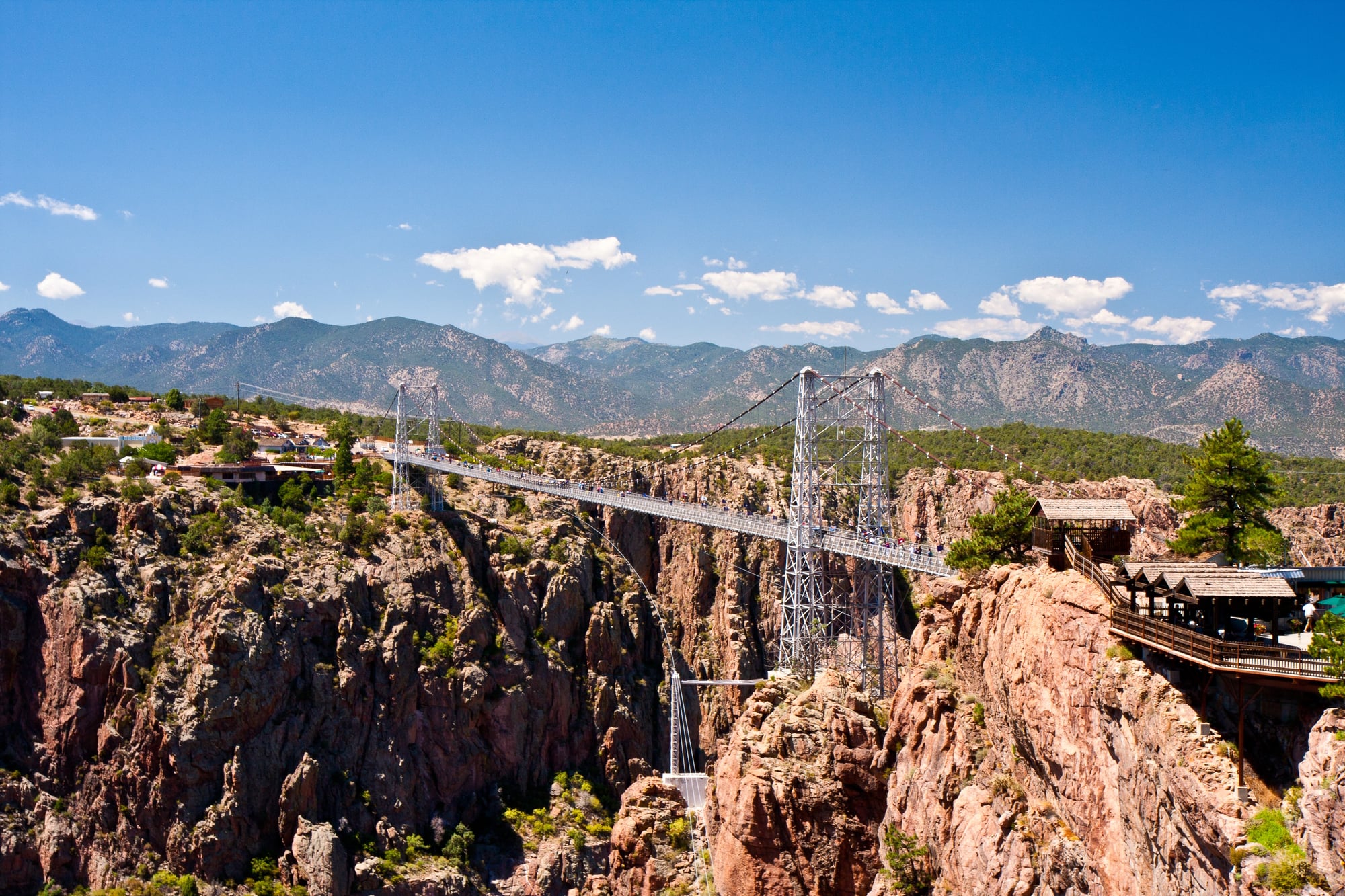
The platform sits 956 feet above the Arkansas River. That’s it.
Most people spend the entire drive there convincing themselves they won’t actually do it. The bridge stretches across one of Colorado’s most dramatic canyons, and when you finally step to the edge, the river below looks like a thin ribbon threading through stone.
Verzasca Dam, Switzerland
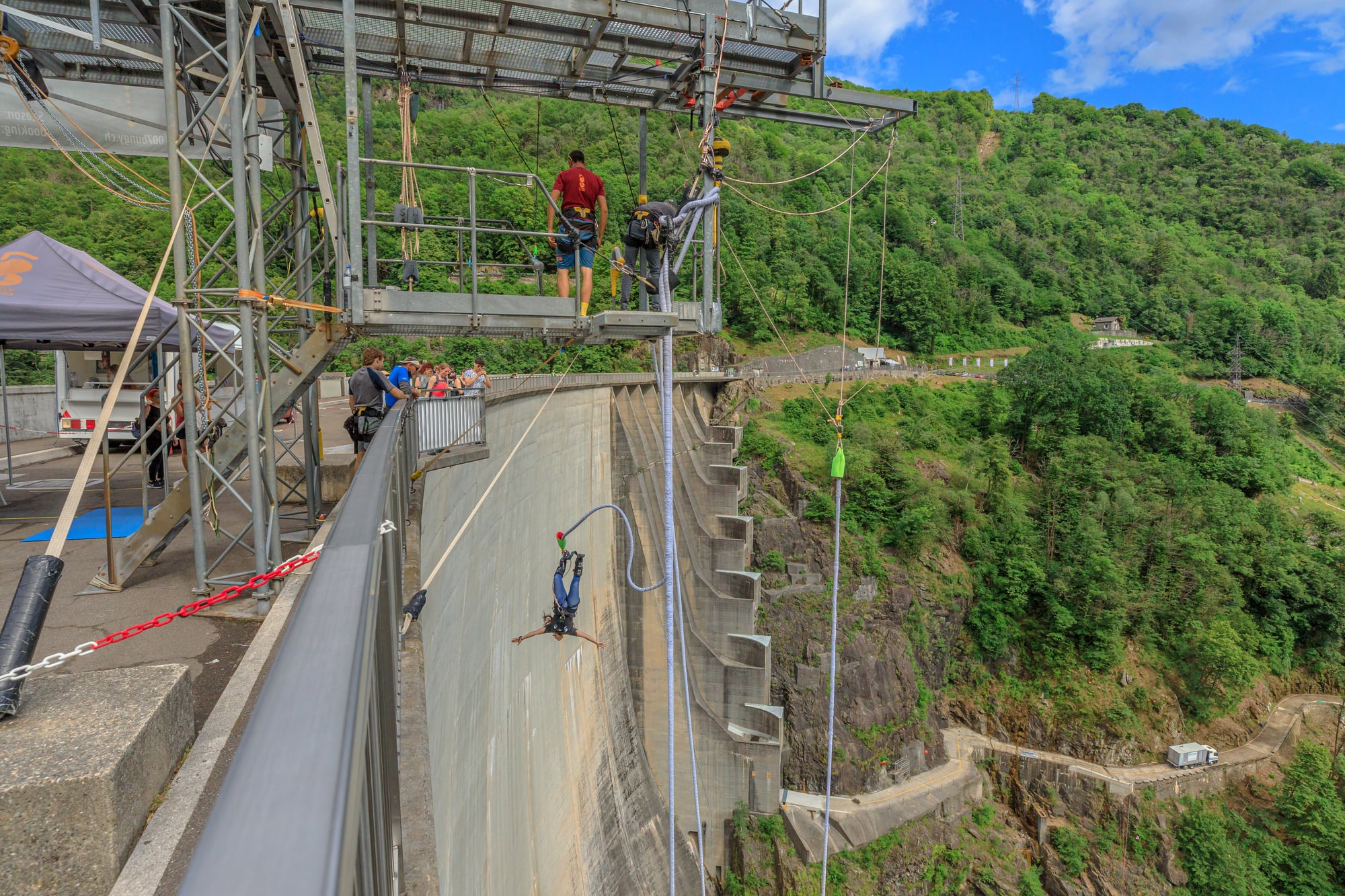
The numbers tell the story here: 720 feet of free fall before the cord kicks in, which means roughly seven seconds of pure descent (and if anyone’s wondering, yes, this is the dam from the opening scene of GoldenEye, though that particular stunt involved significantly more explosives and significantly less safety equipment than the commercial operation provides today). The concrete wall drops straight down into the emerald waters of the Verzasca River, and what makes this jump particularly unnerving isn’t just the height — it’s how the dam’s surface gives you nothing but smooth concrete to look at as you fall.
So here’s the thing about dam jumps that nobody mentions in the promotional videos: the acoustics are strange.
But the sound bounces off all that concrete in ways that make everything feel both muffled and amplified at once. And the approach to the platform — a narrow walkway along the dam’s edge — gives you plenty of time to reconsider your choices.
Macau Tower, China
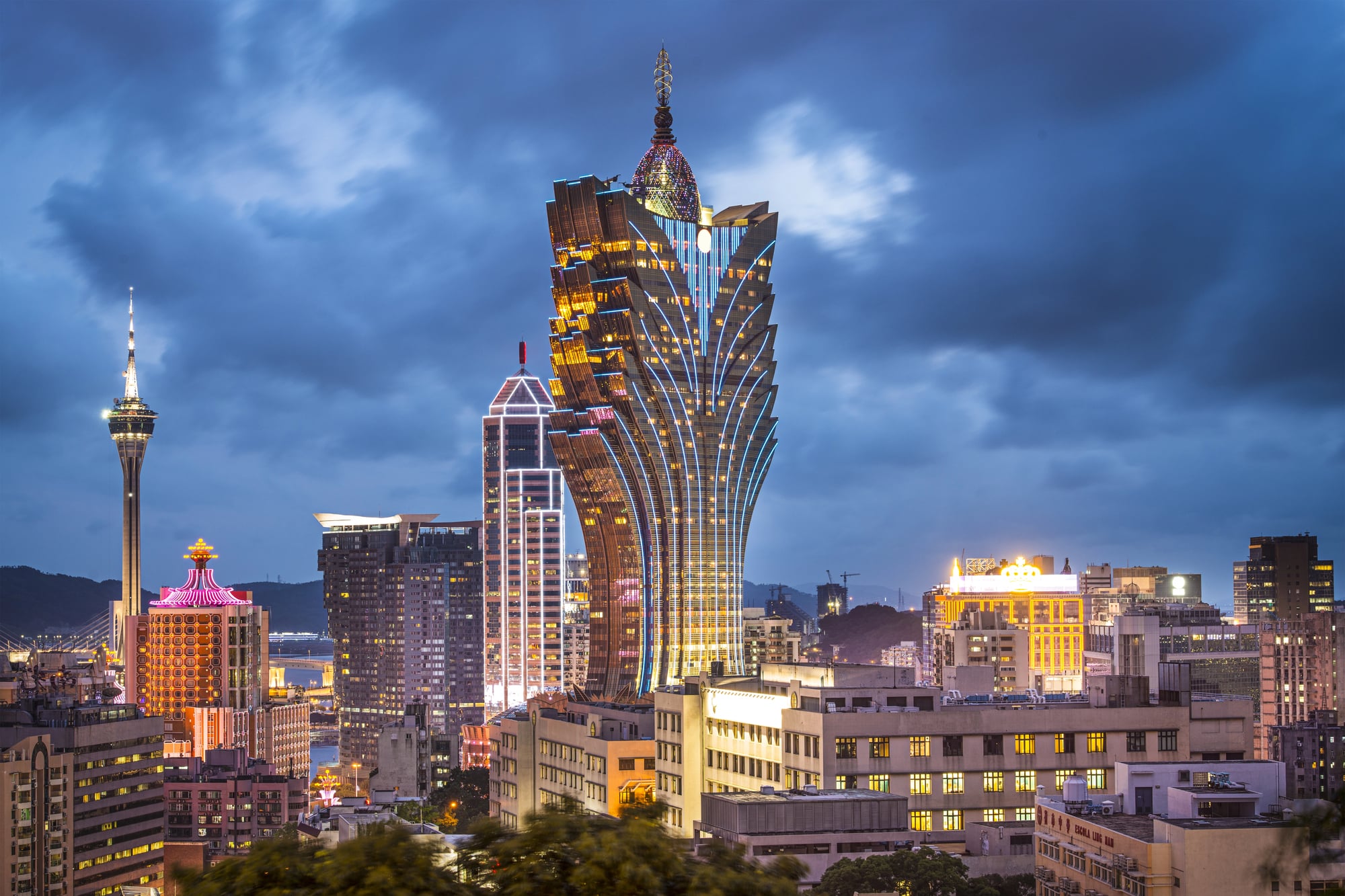
Here’s where the mathematics of terror get interesting. At 764 feet, this isn’t just bungee jumping — it’s controlled falling with a brief, violent interruption at the end.
What sets Macau Tower apart from other extreme jumps is the urban setting. Instead of plummeting toward rivers or canyons, jumpers fall toward the busy streets of one of Asia’s most densely packed cities.
The perspective shift is disorienting: one moment you’re looking across a cityscape, the next you’re falling directly into it.
The tower offers other ways to terrify yourself — a skywalk around the outside edge, for instance — but the bungee jump remains the main attraction. Fair enough.
When you’ve built a platform specifically designed to launch people into the void above a major city, subtlety becomes irrelevant.
Nevis Swing, New Zealand
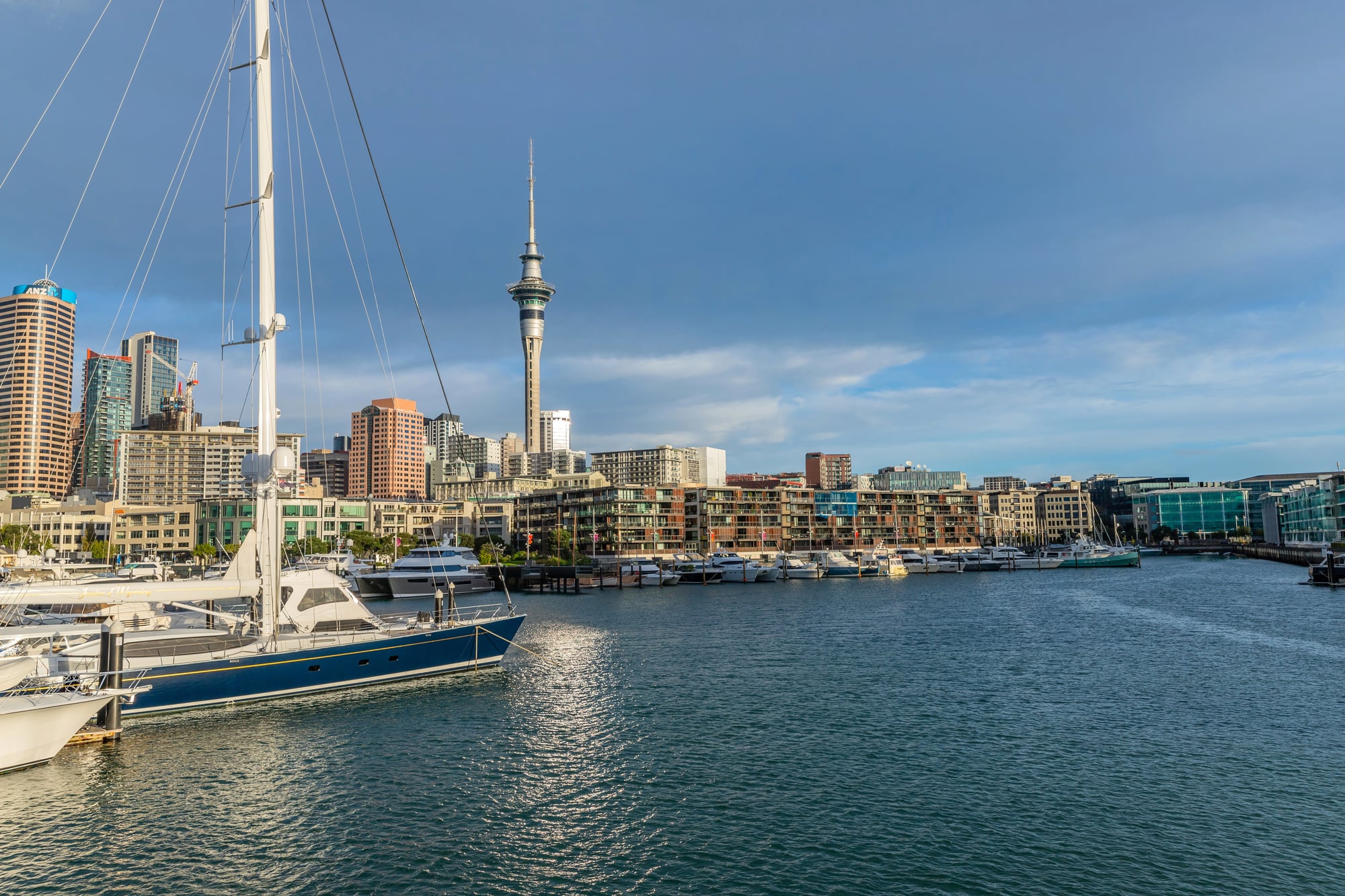
Picture this: a cable car that exists for the sole purpose of delivering you to a place no reasonable person would want to be. The Nevis Swing sits 440 feet above a river valley in Queenstown, but calling it a bungee jump misses the point entirely — this contraption sends you arcing across the canyon in a 300-meter pendulum swing that reaches speeds of 75 miles per hour.
The ride out to the platform tells you everything about what’s coming. The cable car creaks and sways as it carries you across the valley, and through the windows, you watch the launch platform grow larger and more impossible-looking.
It’s a tiny pod suspended by cables, surrounded by nothing but air and the kind of mountain scenery that looks beautiful right up until you realize you’re about to be flung through it.
There’s something almost absurd about the whole setup — the clinical precision of the safety checks conducted in a place that feels fundamentally unsafe. The harnesses, the weight calculations, the careful inspection of equipment, all performed on a platform that sways gently in the mountain wind.
Kawarau Gorge Bridge, New Zealand
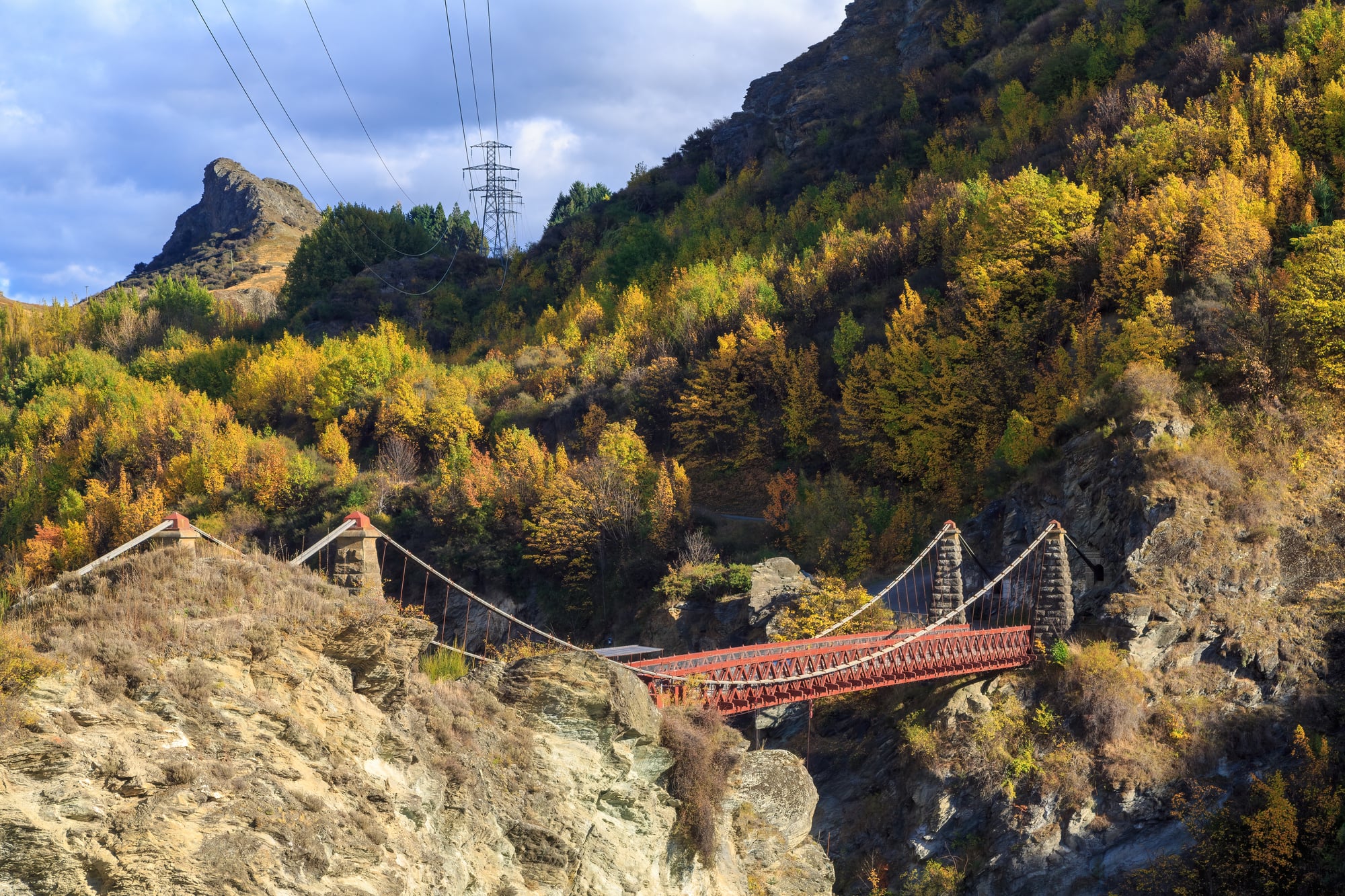
This bridge holds the distinction of being the birthplace of commercial bungee jumping. 141 feet above the Kawarau River.
The height isn’t what makes this spot legendary — plenty of other locations dwarf its relatively modest drop.
What matters is the precedent it set. Every safety protocol, every piece of equipment, every careful calculation that makes modern bungee jumping survivable traces back to the techniques developed here in the 1980s.
The jump itself feels almost quaint compared to some of the more extreme locations that followed, but there’s something to be said for jumping from the place where it all started.
Bloukrans Bridge, South Africa
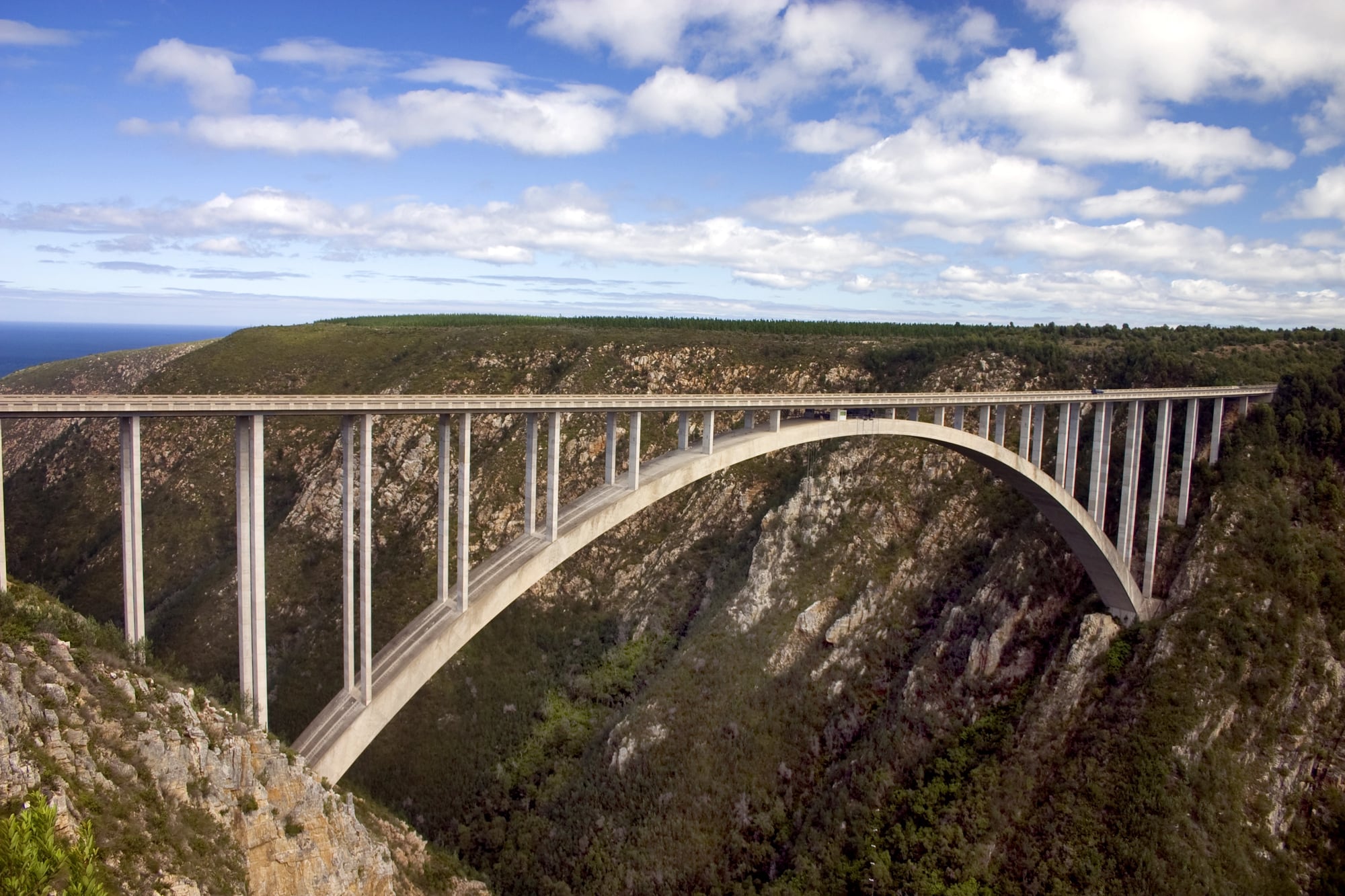
At 708 feet, Bloukrans Bridge holds the record for the highest commercial bungee bridge jump in the world, which is the kind of distinction that sounds impressive right up until you’re actually standing on the platform, at which point it becomes the kind of information you wish you hadn’t looked up.
The bridge spans the Bloukrans River between the Western and Eastern Cape provinces, and the approach to the jump site involves walking across the bridge’s narrow walkway while traffic passes just feet away.
It’s a peculiar juxtaposition — cars and trucks rumbling past while people prepare to voluntarily throw themselves over the side.
The jump platform extends out from the bridge’s arch, creating a launching point that puts nothing between jumper and river except 200 meters of empty air. The surrounding landscape rolls away in all directions, a patchwork of forests and valleys that looks deceptively peaceful from above.
The river below appears as a thin line winding through the canyon, and during the fall, the scale of the landscape becomes clear in ways that no amount of looking can prepare you for.
Europabrücke, Austria
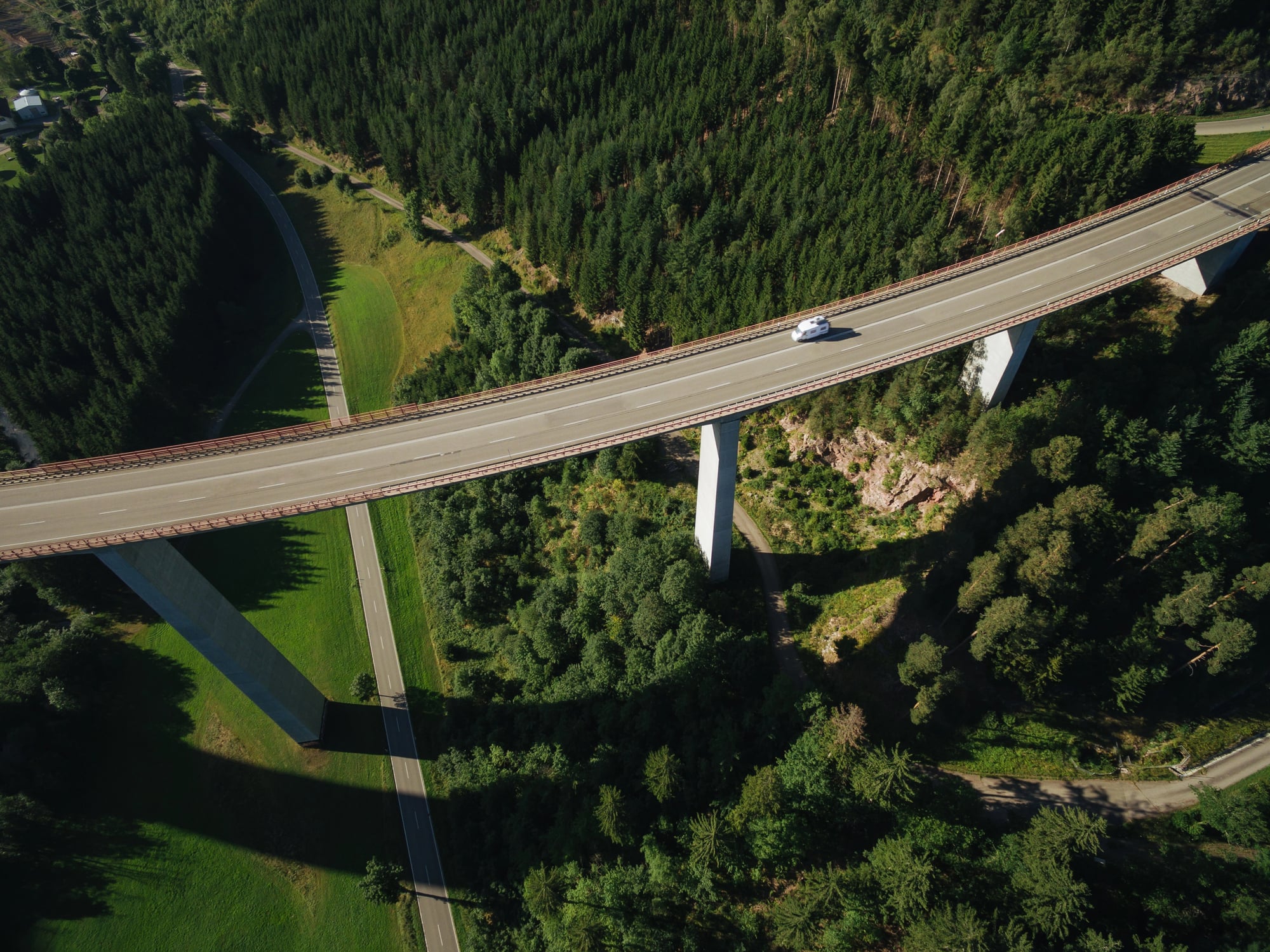
The bridge rises 630 feet above the Sill River valley, and what makes this location particularly memorable isn’t just the height — it’s the alpine setting that surrounds the jump. Mountains rise on all sides, creating a natural amphitheater that makes the fall feel both more dramatic and more isolated.
Unlike some bungee locations that feel purpose-built for thrill-seekers, Europabrücke is primarily a working bridge that happens to accommodate jumping.
The platform is a relatively recent addition to a structure that was designed to carry traffic across the valley, and there’s something almost matter-of-fact about the way the bungee operation integrates with the bridge’s primary function.
Niouc Bridge, Switzerland
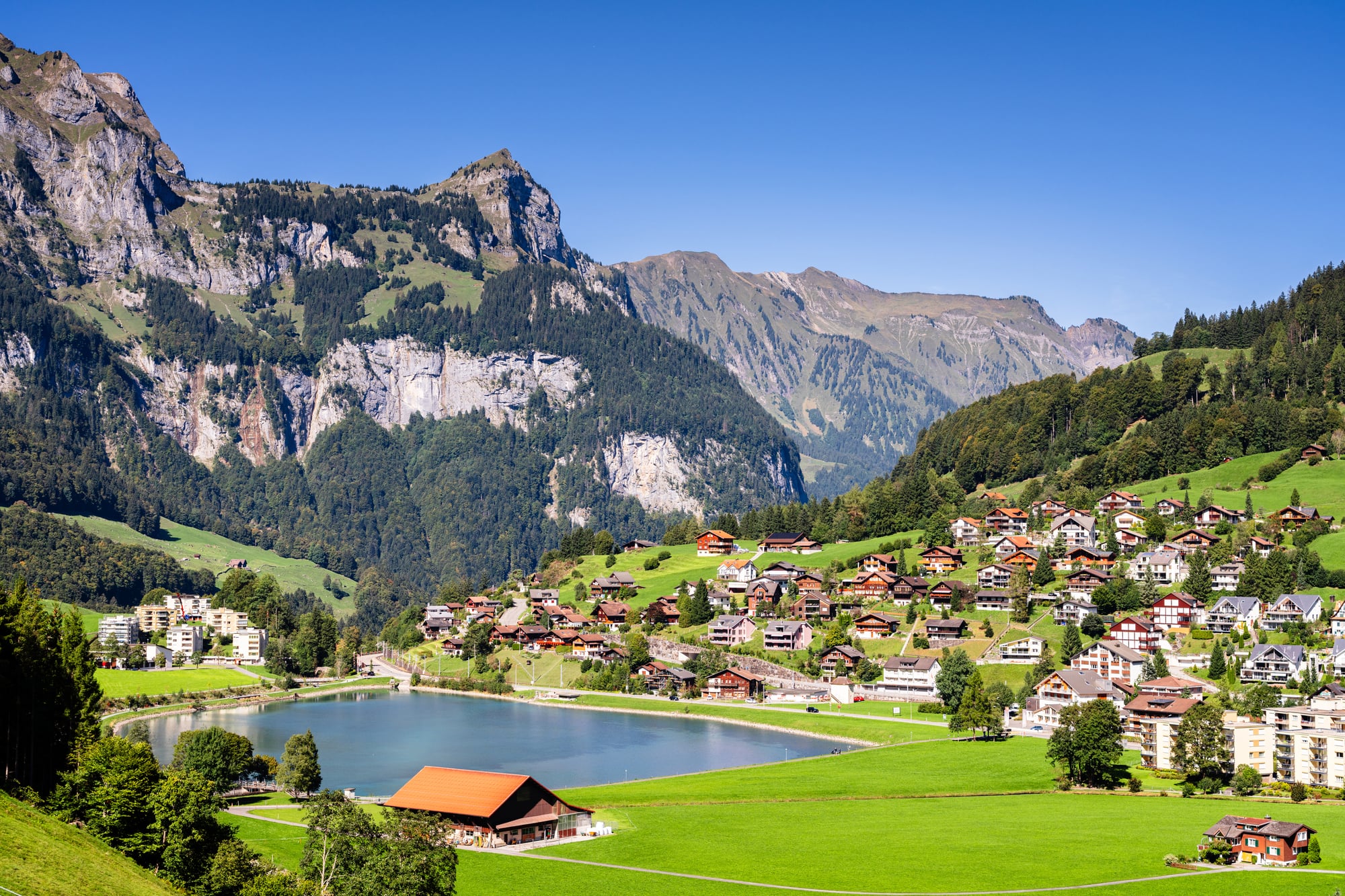
462 feet above the Navizence River in the Swiss Alps. The numbers alone don’t capture what makes this jump distinctive.
The bridge sits in a narrow valley surrounded by peaks that rise thousands of feet on either side.
During the fall, those walls of stone and snow rush past at increasing speed, creating a sense of being pulled down into the earth itself rather than simply dropping through open air.
The seasonal variations add another layer to the experience — spring jumps offer views of snow-capped peaks and rushing meltwater, while autumn brings the stark beauty of alpine landscapes preparing for winter.
Altopiano Di Asiago, Italy
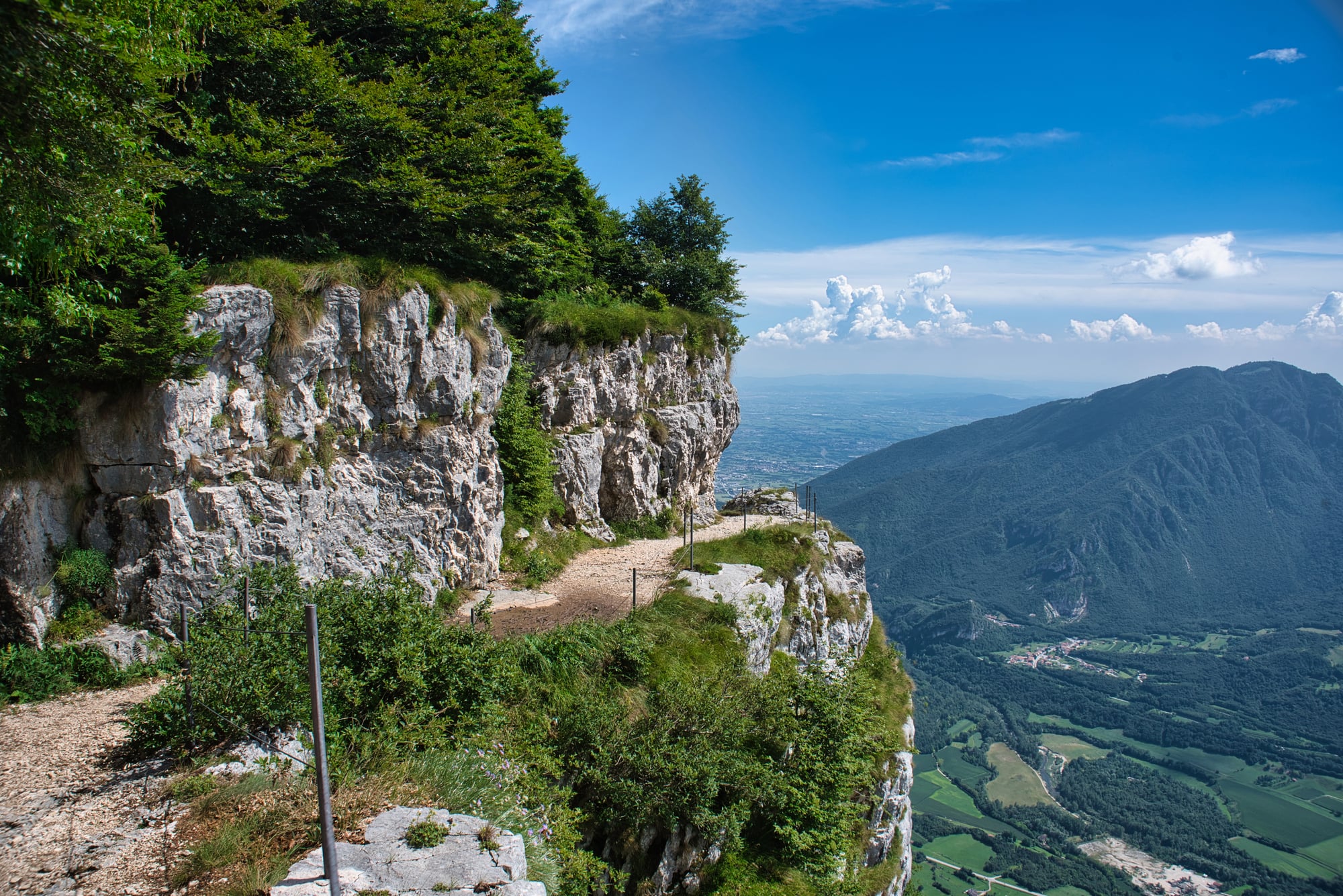
This jumping spot takes a different approach to extreme heights. Rather than leaping from a bridge or building, jumpers here launch from a hot air balloon floating 650 feet above the Italian countryside.
The setup feels surreal from start to finish: climbing into a wicker basket, rising slowly above rolling hills and vineyard-covered slopes, then stepping to the edge of that same basket and jumping out.
The balloon continues its leisurely drift while you plummet toward the earth below, creating a contrast between the peaceful float and violent fall that’s unique among bungee experiences.
What makes balloon jumping particularly disorienting is the lack of reference points during the fall. No bridge structure rushing past, no dam wall to mark your progress — just open sky giving way to approaching ground, with nothing to indicate how fast or far you’re falling except the growing clarity of details below.
Verzasca Dam Night Jump, Switzerland
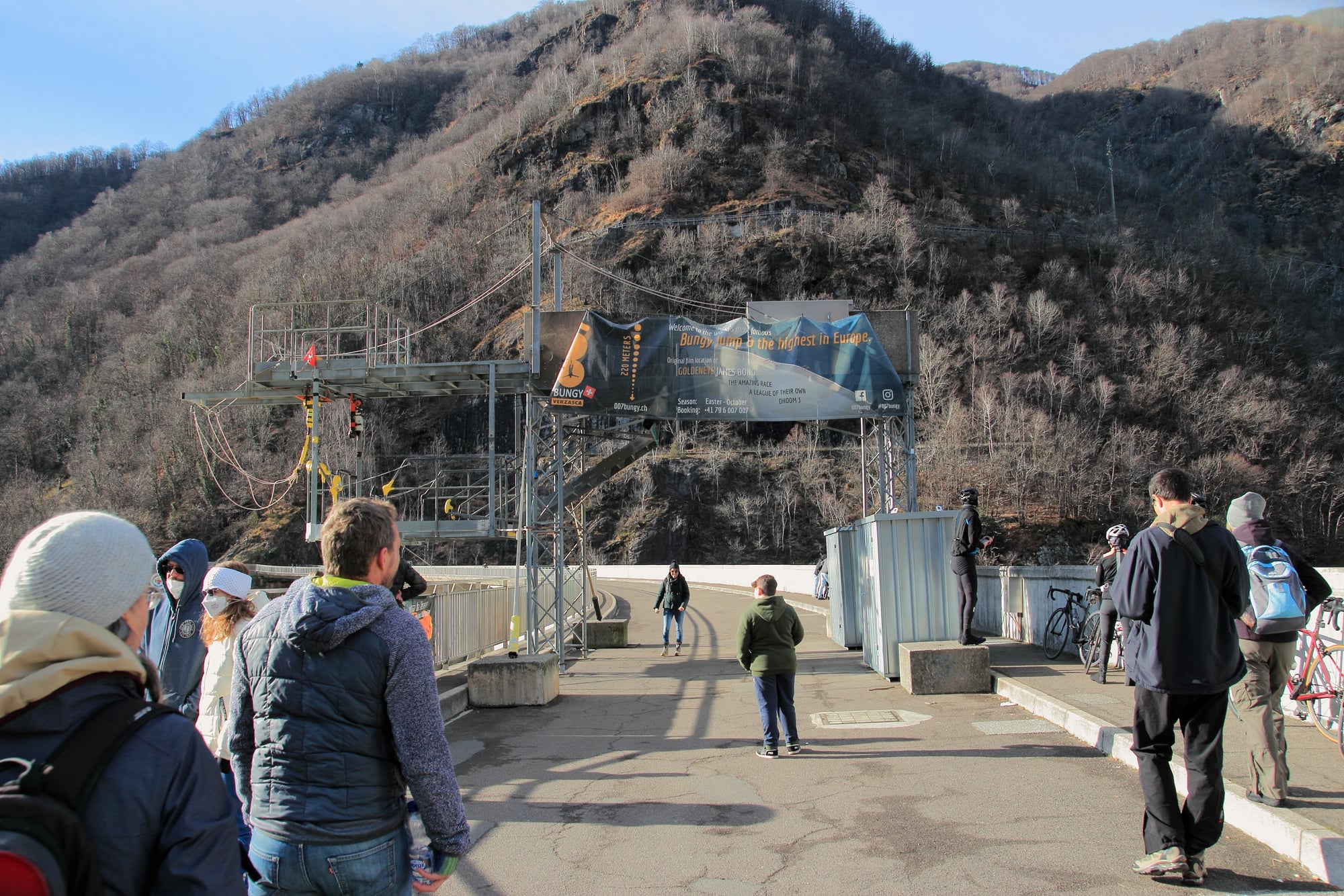
Jumping from the same 720-foot dam in daylight is one experience. Doing it at night transforms it entirely.
The floodlights create pools of harsh illumination against absolute darkness, turning the concrete wall into something that looks more like a movie set than a real place.
The river below disappears completely — during the fall, you drop from light into darkness, with no way to judge distance or speed except the growing sound of water echoing off stone.
Night jumps require different safety protocols and specialized equipment, but the real challenge is psychological. Daylight provides visual cues that help the brain process what’s happening during the fall. Darkness removes those cues, leaving nothing but the physical sensations of acceleration and the knowledge that somewhere below, a river is rushing toward you at increasing speed.
Navajo Bridge, Arizona
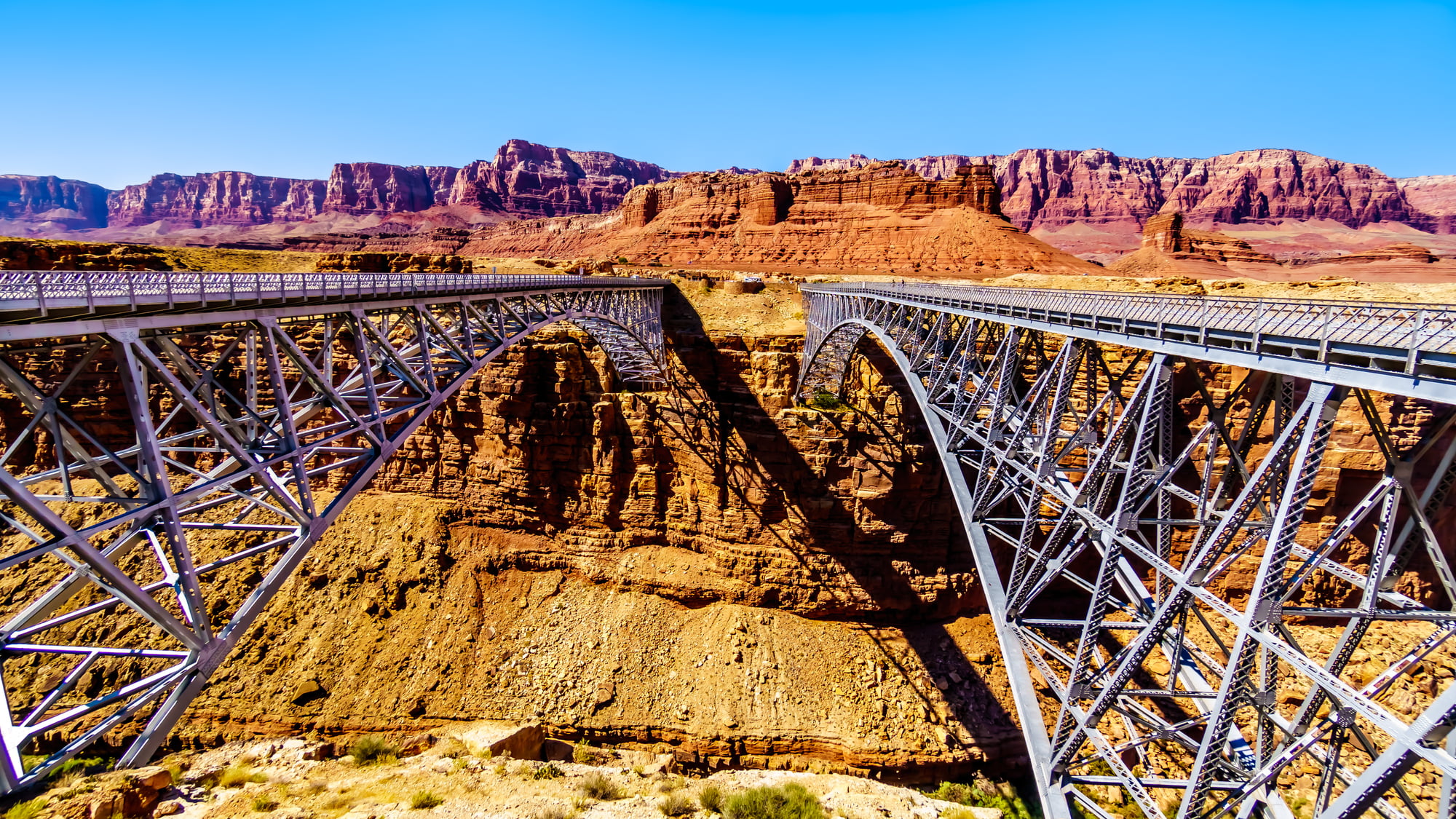
470 feet above the Colorado River, spanning one of the most dramatic sections of the Grand Canyon system. The red rock walls rise on both sides, creating a corridor that channels wind in unpredictable ways.
What sets this location apart is the geological context — you’re not just falling through air, but through layers of earth history visible in the canyon walls.
The rock formations tell the story of millions of years, and during the brief fall, that vast timescale becomes suddenly, viscerally apparent.
The Colorado River below has carved this canyon over geological time, and there’s something humbling about voluntarily dropping into a landscape shaped by forces operating on scales that make human timescales irrelevant.
Soča River, Slovenia
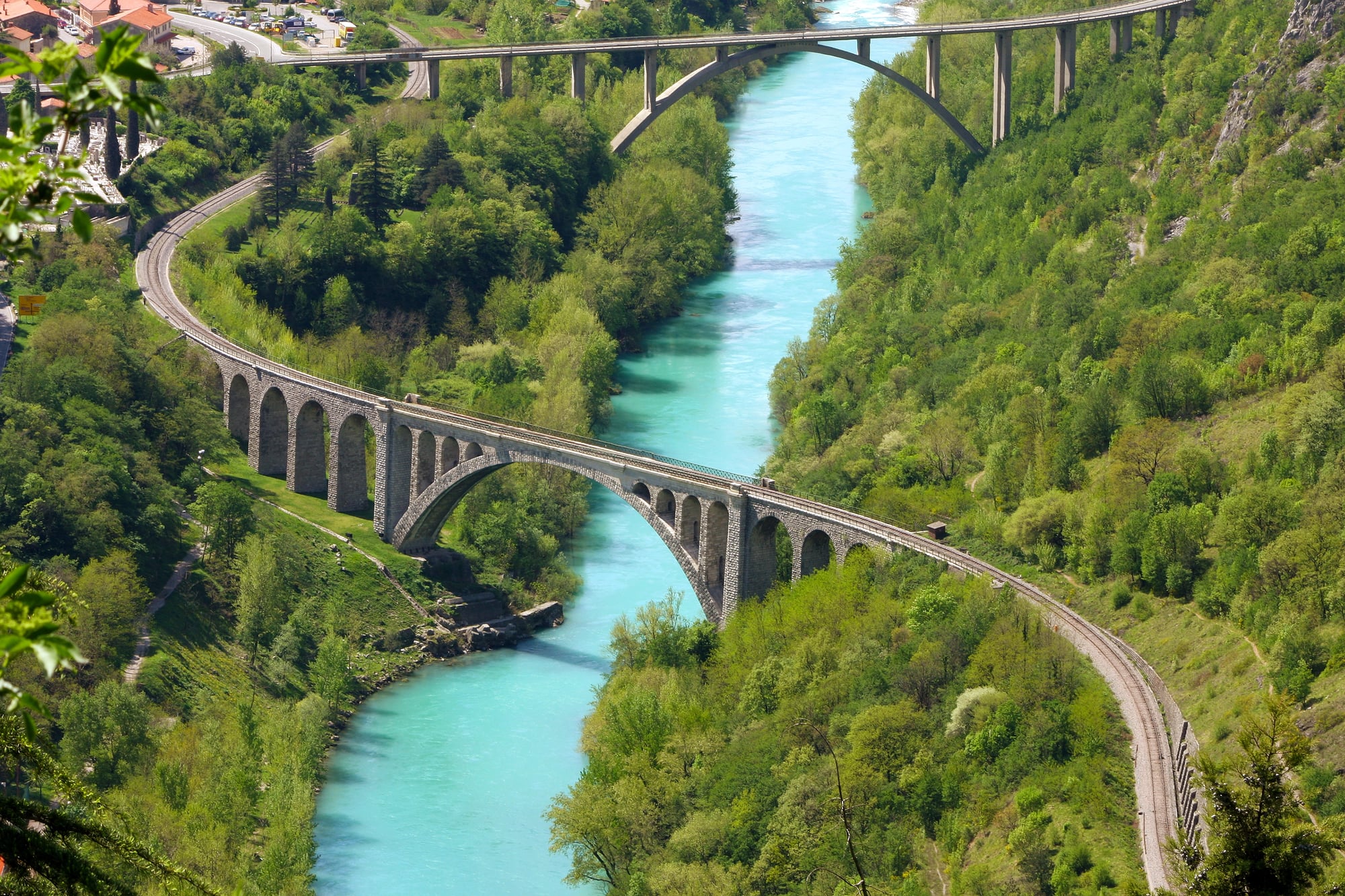
395 feet above one of Europe’s most pristine alpine rivers. The water below runs an almost supernatural shade of turquoise, fed by glacial melt and underground springs.
The jump platform sits in the heart of Triglav National Park, surrounded by peaks that rise directly from the valley floor.
Unlike some bungee locations that feel isolated from their surroundings, this spot integrates completely with the landscape — the platform appears to grow from the rock itself.
During the fall, the river rushes up to meet you, its color intensifying as you approach. The surrounding mountains create acoustic effects that amplify every sound — the whistle of wind, the creak of equipment, the rush of water over stone.
Victoria Falls Bridge, Zambia/Zimbabwe
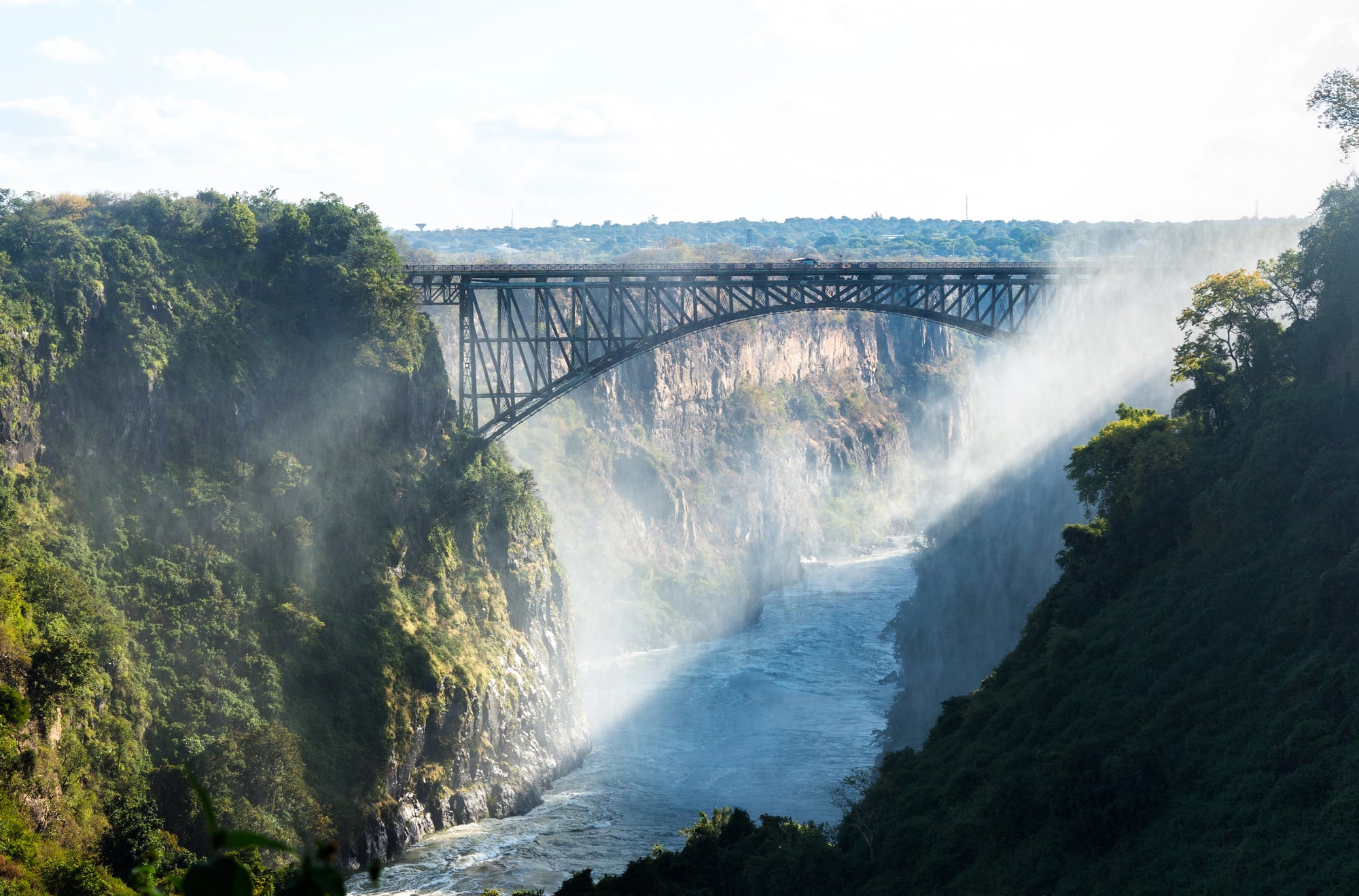
364 feet above the Zambezi River, positioned directly between two countries and within sight of one of the world’s largest waterfalls. The mist from Victoria Falls creates a constant spray that drifts across the bridge, and on sunny days, that mist generates rainbows that arc across the gorge.
Jumping here means plummeting toward the same river that created the falls, in a landscape that feels both ancient and immediate.
The sound of falling water provides a constant backdrop, and during the jump, that sound grows from a distant rumble to a roar that fills the entire canyon.
The bridge itself is a piece of colonial engineering, built in 1905 to Cecil Rhodes’ specifications. There’s historical weight to the location that adds gravity to an already intense experience — you’re jumping from a structure that represents a particular moment in African history, above a river that has shaped the landscape for millennia.
The Last Frontier, Alaska
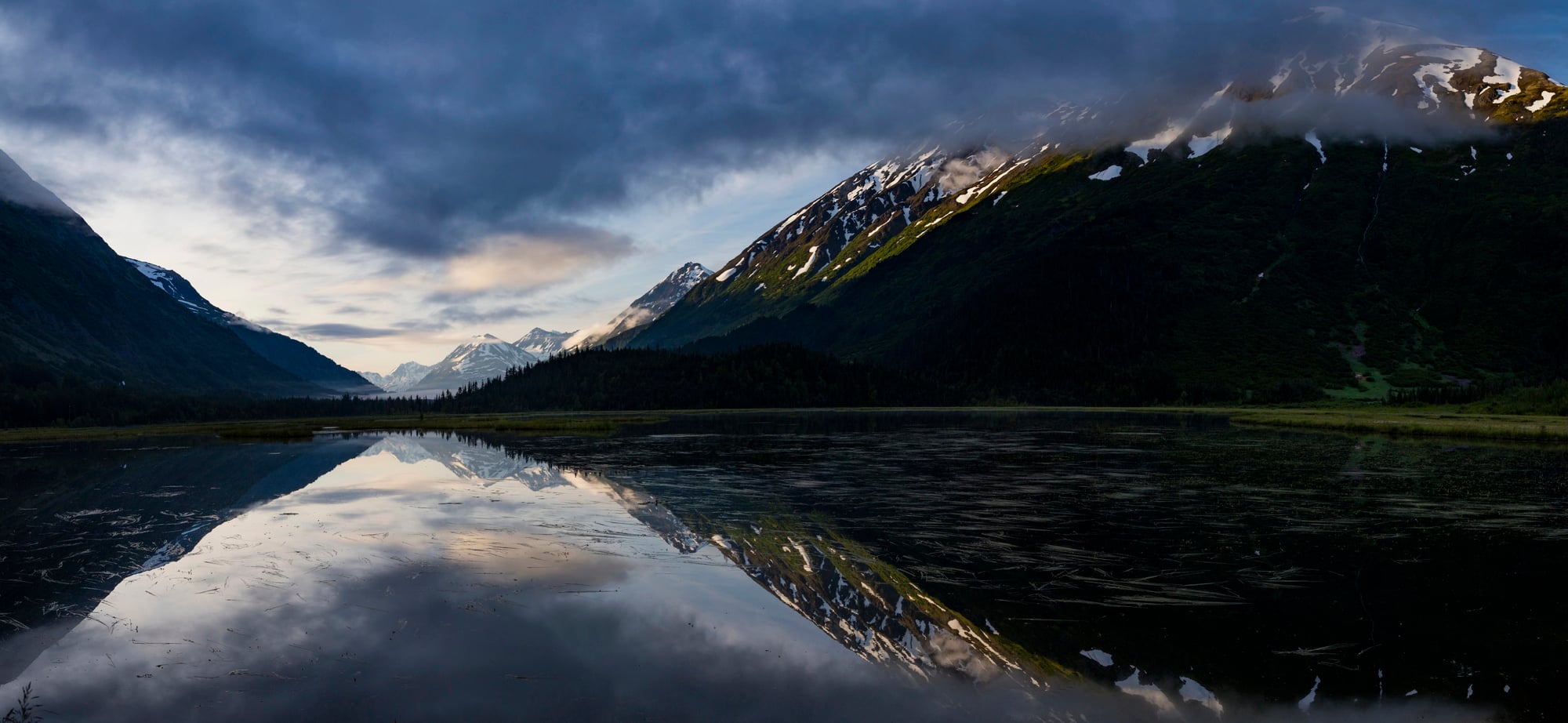
This isn’t a specific location but rather a category — helicopter-assisted bungee jumping from heights that vary depending on weather, terrain, and the particular brand of madness being pursued on any given day.
Alaska’s bungee operations take place from helicopters hovering above glacial valleys, providing jumps that can range from 500 to over 1,000 feet depending on conditions.
The landscape below includes glaciers, mountain peaks, and wilderness areas that see more bears than humans in any given year.
What makes these jumps unique is their complete isolation from civilization. No bridge, no platform, no safety net of nearby infrastructure — just a helicopter, a crew, and landscapes that stretch to the horizon without a single sign of human presence.
Kusma Bungee, Nepal
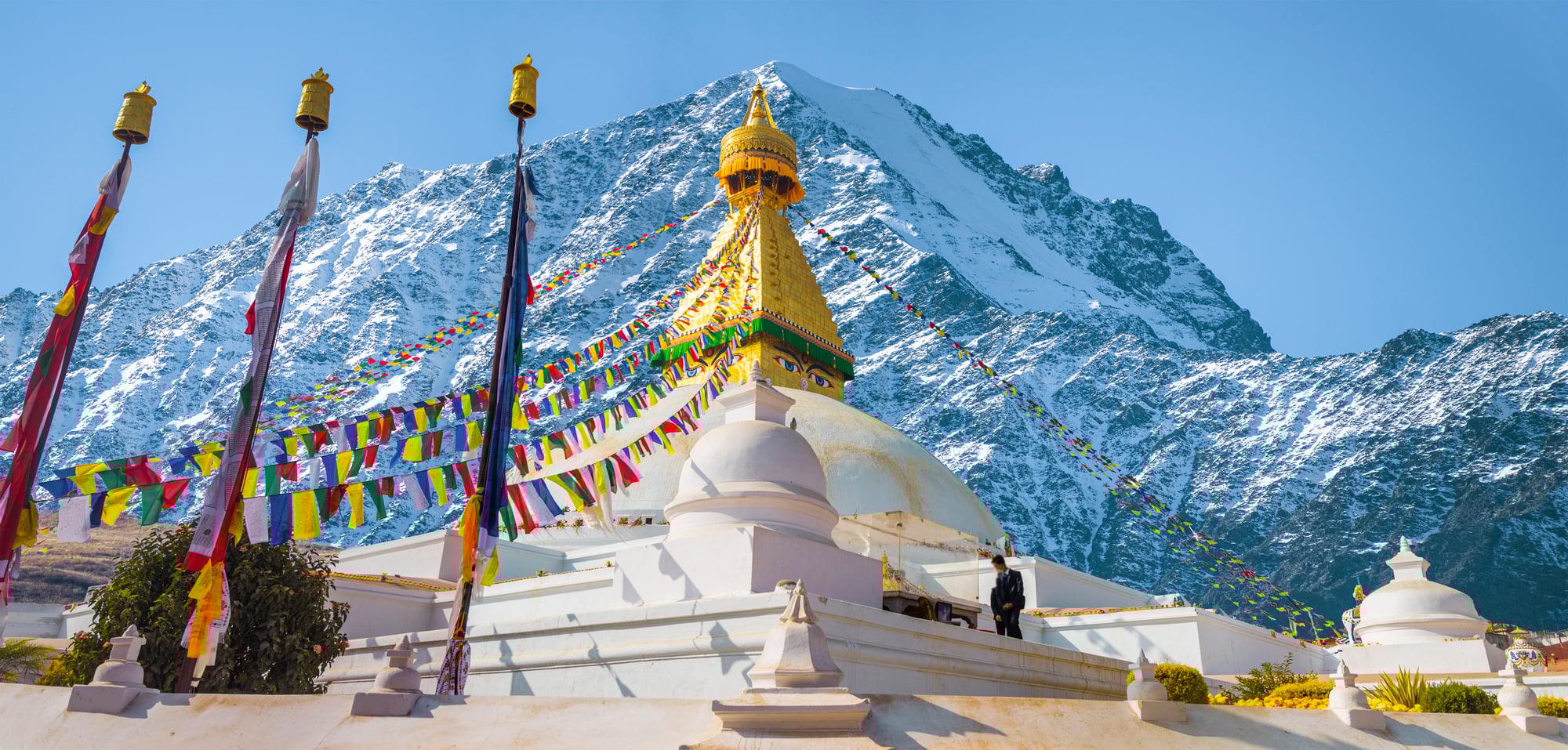
700 feet above the Modi River, suspended from a bridge that spans one of Nepal’s most dramatic river gorges. The Himalayas rise in the distance, creating a backdrop that makes even extreme heights feel small by comparison.
This location holds the distinction of being one of the world’s highest suspension bridge bungee jumps, but the elevation — both of the bridge and the surrounding landscape — creates conditions that affect everything from air density to weather patterns.
The thin air at altitude changes the physics of the fall in subtle ways, and the rapid weather changes common in mountain environments can transform conditions from clear to stormy within minutes.
The cultural context adds another dimension to the experience. Nepal’s relationship with extreme mountain sports runs deep, shaped by generations of climbers and guides who’ve made careers from helping people push physical and psychological limits in some of the world’s most challenging terrain.
Beyond The Numbers
The height matters, but only up to a point. After a certain distance, the difference between 400 feet and 700 feet becomes academic — both will provide more free fall time than any rational person requires, and both will generate the kind of memories that resurface unexpectedly for years afterward.
What distinguishes these locations isn’t just their position in the record books, but the way they transform a simple concept — falling, with style — into something that feels both terrifying and somehow necessary. Each spot offers its own particular flavor of controlled catastrophe, its own way of making the impossible feel, for just a moment, like the only reasonable choice available.
More from Go2Tutors!

- The Romanov Crown Jewels and Their Tragic Fate
- 13 Historical Mysteries That Science Still Can’t Solve
- Famous Hoaxes That Fooled the World for Years
- 15 Child Stars with Tragic Adult Lives
- 16 Famous Jewelry Pieces in History
Like Go2Tutors’s content? Follow us on MSN.