15 Word Pairs People Think Are Opposites but Aren’t
Odd, isn’t it, how English craves clear divisions – good on one side, bad on the other, success parked sharply against failure. The brain finds peace in slicing messiness into pieces.
Yet language rarely follows these crisp borders. Many word pairs acting like reflections actually stand nowhere near opposite ends.
Floating along separate paths, some never cross. Others rest stacked like shelves, not face-to-face.
One or two unfold their roles inside the same moment, quiet threads in a single frame. Slips happen fast, one wrong step twisting the message before you know.
Off by a beat, meaning drifts into silence. What’s missed piles up, unseen, until space fills between listeners.
Looking again, certain terms seem to bump into each other at first glance. Still, a closer peek usually reveals hidden depths beneath.
Jealous and Envious
What one feels when wishing for another’s success isn’t the same as fearing loss. Possessions, status, or skills sparking longing point to envy.
Fear creeps in when closeness seems threatened, that’s jealousy at work. A sense of lacking drives one emotion, while worry over slipping away fuels the other.
Outward gaze marks one feeling. While the other turns inward, gripped by unease.
Longing colors how someone sees another’s success. Protection often shapes how people guard what they believe is theirs.
When a coworker rises, desire might stir. In relationships, fear sometimes flares at imagined rivals.
One feeling might mix with the other, yet neither cancels out its counterpart. These reactions stem from how we measure ourselves against others.
Introvert and Shy

Introversion describes how a person restores energy. Introverts typically recharge through solitude or quieter environments.
Shyness, however, refers to discomfort, nervousness, or social anxiety in certain situations. An introvert may confidently deliver a presentation and then crave quiet afterward.
A shy person might deeply want social interaction but feel hesitant initiating it. One trait relates to energy flow, the other to emotional tension.
Because both can appear socially reserved, they are often mistaken as opposites of outgoing behavior. In reality, they measure entirely different things.
Famous and Infamous

Famous means widely known. Infamous means widely known for negative reasons.
Both words describe recognition, not opposition. The actual opposite of famous would be obscure or unknown.
Infamy is simply notoriety with a negative tone. A historical figure can be famous for achievement or infamous for wrongdoing, but both occupy the same realm of visibility.
Reputation changes; public awareness remains constant.
Historic and Historical

Historic implies importance or lasting impact. Historical simply means related to the past.
The difference rests on significance. A historic agreement reshapes a nation’s future.
A historical archive may contain routine records. Both belong to history, yet only one carries the weight of consequence.
They operate on scale, not opposition. One signals importance; the other signals context.
Theory and Hypothesis
In scientific terminology, a hypothesis is a testable proposition. A theory is a comprehensive explanation supported by extensive evidence and repeated validation.
Outside scientific contexts, the word theory is often misused to mean speculation. That casual usage creates confusion.
In science, theory represents strength, not uncertainty. Gravity remains a theory not because it is doubtful, but because it is supported by overwhelming evidence.
Hypothesis and theory mark stages in understanding, not opposing ideas.
Sympathy and Empathy
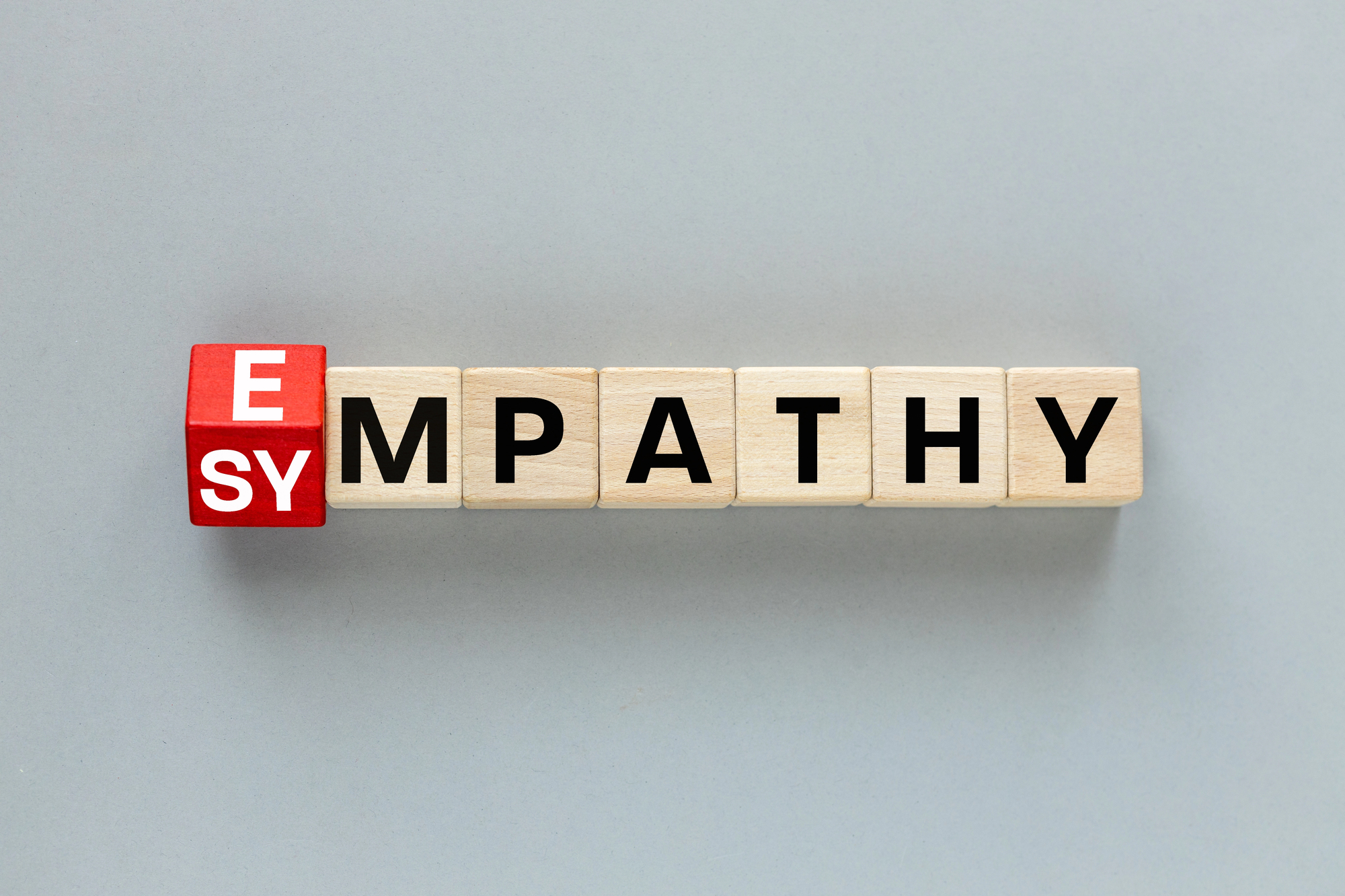
Sympathy acknowledges another person’s hardship and expresses concern. Empathy attempts to understand or share their emotional perspective.
The distinction lies in depth. Sympathy offers support from outside the experience.
Empathy attempts to enter the experience, at least emotionally. Both foster connection in different ways.
Treating them as opposites oversimplifies the spectrum of human compassion.
Confidence and Arrogance

Confidence reflects belief in one’s abilities grounded in reality. Arrogance exaggerates those abilities and often dismisses others.
They may appear similar because both involve self-assurance. The difference emerges in attitude.
Confidence allows room for collaboration and growth. Arrogance centers solely on superiority.
They are not opposites; rather, they diverge based on balance and respect.
Literal and Figurative
Literal language means exactly what is stated. Figurative language relies on imagery, metaphor, or symbolism to convey meaning beyond the surface.
They represent tools, not adversaries. Literal language clarifies facts.
Figurative language enriches expression. A sentence can contain both elements.
Treating them as opposites ignores how frequently they work together in effective communication.
Immigrant and Emigrant

Immigrant and emigrant describe the same individual viewed from different directions. An emigrant leaves a country.
An immigrant arrives in another. The distinction depends entirely on perspective.
One word emphasizes departure; the other emphasizes arrival. Neither cancels the other.
They exist simultaneously depending on the observer’s viewpoint.
Disinterested and Uninterested
Disinterested traditionally means impartial or unbiased. Uninterested means lacking curiosity or concern.
A disinterested judge remains neutral. An uninterested audience may disengage entirely.
The similarity in sound fuels confusion, yet the meanings occupy separate territories. One describes fairness; the other describes indifference.
Apology and Excuse
Wrongdoing gets recognized when someone says sorry. Regret shows up in their words.
Behavior gets a reason instead of remorse if it’s just an excuse. Responsibility tends to shrink when that happens.
Explaining shows up in both, though what drives them isn’t the same. Reconciliation pulls an apology forward.
Justification guides an excuse. Not total opposites, still they lean separate ways morally.
Accountability grows with one. The second can chip away at it.
Imply and Infer
A hint hides in what’s left unsaid – that’s the implication. Reading between those lines, you piece it together; inference works like that.
Meaning forms when clues meet curiosity. What sets them apart is who does what.
Implying comes from the speaker. Inference belongs to the listener.
One follows the other like breath after speech. Mixing them up swaps places instead of showing differences.
Economic and Economical
Money matters tie into how cities buy, sell, or manage wealth. Smart spending shows up when supplies stretch further without waste.
Out of nowhere, a drop in economic activity shrinks what a country produces. A machine that uses less power shows up as efficient in daily use.
Even though both share the word “economy,” they play different roles. Depending on where you see them, meaning shifts – never meant to be enemies.
Justice and Revenge

What feels fair often comes from agreed-upon ways of doing things. Getting even happens when someone reacts to being wronged, aiming to settle a score.
Starting down separate paths when harm occurs, they move at different speeds. One reaches toward fairness while shaped by rules that stretch beyond the moment.
The other answers only to inner weight, needing no system to justify its timing. Though sparked by identical moments of hurt, each lands in another place entirely.
Love and Hate

What looks like hatred might just be care turned inside out. Though many call it the enemy of love, hate still burns with attention.
Instead, a shrug holds more distance than any fury ever could. Cold silence sits where warmth once lived.
Absence of feeling speaks louder than anger does. Still hating means you’re paying attention.
But ignoring takes your energy away entirely. Calling love and hate opposites makes emotions seem simpler than they really are.
One isn’t just the reverse of the other – they both tie you in, just differently.
Where Language Gets Complicated

When phrases pair up, something shifts. Balance feels good inside the mind, that much is clear.
Clean divides appeal because they promise order – yet truth rarely lines up so neatly. Language wriggles free from strict either-or traps, never quite settling where expected.
Between dots is where meaning grows. Not every phrase lands straight on target – some arrive sideways, some piece together a single thought from different directions.
Mixing these ways of speaking sharpens understanding. Full view reveals layers even in what feels basic.
Words grow clearer when spoken plainly. As definitions drift, grasp follows just behind.
Over time, something real begins showing through. Shifts arrive without warning, lines smudge, boxes break open.
Stare long enough, layers rise where gaps seemed to be.
More from Go2Tutors!

- The Romanov Crown Jewels and Their Tragic Fate
- 13 Historical Mysteries That Science Still Can’t Solve
- Famous Hoaxes That Fooled the World for Years
- 15 Child Stars with Tragic Adult Lives
- 16 Famous Jewelry Pieces in History
Like Go2Tutors’s content? Follow us on MSN.