18 Deadliest Natural Disasters On Record
Throughout history, natural events have been responsible for changing the face of cities, the coastline, and even civilizations. Before the advent of satellite tracking and modern engineering, communities were faced with the challenges of earthquakes, floods, storms, and volcanic eruptions with little to no warning.
Some were quick and intense, while others were gradual, allowing the disaster to slowly tighten its hold over time, sometimes spanning many years. Let’s look at some of the deadliest natural disasters ever recorded.
1931 China Floods
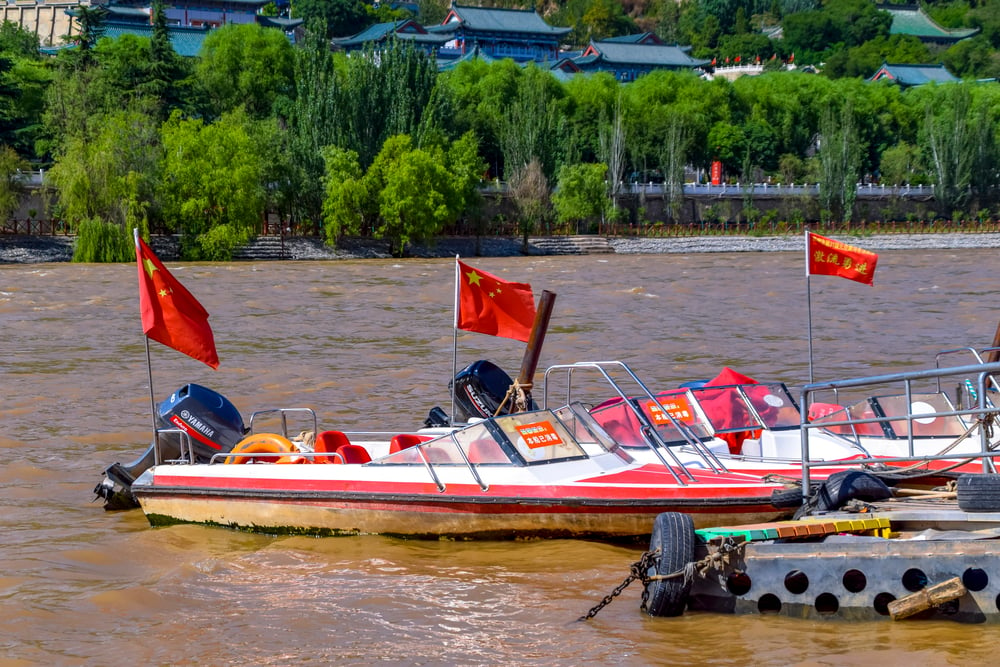
The 1931 floods along the Yangtze, Yellow, and Huai Rivers remain one of the deadliest natural disasters in recorded history. After years of drought followed by heavy snow and relentless rainfall, river systems overwhelmed their banks across central China.
Estimates vary widely, but most historians place the death toll between one and four million people due to drowning, starvation, and disease. Even so, the tragedy extended far beyond the initial flooding.
Crops were destroyed across thousands of square miles, infrastructure collapsed, and entire regions faced prolonged famine. The disaster exposed the vulnerability of densely populated river basins and reshaped flood control policies for decades.
1887 Yellow River Flood
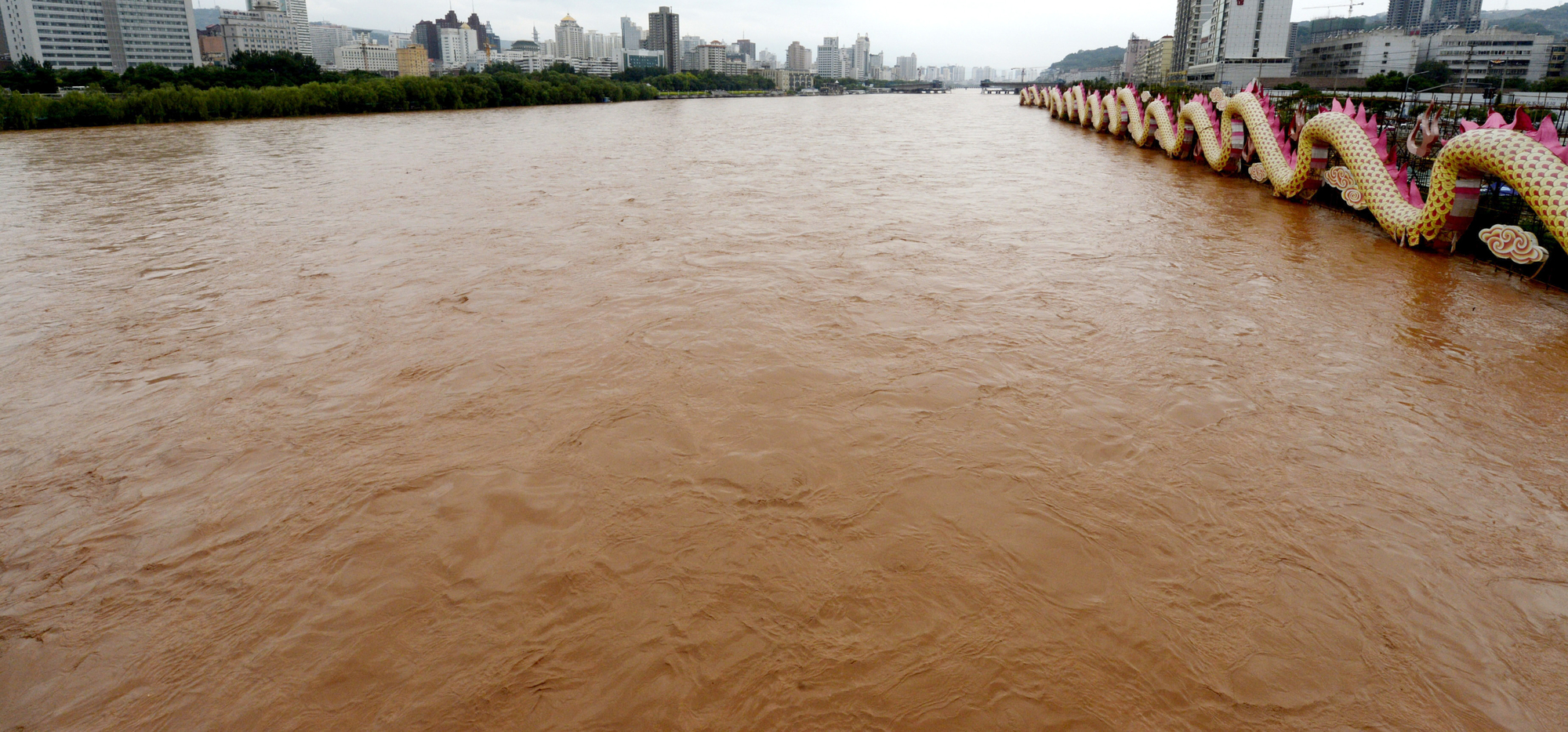
The Yellow River has earned the nickname ‘China’s Sorrow’ for good reason. In 1887, heavy rainfall caused dikes to fail near Zhengzhou, sending water surging across farmland and settlements.
An estimated 900,000 to two million people lost their lives, making it one of the deadliest river floods in history. That said, the catastrophe was not simply a result of rainfall.
Years of sediment buildup had raised the riverbed above surrounding land, creating a disaster waiting for the right trigger. The event highlighted the long-term consequences of environmental mismanagement and dense settlement along unstable waterways.
1556 Shaanxi Earthquake
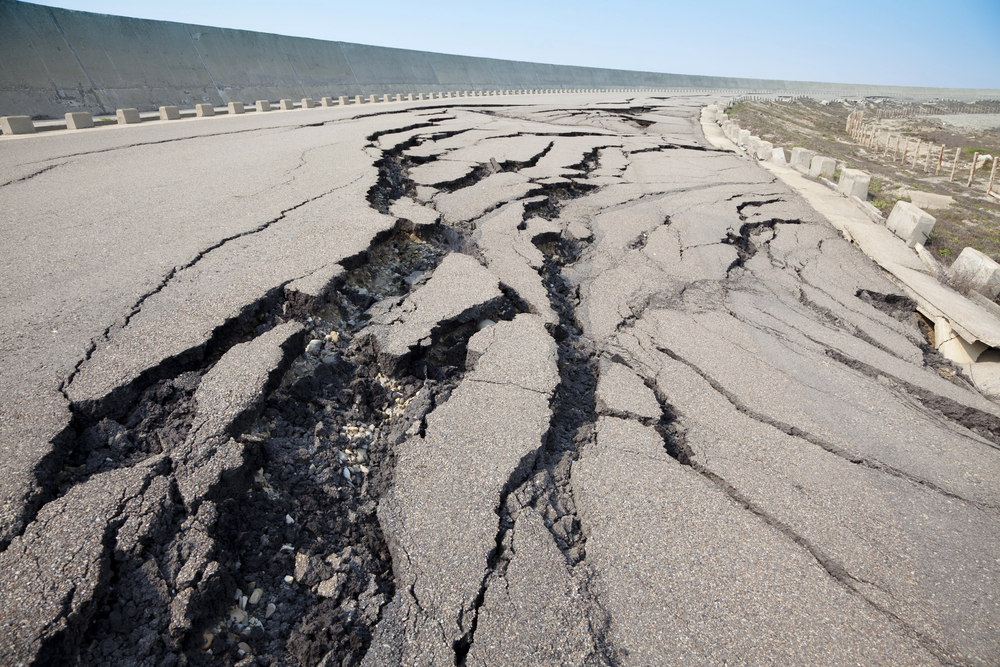
The 1556 earthquake in Shaanxi Province, China, is widely considered the deadliest earthquake ever recorded. Modern estimates suggest that roughly 830,000 people died when the quake struck on January 23.
Entire villages built into loess cliffs collapsed instantly as the soft soil gave way. Still, the scale of devastation reflected more than seismic force.
Many residents lived in cave dwellings carved into fragile earth, which crumbled under intense shaking. The disaster reshaped architectural practices in the region and remains a sobering benchmark in earthquake history.
2004 Indian Ocean Tsunami
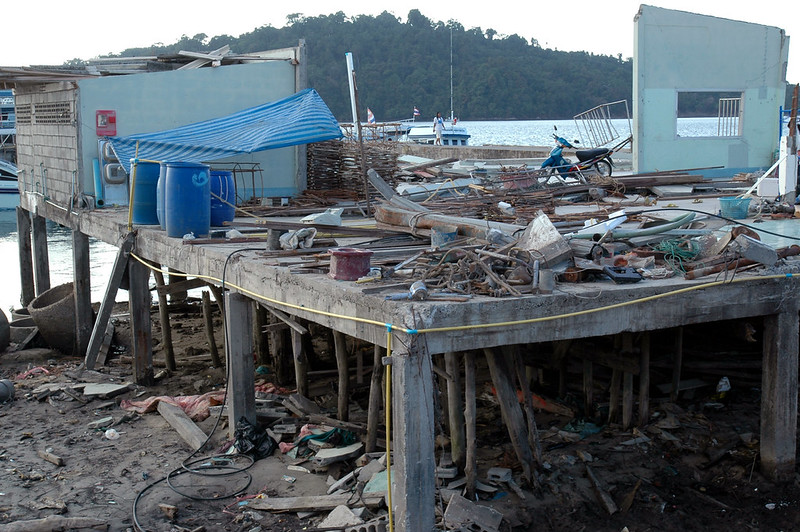
On December 26, 2004, a massive undersea earthquake off the coast of Sumatra triggered a tsunami that rippled across the Indian Ocean. Waves reached heights of over 100 feet in some areas, striking Indonesia, Sri Lanka, India, Thailand, and even parts of East Africa.
More than 230,000 people lost their lives across fourteen countries. Even so, the disaster prompted unprecedented international cooperation.
It led to the creation of improved tsunami warning systems and reshaped global disaster response strategies. The event became a turning point in how coastal nations prepare for sudden oceanic threats.
1970 Bhola Cyclone
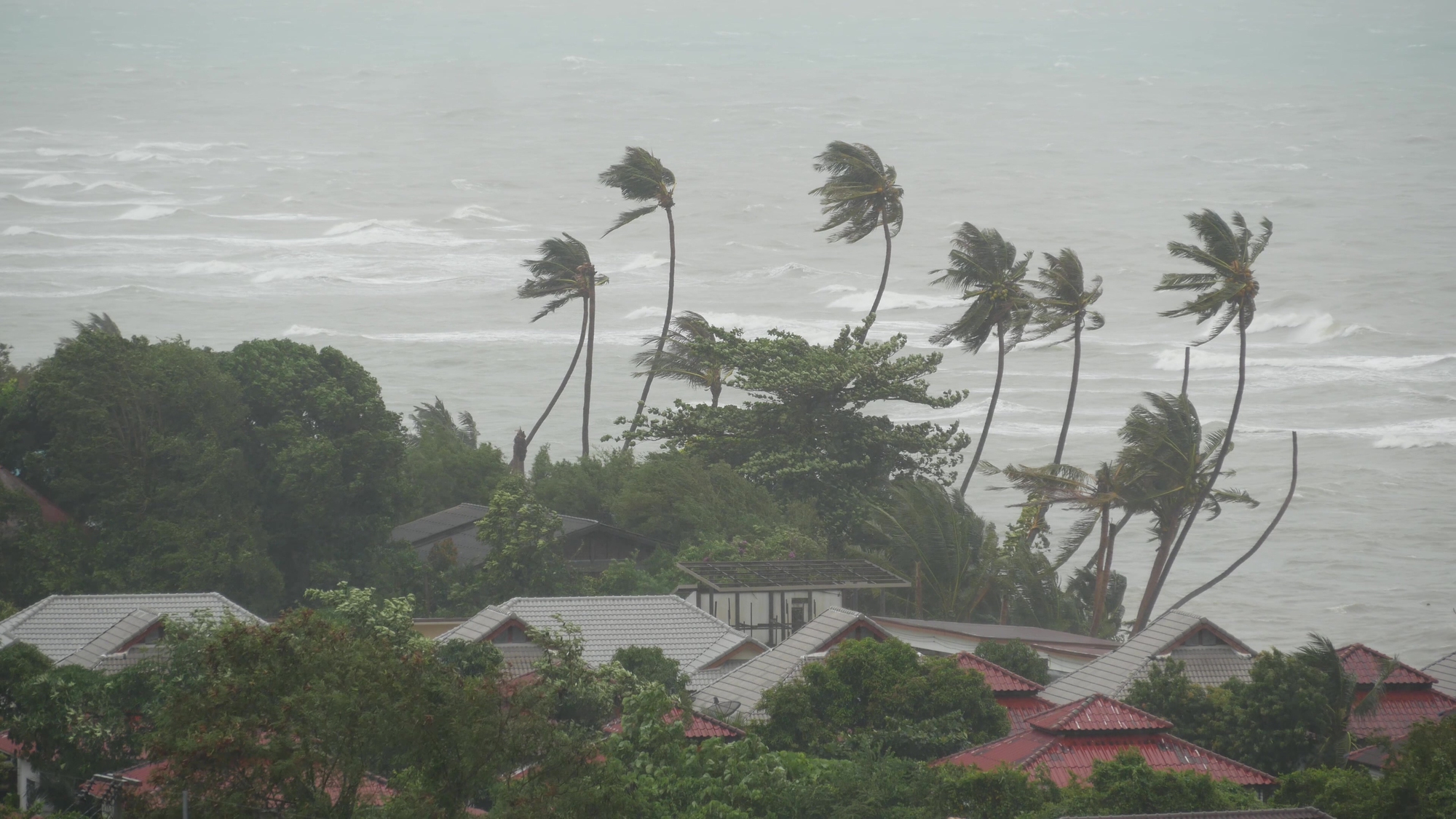
The Bhola Cyclone made landfall in what is now Bangladesh in November 1970. With storm surges sweeping across low-lying coastal areas, entire communities were submerged.
Estimates suggest that 300,000 to 500,000 people perished, largely due to limited warning systems and vulnerable geography. On the other hand, the cyclone’s impact extended into politics.
Public outrage over inadequate disaster response contributed to rising tensions in the region, eventually influencing the movement that led to Bangladesh’s independence. Nature’s force, in this case, altered both landscapes and national history.
2010 Haiti Earthquake
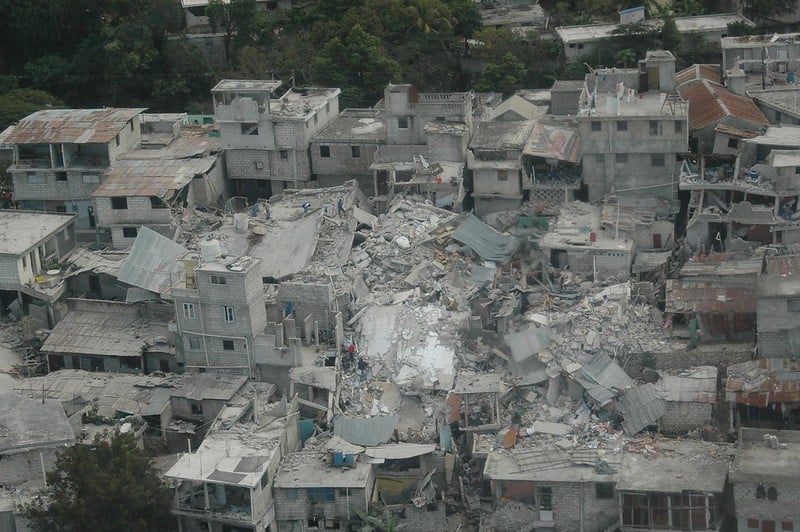
The 2010 earthquake near Port-au-Prince struck a nation already facing economic and infrastructure challenges. Measuring magnitude 7.0, the quake caused widespread building collapses in densely populated areas.
Official estimates place the death toll between 160,000 and 220,000. That said, the disaster revealed the devastating effect of weak construction standards in seismic zones.
International aid poured into Haiti, but rebuilding proved complex and slow. The earthquake remains one of the most significant humanitarian crises of the 21st century.
526 Antioch Earthquake
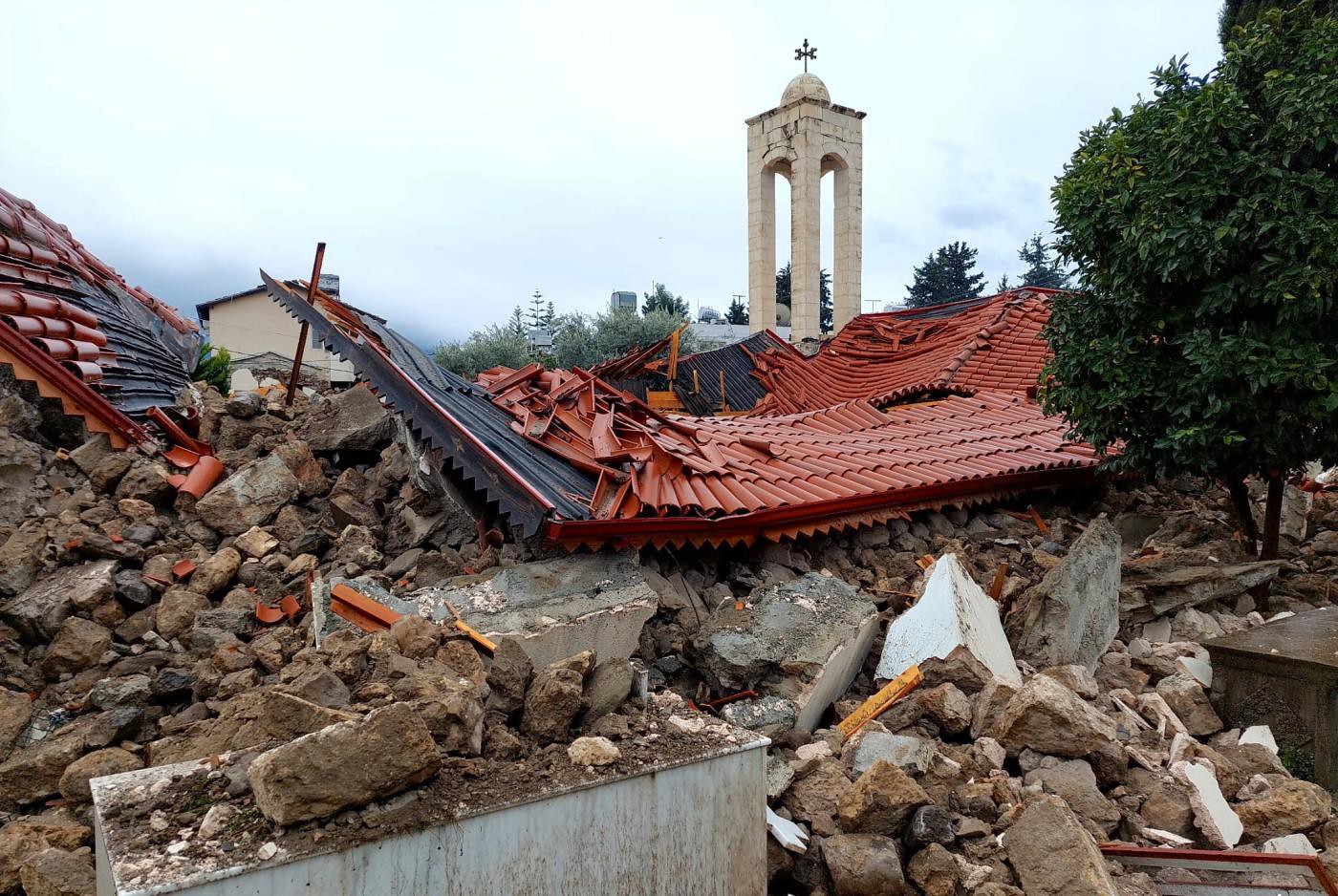
In 526, a powerful earthquake struck the ancient city of Antioch, now part of modern-day Turkey. Contemporary accounts suggest that up to 250,000 people may have died, though exact numbers are difficult to verify.
Fires broke out following the quake, compounding the destruction. Even so, the event illustrates how urban density amplified ancient disasters.
With limited engineering knowledge and tightly packed structures, cities were especially vulnerable. The earthquake altered the region’s political and economic trajectory for generations.
1815 Mount Tambora Eruption
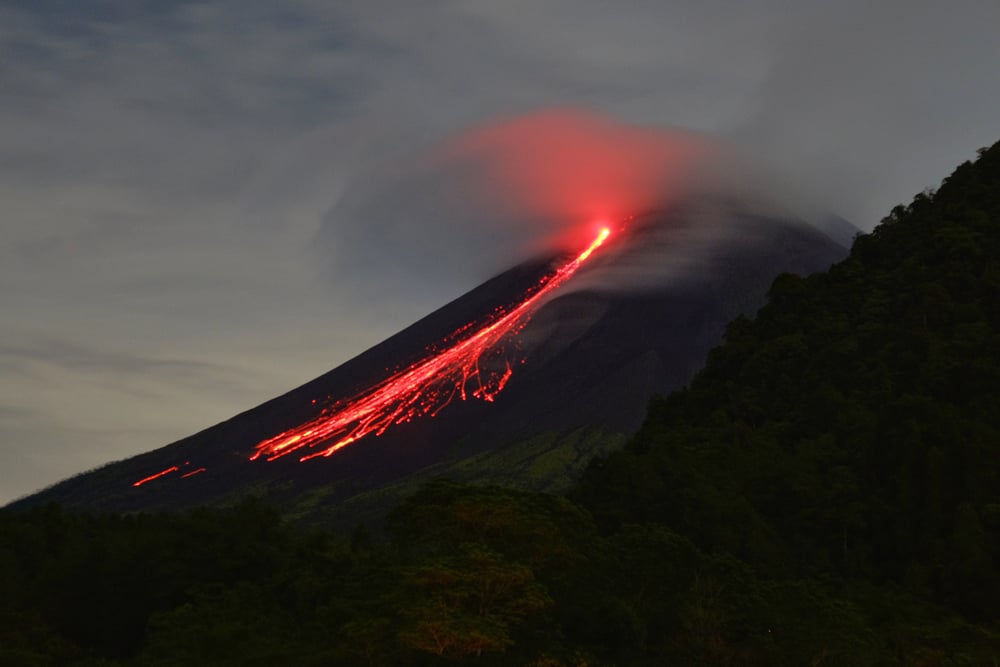
When Mount Tambora erupted in Indonesia in April 1815, it produced the most powerful volcanic explosion in recorded history. The eruption killed tens of thousands directly and triggered widespread famine due to crop failures.
In total, as many as 100,000 people may have died. Still, the global consequences were equally profound.
The eruption caused the ‘Year Without a Summer’ in 1816, lowering temperatures worldwide and disrupting agriculture across North America and Europe. A volcano on one island reshaped weather patterns across continents.
1883 Krakatoa Eruption
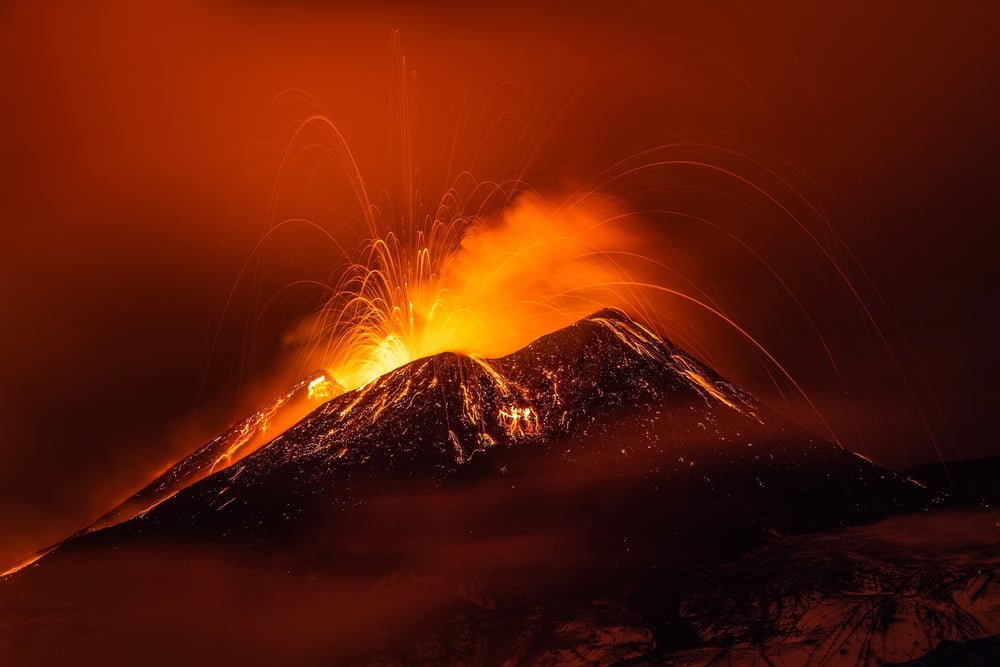
The eruption of Krakatoa in 1883 sent shockwaves and tsunamis across the Sunda Strait. The explosion was heard thousands of miles away, and tsunamis up to 120 feet high struck nearby coasts.
Approximately 36,000 people lost their lives. That said, Krakatoa marked one of the first global media disasters.
Telegraph systems carried news worldwide, making it an early example of an internationally followed catastrophe. It demonstrated how technology was beginning to shrink the world, even in tragedy.
1900 Galveston Hurricane
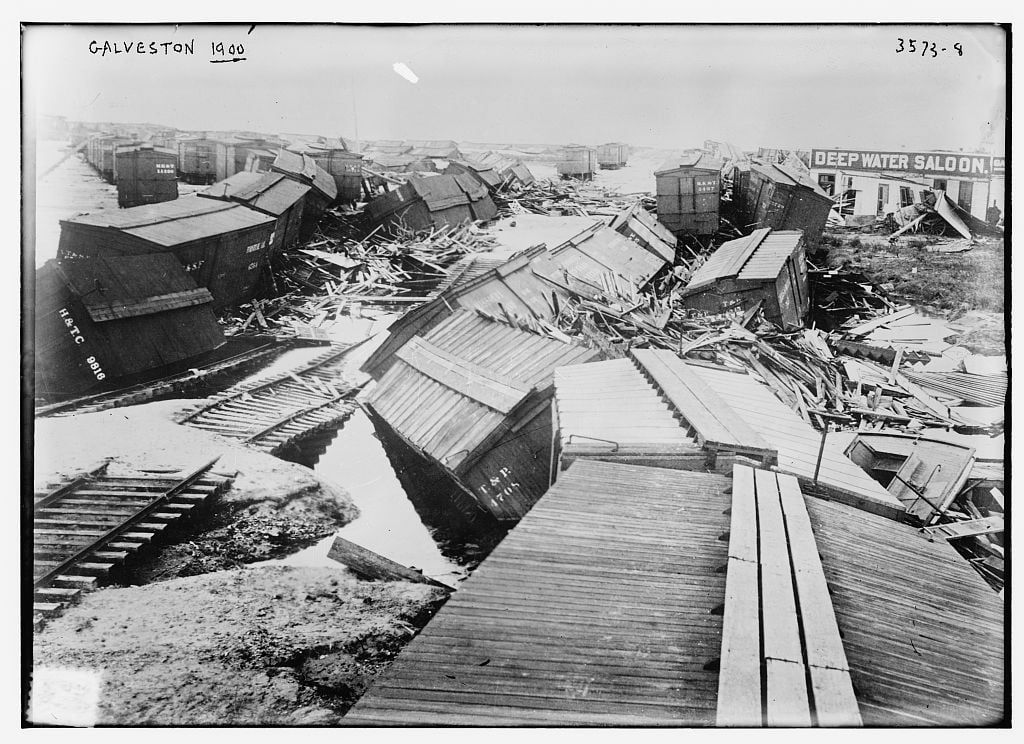
In September 1900, a powerful hurricane struck Galveston, Texas, with little warning. Storm surges overwhelmed the island city, destroying thousands of homes.
An estimated 6,000 to 12,000 people died, making it the deadliest natural disaster in United States history. Even so, the aftermath led to sweeping changes.
Galveston built a massive seawall and elevated parts of the city to reduce future risk. The disaster transformed American coastal engineering and emergency preparedness.
1839 Coringa Cyclone
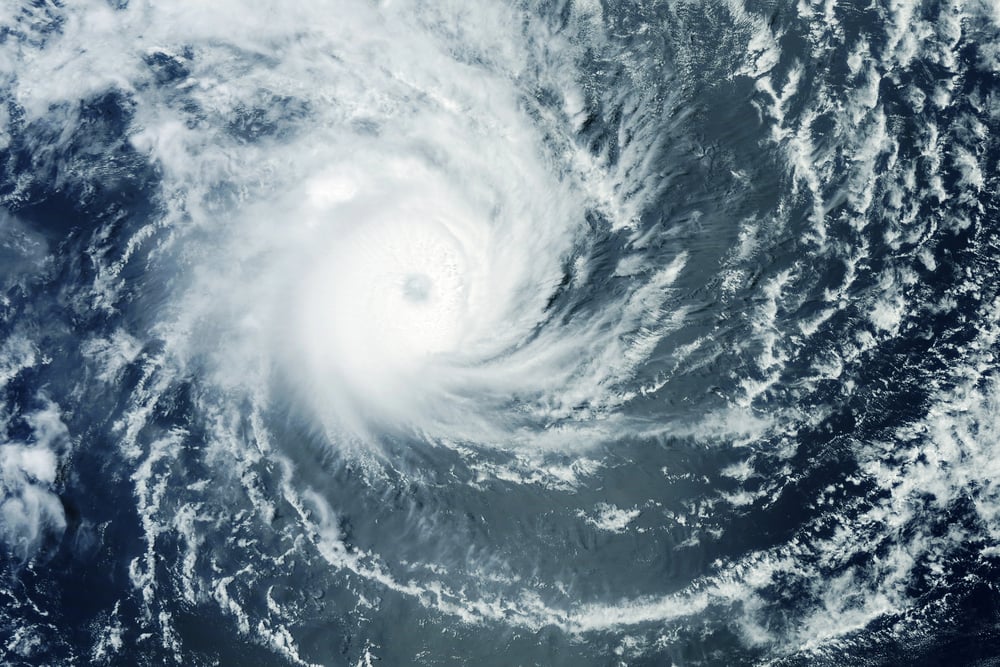
The Coringa Cyclone struck India’s eastern coast in 1839, producing a storm surge that engulfed the port city of Coringa. Historical accounts estimate that roughly 300,000 people died.
The port was nearly wiped from the map. Still, the event faded from broader historical memory outside the region.
It serves as a reminder that some of the deadliest disasters occurred long before global communication networks preserved them in detail.
1976 Tangshan Earthquake
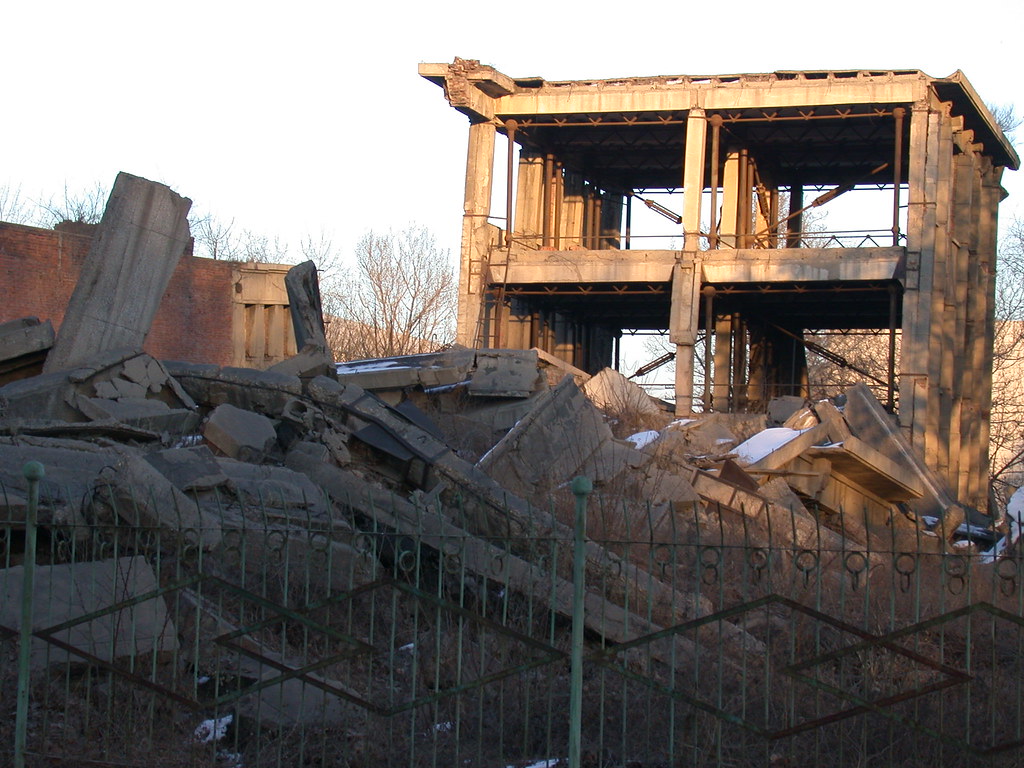
The Tangshan earthquake struck northeastern China in July 1976 with devastating force. Official Chinese figures report around 240,000 deaths, though some estimates suggest higher numbers.
Entire neighborhoods collapsed within seconds. On the other hand, the disaster spurred massive changes in building codes and emergency response systems within China.
The rebuilding of Tangshan became a symbol of resilience and modernization in the decades that followed.
2011 Tōhoku Earthquake And Tsunami
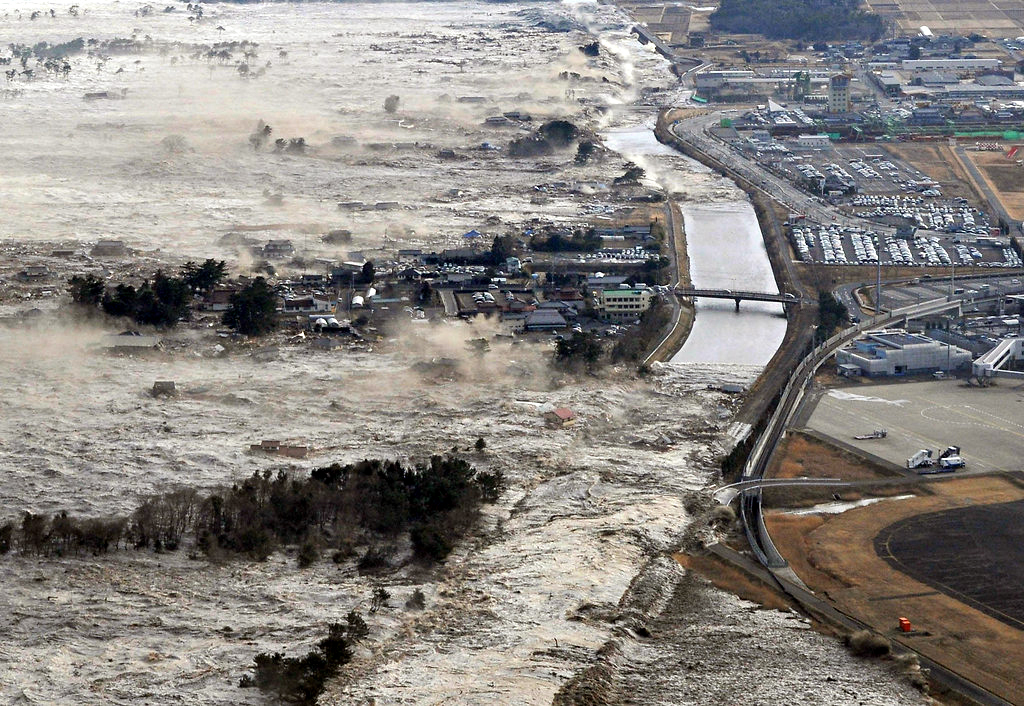
In March 2011, a magnitude 9.0 earthquake struck off Japan’s northeastern coast, triggering a tsunami that devastated coastal communities. Nearly 20,000 people died, and the event caused a nuclear crisis at Fukushima.
Entire towns were swept away within minutes. Even so, Japan’s strict building codes prevented even greater loss of life from the earthquake itself.
The disaster highlighted both the limits and strengths of modern preparedness in the face of extreme natural forces.
1998 Hurricane Mitch
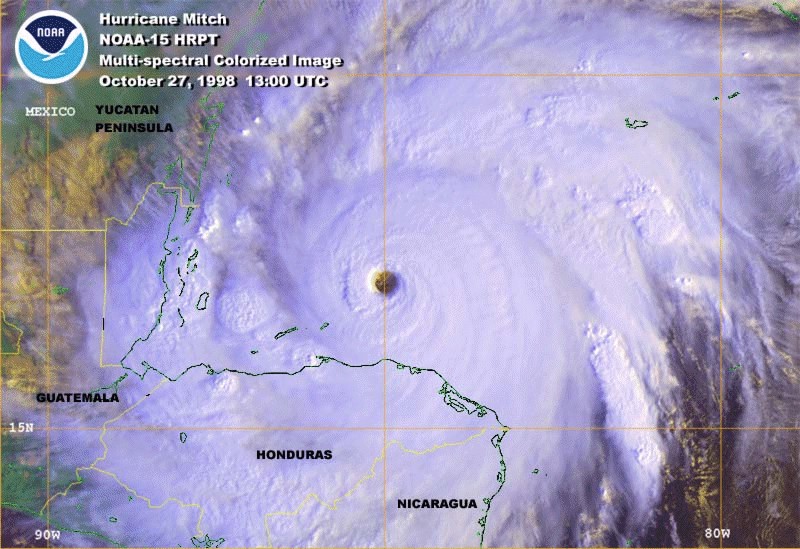
Hurricane Mitch stalled over Central America in 1998, unleashing torrential rain and mudslides across Honduras and Nicaragua. More than 11,000 people died, with thousands more missing.
Entire villages were buried beneath landslides. Still, the long-term economic damage proved just as significant.
Infrastructure losses set back development efforts by years, underscoring how slow-moving storms can be as destructive as sudden ones.
1985 Nevado Del Ruiz Eruption
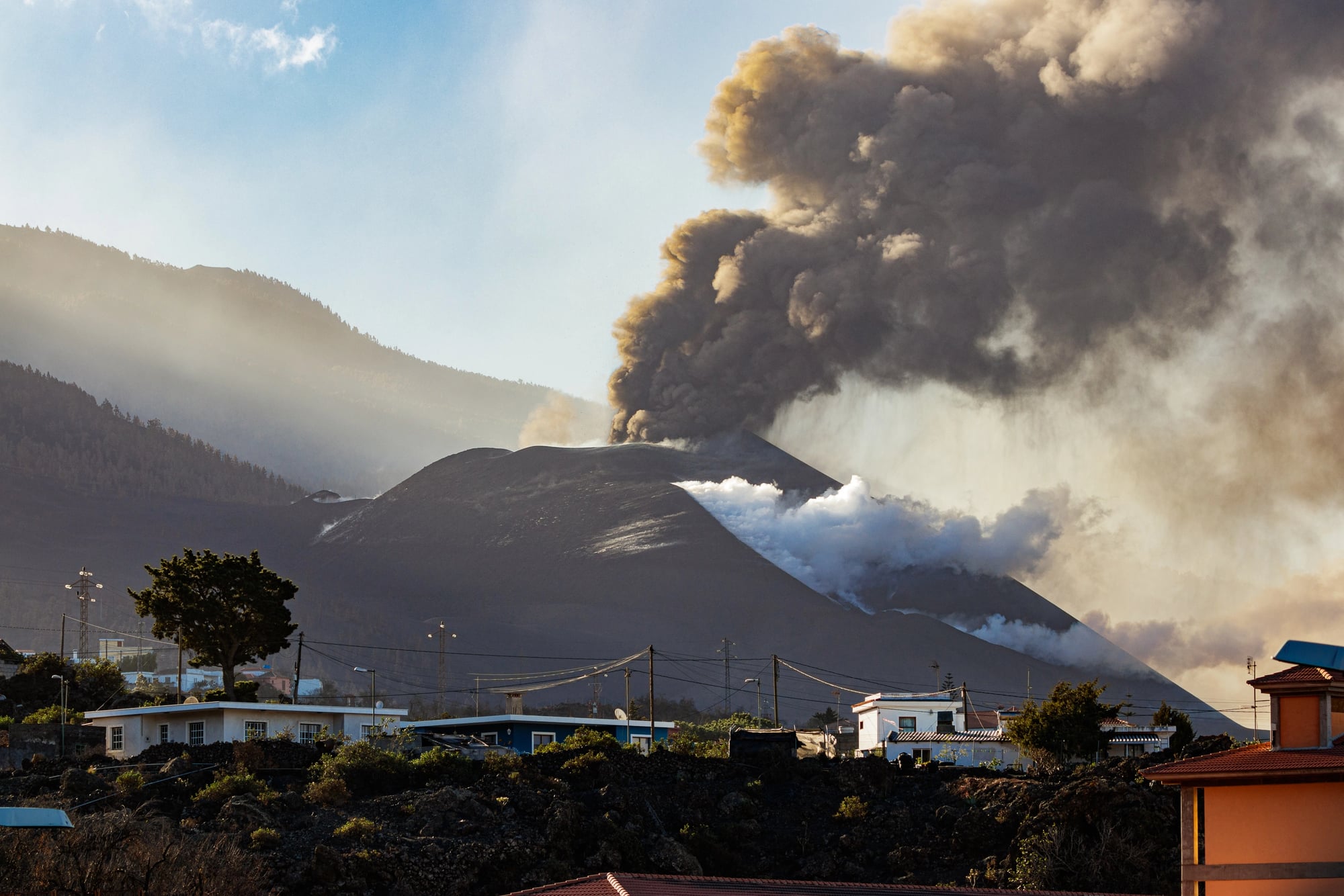
In November 1985, Colombia’s Nevado del Ruiz volcano erupted, melting glaciers and triggering massive mudflows. The town of Armero was buried under debris, and approximately 23,000 people died.
Warning signs had been present, but evacuation efforts were delayed. That said, the tragedy became a case study in disaster risk communication.
It showed how scientific knowledge must be paired with decisive action to prevent avoidable loss.
2008 Cyclone Nargis
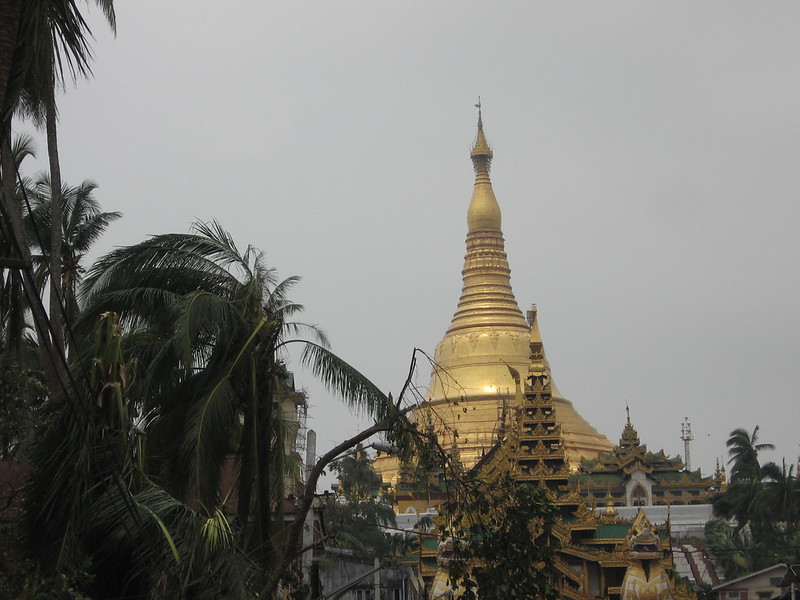
Cyclone Nargis struck Myanmar in 2008, sending a powerful storm surge into the Irrawaddy Delta. Estimates suggest that around 138,000 people died or went missing.
Entire farming communities were devastated. Even so, the disaster exposed challenges in international aid coordination.
Delays in assistance complicated recovery efforts, highlighting how governance and disaster response are often intertwined.
2013 Typhoon Haiyan
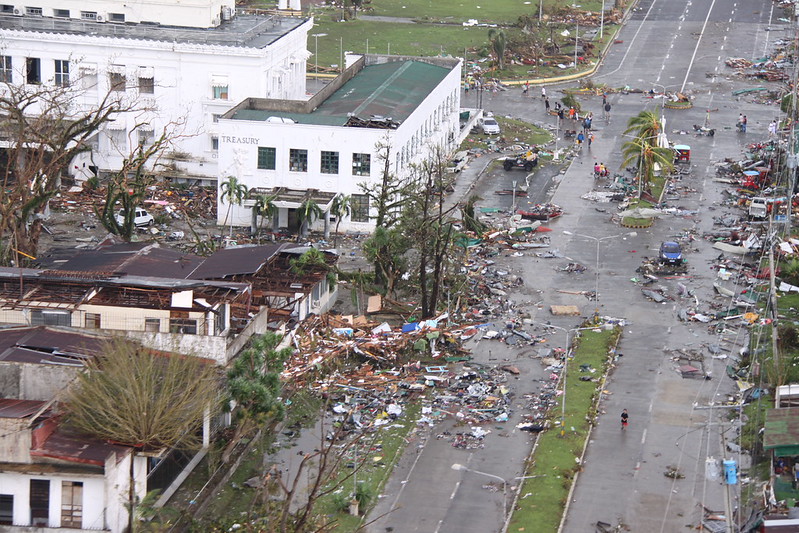
Typhoon Haiyan, known locally as Yolanda, hit the Philippines in 2013 with record-breaking wind speeds. Storm surges flattened coastal cities, and more than 6,000 people died.
Entire neighborhoods were reduced to debris. On the other hand, global response efforts mobilized rapidly.
The storm became a reference point in discussions about climate resilience and the increasing intensity of tropical systems.
1960 Valdivia Earthquake
The 1960 Valdivia earthquake in Chile remains the most powerful earthquake ever recorded, measuring magnitude 9.5. It triggered tsunamis that reached Hawaii and Japan, killing more than 1,600 people overall.
Entire regions of southern Chile were reshaped. Still, Chile’s experience with seismic activity led to stronger building standards in later decades.
The disaster demonstrated how nations exposed to recurring risk often adapt through hard-earned lessons.
Why These Events Still Matter Today
These disasters are not just historical accounts of loss. These are the moments in which nature has exposed its power and, in many ways, has prompted change.
Advances in early warning systems, improved infrastructure, and global cooperation have all come as direct results of these disasters. We have the technology today to receive early warning systems and make accurate forecasts.
However, the pressures of an expanding population and the effects of the climate are still taking their toll. The past has shown us one thing.
The power of nature is always the same, but the preparedness of man is not. These disasters are not about remembering loss.
It is about understanding the present safeguards through the harsh realities of the past.
More from Go2Tutors!

- The Romanov Crown Jewels and Their Tragic Fate
- 13 Historical Mysteries That Science Still Can’t Solve
- Famous Hoaxes That Fooled the World for Years
- 15 Child Stars with Tragic Adult Lives
- 16 Famous Jewelry Pieces in History
Like Go2Tutors’s content? Follow us on MSN.