18 Alternative Names for Common Kitchen Utensils
That drawer always fills up – spoons, peelers, odd bits nobody remembers buying. What each item’s called depends on your hometown, maybe your grandma, sometimes pure guesswork.
A whisk here might be a whip there. Some names stick because they sound funnier than the rest.
Origins blur after years of passing terms down like recipes torn from old magazines. You say zester, another says grater.
It changes street by street. Take a peek at the quirky names folks use for common kitchen gadgets, plus how certain labels seem oddly logical.
Why we say spatula when spoon might do – goes deeper than you’d guess.
Frying Pan
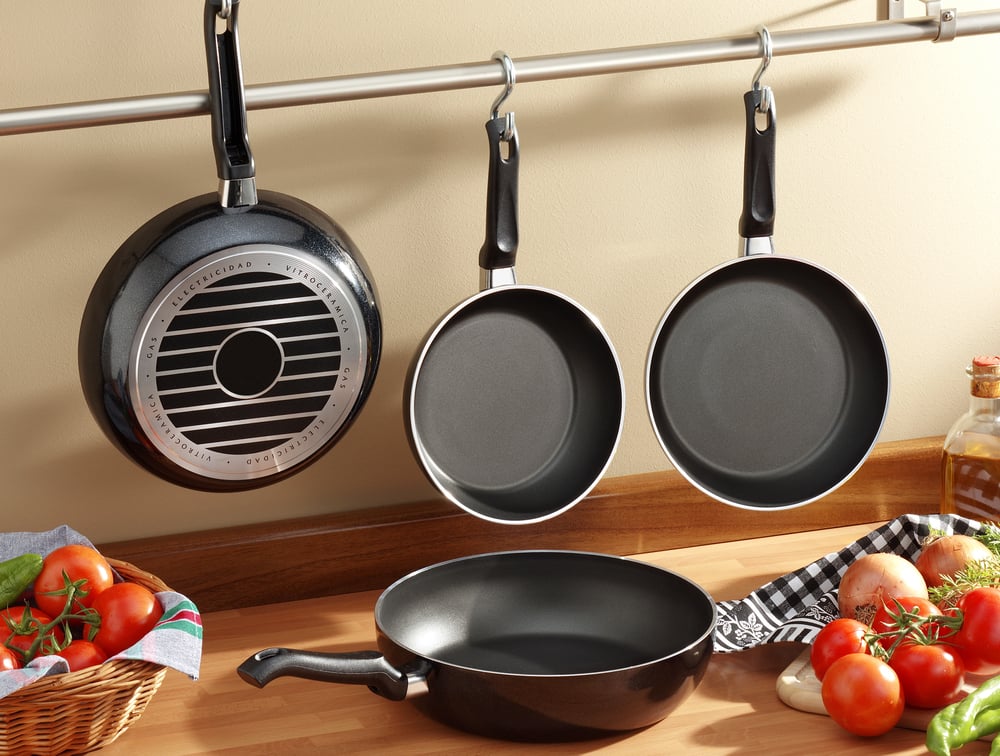
Call it what you like – the name doesn’t matter much. Skillet often points to heavy cast iron, whereas frying pan leans toward light, slick-surfaced types.
Whichever term slips out, it’s that everyday go-to with a flat bottom.
Spatula
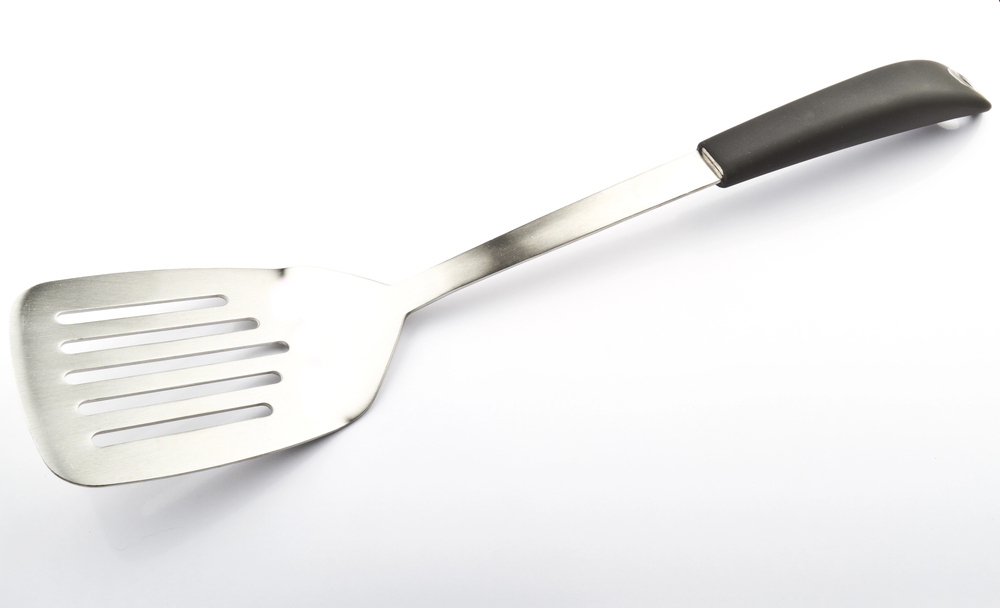
Out in U.S. homes, that broad kitchen piece often gets called a flipper – sometimes a turner – if it slides under flapjacks or beef patties. Truth is, spatula fits everything: stiff nylon blades, bendy silicone edges, even thin steel sheets meant for lifting.
Your name for it? That hinges on where you learned to cook, who stood beside you at the stove.
Colander
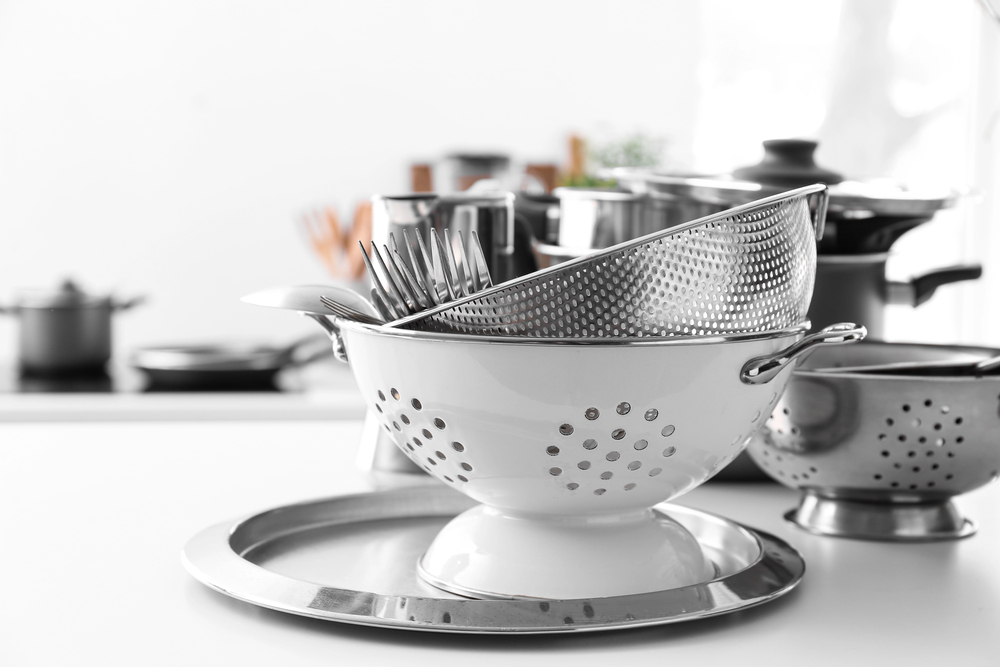
Try asking around how folks label that kitchen item – about four out of ten will go with ‘strainer.’ Each term points to the same curved utensil peppered with small pits, handy when washing greens or dumping water from noodles.
A few vintage recipe books, plus certain elders, stick with ‘drainer,’ a title that likely tells it straightest.
Whisk
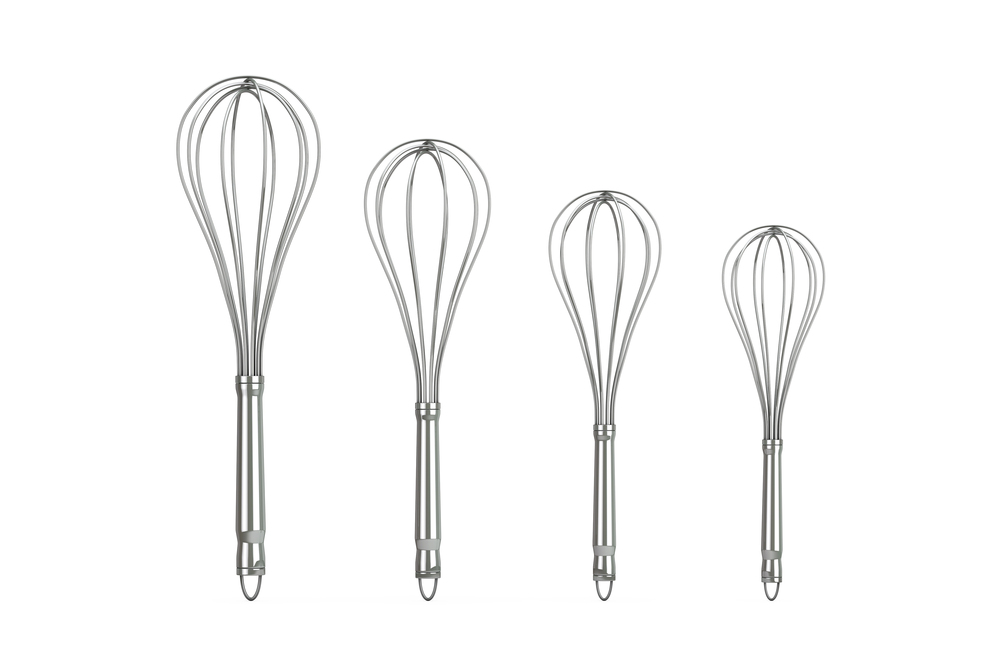
Out comes the whisk, often nicknamed an egg beater, though its job stretches way past eggs. Called a wire whip by chefs, that label sticks in pro kitchens and diners alike.
Lumps in sauce? That’s where this tool steps in, smoothing things without fuss.
Rolling Pin
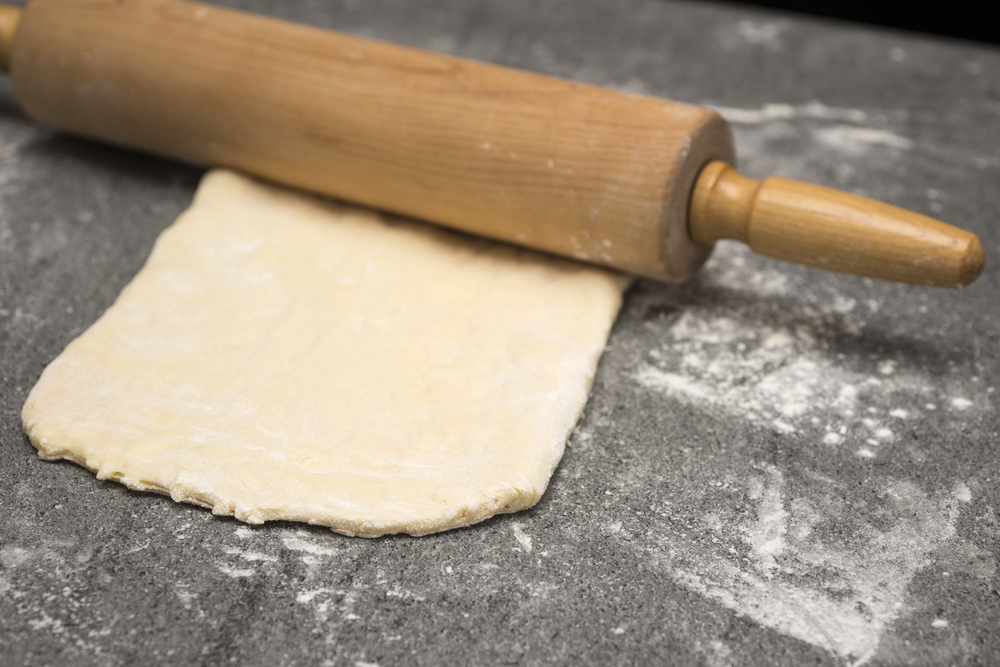
Baked goods artisans here often name it a ‘dough roller’ – a tool that lives up to its label without fuss. Back then in UK homes, people might have called the same item a ‘pastry roller’ instead.
Its tubular form has stayed nearly untouched across centuries, showing how smart early designs could be. That kind of staying power doesn’t come around often.
Tongs
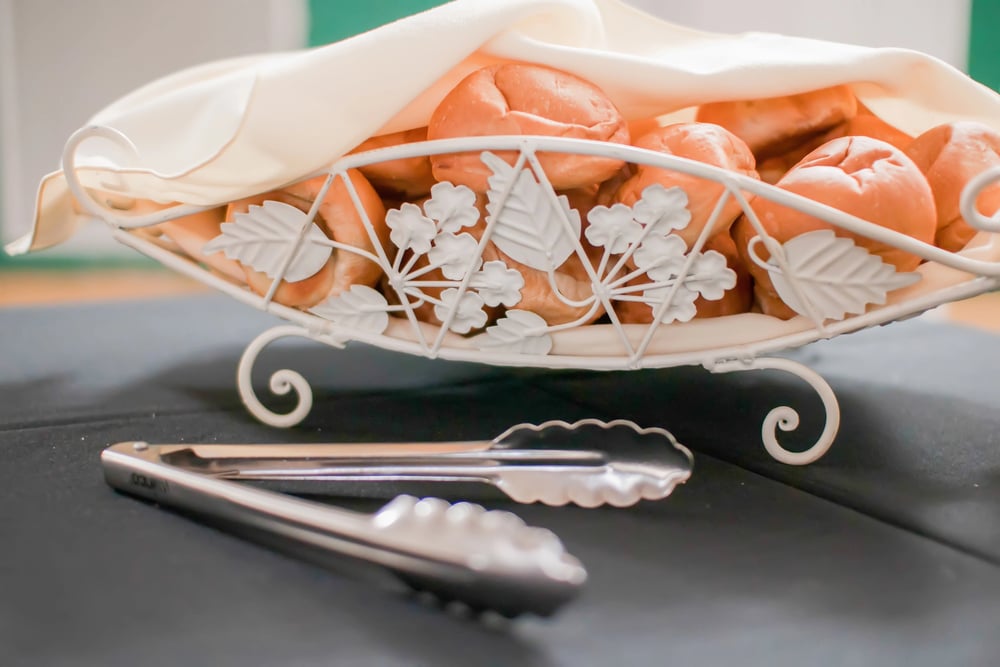
Extra hands in cooking often come disguised as tools. Down South, folks might say “grippers” when they mean tongs.
Some skip fancy names entirely, just calling them grabbers. Chefs sort them by job – small ones for plating, bigger ones for serving.
Names shift based on who’s holding them. What matters is how they help, not what you label them.
Ladle
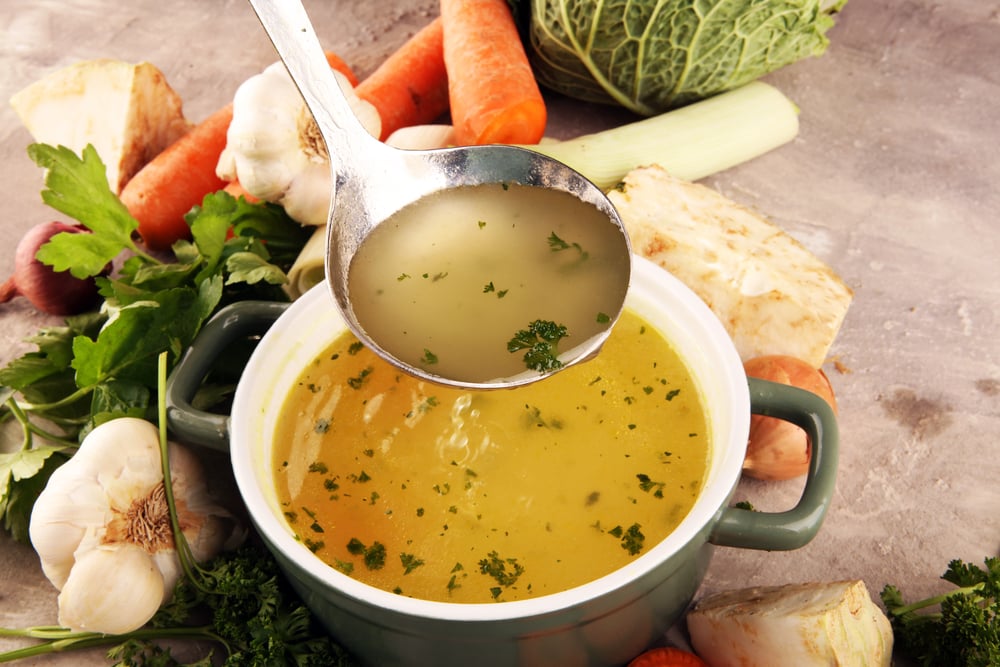
Even if folks label it a “soup spoon” or “serving spoon,” it stands apart as its own kitchen piece. Down South in some U.S. regions, they say “dipper” – a fitting title since it lifts and spills liquids with ease.
Soup evenings carry extra warmth when one of these sits ready on the counter.
Peeler
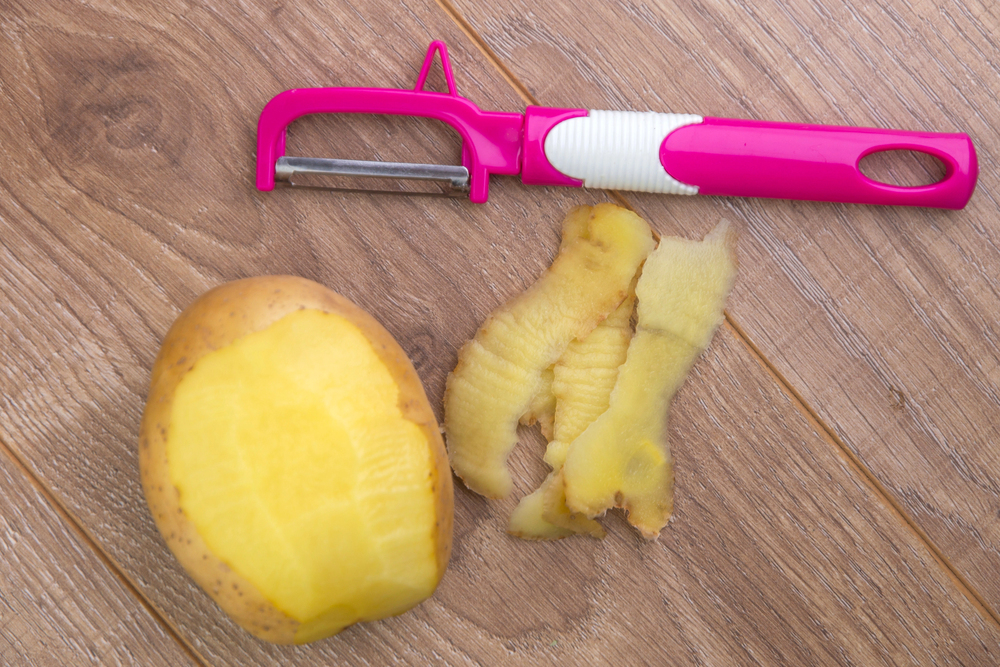
A peeler might be named after potatoes, yet people reach for it with carrots just the same. Chefs occasionally label it a paring device, despite that word fitting tiny blades better.
What you call it shifts without warning – shaped by whichever veg sits waiting to lose its skin.
Cutting Board
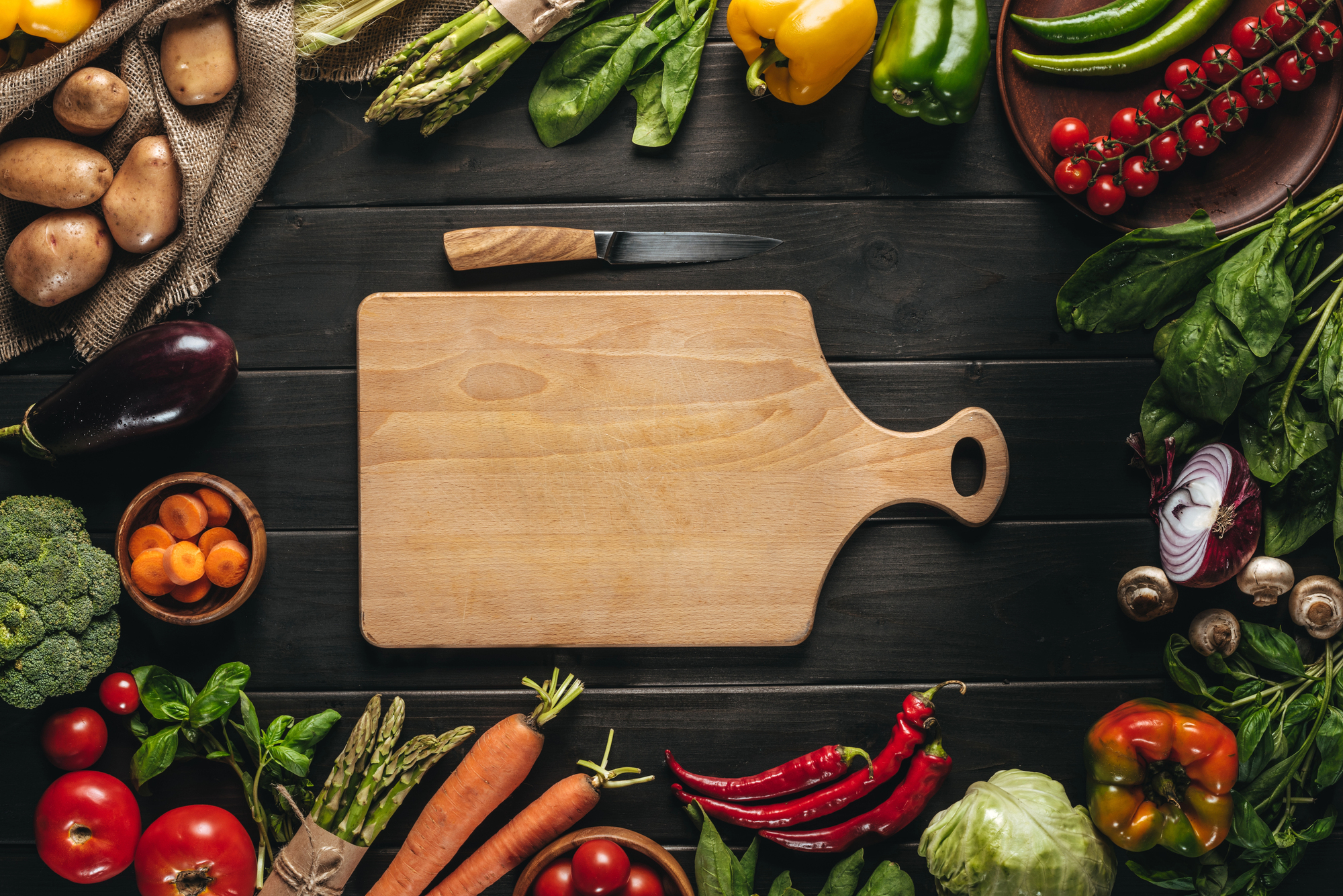
Most folks around the world say “chopping board,” though that name shifts once you cross into America. In some homes, it earns the label “bread board” when parked close to the toaster or storage bin.
It sits quietly by appliances – yet handles nearly every mess made during prep work. The countertop slab no one thinks much about often bears the deepest knife marks.
Mixing Bowl
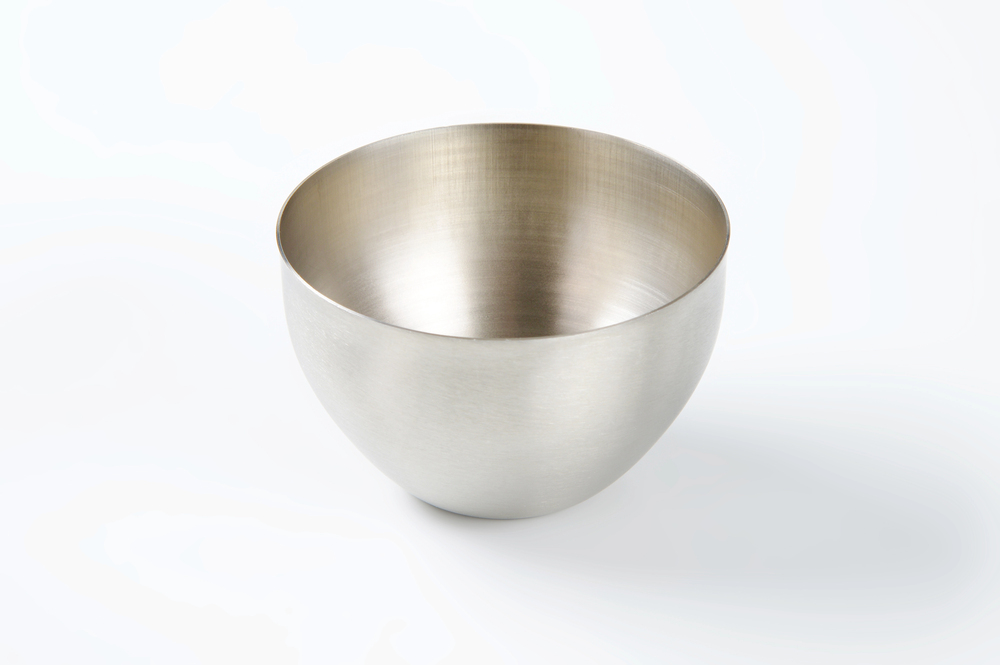
In many home kitchens, this simply gets called a ‘salad bowl’ or a ‘prep bowl,’ even when no salad is involved. Professional cooks use the term ‘bain marie’ for a specific type of mixing bowl used over hot water.
The name changes depending on what’s going into it.
Cheese Grater
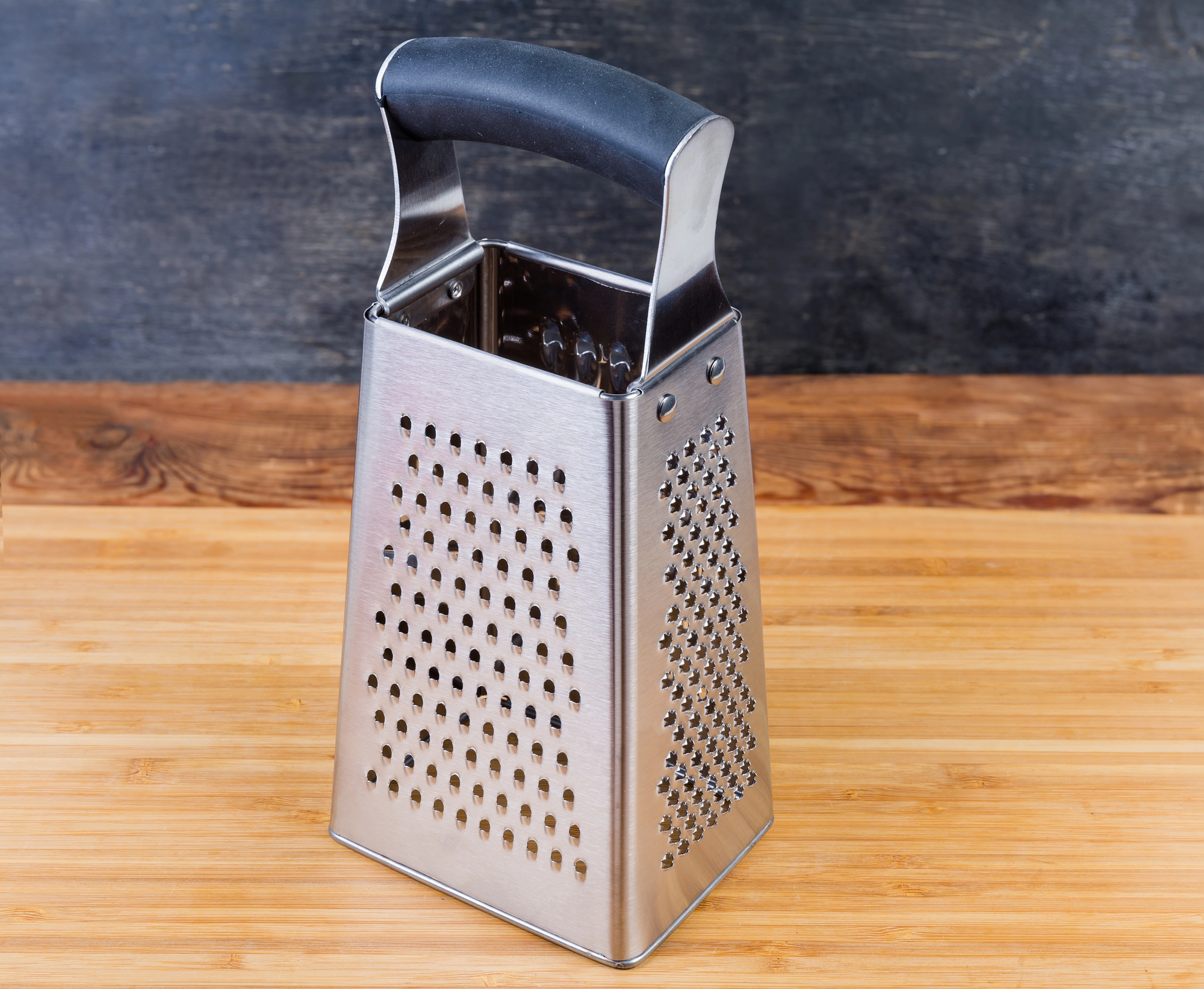
This one goes by ‘shredder’ in plenty of kitchens, especially when people use it for vegetables or chocolate. The box version is sometimes called a ‘box grater’ or a ‘four-sided grater.’
Either way, it’s the tool that somehow always ends up with cheese stuck in places that are impossible to clean.
Measuring Cup
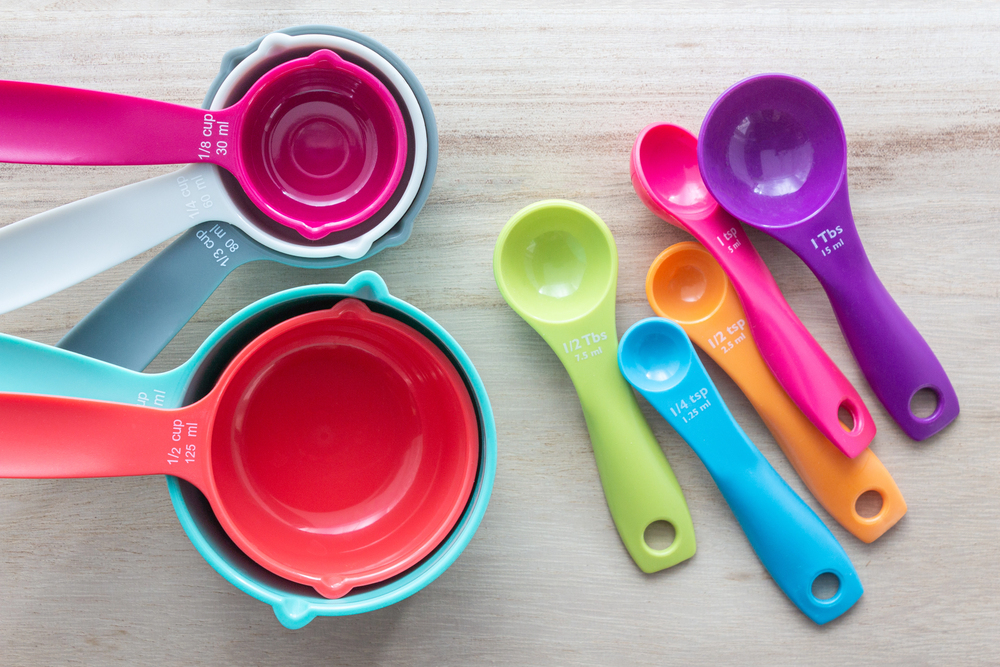
Some bakers call these ‘portion cups’ or ‘volume cups,’ particularly in professional or commercial settings. The term ‘dry measure’ gets used when someone wants to be specific about the type.
Most home cooks just call them ‘cups’ and leave it at that.
Kitchen Timer
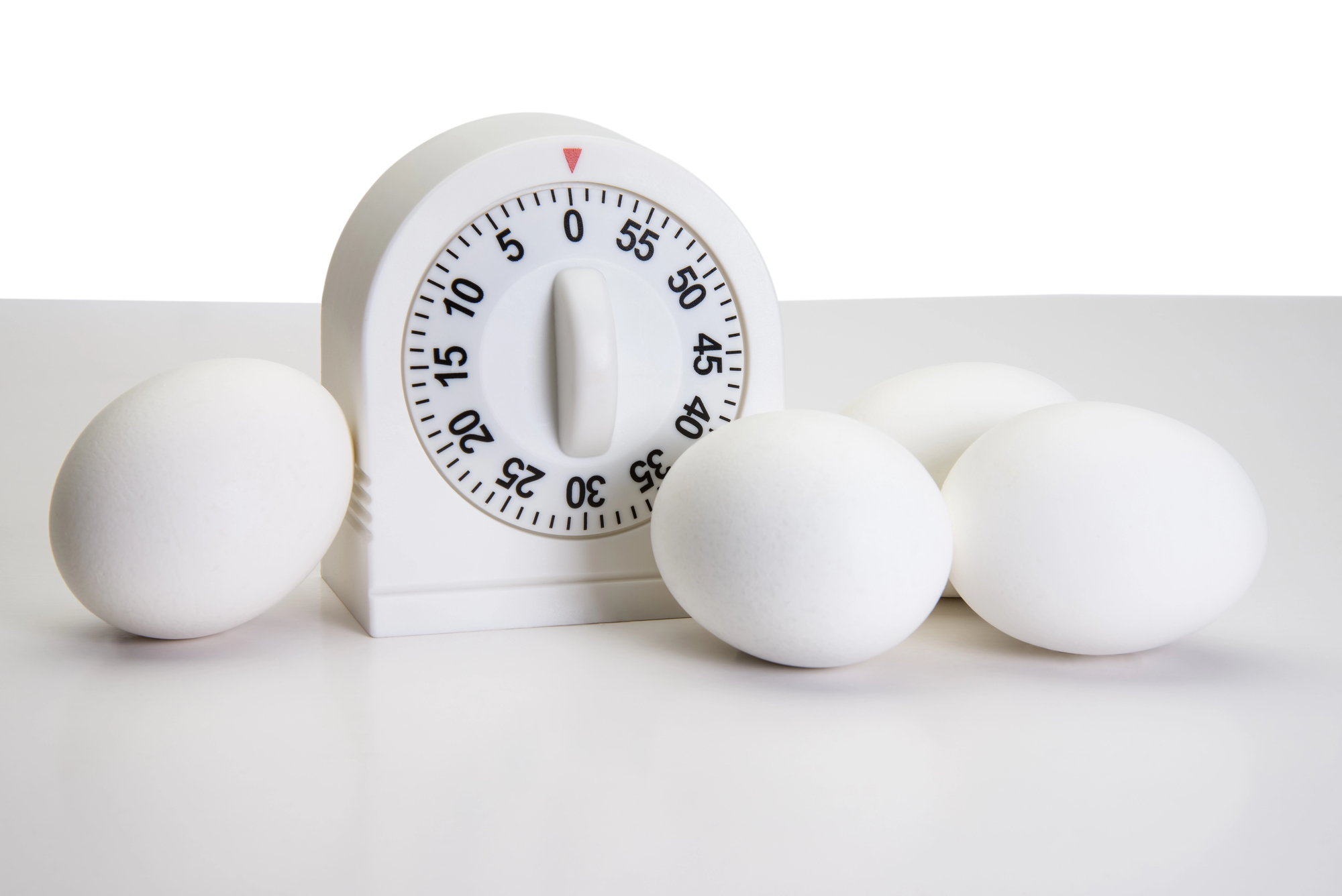
Before phone alarms took over, this was called an ‘egg timer,’ even when nothing involving eggs was cooking. The classic wind-up version is still called a ‘mechanical timer’ in most hardware stores and cooking catalogs.
It’s one of those tools that got replaced by technology but never fully disappeared.
Mortar and Pestle
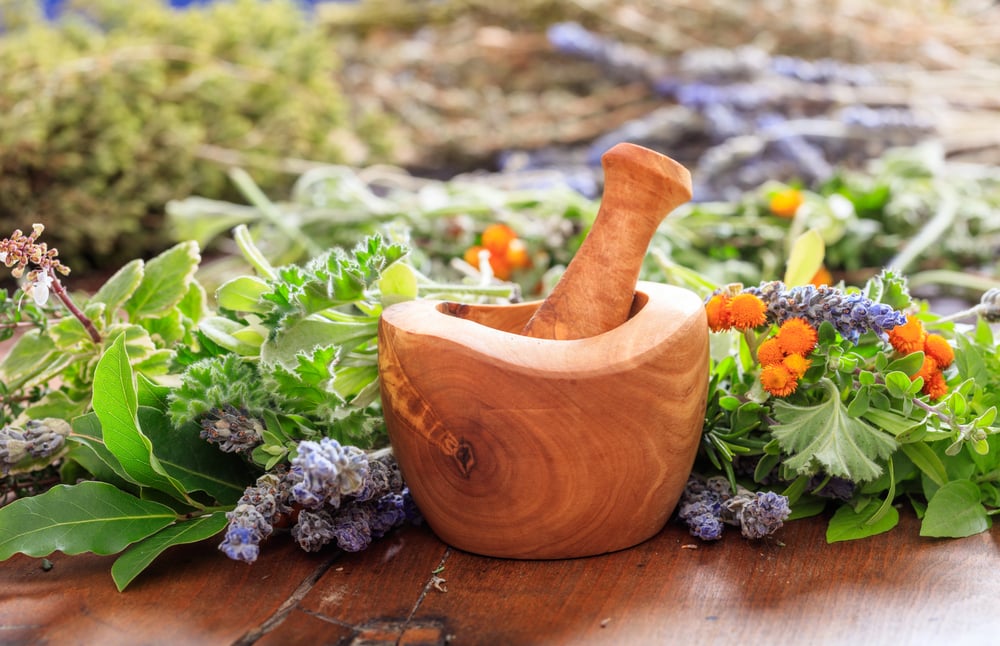
This ancient tool goes by ‘stone grinder’ in some Asian households, where it’s used daily for making spice pastes and sauces. In Mexican cooking culture, the version made from volcanic rock is called a ‘molcajete,’ which is its own distinct tool with a long history.
Whatever the name, it does a job that no electric gadget has truly replaced.
Basting Brush
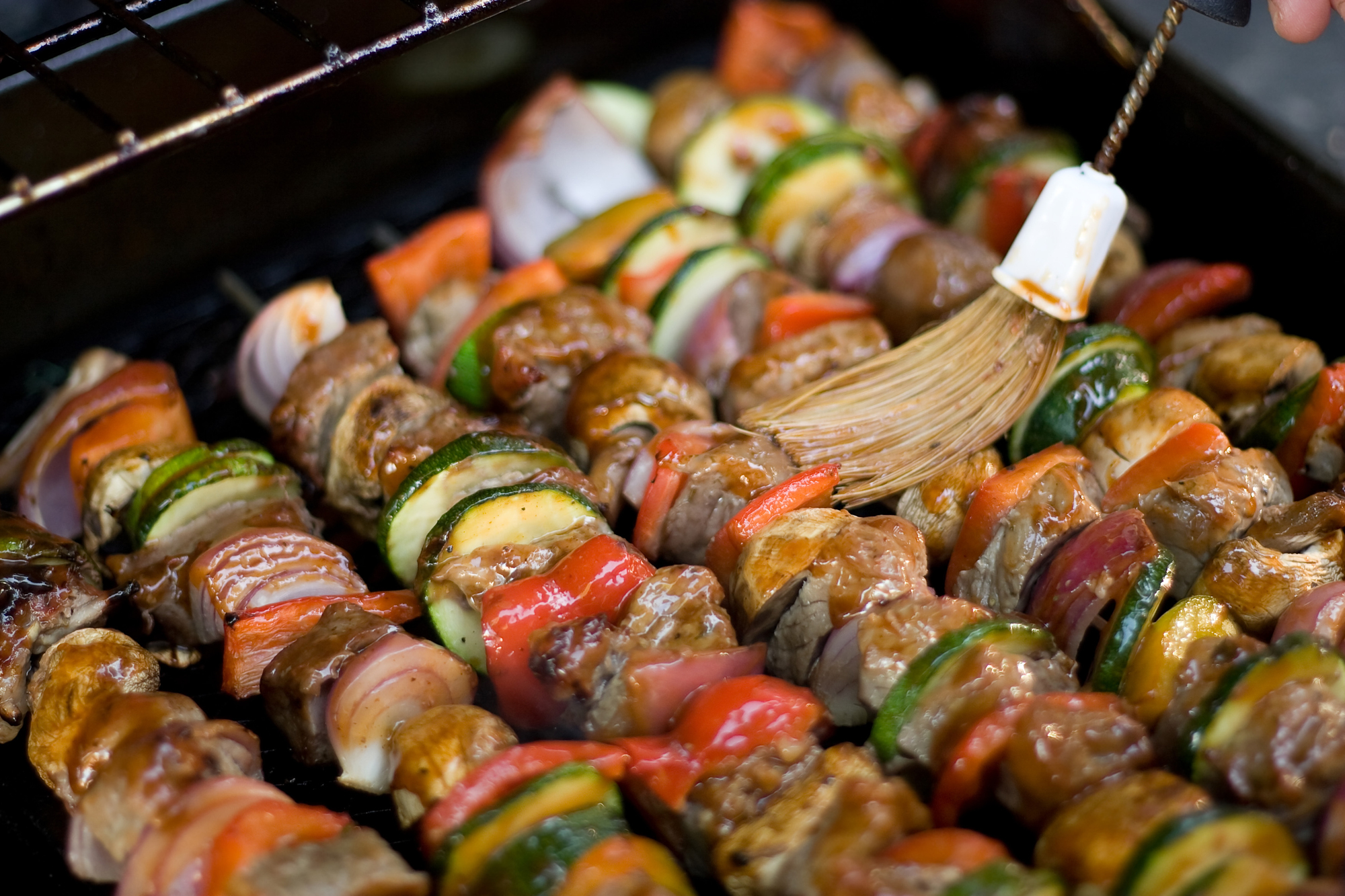
Many home cooks call this a ‘pastry brush’ or a ‘butter brush,’ depending on what they use it for most. In barbecue culture, it’s commonly known as a ‘mop brush’ when it’s the larger kind used for slathering sauce on ribs.
The silicone versions have almost completely replaced the old ones made from actual bristles.
Slotted Spoon
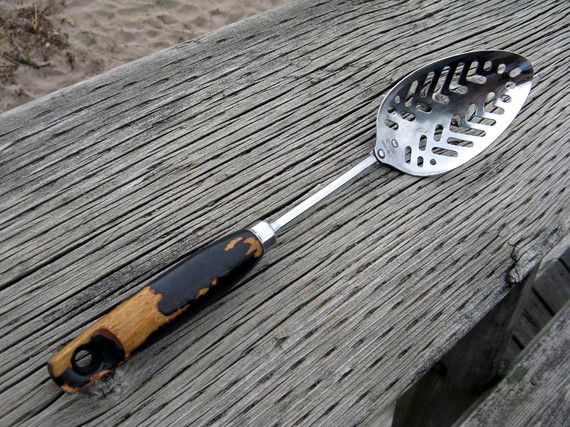
This gets called a ‘draining spoon’ or a ‘skimming spoon’ in a lot of recipes, particularly older ones. The openings in the spoon let liquid fall back into the pot while lifting out solids, which is why ‘strainer spoon’ is another popular nickname.
It’s a simple tool that rarely gets the credit it deserves.
Kitchen Shears
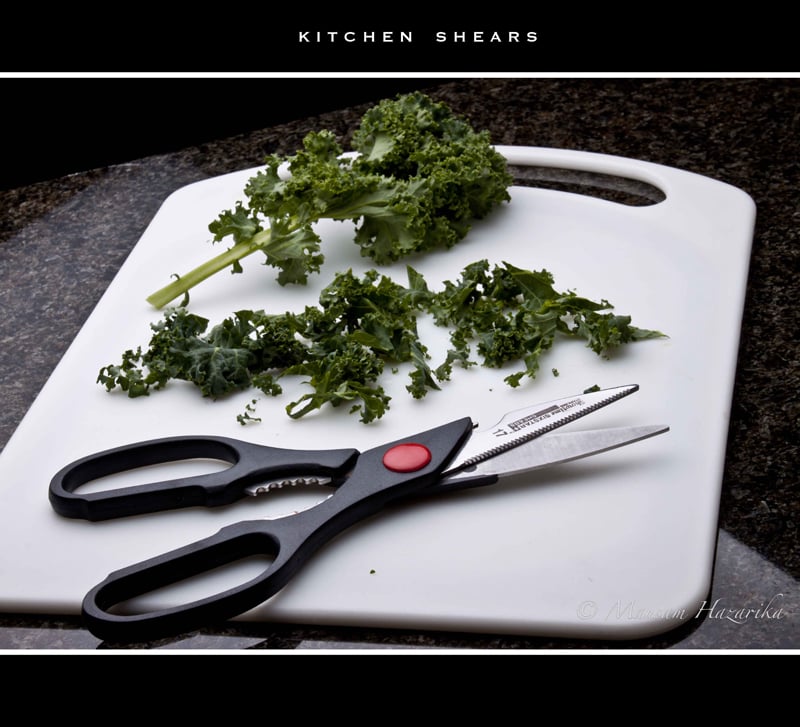
A lot of people just call these ‘kitchen scissors,’ and that name is perfectly fine. The word ‘shears’ tends to imply a heavier, more powerful cutting tool, which is why the professional version earned the distinction.
Either name works, as long as you’re not using them to cut paper right before trimming fresh herbs.
Bench Scraper
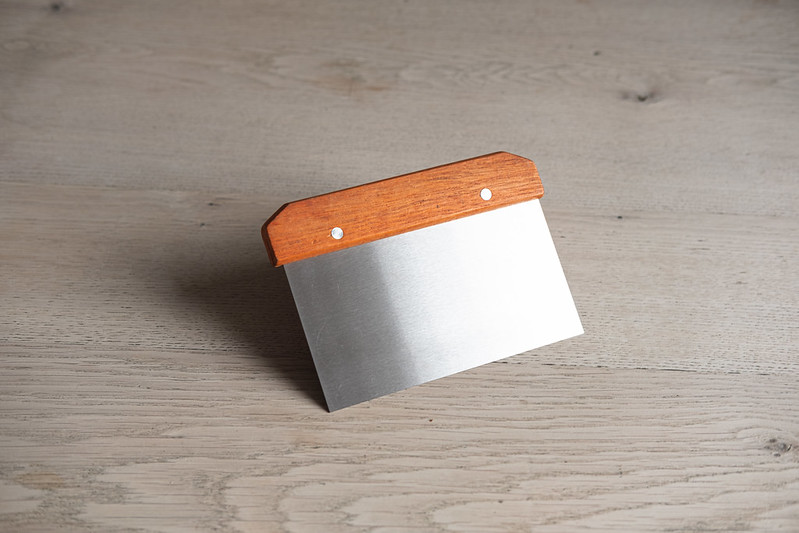
Home bakers sometimes call this a ‘dough scraper’ or a ‘pastry scraper,’ while professional bakers tend to use the term ‘bench knife.’ It’s a flat metal or plastic blade used to cut dough, clean a floured surface, or transfer chopped ingredients from the cutting board to the pan.
Few tools are as quietly useful as this one, yet it rarely makes the top of anyone’s must-have kitchen list.
What’s in a Name
Kitchen language is deeply personal. It gets passed down through families, picked up from cooking shows, and shaped by where someone learned to cook.
The tool does the same job whether it’s called a flipper, a turner, or a spatula, but the name carries a small piece of someone’s kitchen history with it. Next time someone corrects what you call a utensil, remember that they’re probably just using the name their grandmother used.
That’s not wrong. That’s just home.
More from Go2Tutors!

- The Romanov Crown Jewels and Their Tragic Fate
- 13 Historical Mysteries That Science Still Can’t Solve
- Famous Hoaxes That Fooled the World for Years
- 15 Child Stars with Tragic Adult Lives
- 16 Famous Jewelry Pieces in History
Like Go2Tutors’s content? Follow us on MSN.