17 Drinks Banned by Governments Worldwide
Throughout history, governments have taken some pretty extreme steps to control what their citizens drink. Sometimes it’s for health reasons, other times for cultural or religious purposes, and occasionally for reasons that seem downright bizarre by today’s standards. From ancient empires to modern democracies, the power to ban beverages has been used in ways that might surprise you.
These prohibition stories reveal fascinating glimpses into different societies and their values, fears, and priorities. Here are 17 drinks that have been banned by governments around the world, each with its own unique tale of controversy and control.
Absinthe

The ‘Green Fairy’ was banned in most countries during the early 1900s after being blamed for everything from madness to moral decay. Scientists thought the wormwood ingredient caused hallucinations and violent behavior, though modern research shows these fears were largely exaggerated.
Switzerland, France, and the United States were among the many nations that outlawed this emerald-colored spirit for decades.
Four Loko

This caffeinated alcoholic beverage was banned in several U.S. states after being linked to numerous hospitalizations and deaths among college students. The combination of high alcohol content with stimulants created what critics called ‘blackout in a can.’
The FDA eventually forced manufacturers to remove the caffeine, effectively ending the original formula.
Buckfast Tonic Wine

Scotland has tried multiple times to ban this caffeinated fortified wine, which has become associated with antisocial behavior and violence. The drink contains as much caffeine as eight cans of cola plus 15% alcohol, creating a potent combination.
Despite ongoing efforts by Scottish politicians, Buckfast remains legal but heavily regulated.
Like Go2Tutors’s content? Follow us on MSN.
Coca-Cola (Original Formula)
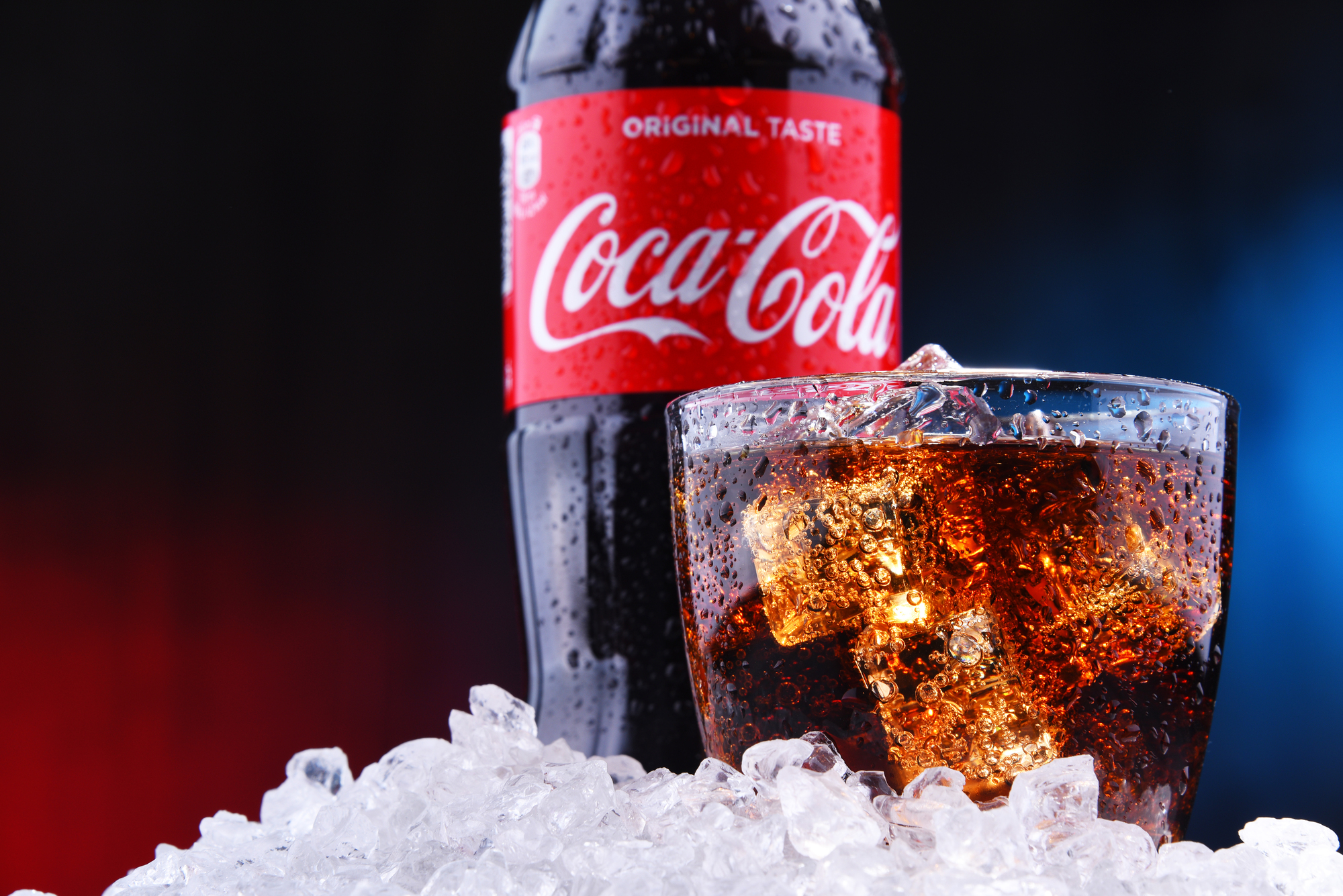
The original Coca-Cola recipe contained actual cocaine from coca leaves, leading to bans in several countries during the early 1900s. The U.S. Pure Food and Drug Act of 1906 forced the company to remove the narcotic ingredient.
Some countries maintained bans even after the formula change, viewing the drink as a symbol of American cultural imperialism.
Alcoholic Energy Drinks
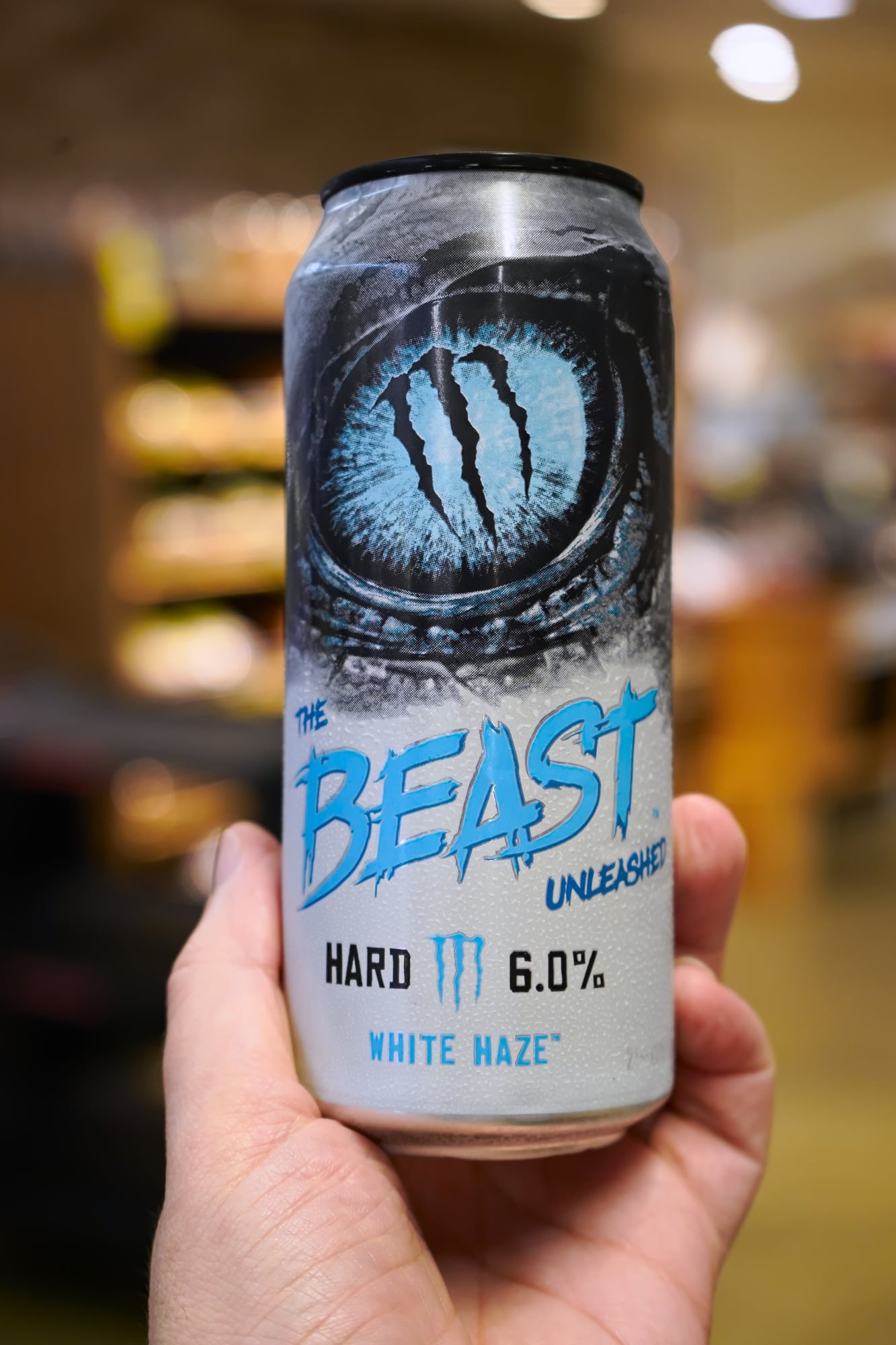
The European Union banned alcoholic energy drinks containing more than 150 milligrams of caffeine per liter after health concerns mounted. Countries like France and Denmark led the charge, citing risks of heart problems and dangerous behavior among young drinkers.
The ban effectively eliminated most pre-mixed alcoholic energy beverages from European markets.
Everclear
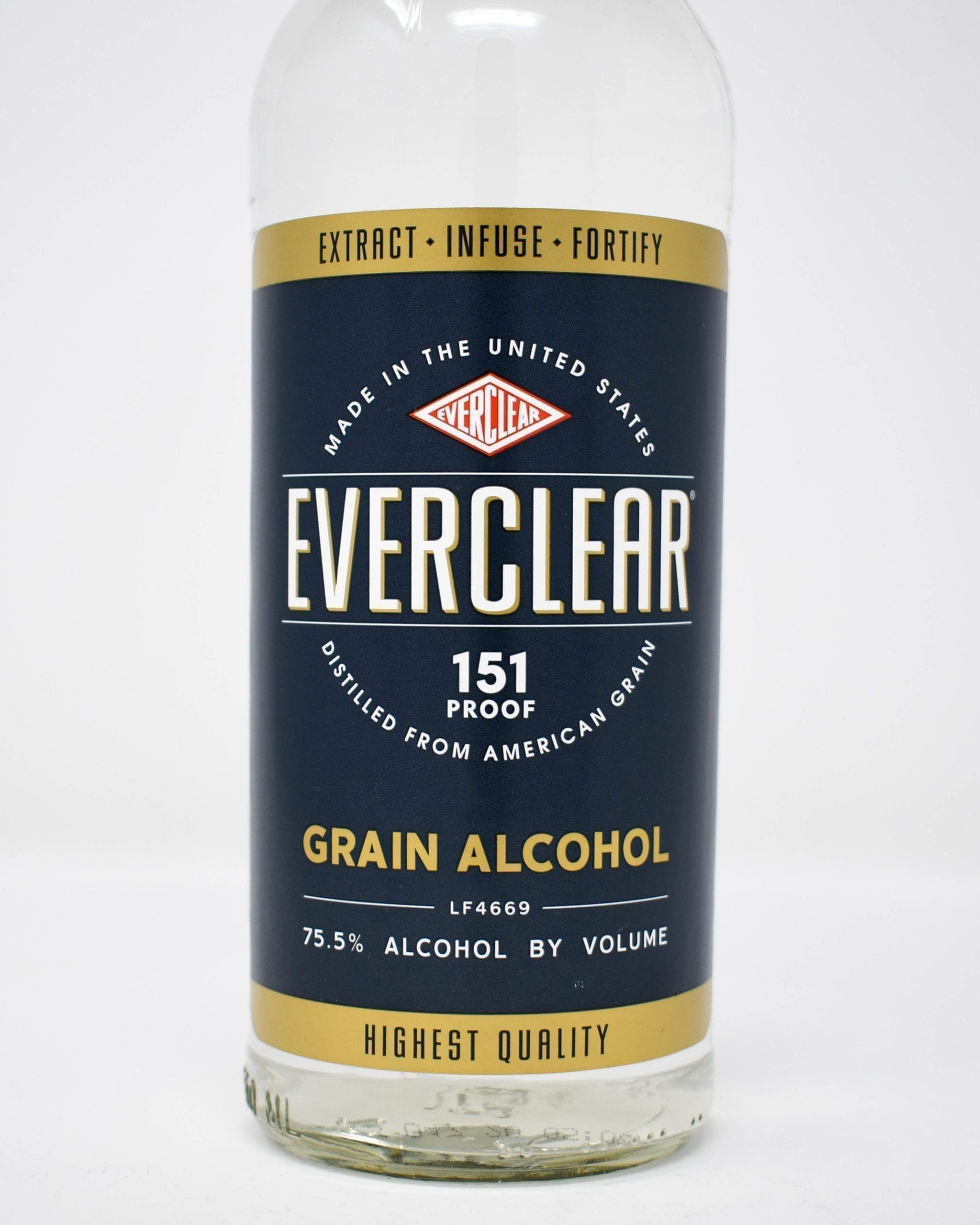
This 190-proof grain alcohol is banned in 14 U.S. states due to its extreme potency and fire hazard risk. At 95% alcohol by volume, Everclear is considered too dangerous for general consumption in many jurisdictions.
States like California, Florida, and New York prohibit its sale, though it remains legal in others for industrial and medicinal purposes.
Like Go2Tutors’s content? Follow us on MSN.
Mezcal with Worm

Traditional mezcal containing the agave worm was banned for import in many countries due to health regulations about insects in alcoholic beverages. The European Union and several other regions prohibited these bottles, considering the worm a food safety violation.
Mexico eventually moved away from the practice, partly to meet international export standards.
Poppy Seed Tea
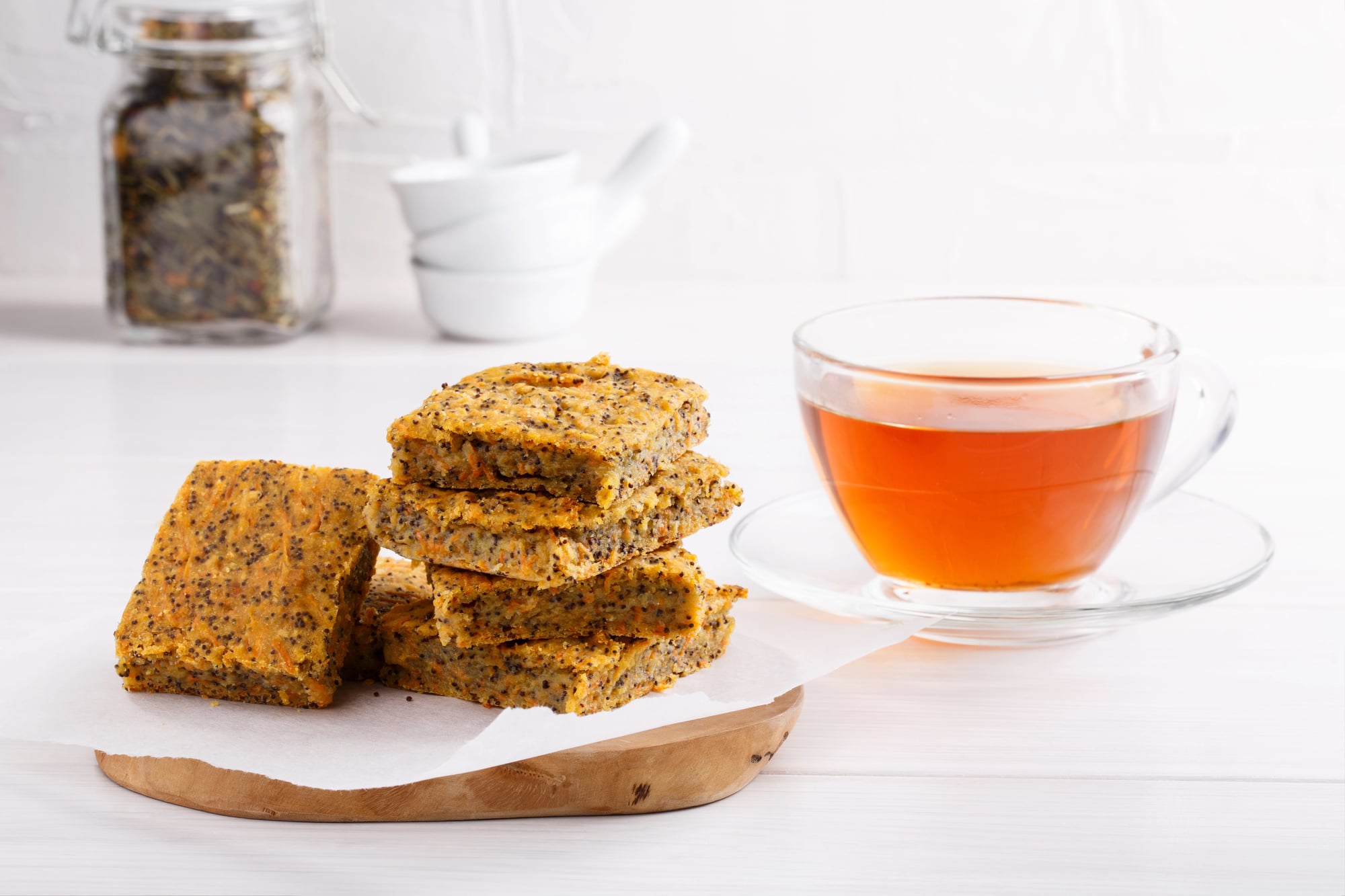
Several countries have banned poppy seeds specifically intended for brewing tea after discovering they could produce morphine-like effects. Australia and New Zealand prohibit unwashed poppy seeds, while other nations heavily regulate their sale.
The tea can be surprisingly potent when made from certain varieties of poppy seeds.
Kava
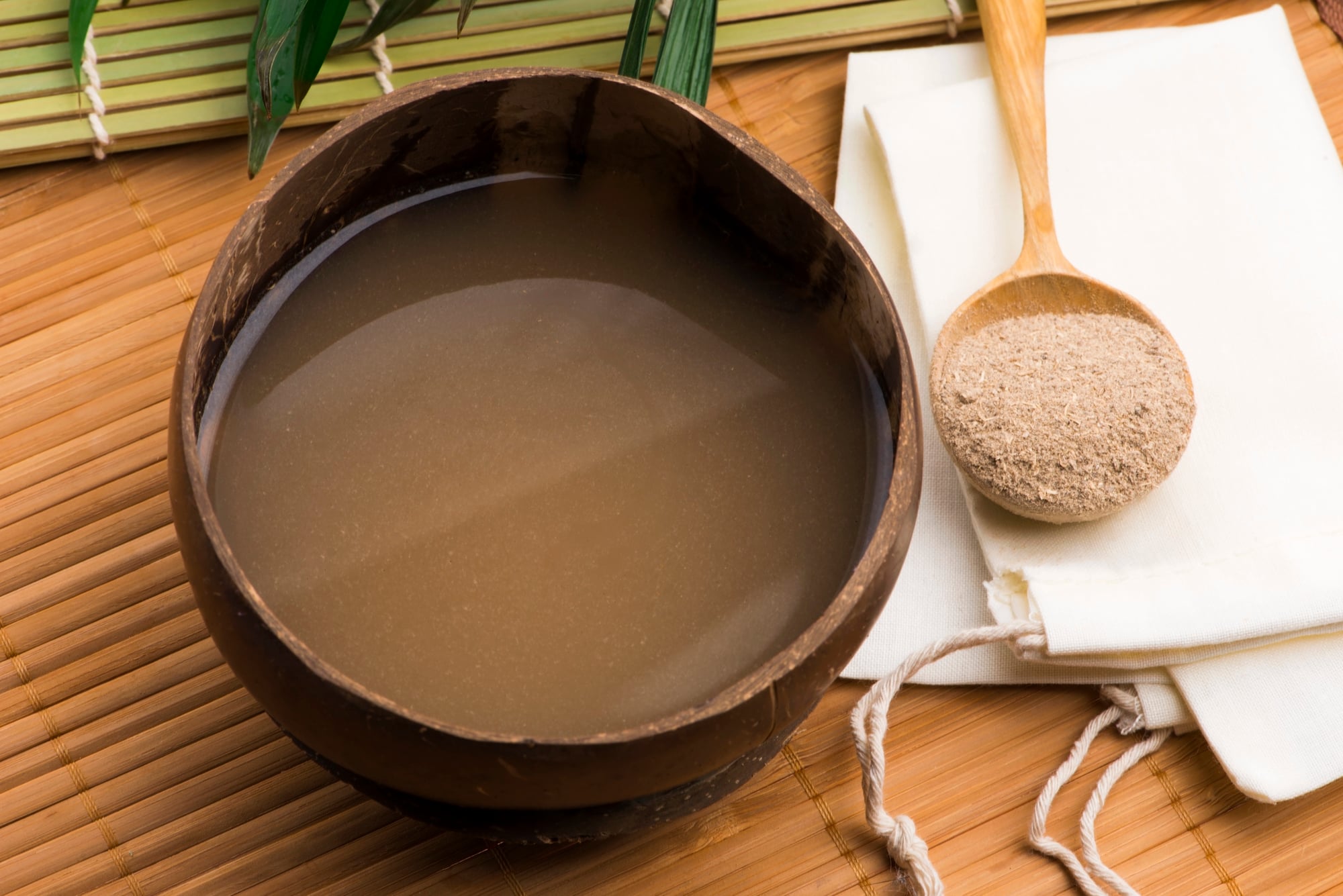
This traditional Pacific Island drink has been banned in several countries including Germany, France, and Canada due to concerns about liver damage. The root-based beverage, which produces mild euphoric effects, was widely consumed for centuries before modern health agencies raised alarms.
Some nations have since lifted their bans with proper regulation.
Like Go2Tutors’s content? Follow us on MSN.
Alcoholic Whipped Cream

Products like Whipshots faced bans in several U.S. states because they could be easily concealed and didn’t require ID checks in some retail situations. The whipped cream dispensers containing alcohol were seen as particularly appealing to underage drinkers.
Various states moved to regulate or ban these products shortly after their market introduction.
Green Chartreuse

This herbal liqueur was banned in France during certain periods when the Carthusian monks who made it were expelled from the country. The secret recipe, known only to two monks at any time, made the drink impossible to produce elsewhere.
Political and religious tensions led to multiple bans and relocations of production over the centuries.
Alcoholic Ice Pops

Frozen alcoholic treats have been banned in various jurisdictions because they’re considered too appealing to children and difficult to regulate. States like New York and California have restricted or banned certain frozen alcoholic products.
The colorful, sweet nature of these products raised concerns about underage consumption.
Like Go2Tutors’s content? Follow us on MSN.
Caffeinated Alcoholic Cocktails (Pre-mixed)
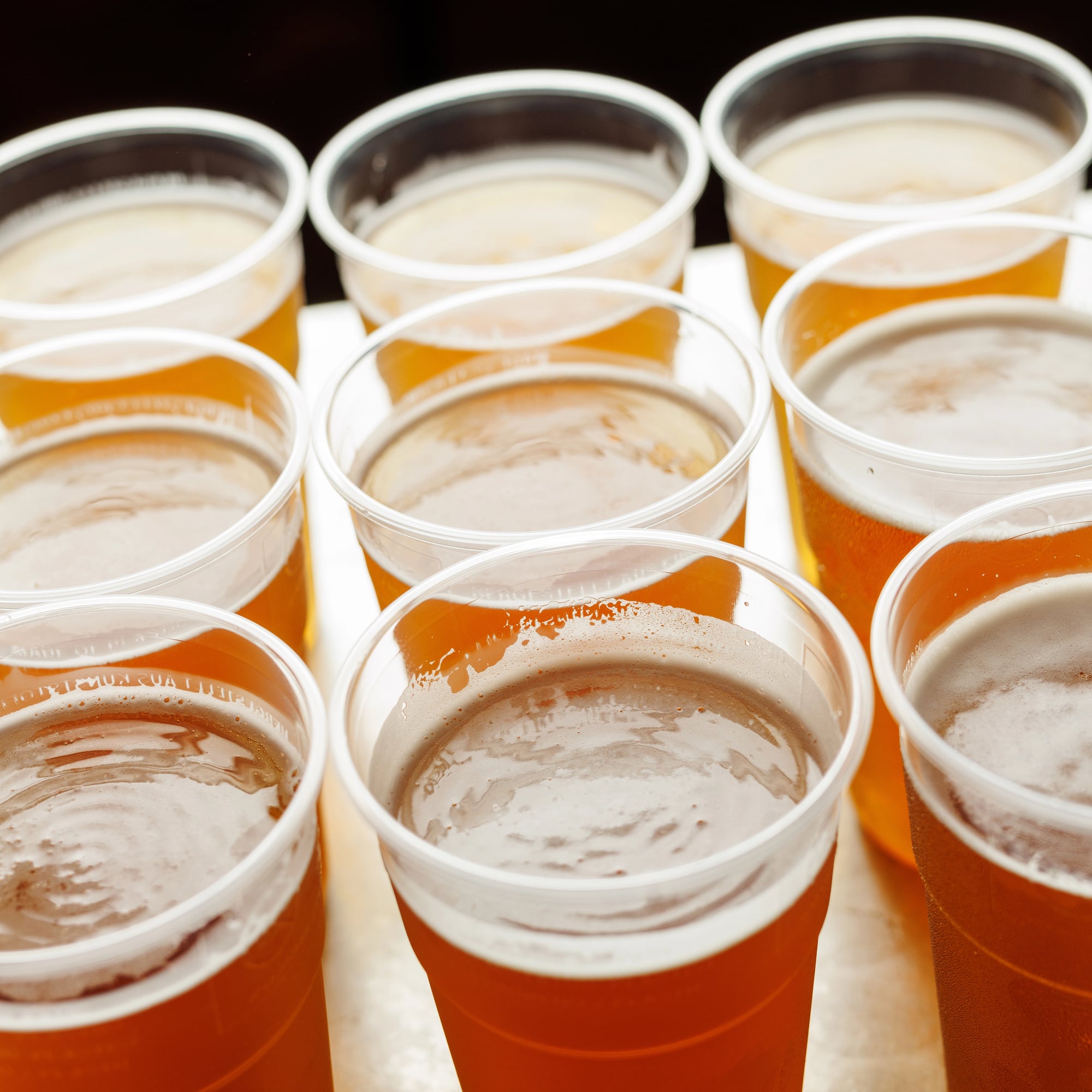
Many countries banned pre-mixed cocktails containing both alcohol and high levels of caffeine following health scares and emergency room visits. The combination was found to mask alcohol’s depressant effects, leading to dangerous overconsumption.
Australia, several European nations, and parts of North America implemented these bans.
Alcoholic Energy Shot Mixes
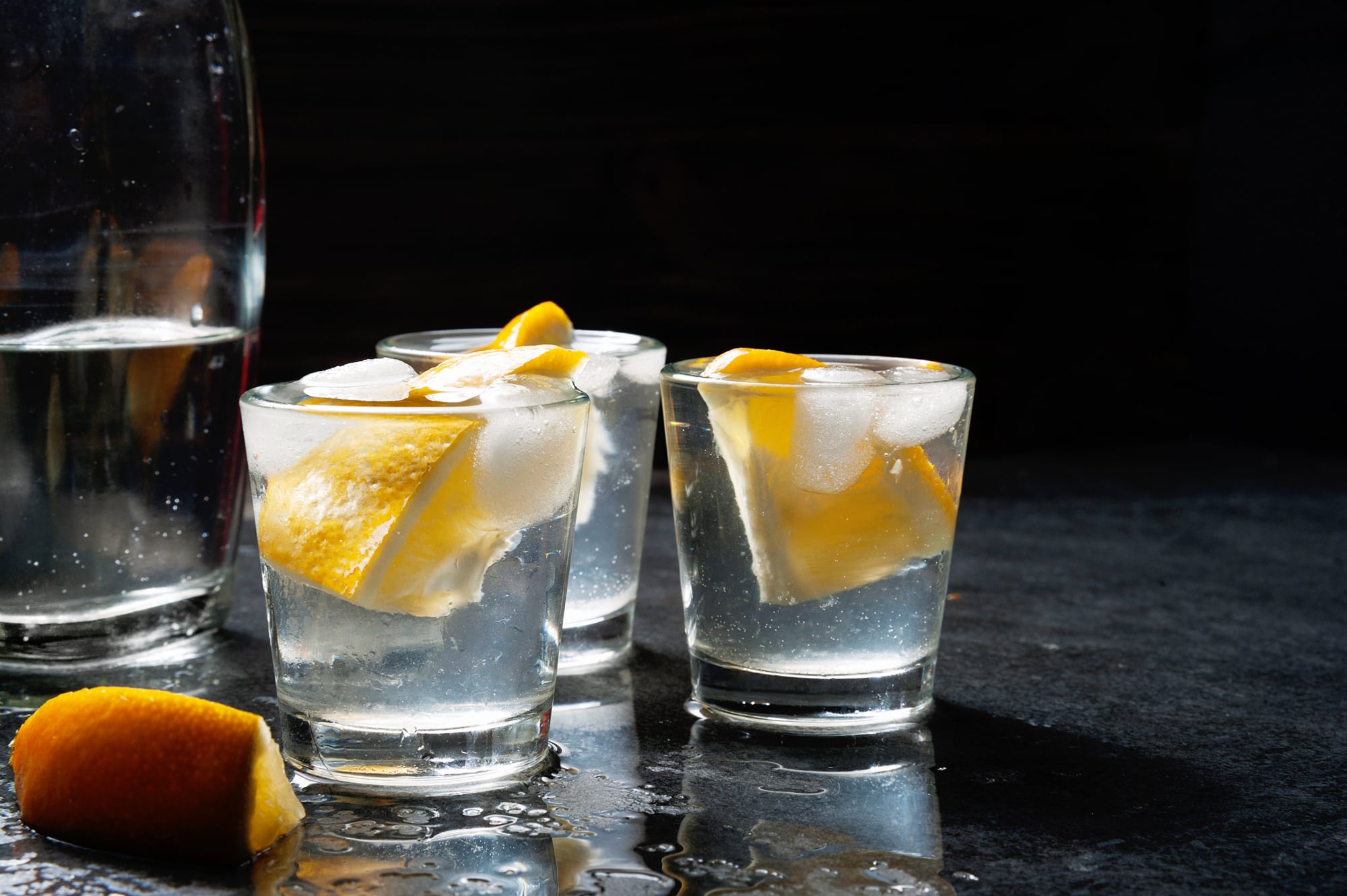
Small bottles combining alcohol with energy drink ingredients were banned in numerous locations after being linked to heart problems and risky behavior. These concentrated mixtures often contained the alcohol equivalent of several beers plus massive caffeine doses.
Regulatory agencies moved quickly to remove them from shelves.
Raw Milk Kefir (Alcoholic)
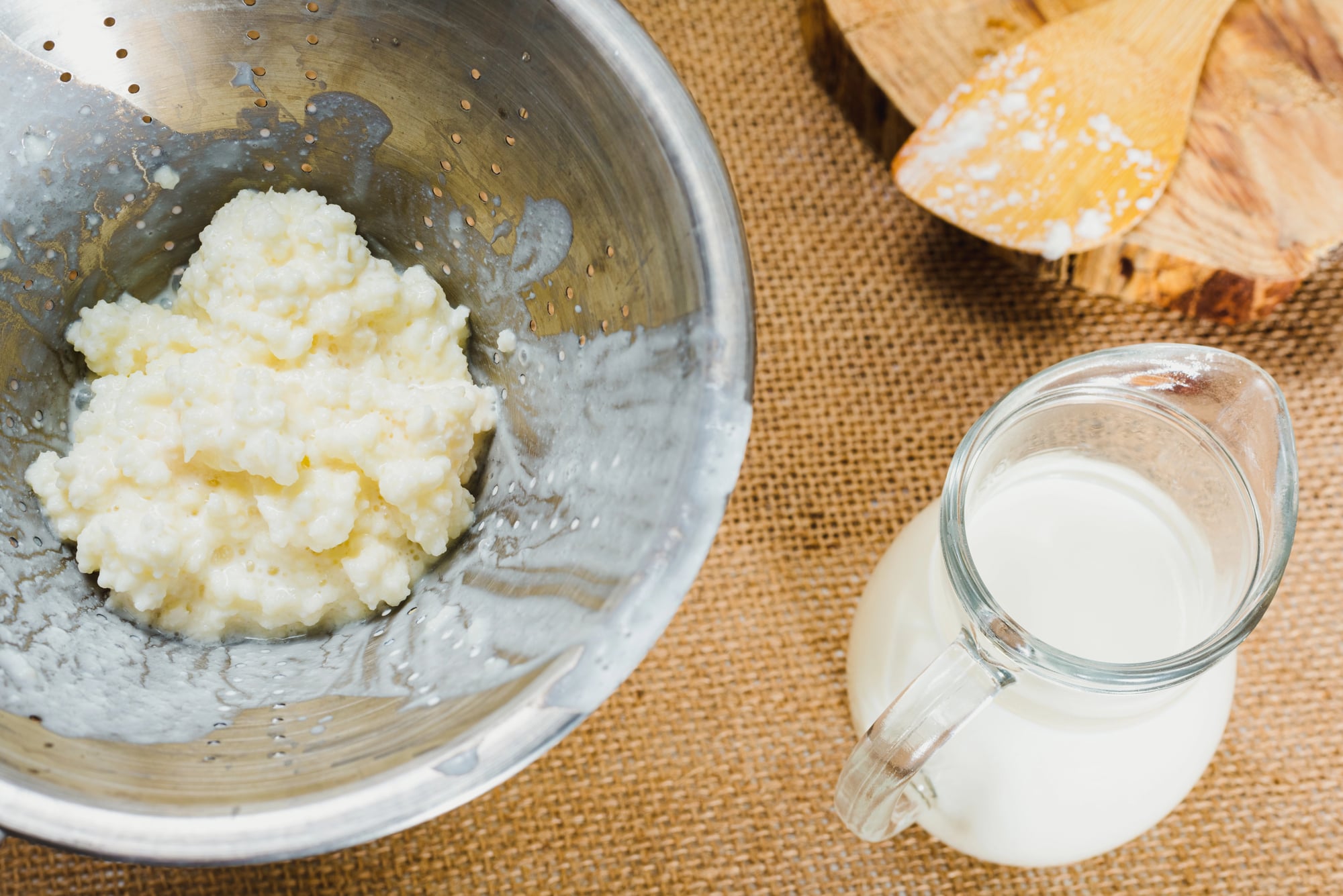
Naturally fermented raw milk kefir with alcohol content has been banned in countries with strict raw milk laws. The fermentation process can produce small amounts of alcohol while using unpasteurized milk, creating a double regulatory problem.
Health agencies in various nations prohibit its commercial sale.
Like Go2Tutors’s content? Follow us on MSN.
Homemade Prison Wine
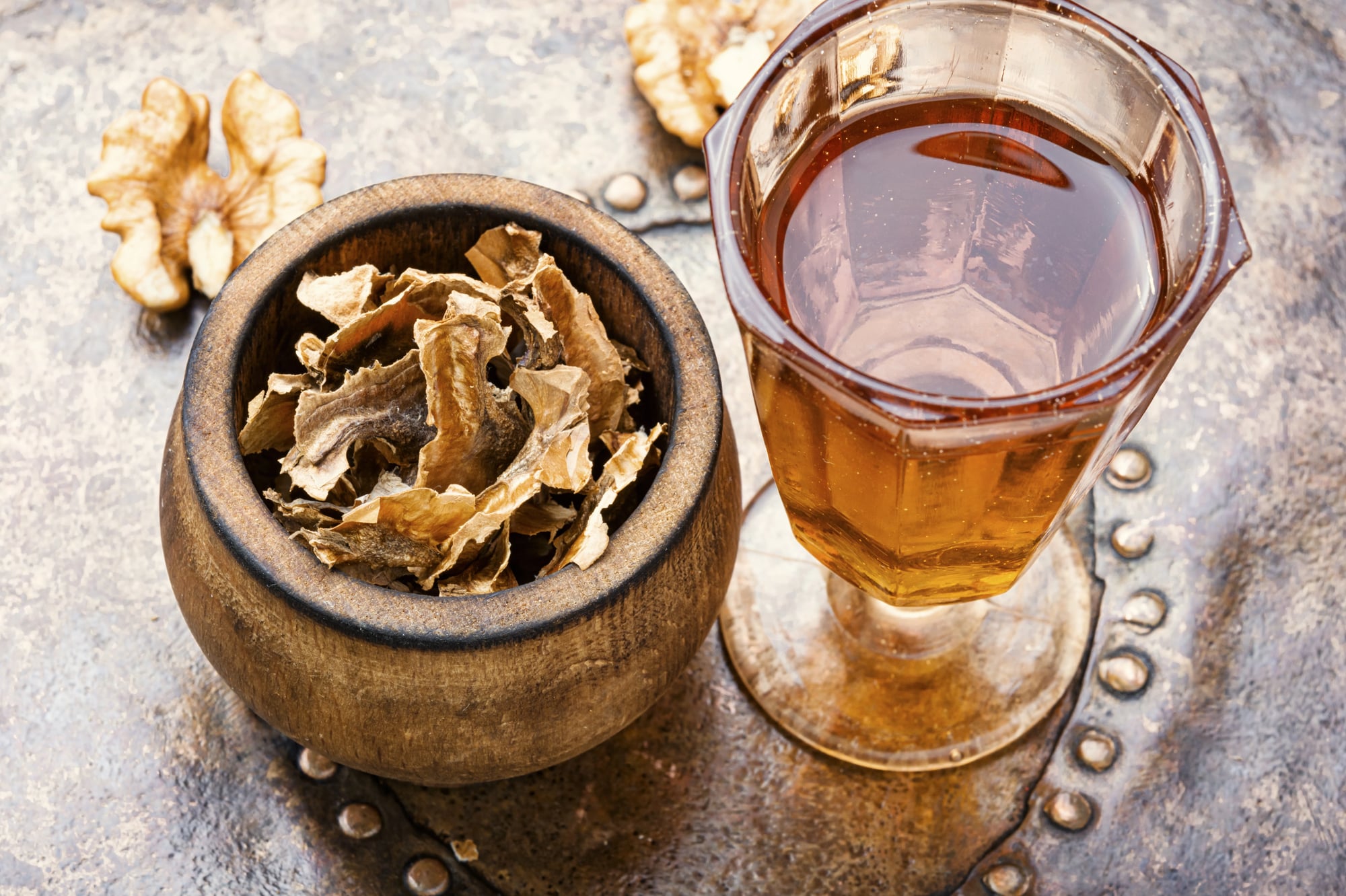
While not commercially available, prison-made alcoholic beverages are banned in correctional facilities worldwide due to security and health concerns. Inmates have historically created these drinks from fruit, bread, and other available ingredients.
The practice is prohibited because of its potential for causing illness and contributing to institutional problems.
Traditional Fermented Mare’s Milk
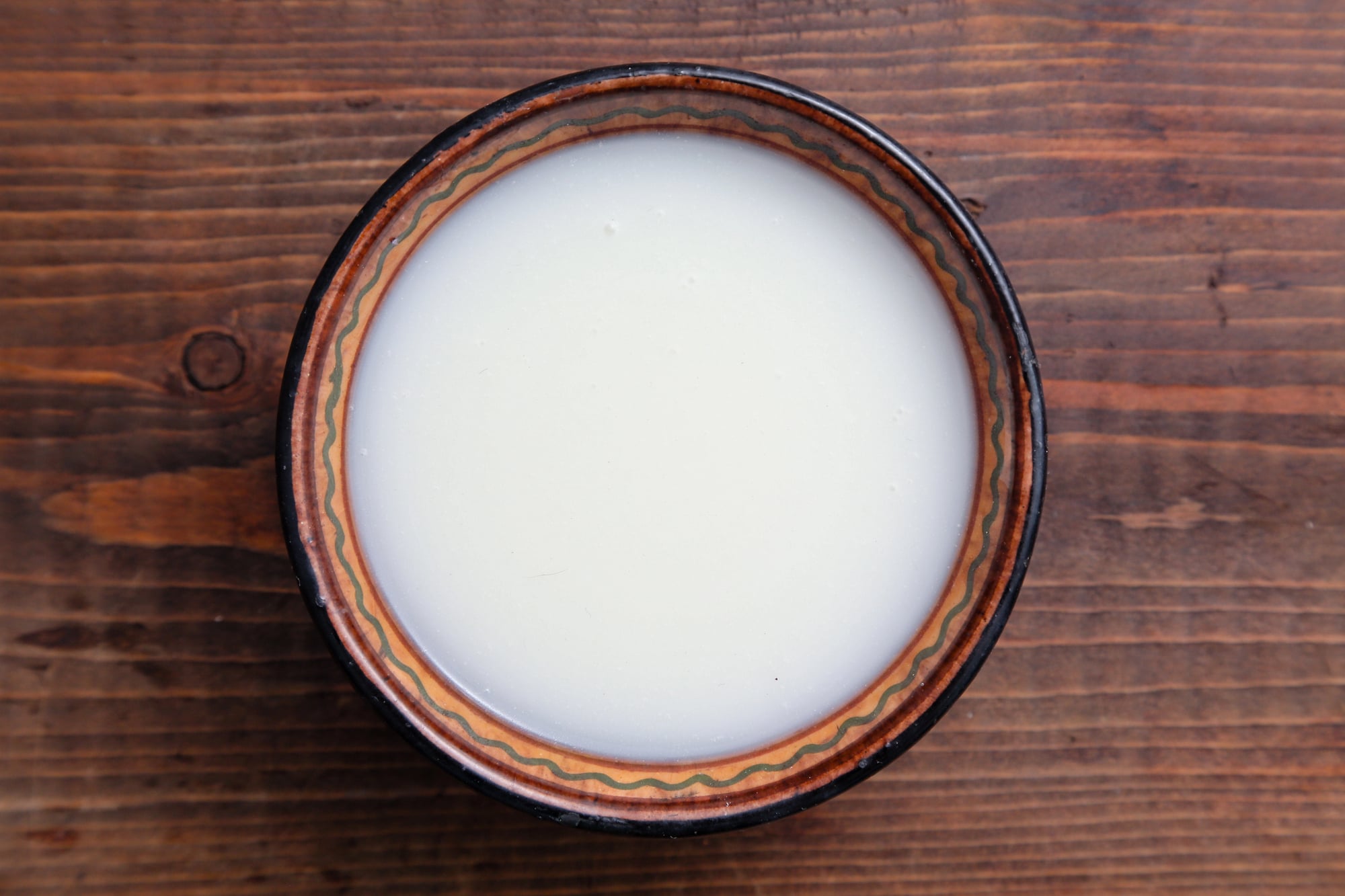
Airag or kumis, traditional fermented mare’s milk with mild alcoholic content, faces import bans in many countries due to both alcohol regulations and restrictions on unpasteurized dairy products. This ancient beverage, popular in Central Asian cultures, cannot be legally sold in most Western nations.
The combination of alcohol content and raw animal products creates regulatory complications.
When Governments Control the Glass
These beverage bans reveal how deeply governments can reach into personal choices when they perceive threats to public health, safety, or social order. Some prohibitions seem reasonable in hindsight, while others appear to have been driven more by fear than facts.
The stories behind these banned drinks remind us that what we’re allowed to sip often depends on where we live, when we live there, and what those in power consider acceptable risks.
More from Go2Tutors!

- 18 Unexpectedly Valuable Collectibles You Might Have Lying Around
- 20 Little-Known Historical Battles That Had Huge Consequences
- 20 Historical Artifacts That Scientists Can’t Explain
- 15 Inventions That Were Immediately Banned After Being Created
- 20 Actors Who Were Almost Cast in Iconic Roles
Like Go2Tutors’s content? Follow us on MSN.



