The Real History Of Ninjas
Pop culture has given us a wildly distorted picture of ninjas—black-clad assassins flipping through the night, throwing stars in every direction, and vanishing in puffs of smoke. The reality of these covert operatives from feudal Japan tells a much different and frankly more interesting story.
Rather than superhuman warriors, ninjas were skilled intelligence gatherers who operated in the shadows of Japanese society during some of the country’s most turbulent centuries. Here is a list of facts about the real history of ninjas.
They emerged during Japan’s civil war period
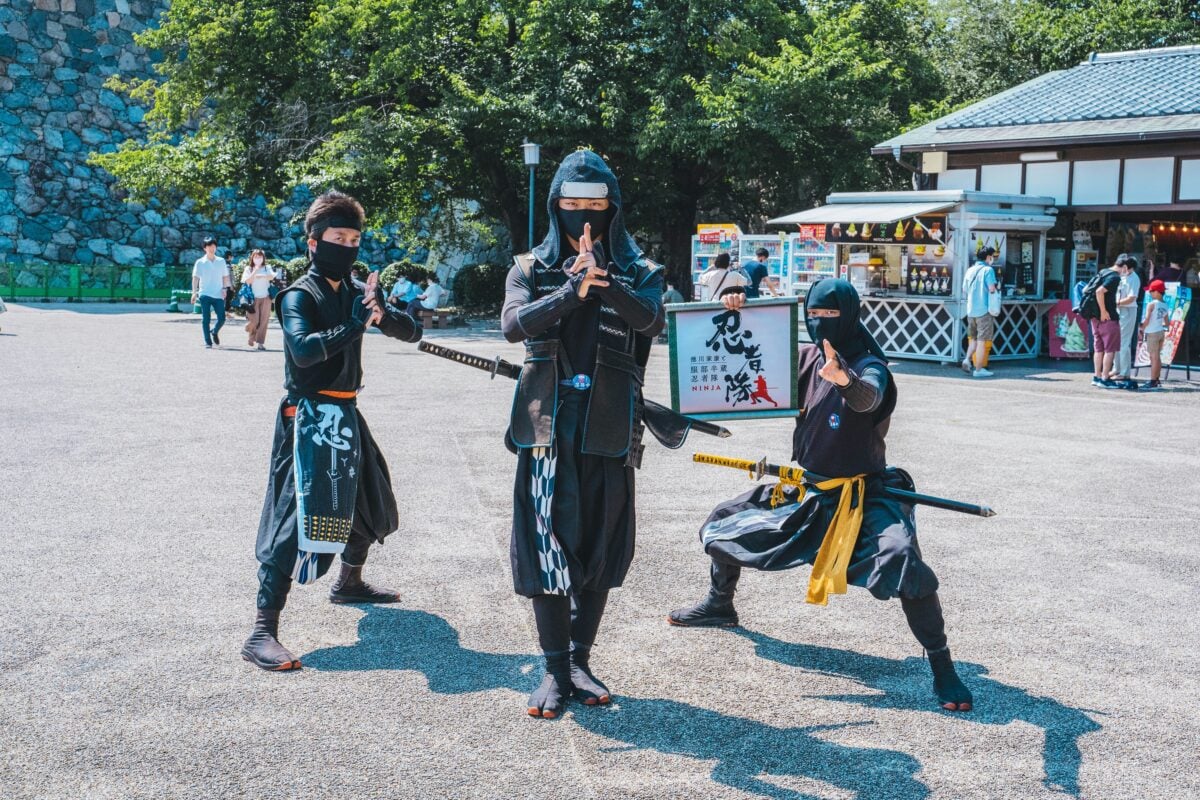
Ninjas, or shinobi as they were more commonly called, developed their craft during the 15th and 16th centuries when Japan was torn apart by constant warfare. This era, known as the Sengoku period, saw rival warlords battling for control across the country.
The chaos created a perfect environment for espionage specialists who could gather intelligence, spread misinformation, and conduct sabotage without the formalities of traditional warfare.
Ninjas were primarily spies and scouts

Forget the image of ninjas as elite assassins lurking in the darkness. Their main job involved gathering information, infiltrating enemy territory, and reporting back to their employers.
Think of them more like special operations scouts than contract killers. While they could fight when necessary, their greatest value came from bringing back accurate intelligence about enemy troop movements, fortifications, and plans.
The Iga and Kōga regions produced the most famous clans
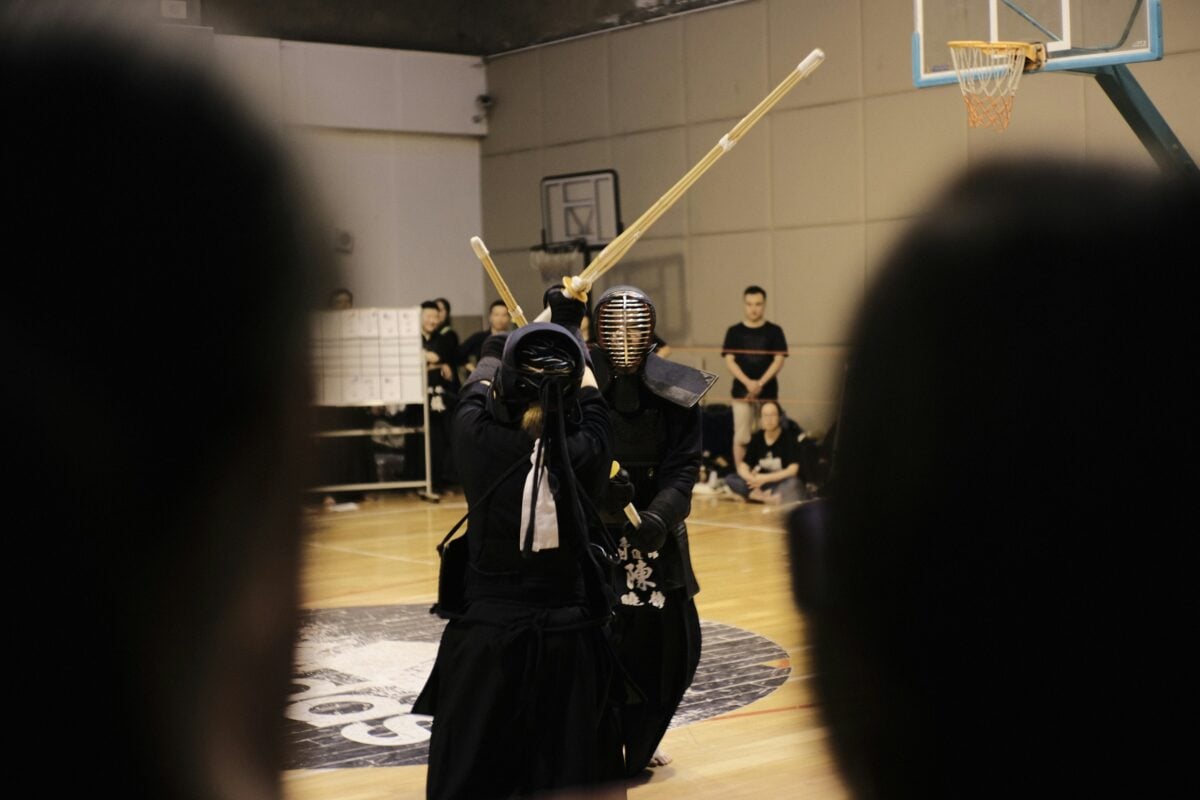
Two mountainous regions in central Japan became synonymous with ninja activity. Iga Province and the nearby Kōga district developed strong communities of shinobi families who passed down their techniques through generations.
These areas’ rugged terrain and relative isolation from central authority allowed these communities to develop their specialized skills away from the watchful eyes of the established powers.
Most ninjas came from lower social classes

Unlike the samurai who enjoyed privileged positions in Japanese society, ninjas typically came from farming communities and lower-class backgrounds. This social position actually worked to their advantage since they could blend into common crowds without raising suspicion.
Many worked as farmers during peacetime and took on covert missions when warlords needed their specialized services.
Training emphasized practical skills over combat
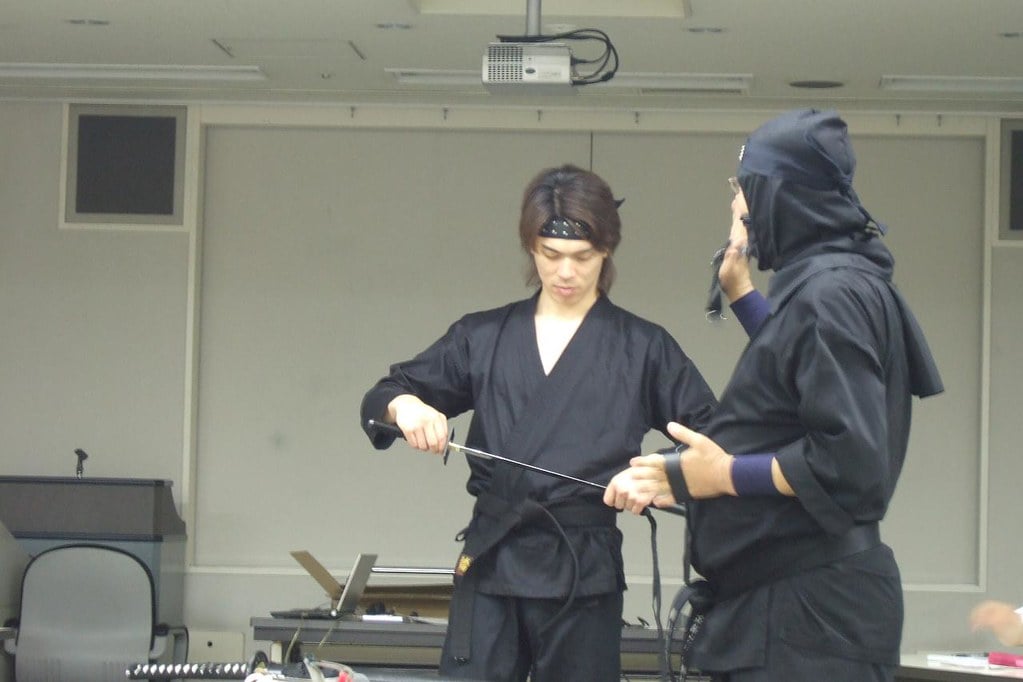
Ninja training focused heavily on skills that actually helped with espionage work. They learned to pick locks, forge documents, understand architecture and castle layouts, mix poisons and medicines, predict weather patterns, and read people’s behavior.
Physical conditioning mattered, but the mental skills of observation, memory, and psychological manipulation proved even more valuable for their line of work.
Disguise and infiltration were their bread and butter

A ninja’s greatest weapon was the ability to disappear into everyday life. They mastered various disguises, pretending to be traveling monks, merchants, performers, or peasants to move freely through enemy territory.
Some specialized in particular roles and could maintain their cover identities for weeks or even months while gathering information. The best ninjas were the ones nobody suspected in the first place.
They didn’t actually wear all black
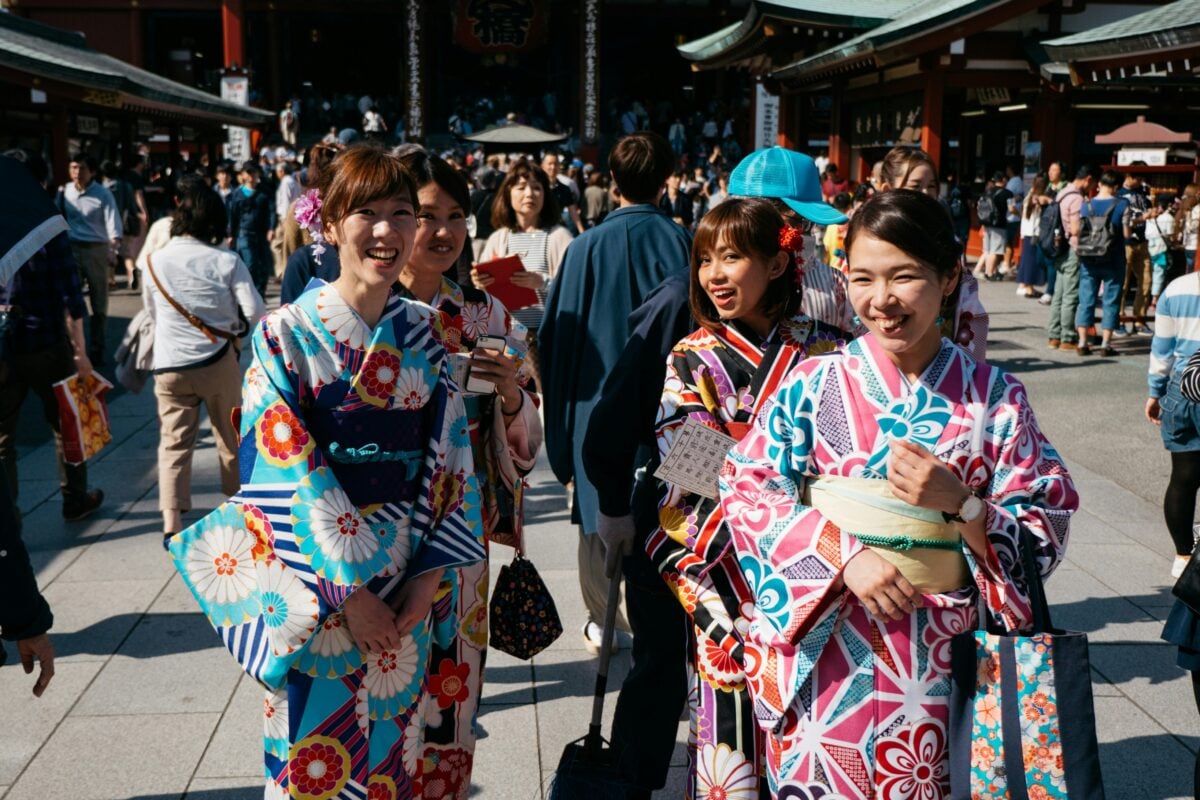
The iconic black outfit comes from Japanese theater, not history. Real ninjas wore clothing that helped them blend into their surroundings, which meant dark blues, browns, and grays that matched the natural environment or common peasant clothing.
When conducting nighttime operations, they might wear dark colors, but solid black would actually make them stand out as a silhouette. During the day, they dressed like whoever they were pretending to be.
Their weapons were practical and concealable

While ninjas did use throwing stars (shuriken) and other specialized tools, these weren’t their primary weapons. They carried items that served multiple purposes and could be explained away if discovered—sickles that doubled as farming tools, staff that appeared innocent, and various implements that could pick locks, climb walls, or start fires.
Many of their ‘weapons’ were everyday objects used in creative ways.
Samurai and ninjas had a complicated relationship
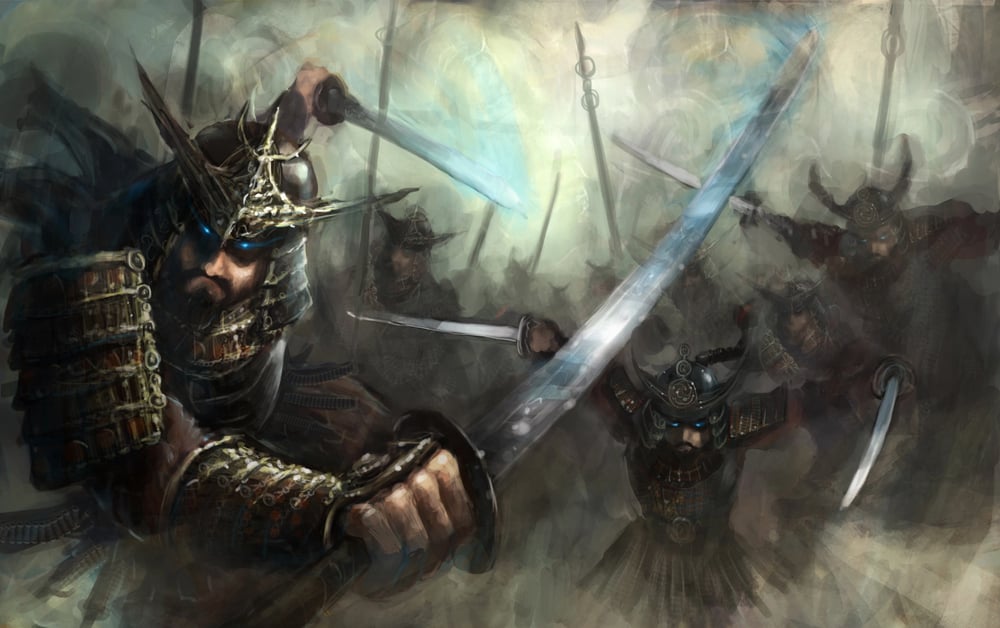
Samurai officially looked down on ninjas because shinobi tactics violated the samurai code of honor that emphasized direct, face-to-face combat. However, many samurai lords secretly employed ninjas when they needed intelligence or covert operations that couldn’t be handled through conventional warfare.
Some samurai even learned ninja techniques themselves, though they’d rarely admit it publicly.
Hattori Hanzo became the most famous ninja in history
Hattori Hanzo served Tokugawa Ieyasu, the warlord who eventually unified Japan and established the Tokugawa shogunate. Hanzo led a group of Iga ninja who helped Ieyasu escape through enemy territory after a crucial battle, cementing his reputation.
His service to the winning side meant his legacy survived while many other ninja stories faded into obscurity.
Ninjas wrote detailed training manuals

Contrary to the image of mysterious, illiterate shadow warriors, ninjas documented their techniques in comprehensive manuals. The Bansenshukai, compiled in 1676, runs to multiple volumes and covers everything from espionage tactics to weather prediction.
The Shoninki, written in 1681, provides detailed instructions on infiltration and intelligence gathering. These texts show that ninja knowledge was systematically organized and carefully preserved.
They played crucial roles during the Warring States period

When Japan’s warlords battled for supremacy, ninjas provided essential intelligence that could mean the difference between victory and defeat. They infiltrated castles, assessed enemy strength, identified supply routes, and sometimes conducted sabotage operations.
Several major battles turned on information gathered by shinobi operatives who had penetrated enemy camps.
Their influence declined after Japan’s unification

Once Tokugawa Ieyasu unified Japan in 1603 and established a stable government, the demand for ninja services plummeted. The Edo period that followed brought over 250 years of relative peace, which meant far less need for covert intelligence gathering.
Many former ninjas transitioned into roles as security consultants, bodyguards, or simply returned to farming.
Female ninjas operated with different tactics

Women trained in espionage, sometimes called kunoichi, used their own specialized approaches to intelligence gathering. They often worked as servants, entertainers, or courtesans to gain access to powerful households where they could observe and listen.
Their social invisibility as women in feudal Japan actually provided excellent cover for gathering sensitive information.
Modern ninja myths exploded during the 20th century

The dramatic ninja image we know today largely developed through 20th-century movies, manga, and television shows. Japanese filmmakers in the 1960s created the black-clad, superhuman ninja character that became globally popular.
While entertaining, these portrayals buried the actual history under layers of fantasy that had little connection to the real shinobi of feudal Japan.
From shadows to spotlight

The real ninjas operated in a world where information meant power and survival depended on staying invisible. Today, their descendants have emerged from the shadows in an ironic twist—some maintain traditional training halls in Iga and Kōga, teaching tourists the very techniques their ancestors used to stay hidden.
What once served as essential survival skills in a war-torn country now exists as cultural heritage and entertainment, preserved precisely because it’s no longer needed for its original purpose.
More from Go2Tutors!

- The Romanov Crown Jewels and Their Tragic Fate
- 13 Historical Mysteries That Science Still Can’t Solve
- Famous Hoaxes That Fooled the World for Years
- 15 Child Stars with Tragic Adult Lives
- 16 Famous Jewelry Pieces in History
Like Go2Tutors’s content? Follow us on MSN.



