18 Accidental Discoveries You Rely On Daily
A cup of coffee cooling on a lab bench led to one discovery. Mistakes in measurements opened doors nobody meant to walk through.
A spilled liquid revealed what careful plans could not. Some fixes came from burnt meals, others from failed experiments.
Luck wore many faces, showing up when attention was elsewhere. Thing is, those random lucky breaks? They flipped it all upside down.
Picture 18 such moments – small, quiet, yet running right through your everyday life without you noticing.
Penicillin
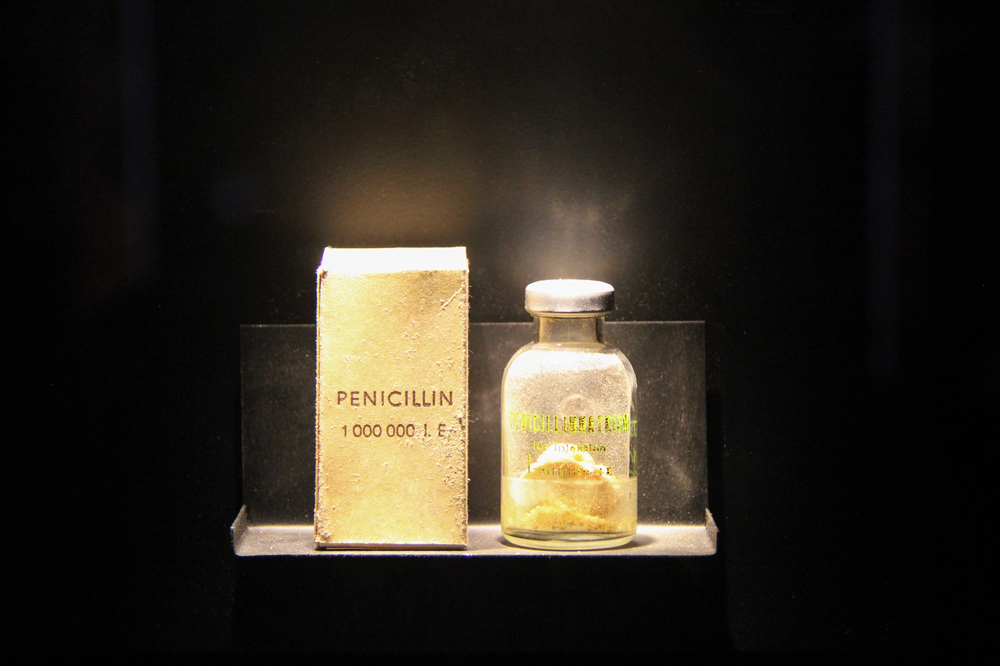
Back from holiday, Alexander Fleming spotted something odd – a petri dish he’d forgotten was now covered in mold. The bacteria nearby? Gone.
This accident turned into penicillin. One overlooked mess led to a breakthrough. Since then, countless people have lived because of that single lapse in lab cleanup.
Microwave Cooking
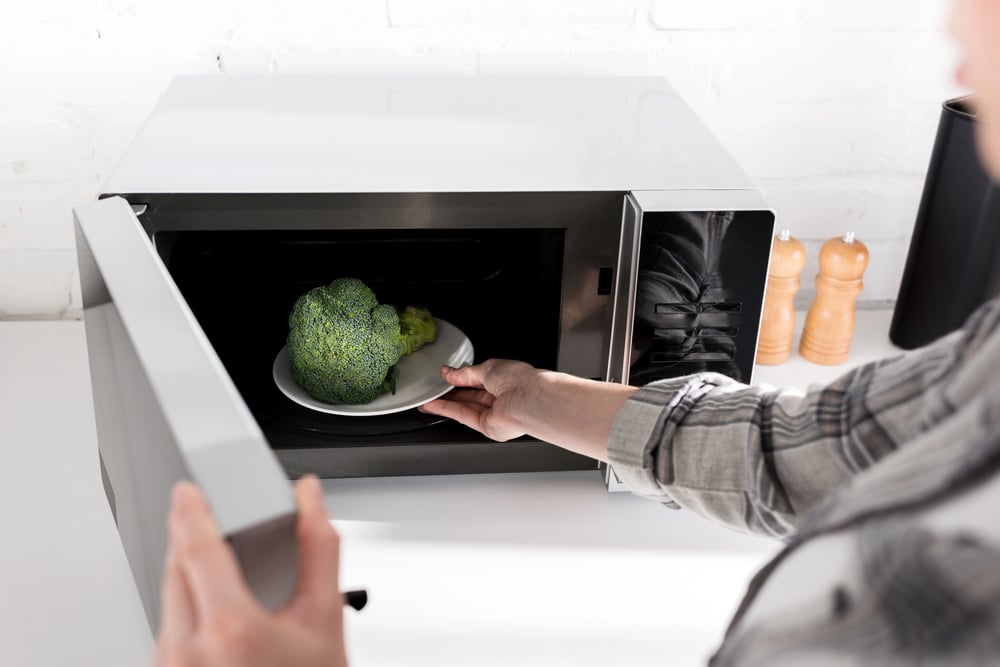
A strange little moment happened one day in 1945 – Percy Spencer, busy checking radar gear at Raytheon, found a gooey mess where his chocolate bar should have been. That odd warmth sparked something in him; soon after, kernels danced into fluffy bursts under the beam, then eggs puffed up oddly fast.
From such small tests came what now hums quietly on almost every American countertop. Not bad for a melted snack.
Post-It Notes

A sticky failure sat around for ages before someone gave it meaning. Spencer Silver aimed for powerful glue at 3M, yet ended up with something weak that lifted without residue.
For years, silence followed its existence – no clear role emerged. Until one day, a fellow worker slipped it into a church songbook to mark pages gently.
Saccharin
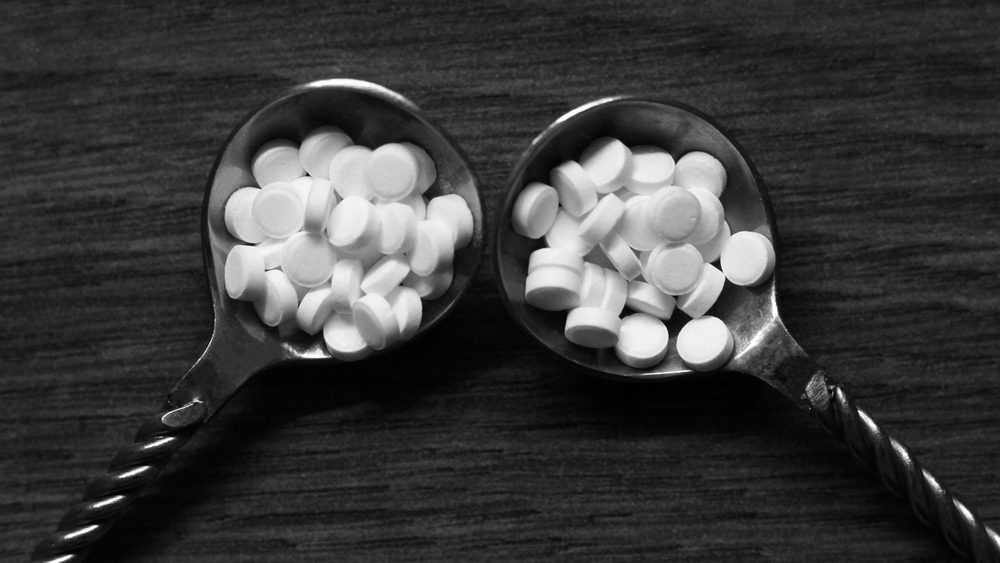
A strange taste at dinnertime sparked something big. Hands unwashed after a long day, Constantin Fahlberg ate without thinking.
The bread on his plate carried an odd sweetness he didn’t expect. Curiosity pulled him back to the lab instead of bed.
A spilled chemical earlier that week had left traces behind. Testing each substance one by one revealed the source.
What emerged wasn’t sugar but something sharper, synthetic. This accidental find shaped how we eat today.
Found in cans, packets, and processed treats worldwide, it started with carelessness. Saccharin changed flavors across continents – born from distraction.
Safety Glass

A glass bottle fell one day, landing hard on the floor. Yet it did not break apart – its insides were lined with a stiff film of old plastic stuff.
The man who saw this was Edouard Benedictus, working in France around 1903. He paid attention when most would have just cleaned up and moved on.
What stayed together sparked an idea that stuck long after. From that moment came layered window glass built to resist shattering, later found protecting drivers behind car fronts.
X-Rays
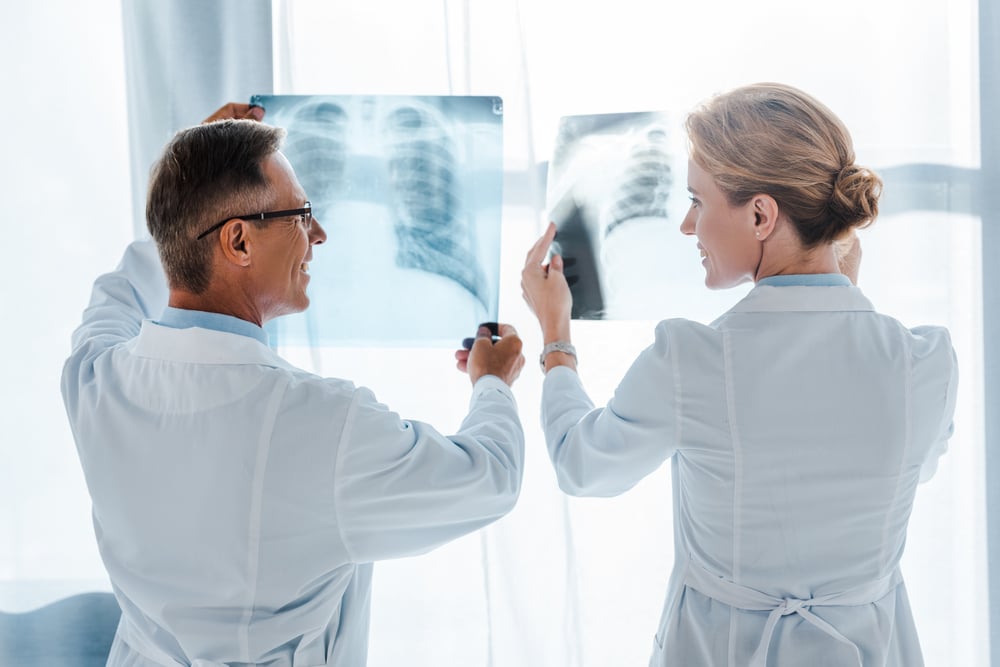
A flicker on a distant screen caught Wilhelm Röntgen’s eye during his 1895 tests with cathode rays, something odd since those beams weren’t meant to reach so far. Curiosity held him there, pushing more trials – soft parts let the rays slip through, bones blocked them outright.
By next year’s turn, clinics had begun peering beneath skin with this new glow.
Teflon
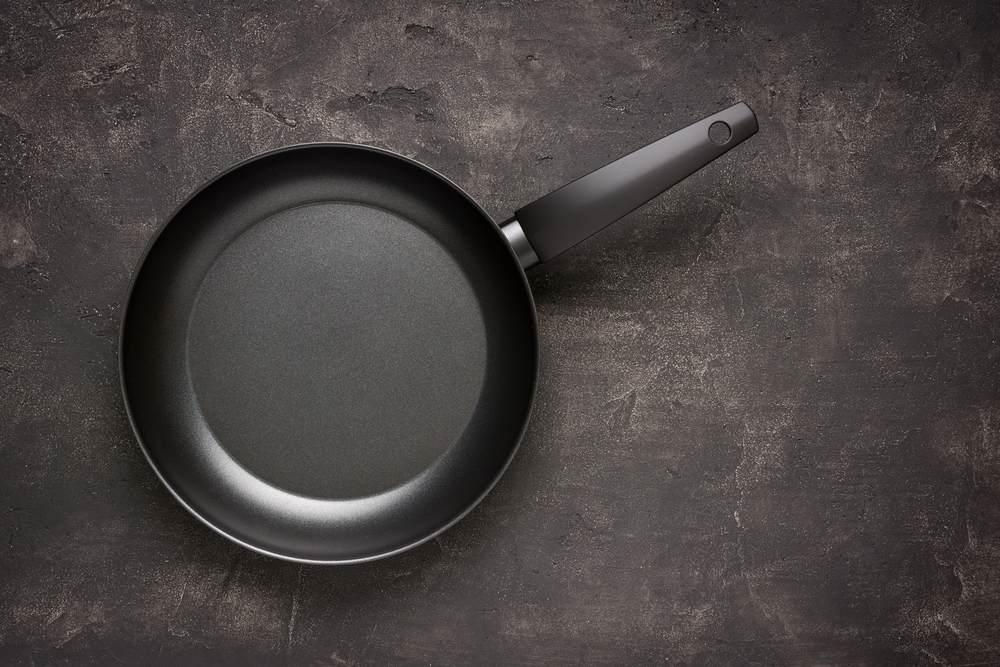
A strange accident unfolded inside a DuPont lab back in 1938. Roy Plunkett expected gas, yet opened a container filled with white, waxy gunk.
This odd result slipped through fingers like nothing before it. Over time, that goop transformed into what sticks to pans but never lets food stay – Teflon.
Velcro
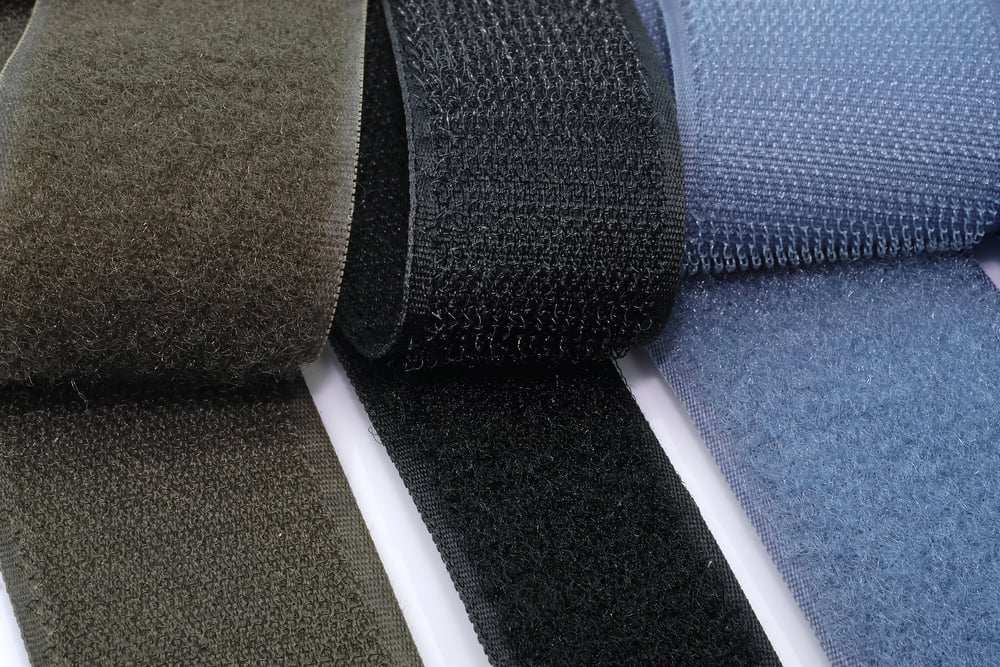
After a walk in 1941, Swiss inventor George de Mestral found seed pods stuck to his dog’s coat, also clinging to his trousers. Tiny hooks on the seeds latched into cloth loops – this detail caught his eye when he peered through a lens.
Years passed while he copied nature’s design. Since then, that idea holds items closed, one hook and loop at a time.
Vulcanized Rubber
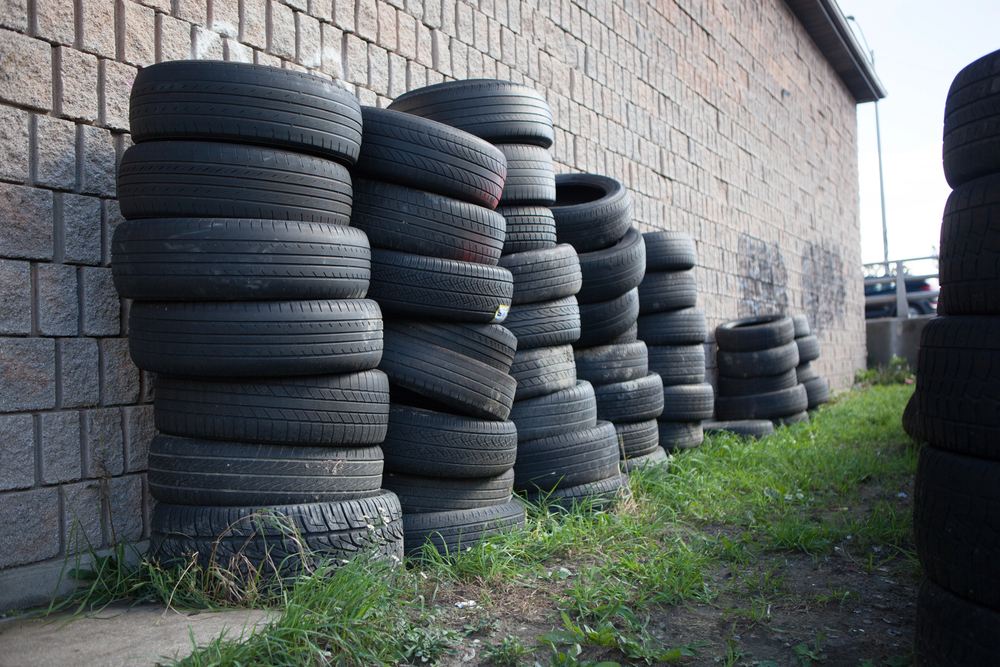
Charles Goodyear had been obsessively trying to make rubber stable at high temperatures for years, with no luck. In 1839, he accidentally dropped a rubber and sulfur mixture onto a hot stove and found it remained flexible and strong.
That discovery made car tires, rain boots, and countless rubber products possible.
Potato Chips
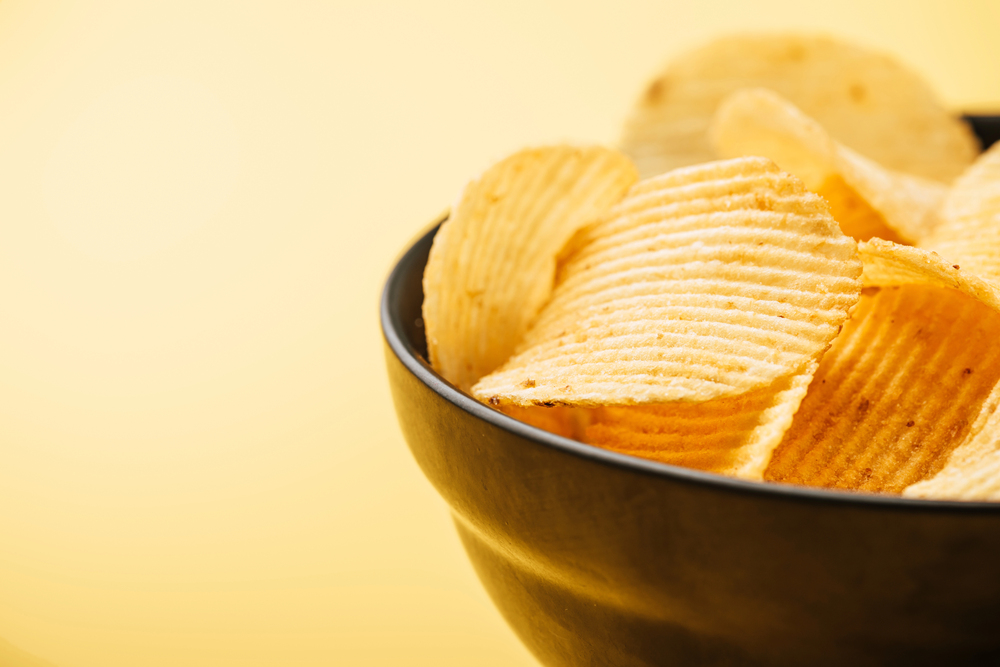
A chef named George Crum at a restaurant in Saratoga Springs, New York, made them in 1853 out of pure frustration. A customer kept sending back his fried potatoes, saying they were too thick.
Crum cut them paper-thin, fried them crispy, and salted them heavily as a joke. The customer loved them, and the potato chip was born.
Pacemakers
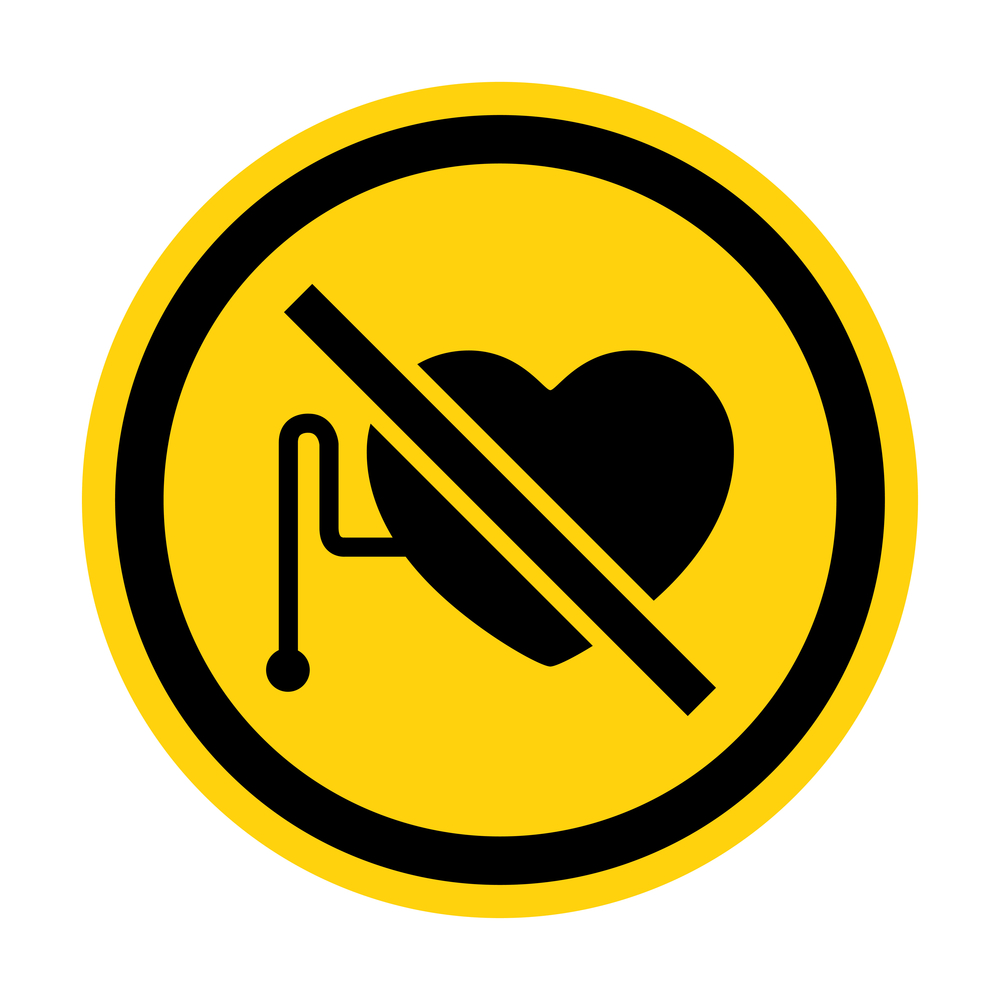
Engineer Wilson Greatbatch was trying to build a device to record heartbeat sounds in 1956 and grabbed the wrong resistor by mistake. The circuit it created produced a rhythmic electrical pulse that mimicked a heartbeat.
He realized it could regulate a failing heart, and that error became the implantable cardiac pacemaker.
Super Glue
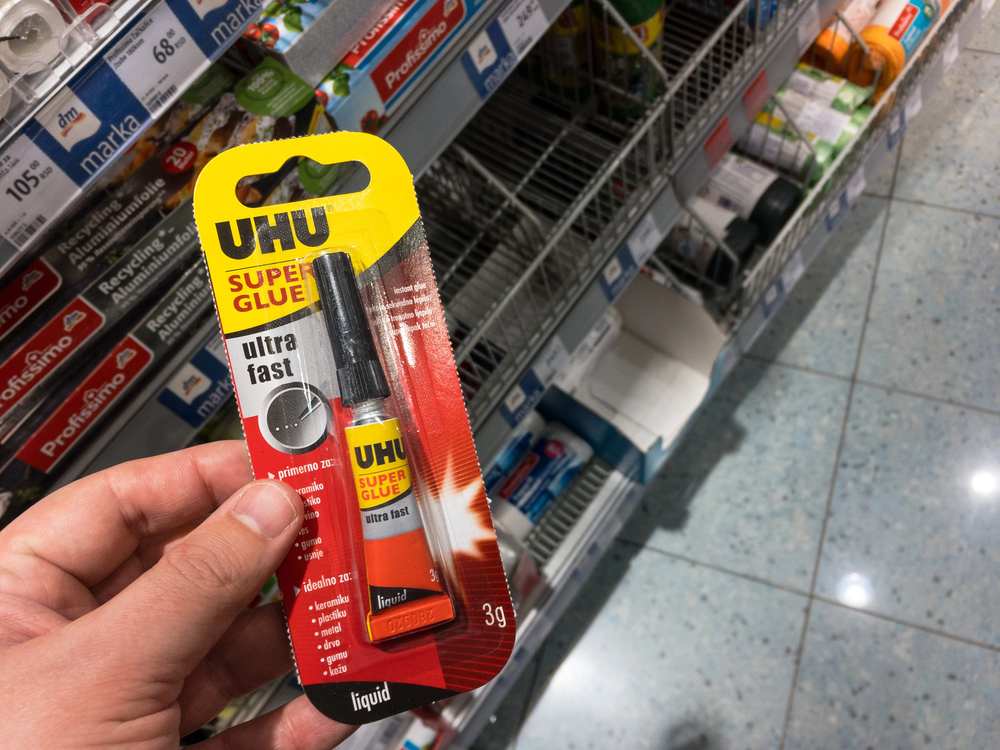
Harry Coover was working on creating clear plastic gun sights during World War II when he accidentally made a substance that stuck to everything it touched. He dismissed it as a nuisance at the time.
Years later, he revisited the compound and recognized its value, bringing Super Glue to the market in 1958.
Stainless Steel

Harry Brearley was a metallurgist in Sheffield, England, trying to develop a better gun barrel in 1913. He kept setting aside steel alloys that failed his tests.
One day he noticed that an old rejected sample had not rusted at all, and that observation led to the creation of stainless steel used in your cutlery, kitchen sink, and surgical tools.
Plastic
Leo Baekeland was looking for a synthetic substitute for shellac in 1907 and ended up creating a material unlike anything the world had seen. It was moldable, heat-resistant, and durable, and it did not come from nature at all.
He called it Bakelite, and it opened the door to the entire plastics industry.
Anesthesia
Crawford Long and other doctors in the 1800s observed that people at recreational ‘ether parties’ would injure themselves without feeling any pain. Long connected the dots and used ether as an anesthetic during surgery in 1842.
Before that discovery, surgery meant full consciousness and full pain, and it was not a pleasant situation.
Corn Flakes
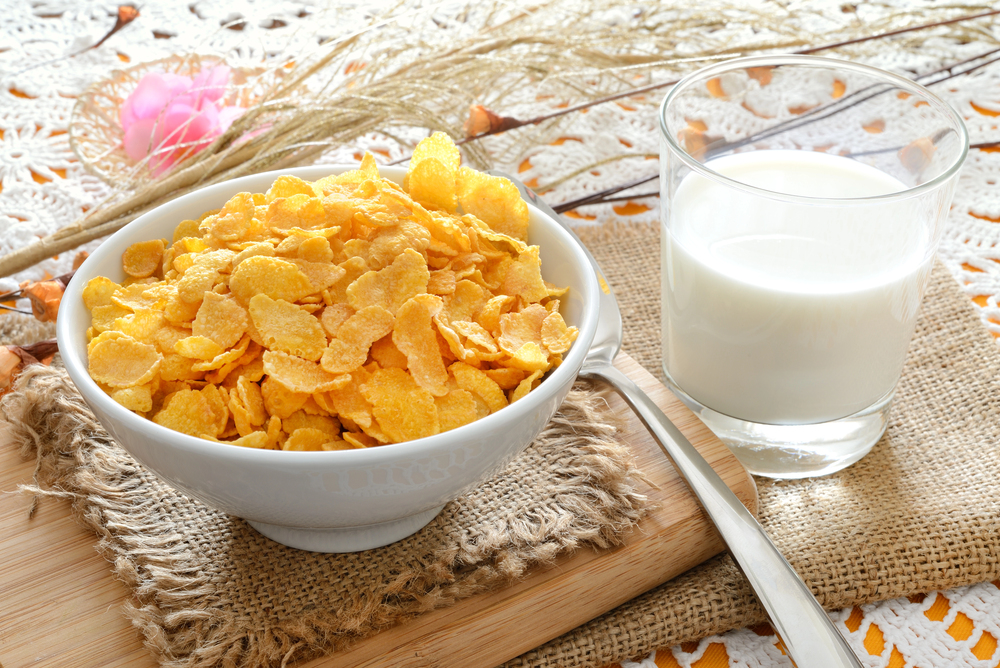
John Harvey Kellogg and his brother Will were running a sanitarium in Michigan in 1894 and accidentally left boiled wheat out too long. When they tried to roll it out, it crumbled into flakes instead.
They baked the flakes anyway, liked the result, and tried the same thing with corn. Breakfast in America has never looked the same since.
Ink-Jet Printing
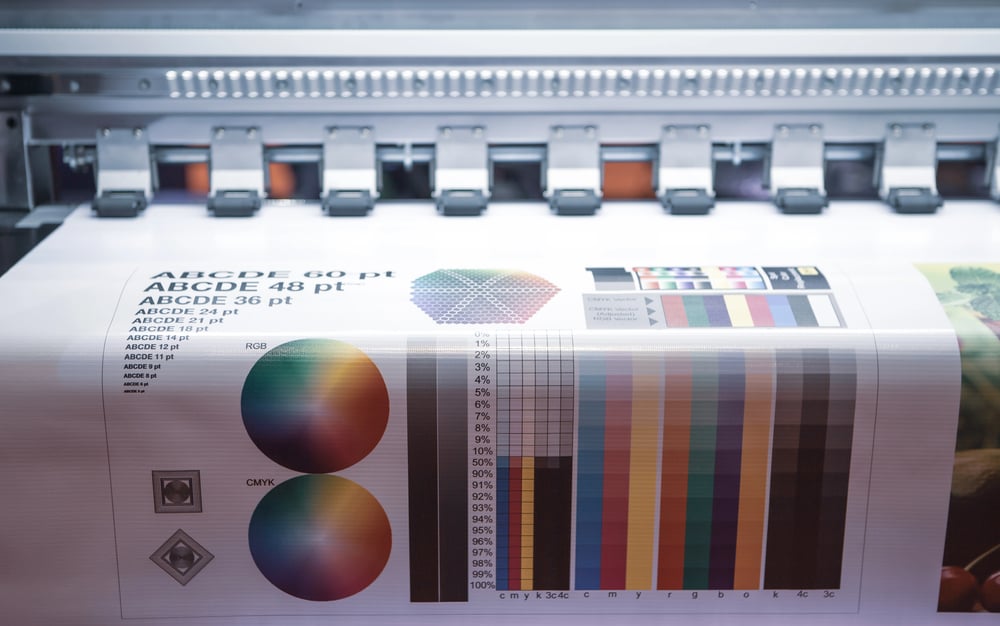
Canon engineers in the 1970s discovered inkjet printing when a researcher accidentally touched a hot soldering iron to a syringe filled with ink. The heat caused a tiny drop of ink to shoot out of the needle.
That unexpected squirt became the foundation for the inkjet printer sitting on your desk.
Laughing Gas as Anesthesia
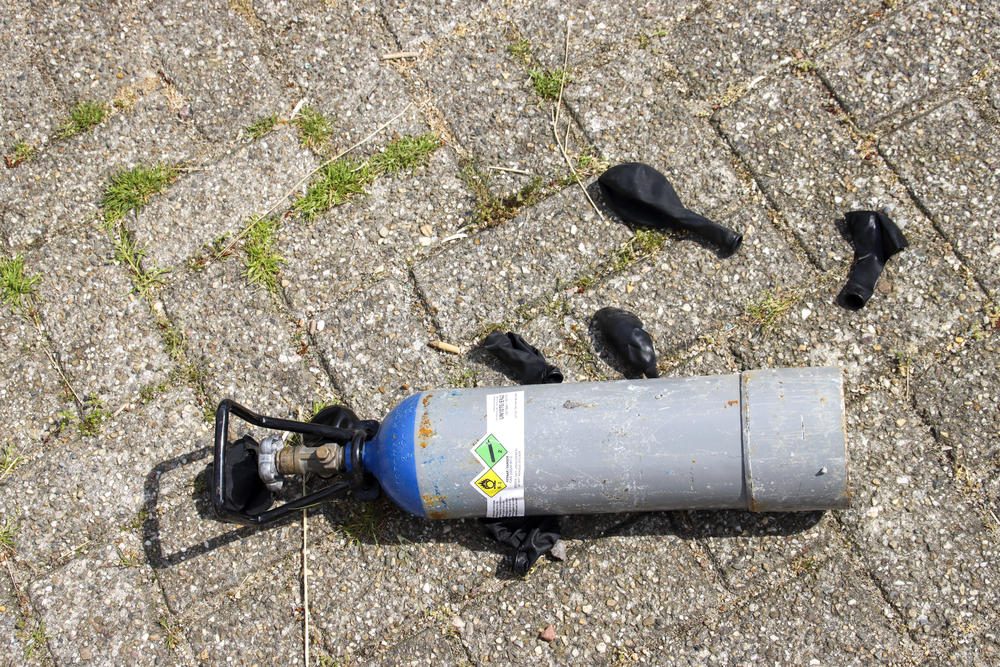
Humphry Davy was experimenting with nitrous oxide in 1799 and noticed it dulled the pain of an inflamed wisdom tooth while giving him a giddy feeling. He wrote that it might be useful during surgery, though doctors ignored him for decades.
It finally became a standard pain reliever in dentistry and surgery, and it still works the same way today.
The Best Discoveries Are Often Mistakes
None of these inventors planned to change the world on the day it happened. They spilled things, grabbed the wrong parts, forgot to clean up, and went on vacation at the wrong time.
The difference between those moments and a wasted accident was curiosity, the willingness to stop and ask why something strange just happened. The next time something goes unexpectedly wrong in a kitchen, a lab, or a workshop, it might be worth a second look.
More from Go2Tutors!

- The Romanov Crown Jewels and Their Tragic Fate
- 13 Historical Mysteries That Science Still Can’t Solve
- Famous Hoaxes That Fooled the World for Years
- 15 Child Stars with Tragic Adult Lives
- 16 Famous Jewelry Pieces in History
Like Go2Tutors’s content? Follow us on MSN.