Surprising Origins of Common Sports
Sports are such a big part of modern life that it’s easy to forget they had to start somewhere. Whether you’re watching a game on TV or playing with friends at the park, each sport has a unique backstory that might surprise you.
Some began as training exercises for soldiers, while others started as simple pastimes that evolved into global phenomena. Many sports we know today look nothing like their original versions, and the reasons they were invented often had little to do with entertainment.
Let’s dive into where some of your favorite sports actually came from. You might be shocked by what you discover.
Basketball
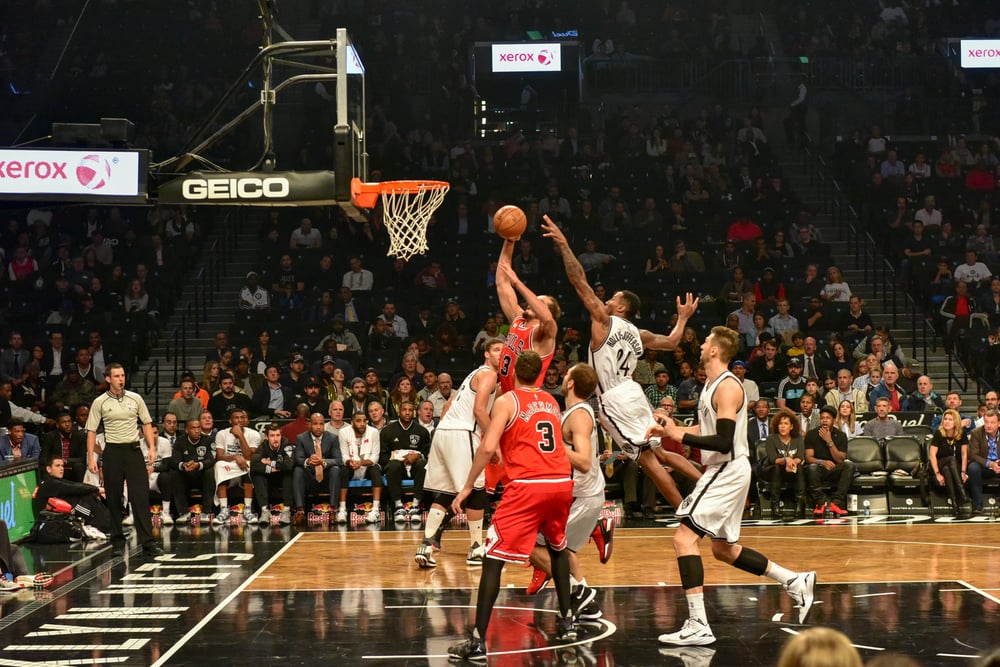
Basketball is one of the few sports with a precise origin story. A physical education teacher named James Naismith invented it in December 1891 in Springfield, Massachusetts.
He needed an indoor activity to keep his students active during the harsh New England winter. Naismith nailed peach baskets to the walls of the gymnasium and used a soccer orb, creating a game that required skill rather than brute strength.
The bottoms of the baskets weren’t cut out at first, so someone had to climb a ladder to retrieve the orb after each score.
Soccer

Soccer’s roots stretch back thousands of years to ancient civilizations. The Chinese played a game called cuju during the Han Dynasty, which involved kicking a leather orb through a small opening.
The Greeks and Romans had their own versions too. Modern soccer as we know it took shape in England during the 1800s when schools started standardizing the rules.
The Football Association formed in 1863 and created the official regulations that spread worldwide.
Tennis

Tennis evolved from a French game called jeu de paume, which means “game of the palm.” Players in the 12th century hit an orb back and forth using their hands instead of rackets.
The game was popular among French monasteries before spreading to royal courts. Rackets came into use around the 16th century, and the sport gradually transformed.
The modern version of tennis developed in England during the 1870s when Major Walter Clopton Wingfield patented a game he called “sphairistike,” though thankfully the name didn’t stick.
Baseball

Baseball’s origin is more complicated than the popular myth about Abner Doubleday inventing it in Cooperstown. The sport actually evolved from older bat-and-orb games played in England, like rounders and cricket.
American versions of these games appeared in the 1700s and gradually developed their own distinct rules. Alexander Cartwright is often credited with formalizing many of baseball’s rules in 1845 with the Knickerbocker Baseball Club in New York.
The game spread rapidly after the Civil War when soldiers brought it to different parts of the country.
Golf

Golf originated in Scotland during the 15th century, though some historians argue similar games existed even earlier. Scottish shepherds allegedly hit stones into rabbit pits using their walking sticks to pass the time.
The game became so popular that King James II banned it in 1457 because it distracted people from archery practice, which was crucial for national defense. The ban didn’t last, and golf courses started appearing throughout Scotland.
The Old Course at St Andrews, established in the 1400s, is still played today.
Hockey

Hockey’s exact origins are debated, but various stick-and-orb games existed across different cultures for centuries. The Mi’kmaq people in Canada played a game similar to hockey long before Europeans arrived.
British soldiers stationed in Canada during the 1800s adapted ice skating games they knew from home. The first organized indoor hockey game took place in Montreal in 1875, with rules borrowed from field hockey and lacrosse.
The sport quickly caught on across Canada and eventually spread to other cold-weather regions.
Volleyball

William G. Morgan invented volleyball in 1895 in Holyoke, Massachusetts, just four years after basketball was created nearby. Morgan worked as a physical education director and wanted a less physically demanding game than basketball for older members of his community.
He originally called it “mintonette” and borrowed elements from tennis, handball, and basketball. The name changed to volleyball after someone observed that players were volleying the orb back and forth.
The game spread through YMCA networks to become popular worldwide.
American football
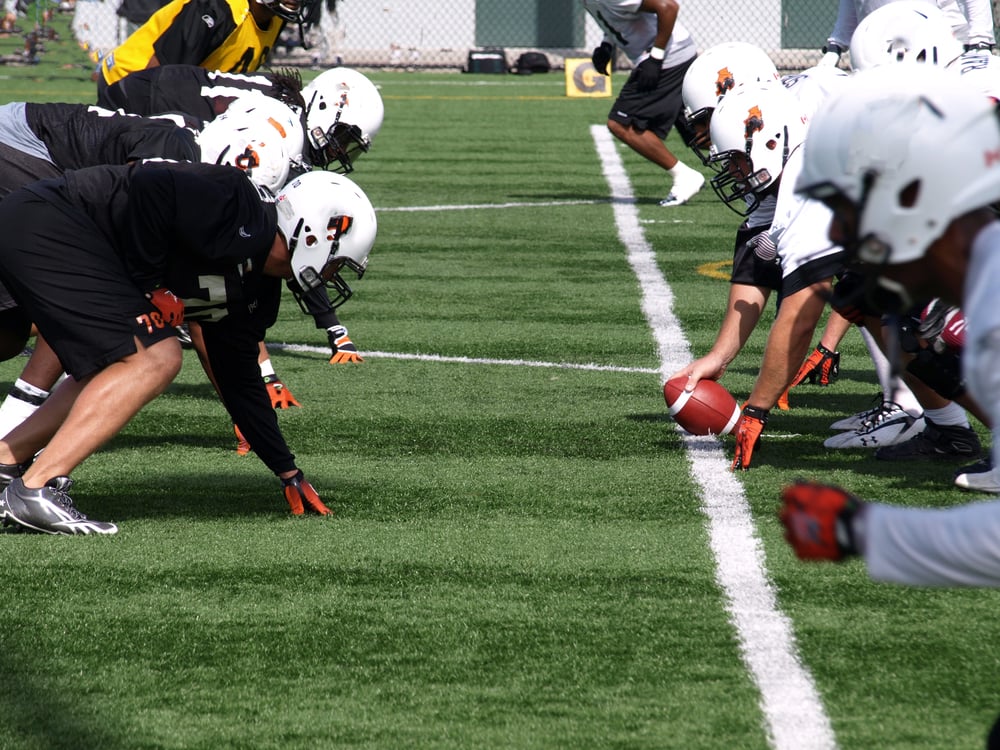
American football descended from rugby and soccer but developed its own unique character in U.S. colleges during the late 1800s. The first game resembling modern football occurred between Rutgers and Princeton in 1869.
Walter Camp, a coach at Yale, introduced many key rules in the 1880s that separated football from rugby, including the line of scrimmage and the system of downs. The forward pass became legal in 1906, fundamentally changing how the game was played.
Professional leagues eventually formed, with the NFL emerging in 1920.
Boxing
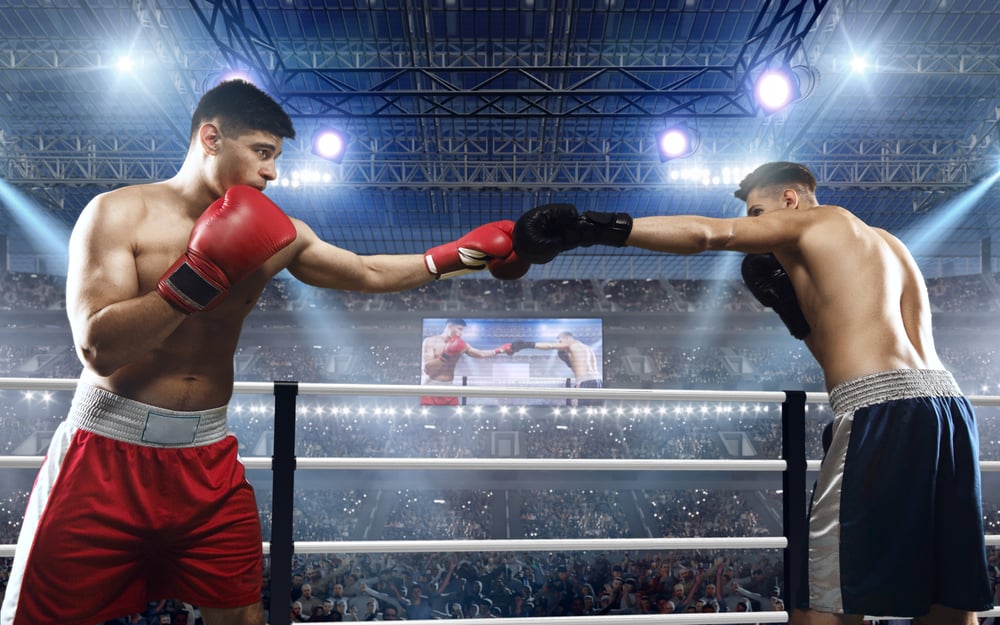
Boxing is one of humanity’s oldest sports, with evidence of it appearing in ancient Sumerian and Egyptian art from around 3000 BCE. The ancient Greeks included boxing in the Olympic Games as early as 688 BCE.
Those early matches had few rules and fighters wore leather straps around their hands instead of padded gloves. Modern boxing rules developed in England during the 1700s, with the Marquess of Queensberry Rules established in 1867 introducing timed rounds, padded gloves, and the ten-count knockout rule.
These regulations made the sport safer and more structured.
Badminton

Badminton evolved from a game called battledore and shuttlecock, which people played in ancient Greece, China, and India. British military officers stationed in India during the 1800s brought a version back to England.
The game got its current name from Badminton House, the Duke of Beaufort’s estate, where guests played it in the 1870s. The original indoor game used champagne corks with feathers stuck in them as shuttlecocks.
The Badminton Association of England formed in 1893 and standardized the rules that spread globally.
Rugby

Rugby began at Rugby School in England in 1823, according to popular legend. A student named William Webb Ellis supposedly picked up the orb during a soccer game and ran with it, breaking the rules but creating something new.
Whether that story is entirely true remains uncertain, but the school did develop distinctive rules that allowed carrying the orb. The game split into rugby union and rugby league in 1895 over disagreements about player payments.
Rugby union remained amateur for much longer, while rugby league professionalized earlier and modified some rules.
Table tennis

Table tennis started as an after-dinner parlor game among upper-class Victorians in England during the 1880s. Players used books for paddles and a champagne cork or rubber orb.
The game had various names including “whiff-whaff” before manufacturers started selling equipment. The celluloid orb came along in the 1890s, creating the distinctive ping-pong sound that gave the game one of its nicknames.
Table tennis became an Olympic sport in 1988 and is now hugely popular in Asia, especially China.
Cricket

Cricket’s origins trace back to medieval England, possibly as early as the 13th century. Children in the Weald region of southeast England played early versions of the game.
By the 1700s, cricket had become England’s national sport, with organized matches drawing large crowds and gambling money. The Marylebone Cricket Club formed in 1787 and became the sport’s governing body, establishing rules that are still used.
British colonial expansion spread cricket throughout the world, making it especially popular in India, Australia, Pakistan, and the Caribbean.
Lacrosse

Lacrosse is the oldest sport in North America, played by Native American tribes for centuries before Europeans arrived. Indigenous peoples used it for everything from training warriors to resolving conflicts between tribes.
Games could involve hundreds of players on fields stretching for miles, lasting for days. French missionaries in the 1600s named it “lacrosse” because the stick resembled a bishop’s crozier.
Canadian dentist William George Beers standardized the rules in 1867, shortening the field and reducing team sizes to make it more accessible to non-native players.
Swimming

Humans have been swimming for survival since prehistoric times, but competitive swimming is much more recent. The ancient Greeks and Romans practiced swimming, though it wasn’t part of the ancient Olympics.
Modern competitive swimming started in England during the 1830s when indoor pools became available. The first swimming organization formed in London in 1837.
Different strokes developed over time, with the front crawl arriving from the Americas and becoming dominant. Swimming became an Olympic sport in 1896 for men and 1912 for women.
Wrestling

Wrestling may be the world’s oldest competitive sport, with cave drawings depicting it from 15,000 years ago. Nearly every ancient civilization practiced some form of wrestling.
The ancient Olympics included wrestling from 708 BCE, and it was considered essential military training. Different cultures developed their own wrestling styles with unique rules and traditions.
Modern Olympic wrestling has two main forms: freestyle and Greco-Roman, which was added to honor the ancient roots. Professional wrestling evolved separately into the entertainment spectacle we see today.
Bowling

Bowling’s history goes back at least 5,000 years to ancient Egypt, where archaeologists found bowling-like equipment in a child’s grave. Ancient Polynesians also bowled with stones at pins.
In medieval Germany, bowling had religious significance as people knocked down pins representing sins. Dutch and German immigrants brought bowling to America in the 1600s.
Gymnastics

Gymnastics developed in ancient Greece as physical training for soldiers and athletes. The word comes from the Greek “gymnos,” meaning bare, because athletes trained without clothing.
After the fall of Rome, gymnastics largely disappeared until Friedrich Ludwig Jahn revived it in Germany during the early 1800s.
Where these games take us today

These sports have traveled far from their humble or unusual beginnings. What started as ways to pass time, train warriors, or keep students busy during winter have become billion-dollar industries watched by millions.
The rules have changed, the equipment has improved, and the athletes have become more skilled than early players could have imagined.
More from Go2Tutors!

- The Romanov Crown Jewels and Their Tragic Fate
- 13 Historical Mysteries That Science Still Can’t Solve
- Famous Hoaxes That Fooled the World for Years
- 15 Child Stars with Tragic Adult Lives
- 16 Famous Jewelry Pieces in History
Like Go2Tutors’s content? Follow us on MSN.