16 Retro Gadgets That Tracked the Weather
Long before weather apps and digital forecasts, people relied on ingenious mechanical devices to predict storms, measure temperature, and track atmospheric changes. These vintage weather instruments combined practical science with beautiful craftsmanship, often doubling as decorative pieces for homes and offices.
From elaborate German weather houses with dancing figurines to ship captain’s brass barometers, these gadgets represent centuries of human ingenuity in understanding nature’s patterns. Here is a list of 16 fascinating retro devices that helped our ancestors stay one step ahead of Mother Nature.
Aneroid Barometers
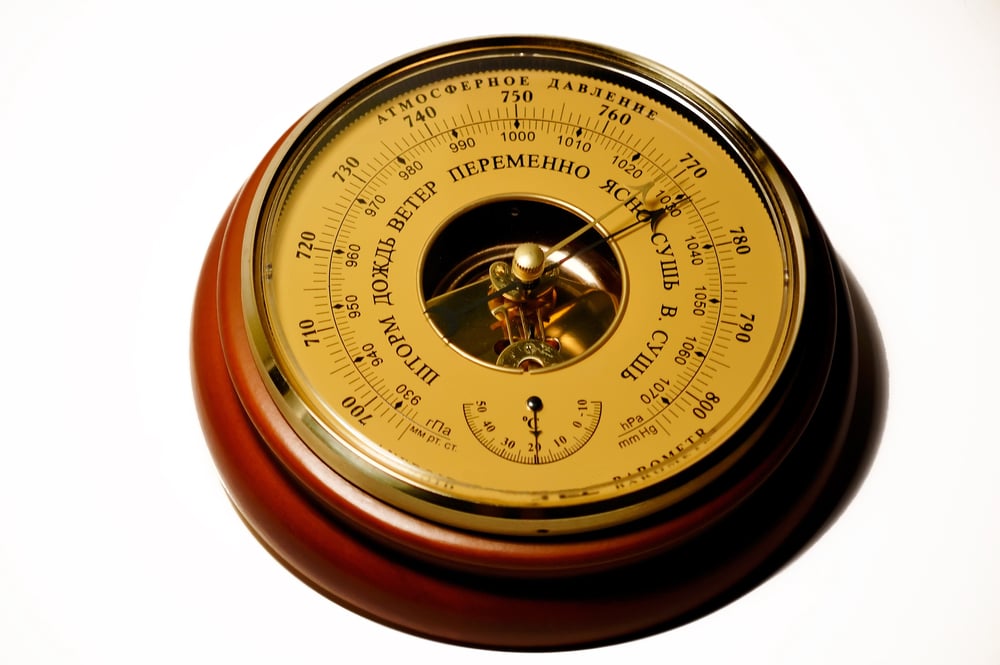
These elegant brass and wood instruments measured atmospheric pressure without using mercury, making them safer for home use. The aneroid barometer used a flexible metal chamber that expanded and contracted with pressure changes, moving a needle across a dial marked with weather predictions.
Evangelista Torricelli receives credit for creating the first barometer in 1644 while working with the famous astronomer Galileo Galilei. Victorian-era models often featured ornate wooden cases with mother-of-pearl inlays and brass fittings that made them as much art as science.
Fitzroy Storm Glass
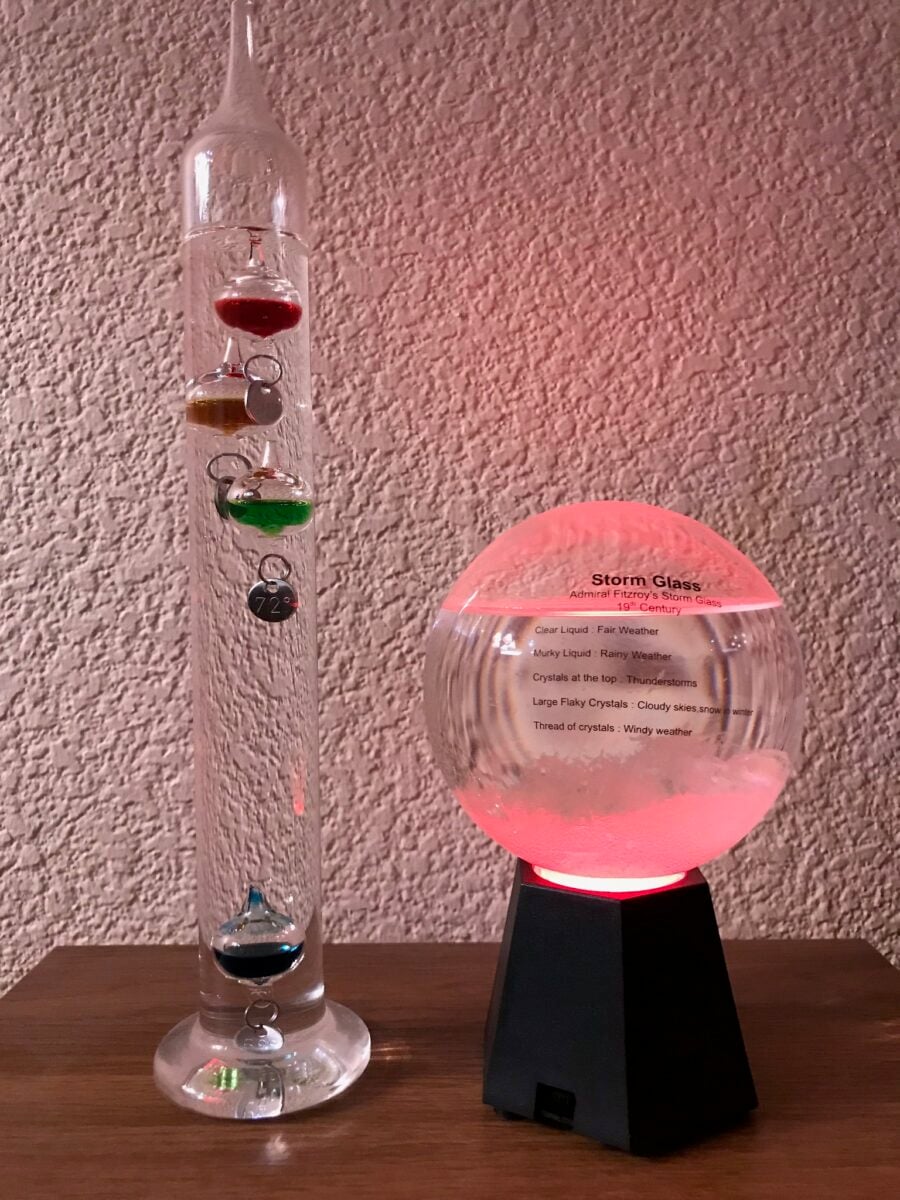
The storm glass became popular in the 1860s after being promoted by Royal Navy Admiral Robert FitzRoy, who claimed the chemical mixture varied ‘with the direction of the wind’ and electrical tension in the atmosphere. These sealed glass tubes contained a mixture of camphor, potassium nitrate, and ammonium chloride dissolved in alcohol and water.
As weather conditions changed, beautiful crystal formations would appear and disappear inside the glass, creating an almost magical weather prediction system. The liquid within the glass usually contains ‘camphor, nitrate of potassium and sal-ammoniac, dissolved by alcohol, with water and some air.’
German Weather Houses
These charming folk art pieces featured tiny wooden figurines that would emerge from miniature doorways based on humidity levels. Vintage Western Germany Christmas themed Black Forest Bavarian house shaped wooden and plastic thermometers with man and woman figures were popular decorative weather predictors.
When dry weather was approaching, a man would appear, but when rain was coming, a woman with an umbrella would step out instead. The mechanism relied on catgut or horsehair that would shrink and expand with moisture changes, creating a delightful and surprisingly accurate humidity indicator.
Ship’s Wheel Barometers
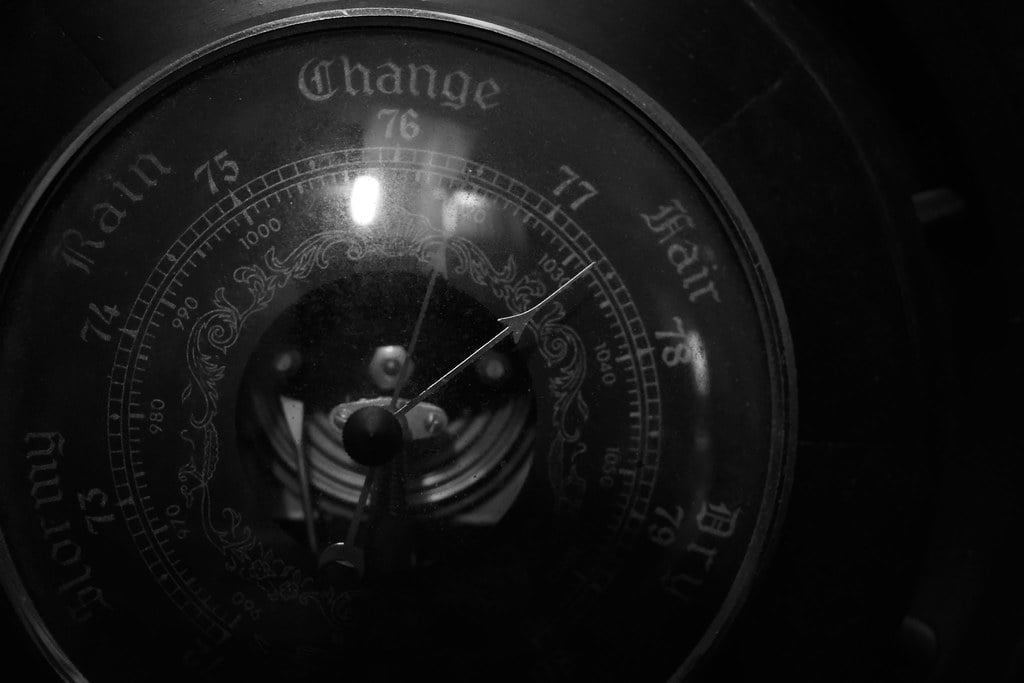
Maritime weather instruments took on the aesthetic of nautical life, with barometers built into miniature ship’s wheels made of brass and wood. Vintage Airguide Fee and Stemwedel Captain’s Ship’s Wheel Copper Barometer with Wood Base made in the U.S.A. were popular among sailors and landlubbers alike.
These weren’t just decorative – sea captains relied on accurate pressure readings to predict dangerous storms that could sink their vessels. The circular design allowed for easy reading from any angle on a rocking ship.
Cup Anemometers
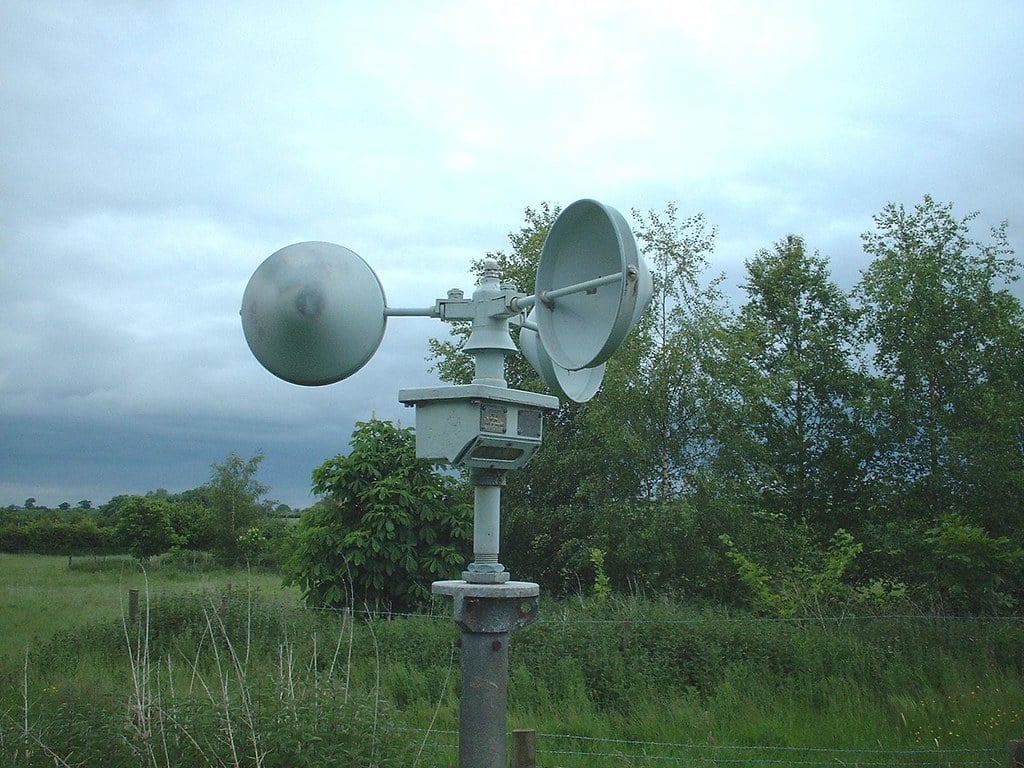
In 1846, Thomas Romney Robinson improved the anemometer design by using four hemispherical cups and mechanical wheels. These spinning wind meters became the standard for measuring wind speed at weather stations worldwide.
The cups caught the wind and rotated at a speed proportional to wind velocity, with mechanical counters tracking the rotations. A wind speed of 1.492 MPH produces a switch closure once per second in modern versions. Vintage models often featured beautifully machined brass components and cast iron bases.
Weather Vanes
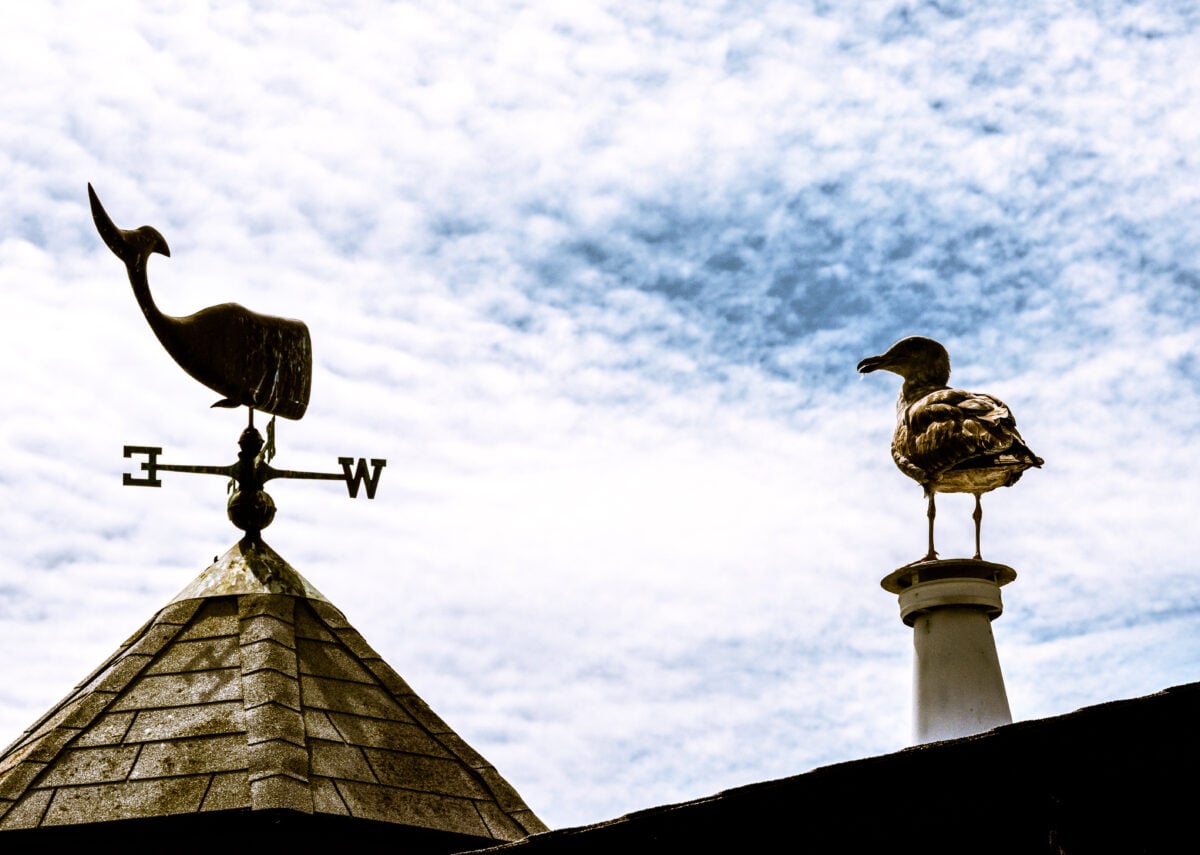
Among the oldest weather instruments are wind vanes, with Andronicus fashioning the first one in 48 B.C. to look like the Greek god Triton. These directional indicators evolved from simple arrows to elaborate sculptures of roosters, horses, and sailing ships.
The asymmetrical design ensured the larger surface always caught the wind, keeping the pointer aimed into the breeze. Copper and cast iron versions became architectural statements atop barns, churches, and homes across America and Europe.
Tipping Bucket Rain Gauges
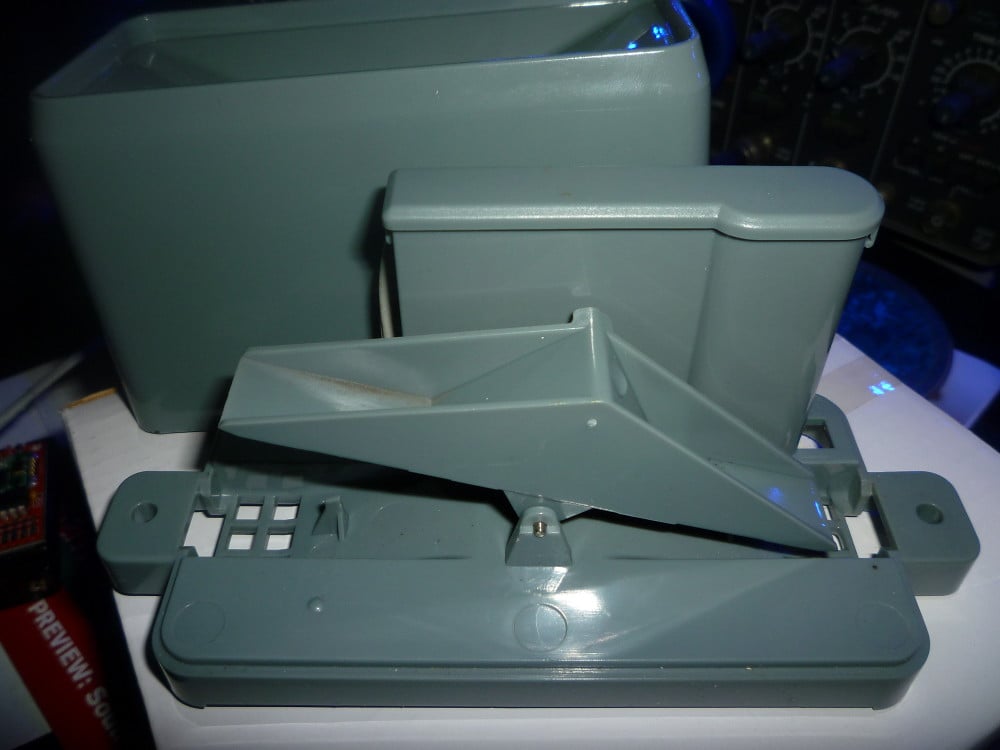
Some claim King Sejong the Great’s son in Korea created the first rain gauge between 1418 and 1450, sending rain measuring devices to every community in the country. The tipping bucket design used a balanced container that would tip and empty itself after collecting a specific amount of rainfall, typically 0.01 inches.
Each tip triggered a mechanical counter, providing accurate precipitation measurements over time. Modern versions activate a momentary switch closure for each 0.011 inches of collected rain.
Wet Bulb Psychrometers
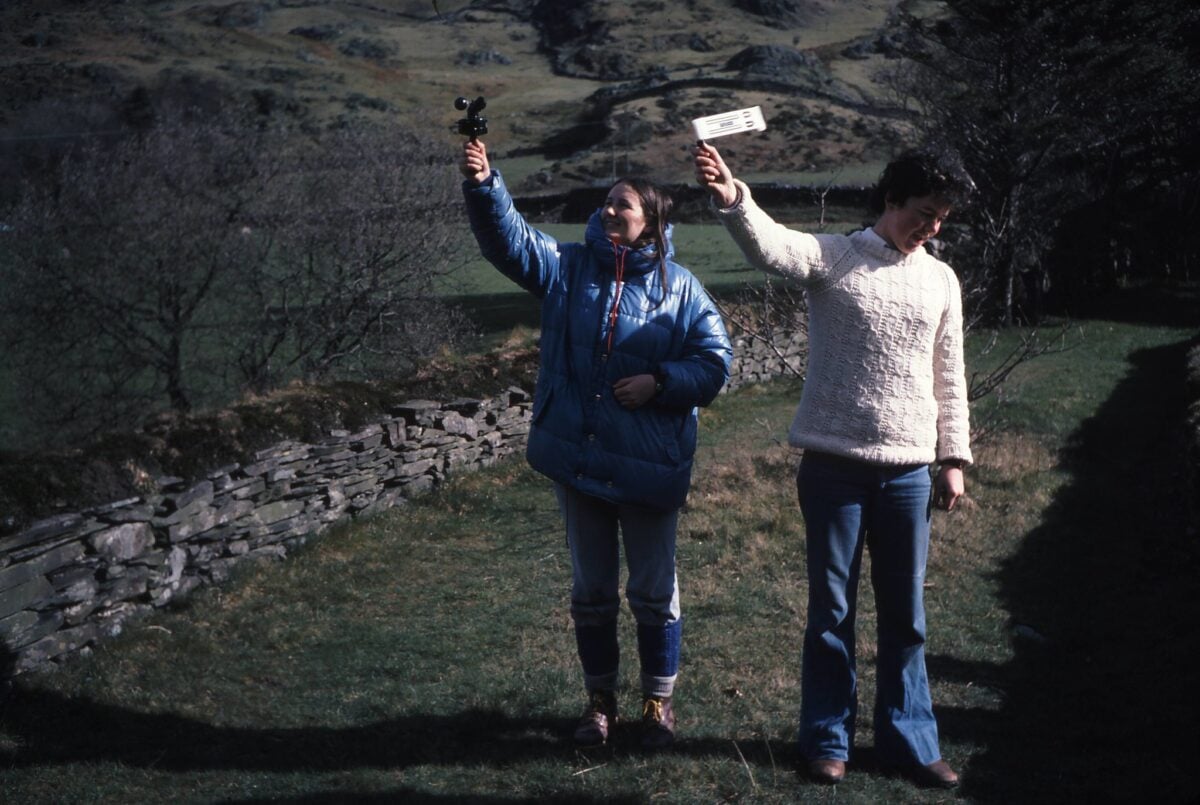
These dual-thermometer instruments measured humidity by comparing the temperature difference between a dry thermometer and one with a water-soaked wick. Bendix Friez, Taylor, and Tycos manufactured various models including sling psychrometers and Assmann psychrometers for professional meteorological use.
The evaporation from the wet bulb would cool that thermometer, and the difference between the two readings indicated relative humidity levels. Scientists and farmers used these instruments to predict frost, plan irrigation, and understand local climate patterns.
Galileo Thermometers
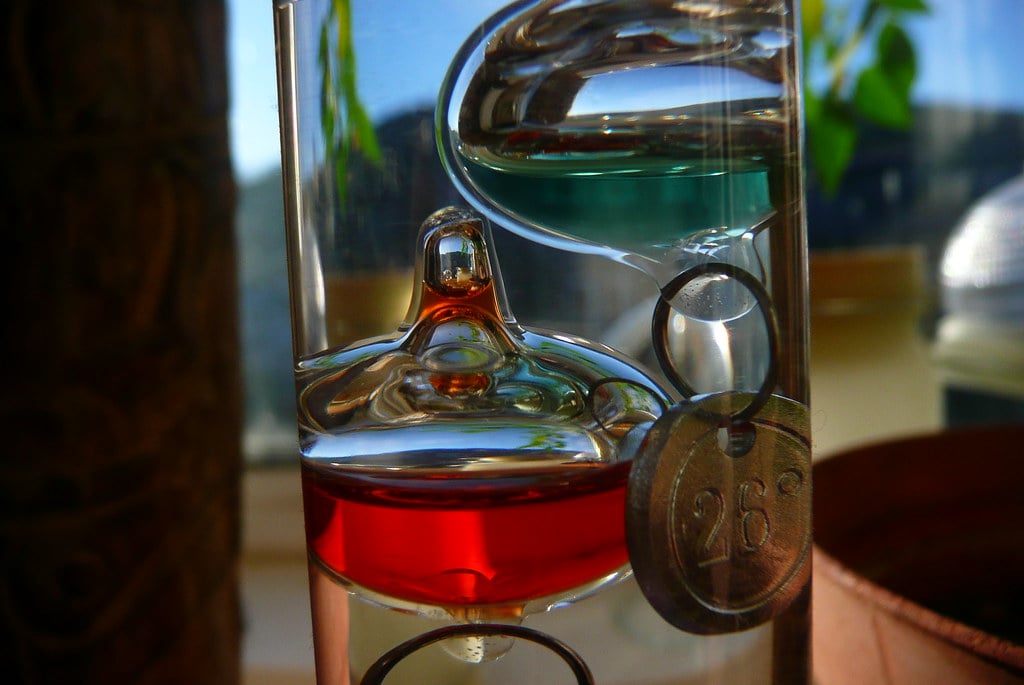
Named after the famous astronomer, these elegant glass instruments contained sealed spheres filled with colored liquids of different densities. Clear glass tabletop Galileo thermometers with colorful temperature markers became popular decorative weather instruments.
As temperature changed, the spheres would rise or fall within the main glass cylinder, with the lowest floating sphere indicating the current temperature. Each sphere was calibrated to a specific temperature, creating a beautiful and accurate temperature display.
Hair Hygrometers
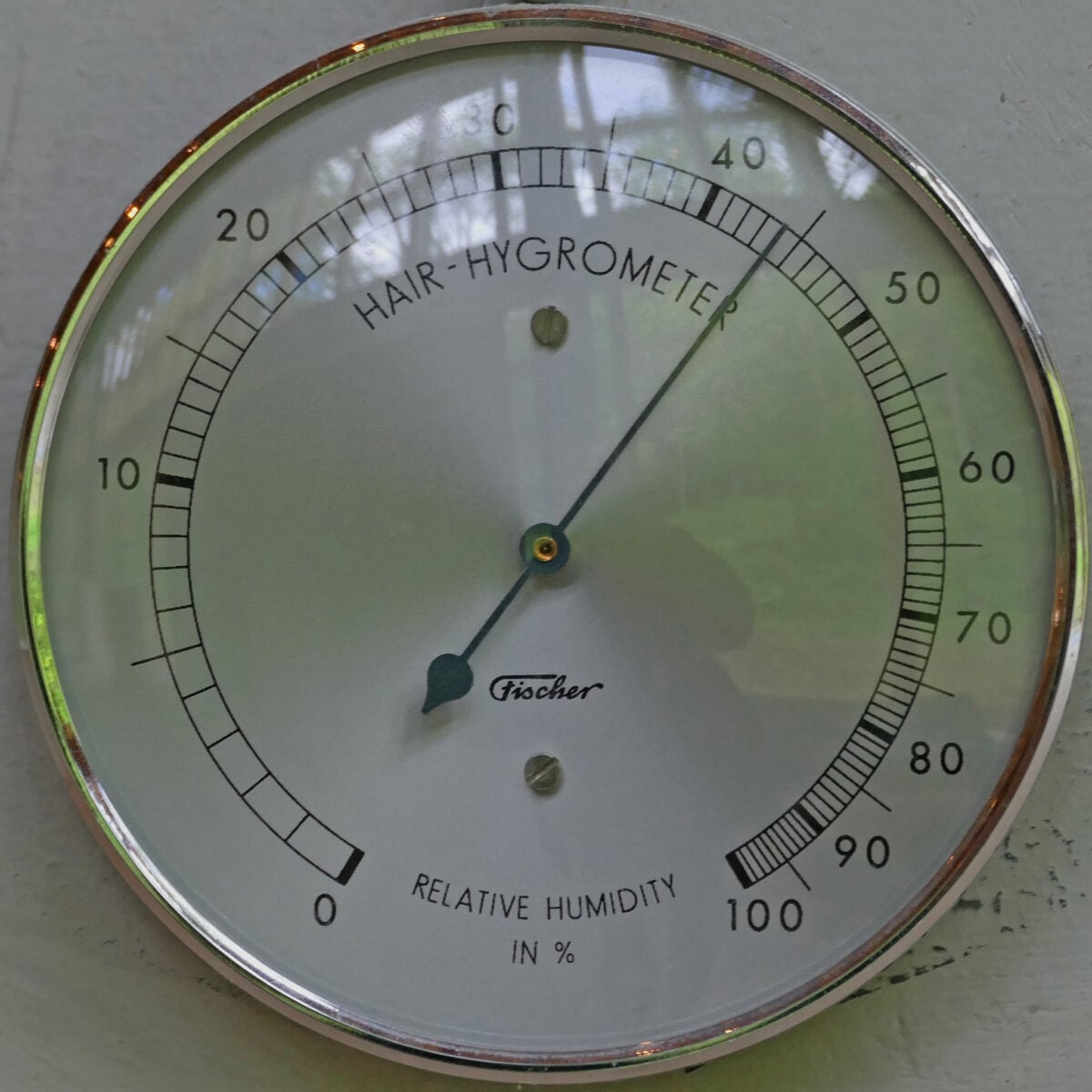
These sensitive humidity meters used human hair or horsehair as their sensing element, since organic fibers change length with moisture content. Manufacturers like Fischer, Lambrecht, and Lufft produced various hair hygrometer models including the Fischer Model 111 and Lambrecht Polymeter.
A strand of hair would be attached to a mechanical linkage that moved a pointer across a humidity scale. Despite seeming primitive, these instruments were remarkably accurate and remained in use at weather stations well into the 20th century.
Banjo Barometers
These wall-mounted weather instruments got their name from their distinctive banjo-like shape, with a circular dial at the top and a long wooden stem below. Vintage Taylor Thermor banjo style 21-inch wood case barometers combined thermometer, hygrometer, and weather station functions in an elegant design made in Japan.
The elongated case often housed a thermometer alongside the barometer mechanism, creating an attractive and functional weather station for Victorian and Edwardian homes. Mahogany and oak cases with brass fittings made them prized household accessories.
Sundials with Weather Features
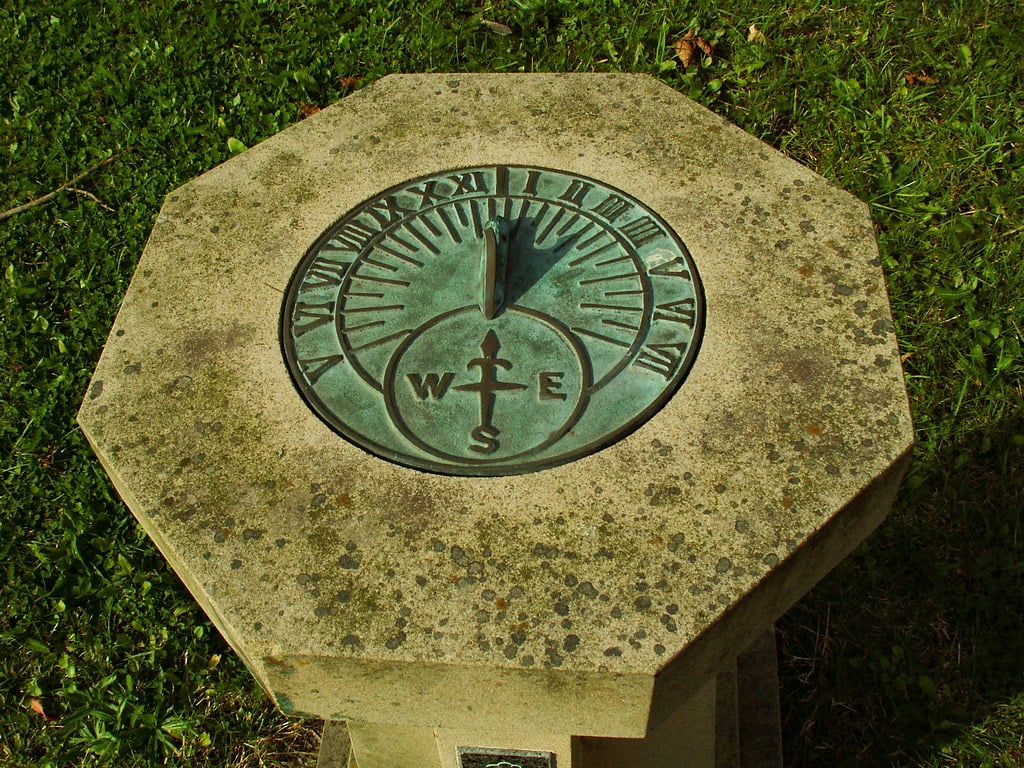
While primarily used for timekeeping, many vintage sundials incorporated weather prediction elements like wind direction indicators or seasonal calendars. Sun and Moon sundials and Atlas armillary sundials served dual purposes as both timepieces and astronomical weather predictors.
The gnomon’s shadow not only showed the time but also indicated seasonal changes and helped predict weather patterns based on solar angles. Brass and bronze versions often featured intricate engravings showing celestial movements and seasonal weather patterns.
Combination Weather Stations
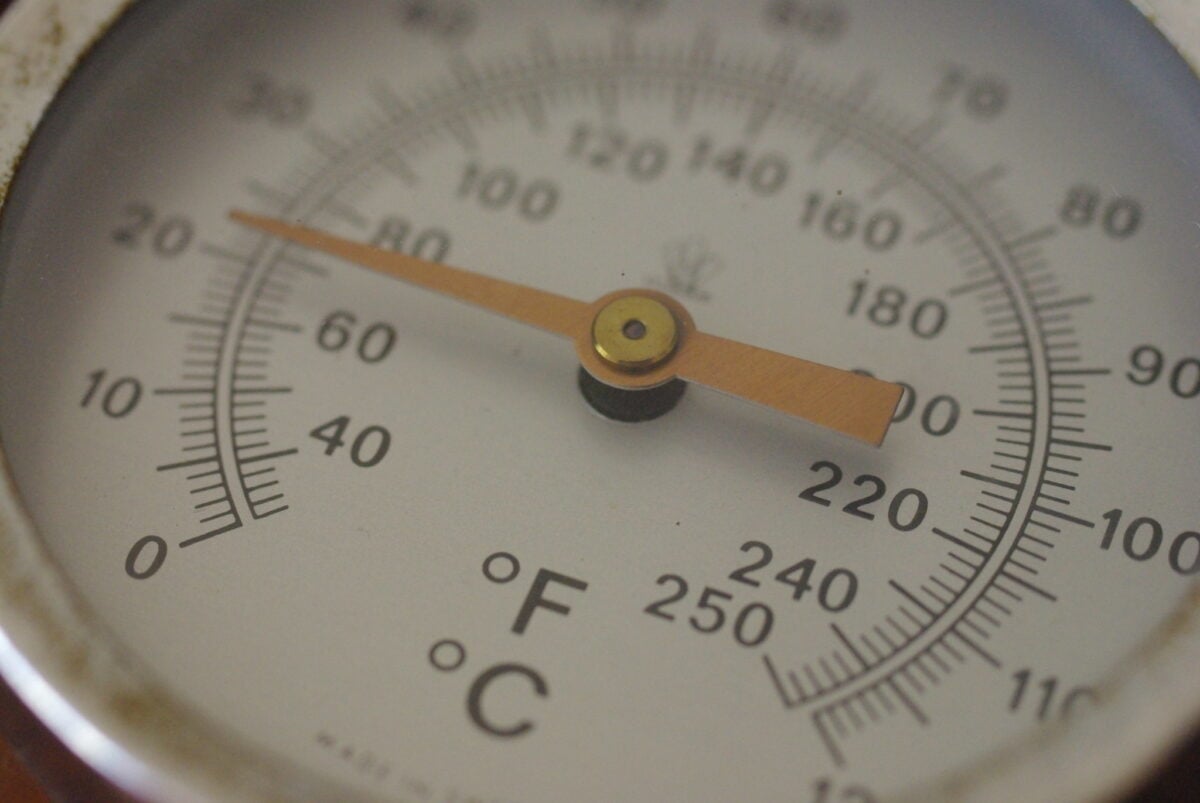
Vintage wood-cased weather stations combined multiple instruments, with some featuring thermometer, barometer, and hygrometer functions in single decorative units. These comprehensive instruments typically mounted three separate dials in an attractive wooden case, often made from cherry, oak, or mahogany.
Popular brands like Springfield, Taylor, and Airguide manufactured these multi-function units that became centerpieces in offices, libraries, and upscale homes throughout the mid-20th century.
Mechanical Wind Direction Indicators
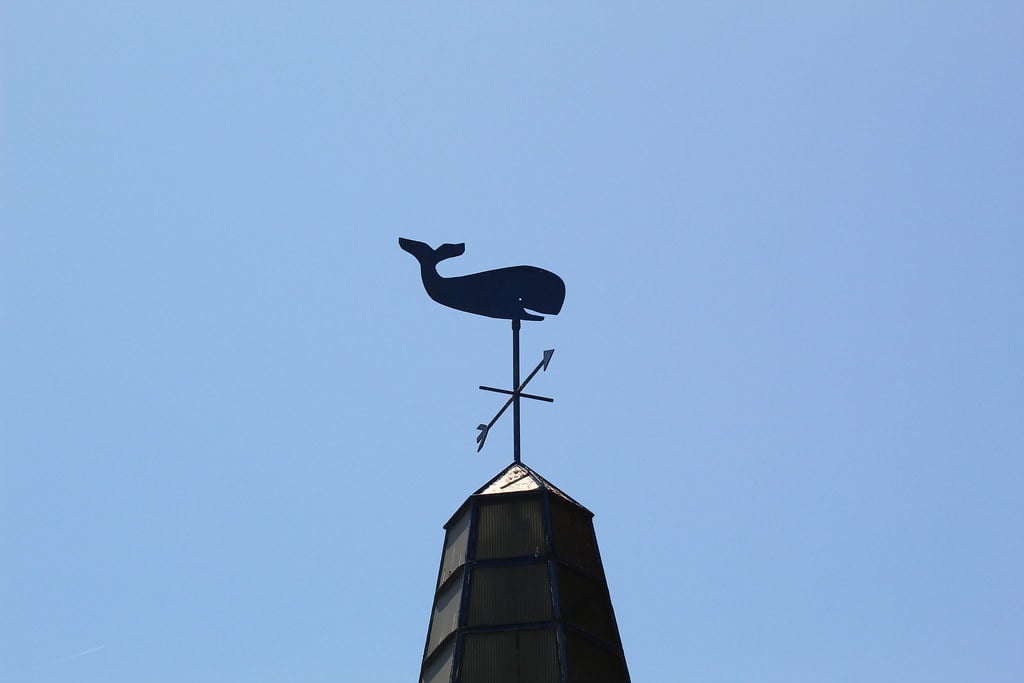
Beyond simple weather vanes, sophisticated wind direction instruments used compass roses and mechanical linkages to provide precise directional readings. The wind vane reports wind direction as a voltage produced by the combination of resistors inside the sensor, providing accurate directional data.
These instruments often featured 16-point or 32-point compass roses with mechanical pointers that would lock onto specific directions, helping meteorologists and aviators understand prevailing wind patterns crucial for weather forecasting and flight planning.
Pressure Plate Anemometers
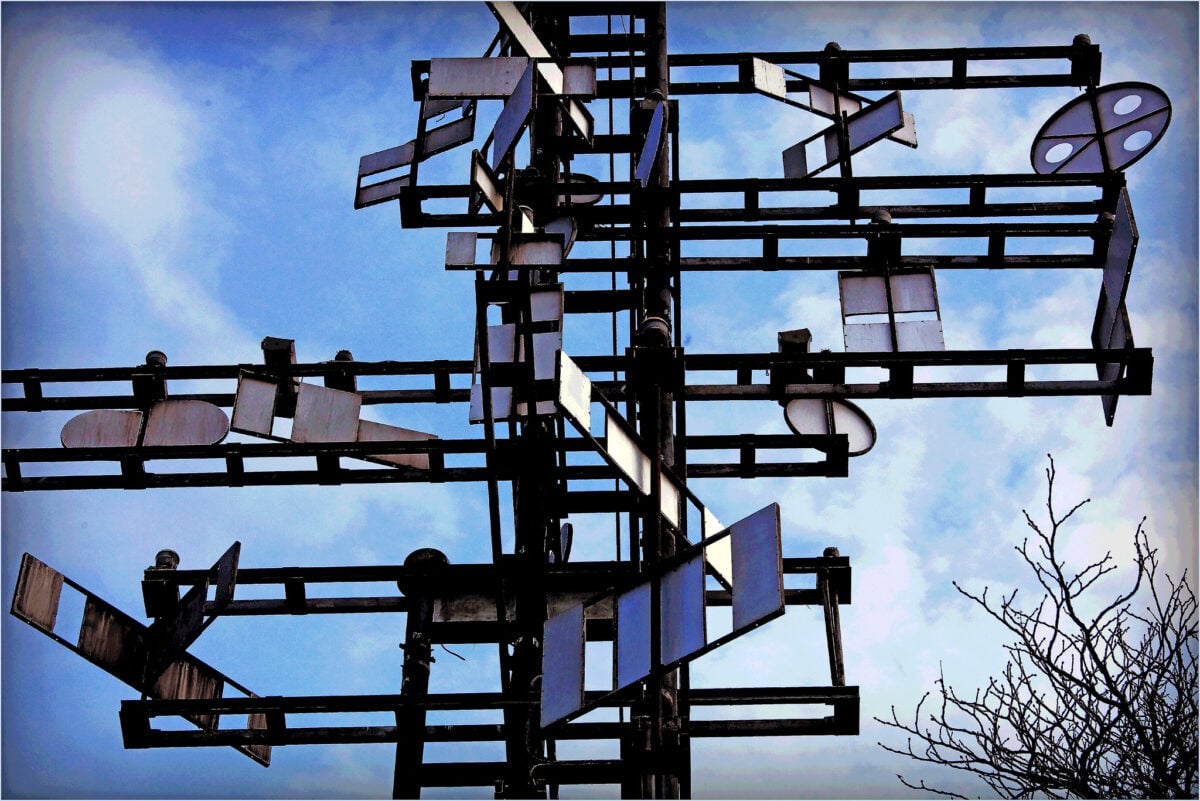
The earliest mechanical anemometers consisted of flat plates suspended from the top so that wind would deflect the plate, with Leon Battista Alberti inventing the first such device in 1450. These instruments used spring-loaded plates that would bend proportionally to wind pressure, with the deflection measured on calibrated scales.
While less accurate than cup anemometers for variable winds, they provided reliable readings for steady breezes and were often used to trigger high wind alarms on bridges and tall structures.
Storm Warning Devices
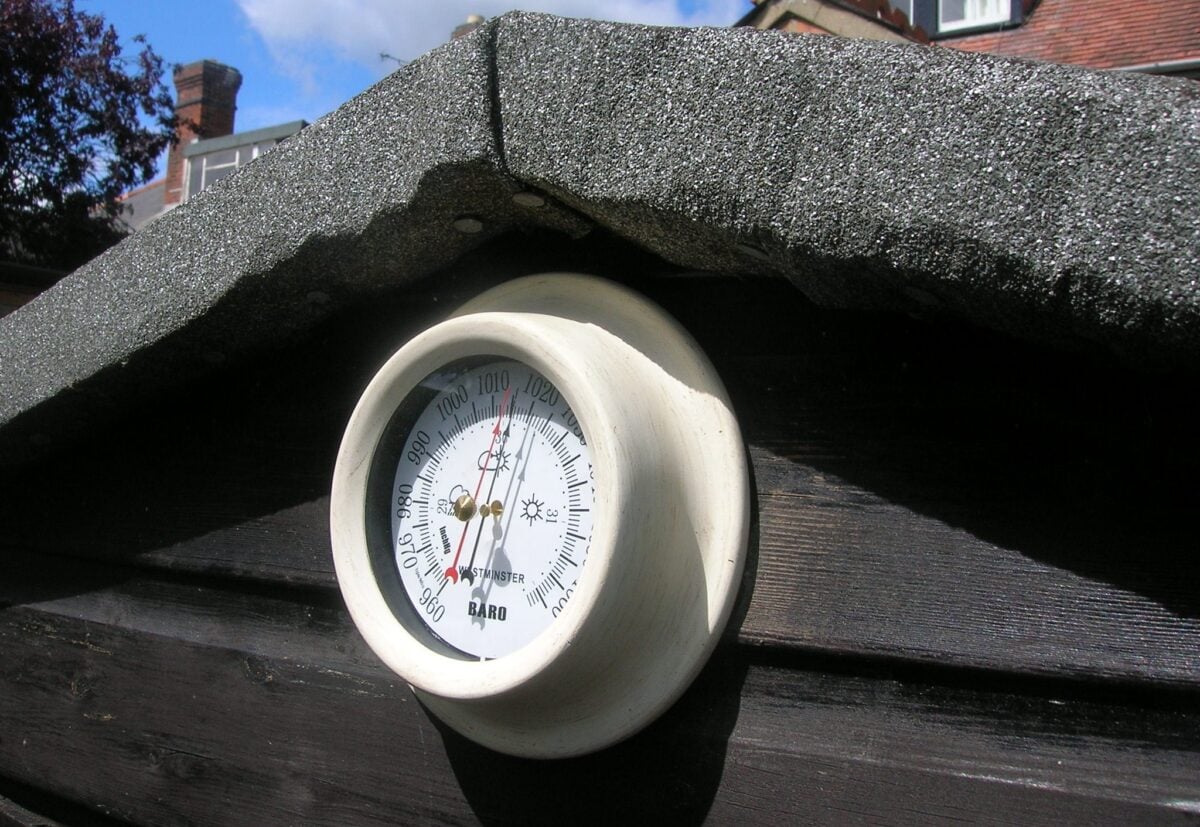
Some vintage weather instruments served as early warning systems, using mechanical triggers to sound alarms or display visual signals when dangerous conditions approached. These devices combined barometric pressure sensors with mechanical alarm systems that would activate bells, flags, or colored lights when pressure dropped rapidly – indicating approaching storms.
Railroad companies and shipping firms relied on these automated warning systems to protect valuable cargo and human lives from sudden weather changes.
From Brass to Bytes
These mechanical weather predictors represent humanity’s long relationship with understanding atmospheric patterns through ingenious craftsmanship and scientific observation. While modern digital sensors provide greater accuracy and instant data transmission, vintage weather instruments remind us that effective forecasting once required patience, skill, and beautifully engineered mechanical precision.
Many of these classic designs continue to function decades after their creation, testament to the enduring value of well-crafted analog technology in our increasingly digital world.
More from Go2Tutors!

- The Romanov Crown Jewels and Their Tragic Fate
- 13 Historical Mysteries That Science Still Can’t Solve
- Famous Hoaxes That Fooled the World for Years
- 15 Child Stars with Tragic Adult Lives
- 16 Famous Jewelry Pieces in History
Like Go2Tutors’s content? Follow us on MSN.