15 Facts About St. Patrick’s Day
St. Patrick’s Day brings out the green in everyone, whether it’s a shamrock pin on a coat or a plate of corned beef on the table. This March celebration has grown far beyond its Irish roots, becoming a worldwide party that mixes history, tradition, and a whole lot of fun.
From parades that shut down city streets to rivers dyed emerald green, the holiday has taken on a life of its own. But there’s more to this day than wearing green and avoiding pinches.
Let’s dig into some surprising facts that show just how interesting St. Patrick’s Day really is.
St. Patrick Wasn’t Irish
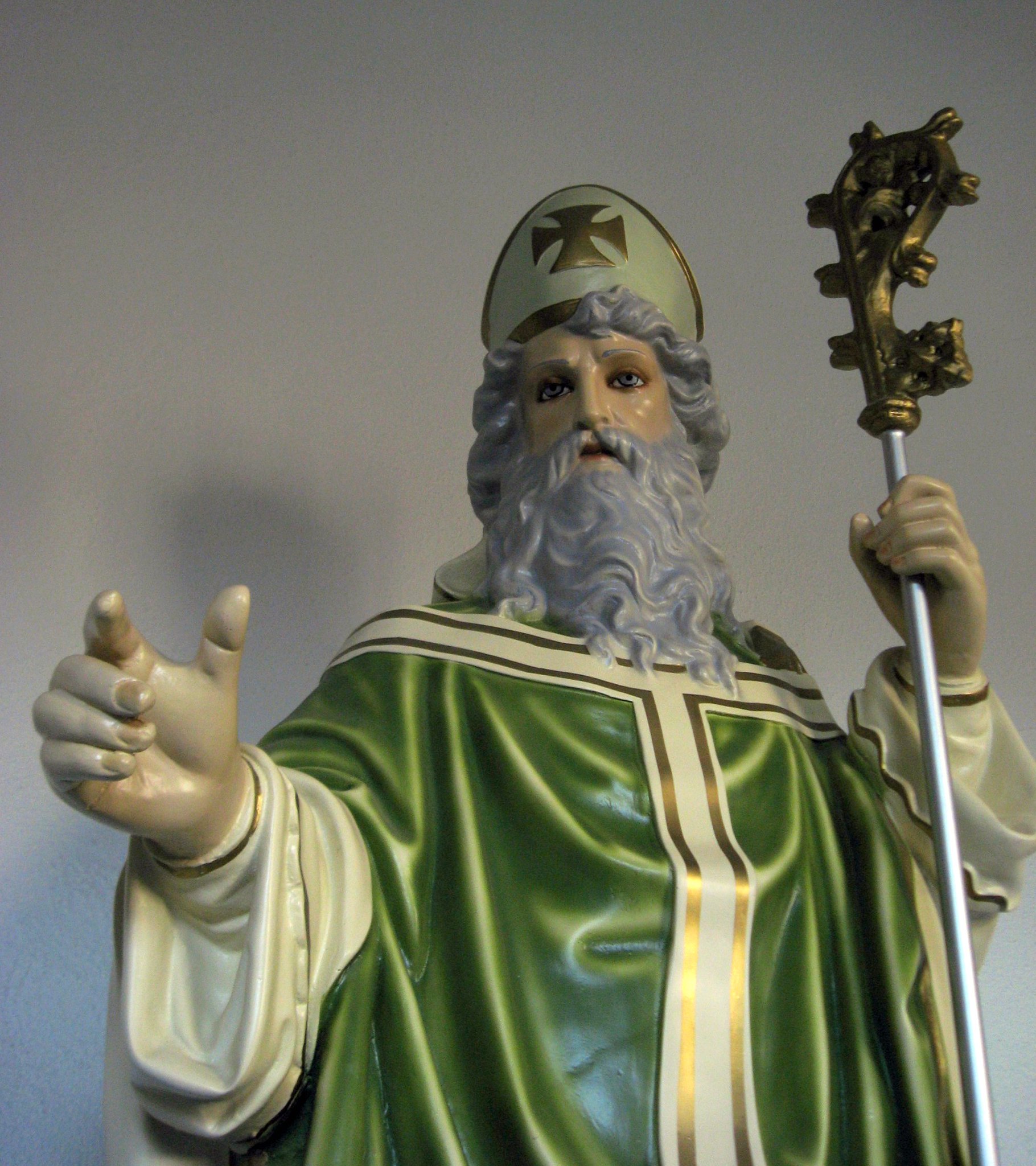
The man behind the holiday was actually born in Britain, somewhere around the late 300s. His real name was Maewyn Succat, and he only ended up in Ireland after being kidnapped by raiders at age 16.
He spent six years as a shepherd before escaping back home. Later, he returned to Ireland as a missionary, and that’s when the legend really began.
The Original Color Was Blue

Green took over as the main color for St. Patrick’s Day, but blue was actually the shade first connected to the saint. Old paintings and flags from Ireland featured a light blue called St. Patrick’s blue.
The switch to green happened gradually, partly because of Ireland’s nickname as the Emerald Isle and partly because of the shamrock’s connection to the holiday.
Shamrocks and Four-Leaf Clovers Are Different Plants
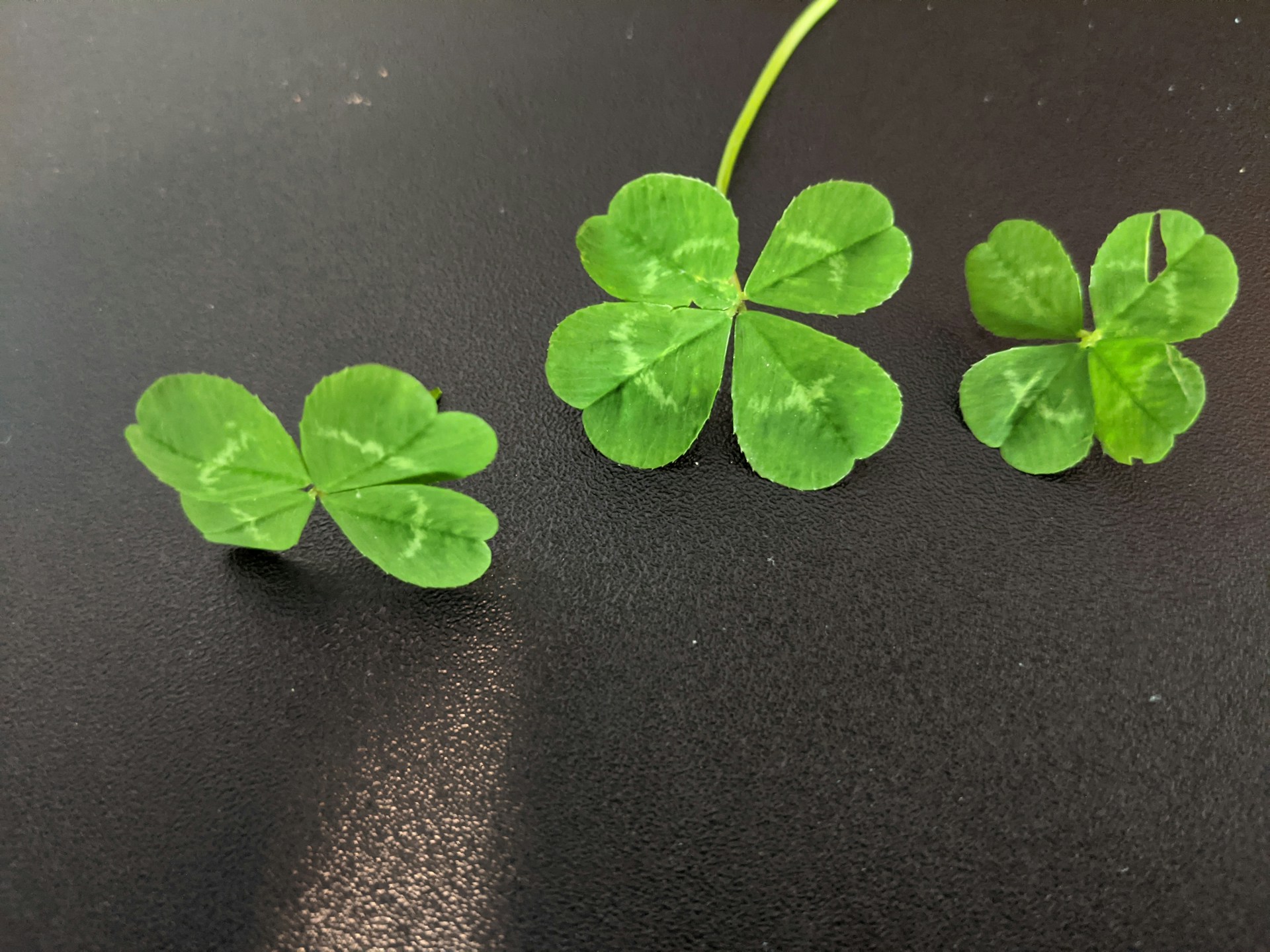
People mix these up all the time, but shamrocks have three leaves while four-leaf clovers are just lucky mutations. St. Patrick supposedly used the three-leaf shamrock to explain the Holy Trinity to the Irish people.
The four-leaf version is rare and considered lucky, but it’s not actually tied to the religious story. Most shamrocks people wear on March 17th are just regular clover anyway.
The First Parade Happened in America
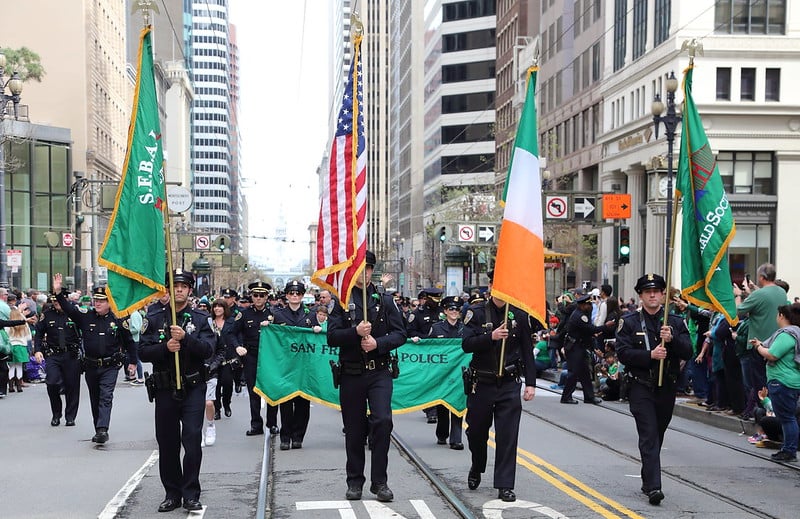
Ireland didn’t host the first St. Patrick’s Day parade. That honor goes to St. Augustine, Florida, back in 1601, when the Spanish colony held a celebration.
New York City started its famous parade in 1762, when Irish soldiers serving in the British army marched through the streets. Ireland didn’t have an official parade until 1931 in Dublin.
Corned Beef Isn’t Traditional Irish Food

Irish immigrants in America created this dish, not people back in Ireland. Back home, the traditional meal would have been bacon or lamb with potatoes.
Corned beef became popular because it was cheap and available in Jewish delis where Irish immigrants lived in cities like New York. The “corned” part refers to the large grains of salt used to cure the meat, which looked like corn kernels.
Chicago Dyes Its River Green Every Year
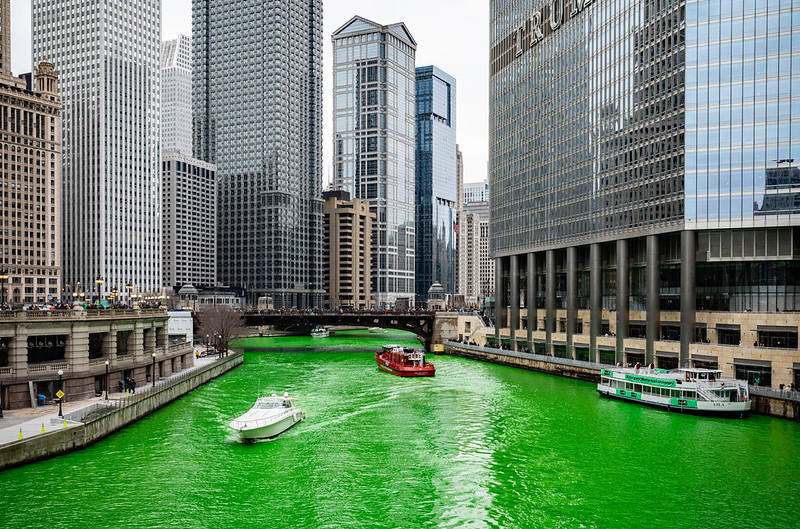
Since 1962, Chicago has turned its river bright green for the parade. The tradition started when a plumber noticed green dye used to trace pipe leaks, and someone thought it would look great in the river.
The dye is vegetable-based and safe for the environment. It only lasts about five hours before fading away.
St. Patrick’s Day Used to Be a Quiet Religious Holiday
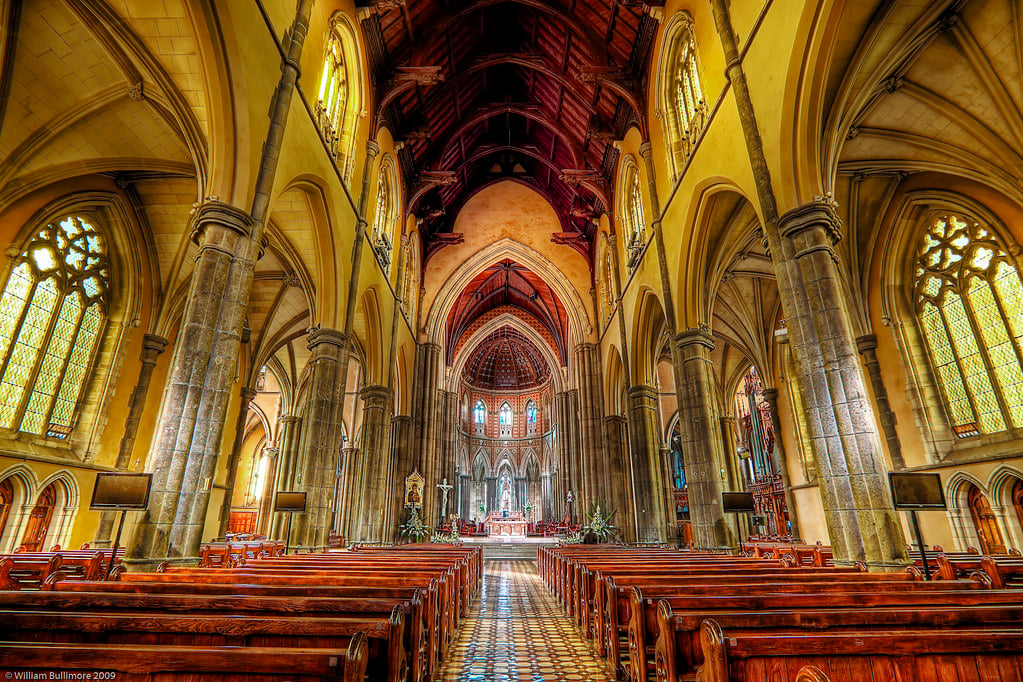
In Ireland, St. Patrick’s Day was originally a solemn religious occasion. Pubs were actually closed, and people attended church services instead of throwing parties.
The holiday stayed low-key until the 1970s when Ireland started promoting it as a tourist attraction. Now it’s a multi-day festival with concerts, fireworks, and celebrations that rival anything in the United States.
There Are No Snakes in Ireland Because There Never Were
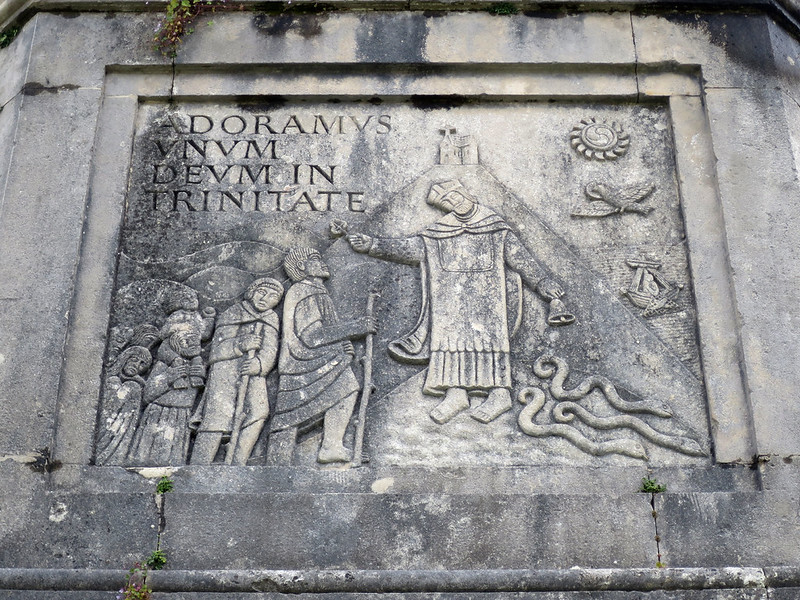
The famous story about St. Patrick driving snakes out of Ireland makes a great tale, but Ireland never had snakes to begin with. The island was covered in ice during the last glacial period, and when the ice melted, the surrounding water kept snakes from reaching the land.
Most scholars think the “snakes” in the story are actually a symbol for pagan beliefs that St. Patrick helped replace with Christianity.
The Blarney Stone Connection Is a Medieval Legend
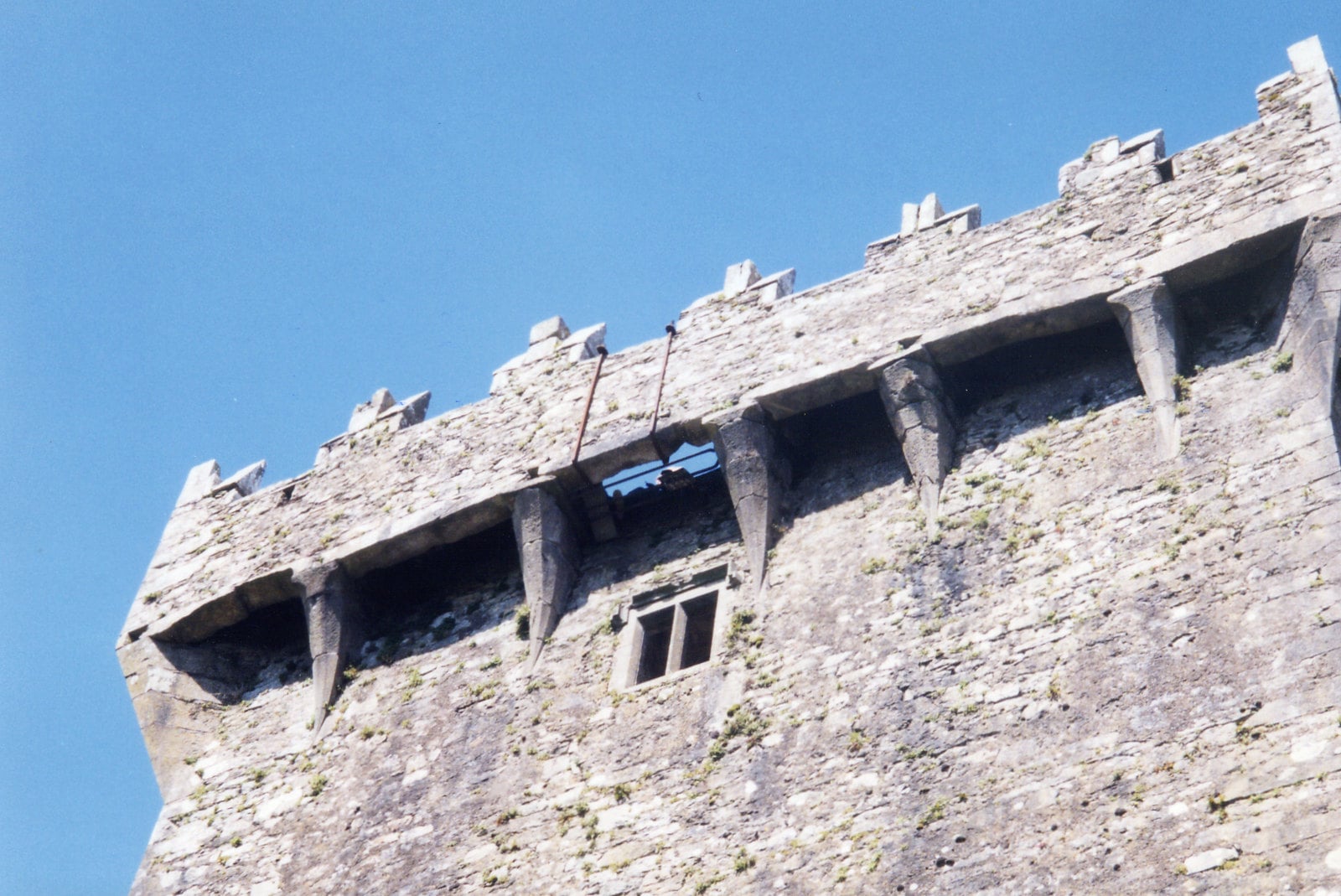
Kissing the Blarney Stone at Blarney Castle supposedly gives people the gift of eloquence. The tradition has nothing to do with St. Patrick, though.
The stone is part of a castle built in 1446, centuries after St. Patrick lived. Still, thousands of tourists lean backward over a ledge to kiss the stone each year, hoping for better speaking skills.
Leprechauns Come From Irish Folklore
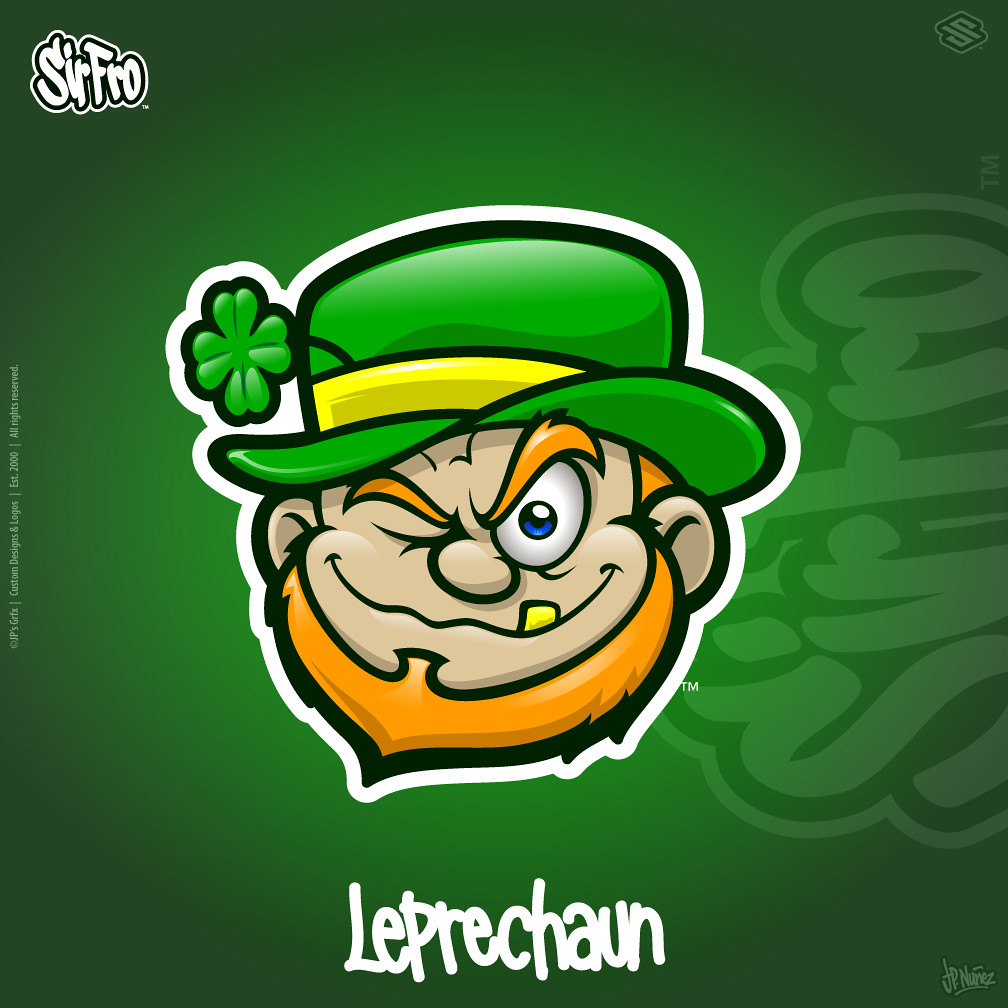
These tiny, bearded characters wearing green and guarding pots of gold are based on Irish fairies called “lobaircin,” which means “small-bodied fellow.” Old stories described them as cranky cobblers who dressed in red, not green.
The modern image of leprechauns as lucky, green-wearing sprites developed over time, especially in American pop culture. They’ve become one of the holiday’s most recognizable symbols, even though they don’t have much to do with St. Patrick himself.
The World’s Shortest Parade Happens in an Irish Village
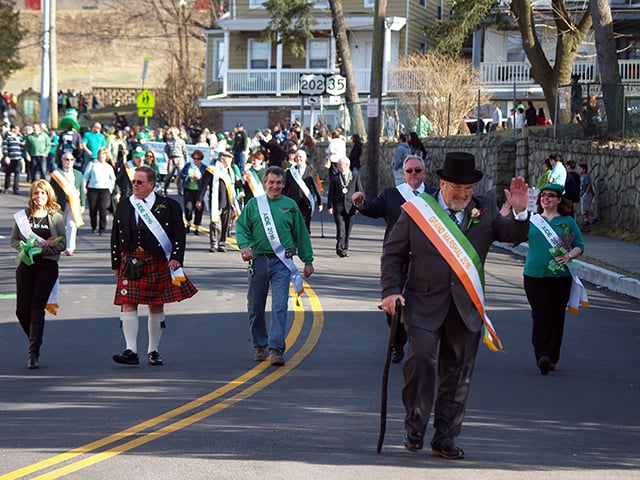
Dripsey, a tiny village in County Cork, holds a parade that covers just 100 feet between the town’s two pubs. The route may be short, but the celebration lasts all day.
People travel from around the area to watch the brief march and join the festivities. It’s become a beloved local tradition that pokes fun at the massive parades in big cities.
Guinness Sales Spike Dramatically
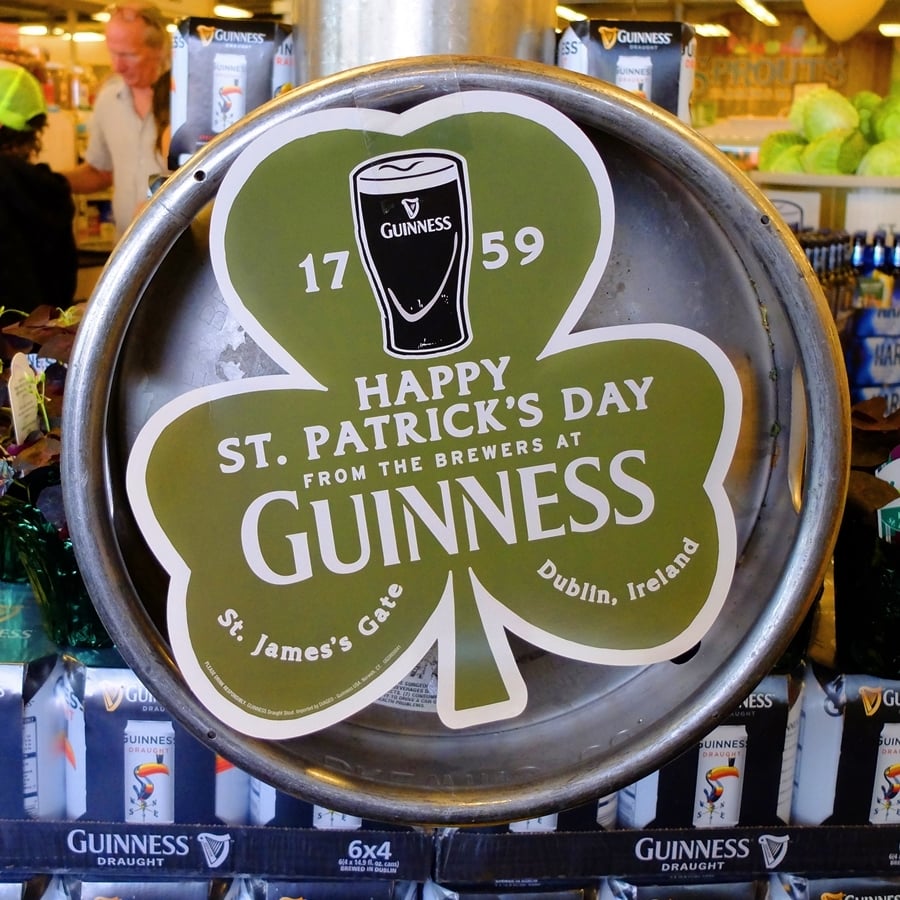
About 13 million pints of Guinness get consumed worldwide on St. Patrick’s Day, compared to the usual 5.5 million on a regular day. The dark Irish stout has become almost synonymous with the holiday, even though plenty of Irish people drink other beverages.
Bars order extra kegs weeks in advance to keep up with demand. The company’s sales on March 17th account for a noticeable chunk of their annual revenue.
That Day in March Marks When St. Patrick Passed Away
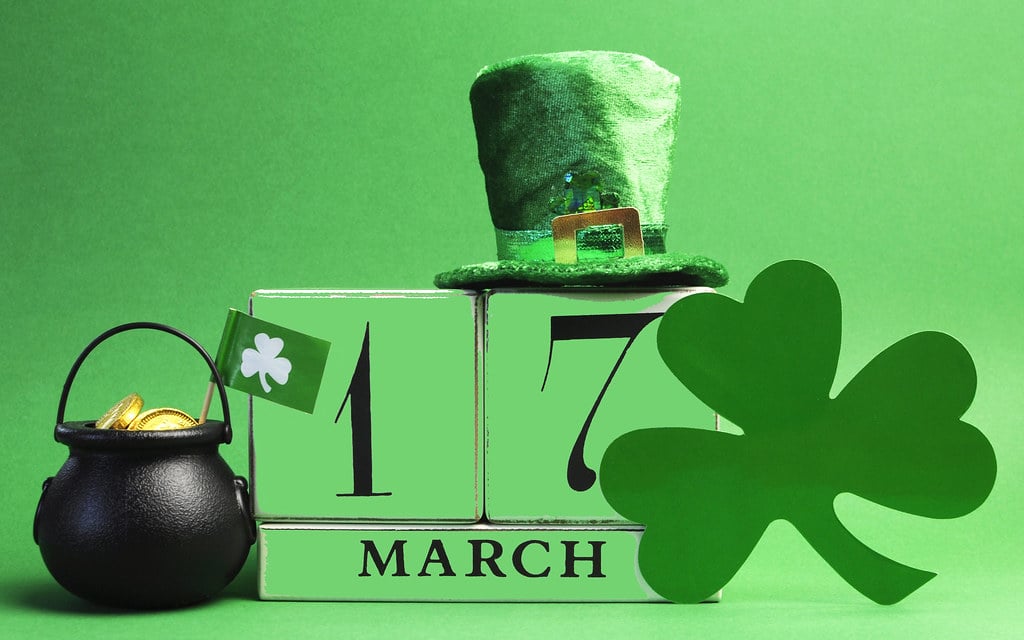
That day supposedly lines up with when St. Patrick died, close to 461, yet experts still argue about the precise year. In old age – likely late seventies or beyond – he breathed his last.
By decree of the Catholic Church, March 17 became tied to his memory, fixing the event on that calendar spot. What began as quiet reverence slowly slipped into the loud festivities now familiar across places.
Wearing Green Became a Political Statement
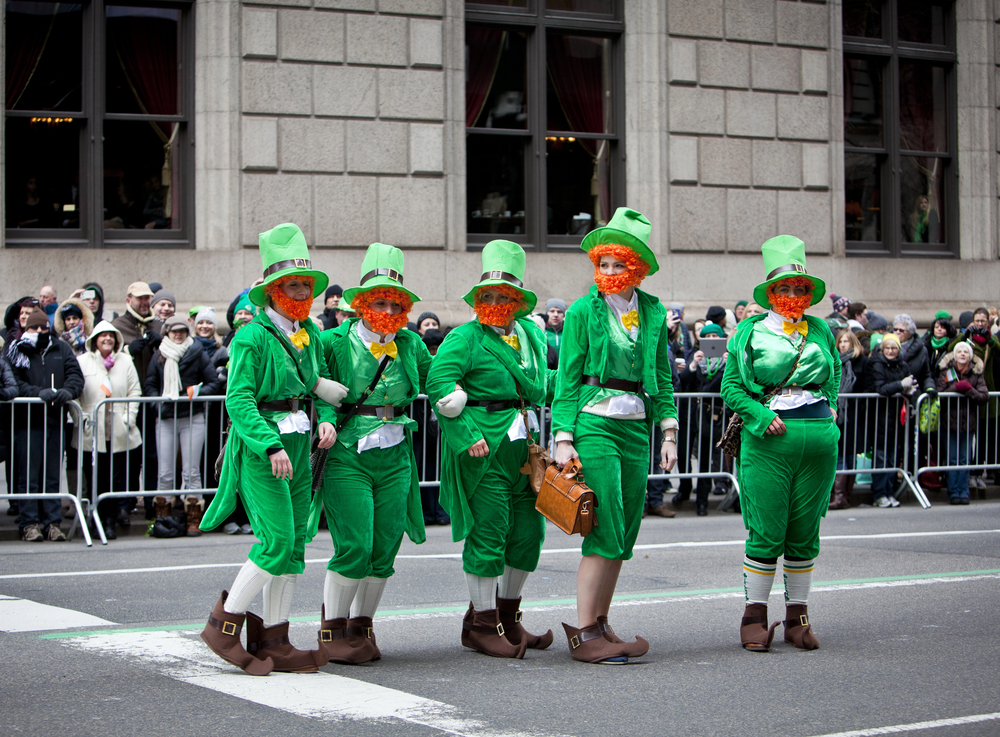
Green stood for backing Irish freedom when the country fought to break away. Flags carried it loud, turning cloth into something deeper – belonging.
At times, Britain called it defiance, making showing the shade illegal. Because of those old rules, putting on green every March seventeenth carries weight now, heavier than silly traditions.
The Global Celebration Reaches Every Continent
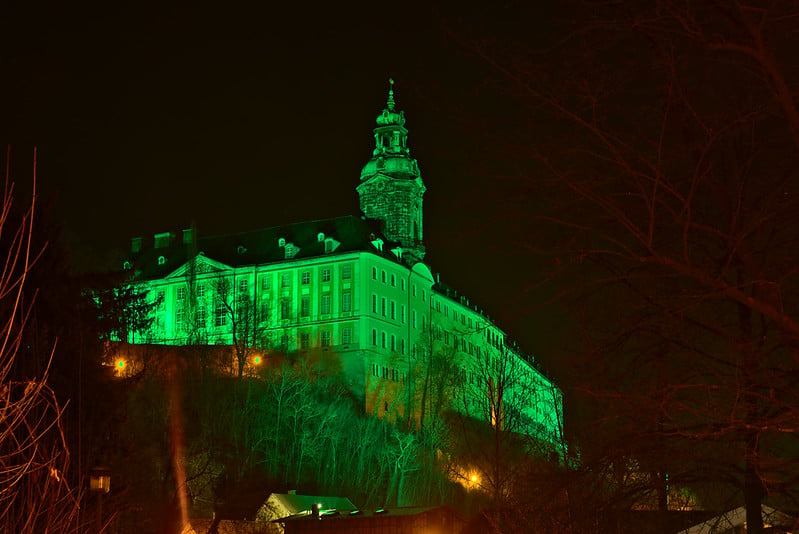
Even Antarctica marks St. Patrick’s Day somehow. Bright green washes over places like the Sydney Opera House and even the Leaning Tower of Pisa.
In São Paulo, crowds swell into the millions each year, making Brazil’s festivities among the biggest beyond Ireland and America. Culture, stories, and meals tied to Ireland now find fans everywhere.
Backgrounds fade when streets fill with shared moments.
The Parade Tradition Keeps Growing
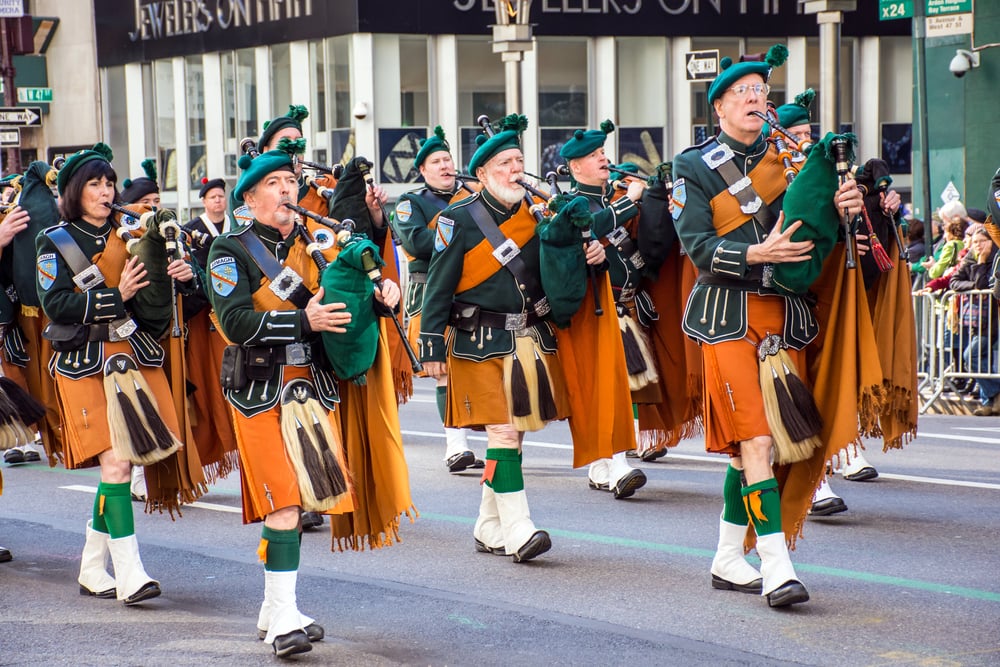
A few lonely Irish troops began walking long ago. Now entire towns race to outdo each other with color-drenched processions full of music, carts on wheels, and dancers.
Crowds nearly fill streets in New York – around two million stand and watch yearly – the scale unmatched by most others like it. Year after year, fresh locations join in, stitching their version into the pattern.
What grows louder each spring is more than noise – it’s neighbors sharing roots through laughter under open sky.
More from Go2Tutors!

- The Romanov Crown Jewels and Their Tragic Fate
- 13 Historical Mysteries That Science Still Can’t Solve
- Famous Hoaxes That Fooled the World for Years
- 15 Child Stars with Tragic Adult Lives
- 16 Famous Jewelry Pieces in History
Like Go2Tutors’s content? Follow us on MSN.



