Facts About Lemurs, The World’s Most Unique Primates
Strange how such an ancient creature stays so overlooked. Millions of years old, lemurs stand apart from every other primate alive today.
That one silly dance from a children’s movie? For many, that’s where knowledge ends. Hidden beneath the surface lie quirks no one expects.
The deeper you go into their world, fascination grows without warning. Facts about lemurs can shift your view in ways you might not expect.
These animals surprise more than most assume at first glance.
Found Only In Madagascar

Far from any continent, Madagascar holds a secret life found nowhere else. Long ago – about 160 million years back – it broke free from Africa’s edge.
Left alone, cut off by sea and time, creatures there followed their own path. Among them, lemurs grew unlike any other primates on Earth.
Separation shaped what they became, quietly, over ages.
Older Than Monkeys And Apes
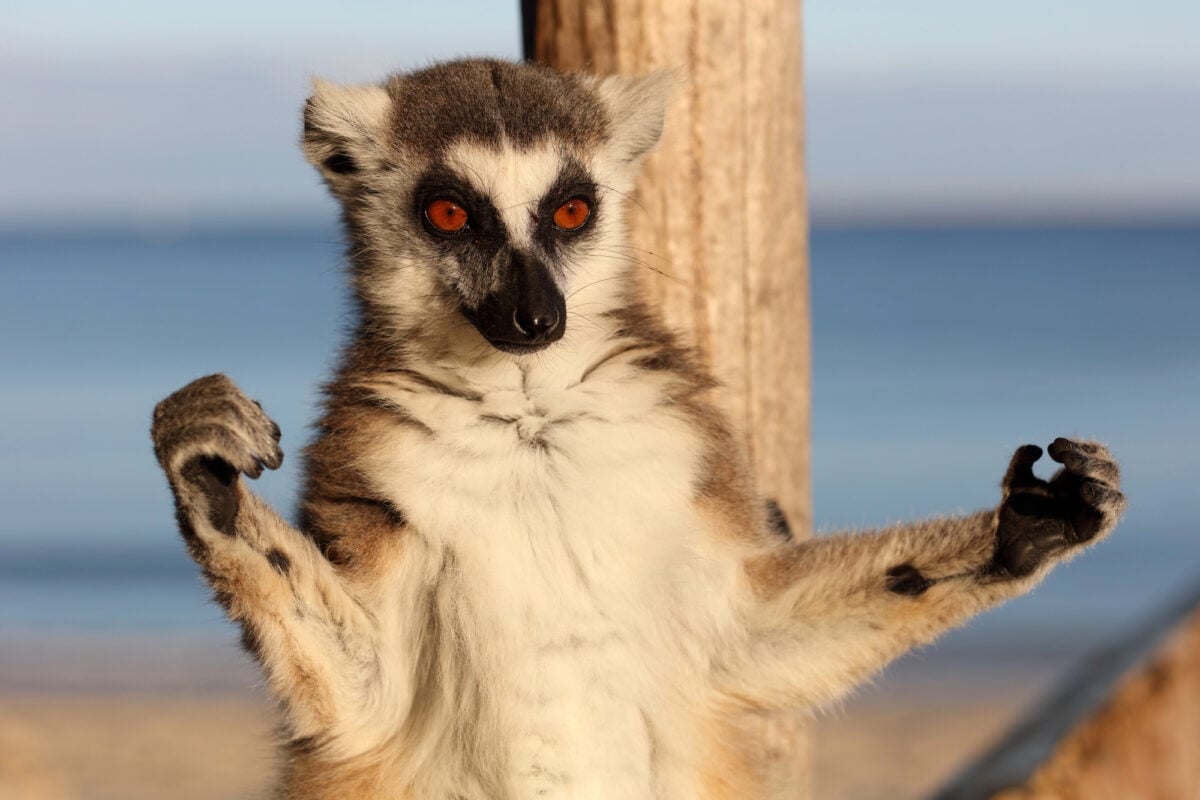
Floating on tangled mats of plants, lemur ancestors reached Madagascar roughly sixty million years back. Older by far than apes or monkeys when traced through time’s slow crawl.
While other primates shifted course, these creatures changed in quiet ways, shaped only by one island’s rhythms. Ocean currents delivered them there – evolution then took its own path.
Freshwater Swamps Host More Than A Hundred Kinds Of Living Things
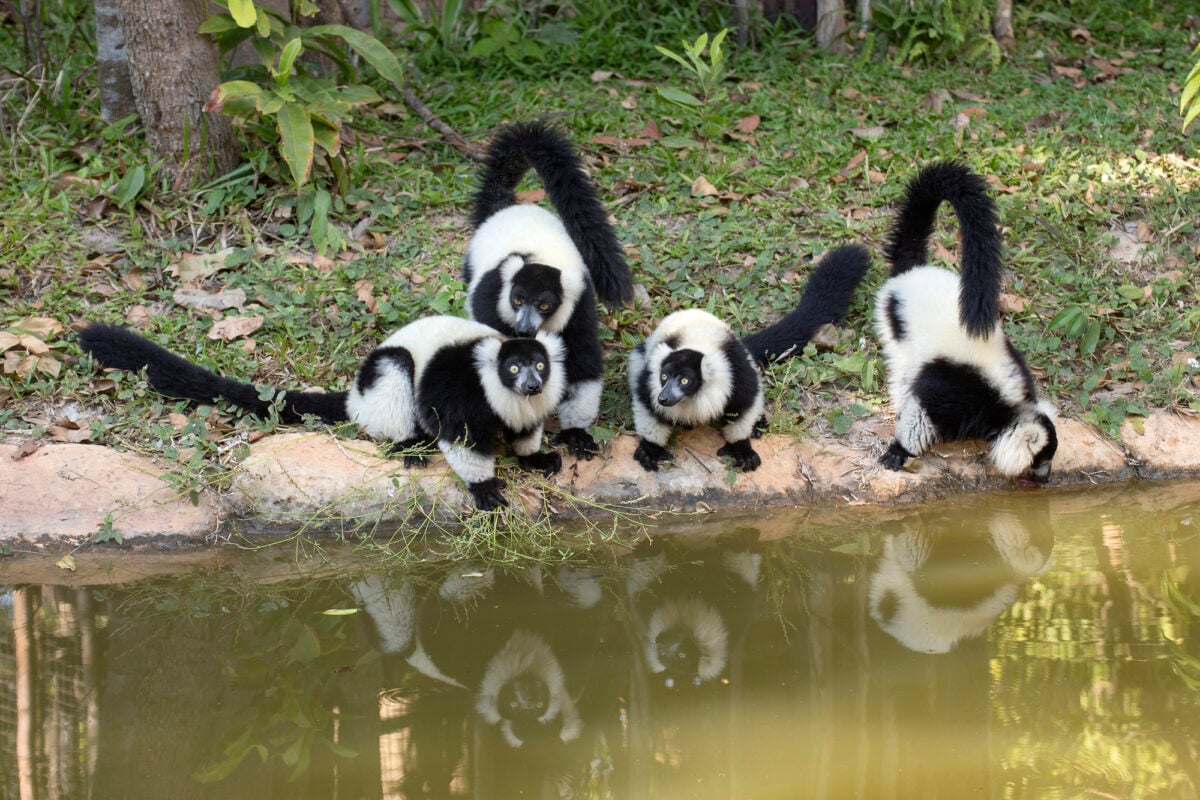
Over a hundred kinds of lemurs exist, from petite mouse-sized ones to towering indris. One after another, they show unique faces, habits, upside-down naps, quiet chirps.
New types pop up now and then – proof that corners of Madagascar stay hidden. What hides there might surprise anyone paying attention.
The Smallest Primate In The World
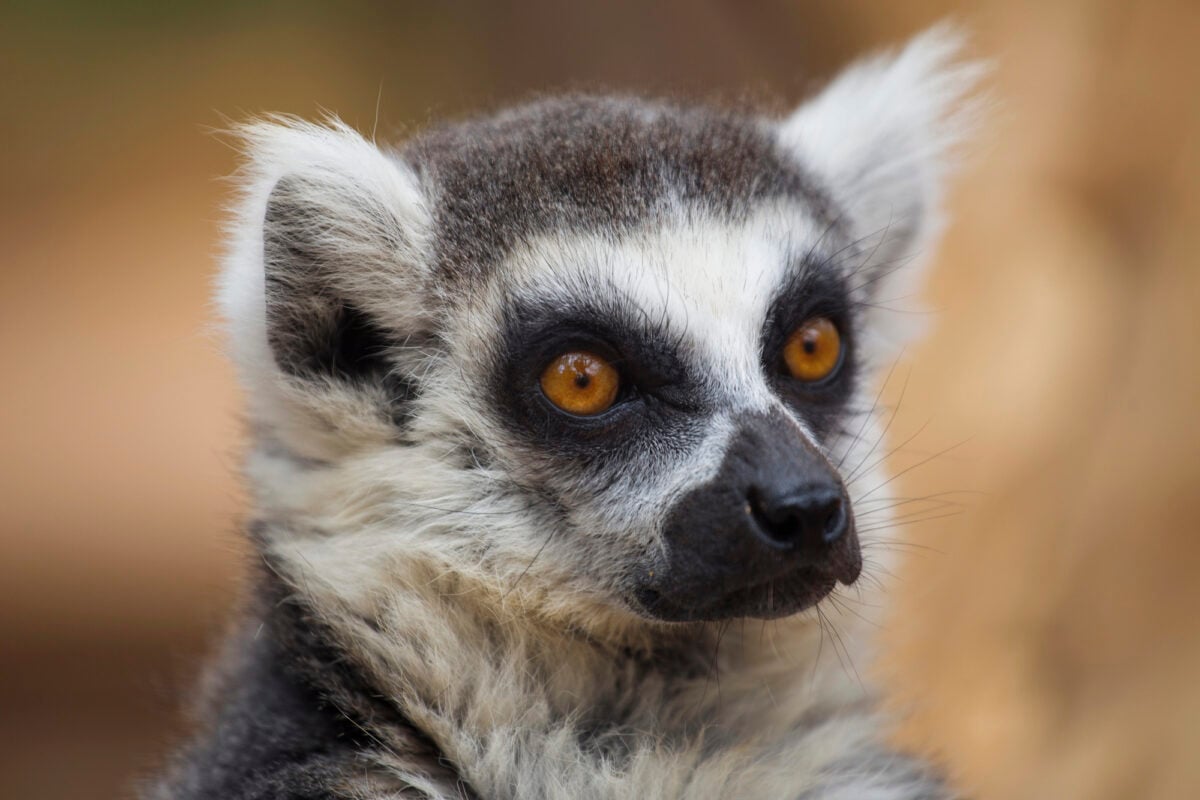
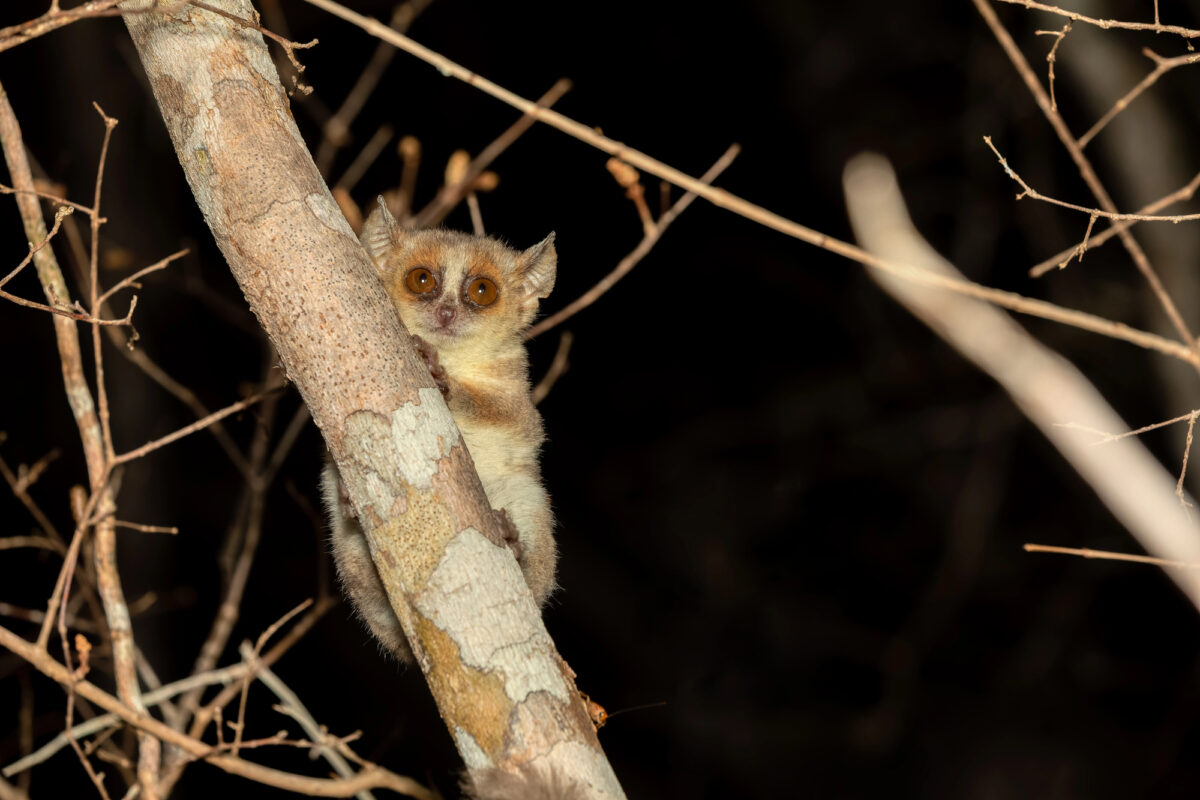
A title belongs to the tiniest primate – Madame Berthe’s mouse lemur. About thirty grams it tips the scale at, close to what a small bunch of grapes feels like in your palm.
Fast though it moves, its mind stays alert; toughness hides inside that fragile frame.
They Use Scent To Communicate
Smell guides how lemurs connect with one another. Found on wrists, chests, and lower bodies, their scent organs leave messages behind.
When it is time to mate, males in the ring-tail group smear odor on their tails, then flick them toward competitors. A strange battle of smells unfolds without a sound.
Females Hold The Leadership Role
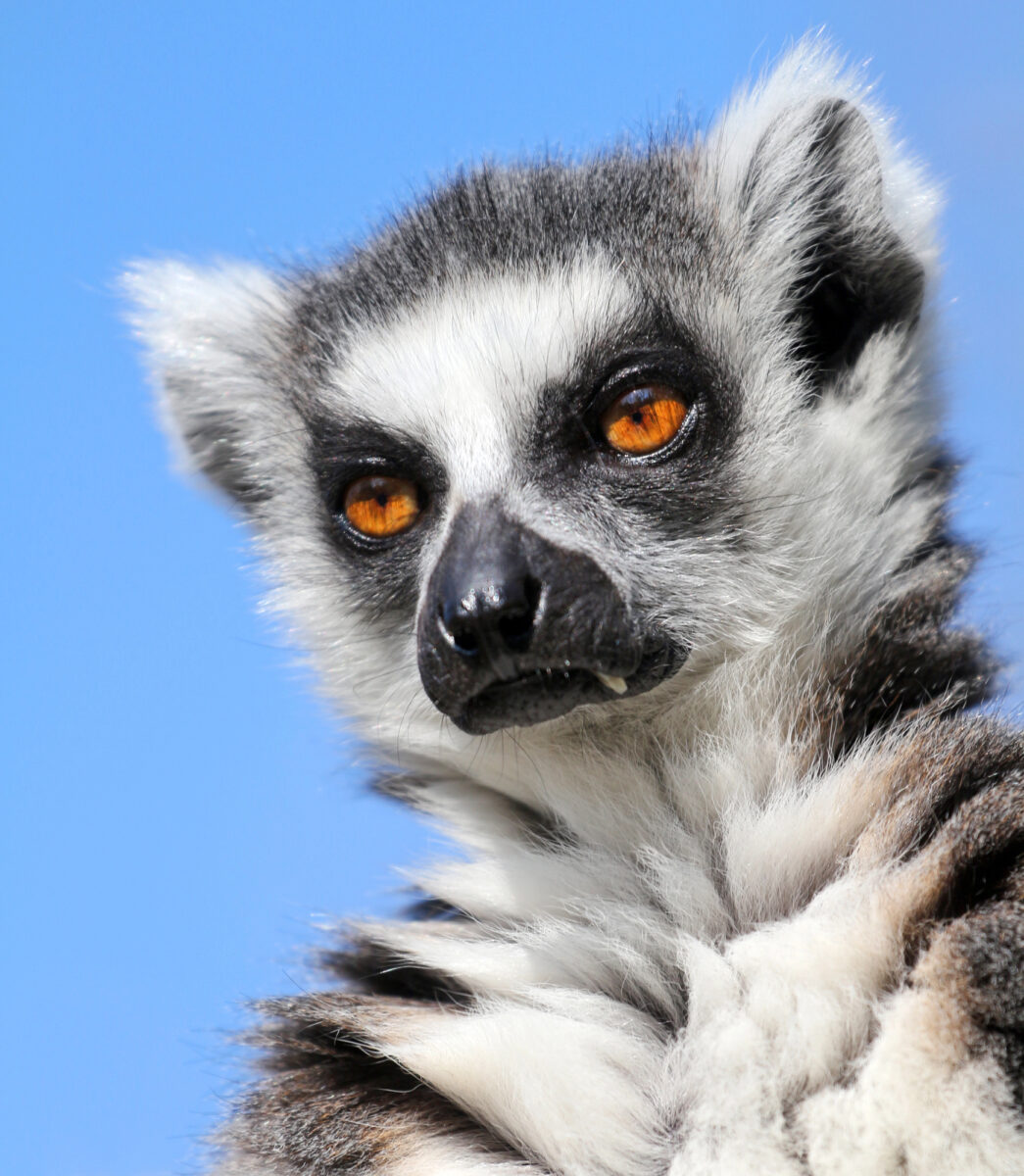
Most lemur groups follow a female leader. Food goes to her first, she picks who to breed with, also sets the direction for travel.
Among primates, that kind of power in females hardly ever happens, so lemurs become unusual on the broader stage.
Folks Here Soak Up Rays As If Born To It
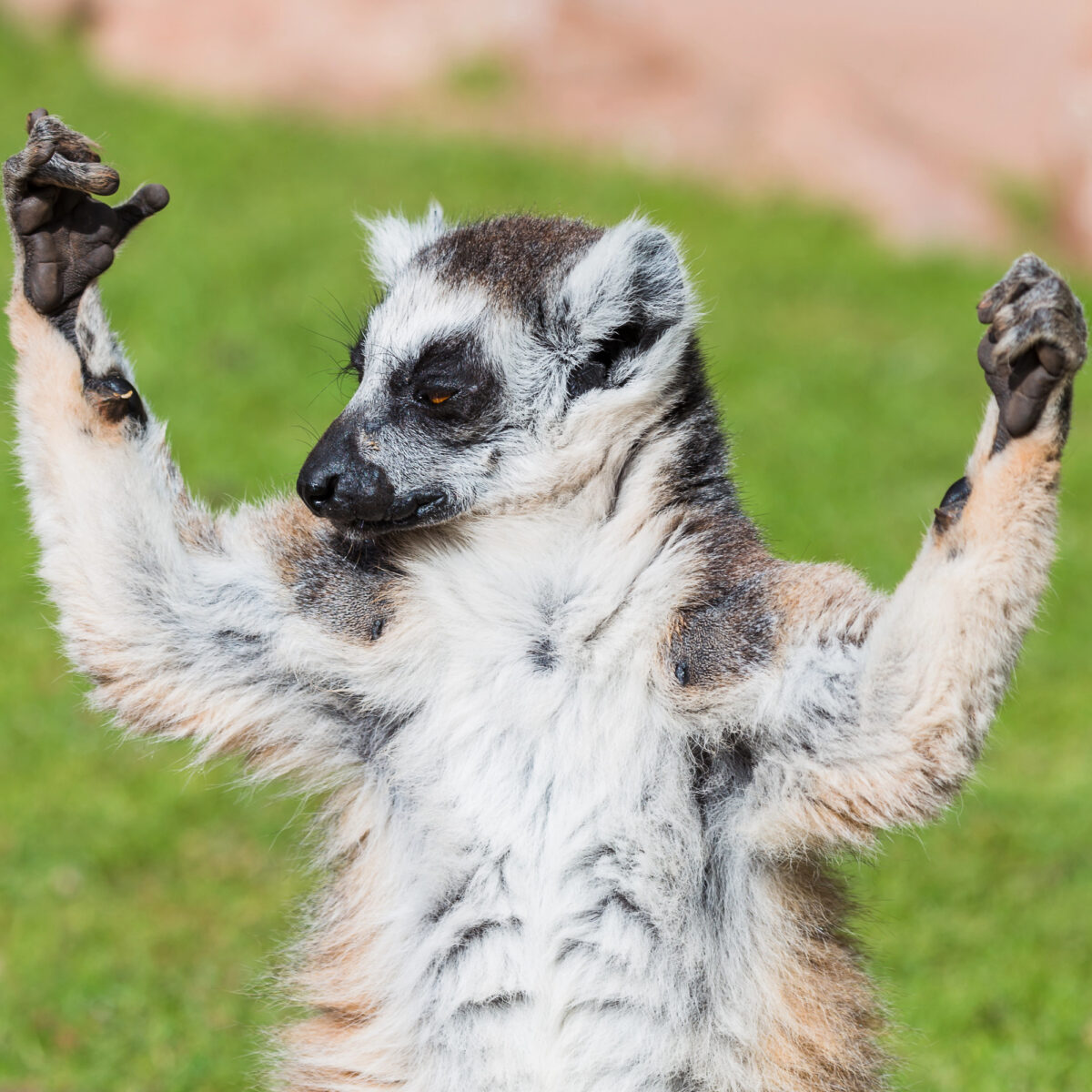
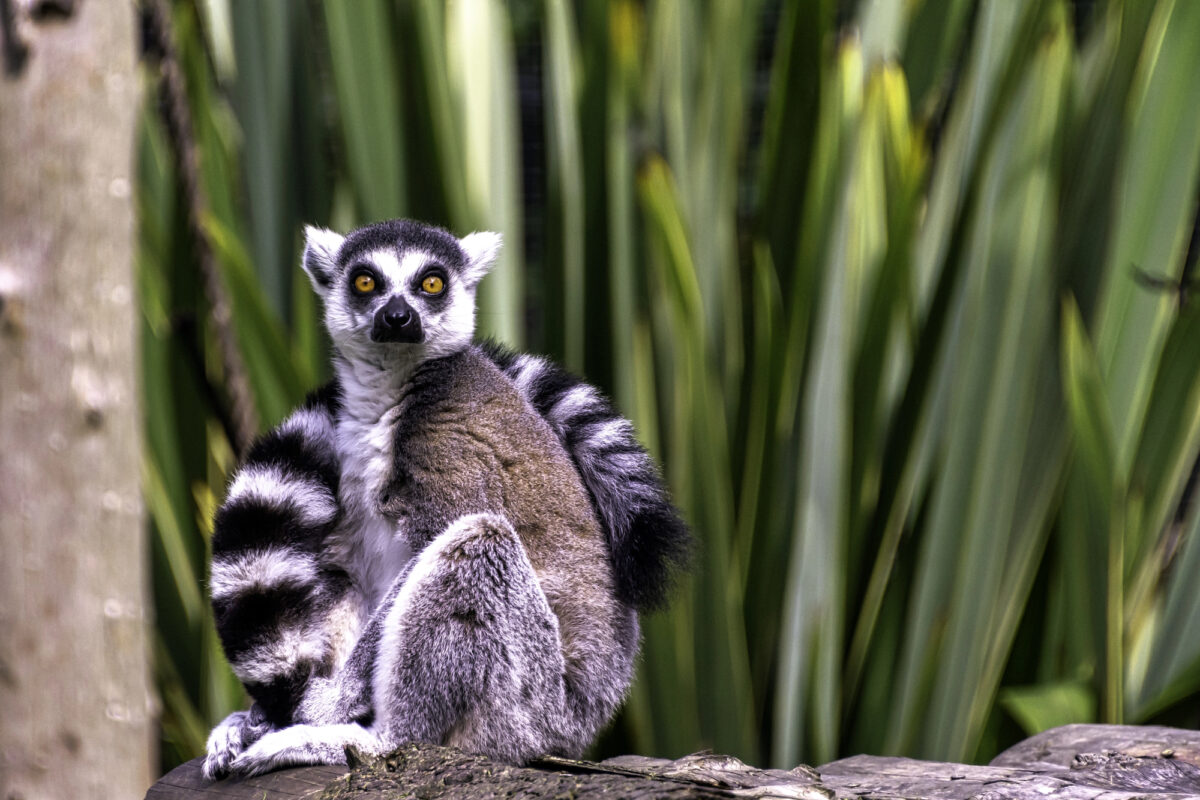
Sunlight spills across their fur when ring-tailed lemurs sit tall, arms flung outward. Because mornings can be chilly, this stance catches warmth fast.
Their posture brings to mind slow stretches done on mats – though really, they seem more natural at it. Few animals hold stillness quite like this, so open, so calm, facing the light.
Some Species Hibernate
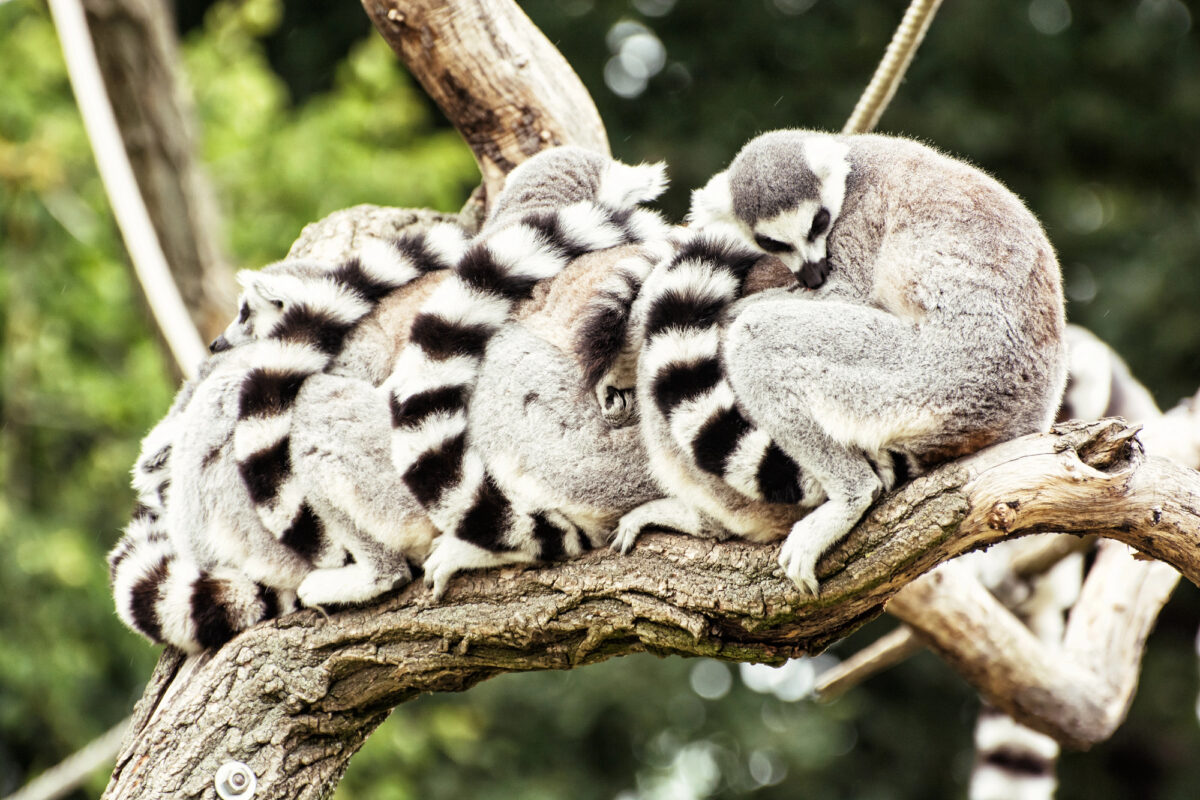
Sleeping through long stretches of drought comes naturally to one small primate. These creatures pack extra reserves into their tails when the weather turns warm.
Instead of staying awake, they vanish into deep rest when resources fade. Their bodies cool nearly to room level while time passes slowly outside.
Each heartbeat drags with a sluggish rhythm, cutting demand on stored fuel. Seven months might slip by before movement returns.
Only this lemur among all close relatives chooses such stillness.
Lemurs Have A Dental Comb
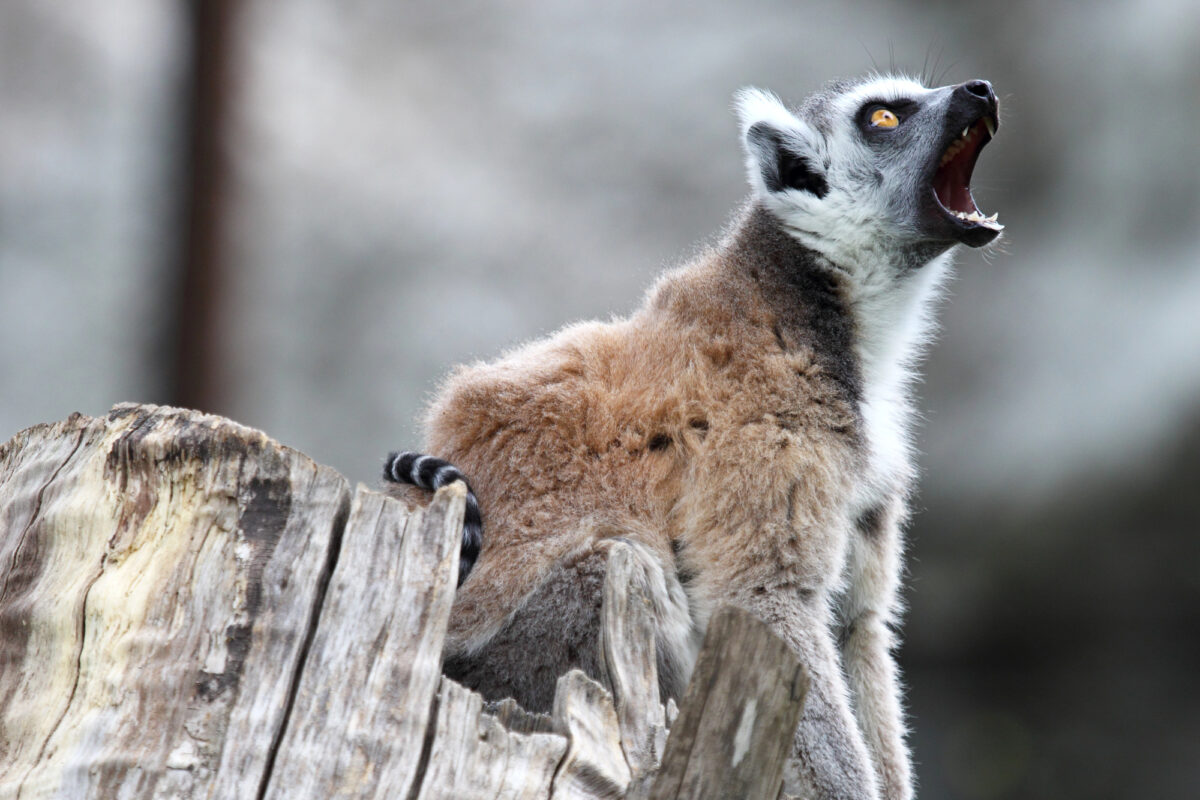
Front teeth in many lemurs stick out ahead rather than up. A feature known as a dental comb forms from these teeth.
Used to clean fur, it also helps gather sticky substances from trees. Almost functions like a small device they keep on hand at all times.
They Are Highly Social Animals
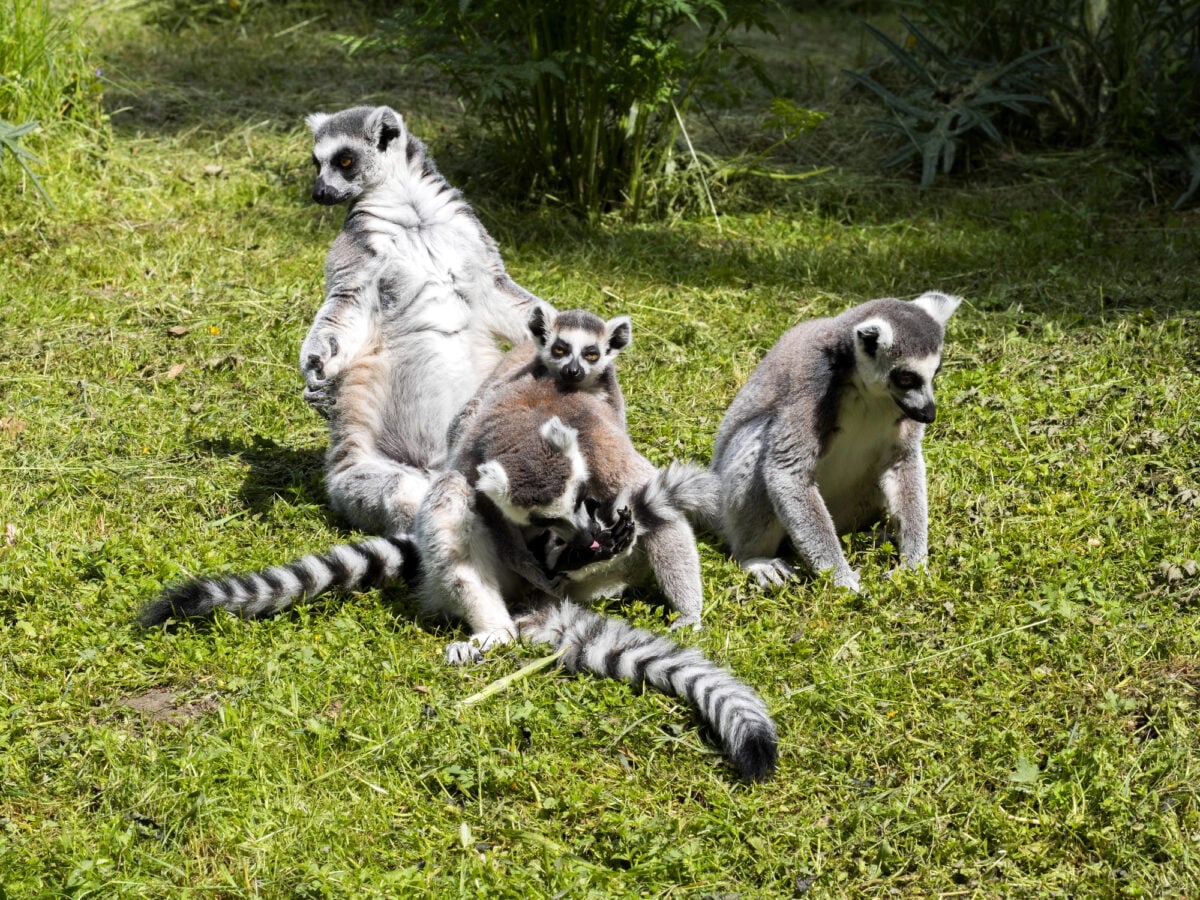
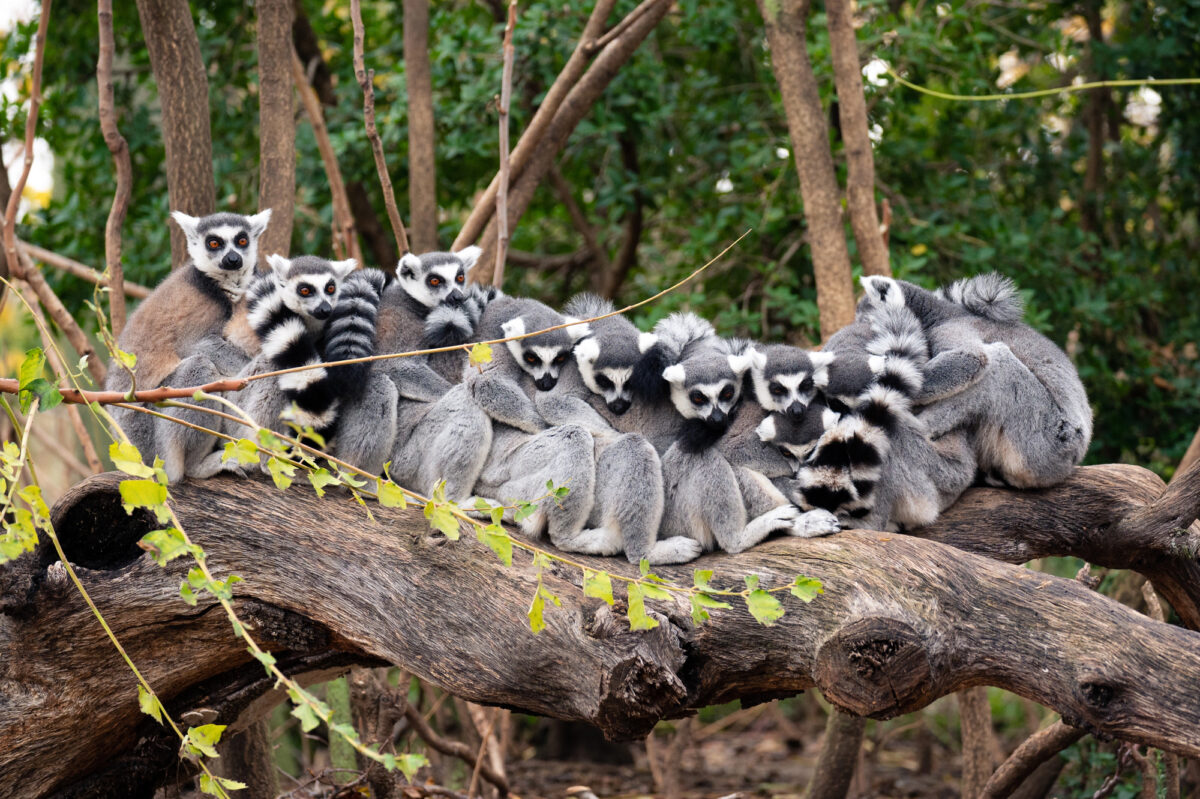
Troop life keeps lemurs constantly interacting, navigating layered relationships every day. Connections grow stronger when they spend time cleaning one another’s fur.
From small clusters to gatherings exceeding thirty, size shifts based on type.
The Indri’s Call Travels For Miles
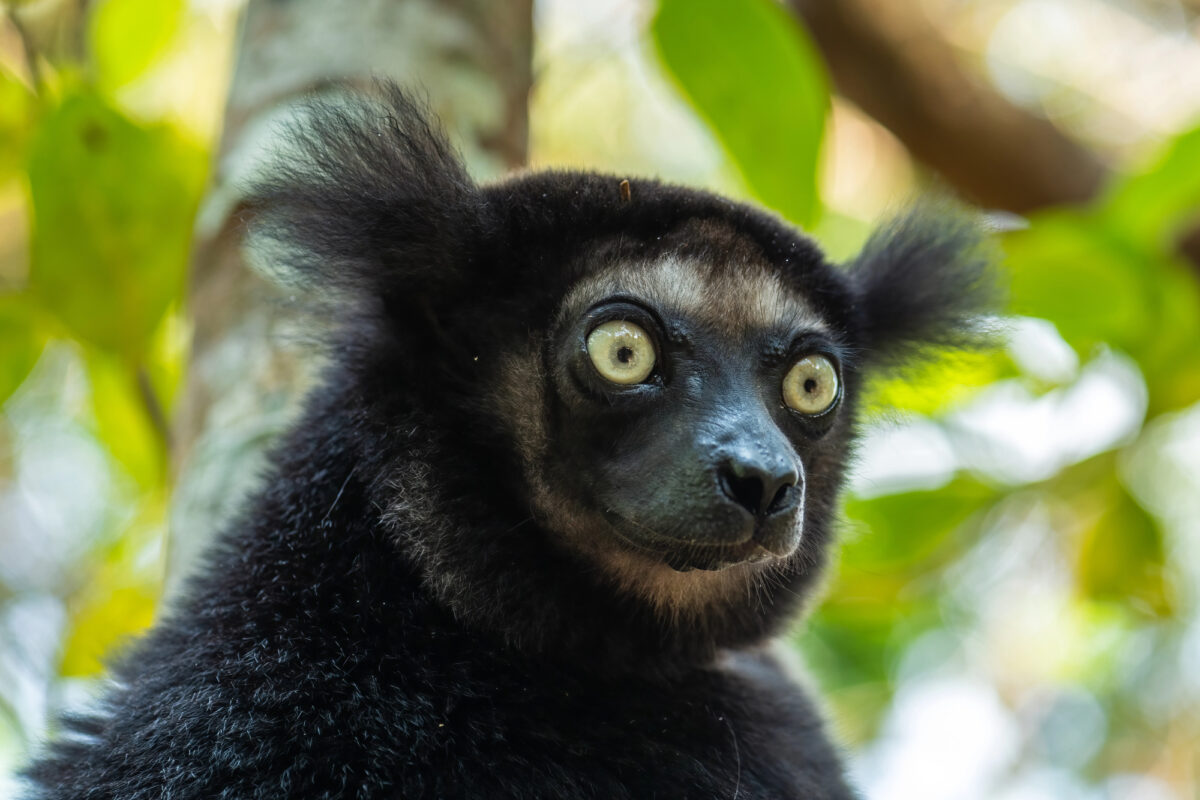
Loud voices slice through treetops when the biggest lemur alive opens its mouth. Over two miles away, echoes still ripple across dense woodland.
Distance means little because sound links family members scattered wide. Boundaries get marked not with marks but with noise – sharp, rising, impossible to ignore.
Neighbors hear it clear: keep moving, stay back.
Many Species Are Critically Endangered
More than 30 species of lemurs are currently listed as critically endangered. Habitat destruction, illegal hunting, and the live animal trade have pushed many of them to the edge of extinction.
Madagascar has lost more than 90 percent of its original forest cover, which has had a devastating impact on lemur populations.
They Play A Key Role In Their Ecosystem
Lemurs are important seed dispersers in Madagascar’s forests. When they eat fruit and move through the trees, they drop seeds across wide areas, helping forests grow and regenerate.
Without lemurs, the entire ecosystem would look very different and far less healthy.
Some Lemurs Are Mostly Silent
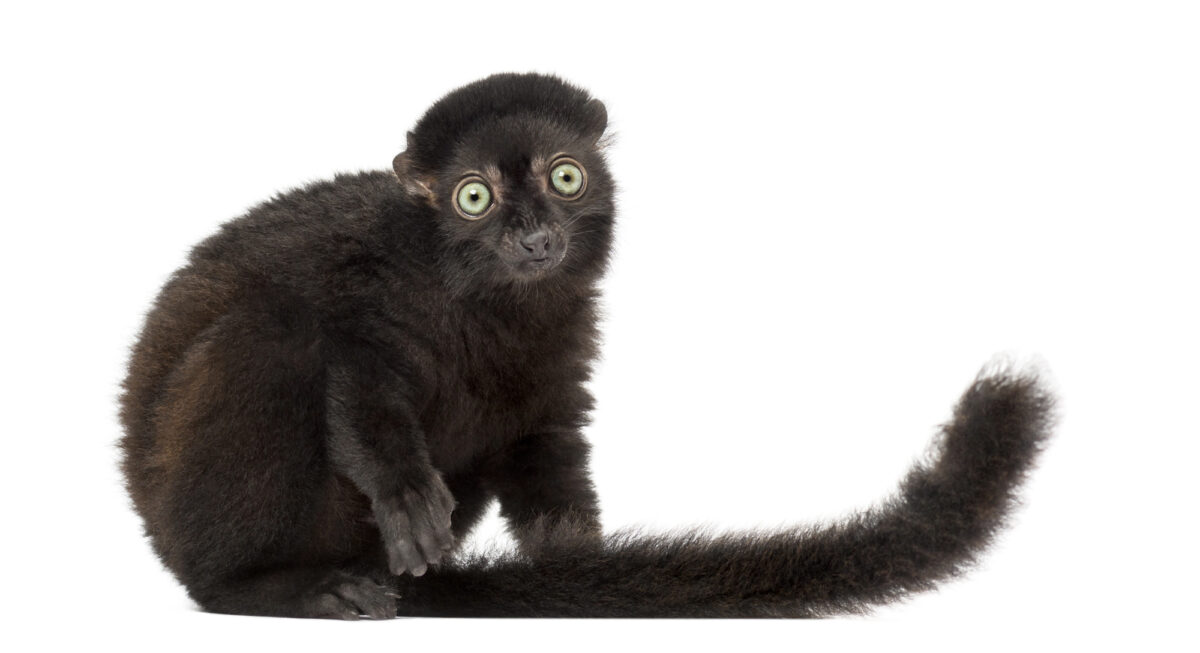
While the indri is loud, many smaller lemur species are extremely quiet. Nocturnal lemurs in particular rely more on scent and subtle body signals than on sound.
This quietness helps them stay hidden from predators while moving through the dark forest at night.
They Have A Unique Grooming Claw
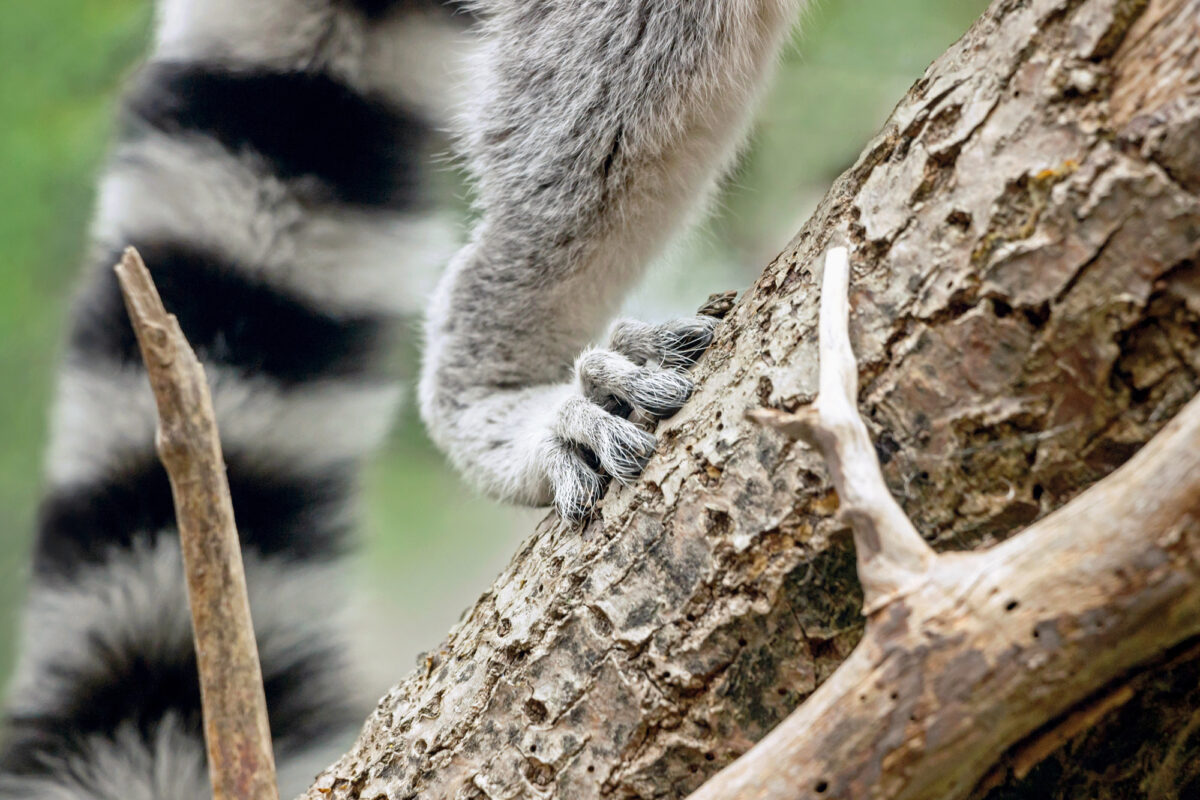
Alongside their dental comb, lemurs also have a specially modified nail on their second toe, called a toilet claw. They use it to scratch and groom hard-to-reach spots on their bodies.
It functions like a fine comb for their fur and is surprisingly useful for an animal with such small hands.
Lemurs Have A Strong Cultural Presence In Madagascar
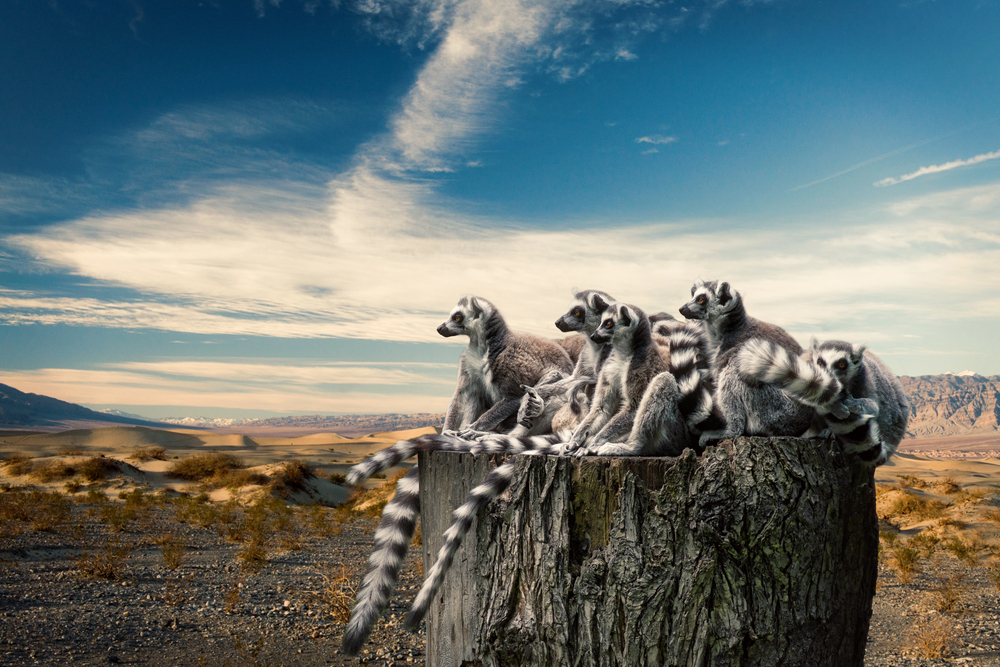
To many people in Madagascar, lemurs are sacred animals tied to local beliefs and customs. Some communities believe that lemurs carry the spirits of ancestors, which has helped protect certain species for generations.
This cultural respect has played a quiet but important role in keeping some lemur populations alive.
Why Lemurs Still Matter
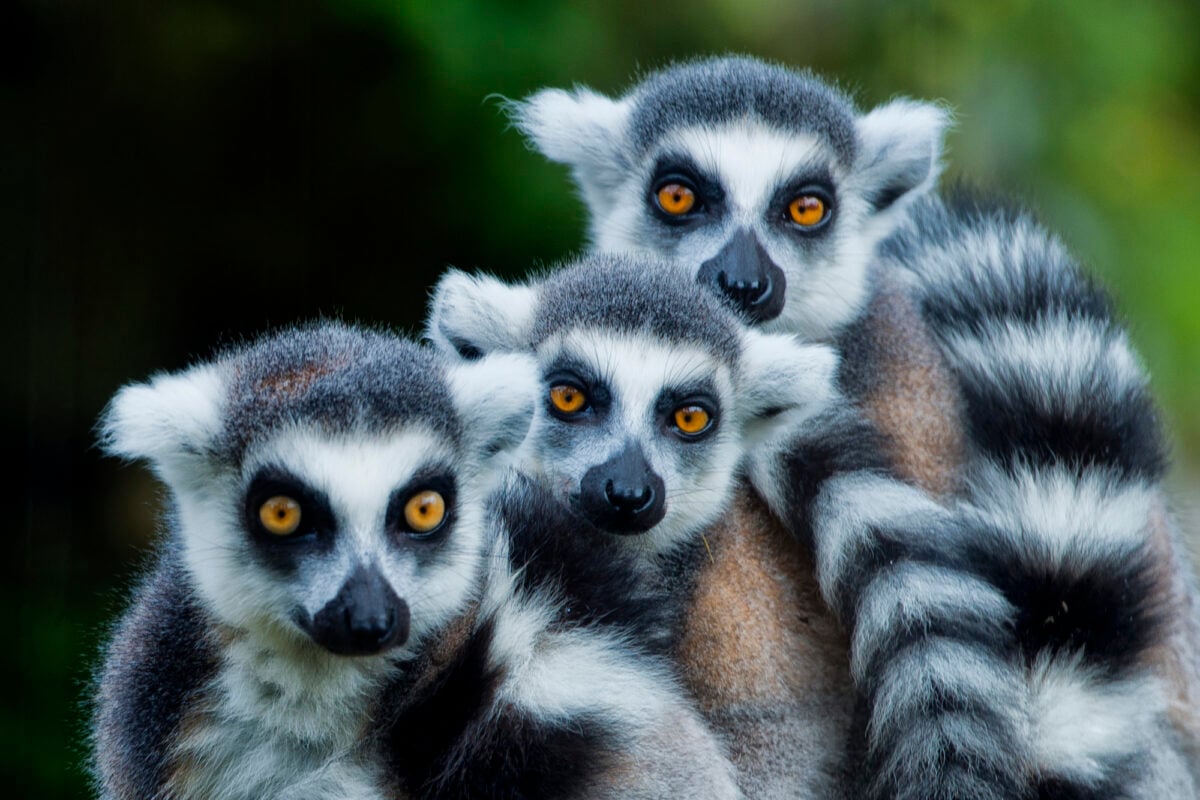
Lemurs have survived for tens of millions of years, outlasting countless other species that have come and gone. Today, they face their biggest challenge yet, not from nature, but from human activity.
Protecting lemurs means protecting one of the oldest and most unique branches of the primate family tree, and that is something worth taking seriously.
More from Go2Tutors!

- The Romanov Crown Jewels and Their Tragic Fate
- 13 Historical Mysteries That Science Still Can’t Solve
- Famous Hoaxes That Fooled the World for Years
- 15 Child Stars with Tragic Adult Lives
- 16 Famous Jewelry Pieces in History
Like Go2Tutors’s content? Follow us on MSN.