Top Fighter Jets That Shaped Modern Warfare
Air combat changed everything. Once pilots started climbing into machines to fight in the sky, warfare was never again just a ground problem.
The fighter jet, in all its forms across different eras, forced armies, navies, and entire nations to rethink how they defended territory, projected power, and fought wars. Some of these aircraft were so influential that you can trace a direct line from their design choices to what flies today.
Here are the jets and propeller-era fighters that genuinely moved things forward — not just as machines, but as ideas that changed what war looked like.
The Messerschmitt Bf 109 — Germany’s Workhorse With a Bite
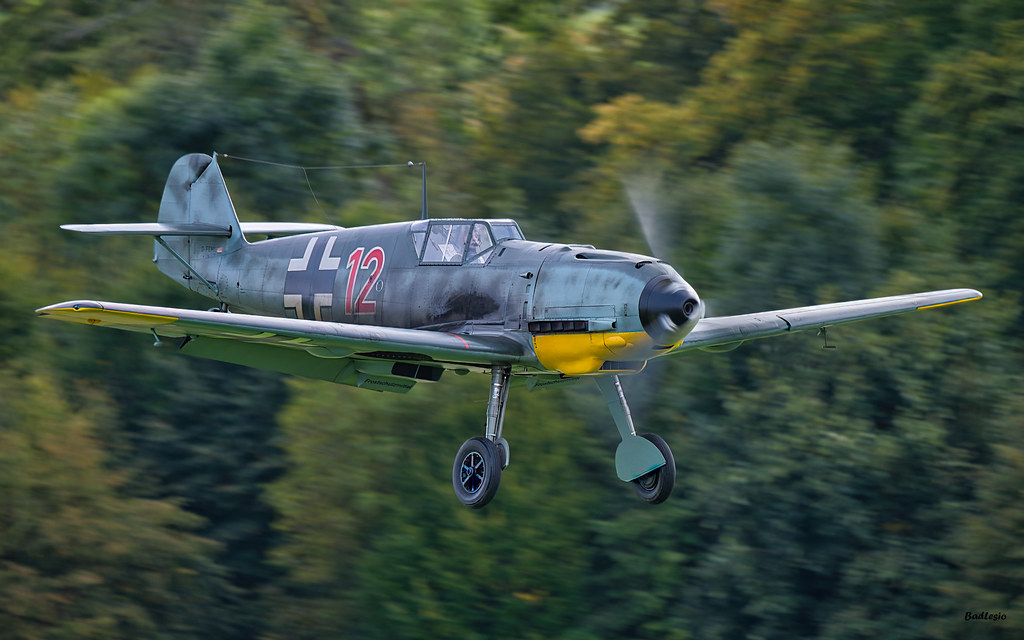
Before jets, there was the Bf 109. It flew for Germany through almost the entire Second World War and proved that a single, well-engineered fighter could anchor an entire air force. The Bf 109 introduced a serious approach to speed and firepower at a time when many air forces were still clinging to biplanes.
It also taught a brutal lesson: no matter how good your aircraft is, numbers and range matter. Germany produced over 33,000 of them — the most of any fighter in history — but the Bf 109’s short range hobbled it badly during the Battle of Britain.
That limitation cost Germany air superiority over England and changed the course of the war.
The Supermarine Spitfire — When Design Becomes Legend
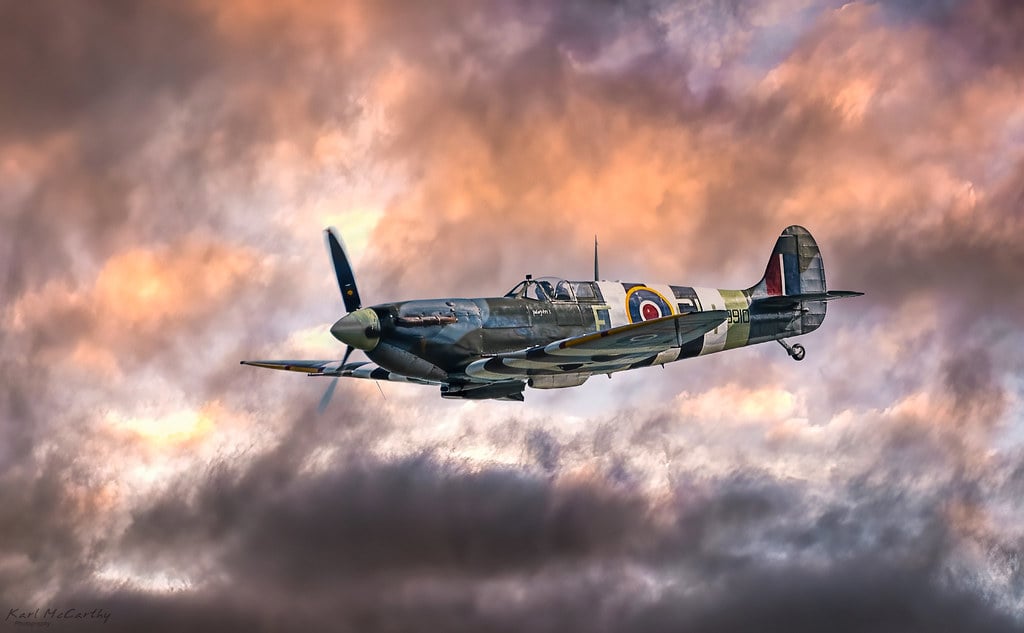
The Spitfire is one of those aircraft that feels almost too perfect. Its elliptical wing was unusual for the time and gave it a rate of roll that pilots loved.
It was fast, responsive, and carried enough firepower to be genuinely dangerous. What the Spitfire proved was that industrial design and aesthetic refinement could go hand in hand with combat effectiveness.
Britain kept improving it throughout the war, eventually fitting it with more powerful Merlin and Griffon engines. By the end, it was a fundamentally different aircraft wearing the same name.
That willingness to keep evolving a platform rather than replace it entirely became a model for how air forces manage their fleets.
The North American P-51 Mustang — Range Changes Everything
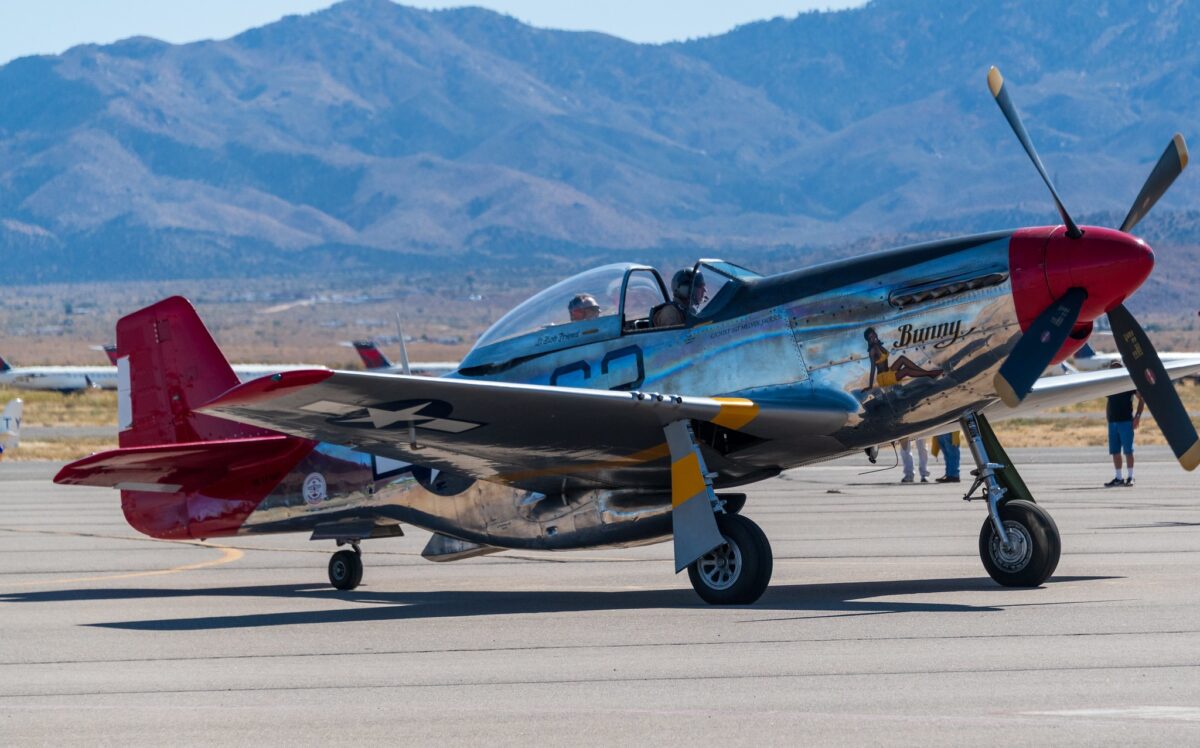
A single question lingered, unanswered by others – could a fighter shield bombers on the full run to Berlin and home? What emerged was something new: a warplane built to last, matching every German threat in speed, strength, and fight.
Pilots flying American bombers often faced disaster above Germany until help arrived with longer legs. That shift came when the P-51 carried extra fuel under its wings, letting it go farther than any fighter had before. High up where dogfights burned hot, it kept pace with enemy planes dive for dive.
Missions that once failed now stood a chance simply because someone could follow through. Distance mattered just as much as how fast you flew or how many guns you packed.
The F 86 Sabre and the dawn of jet air combat
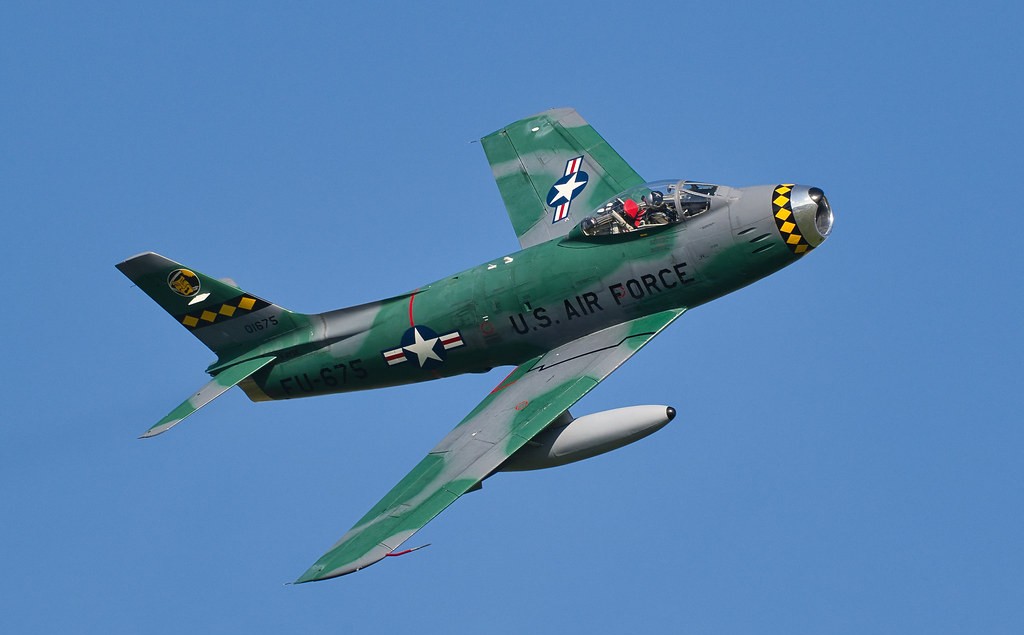
Out of Korea came the planet’s initial battle between jet fighters, yet the F-86 Sabre took center stage. As troops from North Korea and China rolled out Soviet-made MiG-15s above the Yalu River, U.S. pilots found themselves chasing an answer.
That response flew on swept wings – swift, sharp, built for speed. High above Korea, lessons took shape in freezing dogfights.
Pilots traded speed for position, using gravity like a tool. Not just turning tight – timing every move mattered most.
Thinking ahead happened vertically now, not only left or right. Victories belonged to those who saw angles others missed.
From that sky corridor, new rules spread through squadrons worldwide. Maneuvers once guessed became drilled instinct.
Altitude meant options; energy stayed currency. Those who survived taught what worked.
Tactics born in cold jets still train young flyers today.
The MiG 21 Simple Quick Common
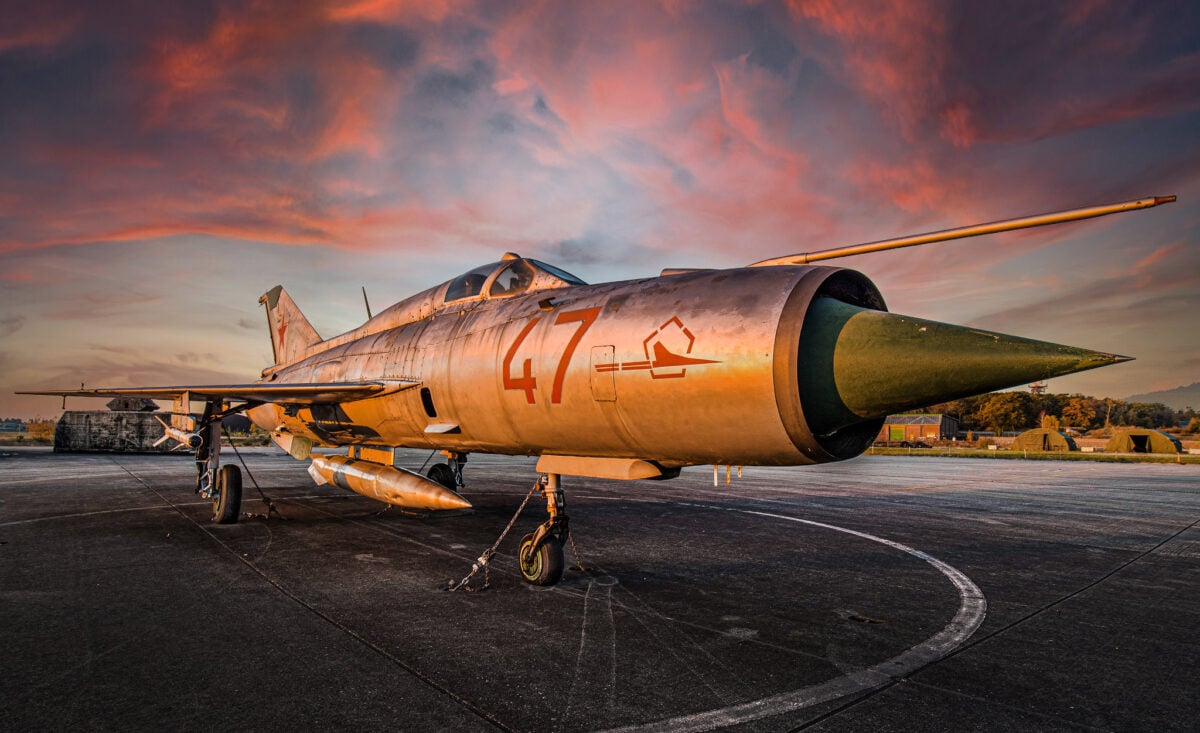
Few warplanes left a mark like the MiG-21 during the Cold War years. Built by the Soviets on an enormous scale, it found its way into air forces far and wide – flying over jungles in Vietnam, deserts in Egypt, skies above India and Syria, even reaching distant Cuba.
From the 1960s through the late 1980s, wherever battles erupted, that sharp-nosed jet often wasn’t far behind. A sharp edge at ground level came from its triangle-shaped wings paired with a strong motor, while basic engineering meant repairs happened fast even where tools were scarce.
Instead of seeing cheap copies, NATO pilots realized foes could fly smart machines built on tight budgets thanks to the MiG-21’s example. From that point forward, choices in Europe and America leaned harder into lightweight agility because of what this lean Soviet jet proved possible during tense Cold War decades.
The F 4 Phantom II Brutal Force And Costly Experience
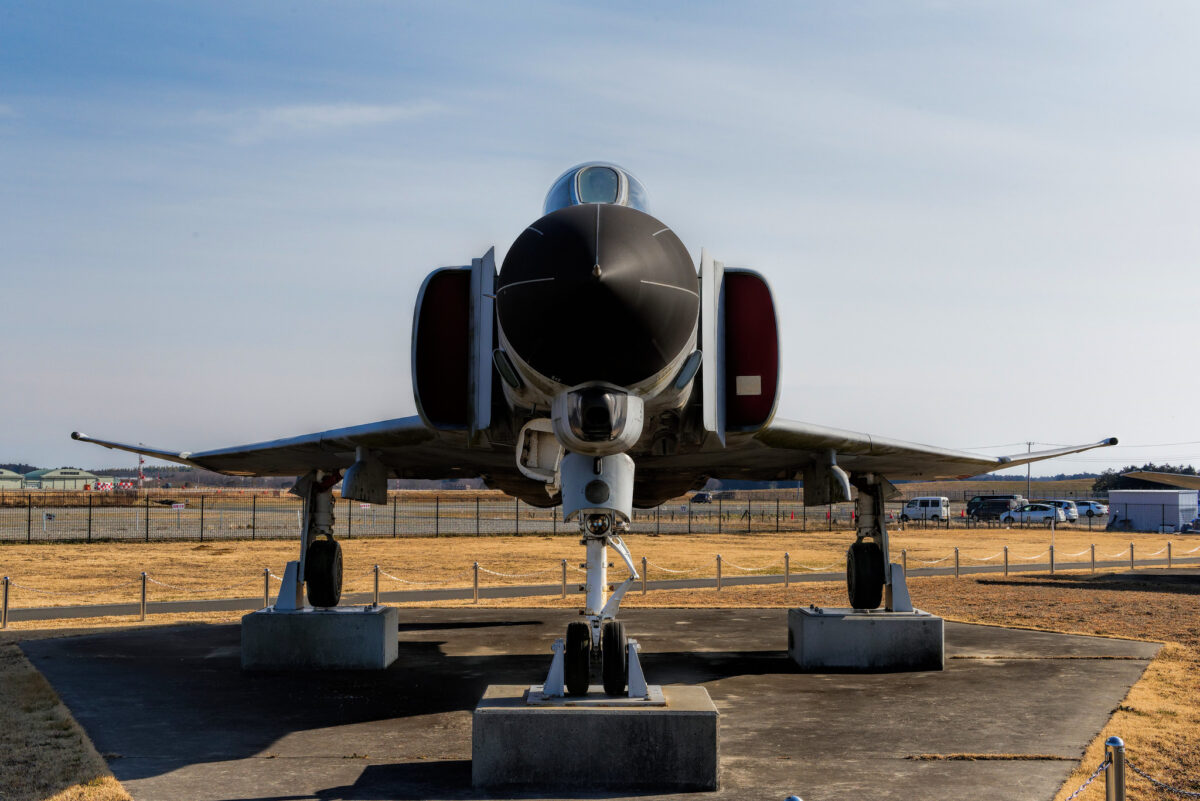
Big sounds poured from the F-4 Phantom, a plane built wide and heavy with space for more arms than most. Not many jets got used by both the Navy and the Air Force, yet this one did.
Through long stretches of fighting in Vietnam, it became the main fighter Americans relied on. The F-4 revealed tough lessons during Vietnam.
Without a gun at first, pilots relied solely on missiles, believing air combat had moved beyond dogfights. Missiles failed up close, leaving them defenseless when battles turned tight.
Suddenly, old-school maneuvering mattered again. Gunless jets could not fight back in those moments.
A cannon arrived only after losses proved the flaw. Firearms stayed part of modern combat planes.
Pilots learned the hard way through the Phantom’s costly experience.
The F 14 Tomcat Made for One Job
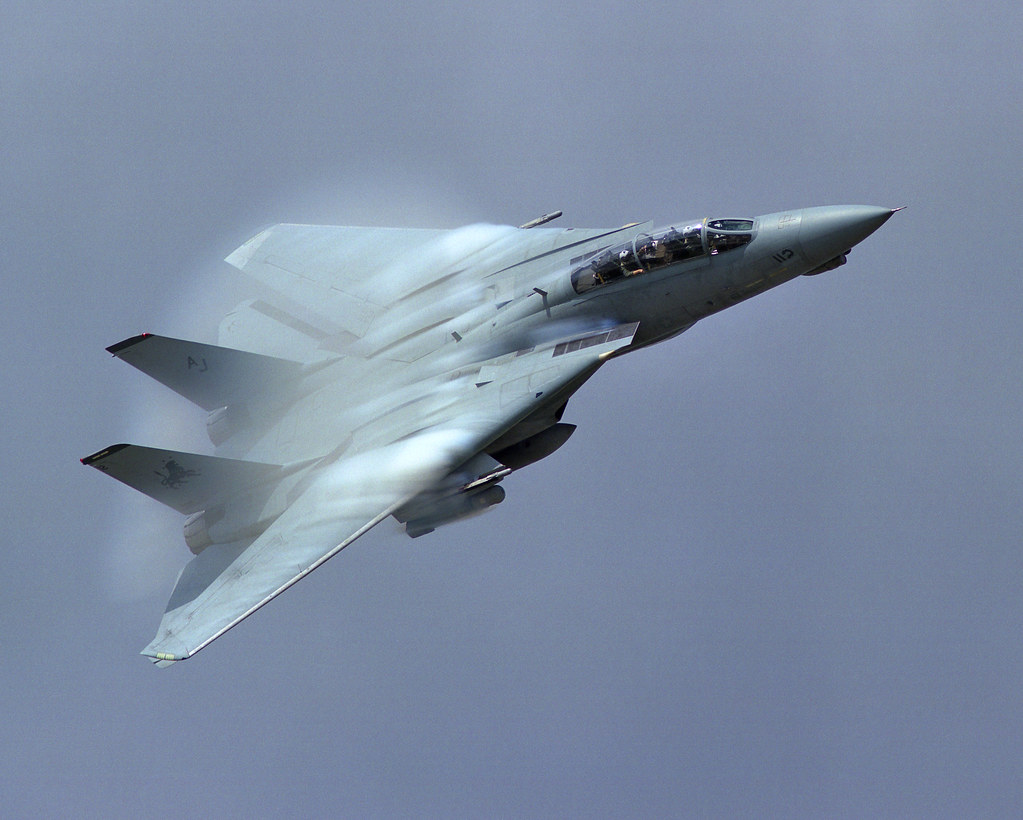
A single idea shaped the F-14 from the start: stopping Soviet bombers before they fired missiles at American carriers. Because those bombers carried dangerous payloads, the Navy wanted reach – far beyond visual range.
So engineers built something bold – the AWG-9 radar teamed up with the AIM-54 Phoenix. That pairing didn’t just spot enemies miles away.
It held eyes on two dozen threats all at once. Then it struck half a dozen of them while others still scrambled.
The way those systems worked together hadn’t been seen before. What mattered most wasn’t the plane itself, but what it carried – its sensors, its weapons. Instead of just flying, pilots spent more time overseeing machines.
This change in mindset shaped how fighters evolved starting in the 1970s.
The F-15 Eagle — Four Decades Without a Combat Loss
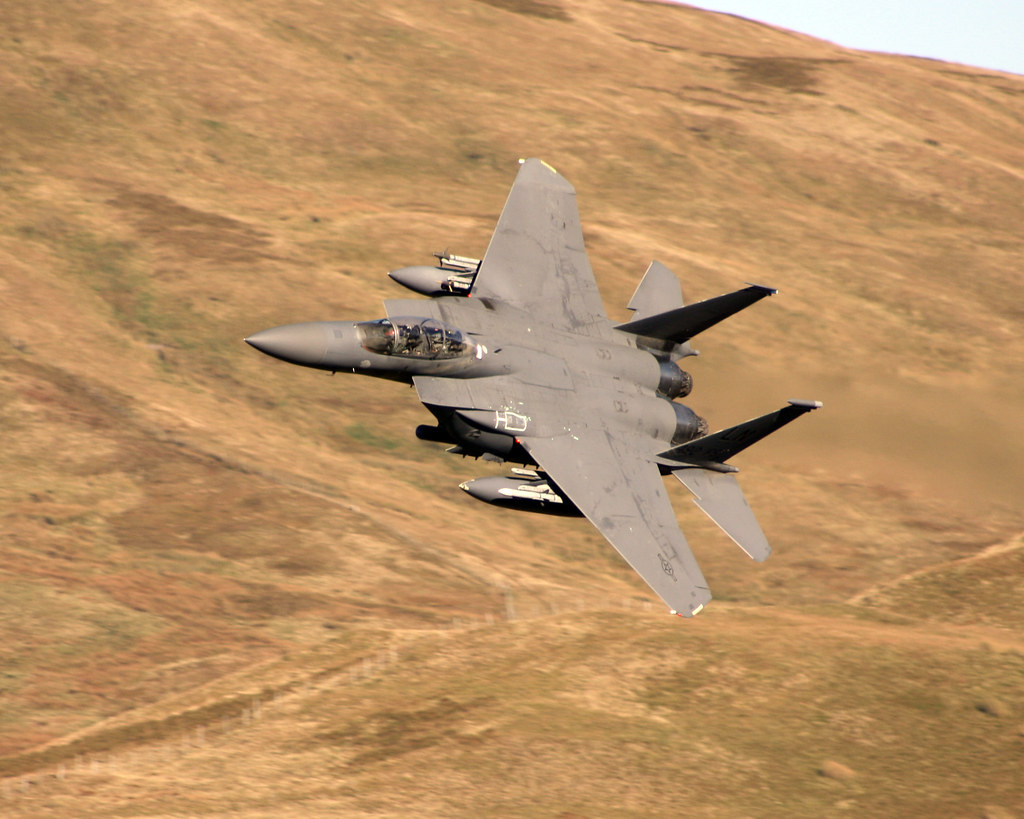
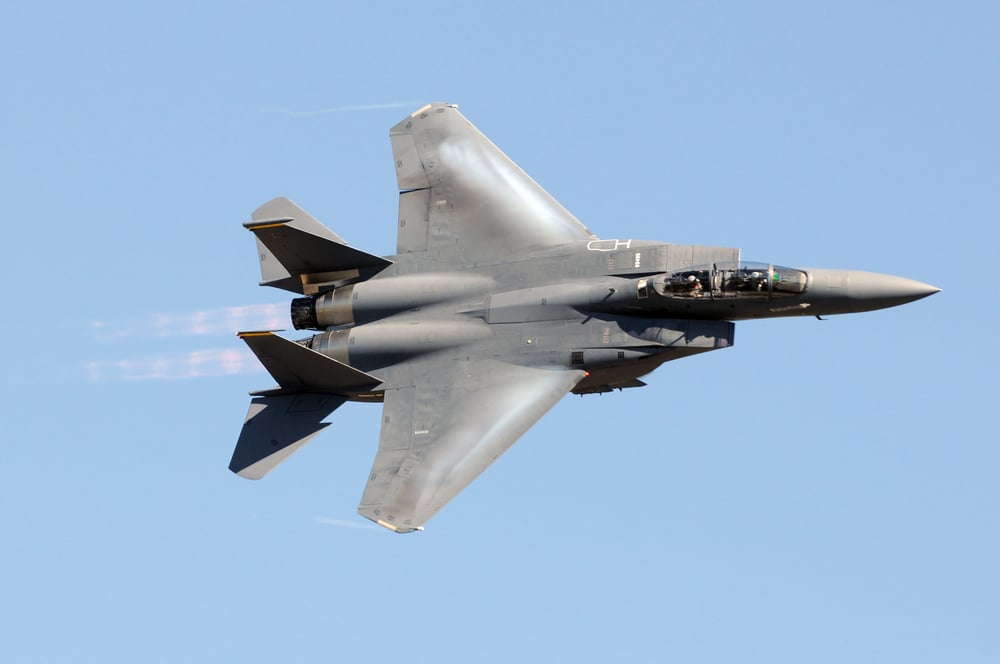
The F-15 Eagle entered service in 1976 and has never been shot down in air-to-air combat. That record stands across hundreds of engagements in multiple wars.
It is, by any reasonable measure, one of the most successful fighter designs ever built. Its twin engines, powerful radar, and high thrust-to-weight ratio gave it an edge in both speed and maneuverability.
But the F-15’s real influence was philosophical: it made the case for air superiority as a dedicated mission. You build a plane specifically to kill other planes, make it the best at that one job, and everything else becomes easier.
That logic has shaped every major air force since.
The F-16 Fighting Falcon — Making Less Do More
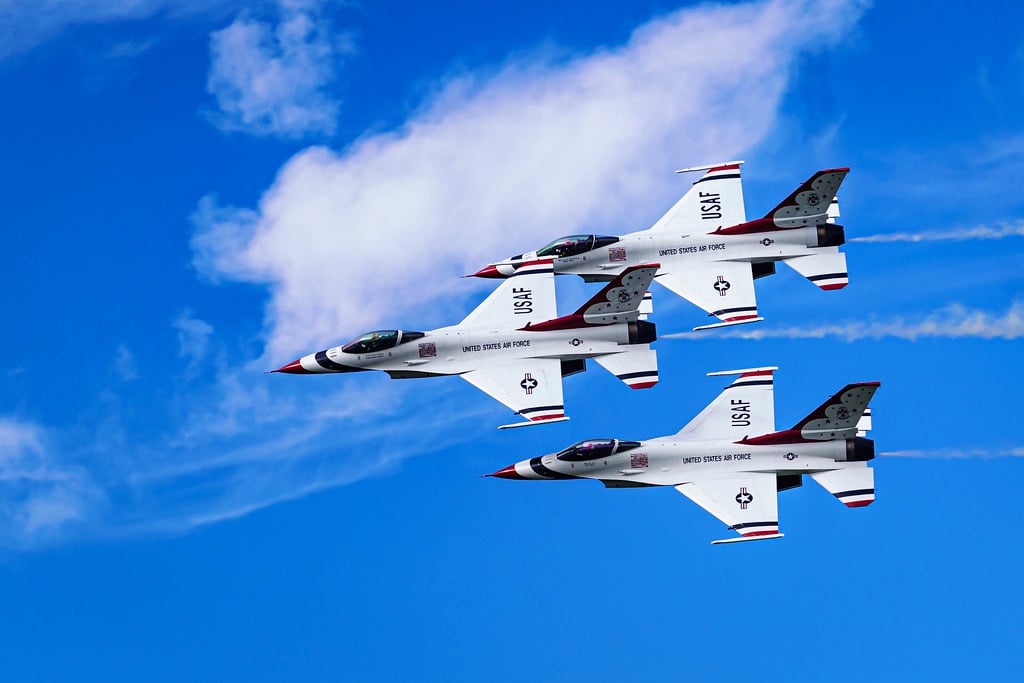
Where the F-15 was big and expensive, the F-16 was small, light, and built for agility. It was a deliberate counterpoint — a fighter that proved a single engine and a modest price tag didn’t mean you had to give up combat effectiveness.
The F-16 introduced fly-by-wire controls to a production fighter, replacing mechanical links between the pilot and the control surfaces with electronic signals. That change made the aircraft inherently unstable and therefore more maneuverable.
Computers kept it flying; pilots decided where it went. Over 4,600 have been built for 25 countries. Few designs have proven as adaptable over such a long service life.
The Su-27 — The Soviet Answer to Air Superiority
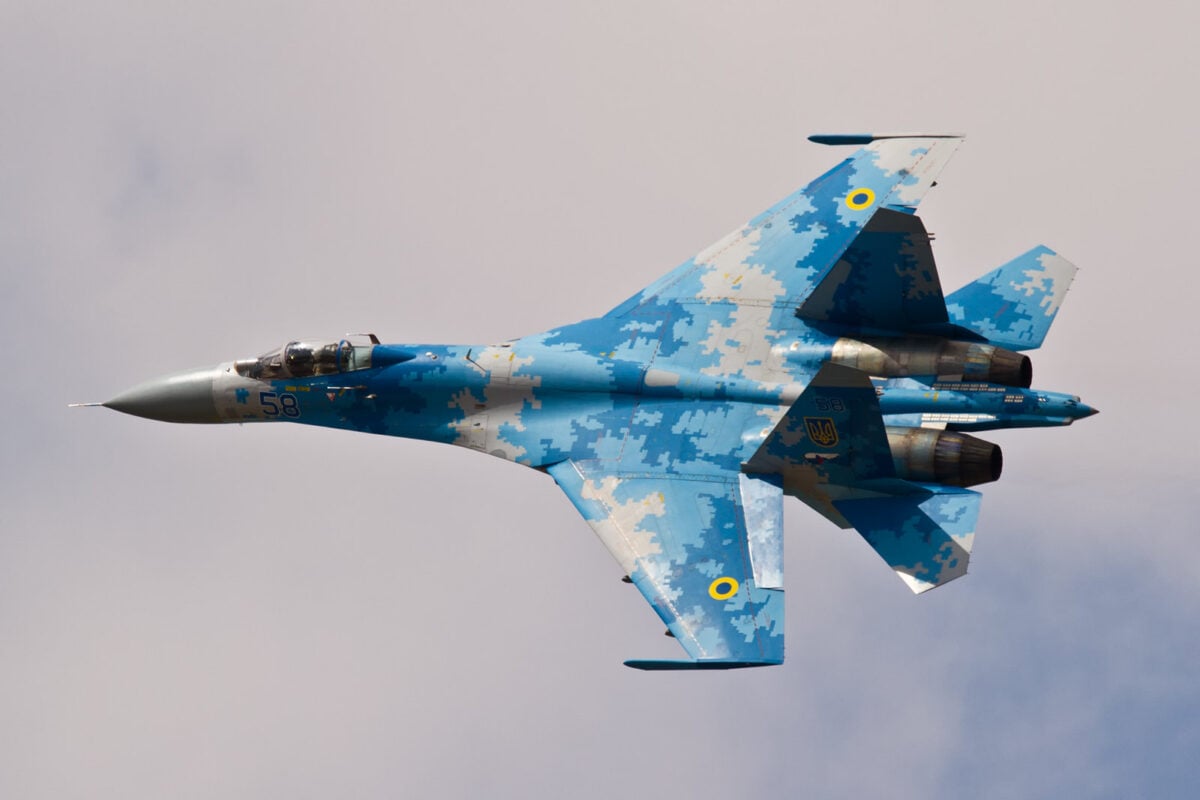
When the Soviet Union saw what the F-15 could do, they responded with the Su-27. It was larger than anything the West expected, capable of speeds and altitudes that surprised Western analysts, and featured a design called the “Cobra maneuver” that demonstrated almost absurd nose-pointing ability.
The Su-27 and its many derivatives — the Su-30, Su-35, Su-34 — became the backbone of Russian and Chinese air power. Several countries operate variants today, and they’ve influenced every competitor’s design work.
The Su-27 proved that Soviet engineering could produce a world-class fighter, and it forced Western planners to take that seriously.
The Eurofighter Typhoon and Rafale — Europe Goes Its Own Way
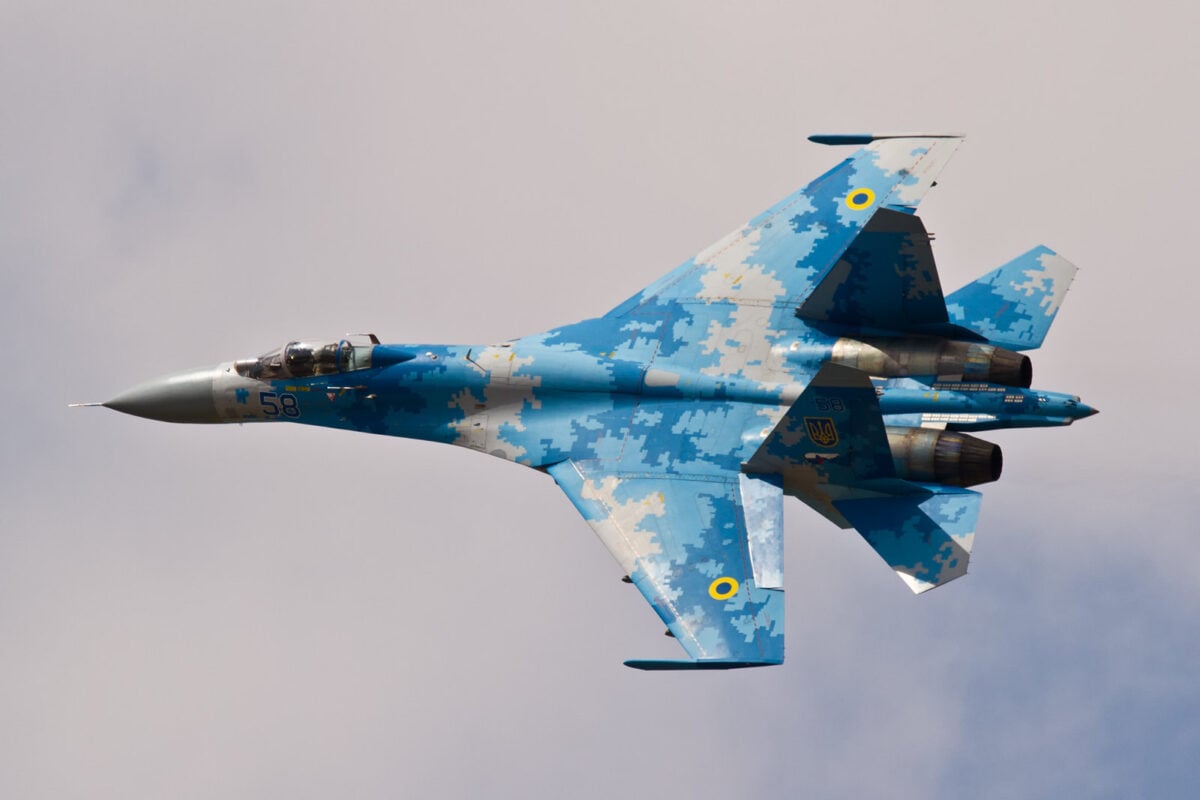
Europe chose its path instead of following U.S. purchases. Arriving in the 2000s, the Eurofighter Typhoon along with France’s Rafale stepped into the skies as strong rivals to American jets – nimble in flight, packed with advanced electronics for combat, loaded to handle many weapon types.
Out over Libya, Mali, Syria, and Iraq, the Rafale proved its worth in real fights. Shifting from dogfighting to bombing runs? Little needs changing on board.
Seeing these jets in action reminded everyone: Europe can still build top-tier warplanes alone.
That truth hits hard in government halls just as it does on battlefields.
The F 22 Raptor Emerges As A New Kind Of Air Superiority Aircraft
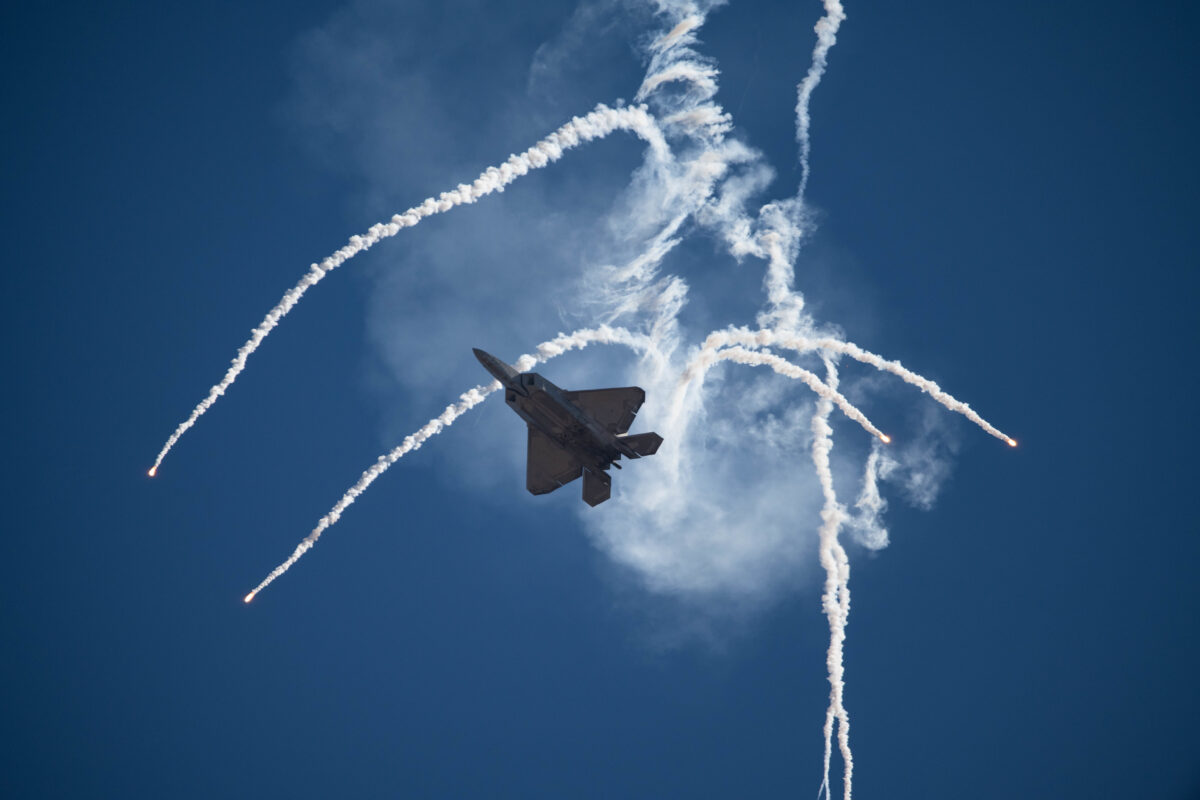
First out of the gate built entirely for stealth, the F-22 hides in plain sight. Radar struggles to catch it thanks to its form, special coatings, because everything fits inside.
Supercruise lets it sprint past sound speed silently, no flameout trail giving it away. Just 187 got made – nowhere near enough to meet original goals – as prices soared when the Cold War ended.
What followed? The F-22 defined the blueprint for modern stealth fighters, shaping how global militaries design their jets ever since.
The F 35 Lightning II One Jet Three Services Ongoing Discussion
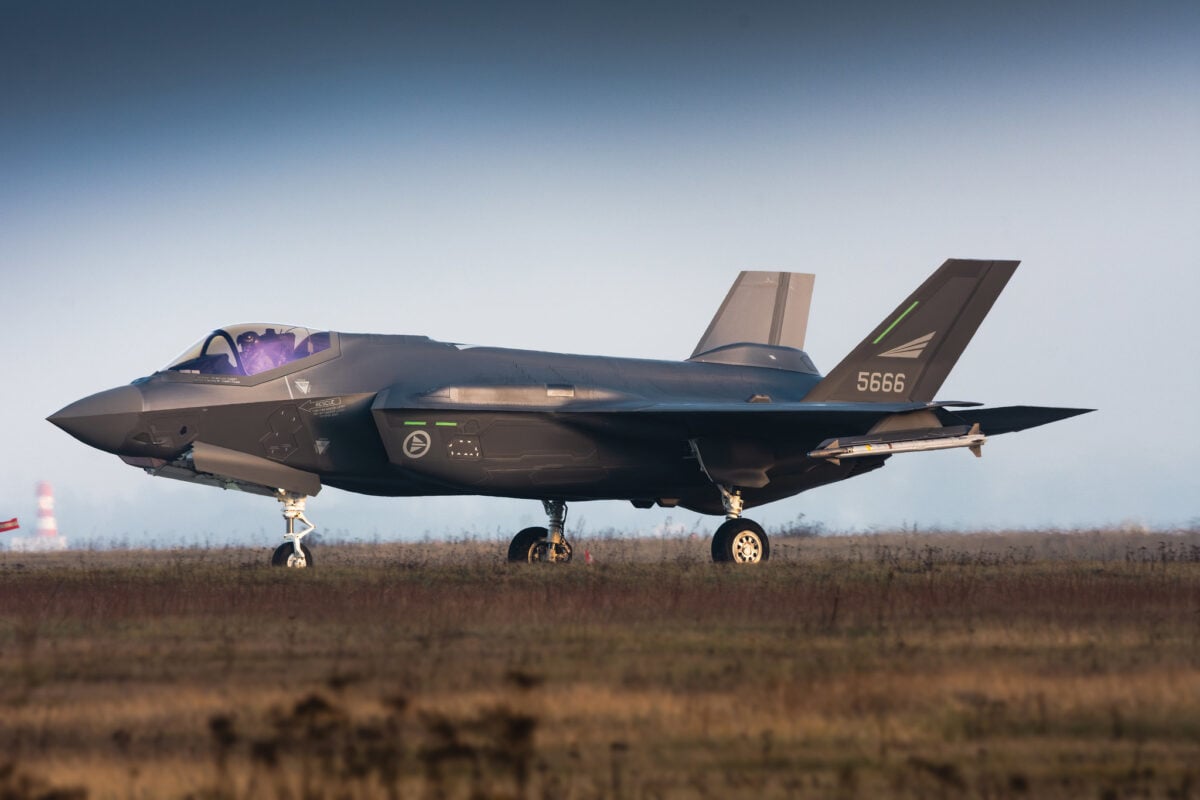
One jet for three branches was meant to cut costs on the F-35 project. Yet expense wasn’t really tamed, though the result brought together sensor tech and computing power never seen before in fighters.
Information flows to the cockpit from radar, heat signals, radio intercepts – mashed into a single view. Pilots now grasp battlefield details in ways their predecessors never could.
Does it really hurt the F-35 that it isn’t built just for sharp turns? People argue about that. Yet one thing stands clear: its role is linking data across battlefields, acting less like a gunship and more like an airborne signal hub.
That shift, from raw flight skill to digital teamwork, points forward. Coming warplanes will copy this way of working.
The J-20 and Su-57 A Quiet Contest
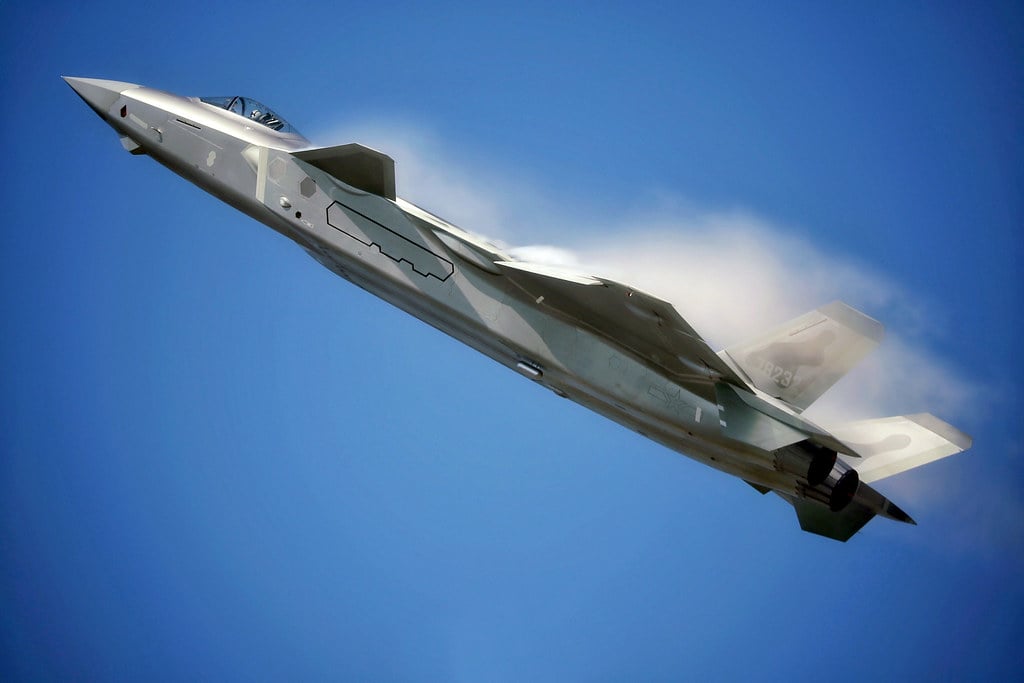
Out there beyond America’s shadow, China’s J-20 flies as proof that others are closing the gap. Stealth isn’t just a U.S. secret anymore, not since engineers in Beijing took notes on F-22 moves. Moscow followed its own path – Su-57 rising from lessons quietly learned across oceans.
Copying? Not quite; more like rethinking with homegrown tools. Big countries watch, learn, build – not carbon copies, but fresh takes shaped by decades of observing dominance.
Now in service since about 2017, the J-20 reflects China’s growing output pace. Production ramps up year after year without pause.
Meanwhile, the Su-57 shows up occasionally over Ukrainian skies. Stealth once rare? Now it’s simply expected. What used to be a U.S.-only trait defines today’s top-tier fighters everywhere.
Where the Sky Has Always Been Decided
Nothing stays on top forever when it comes to control of the skies. Each new type of plane that once ruled the airwaves found itself outmatched later – speed improved, sensors sharpened, weapons grew more precise, materials turned invisible to detection.
Those flying them adjusted constantly, shifting how they fought based on tools available at the time. History of fighter jets reveals something odd: success leans more on ideas than hardware.
Winning models didn’t dominate by power alone, instead they answered key questions earlier – like how far to fly, what weapons to carry, staying unseen, or seeing first. This chase never stops.
Right now, some hidden workshop shapes a plane that will reset the rules once again. Every now and then, the sky wonders again.
Still, what fits one day won’t fit the next.
More from Go2Tutors!

- The Romanov Crown Jewels and Their Tragic Fate
- 13 Historical Mysteries That Science Still Can’t Solve
- Famous Hoaxes That Fooled the World for Years
- 15 Child Stars with Tragic Adult Lives
- 16 Famous Jewelry Pieces in History
Like Go2Tutors’s content? Follow us on MSN.