Bizarre Pizza Toppings From Around The Globe
Started off just with flat bread, tomato paste, cheese – simple stuff. Yet soon after, moving through different regions, each place put its own stamp on it.
Driven by what folks had handy, their habits, their cravings. Now you’ll find versions abroad that might puzzle someone used to the classic kind. Normal there, odd here. Shifts happen quietly, then stick.
Frozen anchovies melt into hot sauce on Finnish rye crusts, yet locals swear by the balance. In Japan, mayo swirls meet corn kernels under mozzarella – sweet meets creamy without trying too hard.
Swedes add boiled eggs like it’s normal; the yolk blends quietly into the tomato base. Pineapple debates rage elsewhere, though ham and fruit stay best friends in Hawaiian slices. Spicy crab sticks pop up across South Korea, bold against soft tofu layers.
India cranks out paneer with cilantro sparks, cooling heat through cheese bites. Even Iceland leans into lamb chunks, smoky bits studded deep in red sauce fields.
Banana Curry Pizza
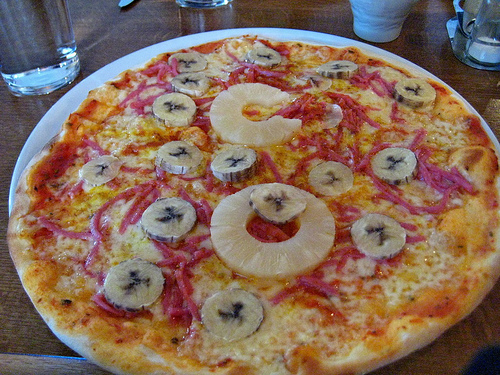
In Sweden, banana curry pizza has become a well-known staple rather than a novelty. It typically includes sliced bananas, curry powder, cheese, and sometimes chicken or ham, creating a blend of sweet and savory flavors.
Still, the mild sweetness of banana pairs surprisingly well with warm spices, resulting in a dish that feels balanced rather than overwhelming. It’s a reminder that flavor combinations often depend on familiarity rather than strict rules.
Mayonnaise Pizza
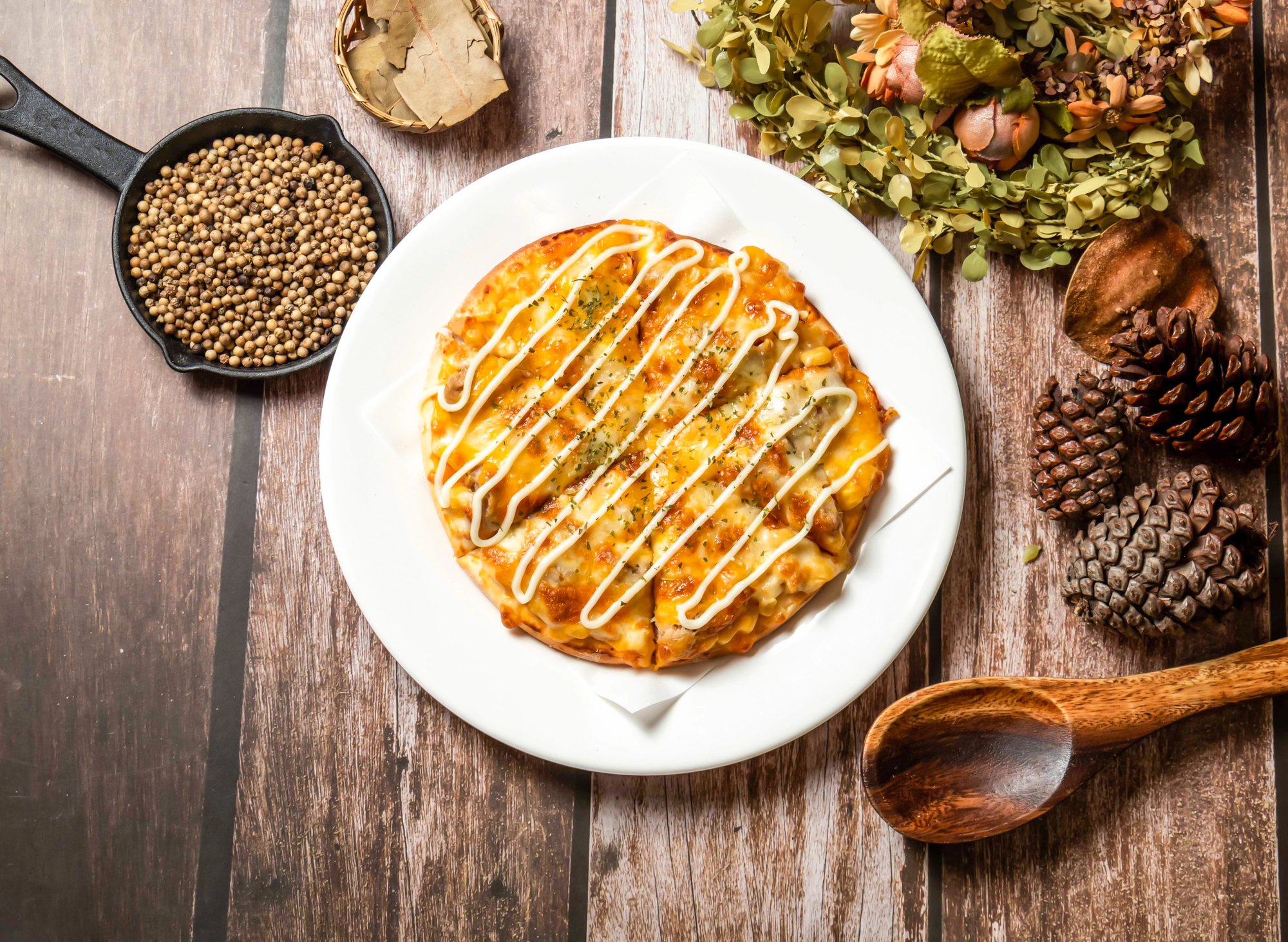
In Japan, mayonnaise isn’t just a condiment — it’s a defining ingredient. Pizzas often feature generous drizzles of creamy mayo alongside toppings like corn, seafood, or chicken.
The texture becomes just as important as the flavor. The richness adds a smooth layer that ties ingredients together.
This approach highlights how Japanese cuisine often focuses on harmony and subtle contrasts rather than bold dominance.
Canned Tuna Pizza
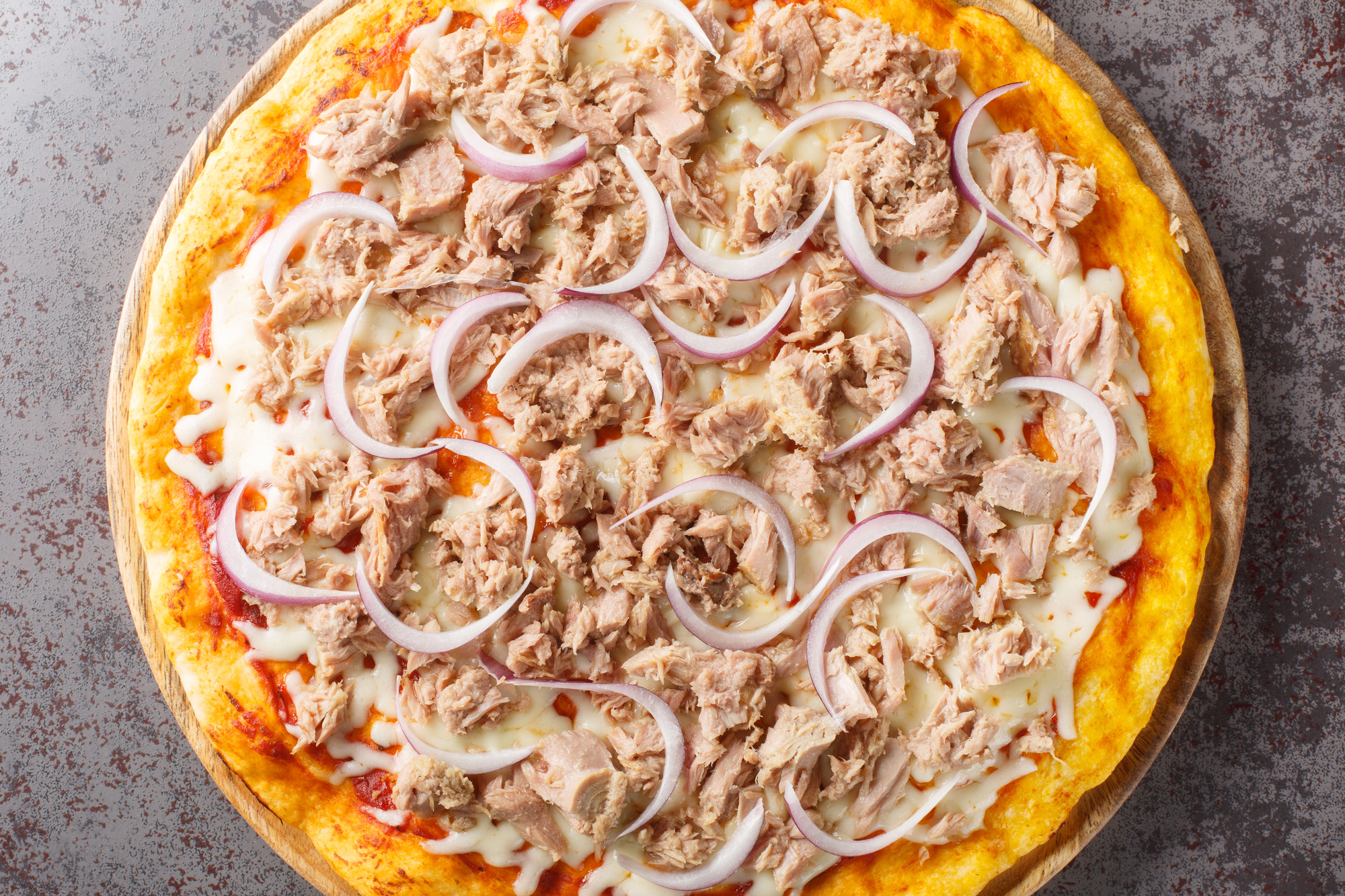
Across parts of Europe, especially Germany, canned tuna is a common pizza topping. It’s usually paired with onions and cheese, creating a salty, slightly tangy flavor profile.
The simplicity of the ingredients keeps the focus on taste. While it may seem unusual elsewhere, tuna brings a depth that works well with melted cheese.
It’s also practical, reflecting a preference for accessible ingredients that still deliver strong flavor.
Corn Pizza
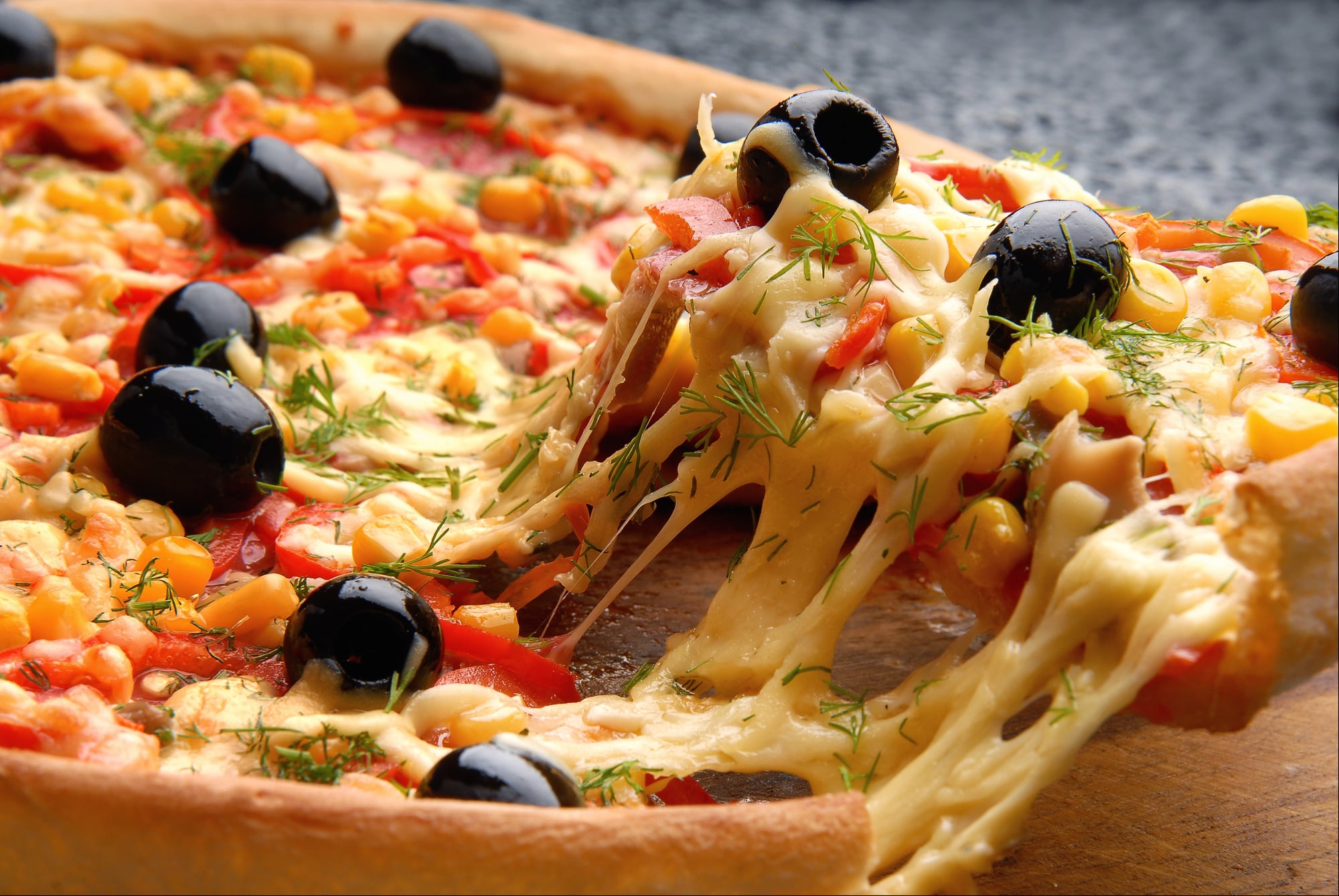
Corn appears on pizza in several countries, including Japan and South Korea. Its natural sweetness contrasts with savory elements like cheese and meat, adding a gentle lift to the overall flavor.
The texture adds a soft crunch, making each bite more dynamic. It’s a small addition that changes the experience in a noticeable way without overpowering the dish.
Chocolate Pizza
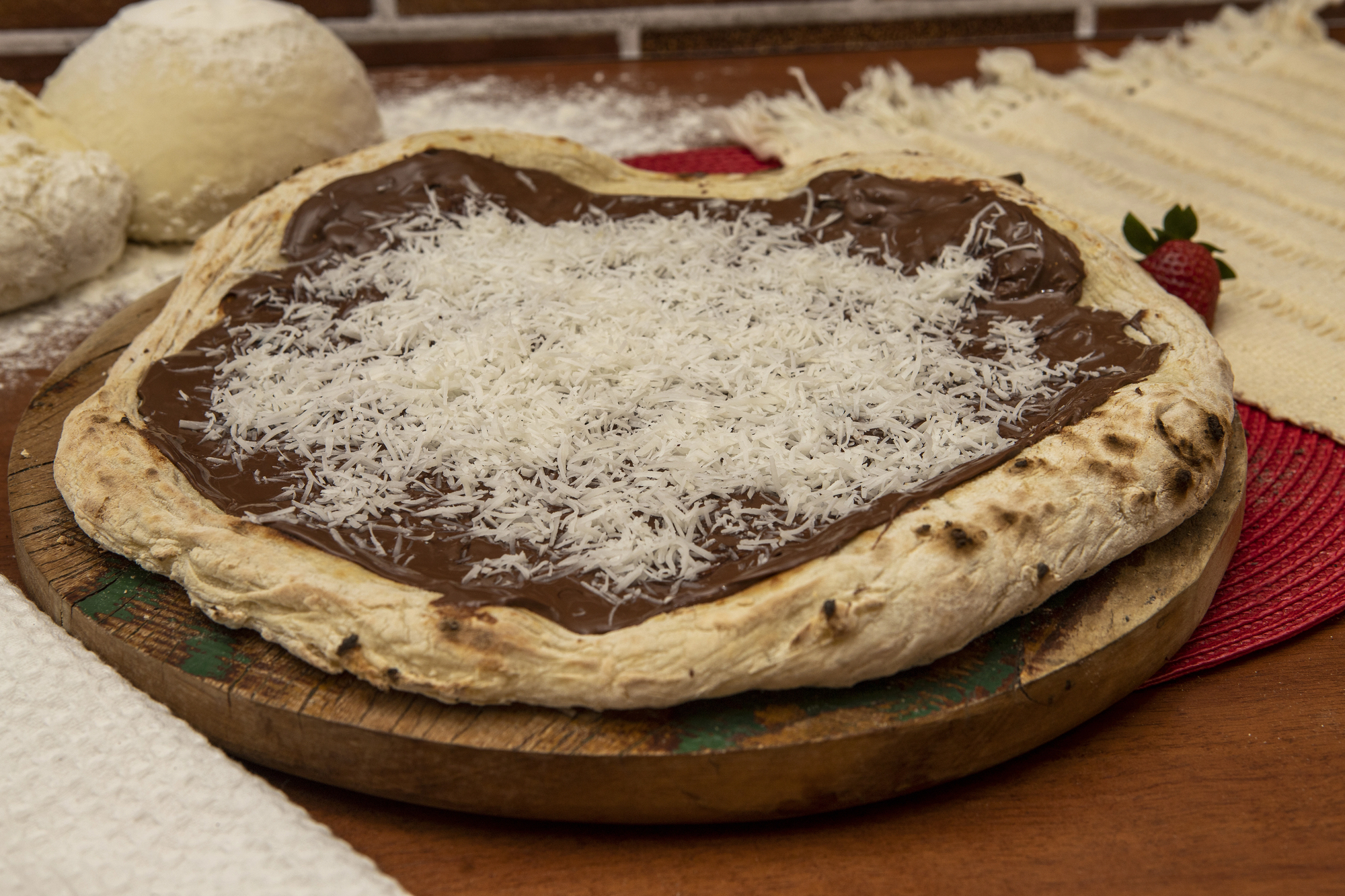
In Brazil, dessert pizzas are widely popular, and chocolate takes center stage. These pizzas often feature melted chocolate, strawberries, and sometimes condensed milk, turning pizza into something closer to a shared dessert.
Rather than replacing traditional pizza, they exist alongside it. This dual role shows how flexible the concept of pizza has become, easily shifting between savory and sweet.
Green Peas Pizza
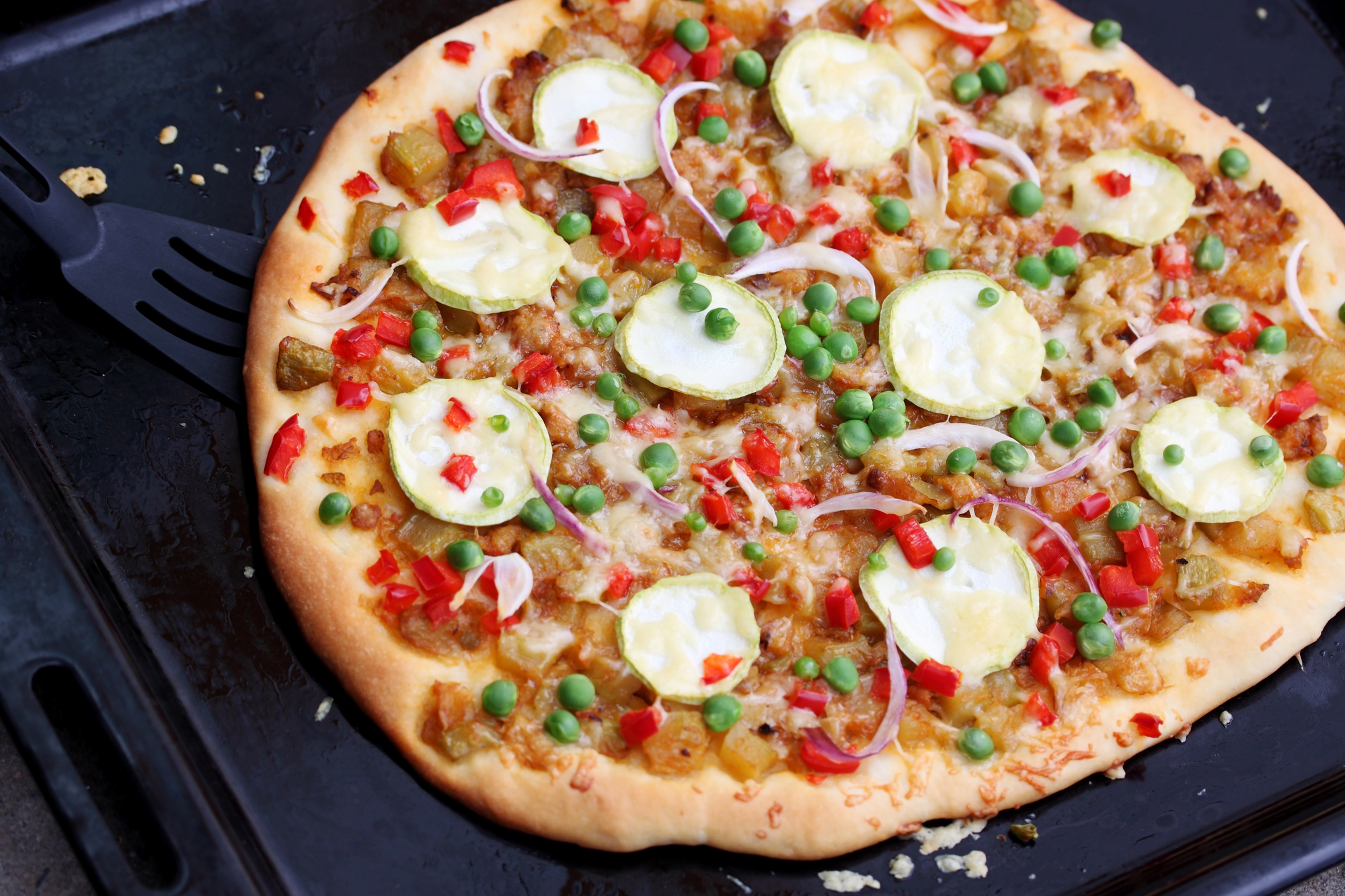
Green peas occasionally appear on pizzas in parts of the UK. They’re often combined with ham or other savory toppings, adding a pop of color and a soft texture that blends easily with cheese.
The mild flavor allows them to fit in without dominating. Even so, their presence tends to surprise those encountering them for the first time.
Seafood Medley Pizza
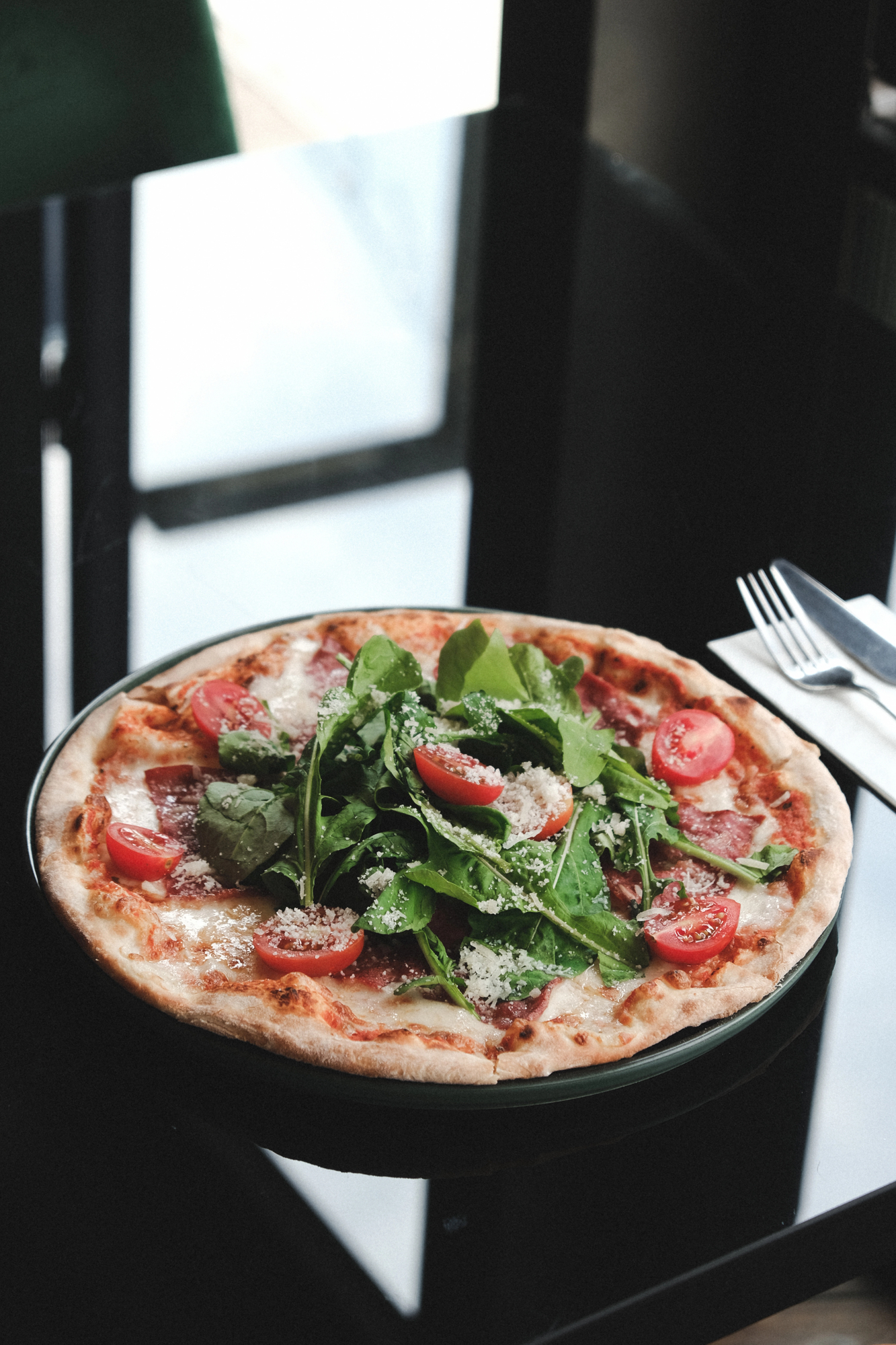
In coastal regions, seafood pizzas are common, often featuring shrimp, squid, and other ocean-based ingredients. These toppings reflect what’s readily available rather than an attempt to be unusual.
The flavors tend to be light and slightly briny, offering a different experience from meat-heavy options. It feels less like a novelty and more like a natural extension of local cuisine.
Egg Pizza
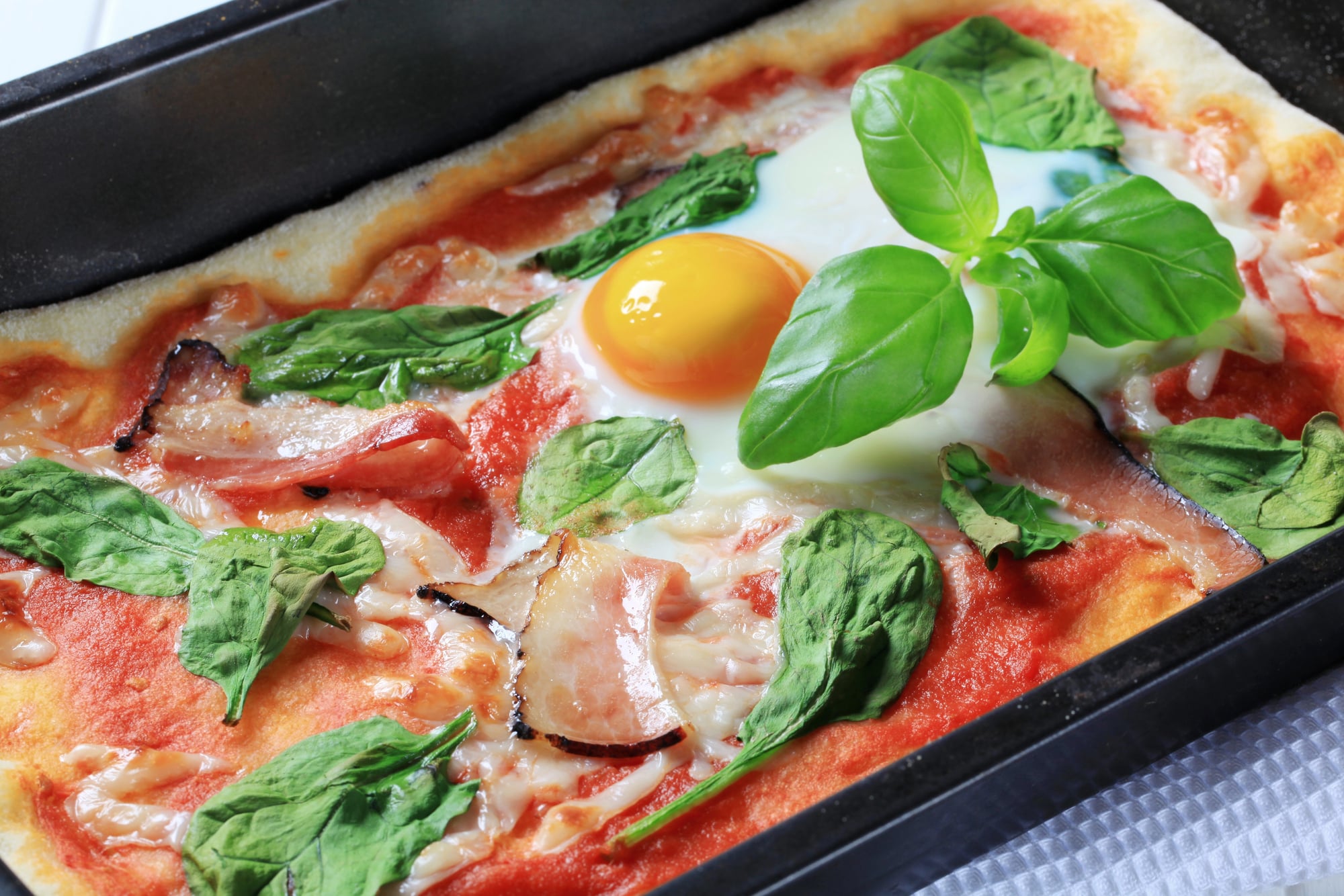
Egg-topped pizzas can be found in countries like France and Italy, where a cracked egg is baked directly onto the pizza. The yolk often remains slightly soft, adding richness that spreads across the surface when cut.
This topping creates a more substantial meal. It blends breakfast elements with traditional pizza in a way that feels both practical and indulgent.
Pickle Pizza
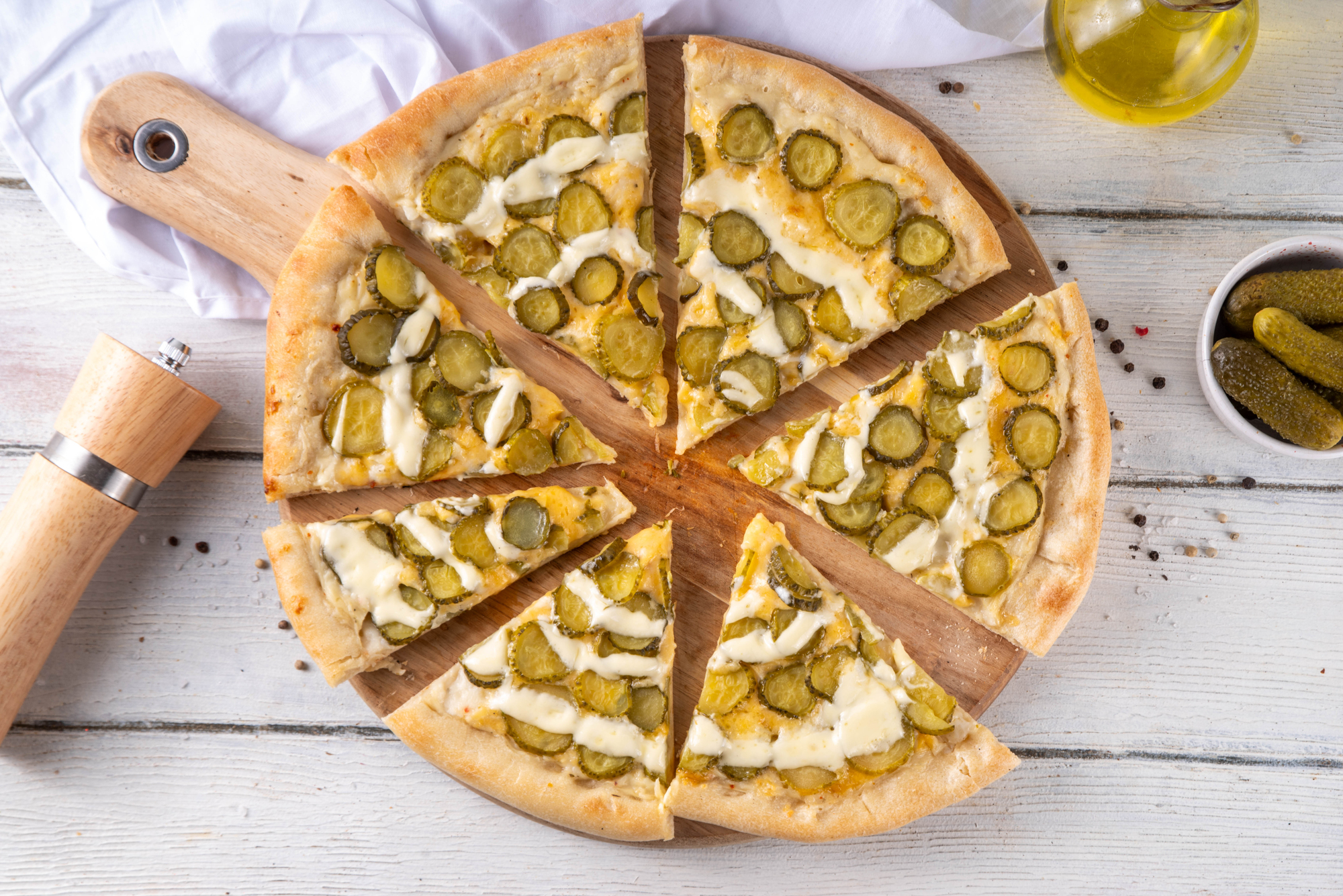
Pickle pizza has gained attention in the United States, combining tangy slices of pickle with cheese and a creamy base. The sharpness cuts through the richness of the cheese, creating a strong contrast.
While it sounds unusual, the balance of flavors makes it more approachable than expected. It leans into contrast rather than subtle blending.
Kimchi Pizza
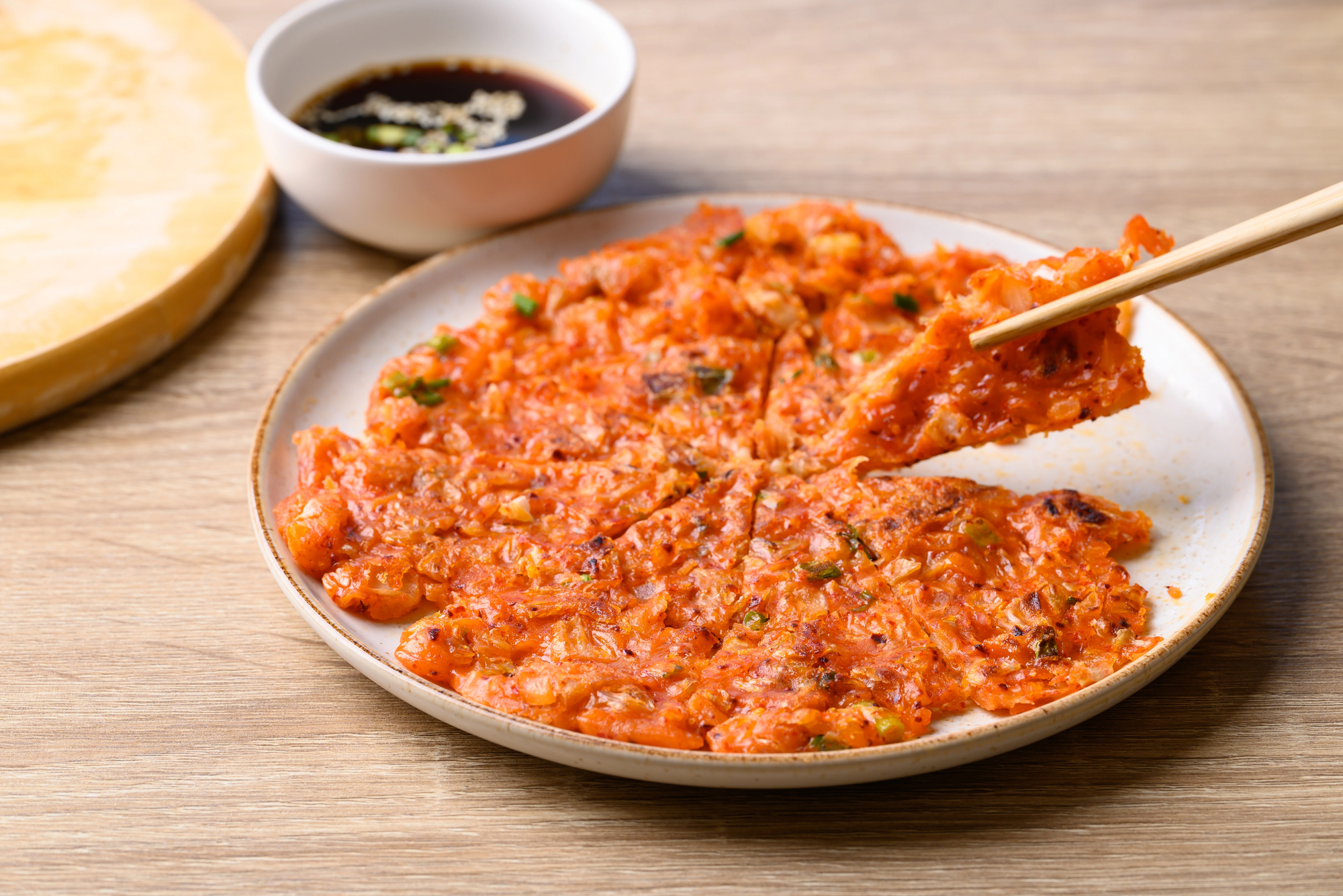
In South Korea, kimchi sometimes finds its way onto pizza, bringing a fermented, spicy kick. It’s often paired with meats or cheese to soften the intensity and create a layered flavor profile.
The result is bold and distinctive. It reflects how traditional dishes can be reimagined in new formats without losing their identity.
Spaghetti Pizza
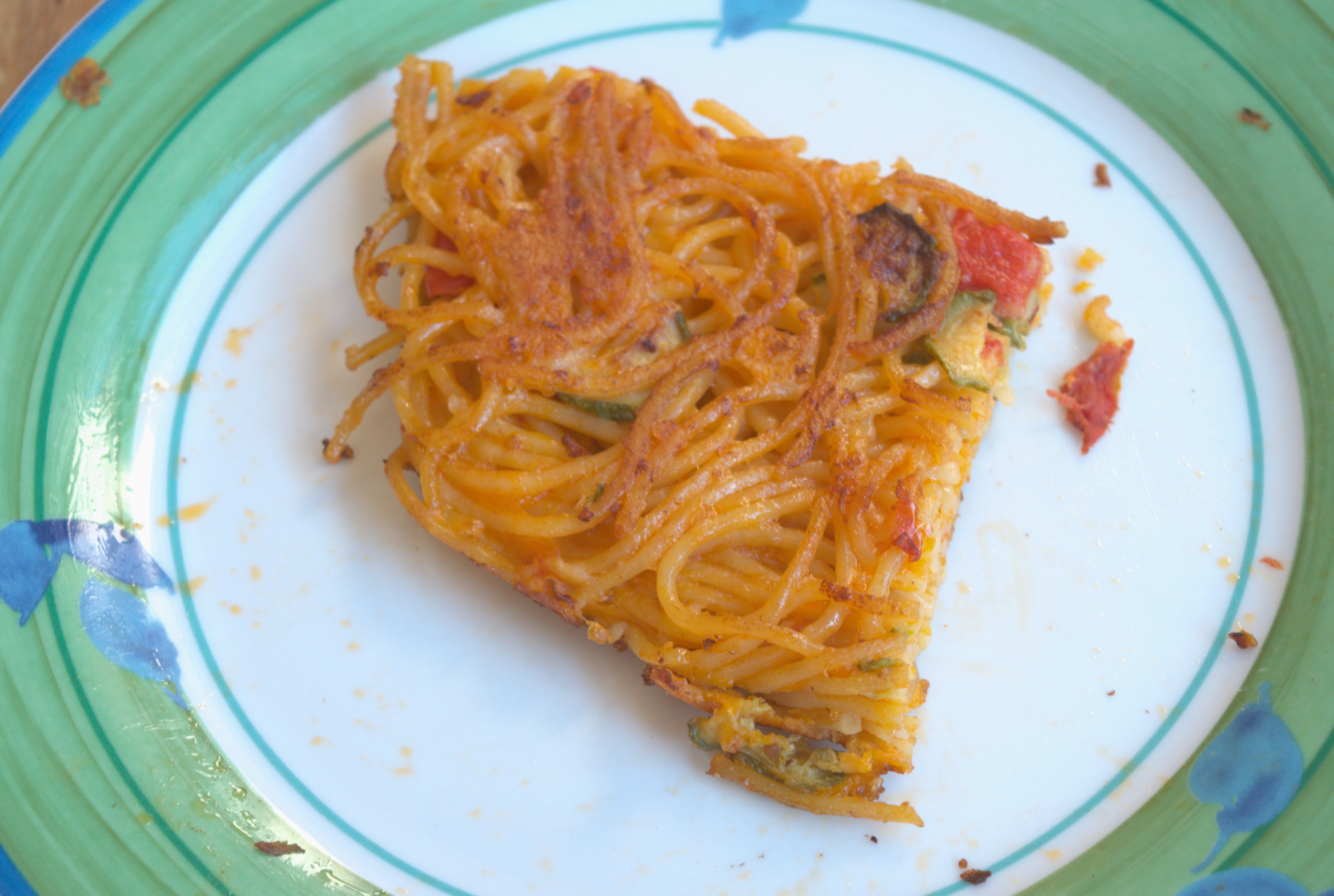
In some parts of the United States, spaghetti has been used as a pizza topping, creating a combination of two familiar dishes. The pasta is layered on top or baked into the crust, adding extra texture.
It’s a carb-heavy approach that leans into comfort food. While unconventional, it captures a playful willingness to combine favorites without overthinking the result.
Durian Pizza
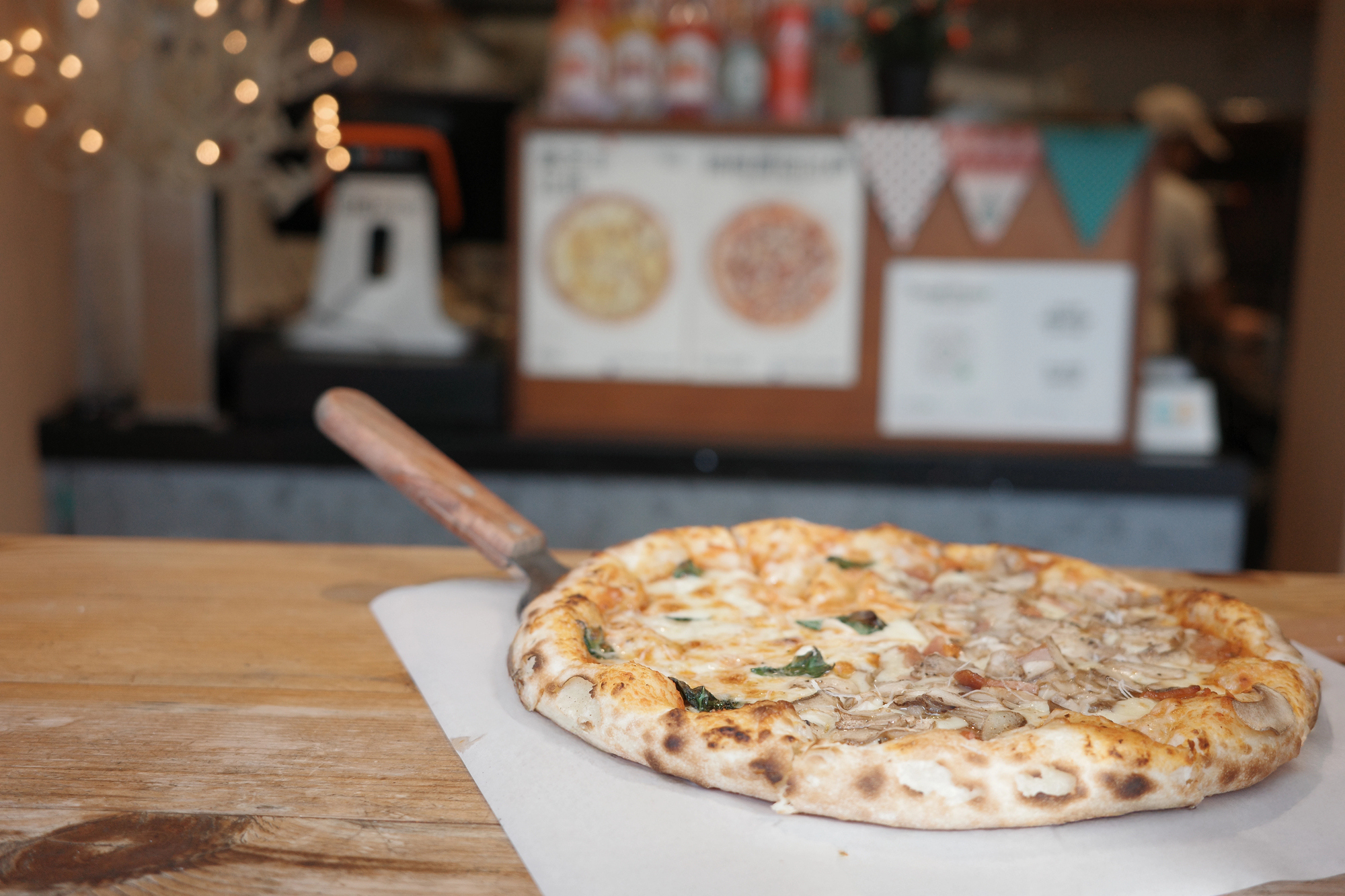
In parts of Southeast Asia, durian — known for its strong aroma — is used as a pizza topping. It’s often paired with cheese or sweet sauces to soften its intensity and create a richer profile.
For those familiar with durian, the flavor can be custard-like and complex. For others, it’s an acquired taste that leaves a strong impression.
Potato Pizza
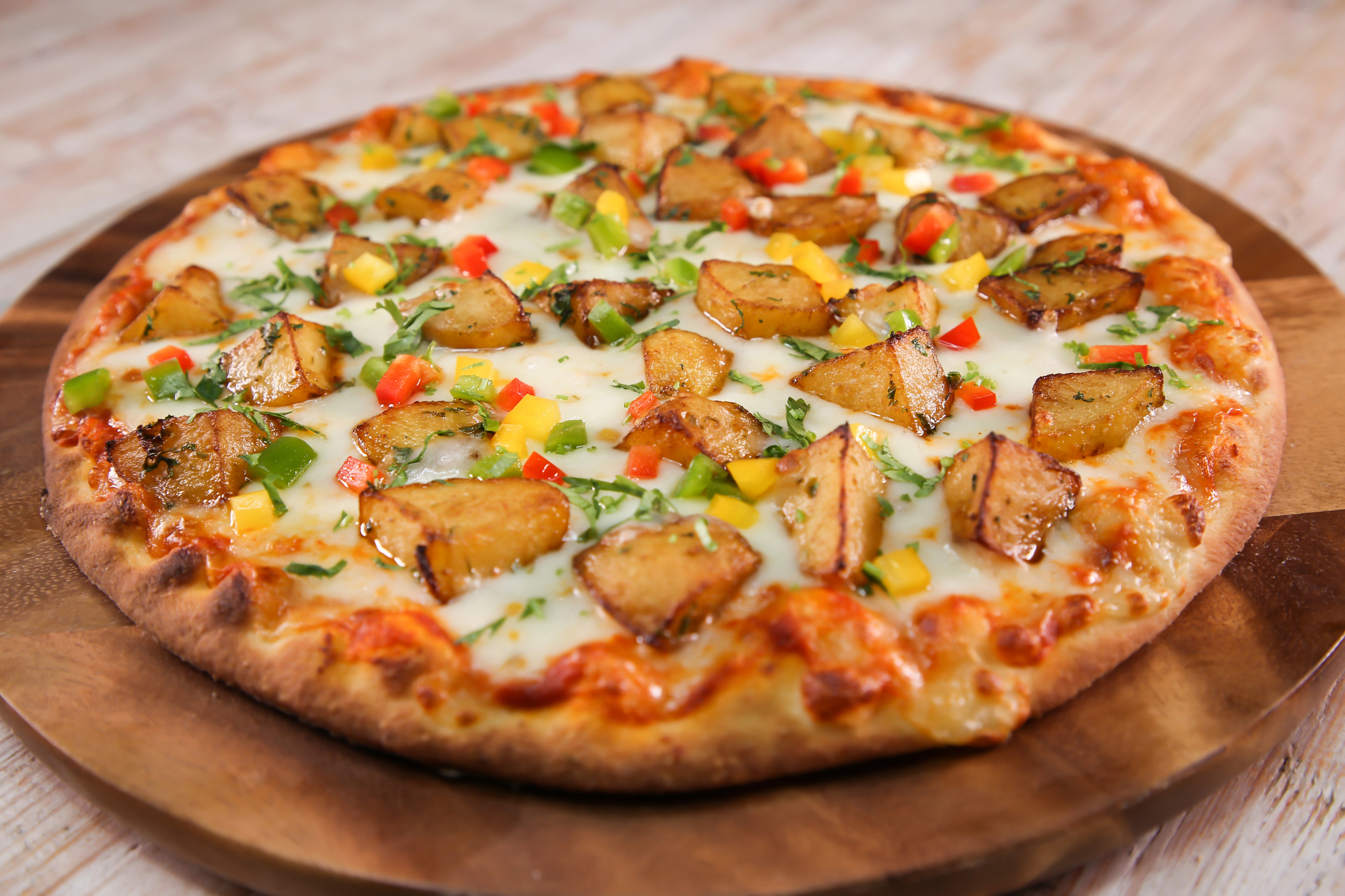
Potato slices appear on pizzas in countries like Italy and France. Thinly sliced potatoes are layered with cheese and herbs, creating a soft, hearty texture that feels filling without being heavy.
The simplicity of the ingredients allows the flavors to stand out. It’s a subtle variation that feels comforting rather than unusual once you try it.
Hot Dog Pizza
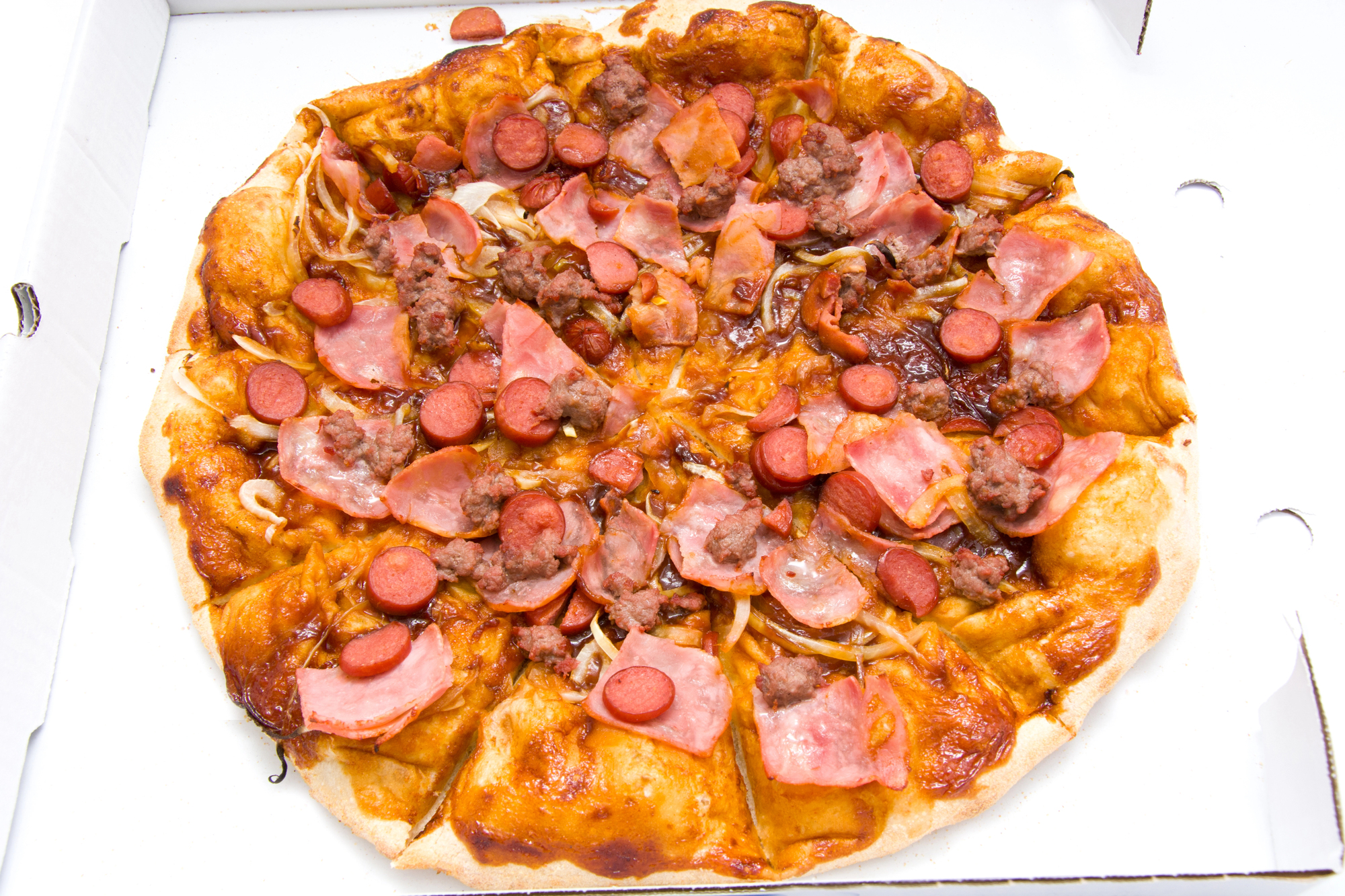
Hot dog slices are a popular topping in several countries, including South Korea and Brazil. They’re often combined with ketchup or mustard, creating a familiar, nostalgic flavor.
This approach leans into comfort and familiarity. It blends fast-food elements with pizza in a way that feels playful rather than strange.
Peanut Butter Pizza
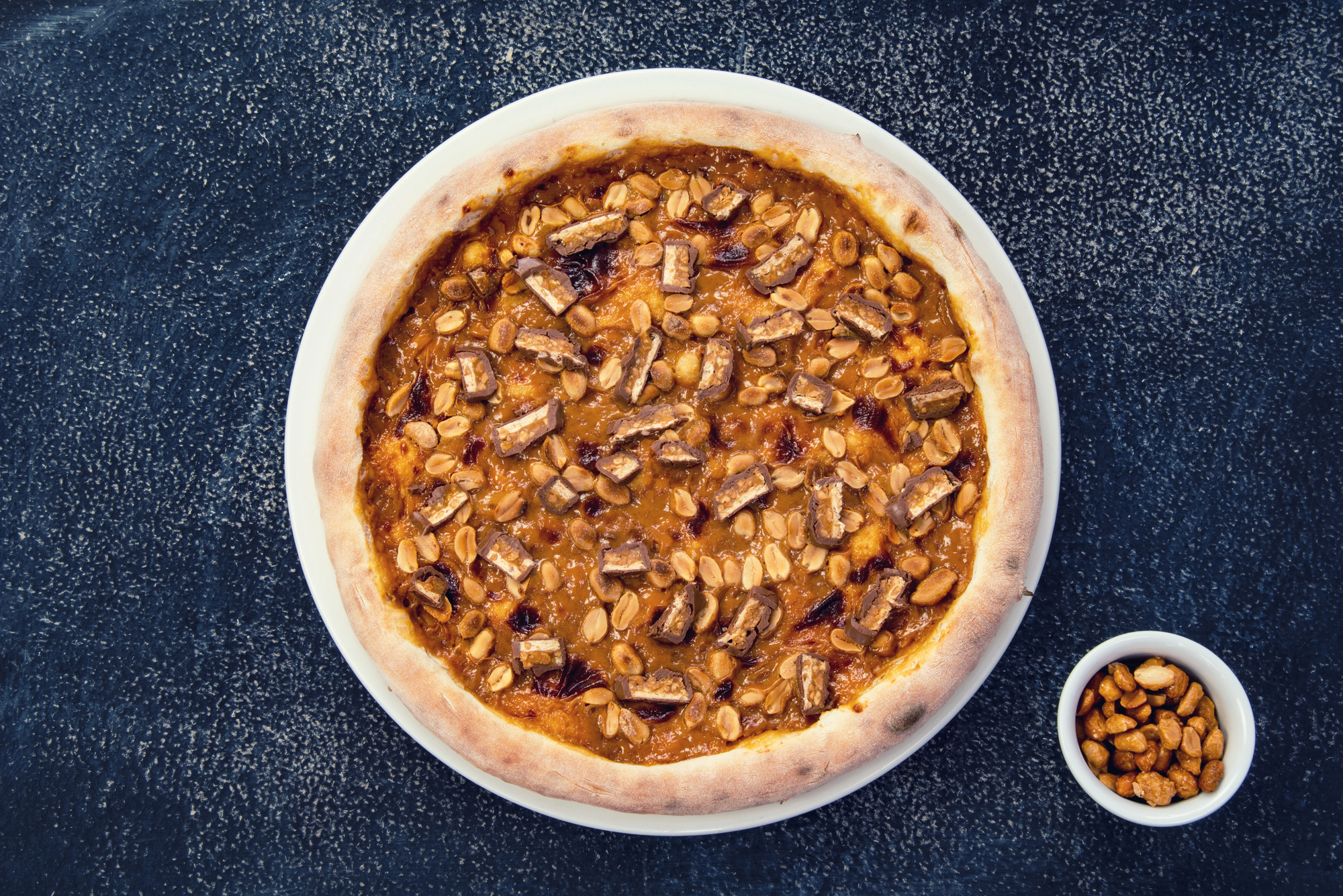
Peanut butter has been used as a base or topping in some experimental pizzas, particularly in the United States. It’s often paired with sweet ingredients like chocolate or bananas, creating a dessert-like experience.
The result is rich and indulgent. It shows how pizza can move far beyond its traditional boundaries while still keeping its recognizable form.
Why These Toppings Make Sense
Strange as they might first appear, these mixes make perfect sense once you see where they come from. Not because of trends, yet due to everyday needs and surroundings.
What surprises outsiders tends to be routine there – built slowly through weather, taste, supply. With enough exposure, odd becomes ordinary.
Pizza changes slowly, shaped by places far from its roots. Instead of rules, flavors now follow local tastes. Each topping tells a story not of origin but of change. A strange mix today might be tomorrow’s habit. What seems odd at first glance fits right in later.
More from Go2Tutors!

- The Romanov Crown Jewels and Their Tragic Fate
- 13 Historical Mysteries That Science Still Can’t Solve
- Famous Hoaxes That Fooled the World for Years
- 15 Child Stars with Tragic Adult Lives
- 16 Famous Jewelry Pieces in History
Like Go2Tutors’s content? Follow us on MSN.



