Forgotten Inventors Who Completely Changed the World
Ask anyone about inventors, they’ll likely mention Edison right away. Yet some creators stay hidden despite changing life for everyone.
Picture how often Bell comes up in talk – now think of those who did the same but get forgotten. Their ideas became everyday essentials, though credit never stuck around.
Textbooks skip them like footnotes nobody noticed. Meet a few quiet pioneers whose work quietly shaped the world, yet rarely grabs attention.
Their ideas slipped through cracks of history, ignored or unseen by many. Each breakthrough carried weight without fanfare, standing tall despite silence around them.
Recognition came slow, if it came at all, leaving impact far beyond fame.
Nikola Tesla
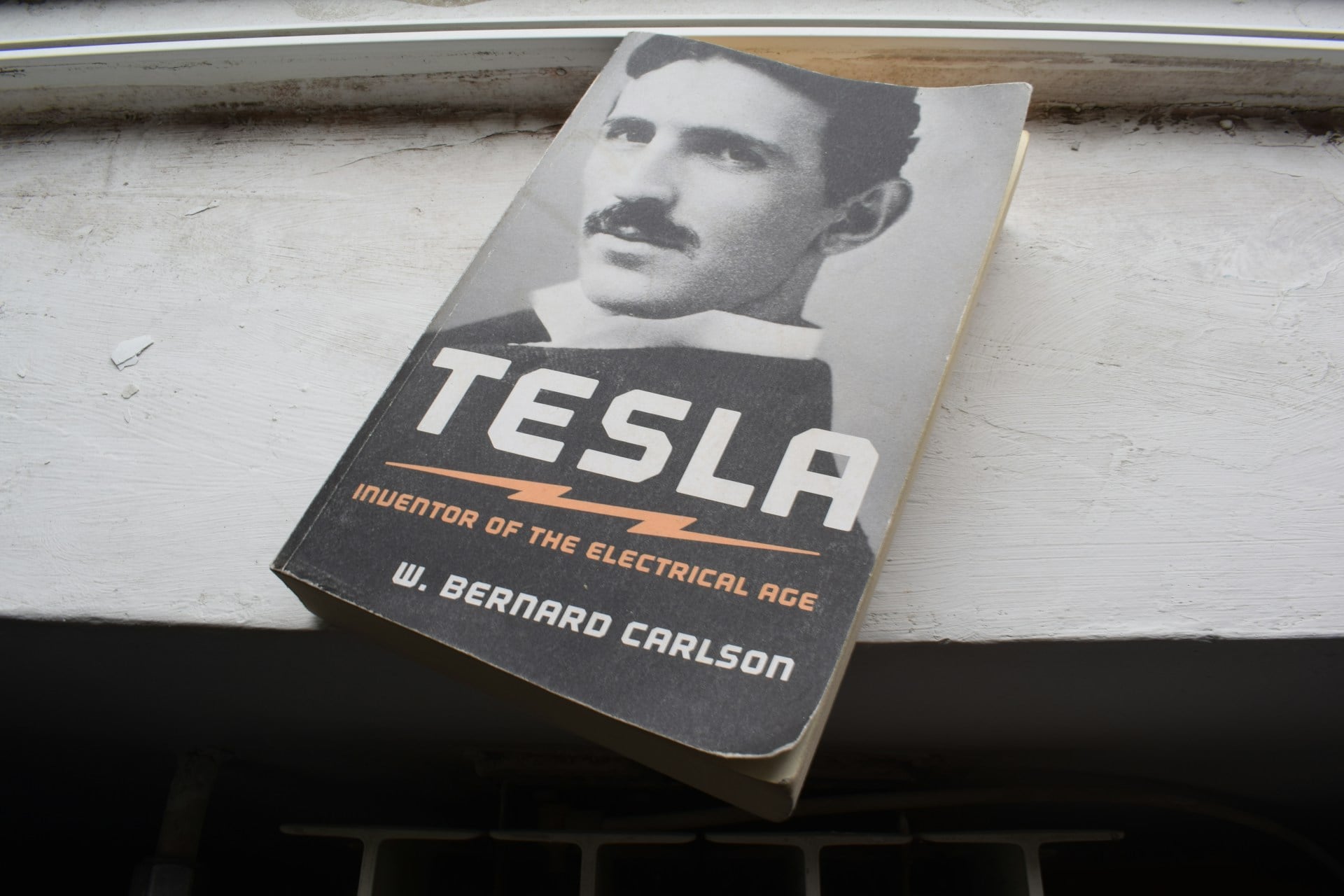
For years, Tesla built what now lights up homes everywhere – alternating current. Though he once worked beside Edison, their paths split fast due to stubborn differences in thought and payment disputes.
Fame found Edison easily, however the real bones of modern power came from Tesla’s mind. Radio didn’t spring from nothing; his early efforts shaped it long before others took recognition.
Alice Parker
When temperatures drop, most forget how lucky they are to have steady warmth indoors. Long before modern systems became common, a pioneer named Alice Parker reimagined what was possible.
She lived in New Jersey, one of many overlooked innovators simply because of her skin color. In 1919, she secured a patent for a furnace powered by gas – something unheard of at the time.
Rooms used to rely on separate fires, each needing constant attention. Instead of repeating old methods, she proposed moving warmed air through passages built into walls.
One flame could now feed comfort across multiple spaces. Her concept laid groundwork others would later build upon without naming her.
Philo Farnsworth
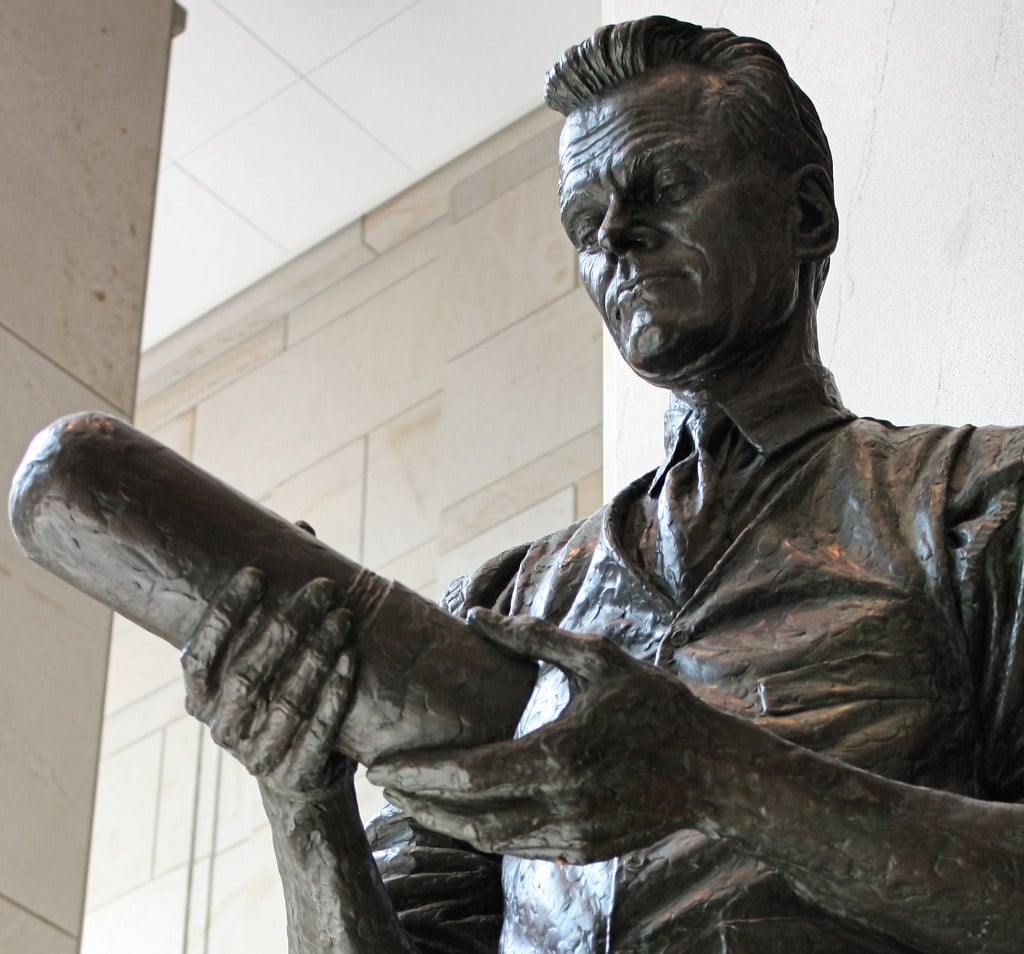
A young Philo Farnsworth scratched lines into dirt behind a plow one day in Idaho – just a kid, really – and saw how electrons could paint pictures. By age twenty-one, paperwork locked that vision down tight under his name.
Big players like RCA pushed back hard, eager to claim it as their own invention instead. Few recall who made TV possible even though nearly everyone has watched one.
Lewis Howard Latimer

A flicker might’ve been all we got from early bulbs – no lasting glow without Lewis Howard Latimer. Teaching himself along the way, this Black inventor shaped a version of the filament using carbon, one that didn’t burn out fast.
Though he stood near Edison, then later walked step-for-step with Bell, his role slipped past most history books. Bright ideas came through him; recognition did not.
Mary Anderson
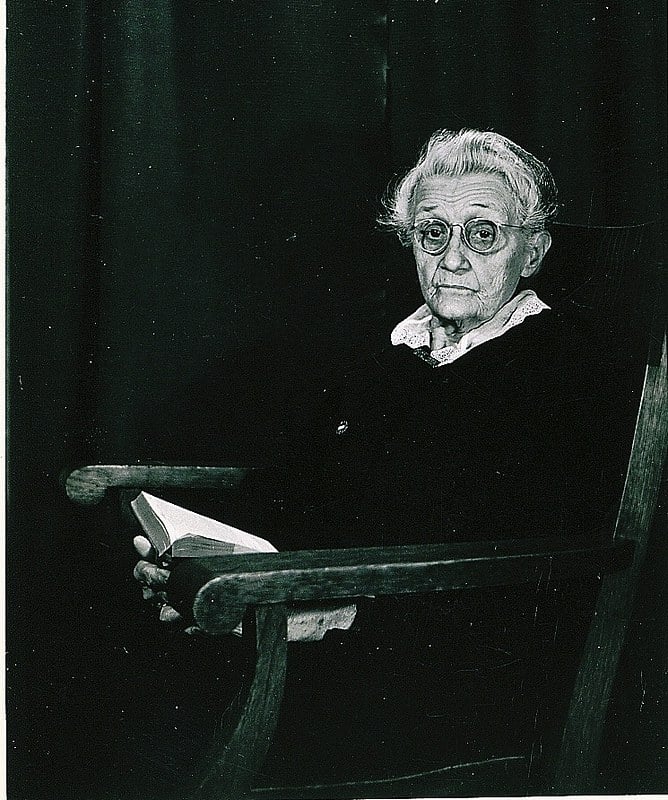
Ordinary things sometimes have strange beginnings. Back in 1903, Mary Anderson watched trams in New York struggle through snowy streets.
Drivers kept halting just to wipe glass with bare hands. That sight led her to create the first handheld device for clearing windshields.
A patent followed, though makers of automobiles laughed it off as pointless. Time passed slowly, then everything changed overnight.
Soon, every car came with wipers built in. By then, her rights had faded away – no money ever reached her.
Now they’re everywhere, silent ghosts of an ignored invention.
Garrett Morgan
From Kentucky came Garrett Morgan, a man whose ideas keep people safe now and then. A breathing device was his first big creation, one that ended up shielding troops during war times.
Next, he shaped a new kind of road signal – three parts working together – that today’s stoplights still follow. Getting others to see value in what he made wasn’t easy because of how society treated him.
To be heard at all, sometimes he pretended to be someone else, wearing different clothes so eyes would turn his way.
Hedy Lamarr
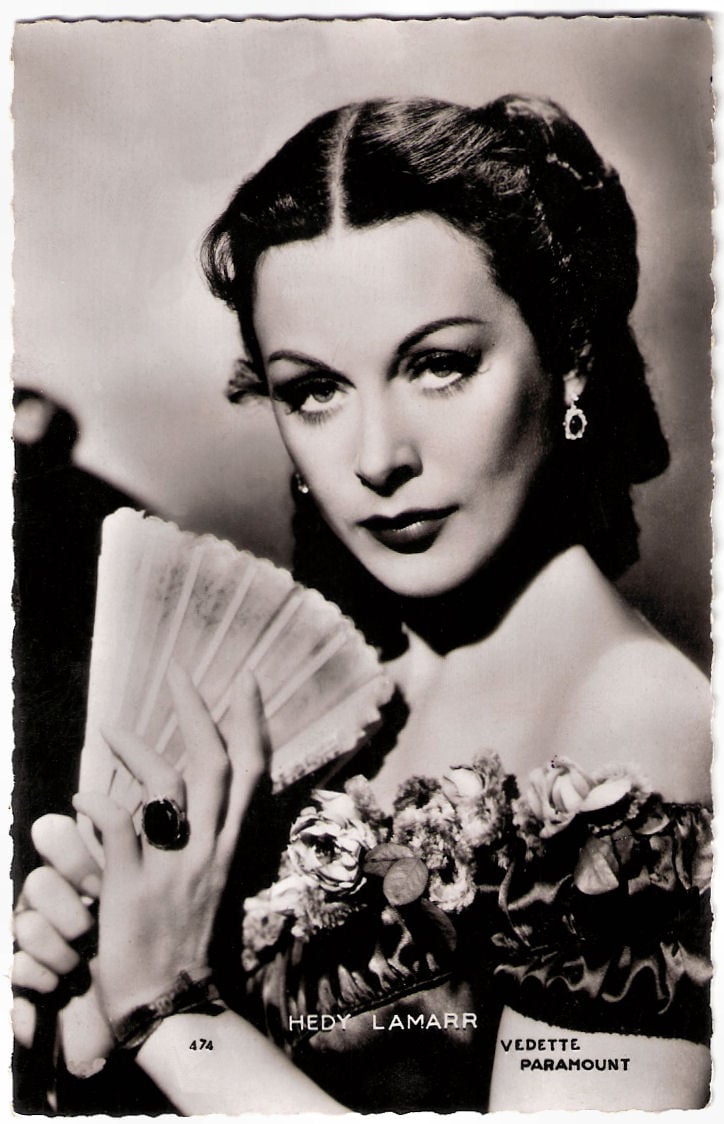
Hollywood cast her in glamorous roles back in the 1940s, so most recall Hedy Lamarr that way. Yet behind the camera lights, she helped design a radio system meant to dodge enemy interference on wartime torpedoes.
Because signals jumped between frequencies, blocking them grew far harder. Years passed before engineers adapted her idea into what now powers wireless networks, location tracking, even short-range device links.
Money from these breakthroughs never reached her hands while alive.
Charles Drew

Starting with his work, Charles Drew cracked the code on storing blood plasma in big amounts, opening the door for blood banks. Because of what he discovered, many lives were saved in World War II – blood could now reach injured soldiers far from hospitals.
Even so, when it came to giving blood himself, rules kept him out, all due to race-based bans. That twist – that the man who built the system couldn’t take part in it – hurts just thinking about it.
Ida Forbes
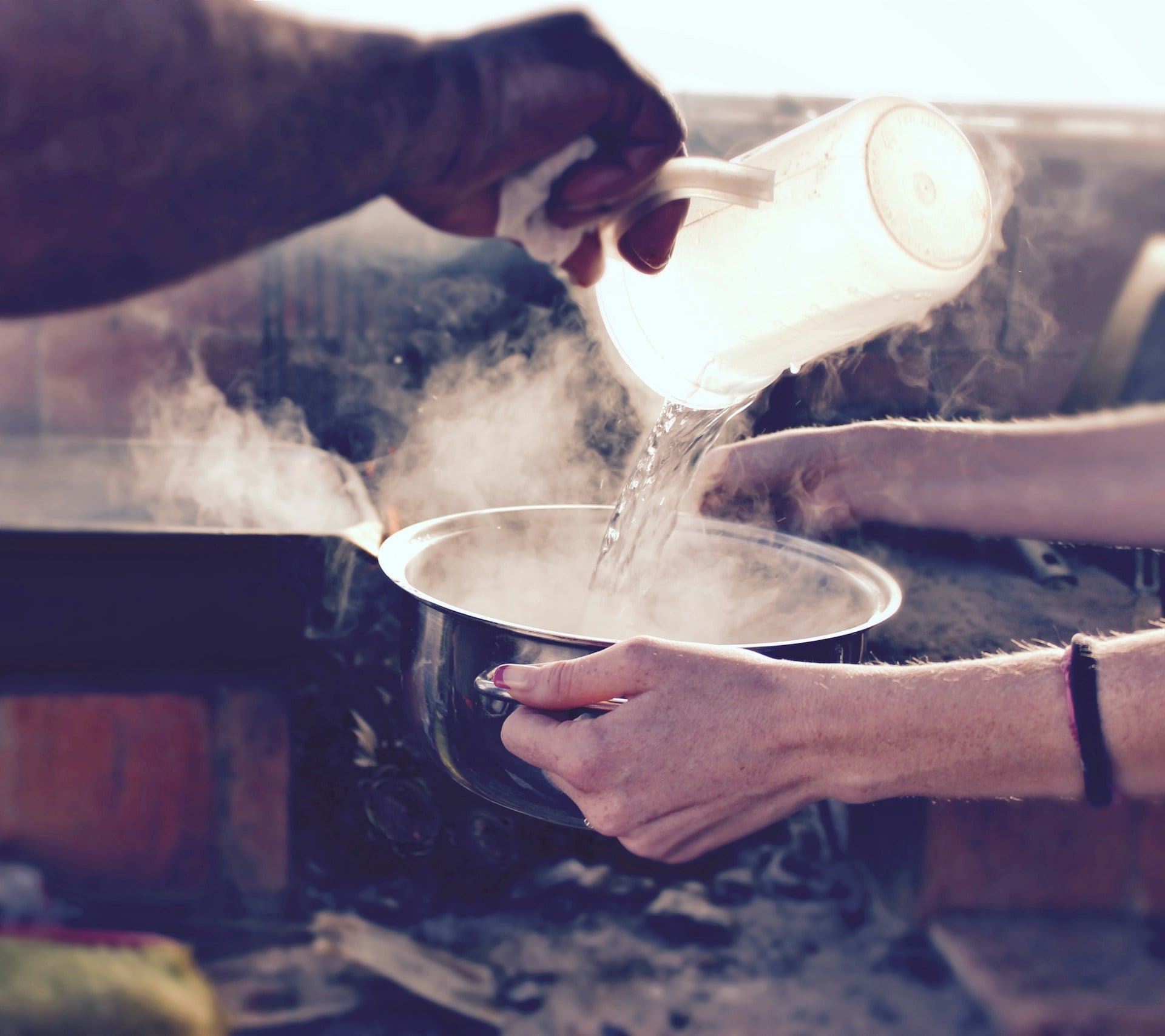
Most people do not know that a woman played a key role in developing electric hot water heaters. Ida Forbes received a patent for an electric water heater in 1917, a device that made consistent hot water available inside the home a reality.
Before this, heating water meant boiling it manually or relying on expensive systems. Her invention changed daily hygiene and household routines in ways that are still felt today.
Ötzi The Iceman’s Gear-Makers

Around 5,000 years ago, unknown craftsmen made Ötzi the Iceman a copper axe, insulated clothing, and waterproof shoes that modern researchers still study with respect. These nameless inventors created tools and materials so advanced for their time that scientists spent decades figuring out how they were made.
Nobody knows their names or their tribe. Yet their craftsmanship outlasted entire civilizations.
Granville Woods
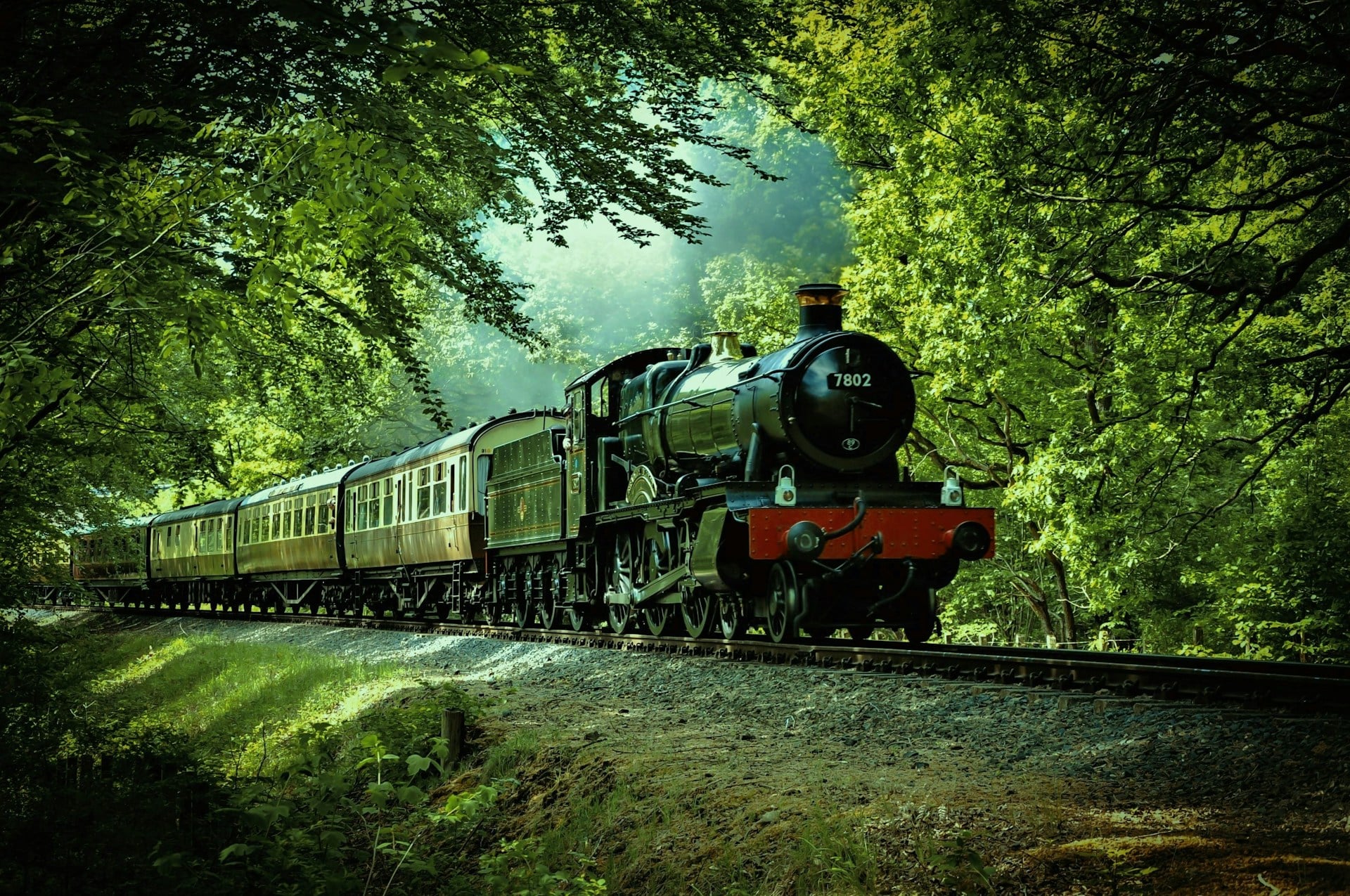
Granville Woods, often called the ‘Black Edison,’ patented a system that allowed moving trains to communicate with train stations. Before his invention, train collisions were devastatingly common because there was no way for trains to send or receive real-time information while in motion.
Thomas Edison actually tried to claim credit for one of Woods’ inventions and lost the court case twice. Woods holds over 50 patents, yet his name rarely comes up outside of specialized history books.
Margaret Knight

Margaret Knight invented a machine that made flat-bottomed paper bags, the kind still used in grocery stores today. She built her first machine as a young woman working in a factory and had a man try to steal the patent right out from under her, claiming a woman could not have designed something so mechanical.
She took him to court and won. Her invention changed retail and packaging permanently, though her name never became a household one.
William Kamkwamba
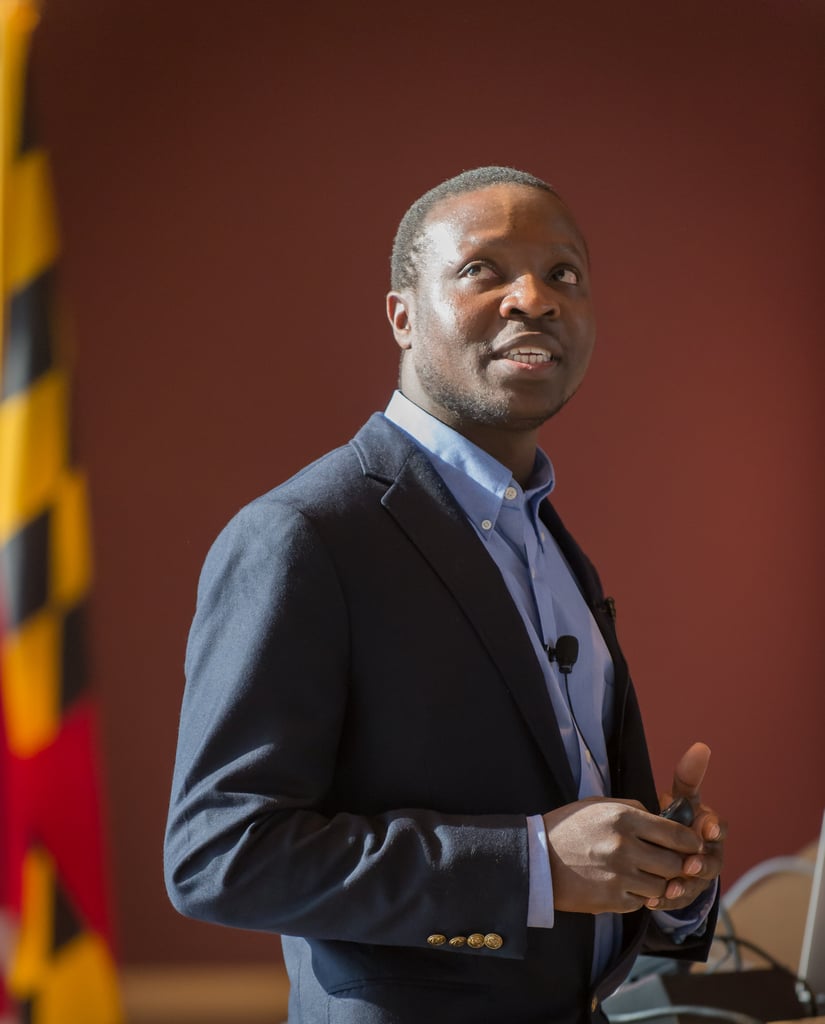
William Kamkwamba was a 14-year-old boy in Malawi who, after dropping out of school because his family could not afford the fees, built a functional windmill from scrap materials using a library book as his only guide. That windmill powered lights and a water pump for his village.
He taught himself the principles of electricity through books with diagrams he barely understood at first. His story shows that innovation does not wait for permission or resources.
Sybilla Masters
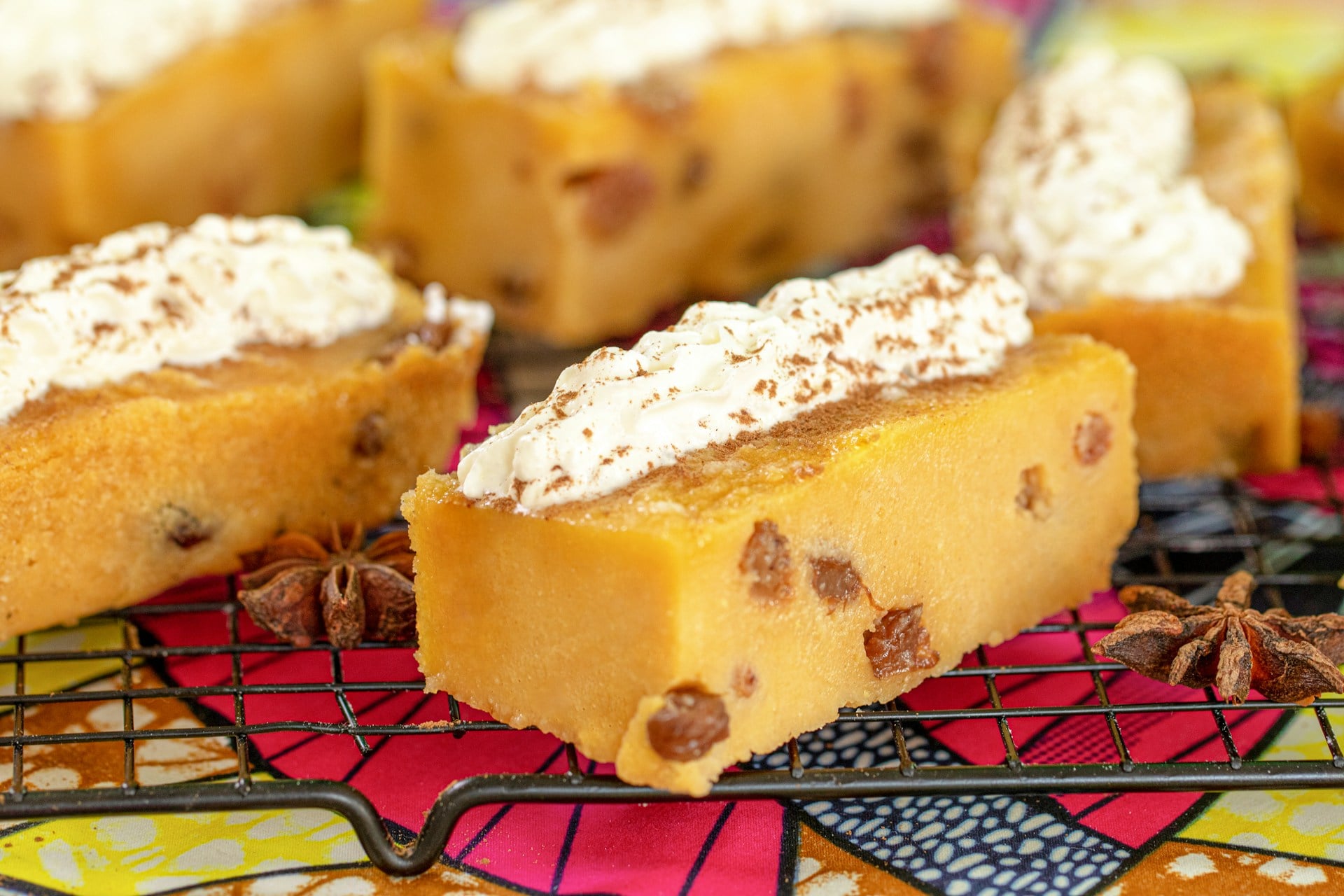
Sybilla Masters was the first woman in the American colonies to be recognized for an invention, way back in 1715. She developed a new process for turning corn into cornmeal, which was a major improvement over existing methods used by Native Americans.
Because colonial law did not allow women to hold patents, the patent was issued in her husband’s name. Her ingenuity powered a food industry, but her husband got the paper to show for it.
Josephine Cochrane
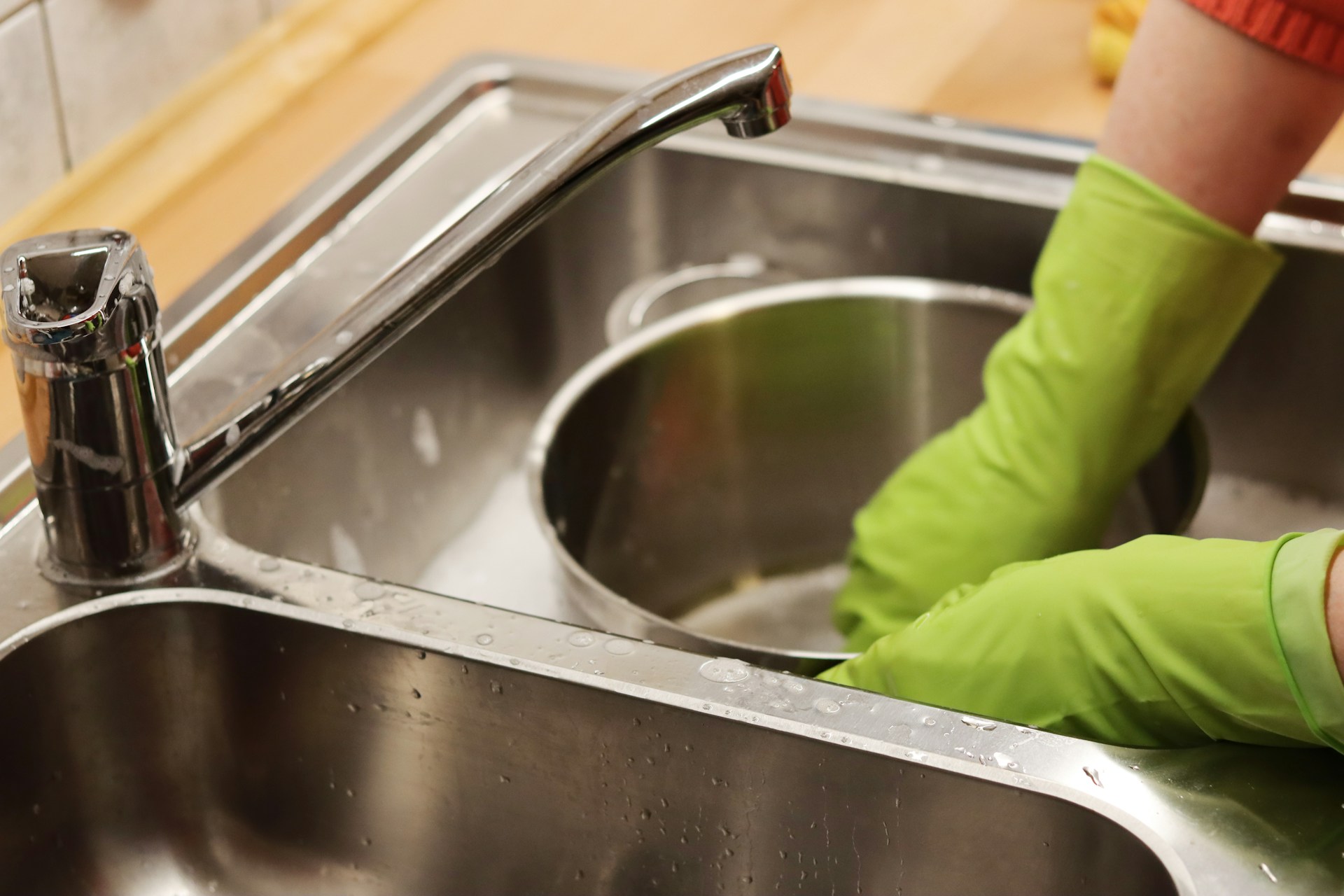
Josephine Cochrane invented the first practical dishwashing machine in 1886, not because she hated doing dishes, but because her servants kept chipping her fine china when they washed it by hand. She engineered the entire device herself in a shed behind her house.
When she pitched it to manufacturers, they showed little interest because they assumed women would not want to give up dishwashing. Hotels and restaurants picked it up first, and the rest followed naturally.
The World Still Owes Them
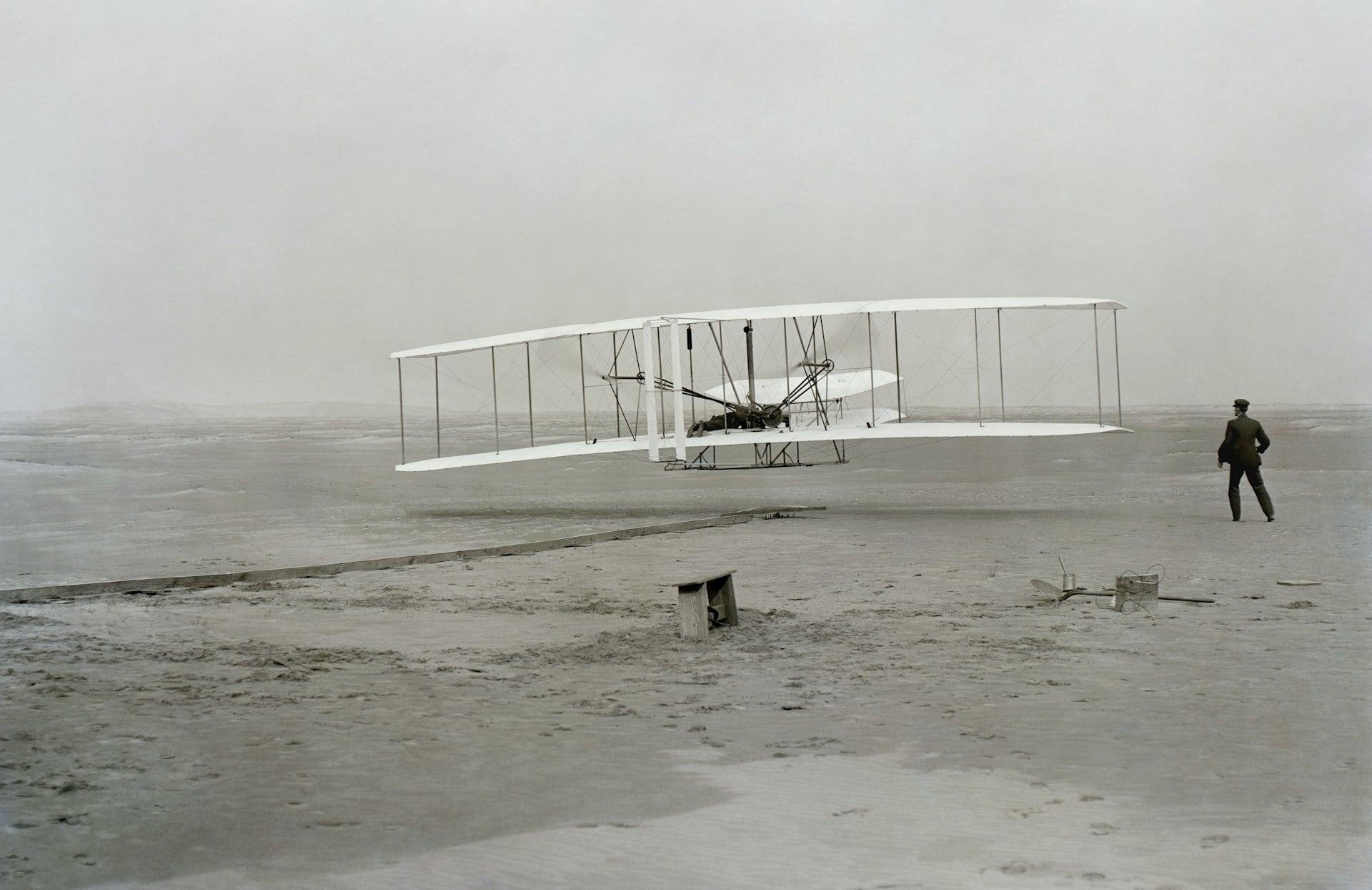
The story of invention is never just about one person in a lab having a big moment. It is built on layers of work done by people who were overlooked, underpaid, or outright robbed of recognition.
The inventors on this list changed how people heat their homes, stay safe on roads, communicate wirelessly, and keep the lights on. Knowing their names is a small but meaningful way of correcting a very long record that got a lot of things wrong.
More from Go2Tutors!

- The Romanov Crown Jewels and Their Tragic Fate
- 13 Historical Mysteries That Science Still Can’t Solve
- Famous Hoaxes That Fooled the World for Years
- 15 Child Stars with Tragic Adult Lives
- 16 Famous Jewelry Pieces in History
Like Go2Tutors’s content? Follow us on MSN.


