17 Ways Your Phone Tracks You Daily
Your phone knows where you sleep, what you buy, who you talk to, and how fast your heart beats. It remembers places you’ve forgotten visiting and predicts where you’ll go next Tuesday.
The small device in your pocket has become the most sophisticated tracking system ever created — and most of its surveillance happens without you noticing. Every tap, swipe, and glance generates data points that companies collect, analyze, and monetize.
Understanding how this tracking works isn’t about paranoia; it’s about making informed choices in a world where privacy has become a luxury few can afford.
Location Services

Your phone broadcasts its location constantly, even when you think you’ve turned tracking off. GPS, cell towers, and Wi-Fi networks create a triangulated record of everywhere you go (and how long you stayed there).
This isn’t just about navigation apps. Weather apps need your location for forecasts, camera apps embed coordinates in photos, and shopping apps track which stores you visit — then send targeted ads based on your proximity to competitors.
App Permissions
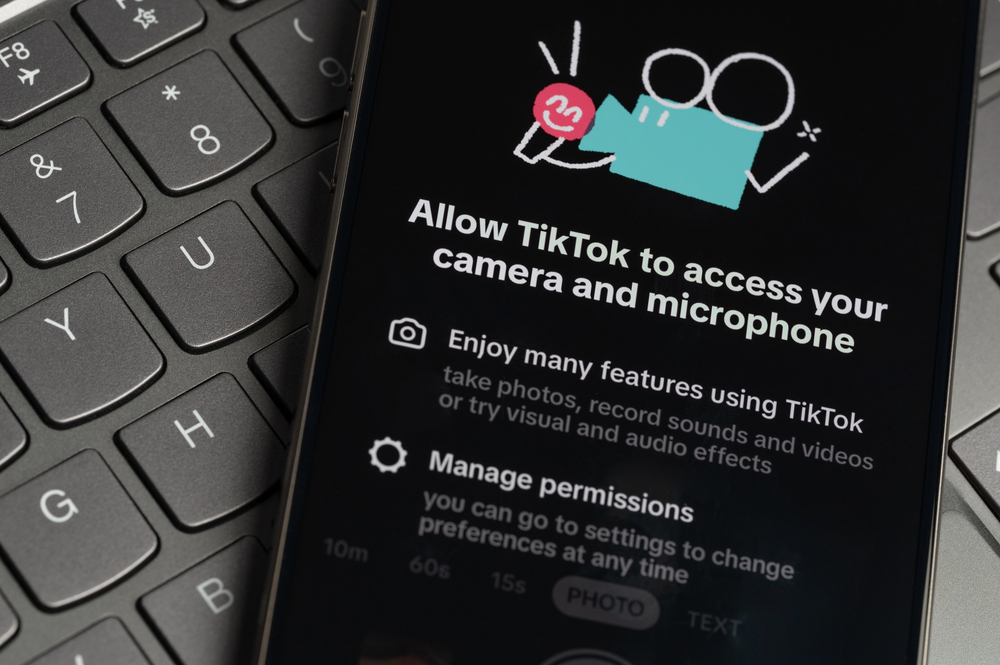
Apps request access to your camera, microphone, contacts, and photos under the guise of functionality, but many use these permissions for data collection rather than core features. That flashlight app doesn’t need access to your contact list, yet it asks anyway.
The real tracking happens in the background. Apps monitor which other apps you have installed, how often you use them, and in what order — building behavioral profiles that reveal more about your habits than you’d ever voluntarily share.
Search History
Every search query becomes a permanent part of your digital fingerprint. Phone manufacturers, search engines, and keyboard apps all maintain separate records of what you type — creating multiple copies of your most private thoughts and curiosities.
These searches reveal patterns that algorithms use to predict everything from your political leanings to your likelihood of changing jobs (which explains why you see ads for career coaching after searching for “how to write a resignation letter” at 2 AM). But here’s what makes it particularly invasive: the search history includes typos, partial queries, and searches you started but never finished. So that half-typed question about a medical symptom you decided not to search for? Still recorded.
Browsing Behavior

Websites embed invisible trackers that follow you across the internet, but your phone amplifies this surveillance through built-in browsers that share data with device manufacturers. Every link you click, article you read, and video you watch contributes to an advertising profile that’s bought and sold without your knowledge.
The tracking extends beyond obvious web browsing. In-app browsers (like when you click a link in social media) often have fewer privacy protections than dedicated browser apps, making them goldmines for data collection.
Accelerometer and Gyroscope Data

The sensors that rotate your screen and count your steps reveal surprisingly personal information. Movement patterns indicate whether you’re walking, driving, or sitting still — and algorithms can distinguish between different types of physical activity with remarkable accuracy.
This data gets more invasive than fitness tracking suggests. Companies analyze movement patterns to determine if you live alone (based on consistent daily routines) or infer health conditions from changes in walking speed or hand tremor patterns captured through typing rhythm.
Microphone Access

Apps with microphone permissions can listen even when you’re not actively using them. While most legitimate apps don’t continuously record conversations, they often monitor ambient audio for advertising purposes — detecting background music, TV shows, or environmental sounds that indicate your location and activities.
The technology exists to analyze audio for emotional states, stress levels, and even medical conditions based on voice patterns. Some apps use ultrasonic beacons embedded in advertisements or store audio systems to track your physical location more precisely than GPS allows.
Camera and Photo Analysis

Photos contain metadata beyond location coordinates — timestamps, device information, and image analysis that identifies objects, faces, and activities. Cloud photo storage amplifies this tracking by analyzing every image you take for advertising insights.
So when you photograph that new restaurant or take a picture of a product you’re considering buying, algorithms catalog these interests and purchasing intentions. Even photos you delete often remain in cloud backups long enough for analysis. And here’s the unsettling part: facial recognition technology can identify not just you in photos, but other people in your social circle, building networks of relationships without anyone’s explicit consent.
Contact List Mining
Apps request access to your contacts for legitimate features like finding friends, but they often upload entire contact lists to company servers. This creates detailed social network maps that reveal relationships, communication patterns, and social influence hierarchies.
The tracking goes beyond names and phone numbers. Apps analyze how frequently you contact different people, the time of day you typically communicate, and whether your contacts have specific apps installed — using this information to infer everything from your job status to your family dynamics.
Wi-Fi Network Scanning
Your phone constantly scans for available Wi-Fi networks, creating a detailed log of your movements based on network names and signal strength. This happens even when Wi-Fi is disabled in settings — the scanning continues in the background for location services.
Companies maintain databases of Wi-Fi network locations worldwide, so your phone’s network scan history creates a precise timeline of everywhere you’ve been. Coffee shops, airports, hotels, and private residences all become waypoints in your digital travel log.
Bluetooth Beacon Tracking

Retailers and advertisers deploy Bluetooth beacons that communicate with your phone to track store visits, shopping patterns, and dwell time in specific locations. These beacons work even when you don’t connect to them — your phone’s Bluetooth scanning detects and logs nearby devices automatically.
The tracking creates detailed profiles of your shopping behavior, including which sections of stores you visit, how long you spend comparing products, and whether promotional displays influence your movement patterns. Malls use this data to optimize store layouts and target advertising based on your demonstrated interests.
Keyboard and Typing Patterns

Third-party keyboards often upload everything you type to improve autocorrect and predictive text, but this data gets analyzed for insights beyond spelling. Typing speed, common phrases, and vocabulary patterns create behavioral profiles that reveal education level, emotional state, and personal interests.
Even built-in keyboards track typing patterns to identify users and detect unusual behavior. The rhythm of your typing — how long you pause between words, which letters you frequently mistype, and your preferred abbreviations — creates a biometric signature as unique as a fingerprint.
Health and Fitness Data
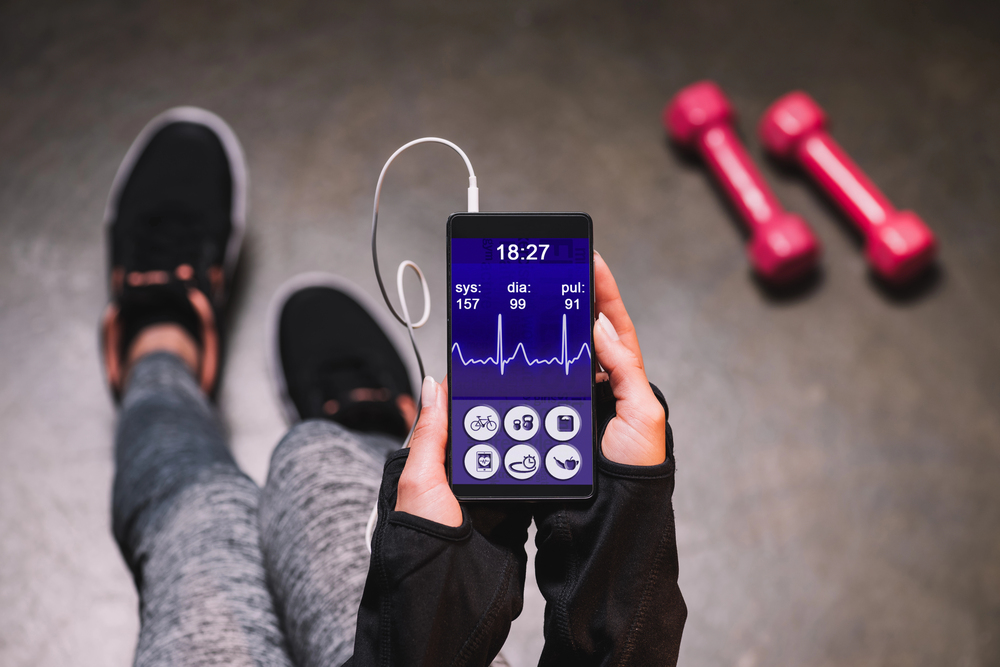
Fitness apps track more than steps and heart rate. They monitor sleep patterns, workout routines, menstrual cycles, and medication schedules — then correlate this data with location, purchase history, and app usage to build comprehensive health profiles.
Insurance companies and employers show increasing interest in fitness data for risk assessment and wellness programs. What starts as personal health tracking often becomes data that influences insurance premiums, employment decisions, and targeted advertising for medical products.
Financial Transaction Monitoring
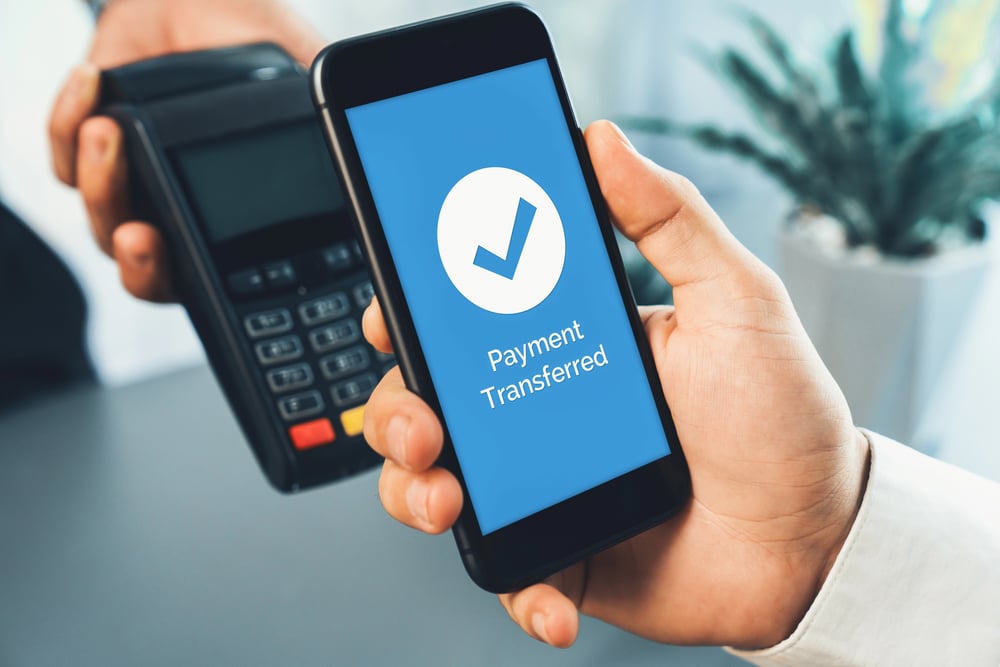
Mobile payment apps, banking apps, and digital wallets create detailed spending profiles that reveal lifestyle choices, political donations, medical expenses, and personal relationships. Transaction timing, merchant categories, and purchase amounts paint intimate pictures of daily life.
The data extends beyond obvious financial information. Algorithms analyze spending patterns to predict major life events — marriage, divorce, job loss, or health problems — often before these changes become apparent to friends and family. And since financial stress influences many other behaviors, this data becomes particularly valuable for targeted advertising and risk assessment.
Social Media Integration
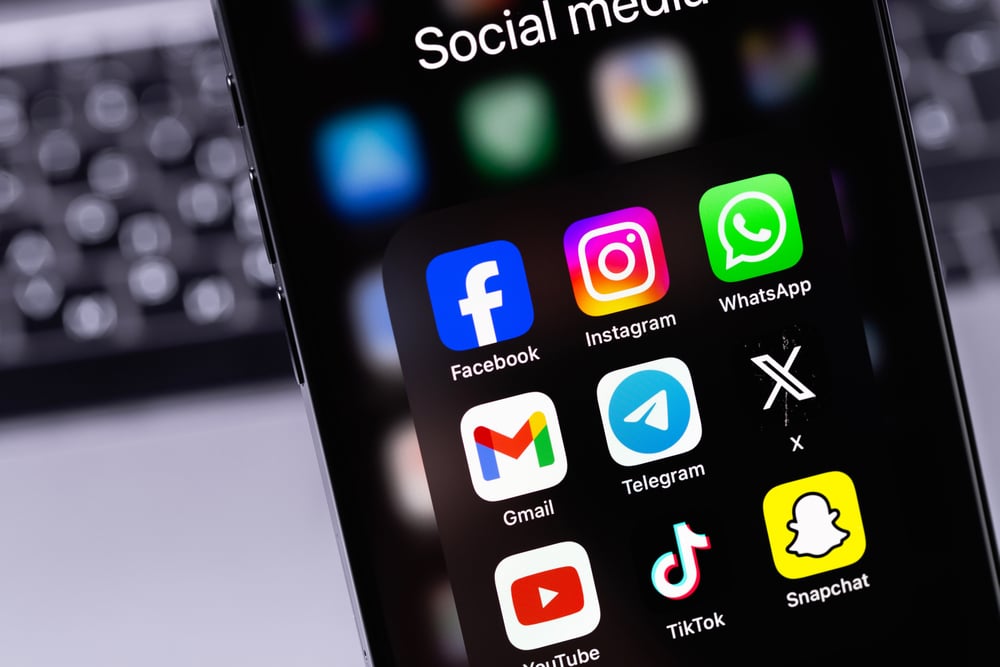
Social media apps track activity across other apps and websites through embedded share buttons, login systems, and advertising networks. Even if you don’t actively use social media, these tracking systems often recognize and profile your device through other apps that integrate social media features.
The cross-app tracking creates comprehensive behavioral profiles that combine social connections, interests, location history, and purchasing behavior. Social media platforms use this data to infer relationship status, political beliefs, and lifestyle preferences — then sell access to these insights through advertising platforms that most users never realize exist.
Voice Assistant Interactions

Voice assistants activate more frequently than intended, recording conversations that were never meant for digital analysis. While these recordings are supposedly used only for improving voice recognition, they often capture sensitive personal information during accidental activations.
The analysis extends beyond understanding spoken commands. Voice patterns reveal emotional states, health conditions, and relationship dynamics. Some systems analyze background conversations to understand household composition, daily routines, and lifestyle preferences — information that becomes valuable for advertising and product development.
Battery Usage and Charging Patterns
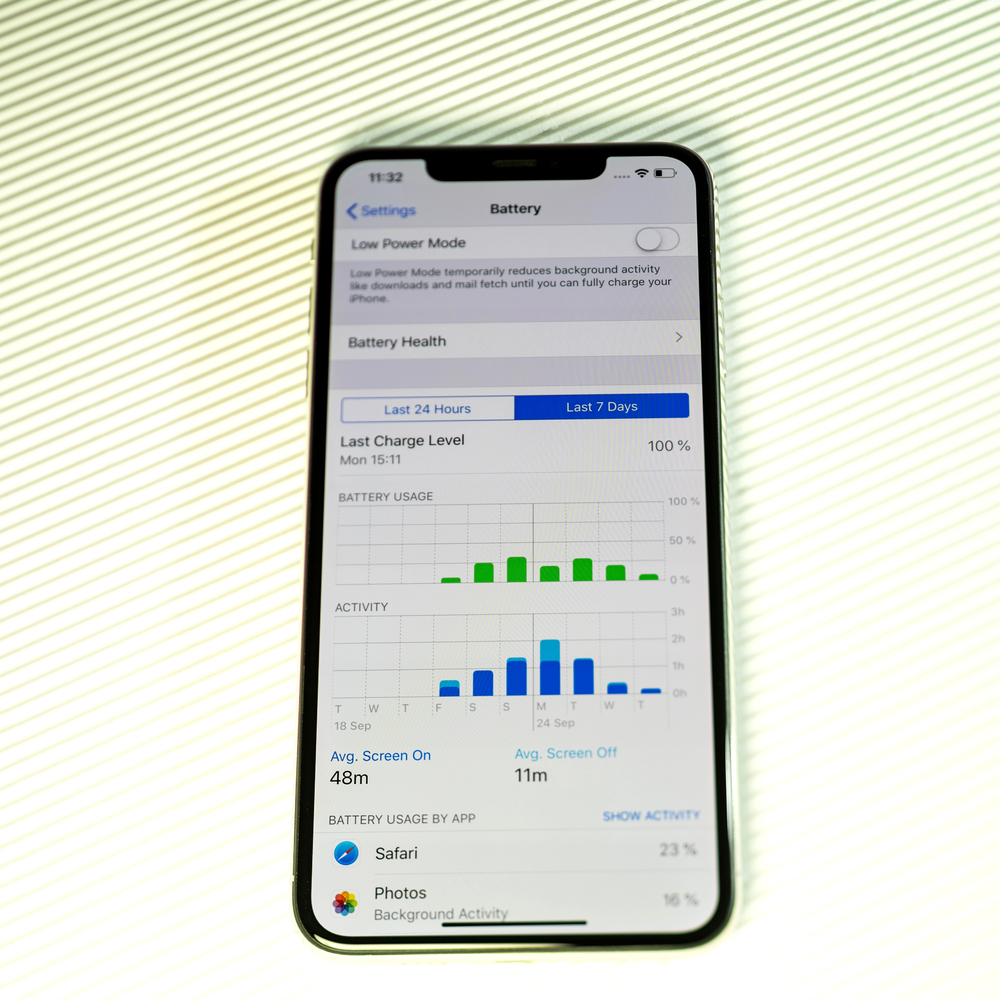
Your charging routine reveals daily schedules, sleep patterns, and location habits. Algorithms analyze battery drain to determine which apps you use most frequently and how your phone usage patterns change in different environments or emotional states.
Charging location data indicates where you spend extended time — home, work, or regular destinations. Combined with app usage during charging periods, this information reveals detailed lifestyle patterns that advertisers use to predict purchasing behavior and optimal times for targeted messaging.
Network Traffic Analysis

Your cellular and internet provider monitors data usage patterns, website visits, and app communications to build behavioral profiles. Even encrypted data reveals patterns through metadata — when you communicate, how much data you transfer, and which services you access most frequently.
This network-level tracking happens regardless of your privacy settings or app permissions. Internet service providers often sell this data to advertising companies, creating another layer of surveillance that operates independently of your device’s privacy controls.
The Invisible Audit Trail

Your phone maintains a constant audit trail of your digital existence, capturing nuances of behavior that even close friends might not notice. The tracking happens through dozens of parallel systems, each collecting overlapping data that creates redundant profiles resistant to individual privacy efforts.
The most troubling aspect isn’t any single form of tracking, but how these systems combine to create predictive models of human behavior. Your phone doesn’t just know what you’ve done — it increasingly knows what you’ll do next, often before you’ve consciously made those decisions yourself.
More from Go2Tutors!

- The Romanov Crown Jewels and Their Tragic Fate
- 13 Historical Mysteries That Science Still Can’t Solve
- Famous Hoaxes That Fooled the World for Years
- 15 Child Stars with Tragic Adult Lives
- 16 Famous Jewelry Pieces in History
Like Go2Tutors’s content? Follow us on MSN.