17 Fashion Accessories That Defined Eras
Fashion accessories have always been more than just decorative add-ons. They’ve served as symbols of status, tools of communication, and markers of cultural shifts throughout history. From ancient Egyptian amulets that promised protection in the afterlife to Victorian fans that conveyed secret messages, these items shaped how people presented themselves to the world and reflected the values of their time.
Fashion accessories tell the story of human civilization in ways that clothing alone cannot. Here is a list of 17 accessories that didn’t just complement outfits—they defined entire eras.
Egyptian Scarab Jewelry
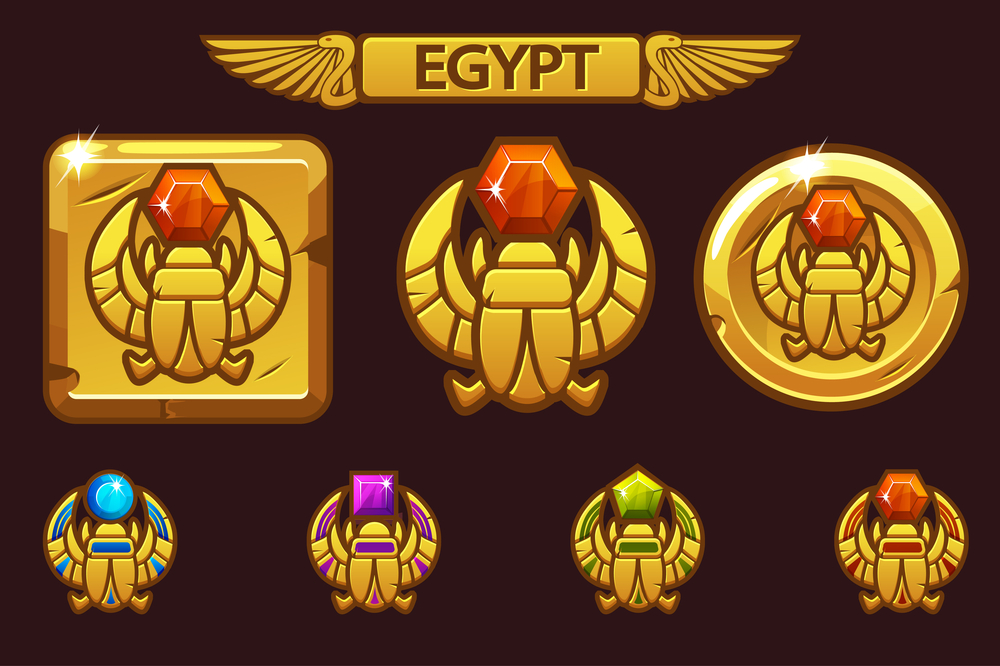
Ancient Egyptians elevated jewelry beyond mere decoration, transforming it into powerful spiritual protection. Scarab beetle motifs appear in clothing and accessories, infusing modern designs with a touch of mystique and historical significance, but their original purpose was far more profound. These intricate pieces, crafted from gold and precious stones, were reserved for royalty and nobility who believed they would provide safe passage to the afterlife. The scarab represented rebirth and eternal life, making it the ultimate status symbol that literally promised immortality.
Roman Signet Rings
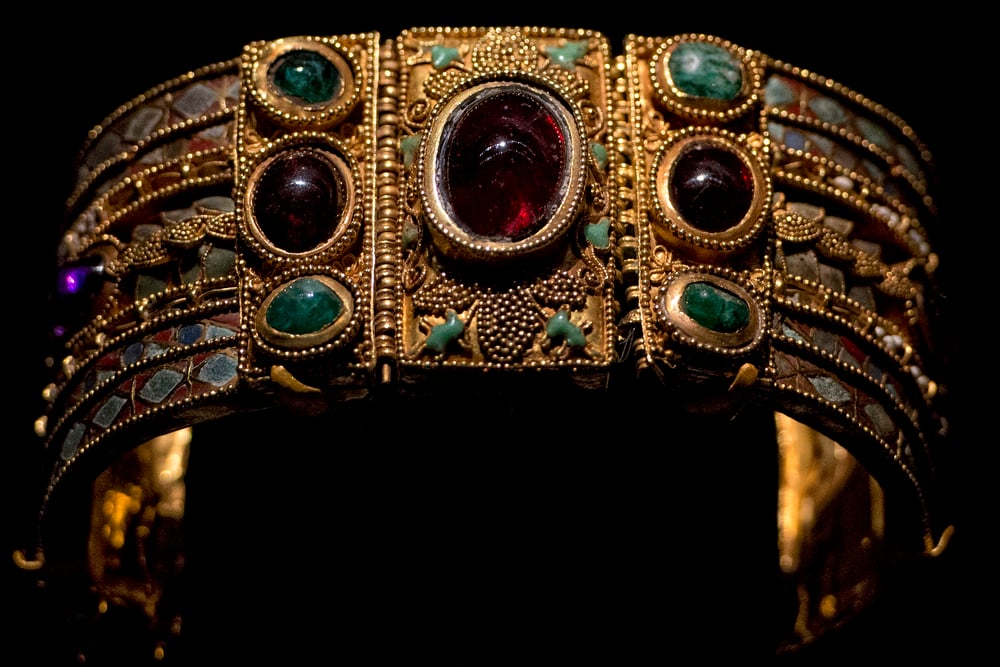
In ancient Rome, a ring could make or break a deal, authenticate a document, or even save your life. Signet rings weren’t just jewelry—they were portable legal documents that carried the weight of Roman law. Citizens used these rings to seal letters and contracts, with each unique design serving as an unbreakable signature. The more elaborate the ring, the higher your position in Roman society, making these small accessories surprisingly powerful tools of governance and social hierarchy.
Medieval Hat Badges
During the early 16th century in Italy, hat badges were worn by civilian men of higher social status as a decorative item, in imitation of the cap badges worn by the invading military. These weren’t random decorations but carefully chosen symbols that told personal stories. Often depicting scenes with special meaning to the wearer, hat badges were fashioned after plaquettes and frequently worn alongside decorative swords. They represented a fascinating blend of military admiration and civilian status, showing how fashion often borrows from unlikely sources.
Renaissance Ruffs
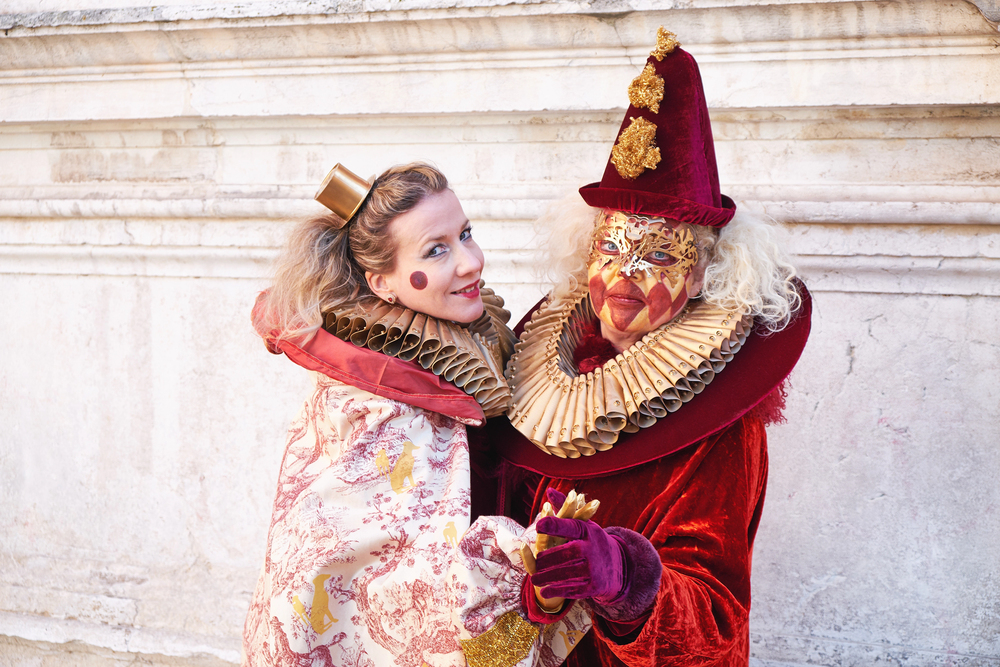
— Photo by lermont51
Nothing says ‘Renaissance aristocrat’ quite like a ruff—those elaborate, pleated collars that looked like fancy doilies around the neck. Ruffs the size of dinner plates became the ultimate symbol of wealth and leisure, since they made any practical work impossible. The larger and more impractical your ruff, the clearer it became that you didn’t need to use your hands for manual labor. These accessories required specialized care and maintenance, turning getting dressed into a production that announced your social standing from across the room.
Elizabethan Farthingales
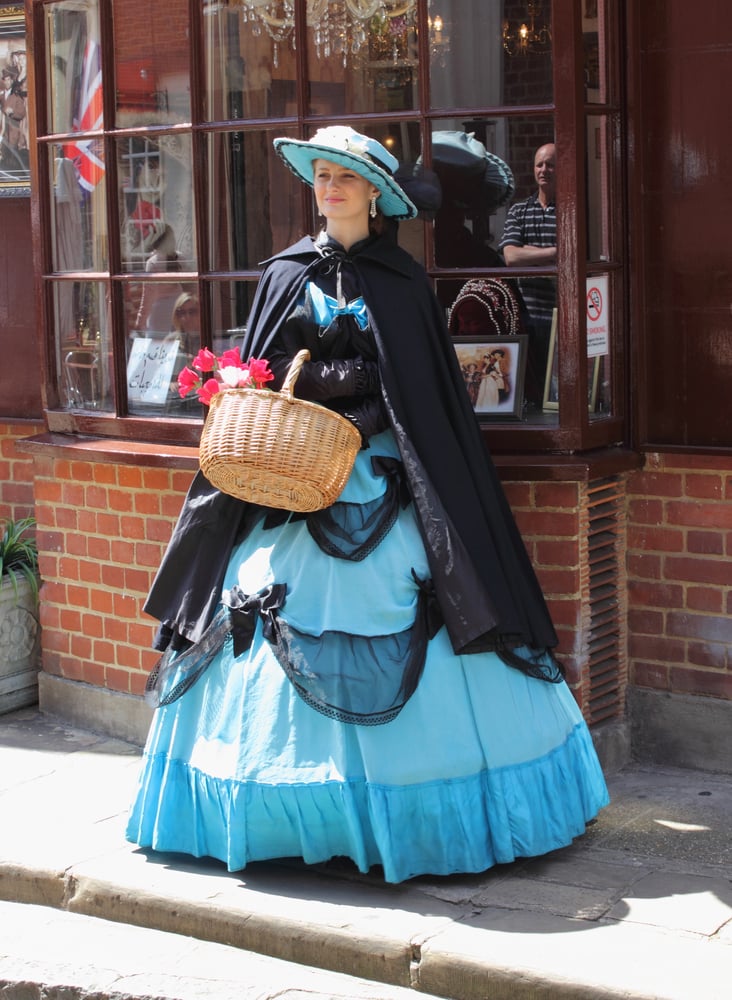
— Photo by 1markim
The farthingale created the iconic cone-shaped silhouette that defined Elizabethan fashion and female power. These wide hoop skirts, worn underneath elaborate gowns, transformed women into walking architectural statements. Every outfit started with a linen chemise or shift, worn under everything else. Then came the bodies (corset), a farthingale, sleeves (sometimes detachable), and finally the gown. The farthingale wasn’t just about fashion—it was about taking up space and commanding attention in rooms dominated by men.
Victorian Corsets
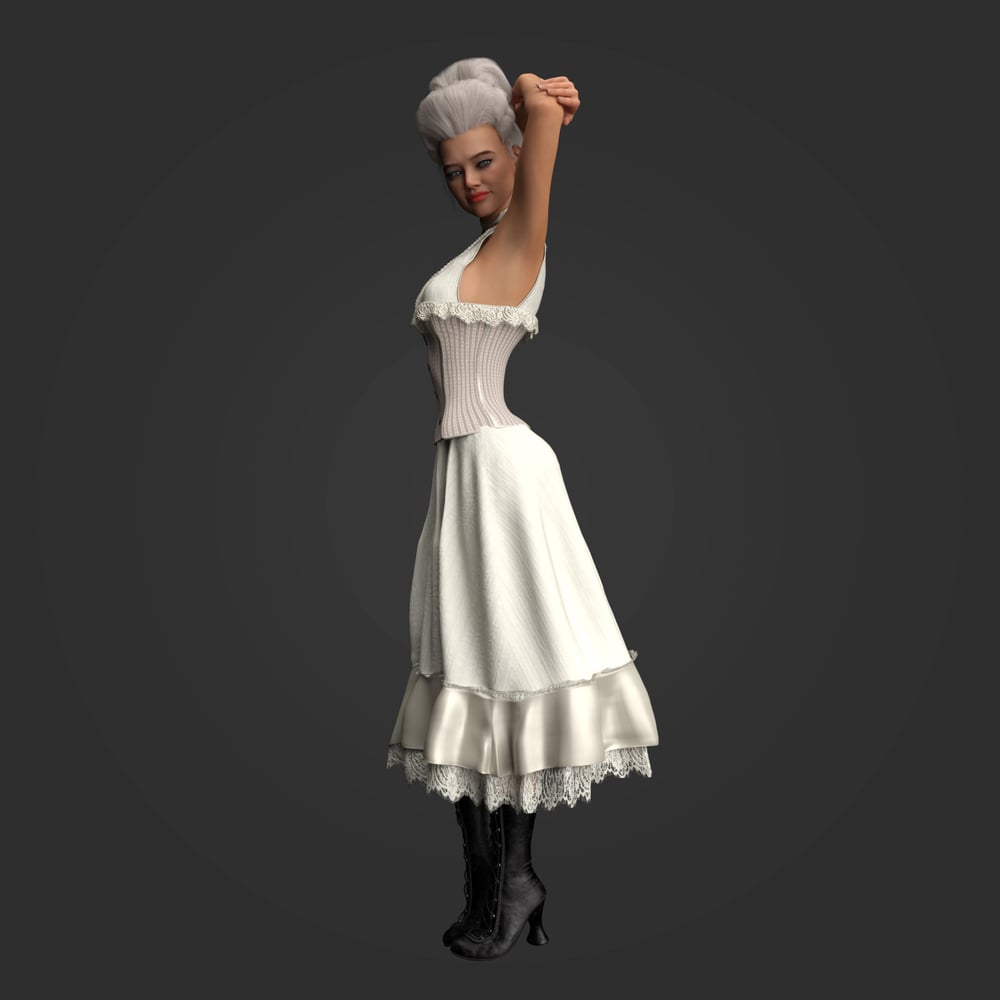
The Victorian corset did more than cinch waists—it literally reshaped the female form and defined an entire era’s beauty standards. Corsets (also known as stays) moulded the waist, creating the coveted S-shaped silhouette that became synonymous with feminine beauty. These structured undergarments were so fundamental to Victorian fashion that women wore them daily, enduring considerable discomfort to achieve the ideal figure. The corset represented both constraint and status, showing that a woman could afford to be impractical.
Victorian Crinolines
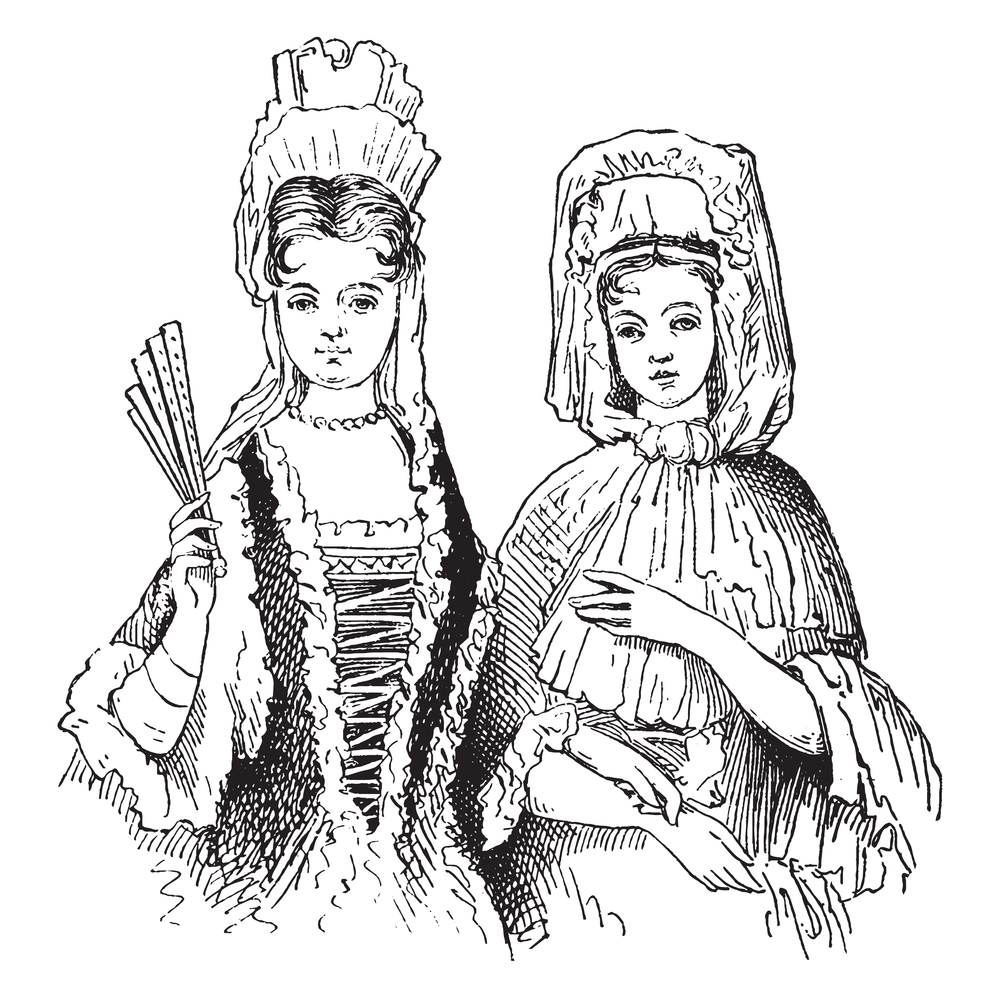
In 1856 the cage crinoline emerged as a viable alternative to the heavy, hot petticoats that had been supporting ever-widening skirts. This ingenious invention used steel hoops to create massive skirt silhouettes without the burden of multiple fabric layers. The cage crinoline was so revolutionary that it led to ‘Crinoline mania’ by Punch magazine, as women embraced skirts that could span several feet in diameter. These accessories turned women into human bells, dominating any space they entered.
Victorian Bustles
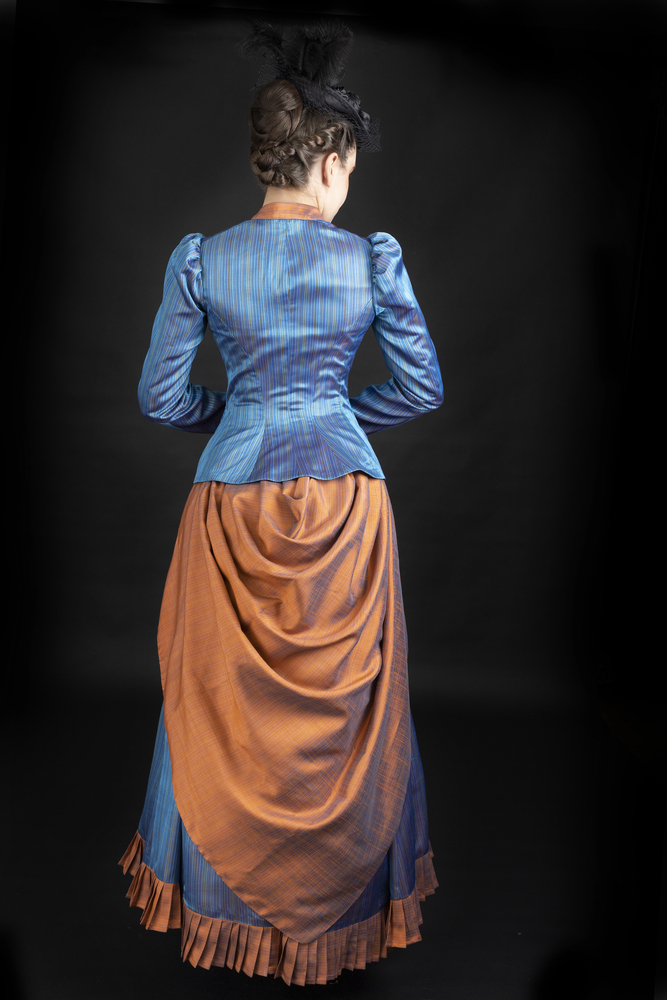
When crinolines went out of style, bustles stepped in to create a completely different silhouette that projected drama from behind. The bustle was introduced as a distinct undergarment during the 1870s, supporting skirts which no longer sat over a crinoline, but which were gathered up at the back, projecting out below the waist. Also known as ‘dress-improvers,’ these accessories created elaborate trains that turned walking into a performance art, emphasizing the rear silhouette in ways that seemed almost architectural.
Victorian Hat Pins
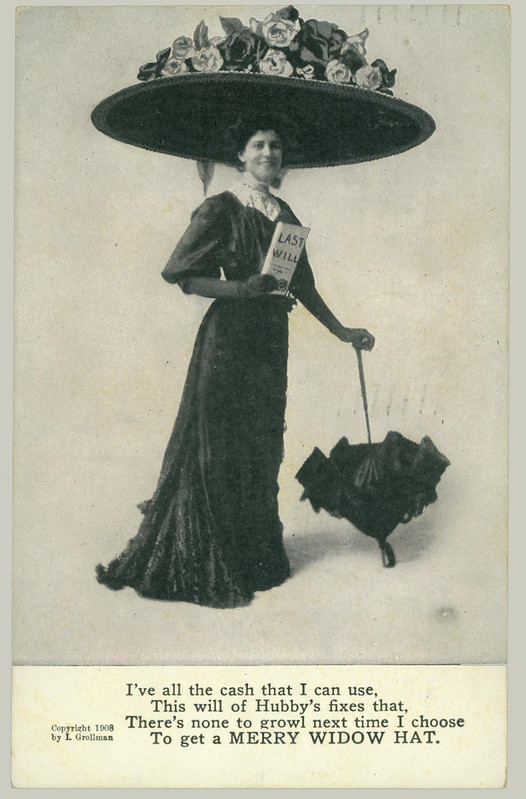
Long hat pins weren’t just functional—they were weapons disguised as accessories. Long hat pins were used to hold these large hats in place, particularly the massive ‘Merry Widow’ styles that dominated the early 1900s. These pins could extend six to twelve inches, making them surprisingly effective tools for self-defense. Women learned to wield hat pins with precision, and they became symbols of female independence during an era when women were fighting for basic rights.
Victorian Fans
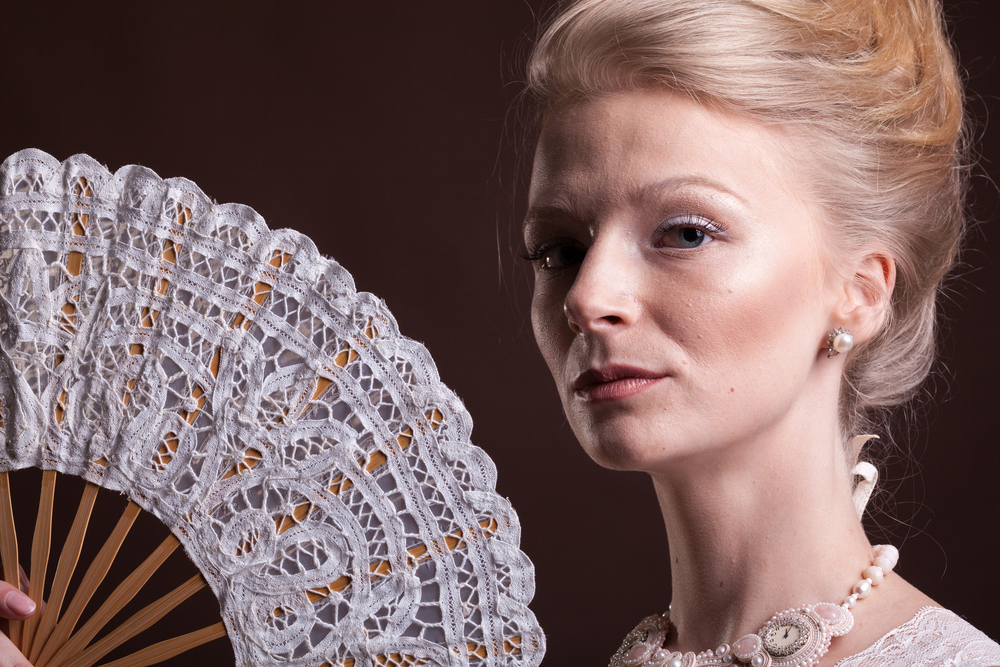
The Victorian fan was perhaps history’s most sophisticated communication device disguised as a cooling accessory. According to the 1909 publication, Flirting Made Easy, a fan opened halfway indicated friendship. A fan swung around rapidly implied a woman’s impatience or desire to leave an unpleasant situation. These accessories allowed women to conduct entire conversations without speaking, using a complex language of gestures that could convey everything from romantic interest to social rejection. The material and craftsmanship of a fan also announced a woman’s economic status and refined taste.
Victorian Gloves
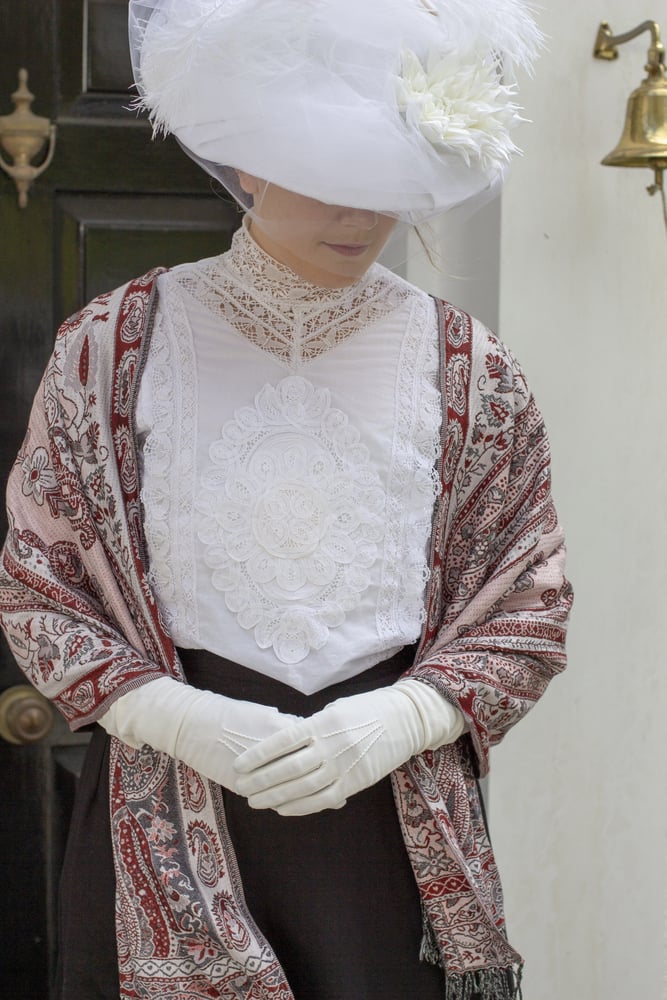
Gloves in Victorian society were about much more than keeping hands warm—they were about maintaining the illusion of leisure. Gloves were often used by women to cover their hands and mask any signs of labour, supporting the era’s idealization of feminine delicacy. A woman wearing her gloves with only the right thumb exposed meant that she desired to be kissed. But, biting the fingertips of her gloves meant that she wished to be rid of her company. These accessories had their own flirtation language, making them essential tools for Victorian courtship.
1920s Cloche Hats
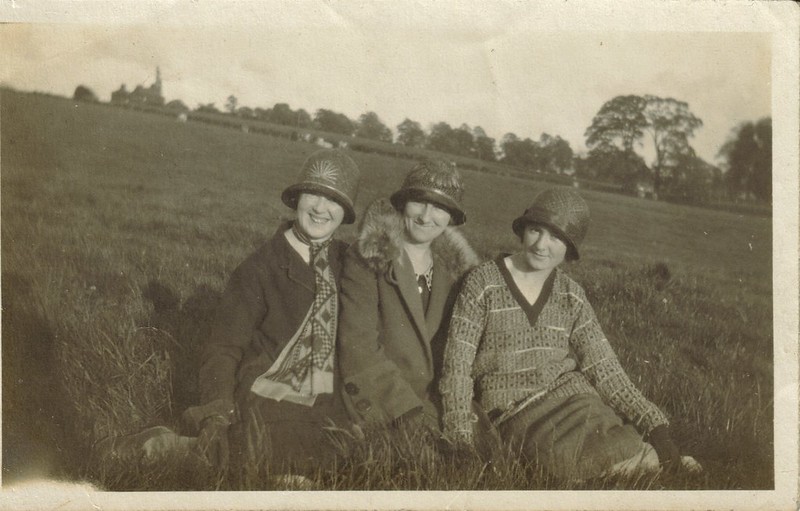
The cloche hat perfectly captured the revolutionary spirit of the 1920s, designed specifically for the new breed of independent women. By the 1920s, women’s fashion was more relaxed and had given rise to the ‘flapper.’ This woman was the opposite of the ‘Gibson Girl,’ she was thin and boyish—her curves minimized. With less hair to cover, hats became smaller too. The wide-brimmed ‘Merry Widow’ style hats were out and the cloche was in. These close-fitting, bell-shaped hats complemented the era’s short hairstyles and represented women’s newfound freedom to move, work, and live independently.
Art Deco Jewelry
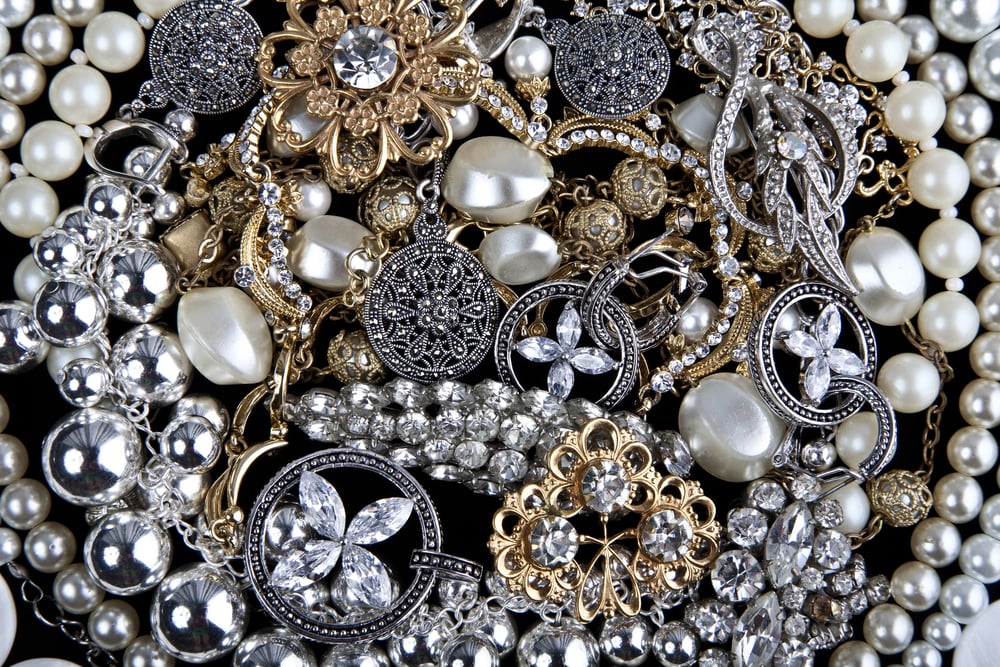
The 1920s and 1930s brought geometric jewelry that looked like it came from the future. Art Deco originated in Europe and became known after the correct name of the 1925 Paris Exhibition. The style was most popular in the Stylish Thirties as well as between 1920 and 1940. These pieces featured bold geometric patterns, sharp angles, and luxurious materials that reflected the era’s optimism and technological advancement. Art Deco jewelry wasn’t just beautiful—it was modern, representing a complete break from the flowing, natural forms of previous eras.
1940s Platform Shoes
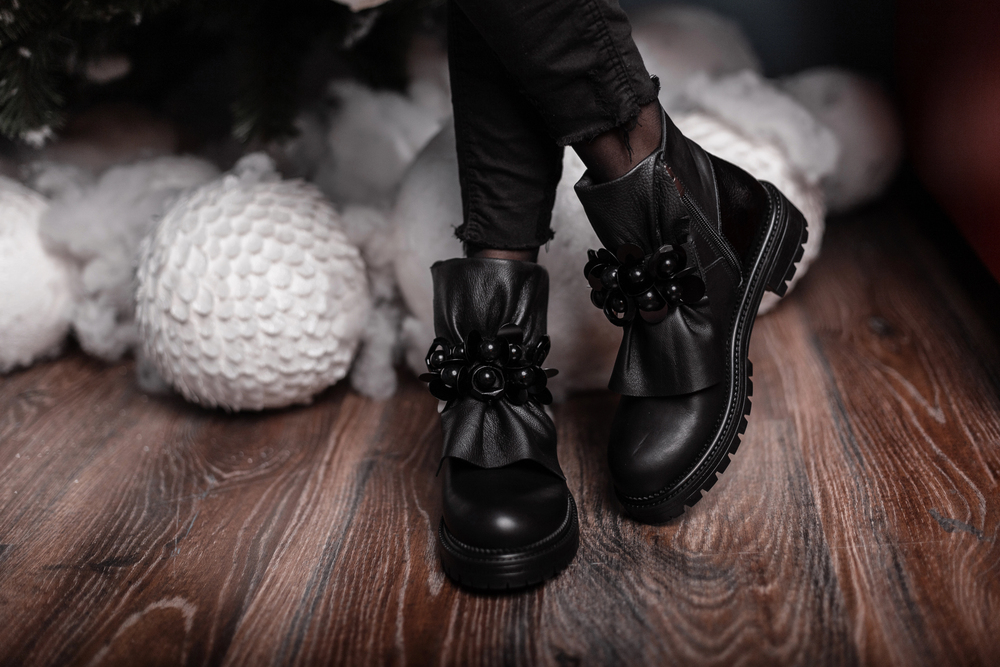
World War II rationing didn’t stop women from wanting fashionable footwear—it just made them more creative. Wartime restrictions resulted in the inventive use of materials such as cork to raise shoes to ever higher heights. This pair of American shoes feature a 4 1/2 inch heel. Platform shoes became symbols of resourcefulness and determination, showing how women could maintain glamour even during the most challenging times. These towering accessories proved that fashion finds a way, regardless of material shortages or wartime constraints.
1940s Utility Scarves
DepositPhotos
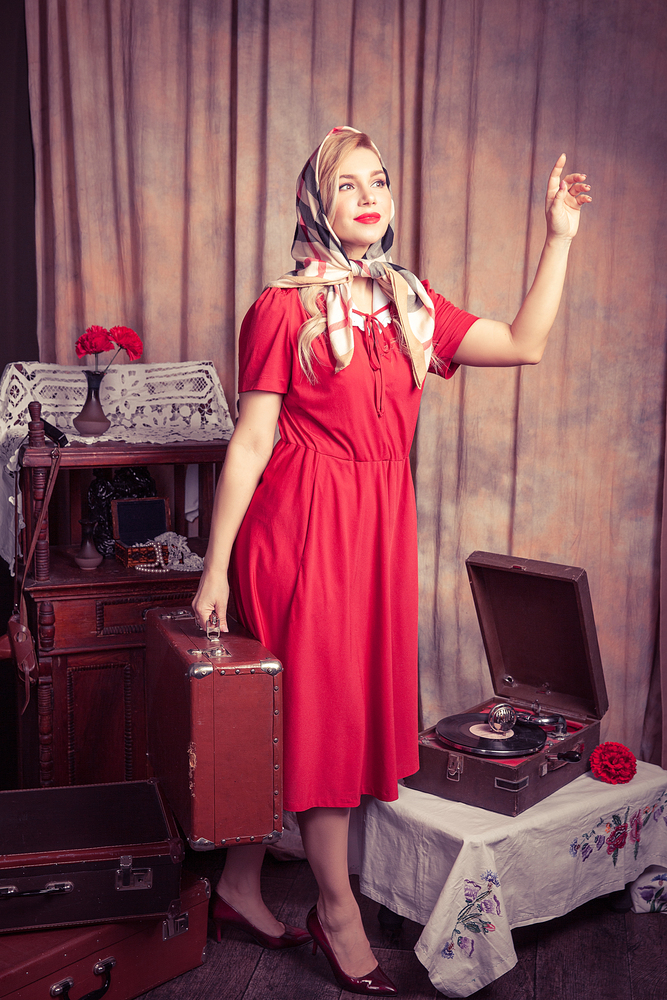
During World War II, scarves became multitasking heroes that solved multiple wartime problems at once. Square scarves provided an easy way to spruce up a look, and could have an almost ‘magical’ transformative power for the clothes-deprived. Scarves also provided the additional benefits of holding back hair for work in factories and camouflaging a shortage of shampoo. These practical accessories represented women’s ingenuity during wartime, serving as fashion statements, hair coverings, and morale boosters all in one affordable package.
1960s Op Art Accessories
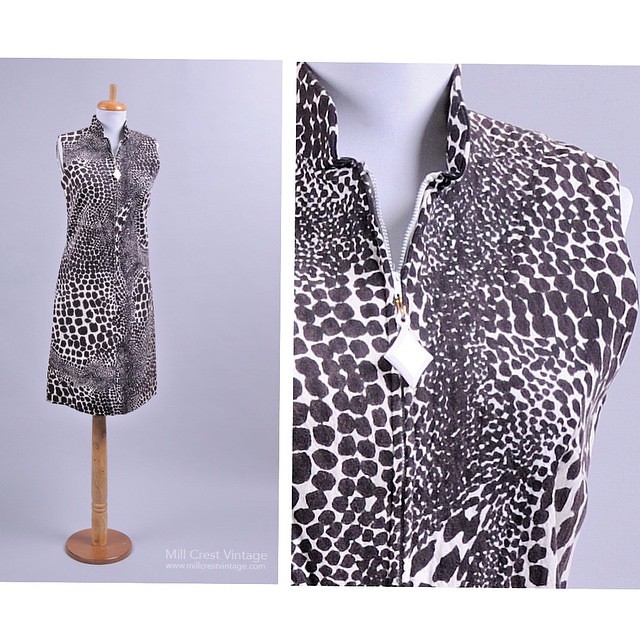
The 1960s brought accessories that literally hurt to look at—and that was entirely the point. Op Art was a term coined in 1964. Bridget Riley popularised this with optically distorted geometric patterns in black and white producing a whole range of movements on a surface. When applied to the fabric it created a new bold look in fashion and accessories. These mind-bending patterns on scarves, bags, and jewelry reflected the decade’s experimental spirit and rejection of traditional aesthetics. Op Art accessories were conversation starters that announced their wearers as forward-thinking and culturally aware.
1980s Power Belts
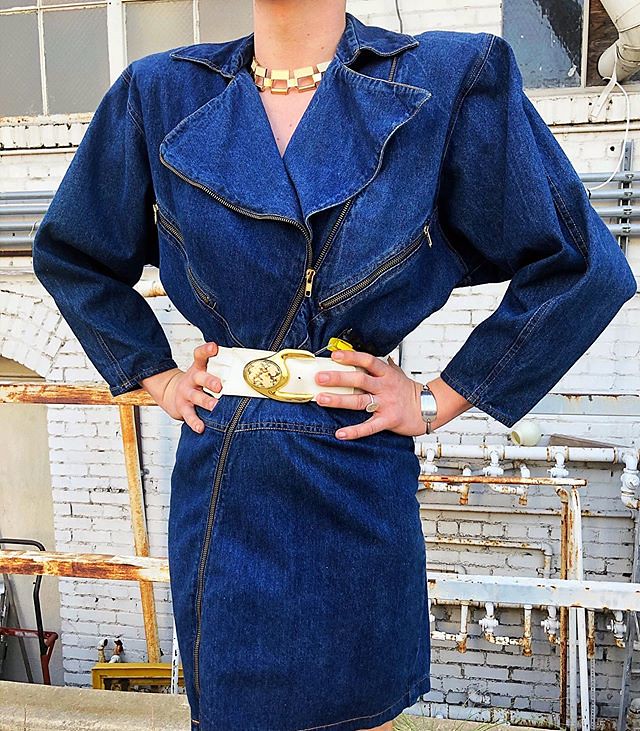
The 1980s power belt wasn’t just an accessory—it was a weapon in the war for workplace respect. 1983 featured a flashback to the 1940s with menswear influences like strong shoulder pads and oversized coats. The overall look of the year is accentuated by the power belt that minimizes the waist and emphasizes the hips. These wide, often metallic belts cinched oversized blazers and created the structured silhouette that said ‘take me seriously.’ Combined with shoulder pads, power belts helped create the armor-like appearance that professional women used to command authority in male-dominated spaces.
How Accessories Shaped Our World
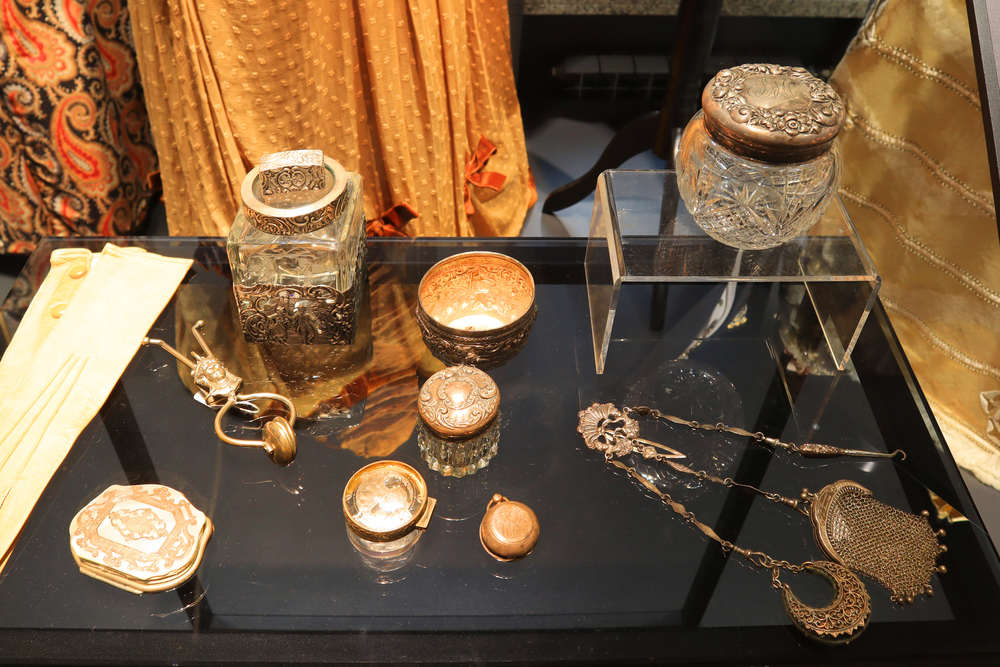
— Photo by Lindasky76
From ancient Egyptian scarabs promising eternal life to 1980s power belts demanding workplace equality, fashion accessories have consistently reflected humanity’s deepest desires and social struggles. These items weren’t just pretty additions to outfits—they were tools of communication, symbols of status, and markers of cultural revolution. Today’s accessories continue this tradition, with each piece telling a story about who we are and who we aspire to become. The next time you choose an accessory, remember that you’re participating in a tradition as old as civilization itself, one that transforms simple objects into powerful statements about identity, status, and belonging.
More from Go2Tutors!

- 16 Historical Figures Who Were Nothing Like You Think
- 12 Things Sold in the 80s That Are Now Illegal
- 15 VHS Tapes That Could Be Worth Thousands
- 17 Historical “What Ifs” That Would Have Changed Everything
- 18 TV Shows That Vanished Without a Finale
Like Go2Tutors’s content? Follow us on MSN.



