17 Unusual Habits of Elite Athletes
Peak performance in athletics often comes down to the margins — those tiny differences that separate the good from the great. While most people focus on the obvious elements like training regimens and diet plans, the truly fascinating aspects of elite athleticism happen in the spaces between workouts.
These are the quirky, unexpected, and sometimes downright strange habits that world-class athletes swear by, even when they can’t fully explain why they work.
Ice Baths at 3 AM

Professional swimmers don’t just take ice baths after training. They wake up in the middle of the night to do it again.
The body’s circadian rhythm means inflammation peaks during early morning hours, and that 15-minute soak in 50-degree water hits reset on the entire system.
Sleeping with Tennis Orbs
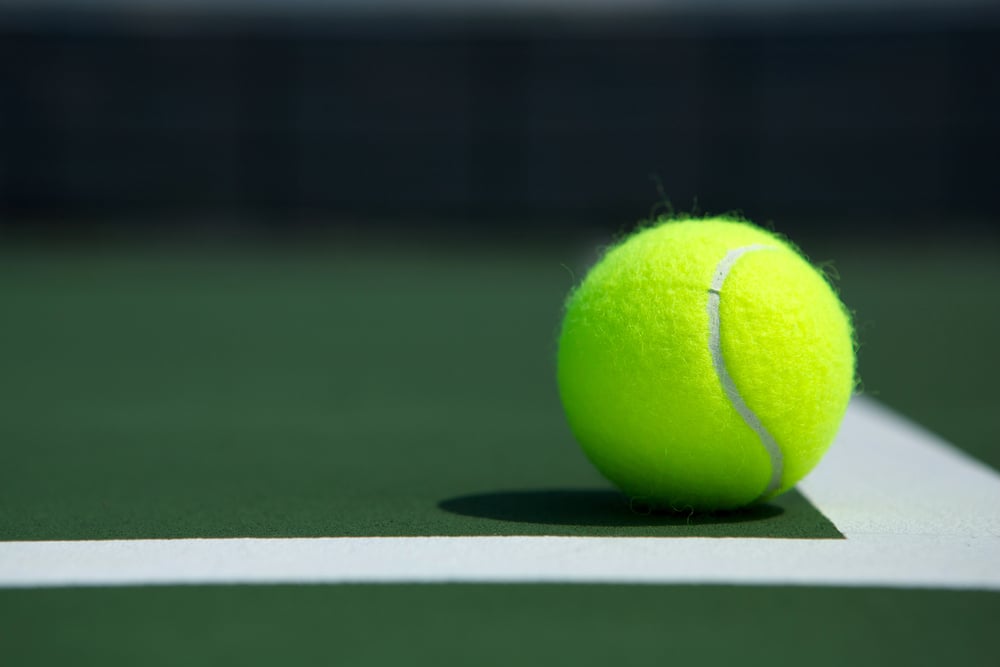
Elite tennis players tape tennis orbs to their backs before bed. It forces them to sleep on their sides, preventing the shoulder compression that comes from stomach or back sleeping.
Shoulder mobility can make or break a career that depends on overhead motions.
Visualization with Wrong Outcomes
Most athletes visualize success, but the truly elite ones spend equal time visualizing failure — and more importantly, their response to it. They rehearse missing the shot, dropping the catch, or falling behind in the score, then mentally practice the exact emotional and tactical adjustments they’ll make when (not if) things go wrong, because champions aren’t the ones who never fail: they’re the ones whose failures become invisible corrections rather than catastrophic collapses.
And this mental rehearsing of disaster scenarios (which sounds counterintuitive to anyone who’s been told to “think positive”) actually builds the neural pathways that prevent panic when the real moment arrives. Strange as it sounds, they get comfortable with discomfort on purpose.
Eating the Same Meal 365 Days
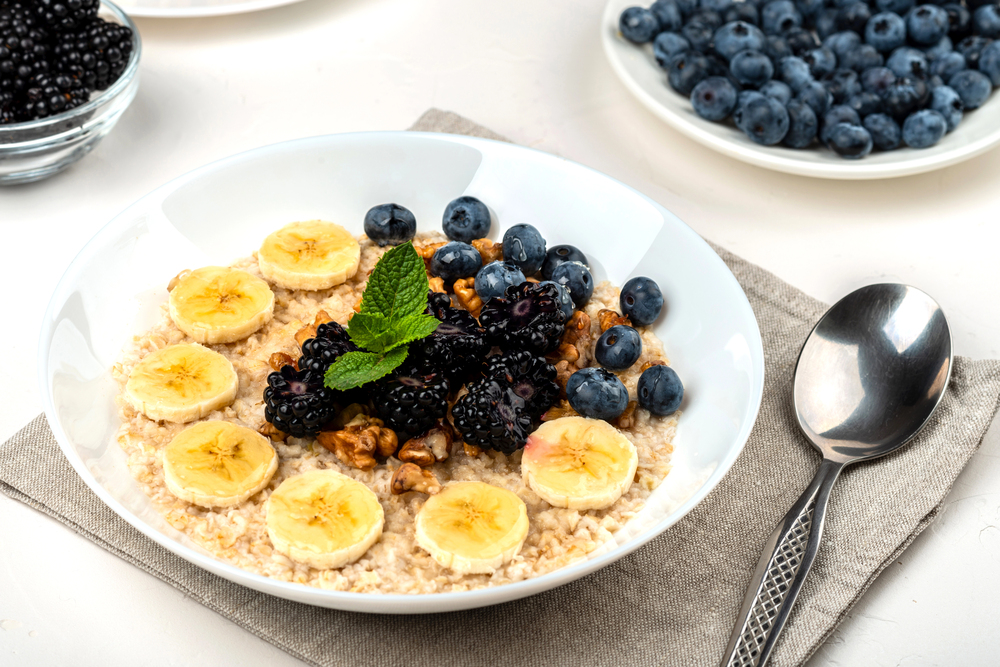
Some runners eat identical breakfasts every single day for years. Oatmeal with blueberries and honey, prepared the exact same way, at the exact same time.
Digestive predictability becomes performance reliability.
Handwriting Training Notes

Digital devices track everything now, but elite athletes still write training notes by hand. The physical act of writing engages different neural pathways than typing.
Memory formation changes when your hand moves across paper instead of tapping glass.
Practicing with Their Eyes Closed
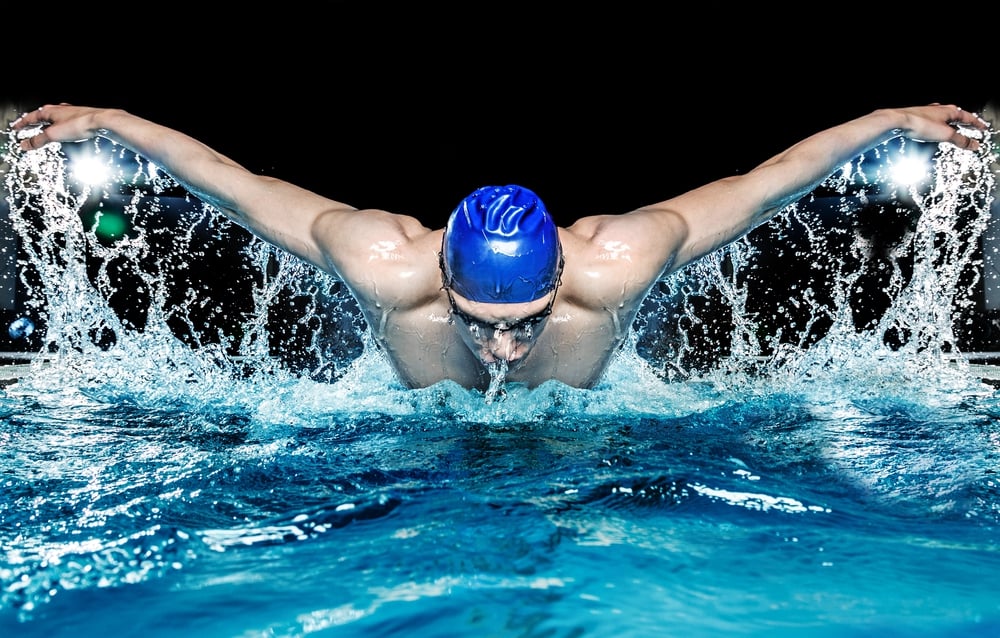
Swimmers spend portions of practice with blacked-out goggles — not just to simulate murky water, but to force their proprioception (body awareness in space) to develop beyond what vision provides. When you can’t see the pool wall approaching, your body learns to count strokes with mechanical precision, and that unconscious calibration becomes invaluable when fatigue clouds judgment during actual competition (because exhaustion affects vision before it affects muscle memory).
But here’s the part that surprised even the coaches: athletes who train this way report that their “feel” for the water improves dramatically. Water becomes less like an obstacle and more like information.
Cold Showers Before Warm-Ups

The counterintuitive habit of taking cold showers immediately before warming up for training sessions. The shock constricts blood vessels, then the subsequent warm-up creates a more dramatic vasodilation effect.
Blood flow becomes more efficient throughout the entire workout.
Meditating in Noisy Environments
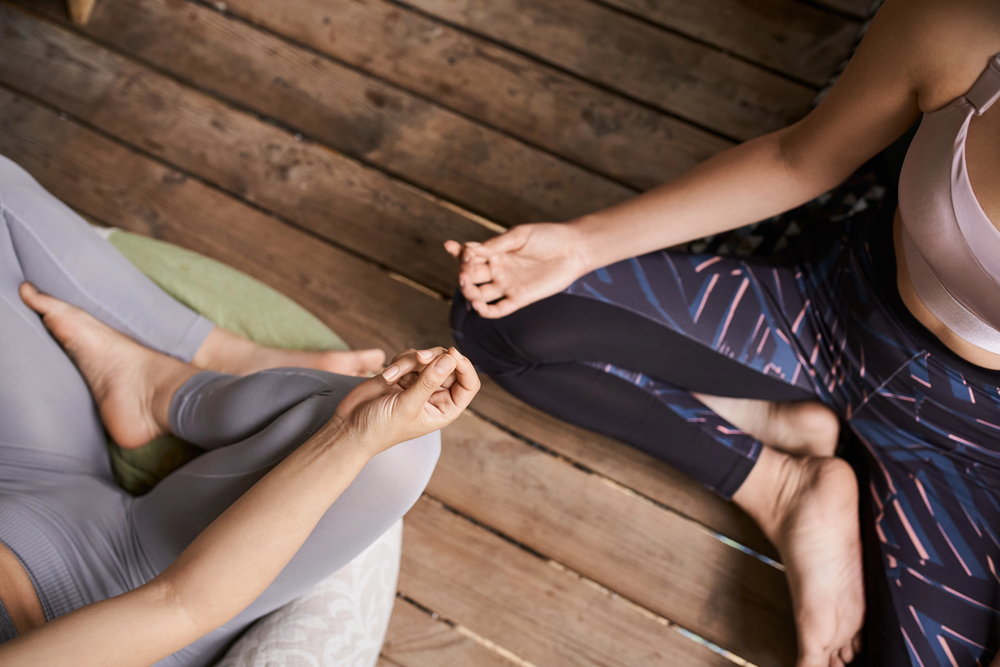
Meditation for athletes isn’t about finding quiet spaces — it’s about finding calm inside chaos. They practice mindfulness in crowded gyms, during team bus rides, and even between plays.
Real competition is never silent.
Wearing Mismatched Socks
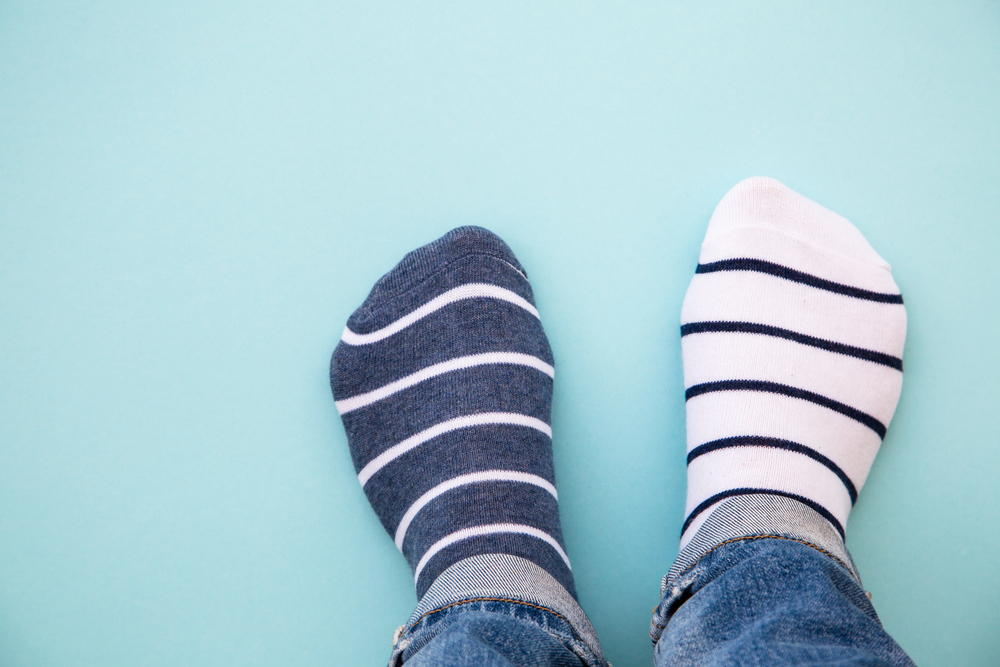
Some elite runners deliberately wear different socks on each foot. Tiny differences in cushioning or compression create asymmetric feedback that forces their gait to constantly microadjust.
The slight imbalance prevents their running form from getting locked into inefficient patterns.
Chewing Gum During Endurance Events
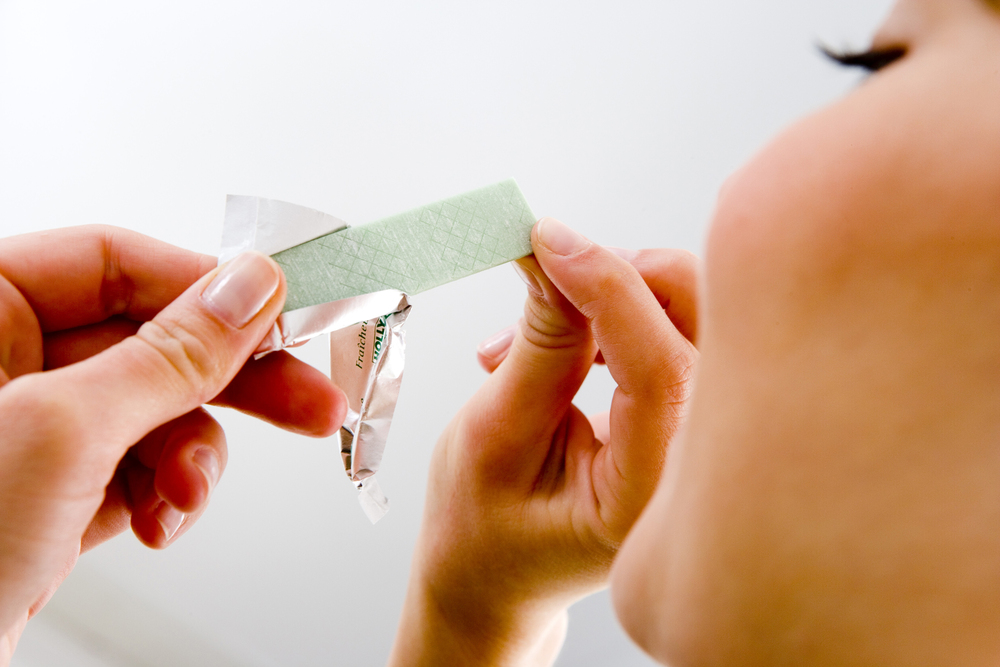
Distance runners and cyclists chew gum during long training sessions and races. The rhythmic jaw movement helps regulate breathing patterns, and the act of chewing increases alertness when fatigue sets in.
Sugar-free mint gum seems to be the universal choice.
Writing Thank-You Notes to Equipment
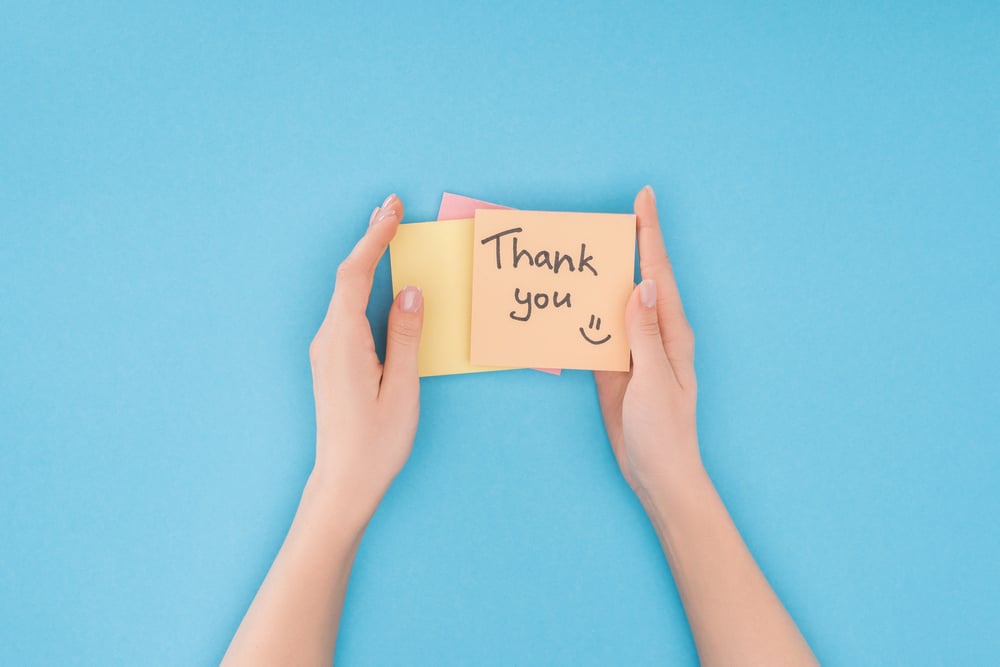
There’s something quietly touching about watching a world-class athlete sit down after practice and write a short note to their racket, their shoes, or their bike. Not gratitude journal entries about abstract concepts, but actual correspondence with the tools that absorb impact, grip surfaces, and transfer power from human intention to measurable result.
The ritual acknowledges a partnership that goes deeper than simple ownership — these objects become extensions of the athlete’s body, and treating them as collaborators rather than possessions changes how they’re maintained, how they’re used, and somehow, how they perform. And before dismissing this as superstition, consider that the most precise athletes tend to be the ones who’ve learned to notice details others miss.
Backward Training Sessions
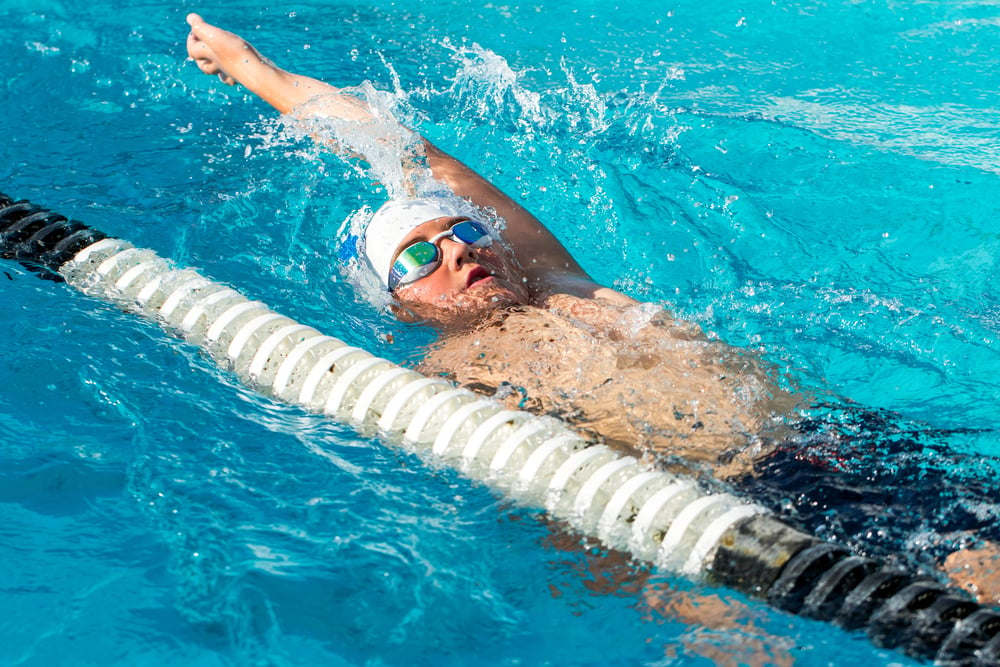
Elite athletes regularly train their sports in reverse. Swimmers do backstroke technique work while facing forward. Basketball players shoot with their non-dominant hand.
Tennis players practice serves from the opposite side of the court. Neurological cross-training builds adaptability.
Temperature-Controlled Sleep Environments
Their bedrooms are engineered environments with temperatures controlled to the degree. Sleep quality directly impacts recovery, and recovery determines how hard they can train tomorrow.
Room temperature isn’t left to chance — it’s programmed.
Practicing Worst-Case Scenarios
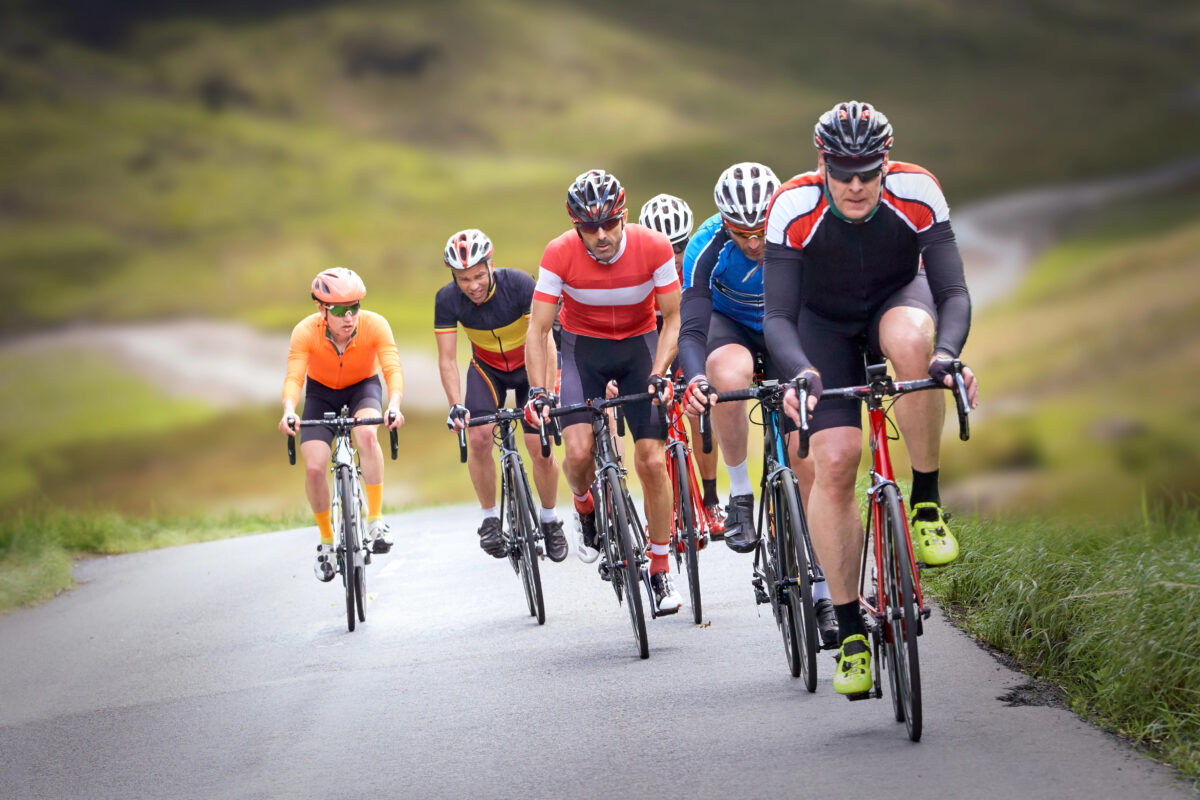
They train with broken or suboptimal equipment on purpose. Cyclists practice with slightly deflated tires. Swimmers train with one goggle fogged.
Runners wear shoes that are too tight or too loose. When perfect conditions arrive on game day, performance feels effortless by comparison.
Social Media Blackouts During Training Blocks
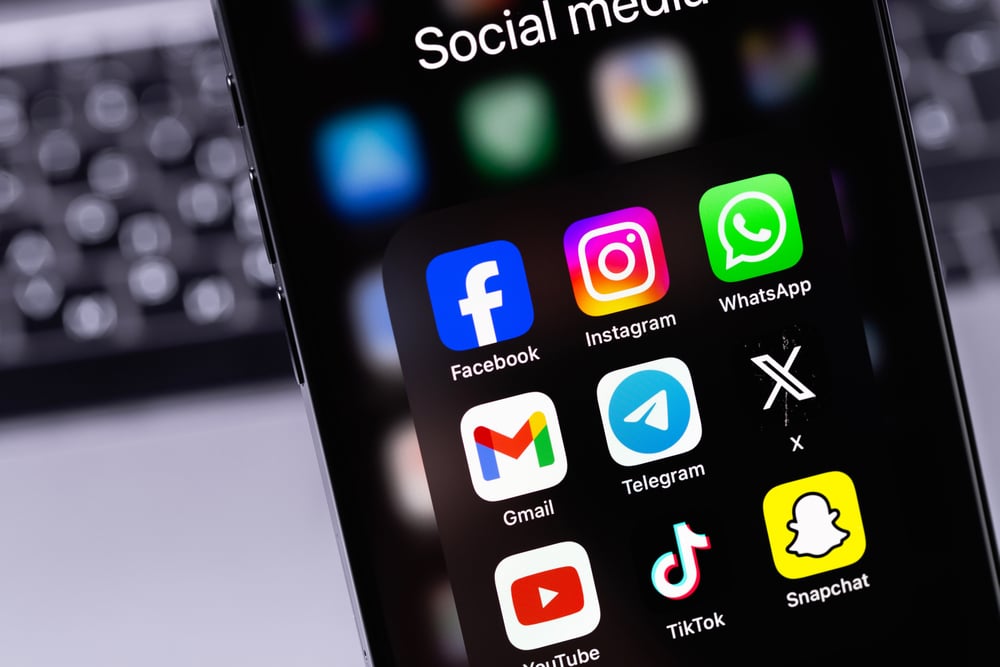
Complete digital elimination during intense training periods. Not just limiting screen time, but removing the apps entirely.
Mental bandwidth gets redirected from managing online presence to processing physical feedback. Focus becomes sharper when it has fewer places to scatter.
Eating Meals with Non-Dominant Hands

The deliberate awkwardness forces mindful eating and slows consumption. Digestion improves when meals aren’t rushed.
Motor skill coordination gets challenged in low-stakes situations, building the kind of adaptability that transfers to high-pressure moments.
Post-Training Silence Periods
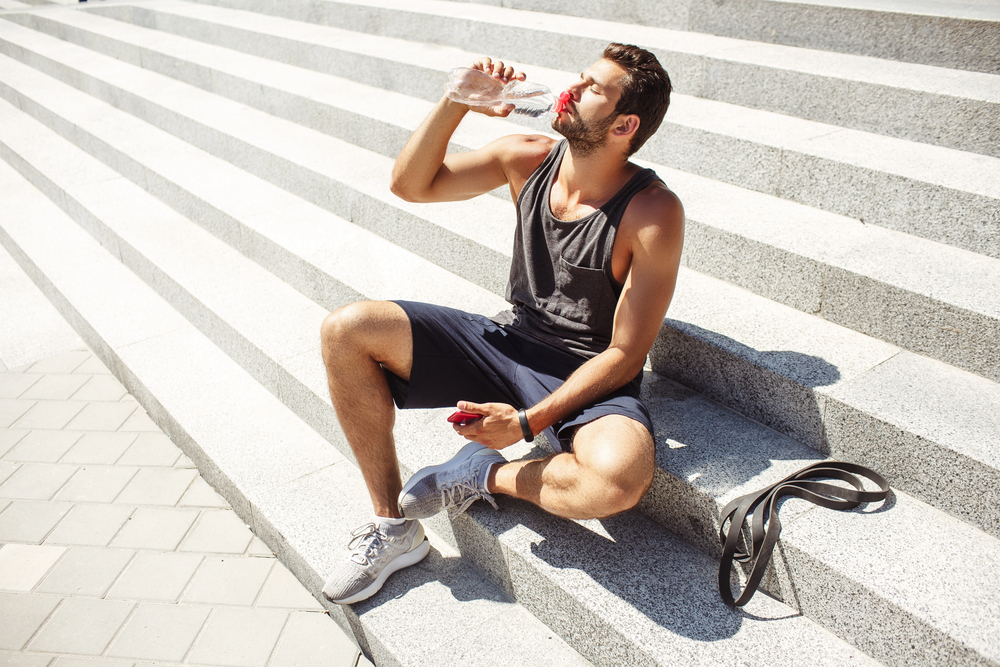
After intense training sessions, elite athletes often sit in complete silence for 10-15 minutes. No music, no conversation, no immediate transition to the next activity.
The nervous system needs time to process what just happened before moving on to what comes next.
The Margins That Matter
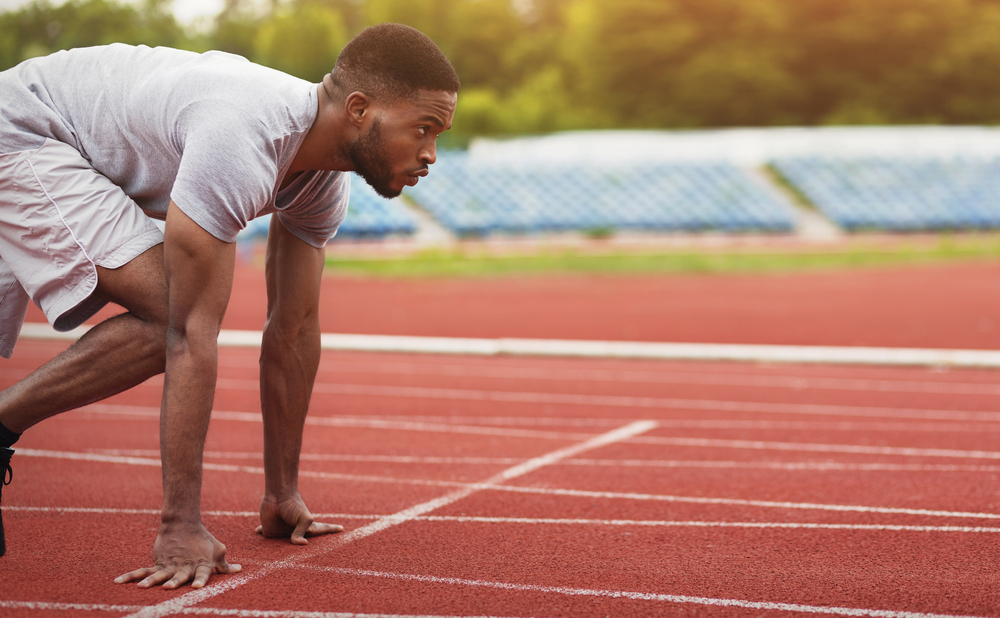
These habits might seem excessive or even strange to casual observers, but they represent something deeper than superstition. Elite athletes exist in a world where victory and defeat are separated by hundredths of seconds or single points, and at those margins, every small advantage compounds into something significant.
The athletes who last longest at the highest levels are usually the ones who’ve learned that excellence isn’t just about the big, obvious things — it’s about the accumulated weight of tiny, consistent choices that nobody else thinks to make.
More from Go2Tutors!

- The Romanov Crown Jewels and Their Tragic Fate
- 13 Historical Mysteries That Science Still Can’t Solve
- Famous Hoaxes That Fooled the World for Years
- 15 Child Stars with Tragic Adult Lives
- 16 Famous Jewelry Pieces in History
Like Go2Tutors’s content? Follow us on MSN.


