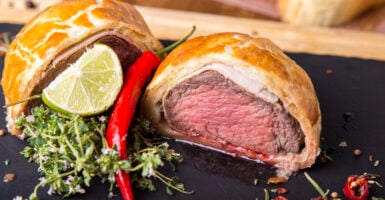
Images Of Rare Delicacies Once Reserved for Kings and Queens
Throughout history, certain foods carried such prestige that only the wealthiest could afford them. These weren’t just expensive ingredients — they were symbols of power, traded across continents and fought over in wars.
What made a dish fit for royalty often had little to do with taste and everything to do with scarcity, difficulty of preparation, or the sheer expense of obtaining the ingredients.
Many of these once-exclusive delicacies have interesting backstories that reveal as much about human nature as they do about culinary history. Some required dangerous journeys to obtain, others demanded techniques so complex that only a handful of people knew how to prepare them properly.
The images of these foods, whether carved into ancient tablets or painted in royal portraits, tell stories of ambition, exploration, and the lengths people would go to display their wealth.
Saffron
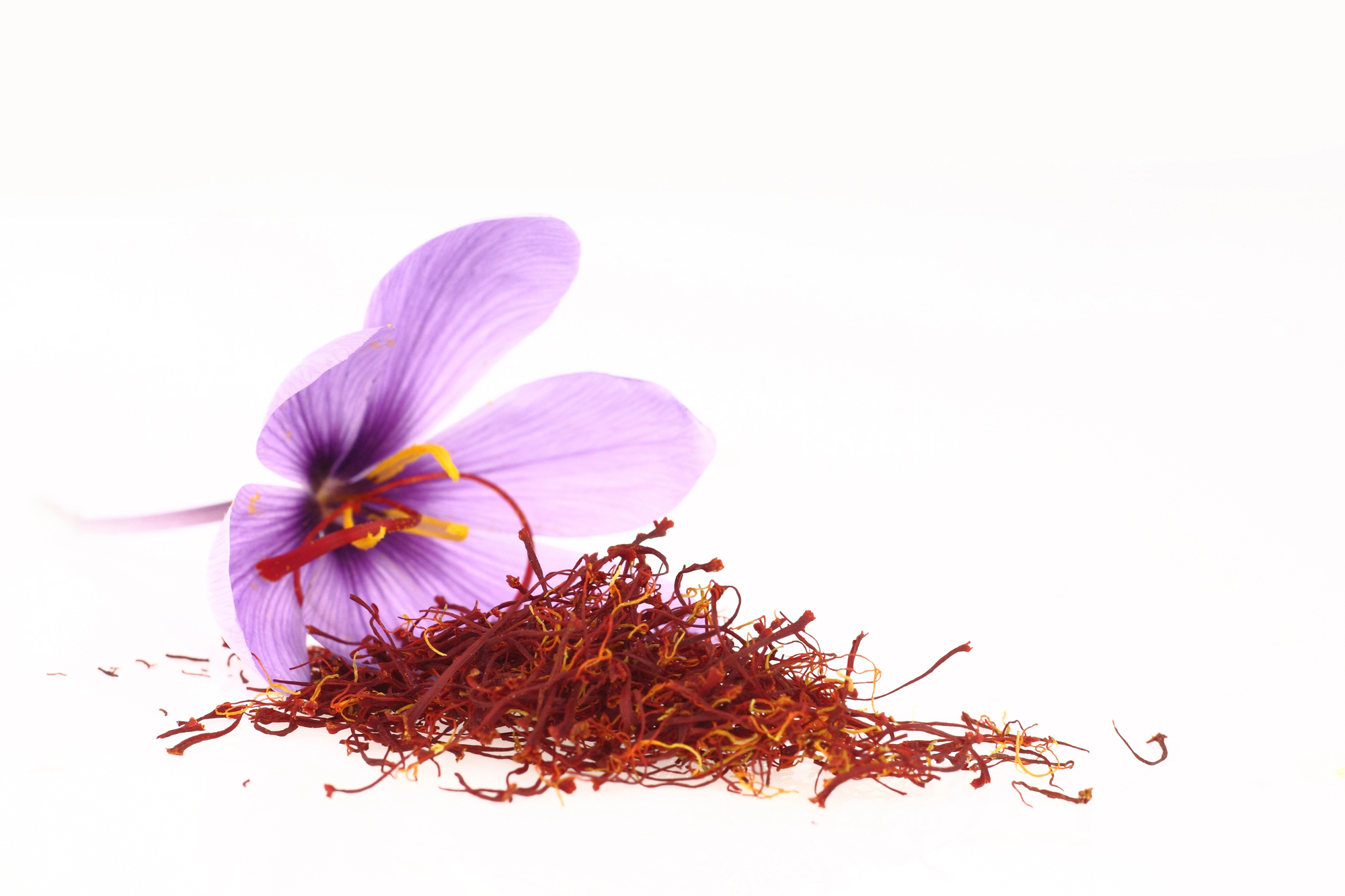
Saffron costs more per pound than gold. Always has.
The math is simple: it takes 150 flowers to produce just one gram. Each flower blooms for only one week per year, and the three tiny stigmas inside must be hand-harvested before dawn.
No shortcuts exist. Persian kings hoarded it.
Roman emperors bathed in it.
White Truffles
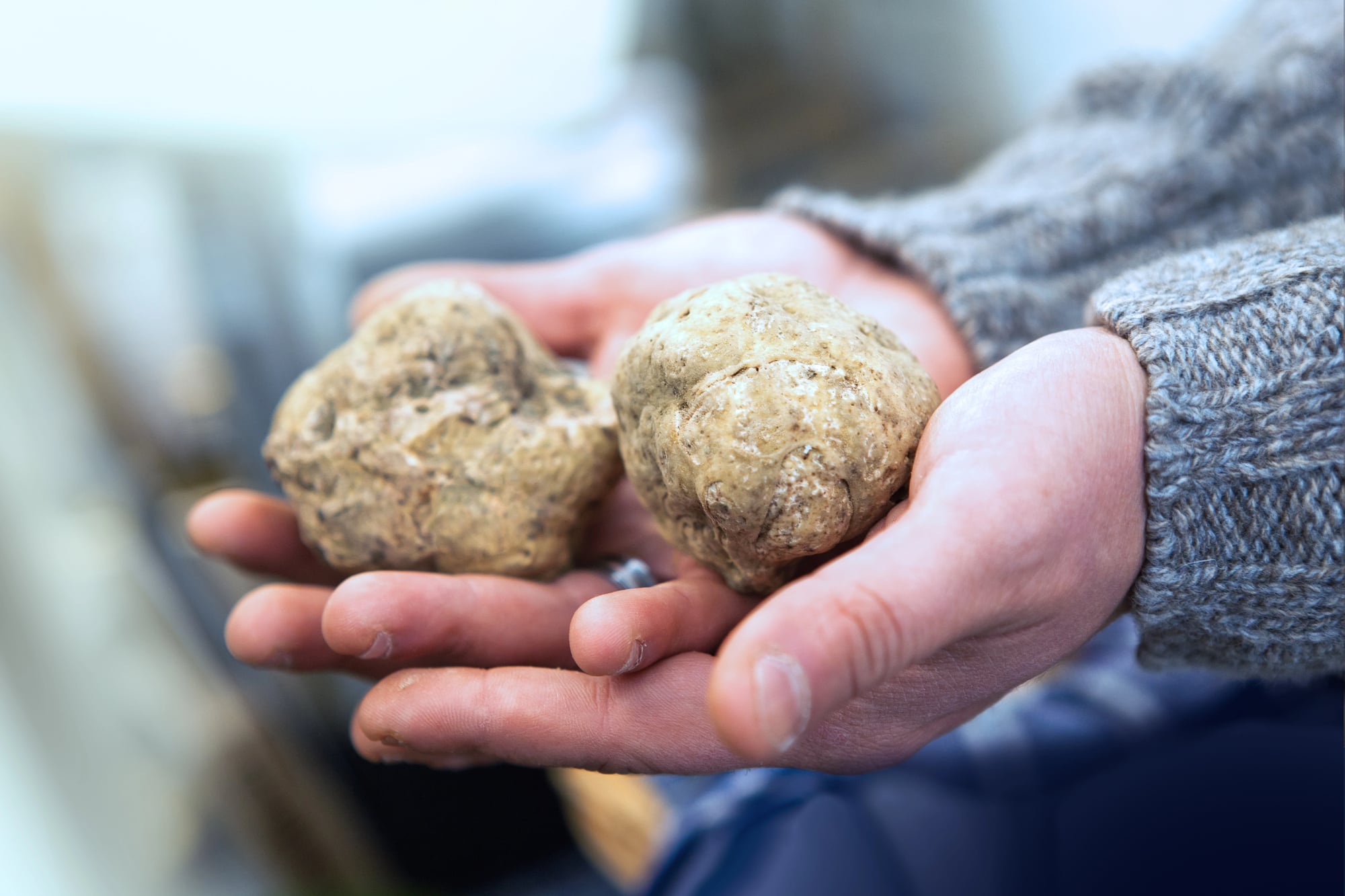
Finding white truffles is like hunting for buried treasure, except the treasure is fungus and the map changes every season (and nobody actually has a map). These underground fungi grow only in specific regions of Italy and France, forming relationships with particular tree roots that scientists still don’t fully understand — which means you can’t farm them, can’t predict where they’ll appear, and can’t store them for more than a few days before they lose their potency.
And the only reliable way to locate them involves dogs with exceptionally sensitive noses, because apparently metal detectors are useless when you’re searching for something that smells like a cross between garlic and wet earth.
So medieval nobility would send entire expeditions into the forests, accompanied by specially trained animals, to dig up what essentially amounts to very expensive dirt fruit that tastes like nothing else on earth.
The price reflects this absurdity perfectly. A single truffle the size of a tennis orb can cost thousands of dollars.
Peacock Feathers
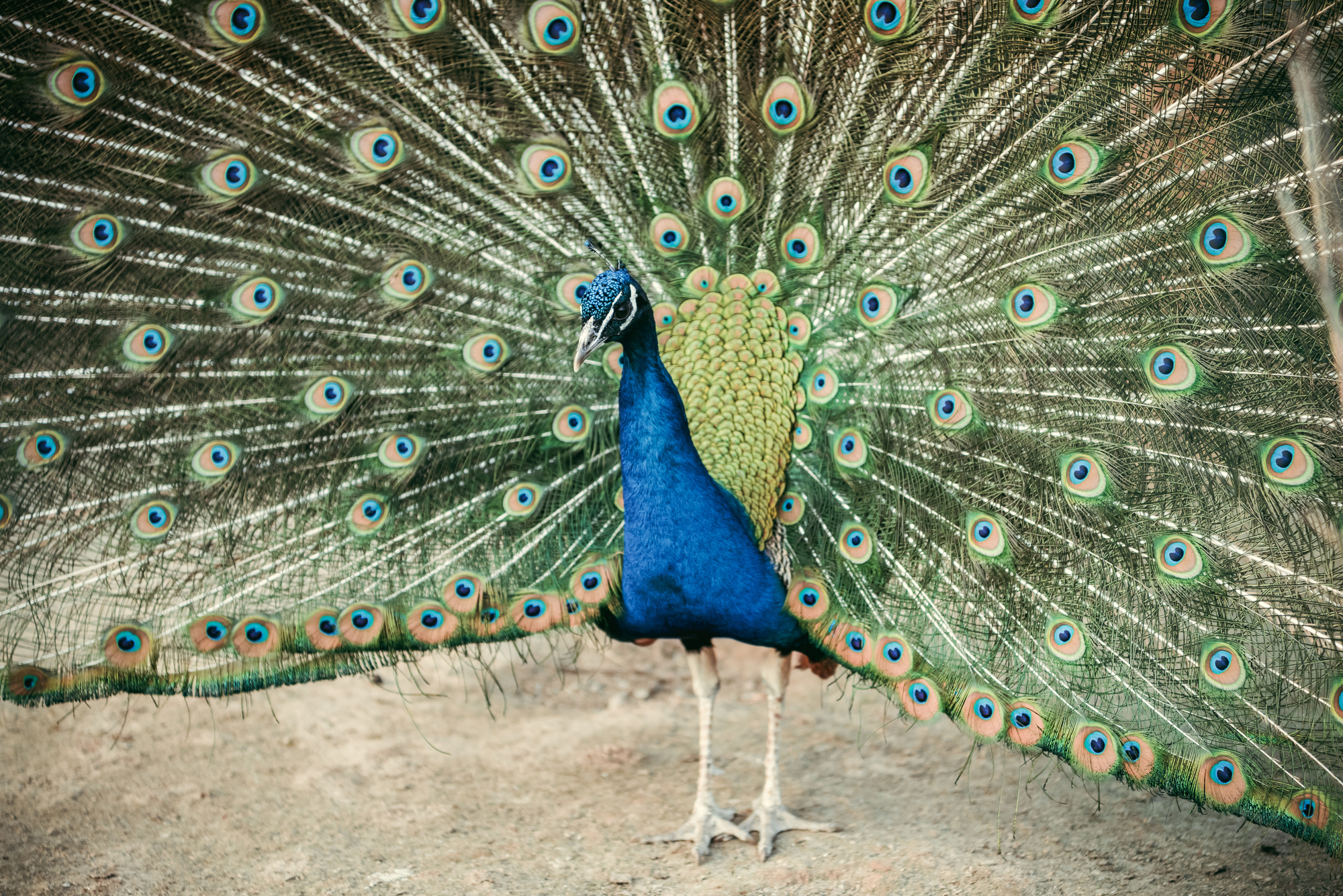
Picture a medieval banquet hall where the most impressive dish isn’t meant to be eaten — it’s meant to be seen. Peacocks were killed, carefully skinned with their feathers intact, roasted, then reassembled to look alive again, complete with fanned tail displays.
The birds were posed as if they’d simply wandered onto the table and decided to show off.
The preparation took days. First, the skin had to be removed in one piece without damaging a single feather.
Then the meat was cooked separately, often stuffed with smaller birds and exotic spices.
Finally, everything was reconstructed like an edible art installation. The result was a dish that announced wealth so loudly it could be heard from across the room.
Bird’s Nest Soup
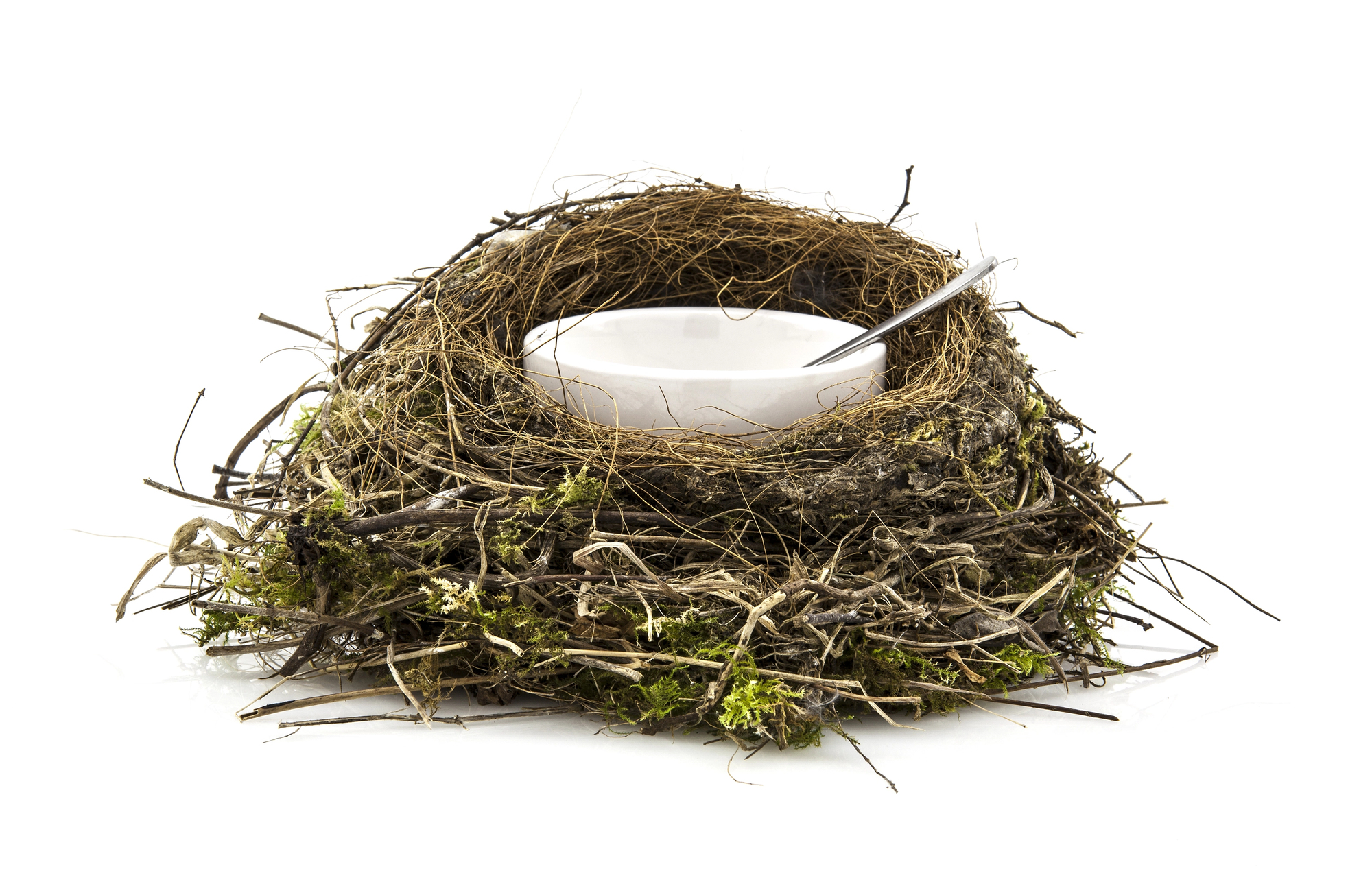
Chinese emperors believed swiftlet nests could grant immortality. They were wrong, but the soup costs like it might work.
The nests are built entirely from bird saliva, hardened into translucent cups on cave walls. Harvesting them means climbing bamboo ladders hundreds of feet up sheer rock faces.
People die doing this work. The soup itself tastes like nothing.
The point was never flavor.
Ambergris

Here’s something that sounds made up but isn’t: whales occasionally produce a waxy substance in their digestive systems that gets expelled into the ocean, where it floats for years until it washes up on beaches and becomes one of the most expensive ingredients in the world (and before you ask, yes, it’s basically whale vomit, though the technical term involves intestinal secretions and sounds much more dignified).
European royalty used ambergris in everything from perfumes to desserts, not because it tasted particularly good — most people describe the flavor as earthy and marine-like — but because obtaining it required either incredible luck or funding expeditions to remote coastlines where you might find chunks of this gray, waxy treasure just sitting in the sand.
And the strangest part is that ambergris actually does improve with age, becoming more fragrant as it oxidizes in seawater, which meant that medieval nobles were essentially collecting and consuming aged whale byproducts that had been marinating in the ocean for decades.
The perfume industry still uses it today. A single pound can sell for more than a luxury car.
Ortolan Bunting

French aristocrats ate these tiny songbirds in ritual that bordered on ceremony. The ortolan was caught alive, kept in darkness until it gorged itself blind, then drowned in cognac.
Diners covered their heads with napkins while eating — officially to trap the aroma, unofficially to hide from God.
The bird was consumed whole: bones, organs, everything. The experience was described as transcendent, though whether from the taste or the guilt remains unclear.
Each ortolan represented weeks of preparation and considerable expense, making it accessible only to those who could afford both the money and the moral compromise.
Edible Gold
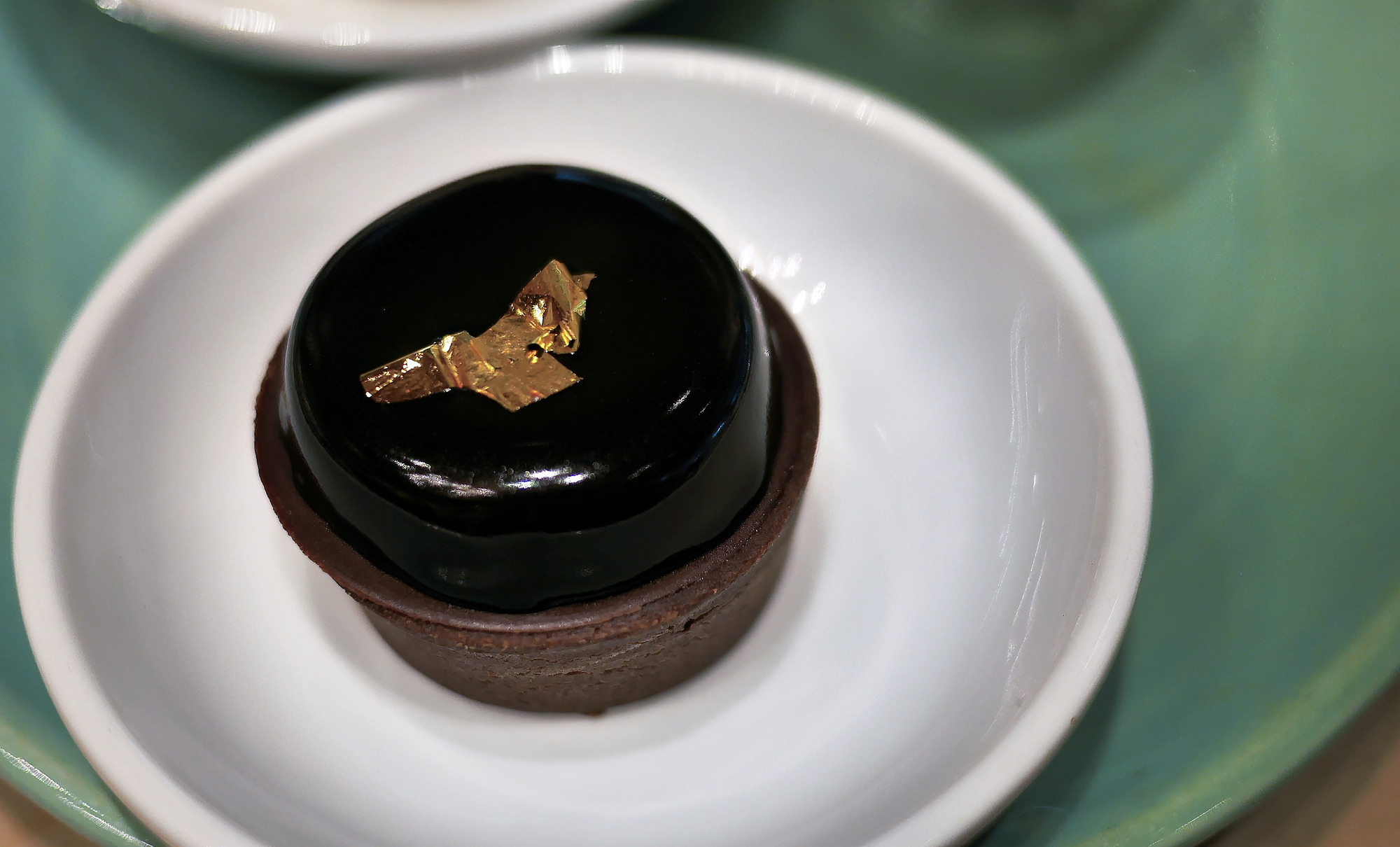
Gold leaf on food serves no purpose except display. It has no flavor, no nutritional value, and passes through the digestive system unchanged.
Medieval banquets featured entire dishes covered in thin sheets of beaten gold, creating meals that literally glittered under candlelight.
The technique required master craftsmen who could hammer gold into sheets so thin they were nearly transparent. A single mistake would tear the delicate metal, wasting material worth more than most people earned in a year.
The final result was food that cost a fortune and tasted exactly the same as it would without the gold.
Verjuice
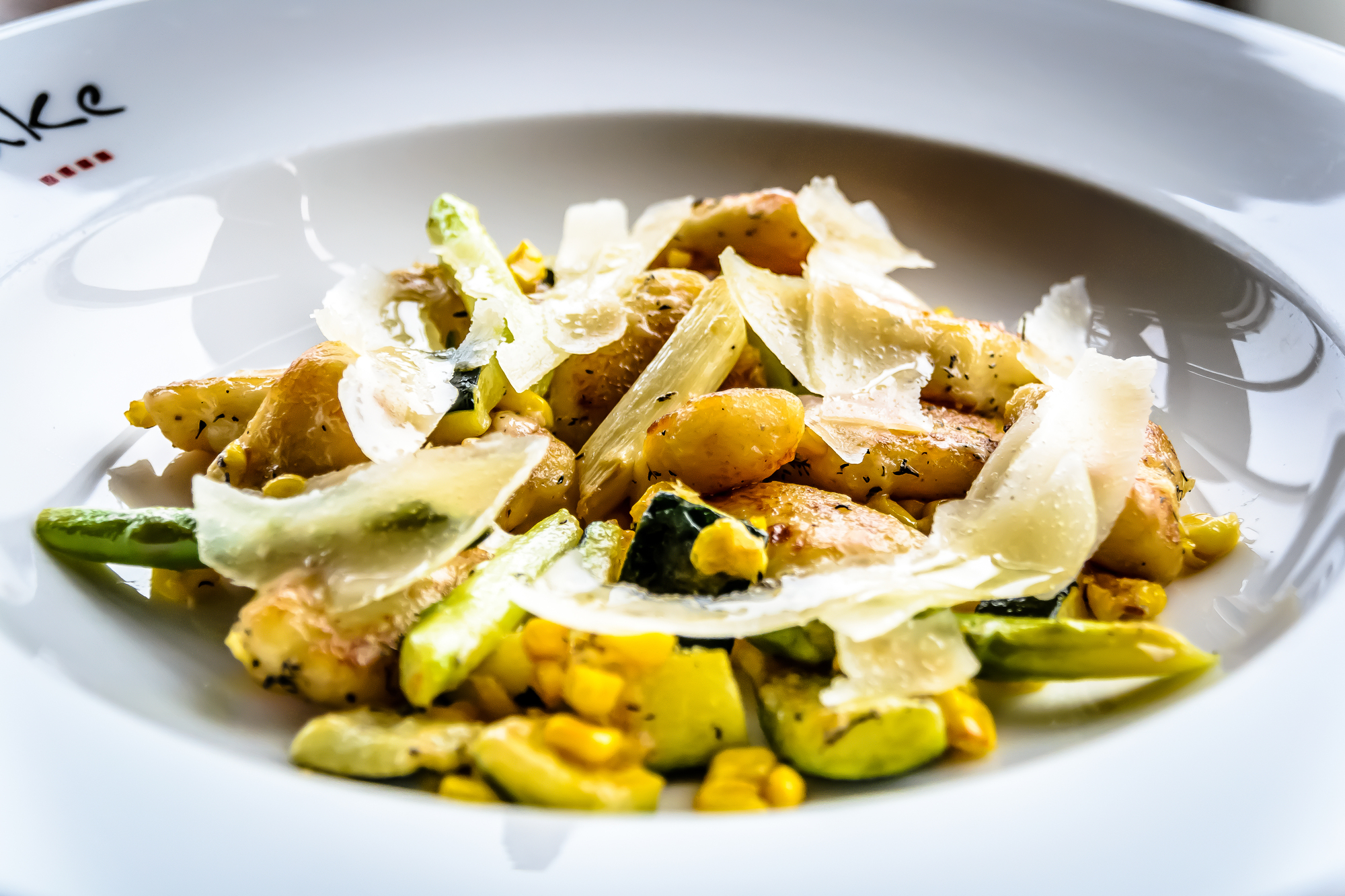
The sour juice of unripe grapes became liquid currency in medieval kitchens, not because it was difficult to make (anyone with access to a vineyard could press green grapes), but because the best verjuice required specific grape varieties harvested at precisely the right moment of under-ripeness — too early and the acidity would be harsh and one-dimensional, too late and the sugars would start developing, ruining the sharp, clean tartness that made verjuice irreplaceable in royal cuisine (and since refrigeration didn’t exist, the juice had to be used quickly or preserved with expensive salt, adding another layer of cost to what was essentially premium-grade grape vinegar).
The French court used verjuice the way modern chefs use lemon juice: to brighten flavors, cut through rich foods, and demonstrate that they understood the subtle art of balancing acidity.
But unlike lemons, which could be imported from warmer climates, the finest verjuice had to be made locally during a narrow window each harvest season.
So aristocrats would compete over who had the most skilled verjuice makers. The difference between good and exceptional verjuice was the difference between competent cooking and culinary artistry.
Lampreys
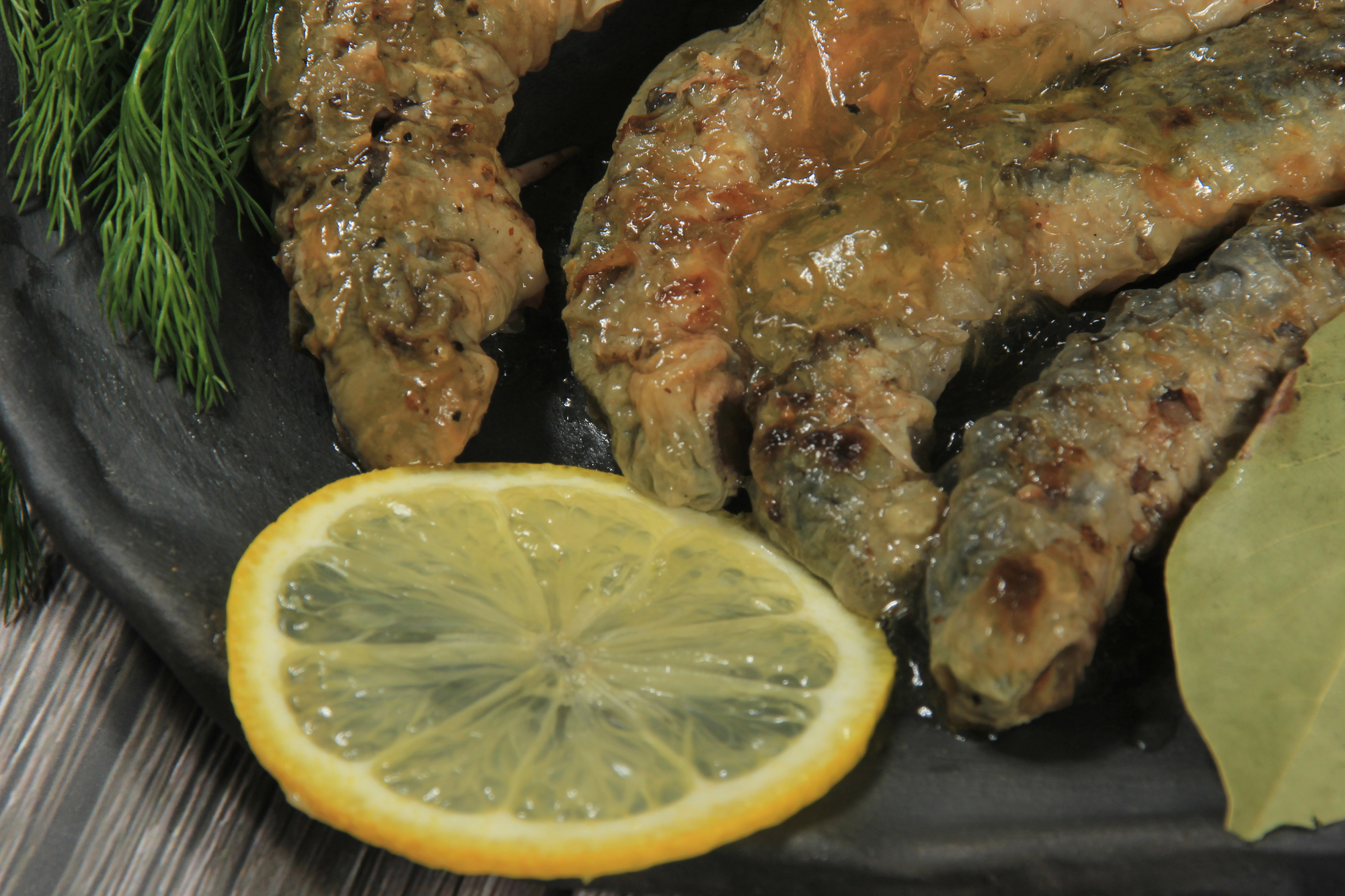
These eel-like creatures attached themselves to larger fish like underwater parasites, which made them both revolting to look at and oddly fascinating to medieval nobility who saw them as exotic prizes from distant waters.
English kings were particularly obsessed with lampreys, importing them live from specific rivers where the flavor was considered superior.
The preparation involved wounding the creature while alive, then cooking it in its own blood mixed with wine and spices.
King Henry I allegedly died from eating too many lampreys, though historians debate whether it was the quantity or the quality that killed him.
Either way, his death didn’t discourage other royals from serving them at important banquets. The dish became a symbol of sophisticated taste, despite tasting like chewy fish and iron.
Unicorn Horn
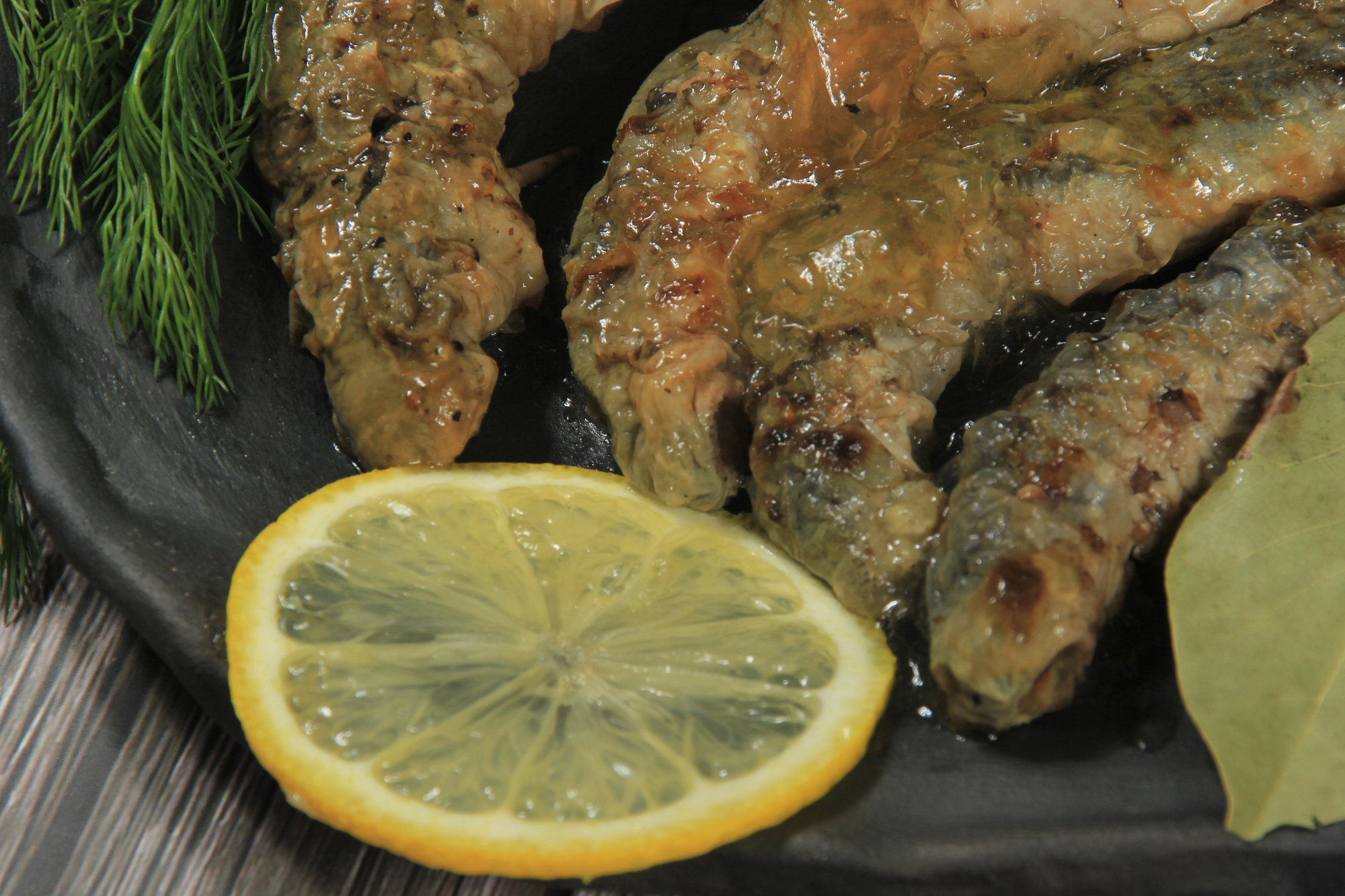
Medieval nobles paid extraordinary sums for powdered “unicorn horn,” which was actually narwhal tusk ground into fine powder.
The horn was believed to neutralize poison, cure diseases, and extend life — none of which was true, but paranoid royalty weren’t taking chances.
The powder was mixed into wine, stirred into food, or consumed directly.
Obtaining real narwhal tusk meant financing Arctic expeditions or trading with Inuit hunters who risked their lives hunting these whales in icy waters.
The final product was essentially very expensive calcium that did nothing except empty treasury coffers.
Carob
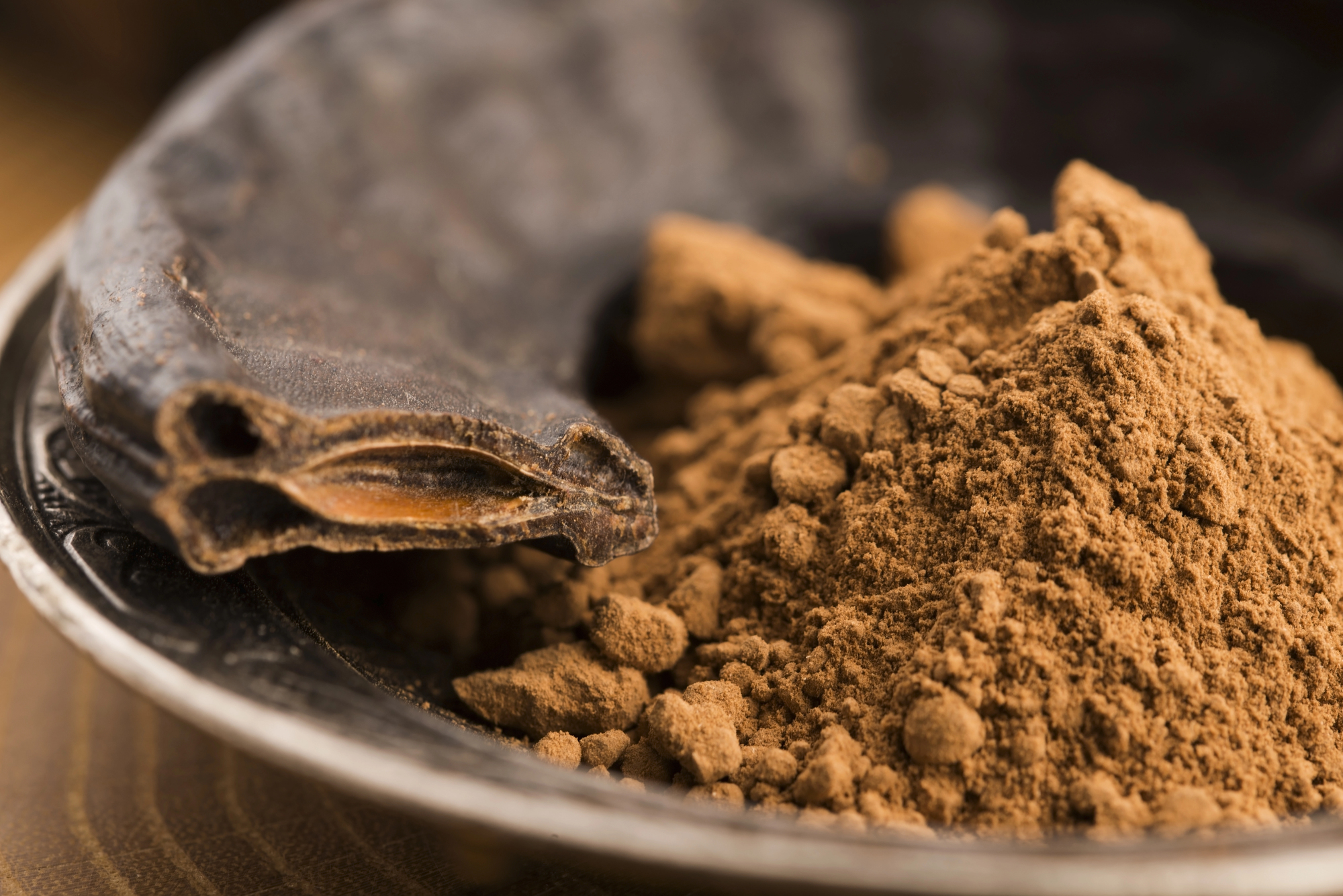
Before chocolate reached Europe, carob pods were the closest thing to sweetness that didn’t involve honey. Mediterranean nobles prized carob for its naturally sweet flavor and long shelf life, but obtaining it required trade relationships with North African merchants who controlled the carob groves.
The pods were ground into powder, formed into blocks, or eaten whole as a luxury snack.
Unlike honey, which was produced locally, carob represented international commerce and sophisticated palates.
It was often given as diplomatic gifts, wrapped in silk and presented in carved wooden boxes.
Rose Water
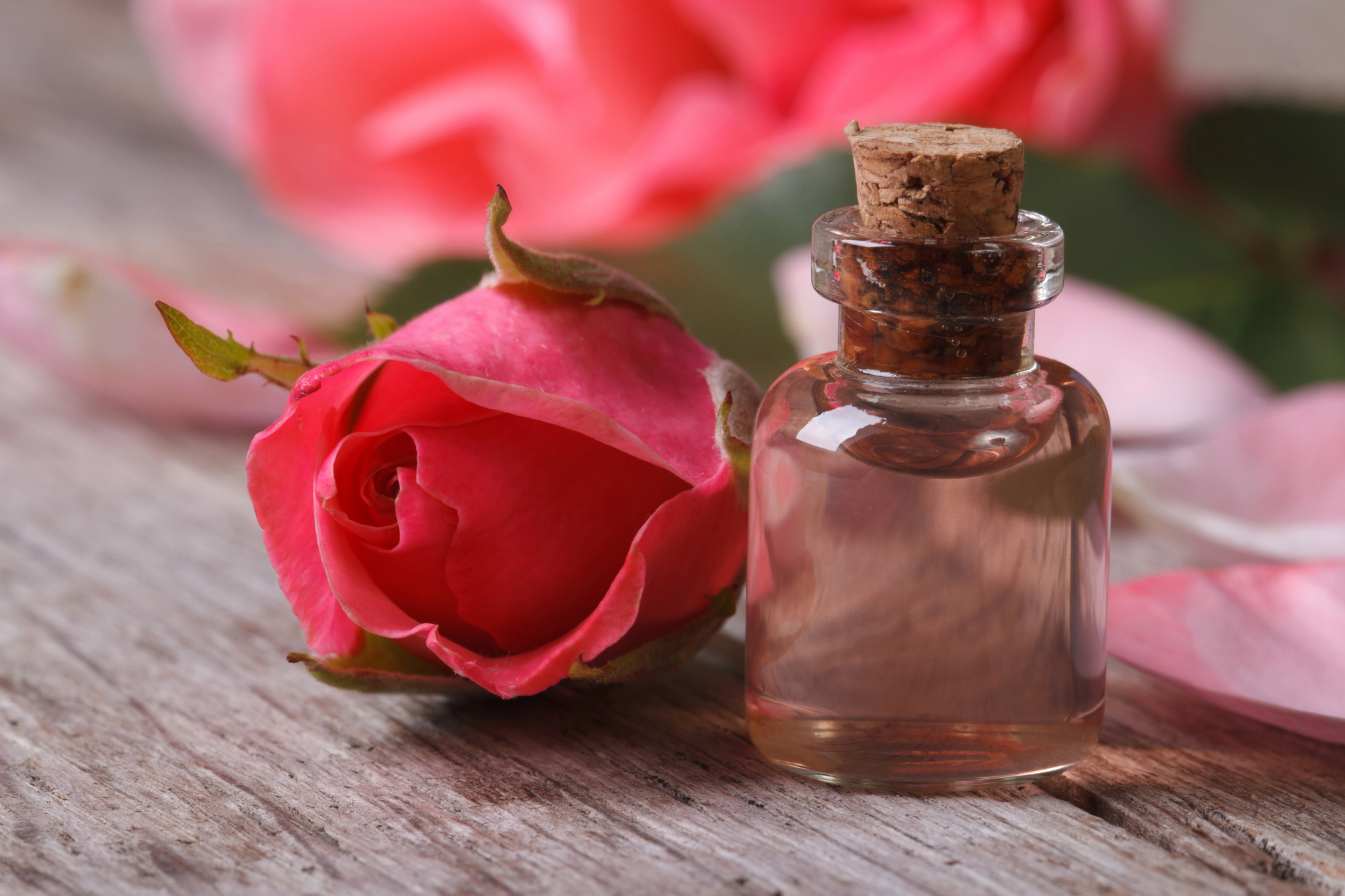
Persian courts perfected the distillation of rose water, creating a clear liquid that captured the essence of thousands of rose petals in each bottle.
The process required specific varieties of roses, harvested at dawn when the oil content was highest, then distilled through complex apparatus that few craftsmen understood.
Rose water flavored everything from desserts to meat dishes, and was used to wash hands between courses at formal banquets.
The scent alone announced wealth — a few drops could perfume an entire room.
European nobles imported it at great expense, often paying more for a bottle of rose water than a servant earned in a month.
Phoenix Eggs
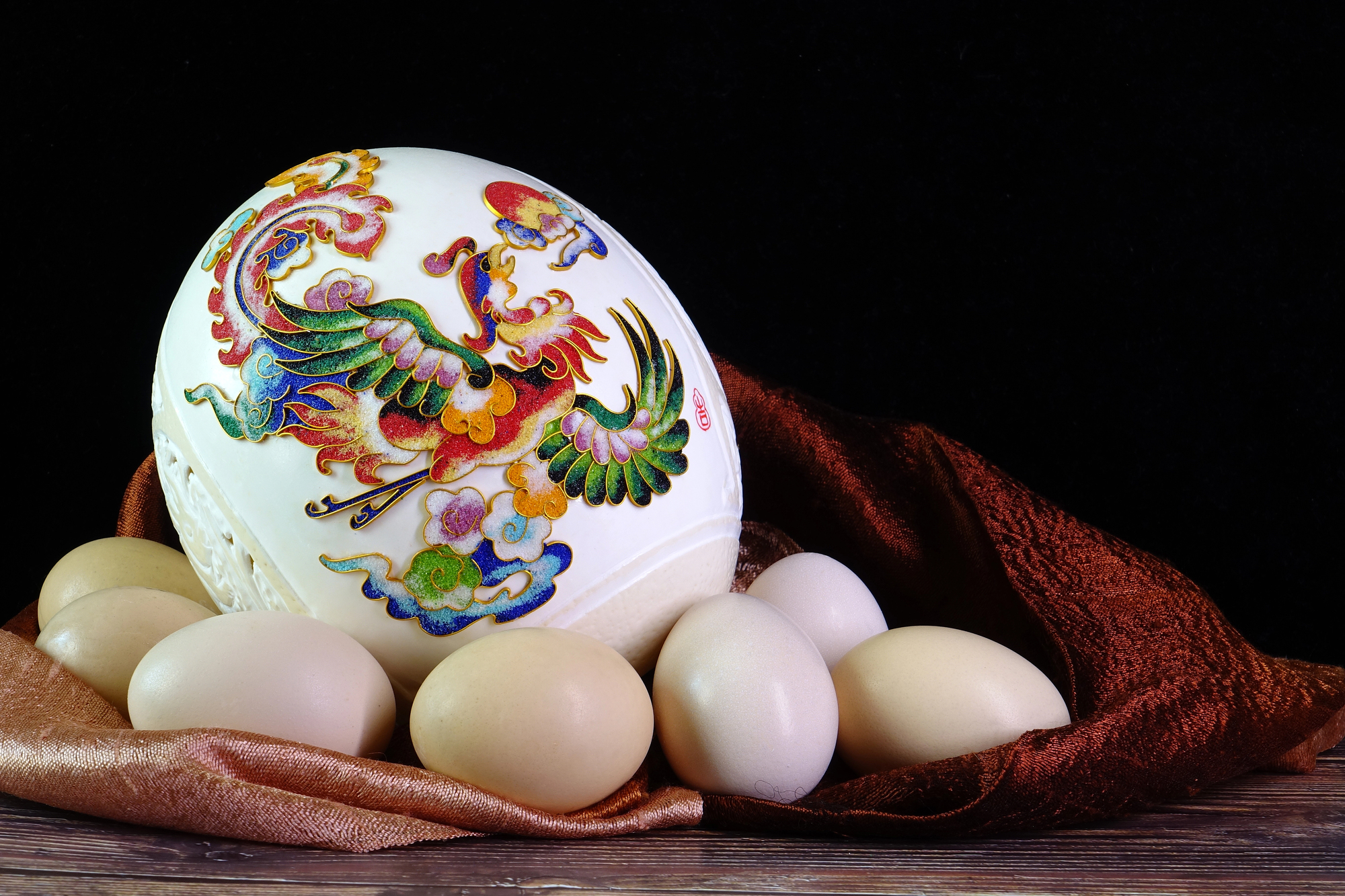
These weren’t actually phoenix eggs, because phoenixes don’t exist. They were ostrich eggs, imported from Africa and decorated with precious metals and jewels before being served at royal banquets.
A single ostrich egg could feed a dozen people, but the point was spectacle rather than sustenance.
The shells were often preserved and turned into ceremonial cups or decorative objects.
The eggs themselves were prepared like enormous omelets, seasoned with rare spices and presented on golden platters.
Crystallized Violets
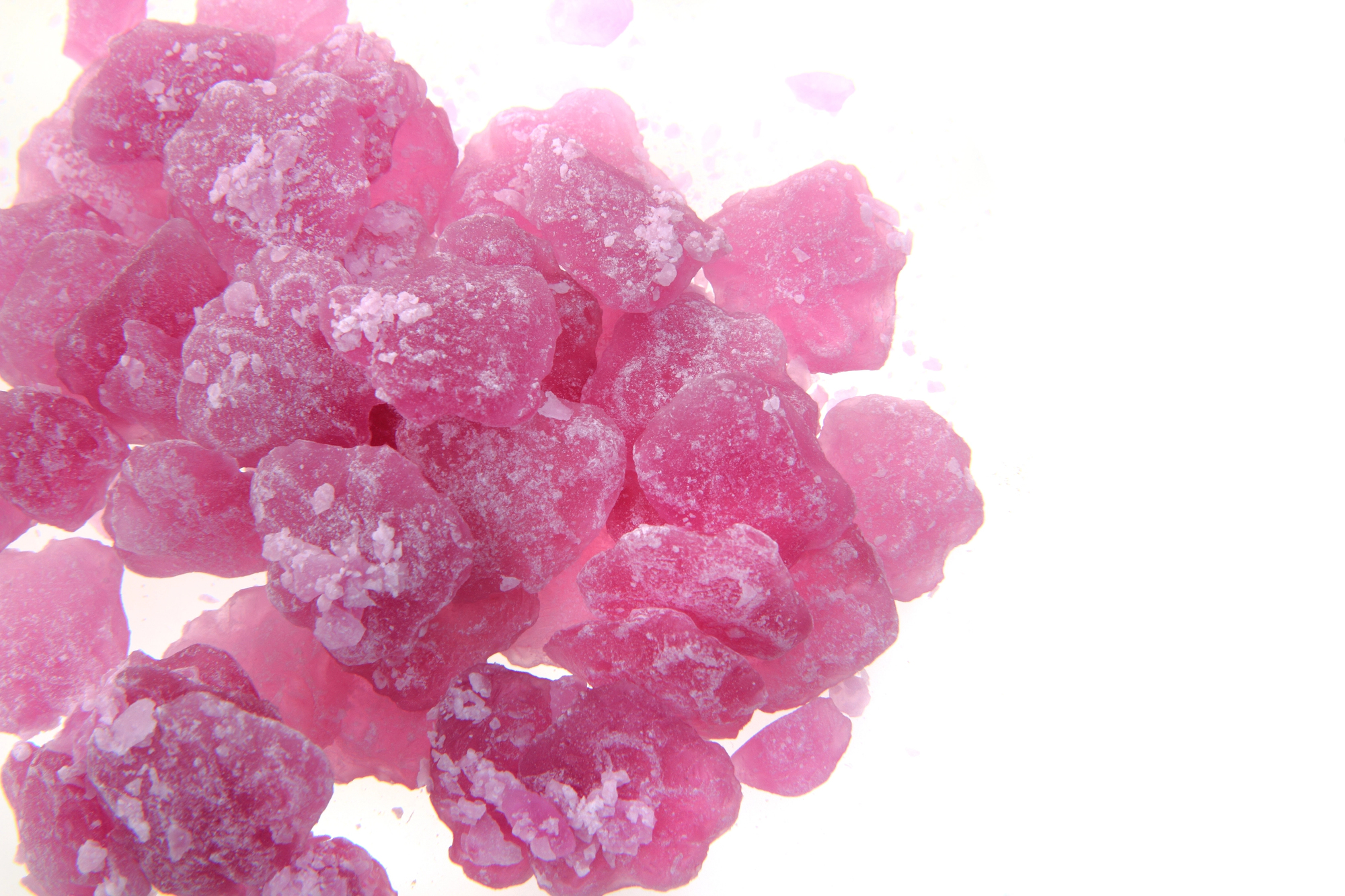
French confectioners developed techniques for preserving violet petals in sugar, creating delicate purple flowers that retained their shape and flavor indefinitely.
The process required perfect timing, expensive sugar, and considerable skill to prevent the delicate petals from dissolving.
Each crystallized violet represented hours of careful work and costly ingredients.
They were arranged on desserts like edible jewels, or eaten individually as palate cleansers.
The final product was beautiful enough to serve as decoration and rare enough to demonstrate serious wealth.
The Art Of Impossible Ingredients
These dishes weren’t really about food — they were about proving that money could buy the impossible. Whether it was whale byproducts or fake unicorn horn, the value came from scarcity and the stories attached to obtaining them.
The actual eating was almost beside the point; what mattered was having something that nobody else could afford.
Today, most of these ingredients are either available to anyone with a credit card or recognized as complete nonsense, which makes their historical importance even more fascinating to consider.
More from Go2Tutors!

- The Romanov Crown Jewels and Their Tragic Fate
- 13 Historical Mysteries That Science Still Can’t Solve
- Famous Hoaxes That Fooled the World for Years
- 15 Child Stars with Tragic Adult Lives
- 16 Famous Jewelry Pieces in History
Like Go2Tutors’s content? Follow us on MSN.