16 Common Mistakes Tourists Make in Japan
Japan welcomes millions of visitors each year, yet many arrive unprepared for the cultural nuances that define daily life there. The country operates on unspoken rules that locals follow instinctively, but tourists often stumble through without realizing they’re making mistakes.
These aren’t just minor social hiccups — some can genuinely disrupt your experience or create awkward moments that linger long after the encounter. Understanding what not to do matters as much as knowing what to see.
Ignoring Train Etiquette
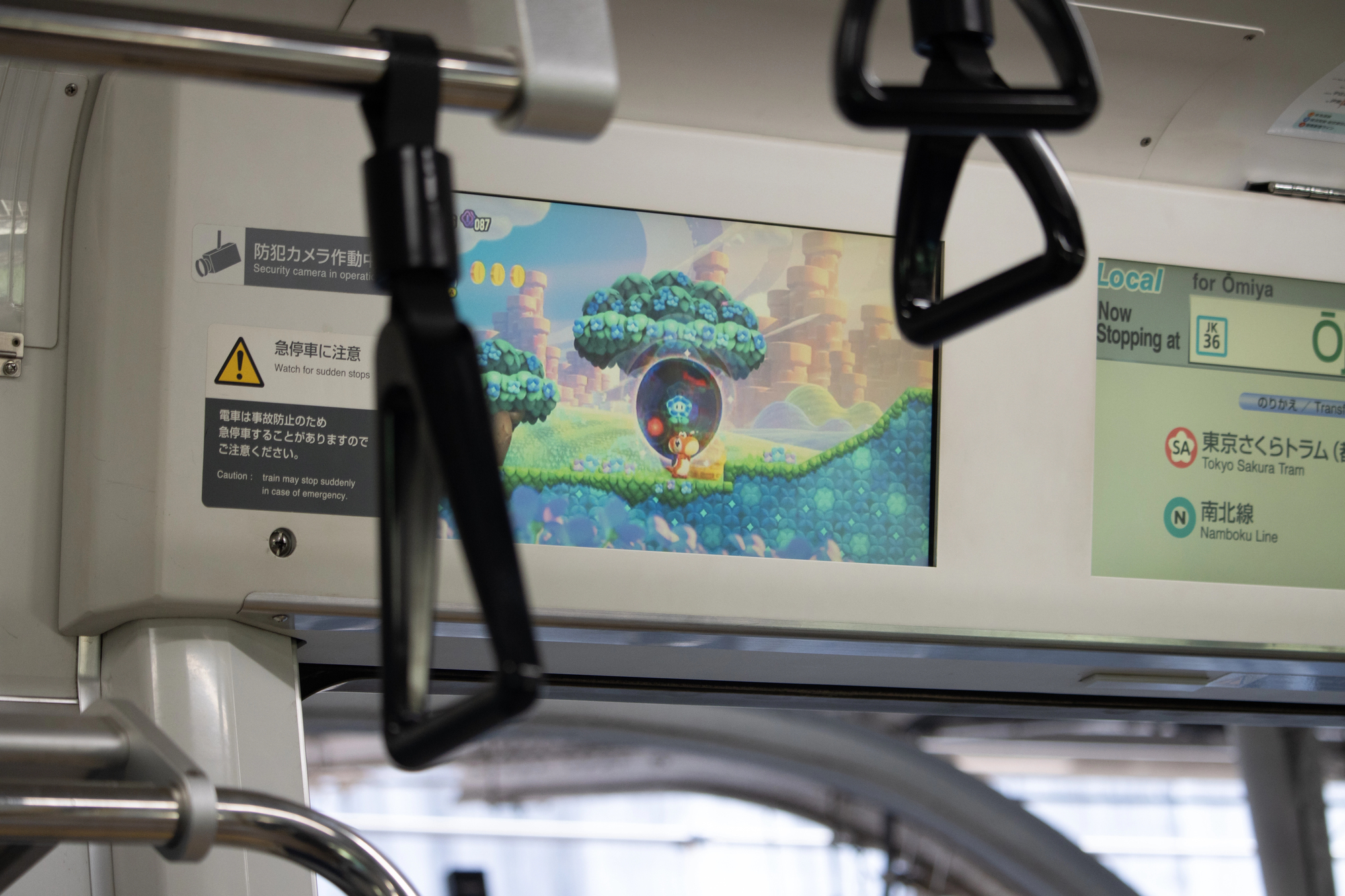
Keep your voice down. Don’t eat on local trains. Offer priority seats to elderly passengers without making a show of it.
Most tourists treat trains like tour buses. They’re not.
Wearing Shoes Indoors

The moment someone removes their shoes at an entrance, the space beyond becomes sacred territory. Walking through with outdoor shoes isn’t just rude — it tracks dirt through areas meant to remain clean.
The ritual of shoe removal extends far beyond homes: temples, traditional restaurants, ryokans, some shops, and many cultural sites require it. Stepping on tatami or clean floors while wearing street shoes creates discomfort that you may not immediately understand.
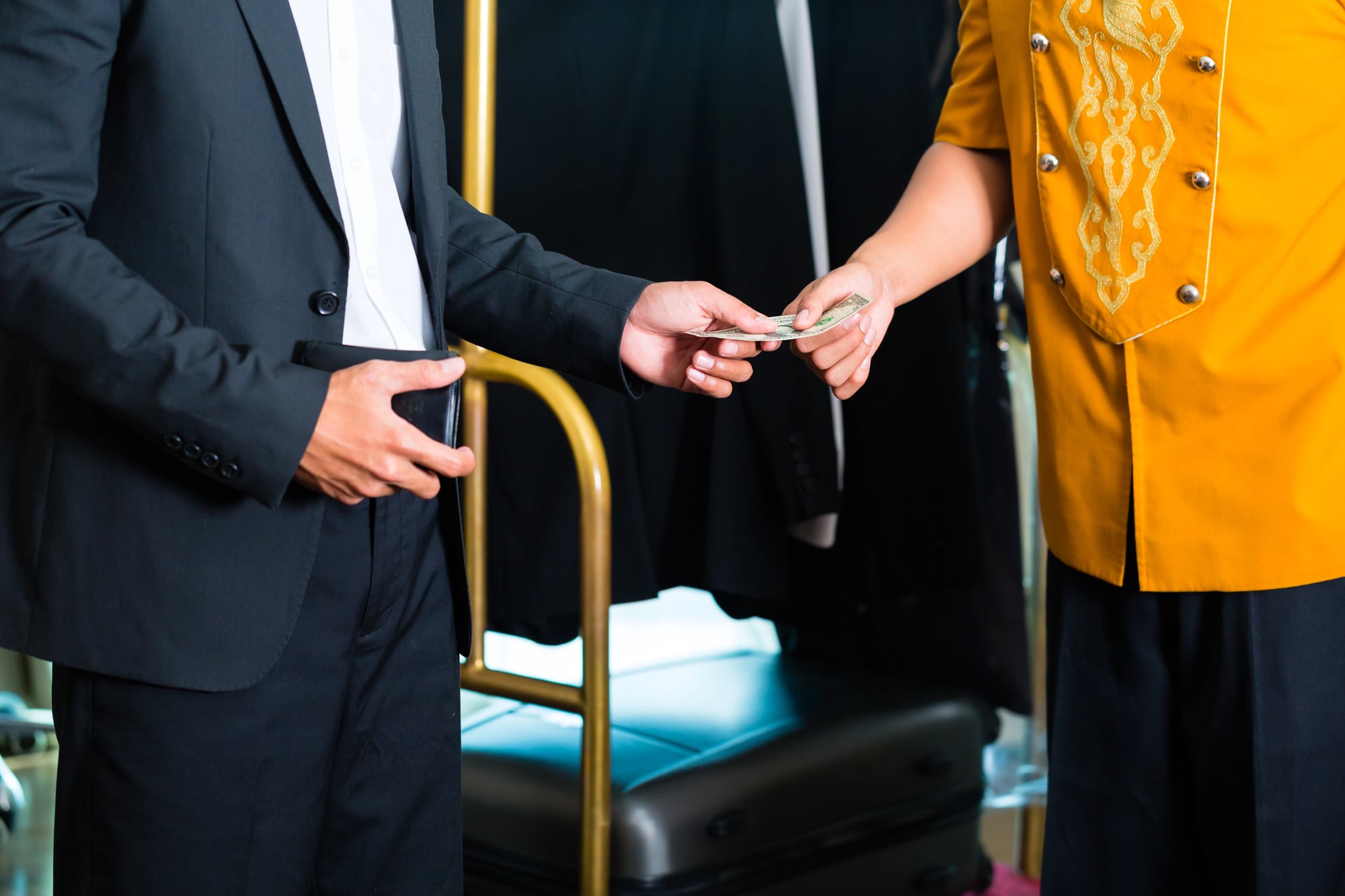
Tipping Service Workers
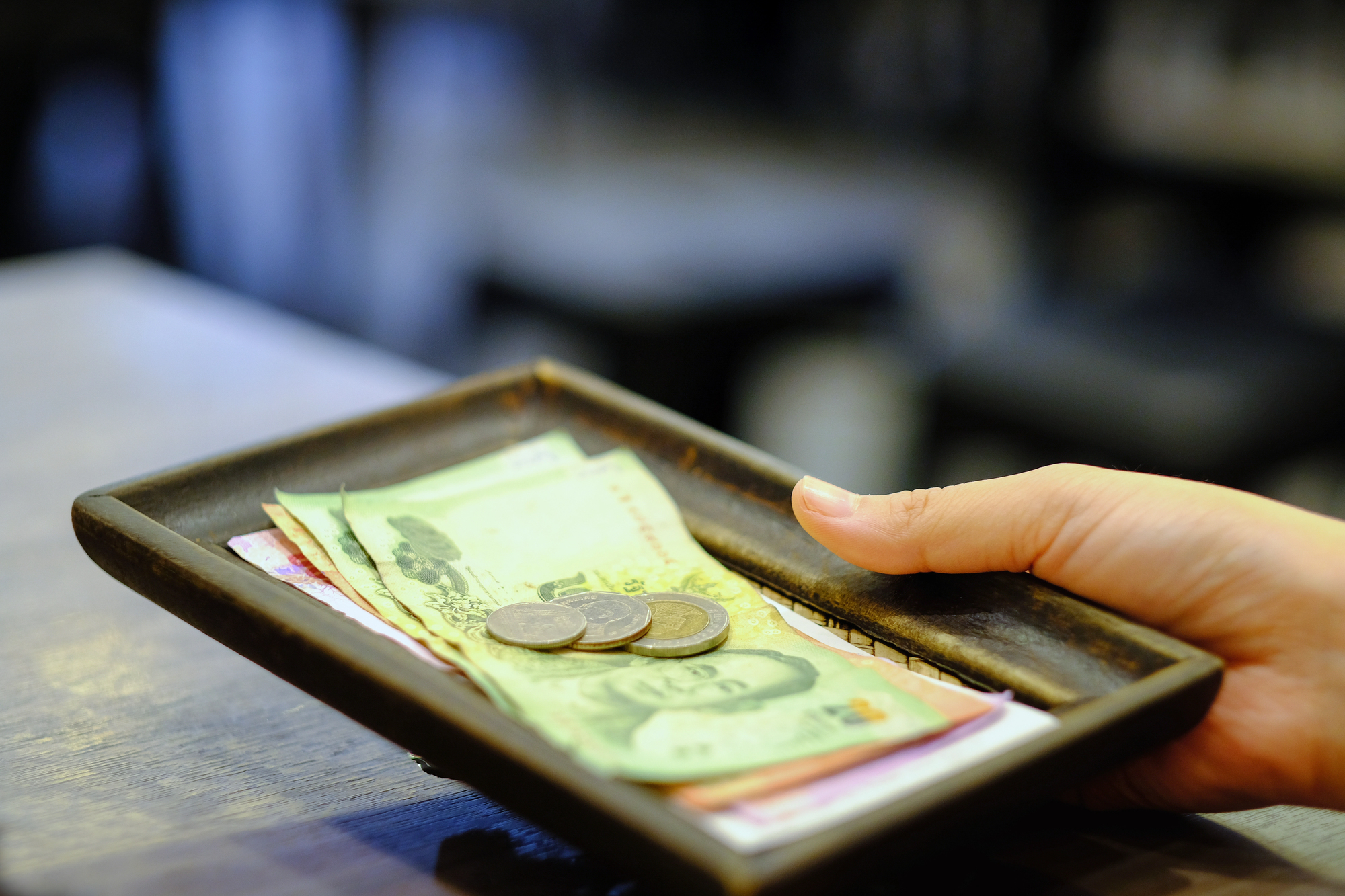
Tipping confuses everyone involved. Service workers don’t expect it, don’t want it, and often don’t know what to do when tourists insist.
The price listed is the price charged. Excellence comes standard, not as something requiring additional payment.
Talking Loudly in Public
Public spaces in Japan operate on a lower volume setting than most countries. Conversations that feel normal elsewhere cut through the ambient noise like a car alarm.
Phone conversations on trains particularly stand out because locals simply don’t do it. Silence here isn’t oppressive — it’s intentional. Tourists who treat crowded trains like their living room create discomfort for everyone.
Pointing with Fingers

Don’t point at people, objects, or food.
Use your whole hand to gesture toward something, or simply nod in the direction. Fingers feel aggressive in ways that don’t translate well across cultures.
Eating While Walking

Food stays where you bought it until you finish it. Street vendors position themselves so customers consume purchases on the spot rather than wandering off mid-meal.
Exceptions exist at festivals or certain tourist districts, but even there, locals tend to stop walking while eating. Eating while moving can also create litter problems and distract you from savoring food prepared with care.
Blowing Your Nose in Public
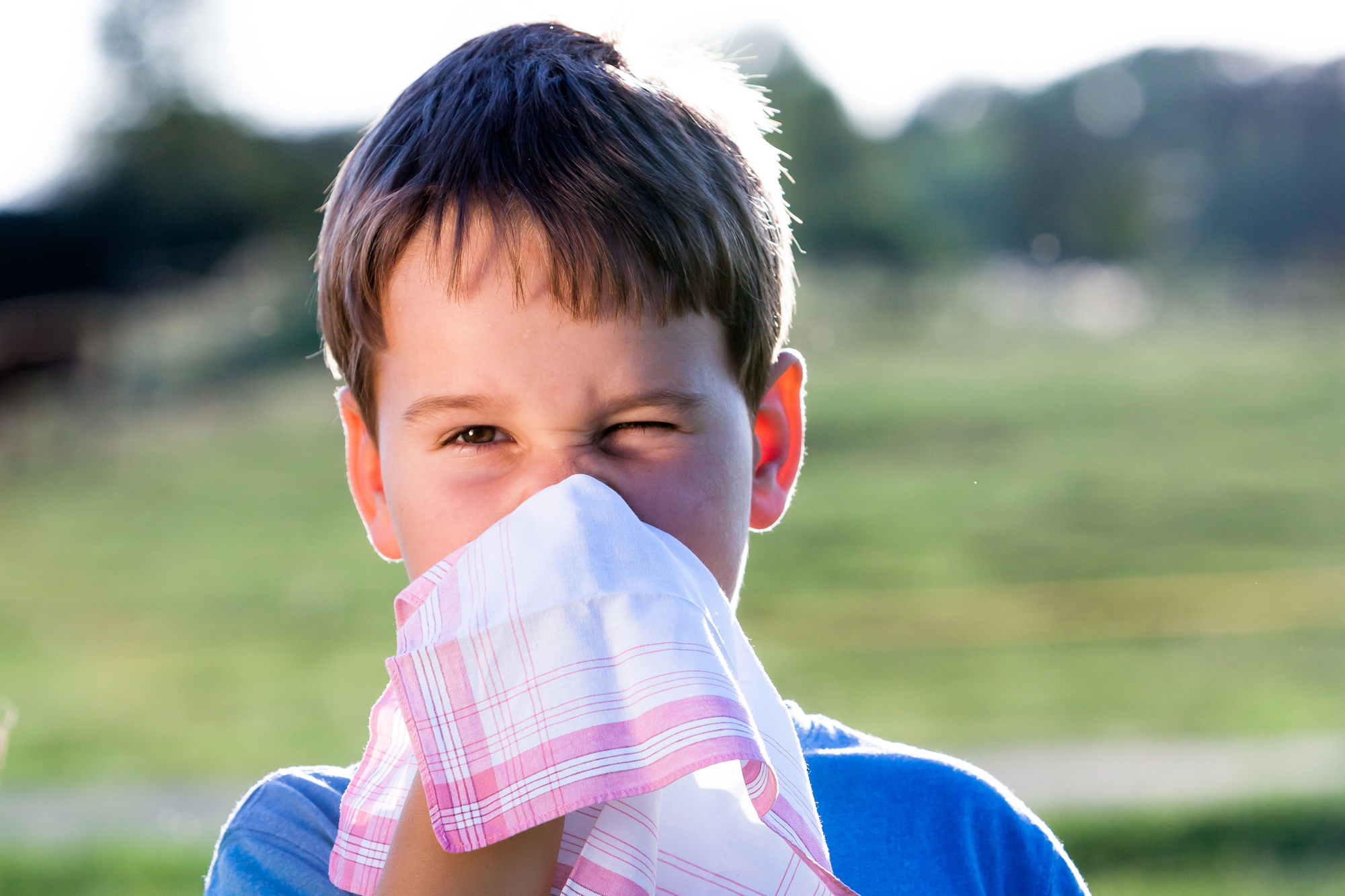
Public nose-blowing is jarring in Japan. Sniffling continuously is preferable to the loud honking sound of clearing nasal passages in front of others.
Tourists often spend entire days feeling congested because the obvious solution creates more discomfort than the original problem. Bathroom breaks become strategic missions for colds or allergies.
Using Chopsticks Incorrectly
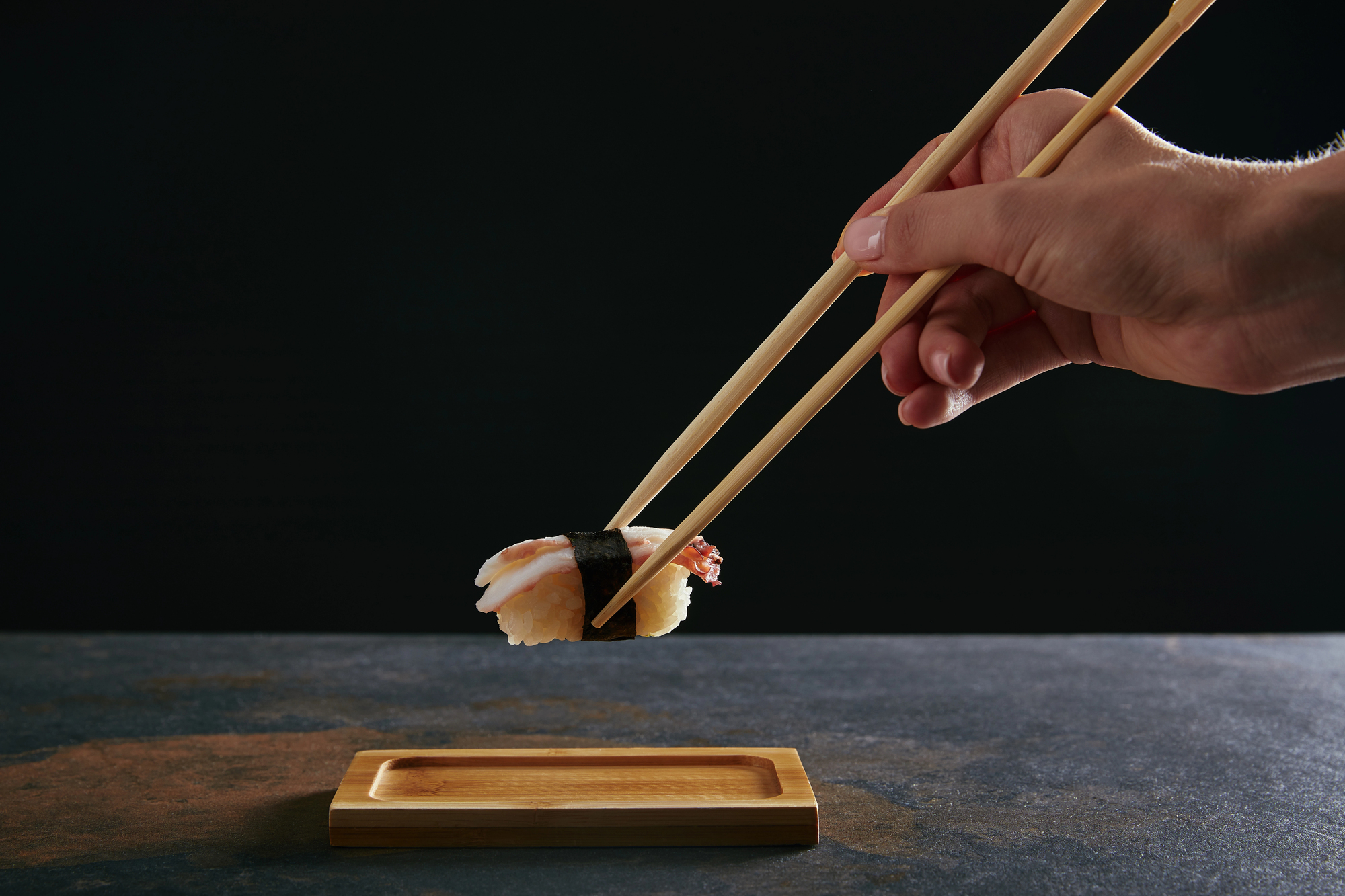
Stabbing food with chopsticks looks rude. Passing food directly from your chopsticks to someone else’s mimics funeral rituals.
Don’t leave chopsticks standing upright in rice bowls. Don’t point or wave them around. Learn the basic grip or ask for a fork without embarrassment.
Standing on the Wrong Side of Escalators

Escalator positioning follows strict regional rules: Tokyo keeps left, Osaka keeps right.
Standing on the wrong side blocks walkers and disrupts the flow of hundreds of people. Unlike other cultural mistakes, this one has immediate practical consequences.
Ignoring Bathing Protocols

Wash before entering communal baths. Sit on the provided stool. Rinse thoroughly.
The bath is for soaking, not cleaning. Cover tattoos if possible or research tattoo-friendly establishments. Proper preparation keeps the experience pleasant for everyone.
Bowing Incorrectly or Excessively

Bowing communicates subtle messages through depth, duration, and frequency. Getting it wrong creates awkward exchanges.
Excessive bowing makes interactions feel performative. The safest approach is observation: a slight bow in response to a slight bow works perfectly fine.
Taking Photos Without Permission

Pointing cameras at people without asking is intrusive. Photographing strangers on trains, in restaurants, or walking through neighborhoods is disrespectful.
Geisha district photography is especially problematic. Sacred spaces, temples, and shrines may prohibit photography entirely for preservation and spiritual reasons.
Entering Temples Improperly
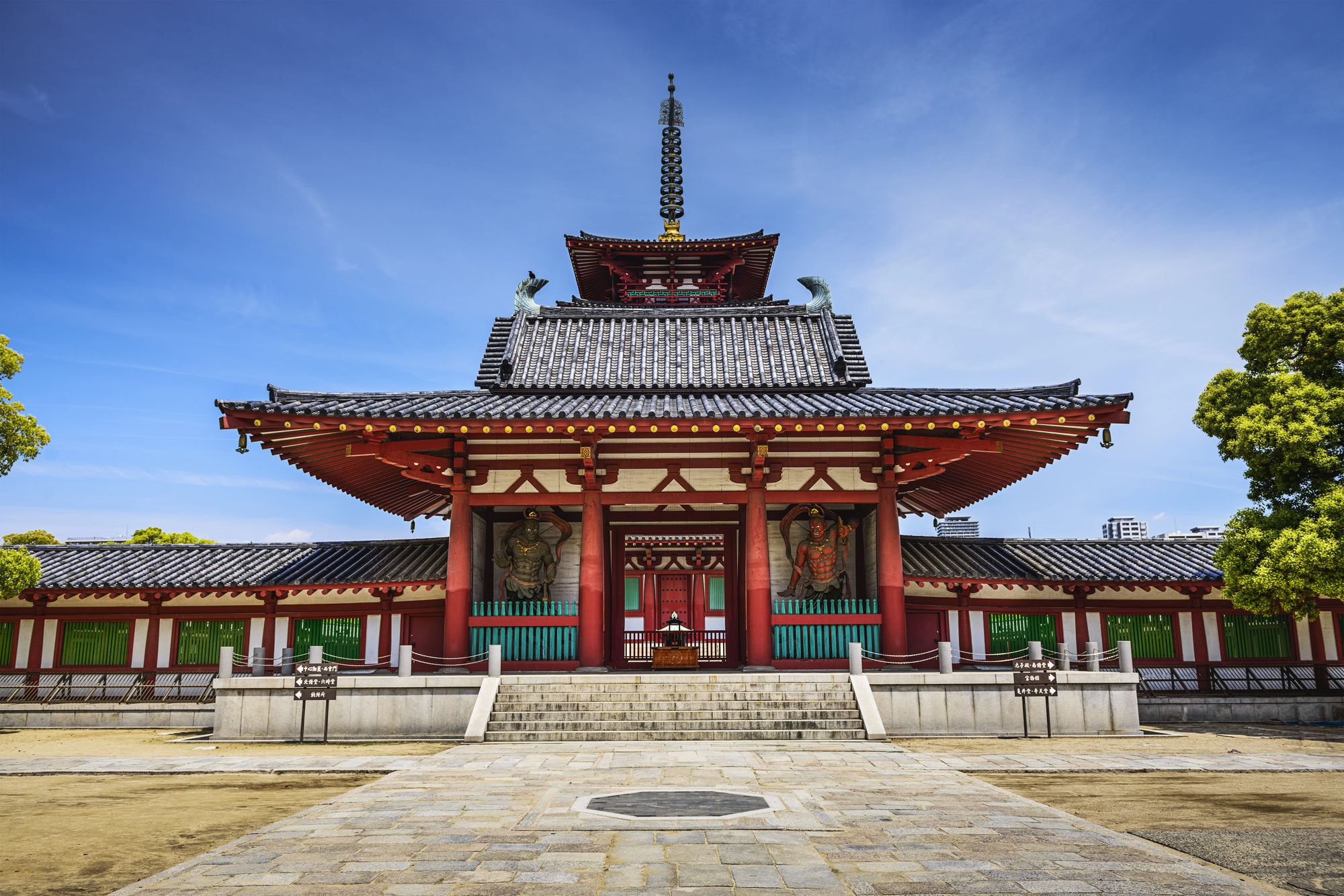
Purification rituals at temple entrances aren’t optional. Hand-washing and mouth-rinsing serve specific spiritual purposes.
Walking past these stations to take photos misses the point. Observe respectfully, avoid flash photography, and don’t treat active worship areas like museum exhibits.
Refusing Receipts or Business Cards

Business cards convey respect through careful handling. Shoving them into pockets signals disregard.
Receipts are offered automatically. Accepting them gracefully keeps interactions smooth, even if you discard them later.
Speaking Too Directly

Japanese conversation favors indirectness to cushion uncomfortable topics.
Direct criticism, immediate disagreement, or yes-no demands create social collisions. Softening your approach and using phrases like “Excuse me, but…” helps maintain harmony.
Misunderstanding Gift-Giving

Gift exchanges extend beyond monetary value. Tourists who approach omiyage casually miss opportunities to strengthen connections.
Presentation, timing, and accompanying words matter as much as the gift. Gracious acceptance followed by reciprocal gestures maintains social balance and respect.
Learning from Mistakes

Cultural missteps happen to everyone traveling beyond familiar territory. Japan’s complex social landscape ensures even well-intentioned visitors stumble occasionally.
The difference between tourists who thrive and those who struggle comes down to recognizing mistakes quickly and adjusting behavior. Locals appreciate genuine efforts to understand customs, even if execution isn’t perfect.
More from Go2Tutors!

- The Romanov Crown Jewels and Their Tragic Fate
- 13 Historical Mysteries That Science Still Can’t Solve
- Famous Hoaxes That Fooled the World for Years
- 15 Child Stars with Tragic Adult Lives
- 16 Famous Jewelry Pieces in History
Like Go2Tutors’s content? Follow us on MSN.