Classic Department Stores That Faded From Memory
For generations, department stores were more than just places to shop. They were destinations where families gathered, kids met Santa, and entire communities celebrated the holidays together.
These grand retail palaces offered everything from clothing to furniture, often with restaurants and entertainment spaces that made a shopping trip feel like an occasion. But changing consumer habits, corporate mergers, and the rise of discount retailers gradually eroded their dominance.
Many of these once-beloved stores have disappeared entirely, absorbed by larger chains or shuttered for good. Here is a list of 16 classic department stores that have faded from memory.
Gimbels

Adam Gimbel opened his first store in Indiana back in 1842, and the family eventually expanded to Milwaukee, Philadelphia, and New York City. The Manhattan flagship near Herald Square became famous for its rivalry with Macy’s, immortalized in the classic film ‘Miracle on 34th Street’.
Gimbels even started Philadelphia’s Thanksgiving Day parade in 1920, beating Macy’s version by four years. The store had 27 acres of sales space and doors that led directly into the Herald Square subway station, making it incredibly convenient but also a prime target for shoplifters.
Despite its storied history and massive scale, financial troubles caught up with the chain, and all locations closed in 1987.
Marshall Field’s
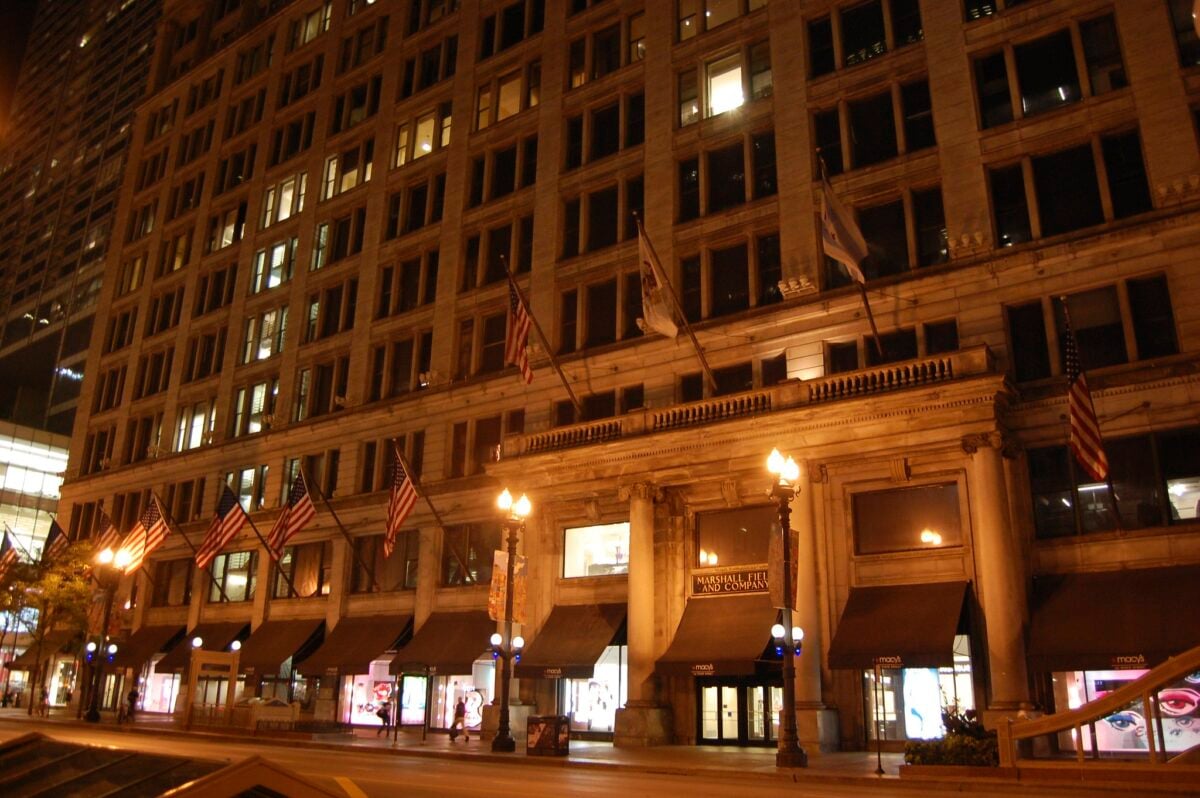
Walking into Marshall Field’s flagship store in downtown Chicago felt like entering a cathedral dedicated to retail. The State Street location sprawled across 73 acres of floor space, featuring polished marble floors, wood and glass counters, and a vaulted ceiling decorated with Tiffany glass.
The Walnut Room restaurant was the first eatery inside a department store and eventually housed the world’s largest indoor Christmas tree. Wealthy customers could browse high-end merchandise in private at The 28 Shop, a couture salon with 28 fitting rooms.
The store’s book, china, shoe, and toy departments eclipsed anything competitors could offer. Macy’s absorbed the chain in 2006, ending more than a century of Chicago retail history.
Like Go2Tutors’s content? Follow us on MSN.
Hudson’s
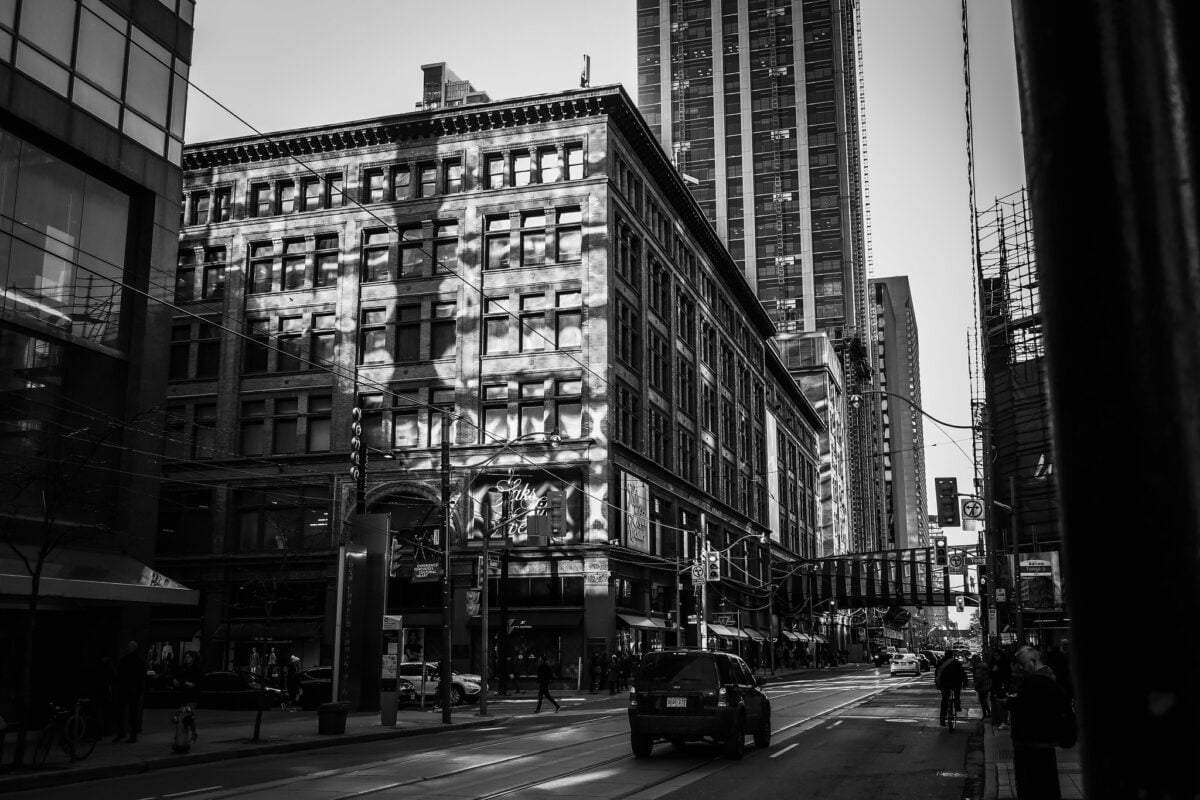
Detroit’s prosperity was reflected in Hudson’s, which started in 1881 and grew into a symbol of the city itself. The flagship store on Woodward Avenue stood 29 stories tall, making it the world’s tallest department store throughout most of the 20th century.
Inside were 706 fitting rooms, 68 elevators, 51 display windows, five restaurants, a fine art gallery, and even a wine department. The Dayton Company acquired Hudson’s, but the chain struggled to adapt as Detroit faced economic challenges.
All locations closed in 2001, and the flagship was eventually converted to Marshall Field’s before becoming Macy’s in 2006.
Lord & Taylor
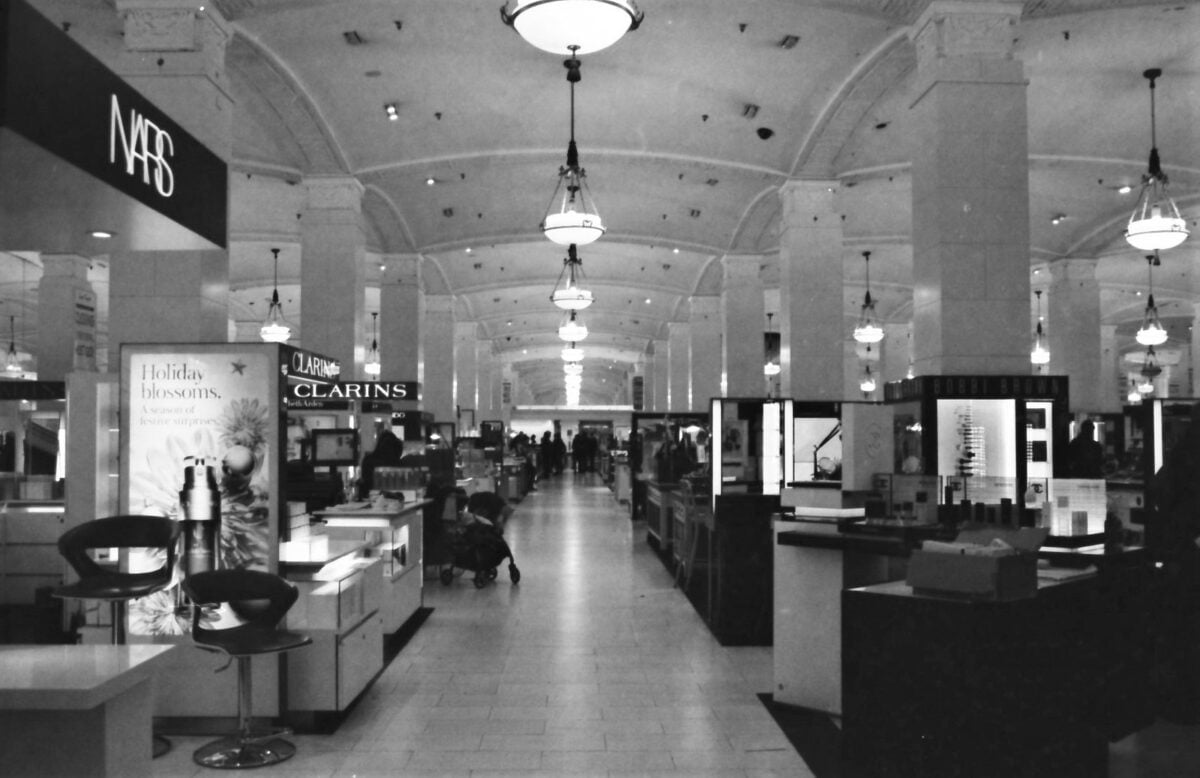
Founded in New York in 1826, Lord & Taylor held the distinction of being America’s oldest department store still in operation until very recently. The Fifth Avenue flagship, which opened in 1914, became known for its elaborate display windows and the famed Bird Cage tea room.
In 1945, the company made history by appointing Dorothy Shaver as president, making her one of the few women to lead a major retailer at that time. Shaver pioneered the ‘store within a store’ concept for petite women and other specialized shoppers.
Despite its long history and innovations, changing consumer preferences and increased competition led to declining sales. The chain filed for bankruptcy during the pandemic and closed all physical locations in 2021.
Montgomery Ward
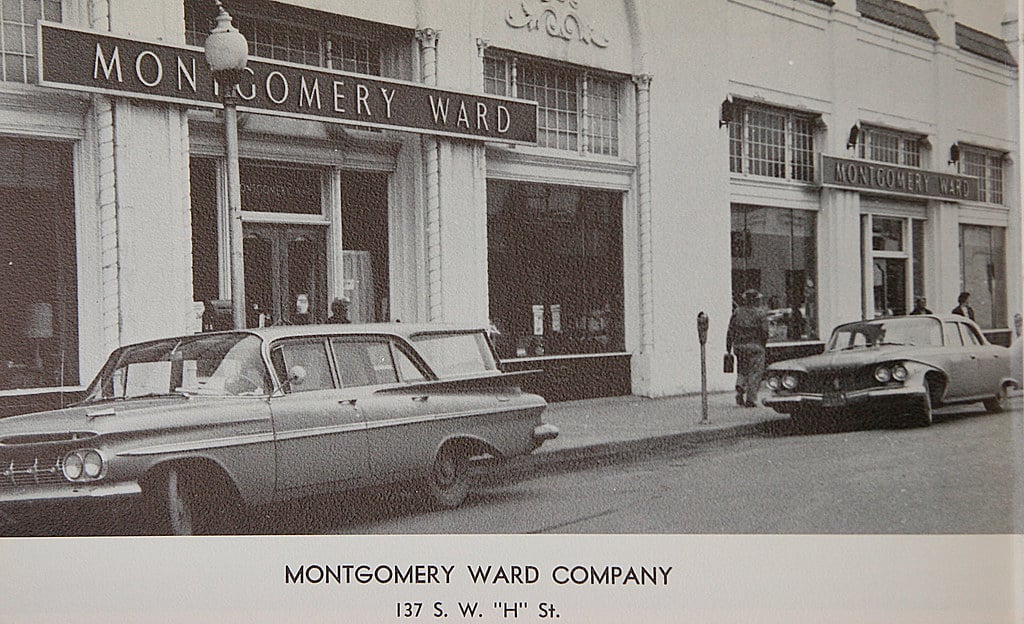
Aaron Montgomery Ward started his Chicago-based mail-order catalog business in 1872, rivaling Sears for decades. The company expanded into brick-and-mortar retail in the late 1920s and quickly grew to more than 500 stores by the early 1930s.
For a while, Montgomery Ward was a household name across America, offering everything from clothing to appliances through both catalogs and storefronts. The company struggled to maintain its position as retail trends shifted, though, and consumer preferences moved toward newer discount formats.
The last Montgomery Ward stores closed in 2001, ending a 129-year run.
Like Go2Tutors’s content? Follow us on MSN.
Ames
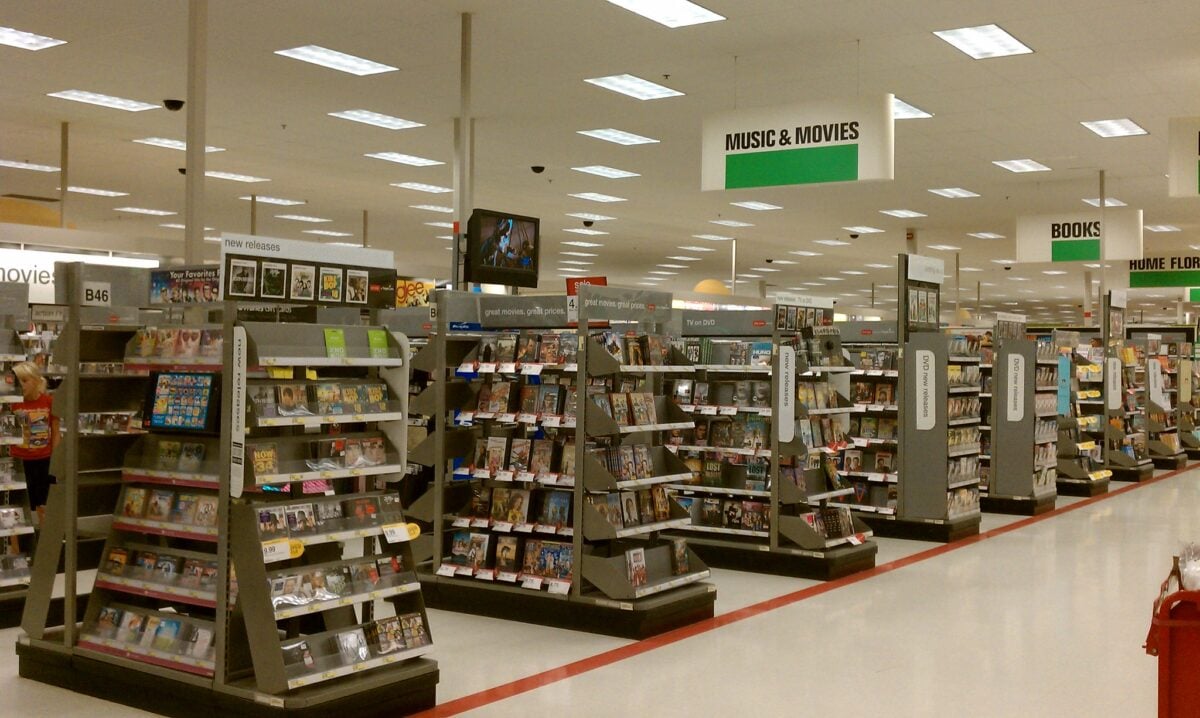
Based in Rocky Hill, Connecticut, Ames started in 1958 as a discount store chain and eventually operated 700 stores across 20 states, making it the fourth-largest discount retailer in the country. The company’s aggressive expansion strategy throughout the 1970s and 1980s ultimately backfired when it acquired chains like Big N, King’s Department Stores, G.C. Murphy, and Zayre.
Ames found itself spending more than it was taking in, and the company filed for Chapter 11 bankruptcy in April 1990. The company closed around 370 stores during reorganization but filed for bankruptcy again in 2002, leading to the final closure of all remaining locations.
Wanamaker’s
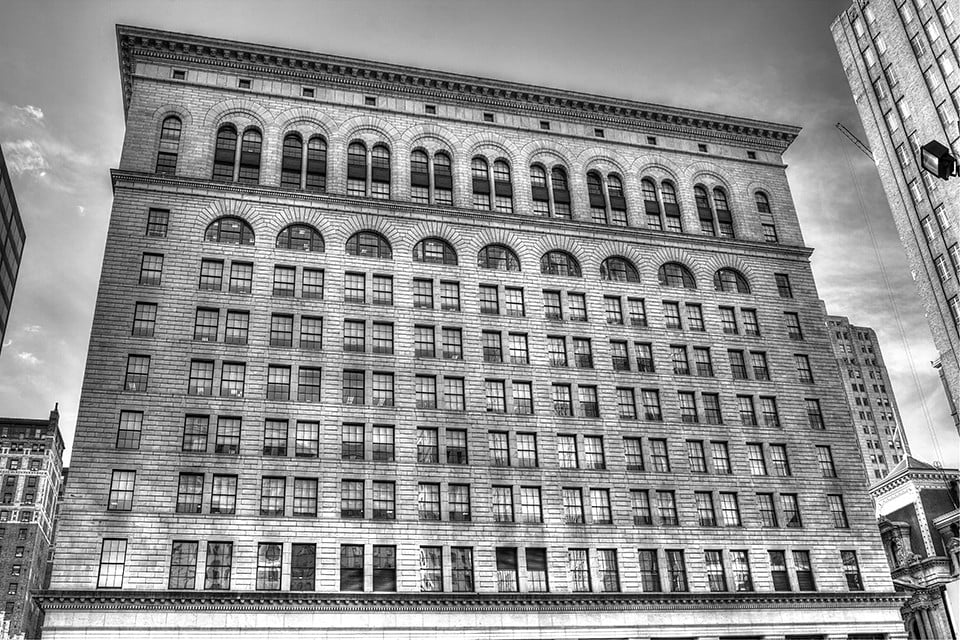
President William Howard Taft gave an address during the dedication of Wanamaker’s palatial Philadelphia store in 1911, underscoring just how important this retailer was to the city. The grand Wanamaker Organ, originally made for the St. Louis World’s Fair, sat in the marble Grand Court and still operates today.
A large bronze eagle became a popular meeting place inside the cavernous store. Kids could ride a real monorail through the atrium and toy department starting in the 1940s, and the 1950s brought a holiday light show using hanging lights, music, and narration.
Hecht’s absorbed the chain in 1995, and Macy’s took over in 2006, converting the flagship to office space and a Macy’s location.
Jordan Marsh
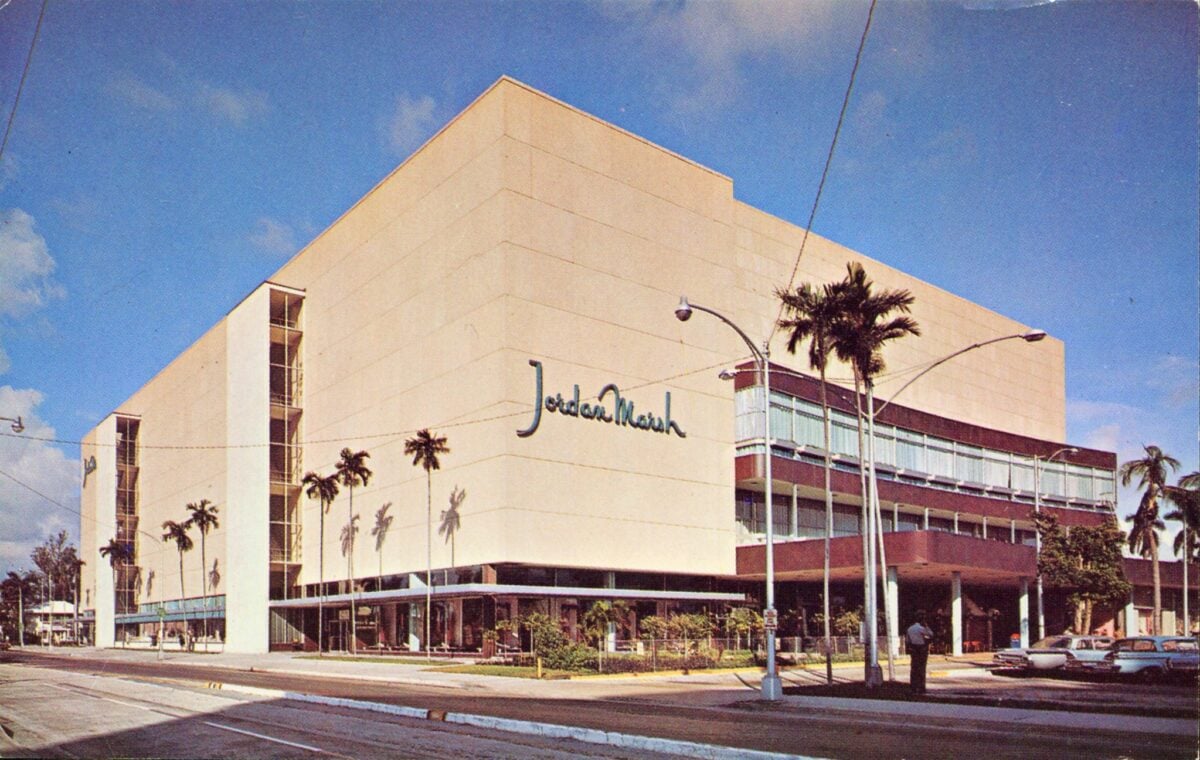
This Boston institution, founded in 1841, sprawled across several downtown buildings and became a destination for generations of New England families. The store’s most memorable attraction was The Enchanted Village, an elaborate display of animatronics celebrating Christmas in a Victorian setting.
Jordan Marsh was also famous for its blueberry muffins served in the top-floor restaurant, a recipe so beloved that copycat versions still circulate online. The Enchanted Village was eventually auctioned off by the city of Boston, though a local furniture store later resurrected it.
Macy’s absorbed Jordan Marsh in 1996, and the flagship became another Macy’s location.
Like Go2Tutors’s content? Follow us on MSN.
Bullock’s
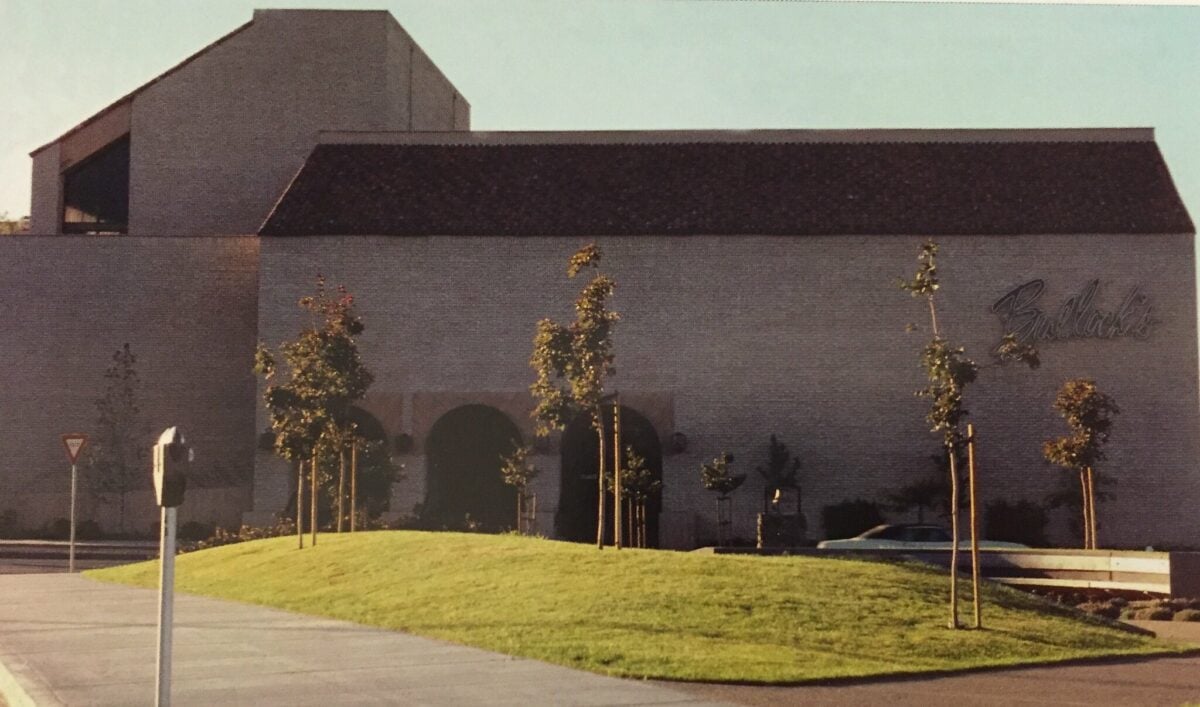
John Bullock opened his first store in downtown Los Angeles in 1907, and the chain grew to serve California, Arizona, and Nevada. In 1929, Bullock’s launched Bullocks Wilshire, a far more upscale Art Deco masterpiece that catered to Hollywood celebrities like Mae West and Clark Gable.
The elegant top-floor tea room at Bullocks Wilshire was a destination in itself, offering private dining spaces and a famous coconut cream pie. Federated Department Stores acquired the chain in 1964, but a series of takeovers in the 1980s gradually dismantled the brand.
The flagship Bullocks Wilshire building was damaged during the 1992 Los Angeles riots and closed shortly after, with the location eventually becoming a law school.
Bonwit Teller
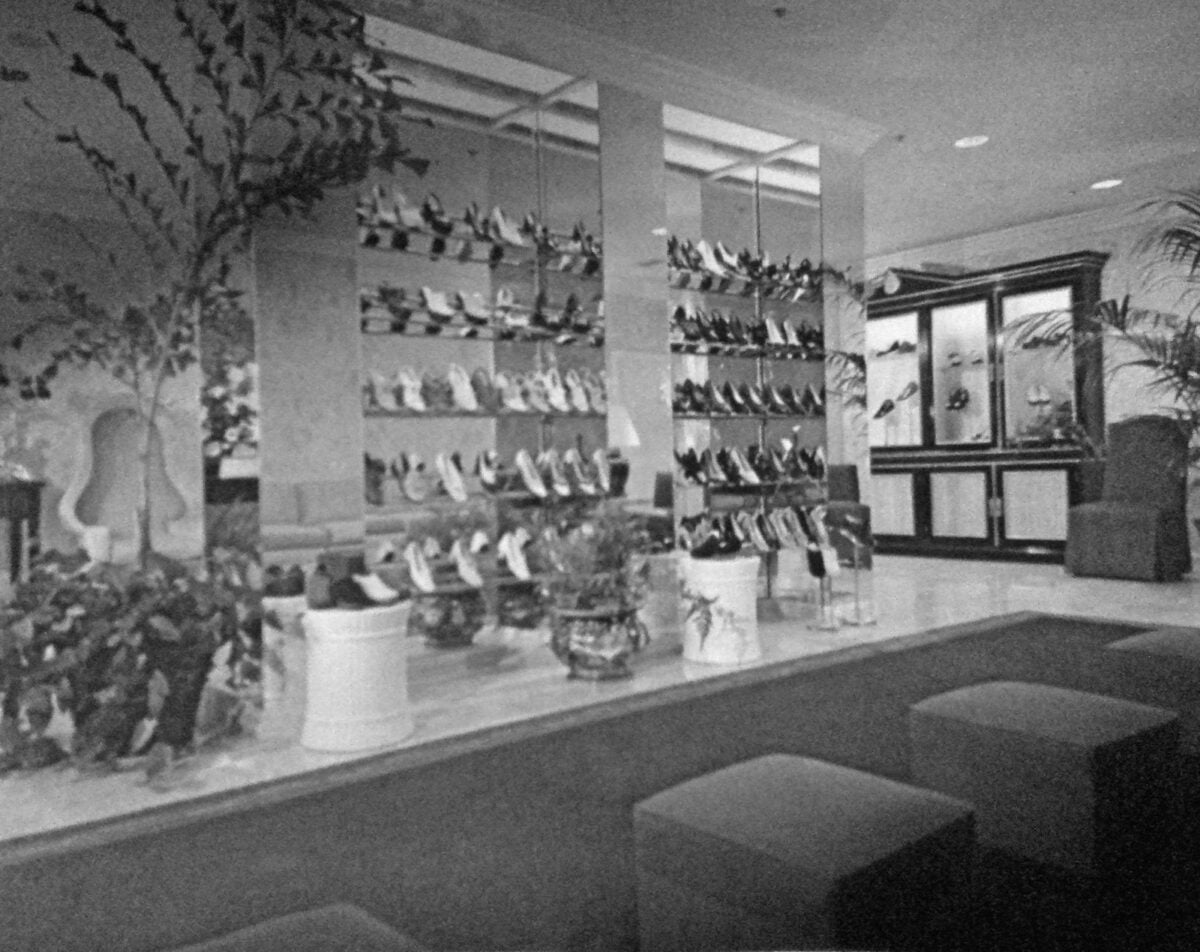
For much of the 20th century, Bonwit Teller sat proudly among the upscale stores lining Fifth Avenue in New York City. Paul Bonwit founded the luxury retailer in 1895, partnering with Edmund Teller in 1897, and the store became known for catering to wealthy customers who received special treatment.
At its peak, the luxury retailer had locations throughout the United States, and First Lady Eleanor Roosevelt even attended the opening of one location. The company changed hands several times during the 1980s and filed for Chapter 11 bankruptcy in 1989.
Bonwit Teller was forced to sell its flagship store to Donald Trump in 1979, and the last remaining location closed in 2000.
Abraham & Straus
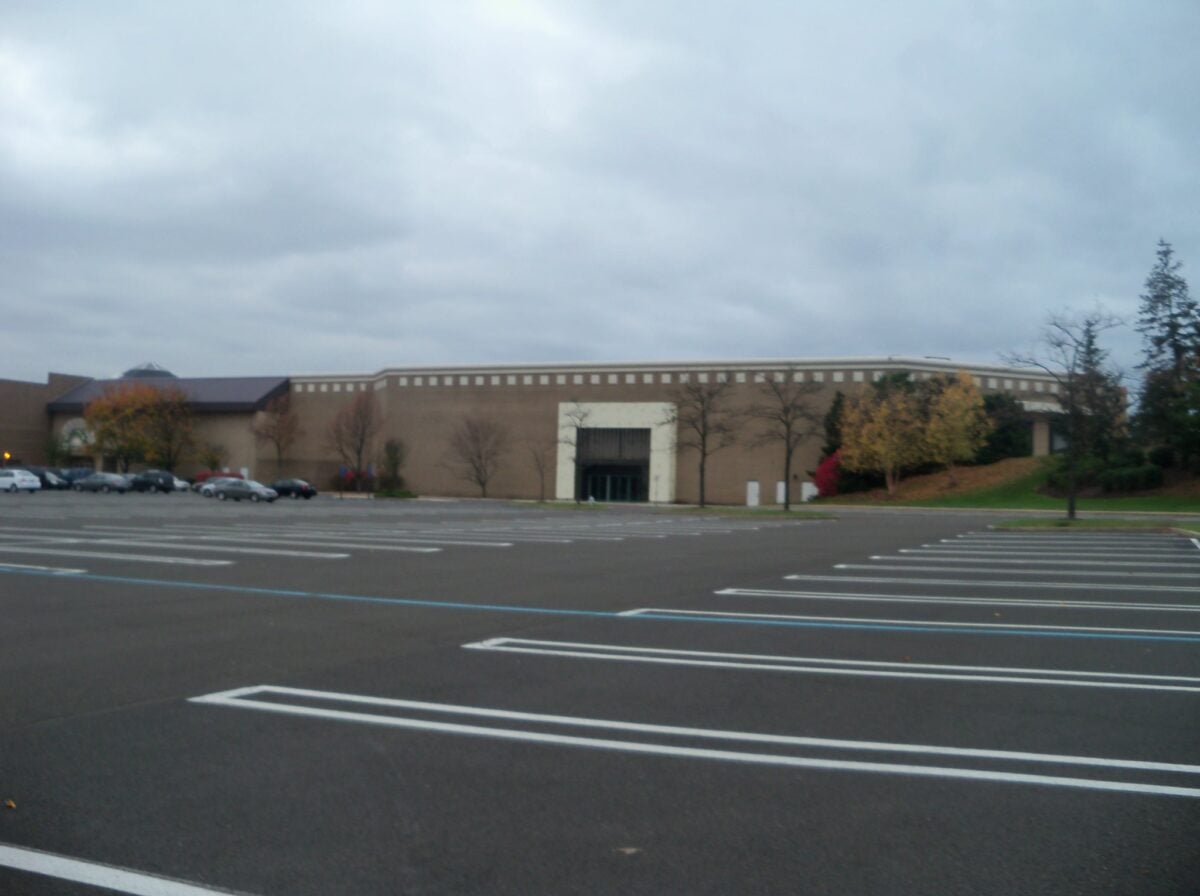
In its heyday, Abraham & Straus was one of the biggest retailers in New York, particularly dominant in Brooklyn. When competition from similar stores threatened the brand in the 1900s, the company bought out almost an entire block in downtown Brooklyn for a new building and convinced city officials to create a subway station on Hoyt Street with a direct entrance into the store.
Things started going downhill after one of the founders, Isidor Straus, died on the Titanic in 1912. The company soldiered on for decades, but changing retail landscapes and increased competition eventually took their toll.
Federated Department Stores gradually absorbed Abraham & Straus, with most locations converting to Macy’s.
Like Go2Tutors’s content? Follow us on MSN.
Filene’s

William Filene founded this Boston-based department store in the late 1800s, and it grew to almost 50 locations throughout New England and New York at its peak. When Federated Department Stores was created in 1929, Filene’s was one of the founding members of the holding company.
The chain was sold to The May Department Stores Company in 1988, and by 2006, most stores had been absorbed by Macy’s. The last Filene’s shuttered in 2011, ending more than a century of New England retail history.
The building that once housed the flagship Filene’s in Boston is now listed in the National Register of Historic Places and rented out for office and retail space.
Mervyn’s
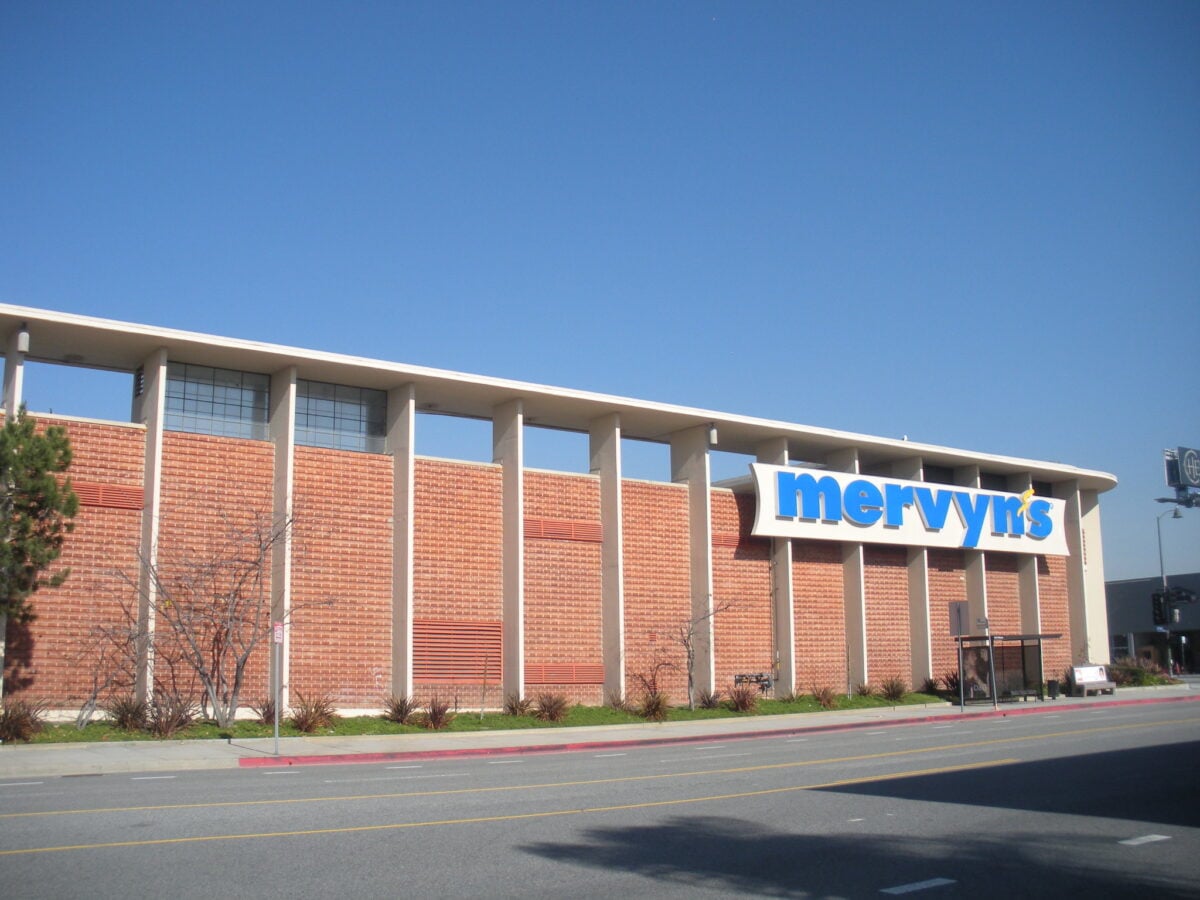
Founded in 1946, Mervyn’s department stores were a hit with customers for quite some time, growing to more than 300 stores at the chain’s peak. A 1978 acquisition by Dayton-Hudson, which later became Target Corp., seemed promising at first but ultimately became the catalyst for Mervyn’s downfall.
The parent company’s ill-fated decision to expand Mervyn’s out of West Coast markets just before a recession sent the chain into bankruptcy in 2008. Locations were liquidated and the brand disappeared entirely, leaving former customers nostalgic for the mid-range department store that had served them for decades.
Woolworth
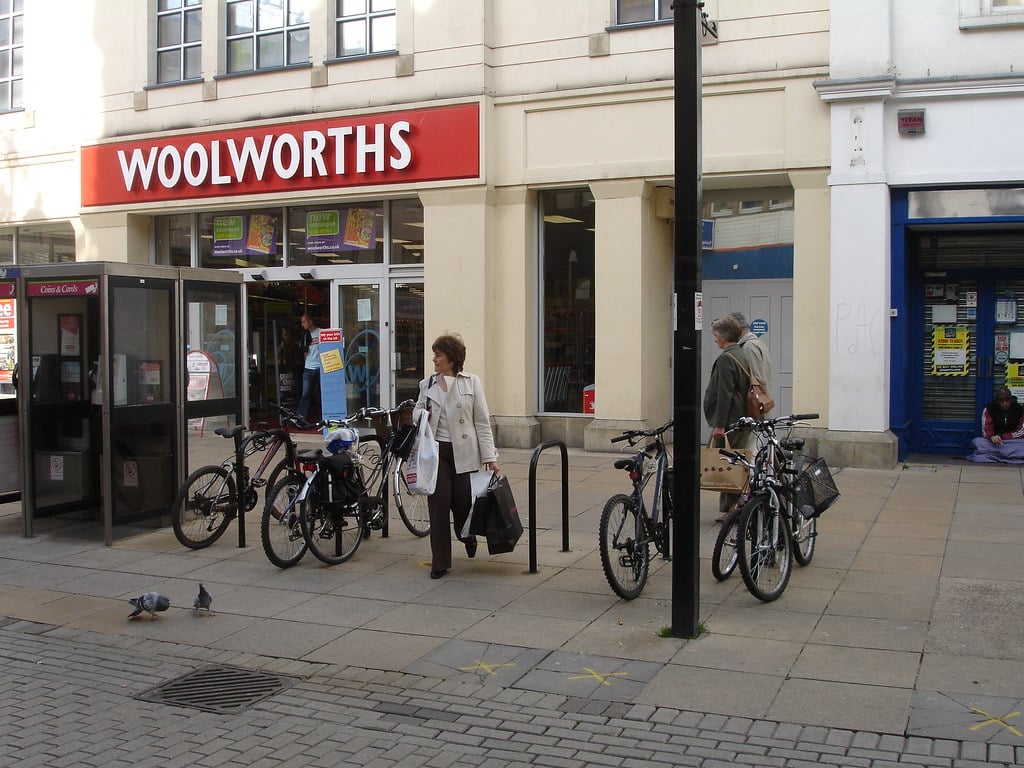
Woolworth was a retail pioneer and one of the original five-and-dime stores that set trends and created the modern retail model stores follow worldwide. The first location opened in Utica, New York, in 1879, and the concept quickly spread across the country.
Woolworth stores became community fixtures where people could buy a little bit of everything at affordable prices. The company operated lunch counters that became social gathering spots in towns and cities across America.
Despite its massive success and cultural impact, Woolworth couldn’t compete with newer discount formats and changing shopping habits, eventually closing its five-and-dime stores in the 1990s.
Like Go2Tutors’s content? Follow us on MSN.
Hecht’s
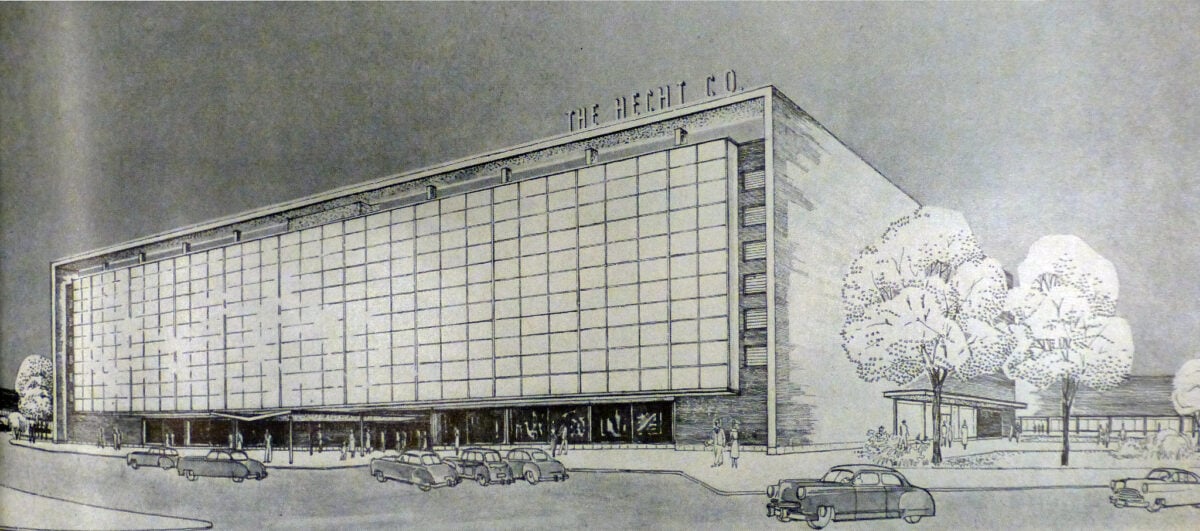
For nearly 150 years, Hecht’s served as an anchor store at malls throughout the mid-Atlantic and Southern regions of the United States. The regional retailer started as a used-furniture shop in Baltimore and grew into a beloved institution for generations of families
. May Department Stores, Hecht’s parent company, was acquired by Federated Department Stores (now Macy’s Inc.) in 2005 amid a wave of retail consolidations. All Hecht’s locations were either closed or converted into Macy’s stores, erasing another regional department store name from the American retail landscape.
Lazarus
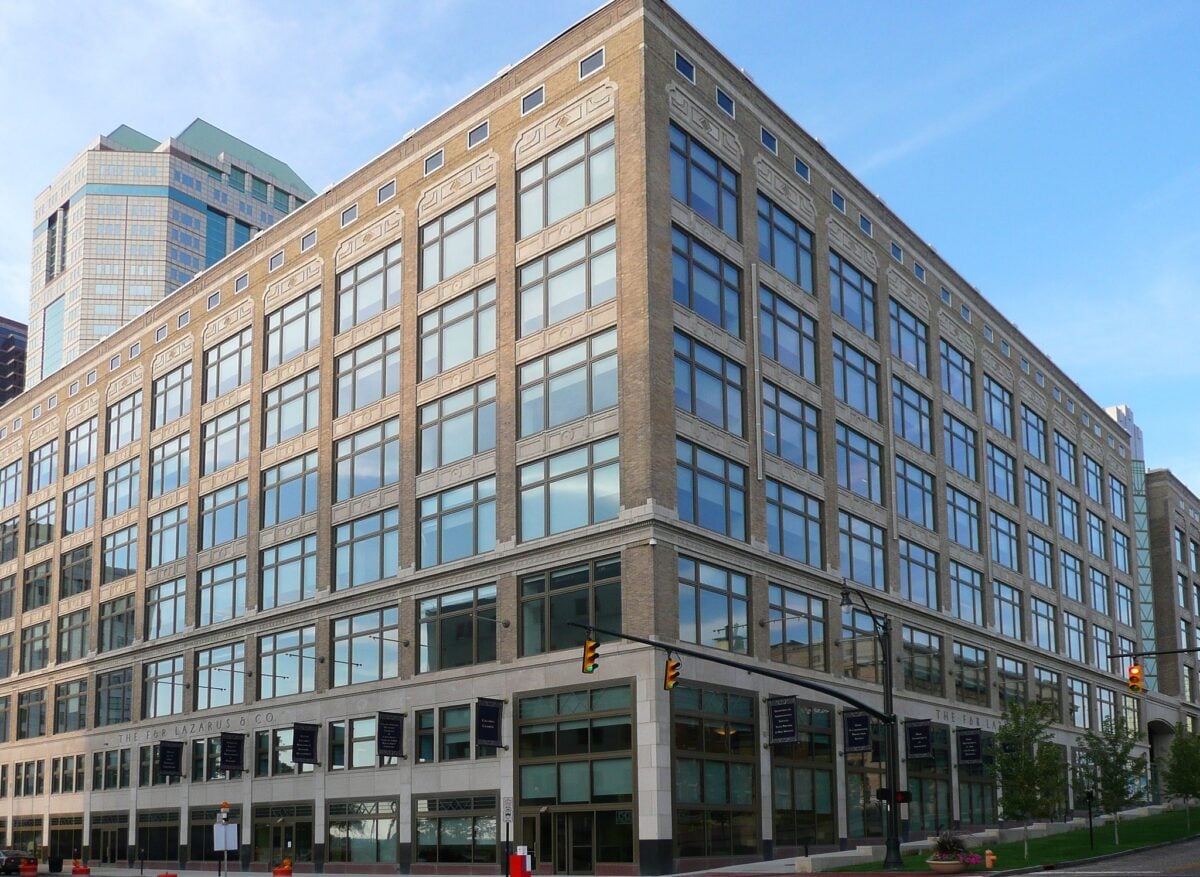
One of Ohio’s most prominent homegrown department stores, Lazarus grew from a one-room men’s clothing shop in Columbus into a Midwestern behemoth. The downtown Columbus flagship became a pilgrimage site for many families, especially during holidays when a tree of lights rose on the roof and a talking Christmas tree welcomed kids to Santaland.
Teens could take grooming courses, and visitors could even pat a baby lamb. Nine restaurants fed hungry shoppers, including the Chintz Room and the Buckeye Room, though all but one closed as customers fled to suburban malls in the 1970s and 1980s.
Macy’s absorbed the chain in 2005, and the flagship store was converted into office space.
Where They All Went

Most of these department stores didn’t simply vanish overnight. They were absorbed by larger chains, primarily Federated Department Stores (which became Macy’s Inc.), creating a retail landscape far more homogeneous than what existed decades ago.
The grand flagship buildings often found new lives as office spaces, law schools, or mixed-use developments, preserving at least some architectural heritage. What’s been lost, though, is the sense of regional identity and community gathering spaces these stores provided, replaced by a shopping experience that looks largely the same whether you’re in Boston, Chicago, or Los Angeles.
More from Go2Tutors!

- 16 Historical Figures Who Were Nothing Like You Think
- 12 Things Sold in the 80s That Are Now Illegal
- 15 VHS Tapes That Could Be Worth Thousands
- 17 Historical “What Ifs” That Would Have Changed Everything
- 18 TV Shows That Vanished Without a Finale
Like Go2Tutors’s content? Follow us on MSN.



