Everyday Obsolete Gadgets You Forgot You Used Daily
Technology moves so quickly that entire categories of devices can disappear from daily life in what feels like an instant. One day you’re using something every morning, afternoon, and night — the next day it’s sitting in a drawer gathering dust, replaced by a smartphone app or rendered completely unnecessary by some new innovation.
These weren’t specialized tools or luxury items. They were the background hum of ordinary life, so embedded in routine that their absence only becomes obvious years later when you stumble across one in a thrift store and think, “Oh right, those used to be everywhere.”
Alarm Clocks
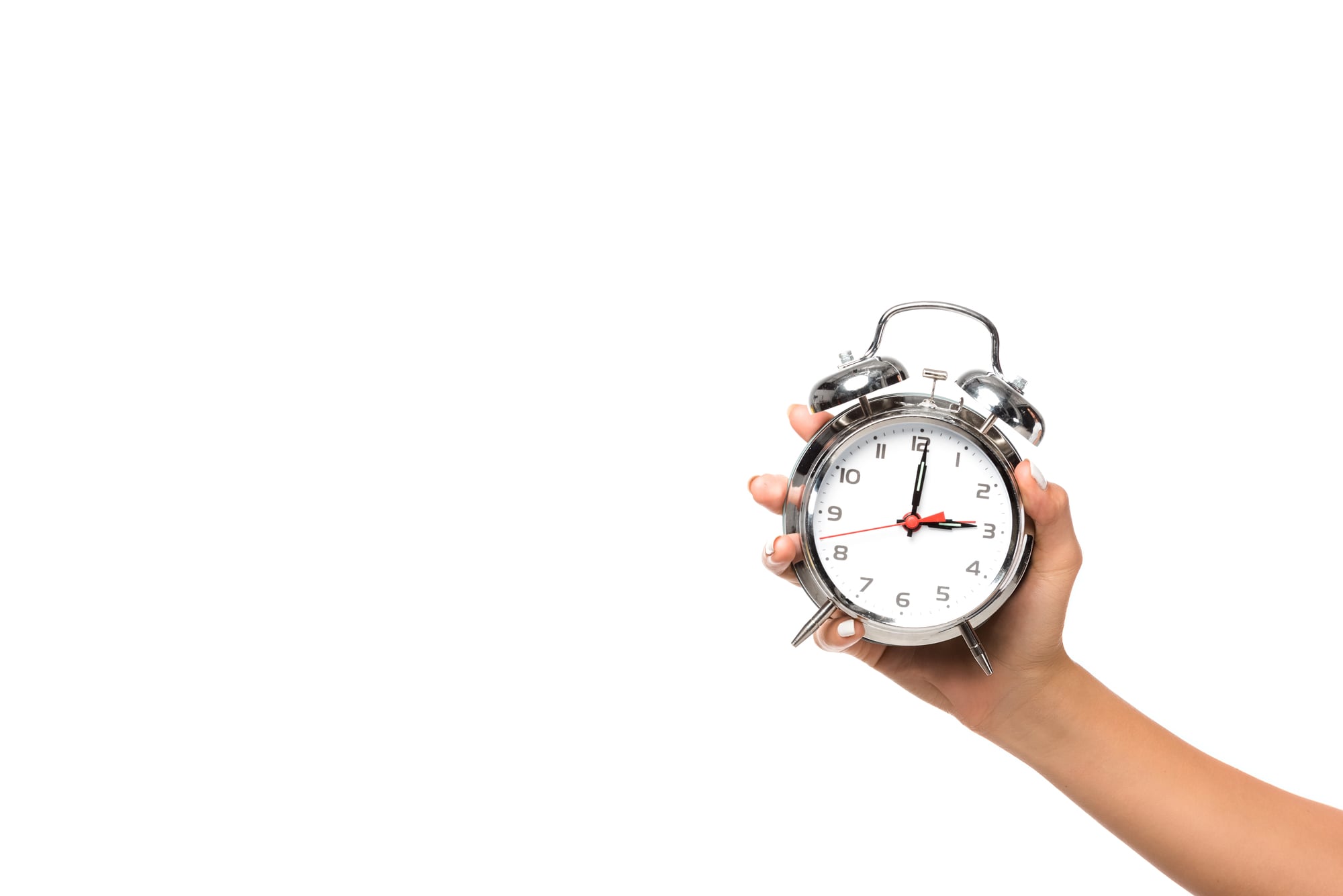
Alarm clocks are pointless now. Everyone uses their phone.
The red digital numbers that once glowed accusingly from nightstands across America have been replaced by a device that also happens to wake you up.
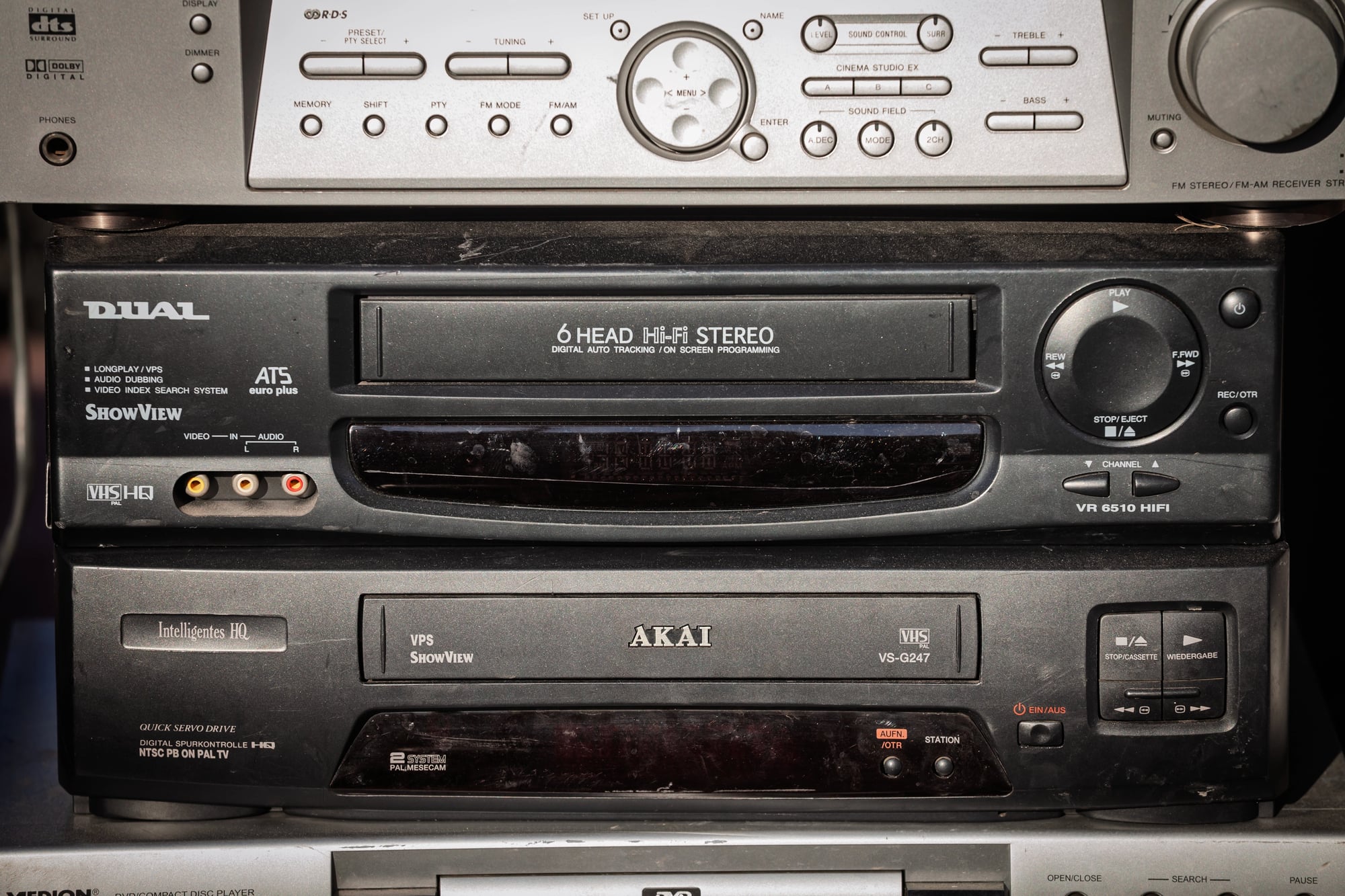
VCRs
The VCR represented something fundamentally different from streaming: commitment to uncertainty. You had to decide what might be worth watching later (and you were usually wrong), program the thing correctly (a skill that separated households into those who could and those who constantly blinked 12:00), and accept that you might miss the first few minutes if you miscalculated.
And yet there was something deeply satisfying about the mechanical thunk of a tape sliding into place, the brief whir of the machine reading what you’d captured, and the realization that you’d successfully stolen something from the flow of time.
So much of it was ritual — the careful labeling, the rewinding, the physical library of black rectangles that accumulated on shelves. But streaming killed all of that.
Turns out convenience beats ceremony every time.
Landline Phones
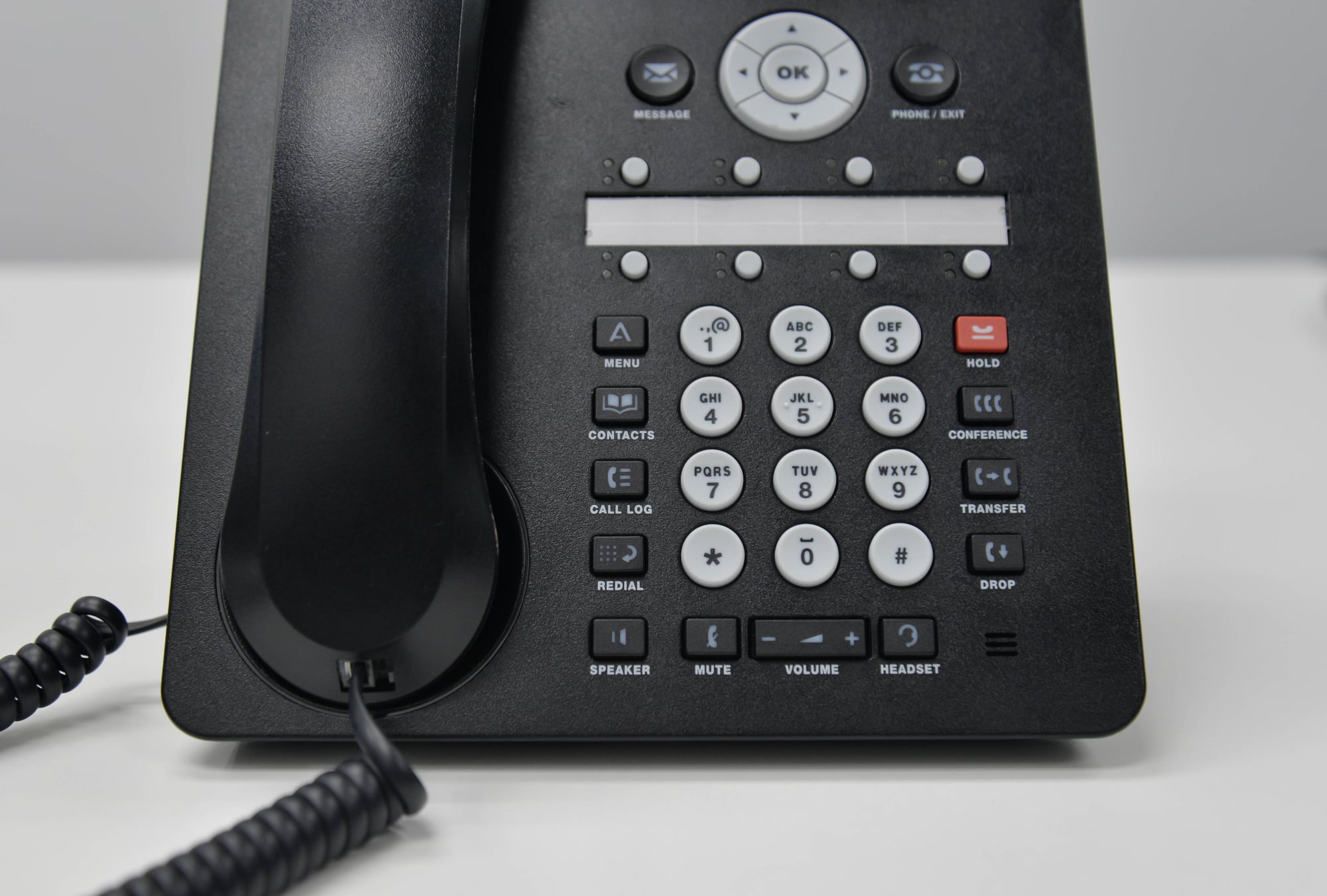
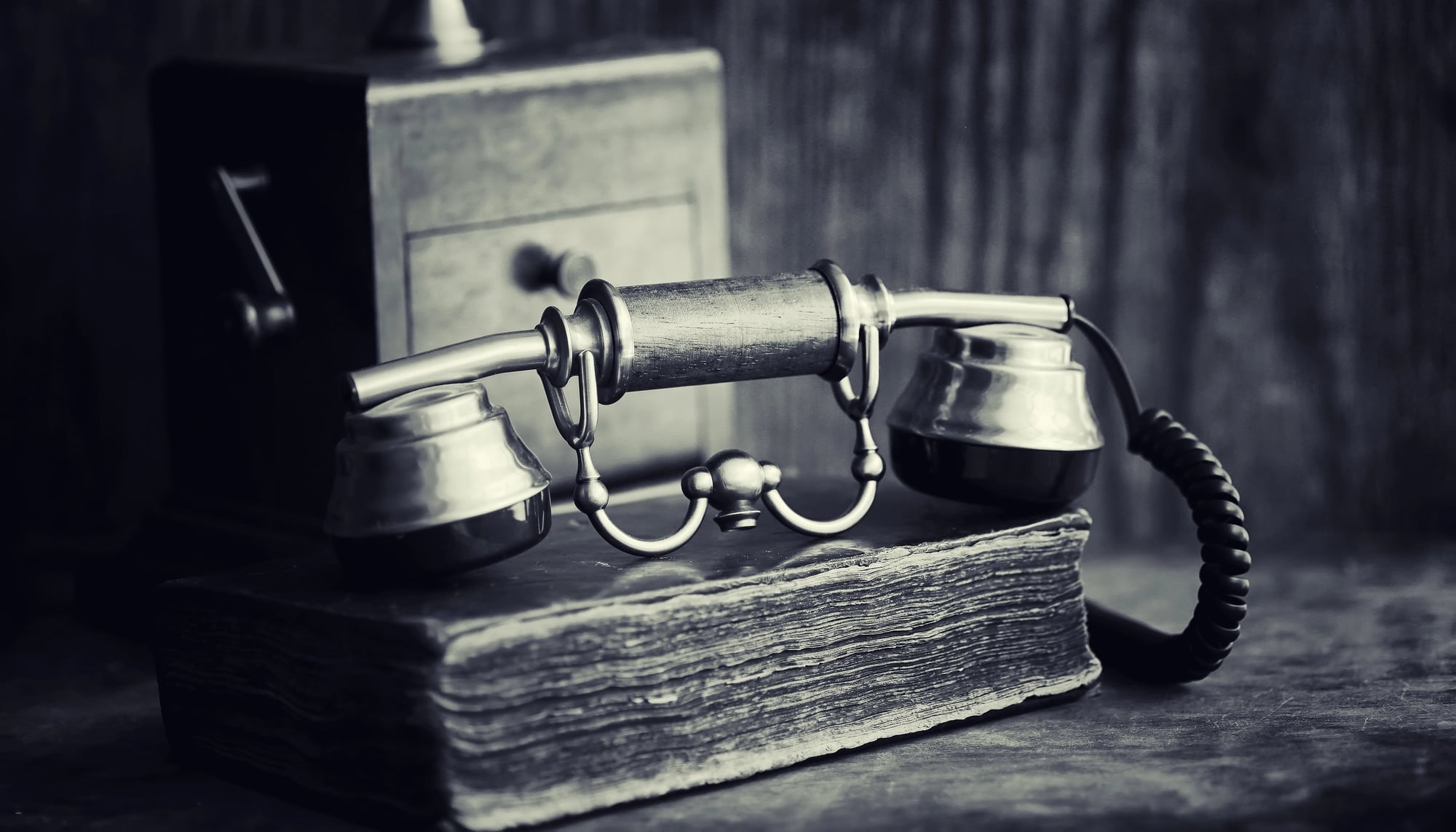
There’s something almost mystical about how landlines used to anchor households to specific locations, the way a lighthouse anchors ships to a particular stretch of coast. The phone had a place — usually the kitchen counter or a small table in the hallway — and that place had power.
Conversations happened there, arguments unfolded there, late-night whispers stretched the spiral cord to its absolute limit as teenagers tried to find privacy. The phone didn’t follow people around; people came to it.
And when it rang, everyone stopped. The sound could interrupt dinner, homework, even arguments, because someone, somewhere, had deemed your household worth reaching.
The whole family would freeze for a moment, wondering who it might be, whether it was good news or bad, whether it was worth answering at all.
Pagers
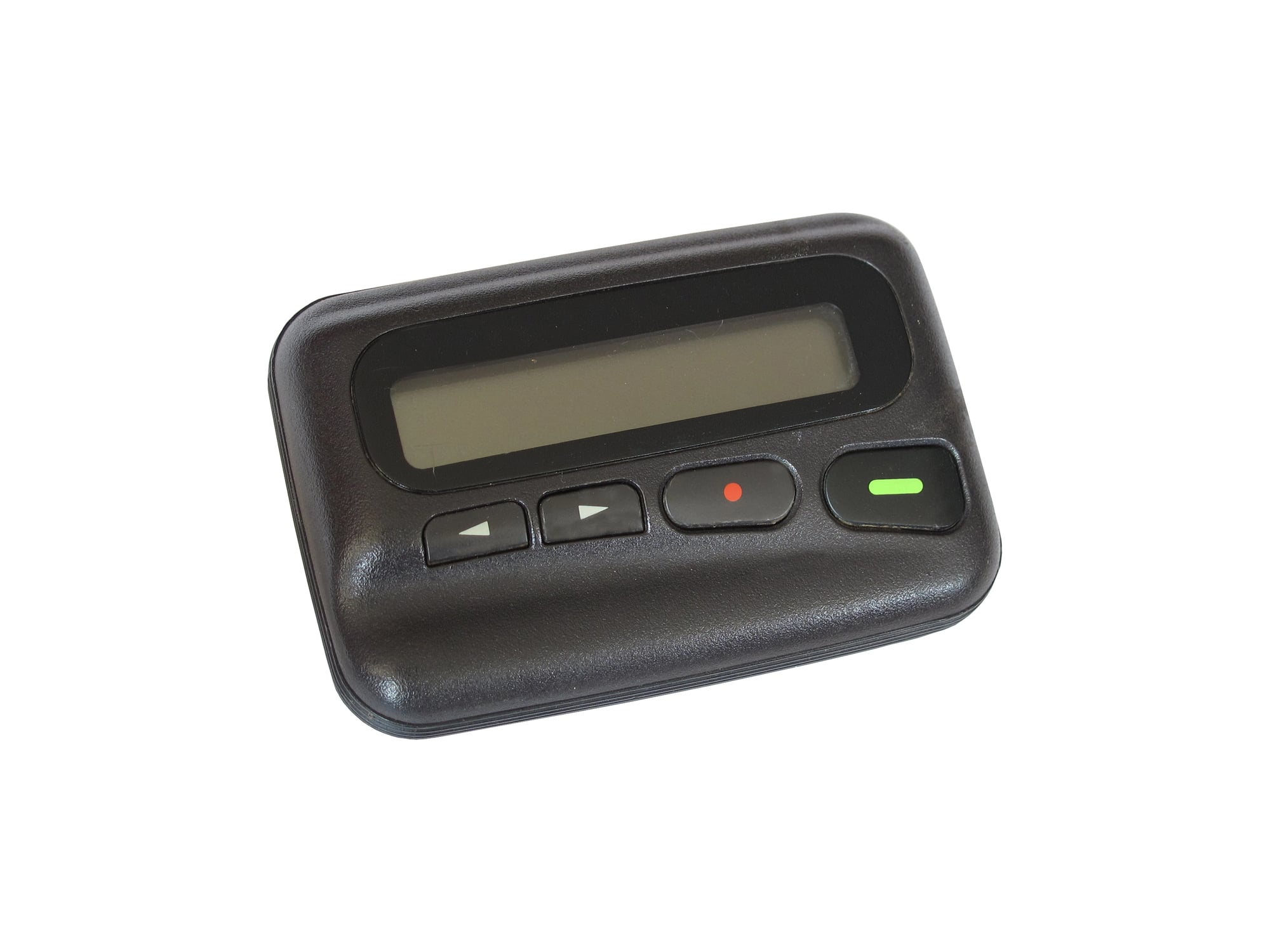
Pagers were the perfect amount of connected. You could be reached, but you couldn’t be bothered.
Someone could send you a number — just a number — and you’d find a pay phone when you were ready to call back. The control stayed with you.
Medical professionals and drug dealers kept them longest, which says something about who really needed instant communication. Everyone else discovered that most urgent messages weren’t actually urgent.
Physical Maps
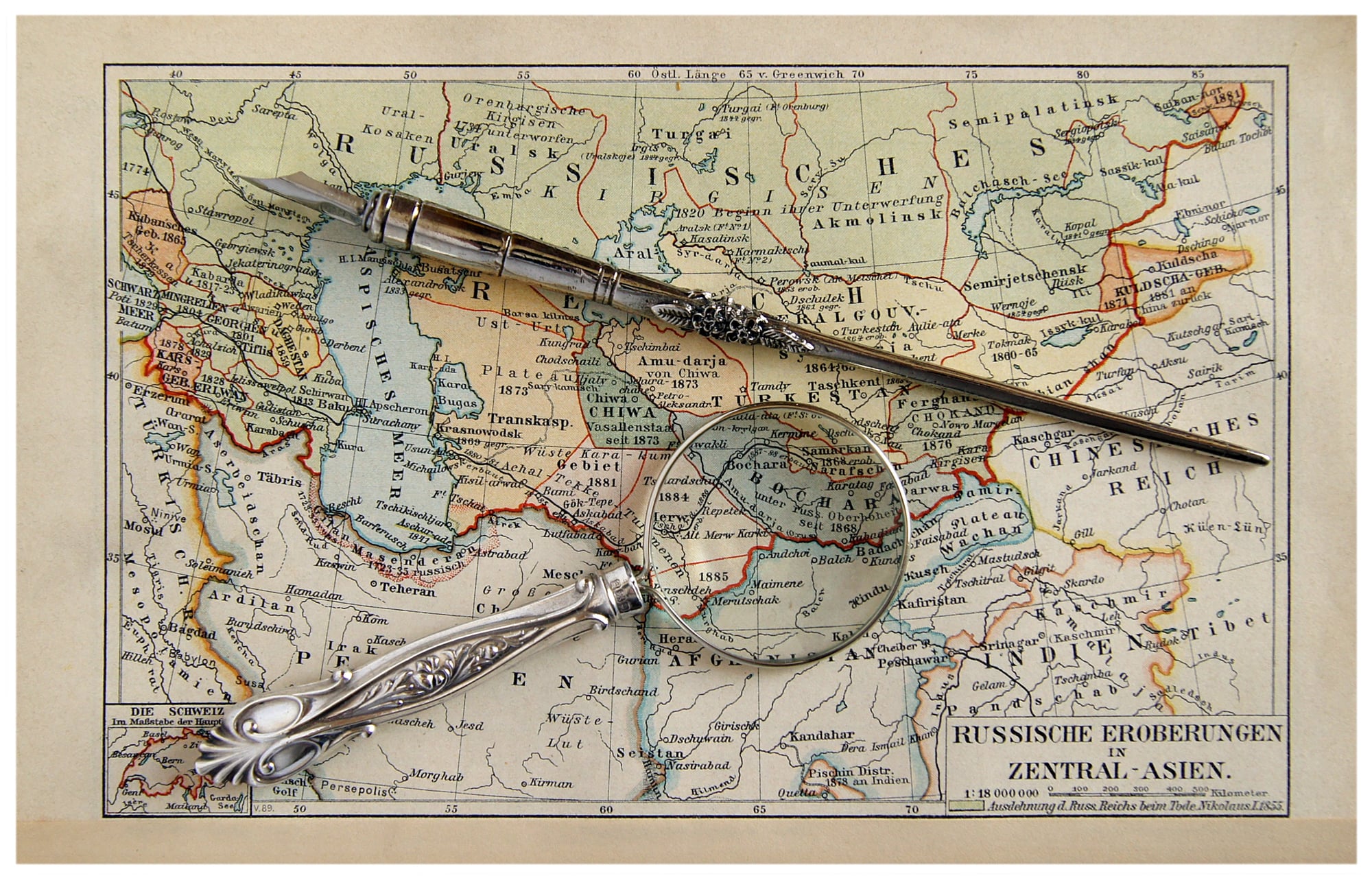
Before GPS, getting lost required commitment. You couldn’t just recalculate — you had to pull over, unfold a piece of paper the size of a tablecloth, and figure out where everything had gone wrong (which was usually several exits ago, when you were still confident you knew where you were going).
The whole process demanded a particular kind of spatial reasoning that smartphones have essentially made extinct: the ability to translate a bird’s-eye view into turn-by-turn reality, to see your route as a continuous line rather than a series of discrete commands.
And there was something almost archaeological about the way physical maps accumulated history — coffee stains from that trip to Oregon, pencil marks tracing a route that seemed important at the time, fold lines that had worn through from years of being compressed back into the glove compartment.
Each map was a record of where you’d been and where you’d planned to go, even if you never quite got there.
CD Players
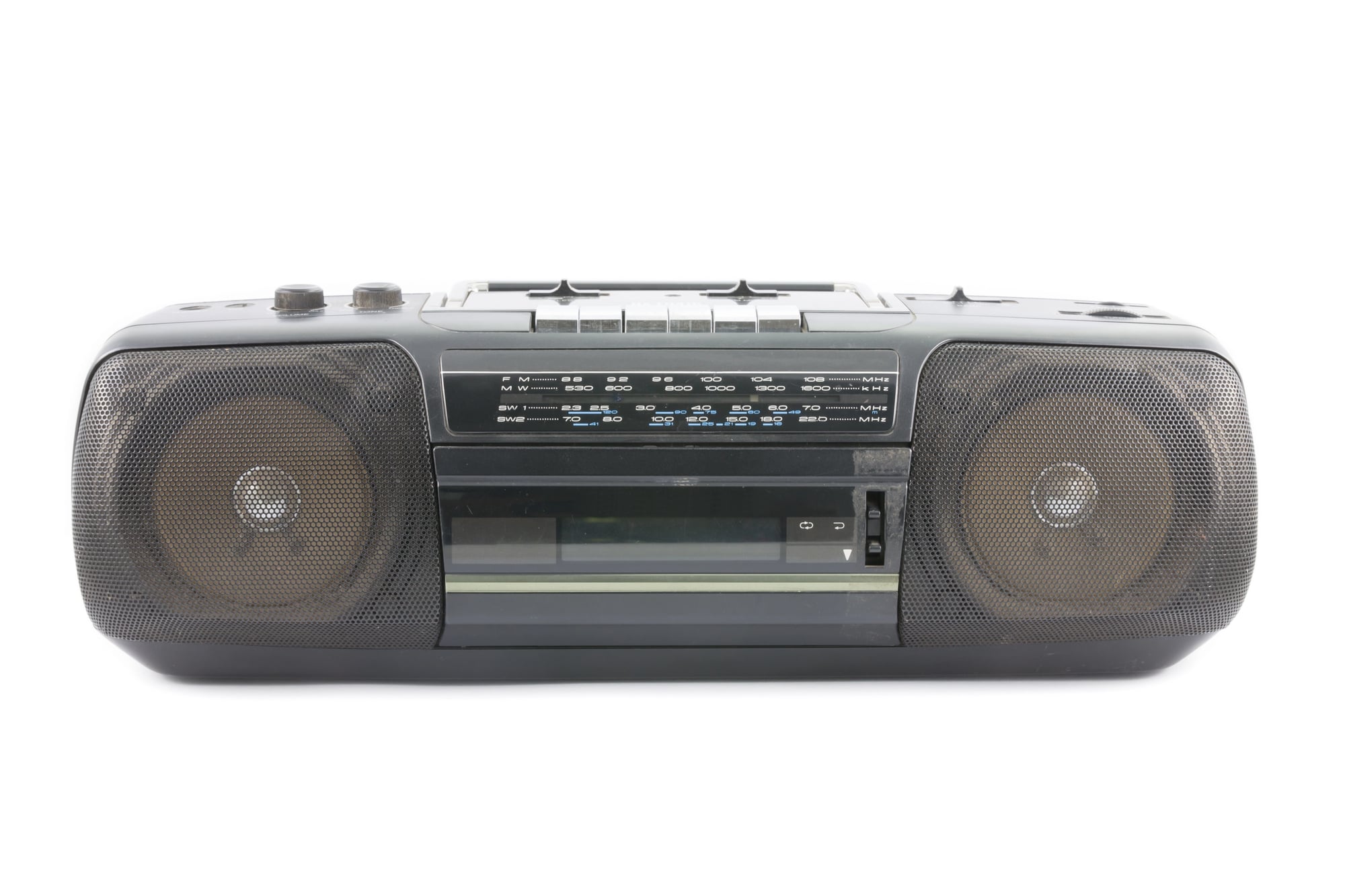
Portable CD players died twice. First when iPods arrived, then again when everyone realized that carrying around a disc that could skip if you breathed on it wrong was never a good idea to begin with.
The anti-skip technology never quite worked. You’d be walking down the street, and your music would start stuttering like a broken record, which was ironic since CDs were supposed to solve that problem.
But at least you could hold 74 minutes of uninterrupted music in your hand. That felt like progress at the time.
Phone Books
Phone books were accidentally profound in their completeness — every household, every business, every person who wanted to be found, compressed into a thick yellow tome that appeared on doorsteps whether you wanted it or not. They were like a census you could hold, proof that your community contained all these people living parallel lives, most of whom you’d never meet but whose names you might flip past while looking for a pizza place that delivered.
The ritual of letting your fingers walk through the pages felt almost meditative, especially compared to the aggressive efficiency of Google searches. You’d start looking for one thing and end up discovering businesses you never knew existed, phone numbers that followed patterns you’d never noticed, little display ads that revealed the economic ecosystem of your neighborhood.
And sometimes you’d just flip through randomly, marveling at how many Johnsons lived in your area code.
Answering Machines
Answering machines gave everyone a chance to be a small-scale radio host. You’d craft your outgoing message with the same care some people put into writing holiday cards — trying to strike the right balance of friendly but not desperate, informative but not boring.
The blinking red light was pure anxiety in electronic form. Someone had tried to reach you, and now you had homework.
But there was also something oddly intimate about voices left hanging in your living room, waiting for you to come home and acknowledge them.
Fax Machines
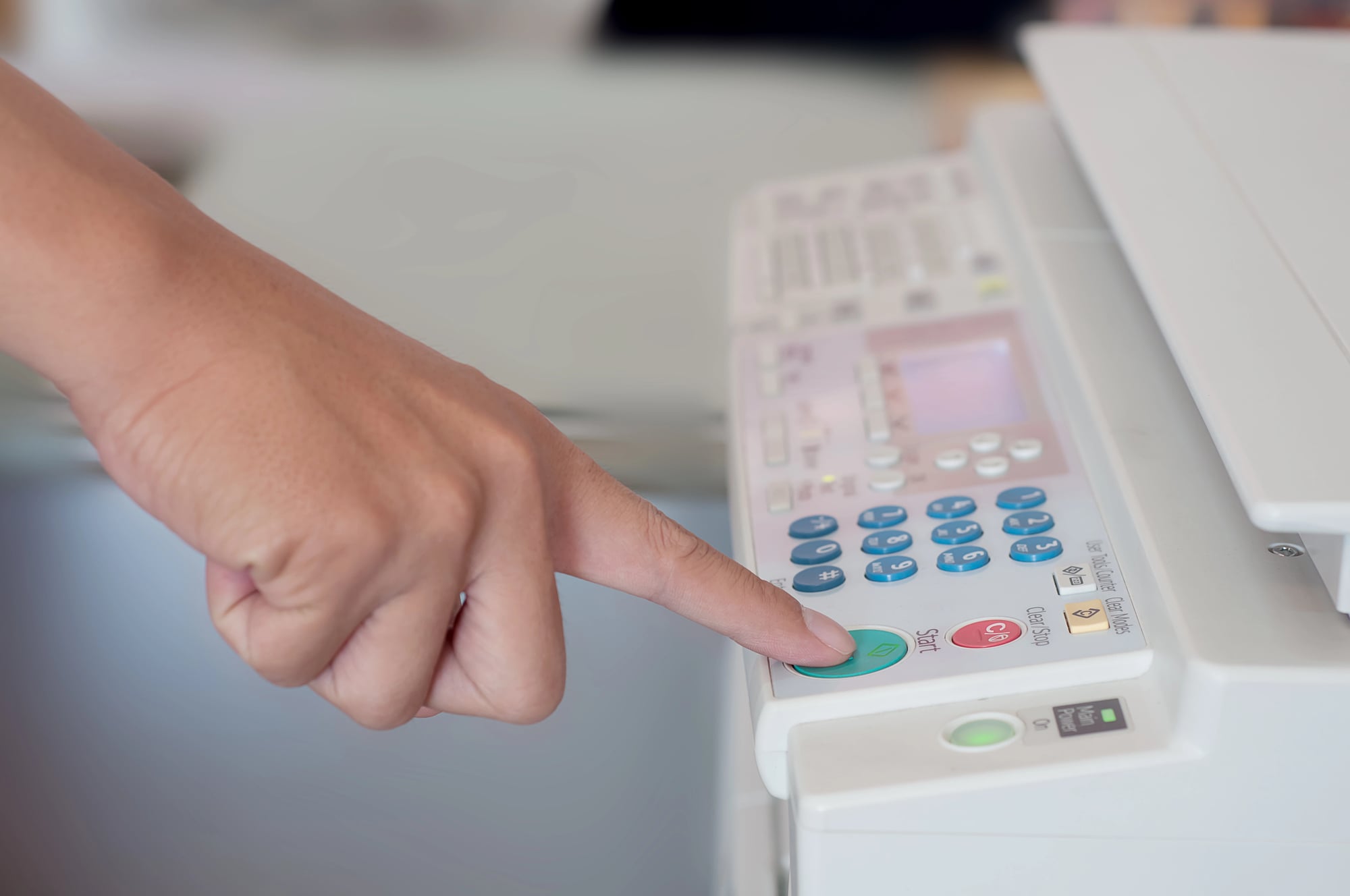
The fax machine was the last technology that made office sounds — that distinctive whir and beep sequence that announced important papers were materializing from thin air. It felt like magic until you realized it was basically just a very slow, very expensive way to email a photograph of a document.
But fax machines solved a real problem: how to send something that looked official across long distances instantly. The thermal paper that came out the other end felt important, even if it was slightly warm and smelled like toner.
And there was something satisfying about feeding a document into one machine and knowing it would emerge, exactly reproduced, from another machine hundreds of miles away.
Walkmans
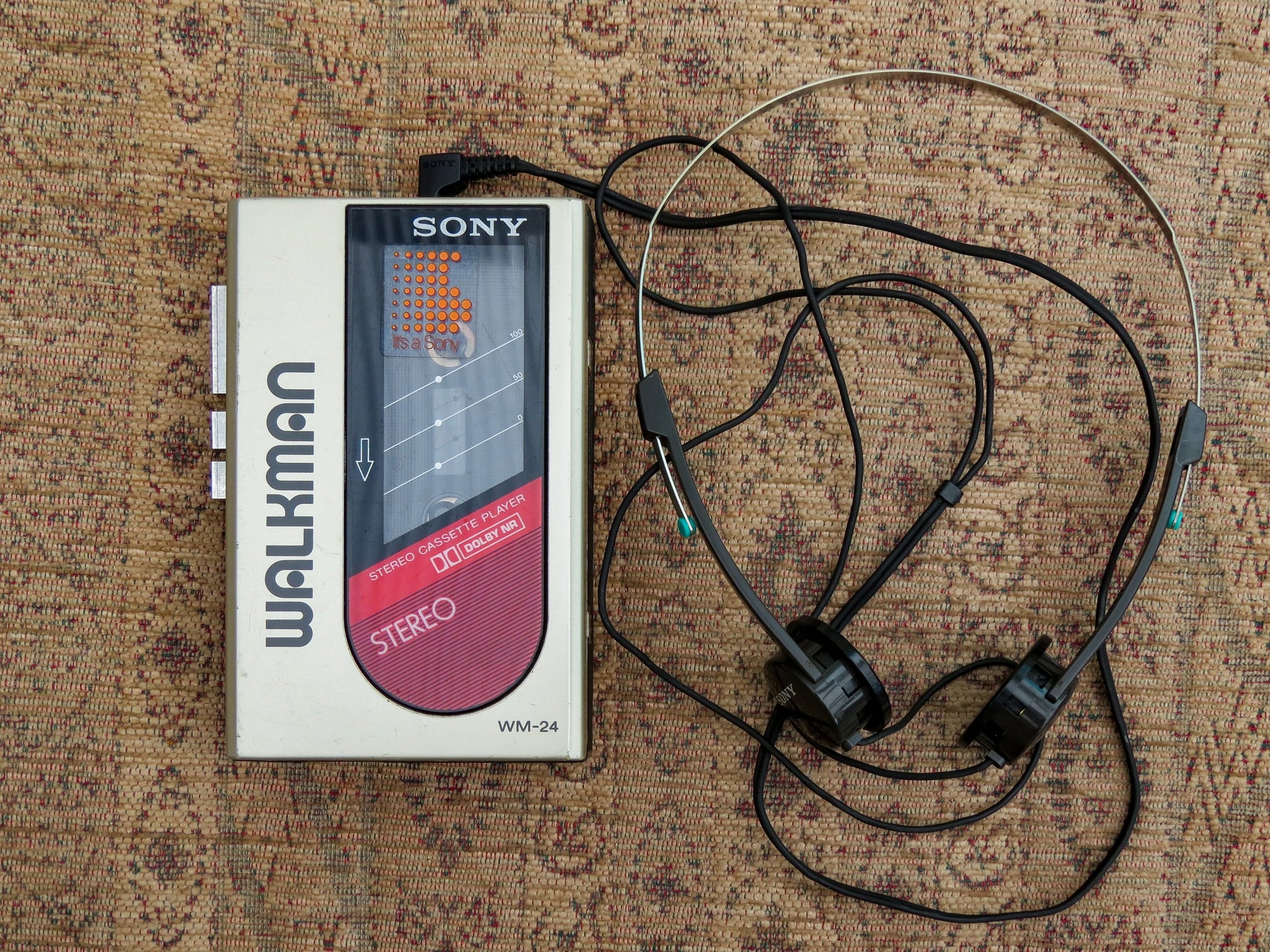
Walkmans were the first technology that let you carry your own soundtrack everywhere. The world suddenly had background music, chosen by you, controlled by you, audible to nobody else.
It was a completely new way to move through public spaces — half-present, wrapped in a bubble of privately selected sound.
The ritual of making mixtapes for your Walkman was its own art form. You’d spend hours getting the levels right, timing the transitions, crafting something that would hold up to repeated listening during long bus rides or walks to school.
And when the batteries started dying, your music would slow down and drop in pitch, which was either annoying or accidentally beautiful, depending on the song.
Film Cameras
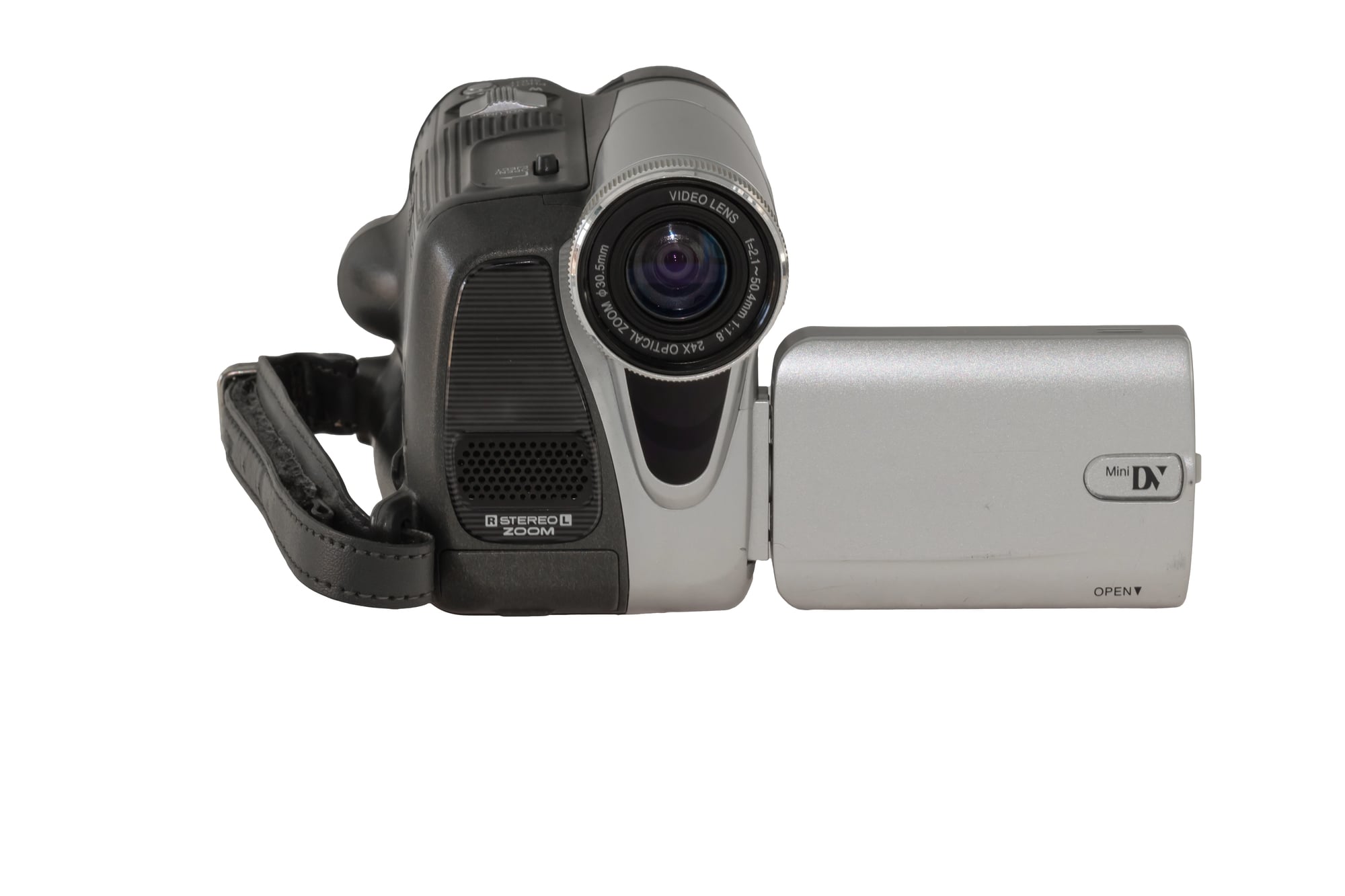
Film cameras made every picture expensive. Twenty-four shots, thirty-six if you splurged, and then you were done until you could get to a store that developed film.
This changed everything about photography — you had to think before clicking, frame carefully, hope for the best.
The delayed gratification was built into the process. You’d take pictures at a party, finish the roll three weeks later at a family dinner, and finally see everything when you picked up the prints another week after that.
Sometimes you’d find photos you’d completely forgotten taking, which felt like getting a message from your past self.
Rotary Phones
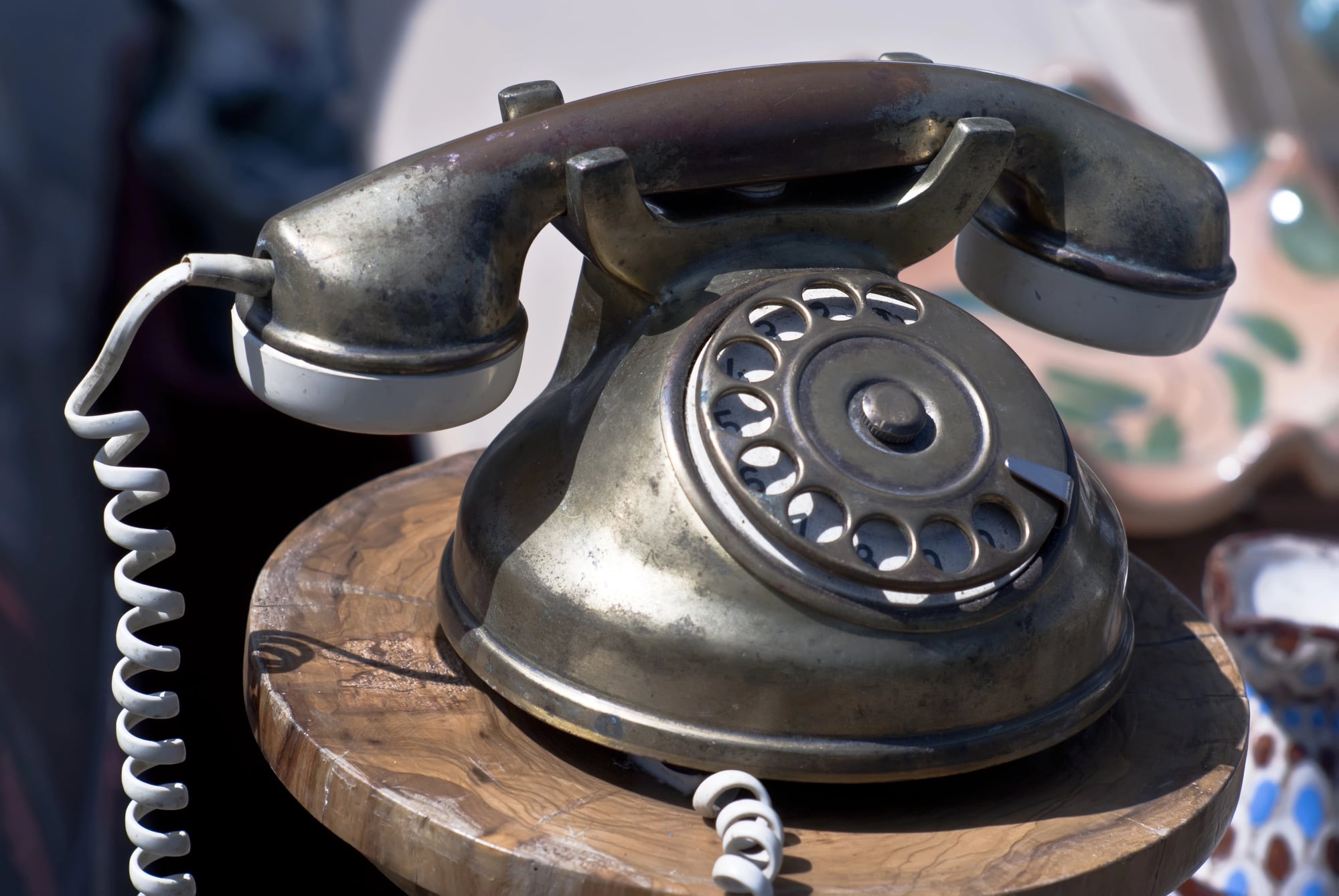
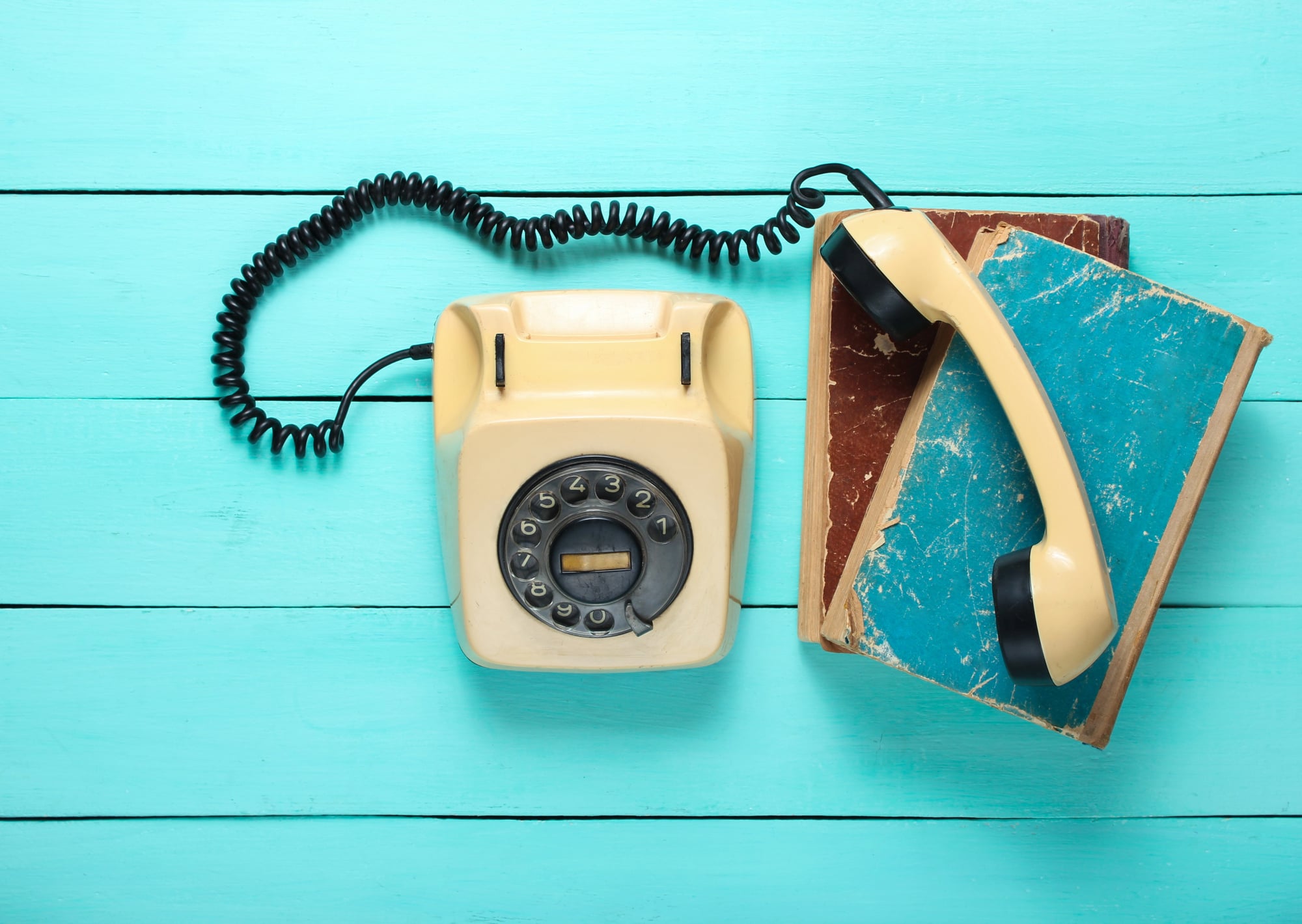
Rotary phones turned dialing into a small physical workout. Each number required commitment — you had to stick your finger in the appropriate opening, rotate the dial clockwise until it hit the finger stop, then wait for it to spin back to neutral before attempting the next digit.
Wrong numbers were genuinely frustrating because you’d invested so much mechanical effort in creating them.
But the rotary system was also oddly calming, almost meditative. The consistent rhythm of dial-and-wait, dial-and-wait created a pause between deciding to call someone and actually reaching them.
It gave you time to think about what you wanted to say, or to change your mind entirely.
Record Players
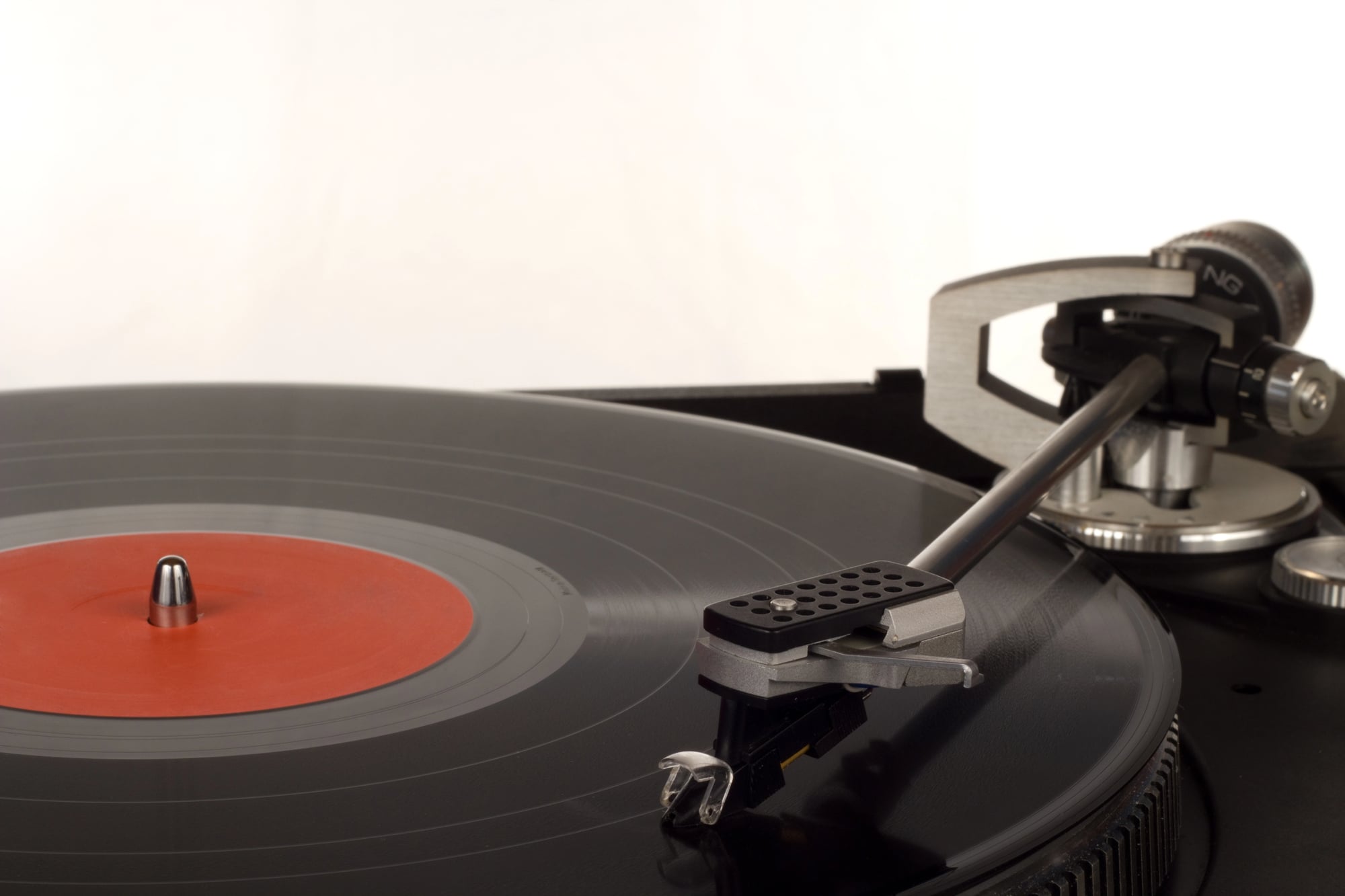
Record players demanded ritual. You couldn’t just hit shuffle and disappear — you had to select an album, handle it carefully, place it properly, lower the needle with the precision of a surgeon, and then commit to listening to at least one full side before you could change anything.
The crackling and popping that vinyl enthusiasts now celebrate as “warmth” was originally just the sound of your music wearing out.
Every play degraded the record slightly, which made your favorite albums into slowly decaying objects. But there was something romantic about that fragility, the way cherished music became literally scarred by the act of loving it.
Cassette Players In Cars
Car cassette players were where most people conducted their relationship with music during the commute years of American life. The tape deck was always slightly broken — fast forward didn’t work quite right, rewind ate tapes occasionally, and the left speaker cut out whenever you hit a pothole.
But for twenty years, that rectangle of plastic and magnetic tape was how you transformed your Honda Civic into a mobile concert hall.
And the ritual of ejecting, flipping, and reinserting a tape created natural intermissions in your listening experience. You’d finish Side A somewhere around the grocery store, drive in silence for a moment while you flipped to Side B, then start the second act of your journey with entirely different songs.
It chopped car rides into chapters.
The Weight Of Forgetting
These devices didn’t just vanish — they were actively replaced by something better, faster, or more convenient. And yet their absence has left daily life feeling somehow lighter and less textured, like we’ve traded weight for efficiency and aren’t entirely sure it was worth it.
The smartphones that replaced most of these gadgets are undeniably superior in almost every measurable way, but they’ve also erased the small rituals and minor inconveniences that once gave ordinary tasks a sense of ceremony.
Maybe that’s progress. Or maybe it’s just different.
More from Go2Tutors!

- The Romanov Crown Jewels and Their Tragic Fate
- 13 Historical Mysteries That Science Still Can’t Solve
- Famous Hoaxes That Fooled the World for Years
- 15 Child Stars with Tragic Adult Lives
- 16 Famous Jewelry Pieces in History
Like Go2Tutors’s content? Follow us on MSN.