15 Hidden Easter Eggs In Classic Disney Animations
Disney animators have always been masters of mischief. Between the endless sketches, sleepless nights, and studio deadlines, they found time to slip secrets into their work.
These aren’t accidents or coincidences — they’re deliberate winks to audiences paying close attention. Some Easter eggs honor other Disney films.
Others reference pop culture, historical events, or inside jokes that only the animation team understood. A few were so well-hidden that fans didn’t discover them until decades later, when home video let people pause and rewind frame by frame.
Mickey Mouse In The Little Mermaid
The three-circle silhouette shows up exactly where you’d least expect it. During the wedding scene between Prince Eric and Ursula (disguised as Vanessa), the priest gets a little too excited about the ceremony.
Pause at just the right moment and his enthusiasm becomes unmistakably Mickey-shaped. Disney animators couldn’t resist the joke.
A solemn wedding ceremony, dramatic music, the fate of Ariel hanging in the balance — and there’s Mickey Mouse, hidden in the most inappropriate place possible.
Belle Reading In Beauty And The Beast
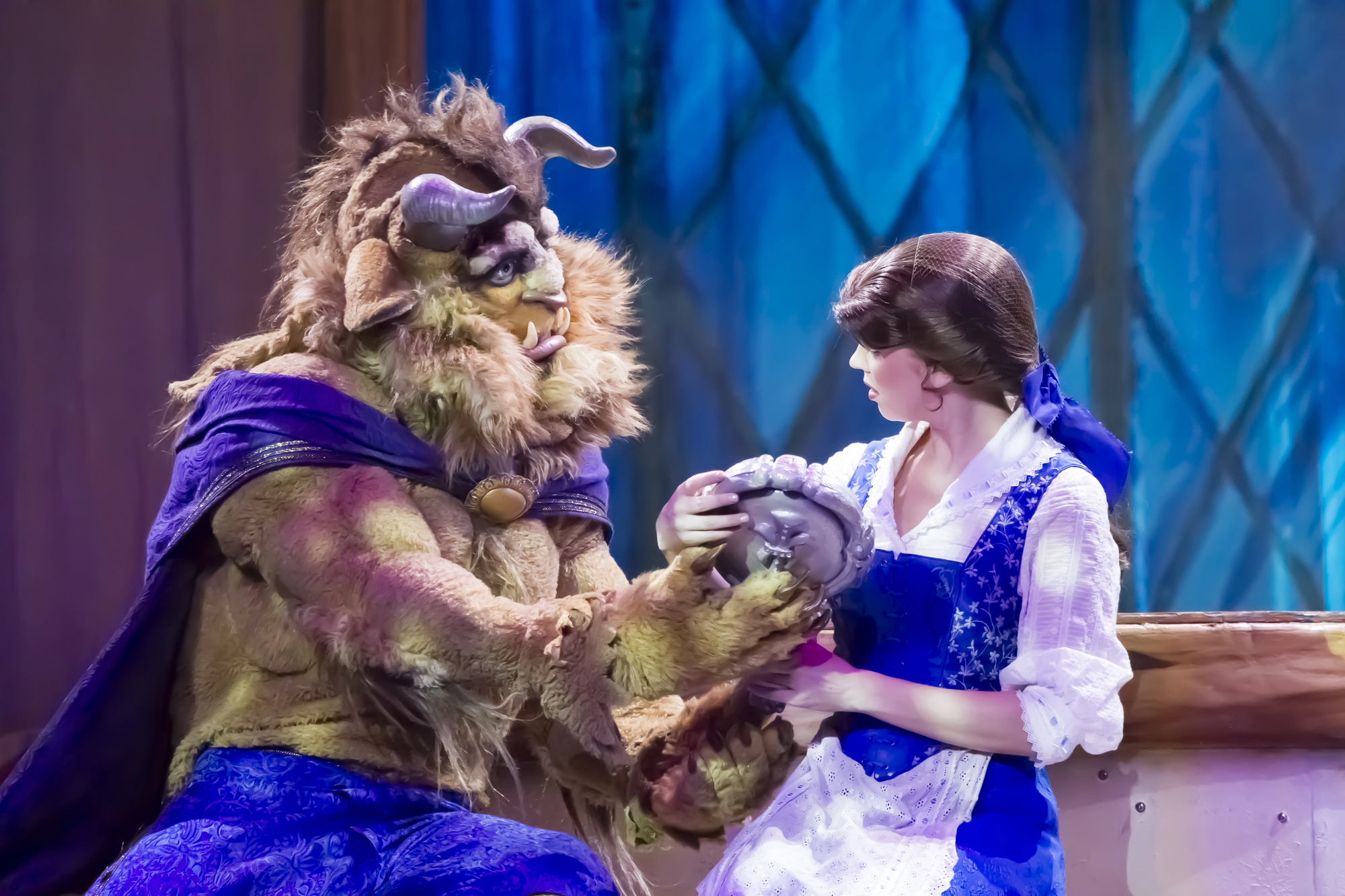
Here’s the thing about Belle’s book obsession (and this might sound like the kind of detail only a literature professor would notice, but stay with me): when she walks through the village singing about her “favorite part” where the girl meets Prince Charming, the book in her hands isn’t just any random prop. If you freeze the frame and look closely, the pages show text that mirrors the plot of Beauty and the Beast itself — Belle is essentially reading her own story before she lives it, which is either deeply poetic or the kind of recursive storytelling that makes your head spin.
And yet there’s something oddly comforting about it, like finding a childhood photo in your pocket just when you need to remember who you used to be. The animators knew most people would never pause long enough to read the actual words on those pages, but they wrote them anyway.
The Magic Carpet In The Princess And The Frog
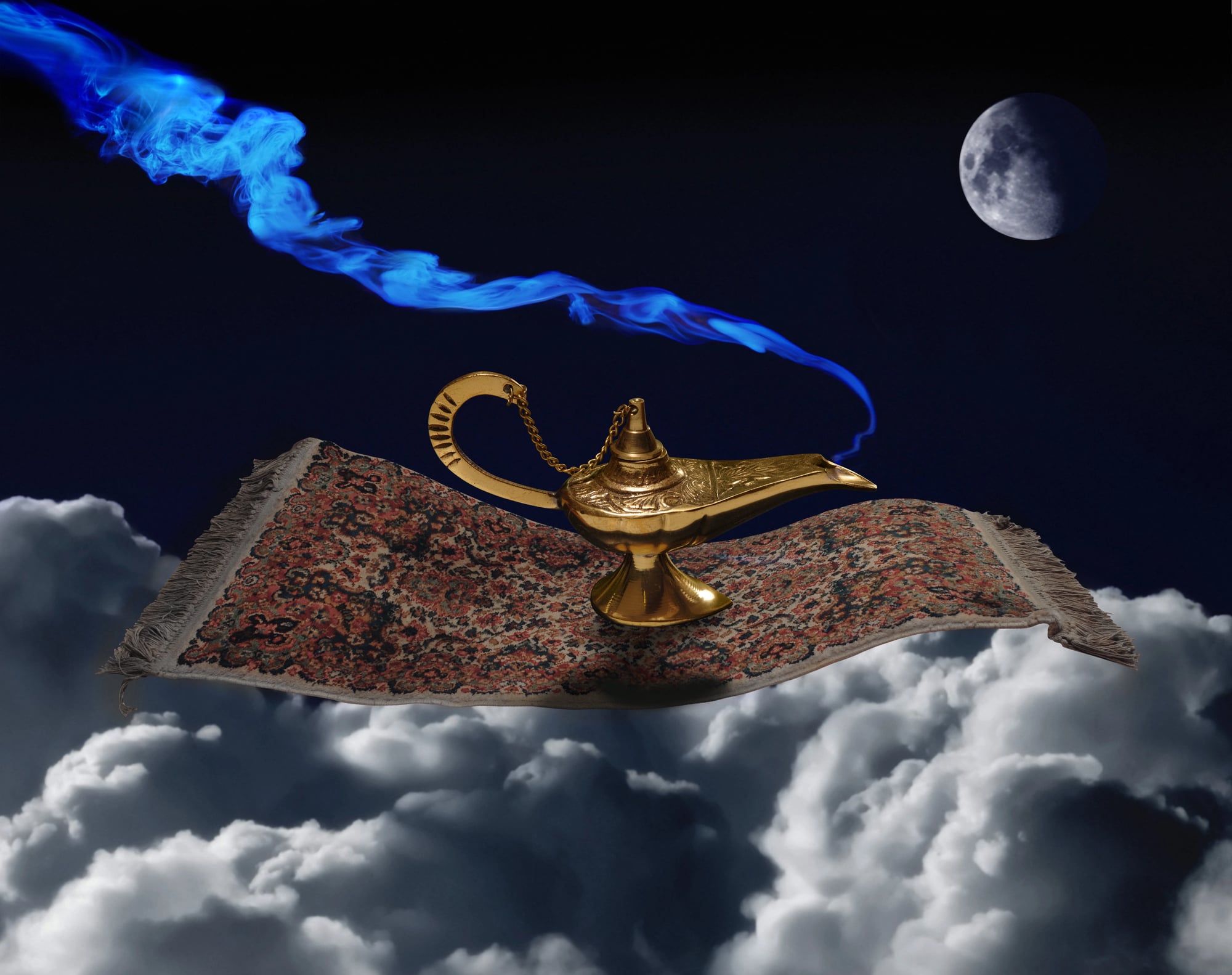
The magic carpet from Aladdin makes a cameo during “Almost There.” It’s hanging on a clothesline in the background while Tiana dreams about her restaurant.
This one matters because The Princess and the Frog came out in 2009, nearly two decades after Aladdin. Disney was deliberately connecting their hand-drawn films across generations.
The carpet isn’t just decoration — it’s a promise that these stories exist in the same universe.
Dumbo’s Mother In Lilo & Stitch
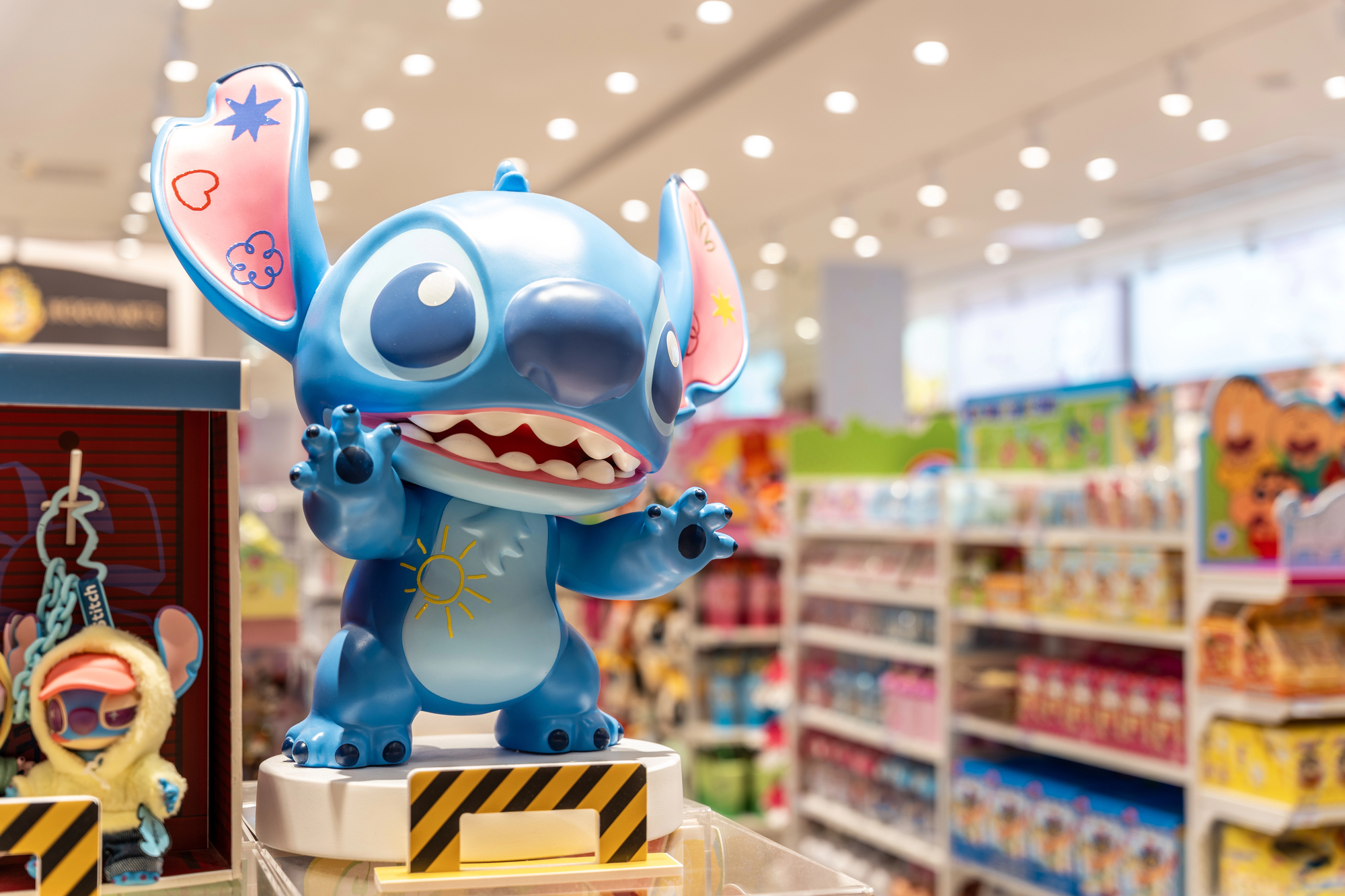
Mrs. Jumbo appears as a toy in Lilo’s room, but the placement isn’t random. She’s positioned near Lilo’s bed, watching over her while she sleeps (which is either touching or slightly unsettling, depending on your perspective, but given that Mrs. Jumbo spent most of Dumbo locked away from her own child, there’s something beautifully redemptive about letting her protect someone else’s).
The connection runs deeper than just a casual reference — both Lilo and Dumbo are outsiders who don’t fit the conventional mold, both are separated from their families by circumstances beyond their control, and both find their strength through the very traits that make them different. So Mrs. Jumbo watching over Lilo isn’t just an Easter egg; it’s one protective mother figure standing guard for another child who needs it.
The Beast’s Portrait In Tarzan

During the “Trashin’ the Camp” sequence, Phil Collins wasn’t the only throwback to Disney’s past. A torn painting of Beast from Beauty and the Beast hangs in the background of the campsite.
The animators placed it deliberately during the chaos. While everyone’s distracted by the musical number and destruction, Beast watches from the wall.
It’s the kind of detail that rewards careful viewers and creates continuity between films that otherwise have nothing to do with each other.
Genie’s Impressions In Aladdin
The Genie transforms into characters that wouldn’t be invented until decades later in Disney timeline terms. During his rapid-fire impression sequence, he briefly becomes characters from films that hadn’t been made yet.
Robin Williams was improvising most of these moments, but the animators had to draw every transformation. They chose to break their own fictional timeline for the sake of Williams’ comedic timing.
The result is anachronistic and perfect.
Pinocchio Books In The Great Mouse Detective
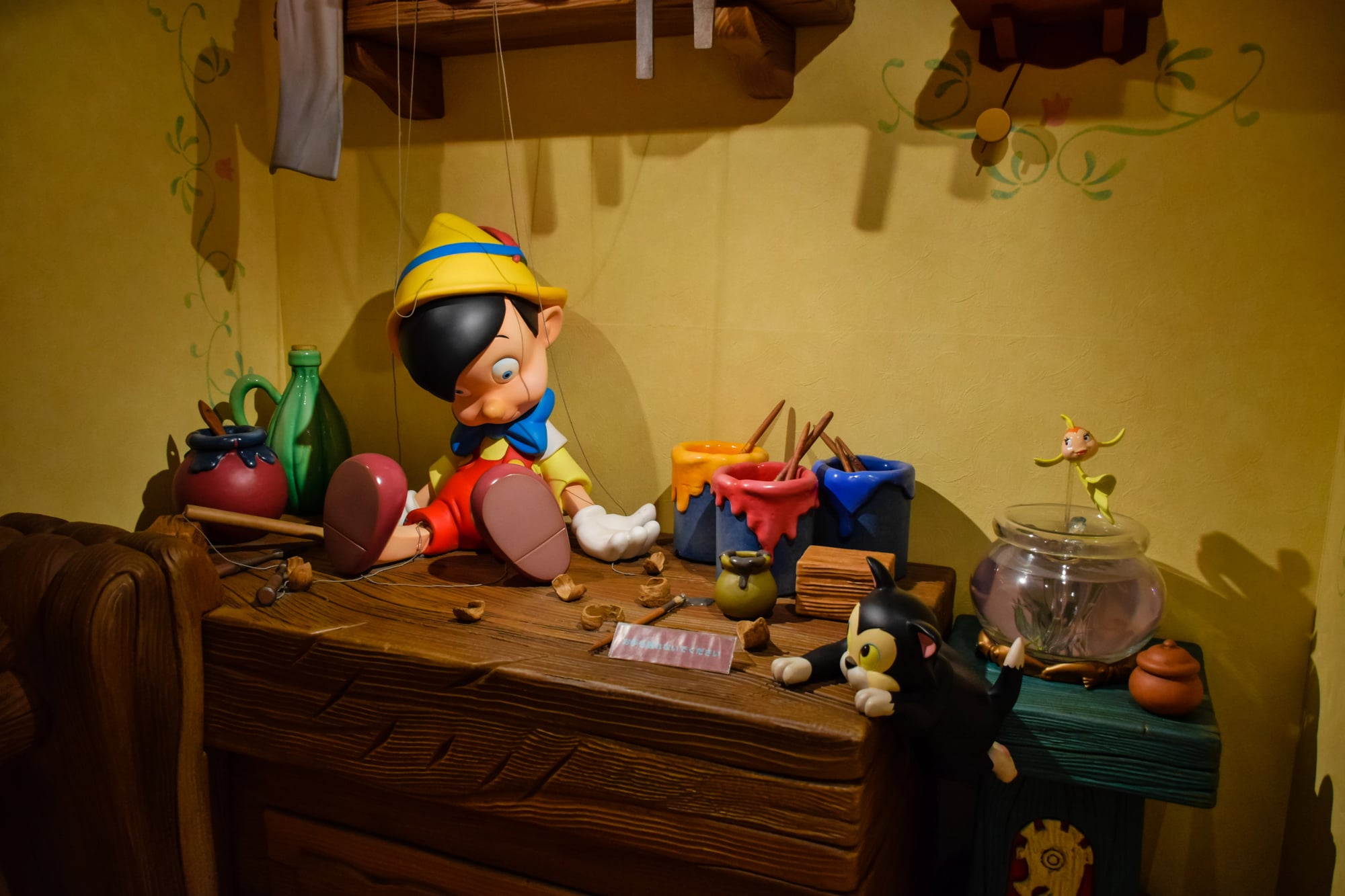
Ratigan’s lair contains books authored by “P. Collodi” — Carlo Collodi being the real author of Pinocchio, and this small detail transforms what could have been simple set decoration into something more layered, like finding an author’s signature hidden in the margins of their own work, except the signature belongs to someone else entirely who inspired the world you’re currently inhabiting. The Great Mouse Detective already existed in a space between reality and fantasy — it’s Sherlock Holmes with mice in Victorian London.
So acknowledging the literary tradition behind Disney’s other stories feels natural, almost necessary. But there’s also something quietly subversive about Ratigan, the villain, surrounded by the original source material that Disney transformed into something completely different.
Scar’s Pelt In Hercules
Phil wears Scar’s skin as a throw rug in his cabin. The lion’s distinctive black mane and facial features are unmistakable during several scenes where Hercules visits his trainer.
This is dark humor disguised as casual set decoration. Scar dies at the end of The Lion King, but apparently his remains ended up as home decor in ancient Greece.
The animators never explained the logic, and honestly, it’s better that way.
Sebastian In The Little Mermaid II
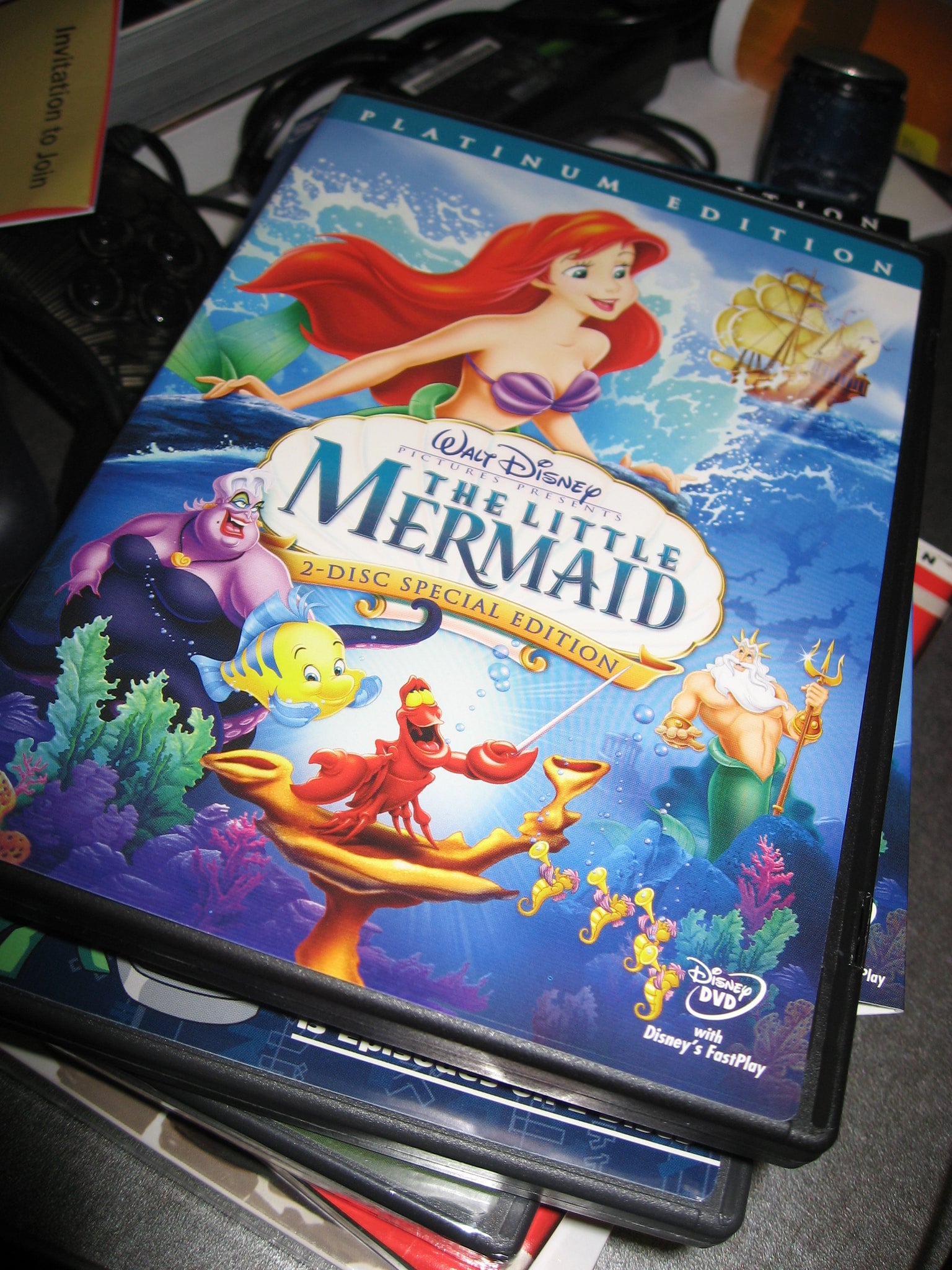
Sebastian appears in King Triton’s throne room during the sequel, but he’s not the Sebastian you remember. This version is clearly older, moving more slowly, positioned as a background character rather than comic relief.
Disney aged their characters realistically between films. Sebastian earned his retirement, but he still shows up for important royal events.
It’s the kind of continuity that treats animated characters like real individuals with full lives off-screen.
Pizza Planet Truck In Finding Nemo
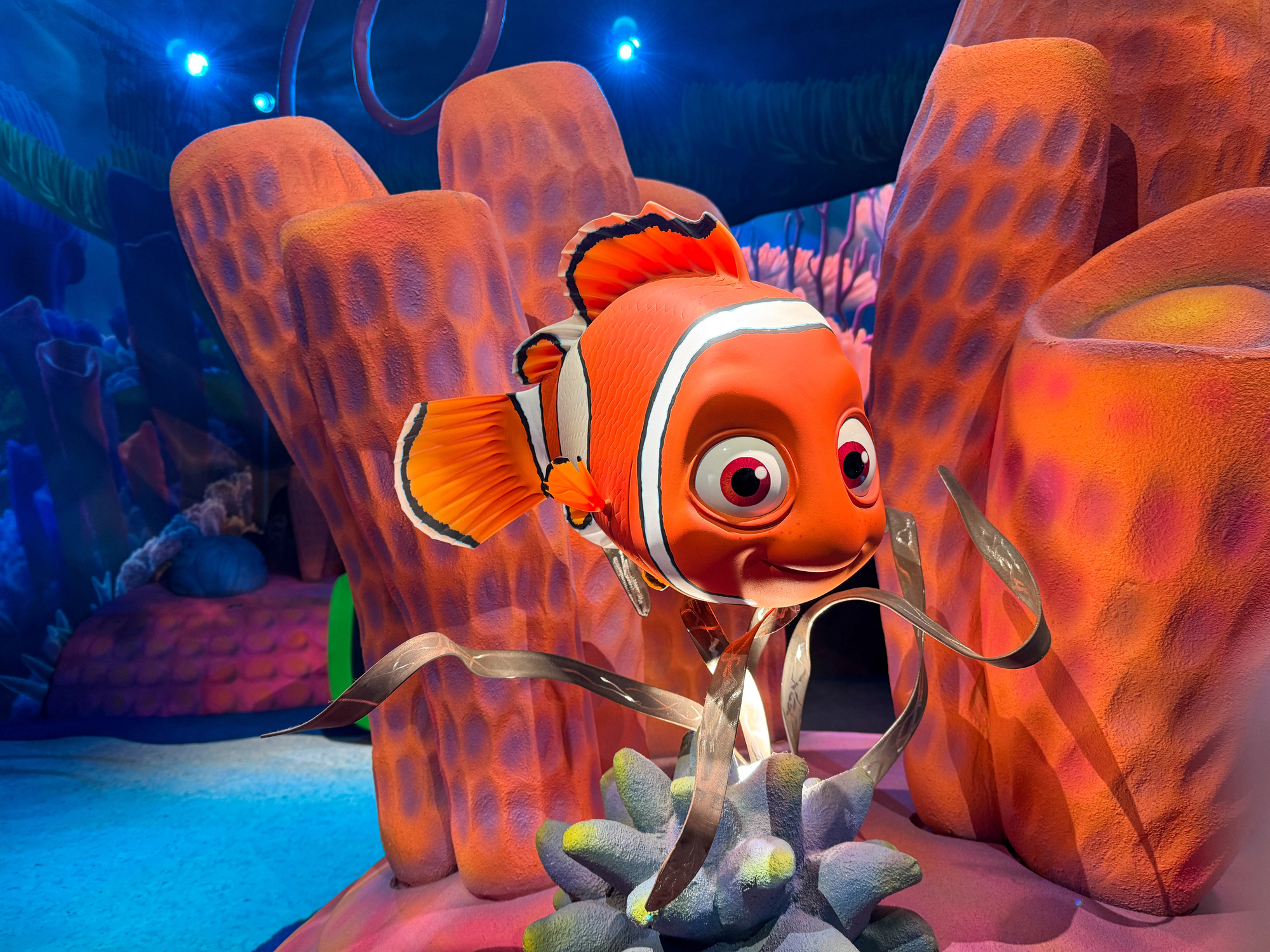
The famous truck from Toy Story sits on the ocean floor during one of the underwater scenes. It’s rusted, covered in barnacles, and completely out of place in the marine environment.
Pixar was already hiding this truck in every film, but Finding Nemo presented unique challenges. How do you sneak a delivery vehicle into the Great Barrier Reef?
Simple: make it ocean trash and let the environment claim it.
Carpet Pattern In The Princess And The Frog
Aladdin’s magic carpet pattern appears woven into rugs throughout Tiana’s New Orleans, but the context transforms the meaning entirely — what was once a vehicle for romantic flights over Agrabah becomes mundane home decoration in the American South, which says something quietly profound about how dreams migrate across cultures and time periods, losing some of their magic in translation while gaining new kinds of significance (the pattern that once carried two people through the night sky now sits under kitchen tables and in parlor rooms, still beautiful, just tethered to the ground).
And yet there’s something fitting about this transformation, since Tiana’s story is fundamentally about finding magic in everyday work, about elevating the ordinary through extraordinary effort. So maybe the carpet pattern landing in her world isn’t a loss of wonder — maybe it’s wonder learning to live in the real world.
Mushu In Moana
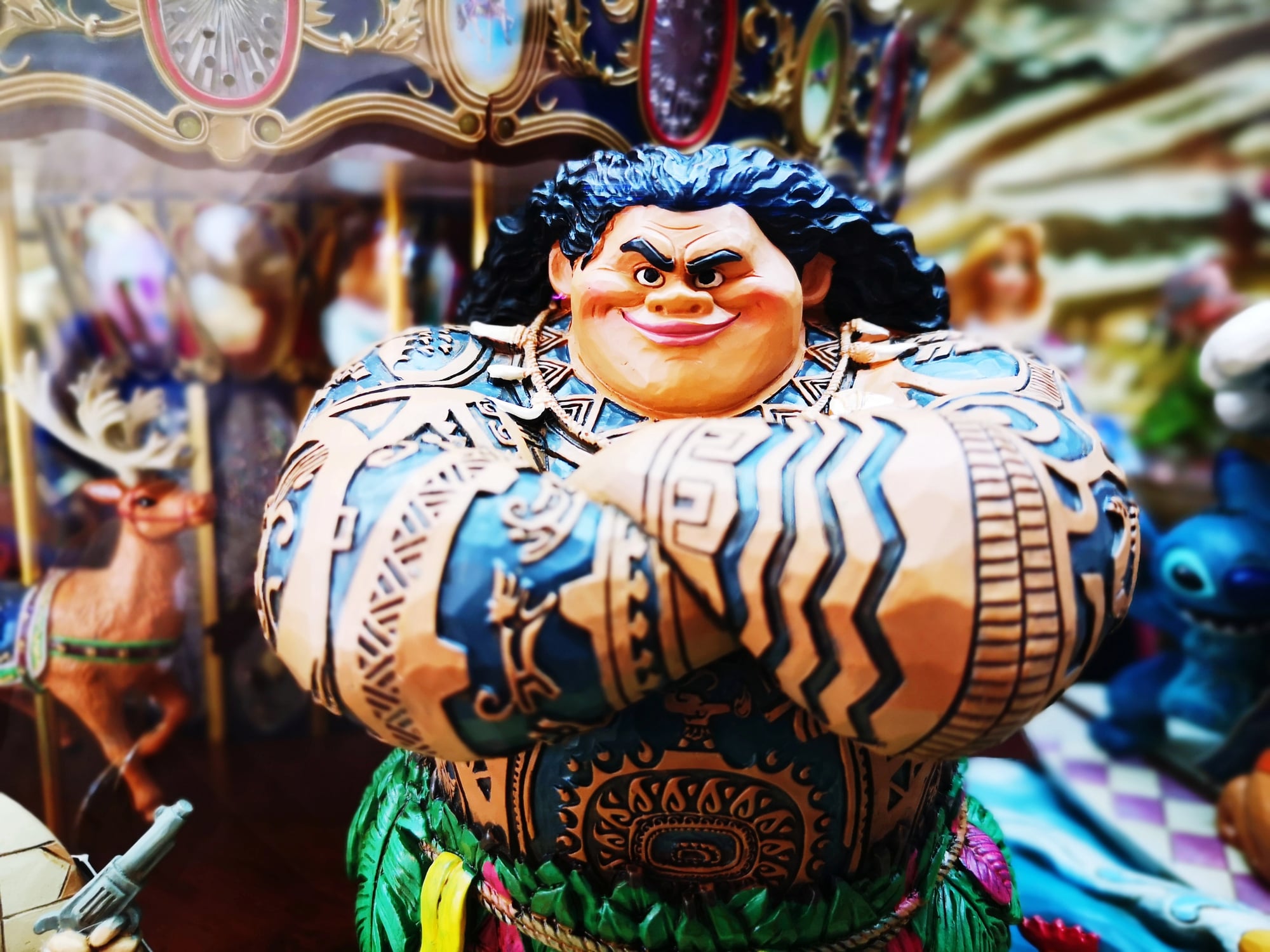
The tiny dragon appears carved into background details throughout Motunui, specifically on the support beams of buildings and the sides of boats. These aren’t prominent placements — you have to be looking carefully.
Disney was connecting their Pacific films across different time periods and mythologies. Mushu doesn’t belong in Polynesian culture, but as decorative art, he works.
The animators were creating their own version of cultural cross-pollination through Easter eggs.
Mickey’s Glove In The Rescuers
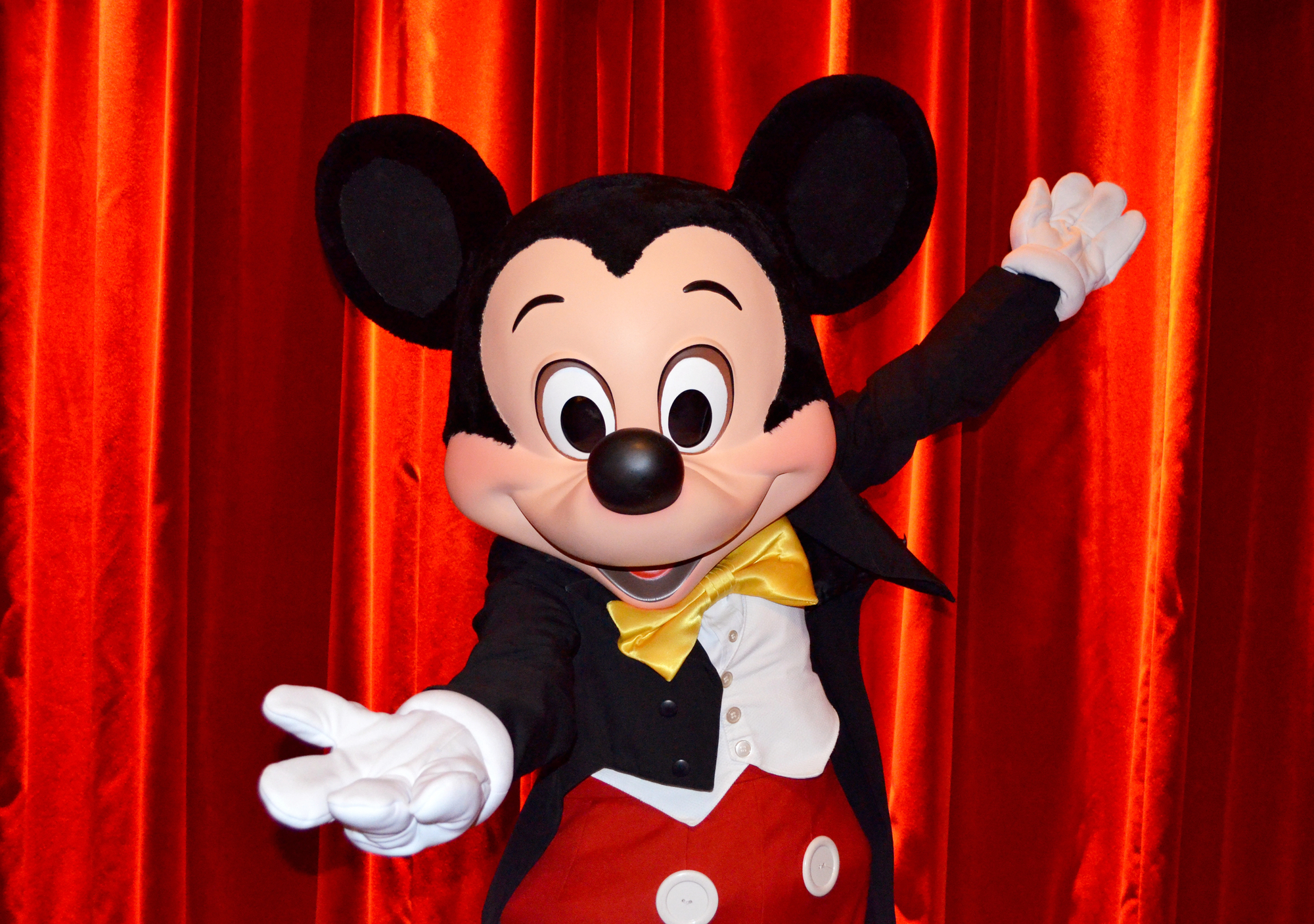
A child’s drawing of Mickey Mouse hangs on the wall in the orphanage where Penny lives, but the drawing shows only Mickey’s glove — not his face or ears, just the distinctive four-fingered white glove against crayon scribbles, and something about this partial representation feels more haunting than comforting, like a half-remembered dream or a character who exists just outside the frame of vision (maybe that’s the point, though, since Penny herself exists on the margins of society, forgotten by everyone except two mice who happen to care enough to find her).
The glove becomes a symbol of hope that’s almost too fragile to look at directly — Mickey Mouse as protective spirit rather than cheerful entertainer. And it works precisely because it’s incomplete, because sometimes comfort comes not from seeing the whole picture but from recognizing just enough of something familiar to remember that someone, somewhere, is still paying attention.
Bambi’s Mother In Frozen
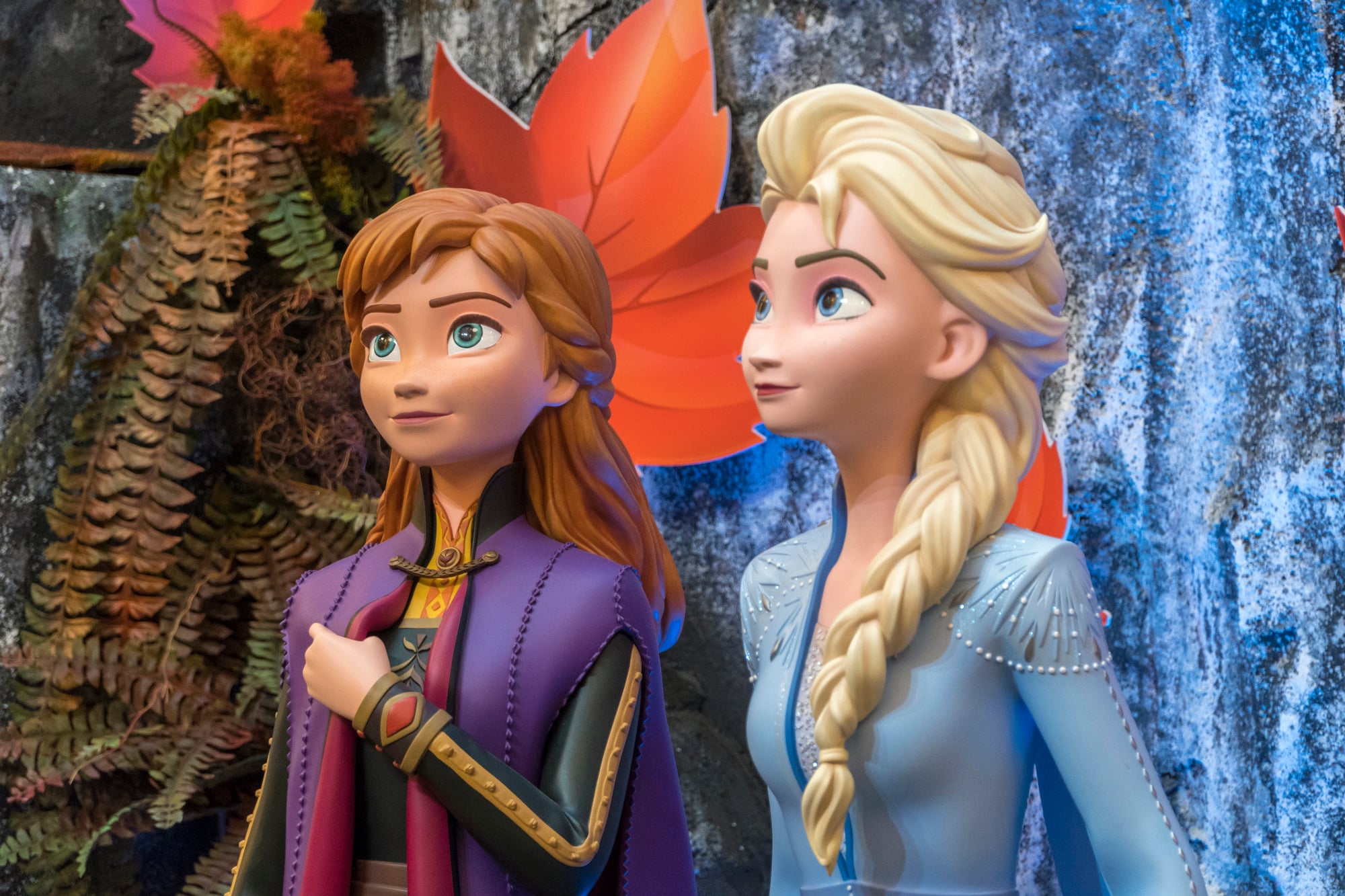
During Elsa’s coronation, a portrait of Bambi’s mother hangs in the background of the castle’s great hall. The painting shows her in a formal, royal style that matches the other portraits of Arendelle’s nobility.
This placement creates an unexpected connection between two of Disney’s most traumatic parent-loss stories. Both Elsa and Bambi lose their mothers and must learn to survive without guidance.
The portrait suggests these characters exist in the same universe, facing similar challenges across different time periods.
Carpet Weaving In Tangled
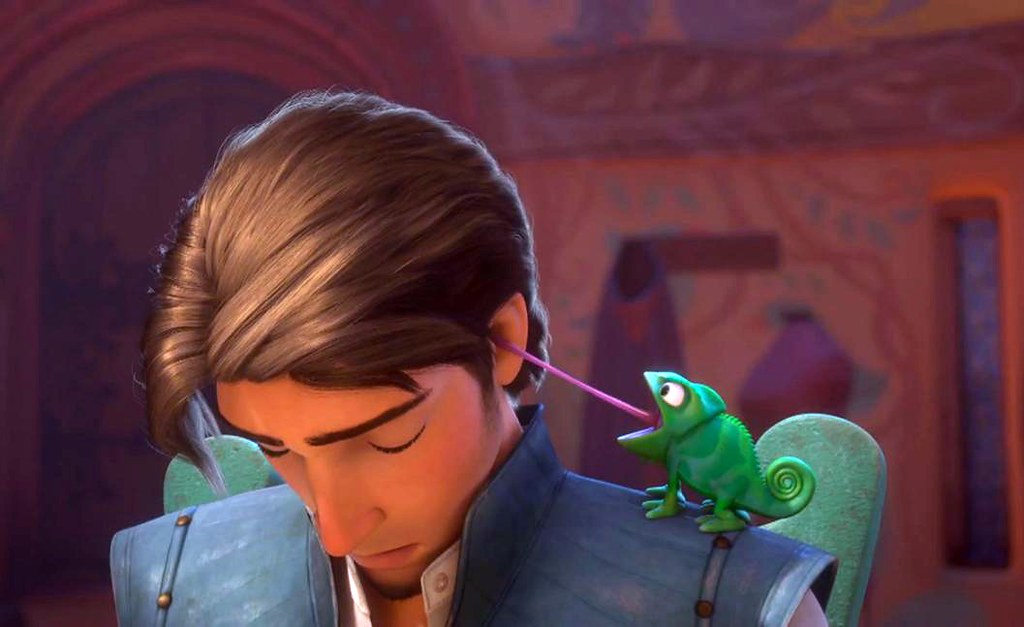
Rapunzel’s tower contains rugs with patterns identical to those in Aladdin’s palace. She weaves them herself during the “When Will My Life Begin” sequence, creating exact replicas of designs she’s never seen.
The implication is either magical or coincidental, depending on how you interpret Disney’s shared universe. Rapunzel has been locked away her entire life, yet somehow produces patterns from a Middle Eastern palace.
The animators never explain it, leaving viewers to decide whether it’s meaningful or just visual recycling.
Magic In The Mundane
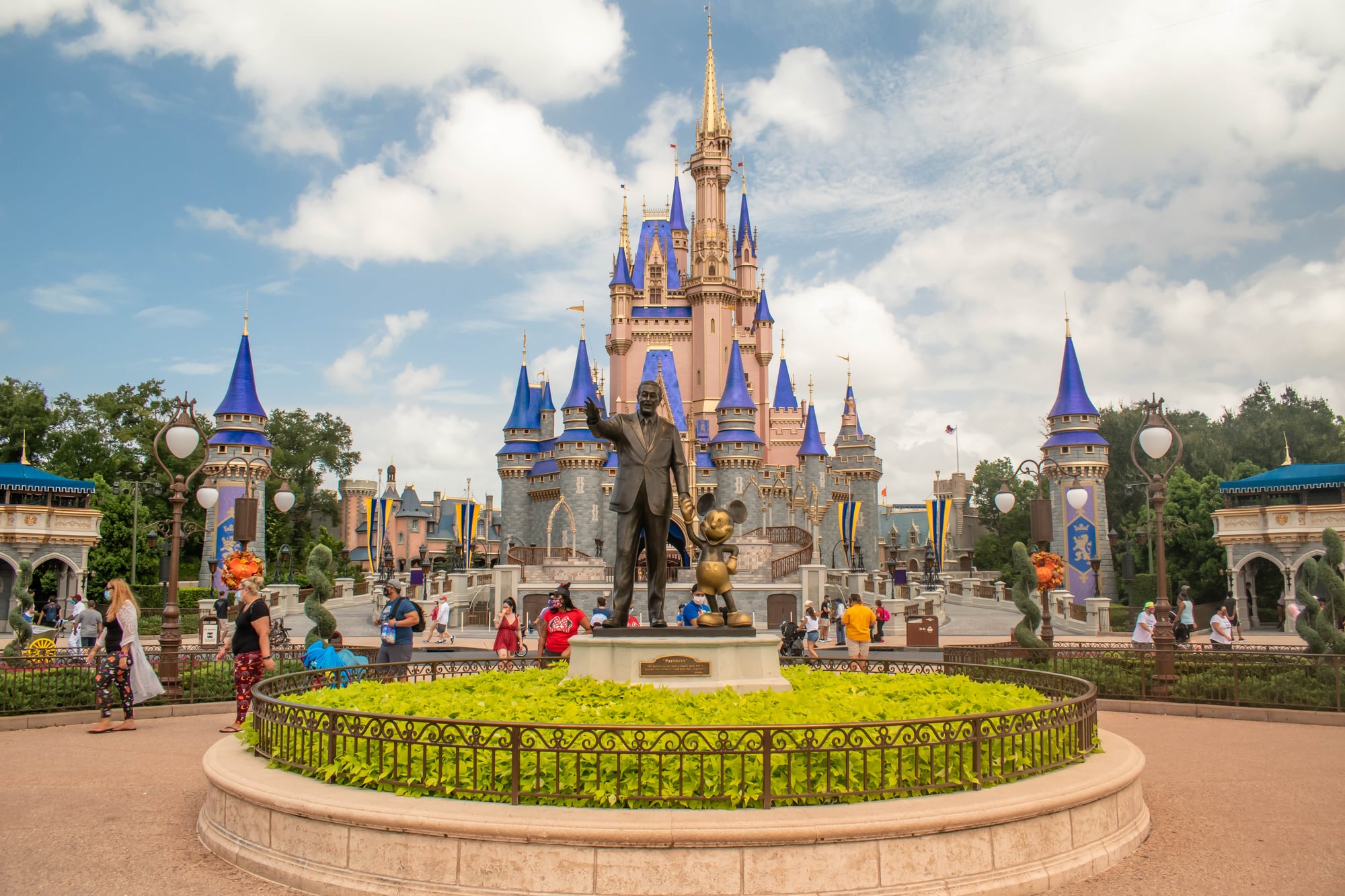
These Easter eggs transform casual viewing into treasure hunting. Disney animators understood that stories become richer when they reference other stories, when characters acknowledge the existence of worlds beyond their own immediate plots.
The best hidden details don’t announce themselves. They wait patiently in backgrounds and brief moments, rewarding the kind of attention that treats animated films as worth examining frame by frame.
Finding them feels like discovering a secret handshake between the people who made these movies and the people who love them enough to look closely.
More from Go2Tutors!

- The Romanov Crown Jewels and Their Tragic Fate
- 13 Historical Mysteries That Science Still Can’t Solve
- Famous Hoaxes That Fooled the World for Years
- 15 Child Stars with Tragic Adult Lives
- 16 Famous Jewelry Pieces in History
Like Go2Tutors’s content? Follow us on MSN.