Images of 14 Geographically Distant Animal Pairs That Are Similar
Nature has a peculiar sense of humor. Across oceans and continents, separated by thousands of miles and millions of years of evolution, completely unrelated animals end up looking remarkably alike.
It’s as if the same blueprint got passed around the world, tweaked slightly for local conditions, then deployed with stunning consistency.
These aren’t cases of shared ancestry or migration patterns. These are examples of convergent evolution — nature’s way of proving that certain designs simply work, regardless of where you are on the planet.
The results can be startling: a mammal in Australia that looks nearly identical to a rodent in Africa, or a bird from South America that mirrors one from Asia so closely you’d swear they were cousins.
Arctic Fox and Fennec Fox
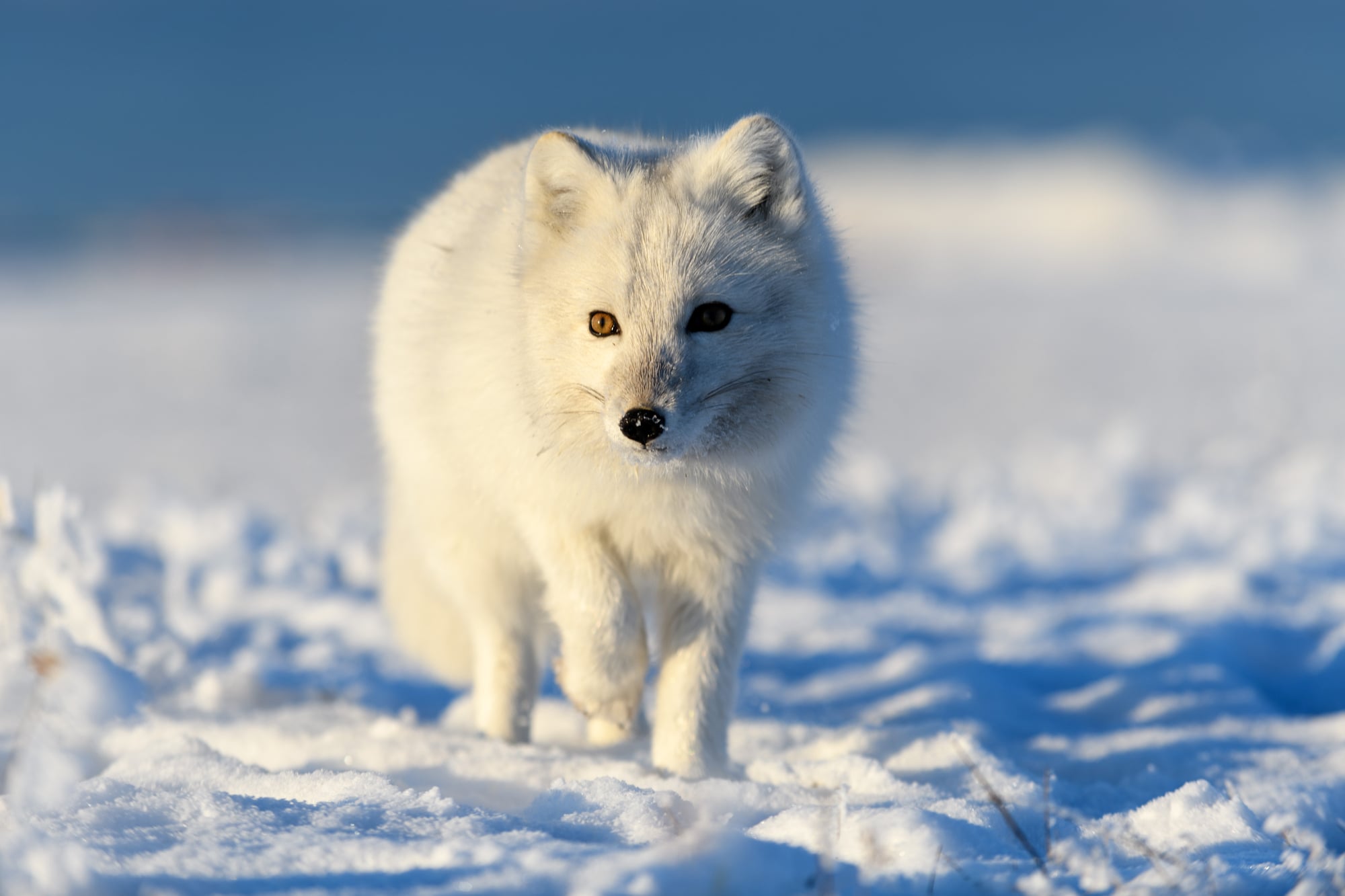
Arctic foxes live in the frozen tundra of northern Canada and Siberia. Fennec foxes live in the scorching deserts of North Africa.
Both have oversized ears relative to their body size — though for opposite reasons.
The similarities run deeper than you’d expect. Both species have adapted their coats to extreme temperatures, just in different directions.
Both are small, compact, and built for efficiency in harsh environments where resources are scarce.
Sugar Glider and Flying Squirrel
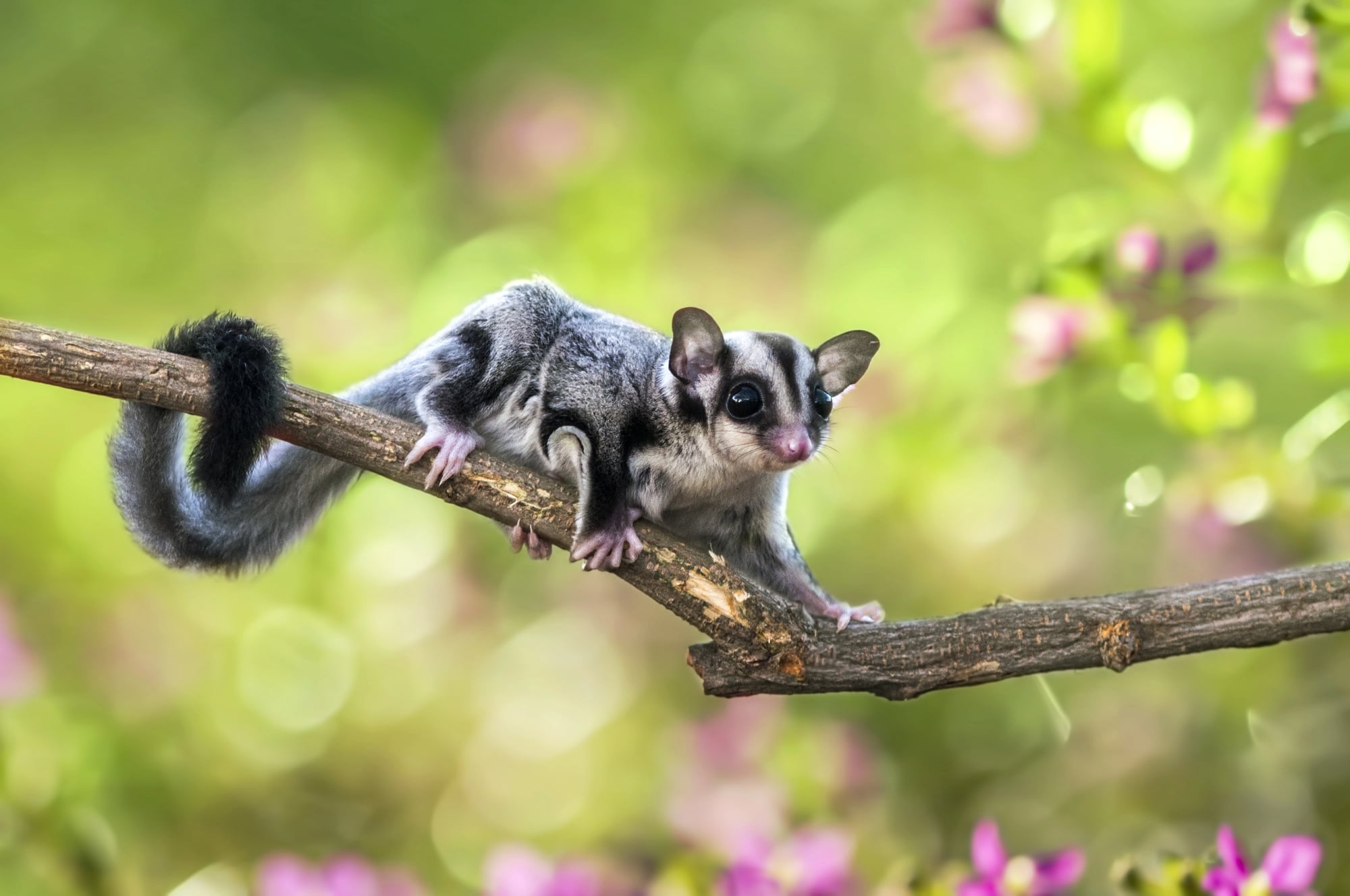
(The sugar glider from Australia and the flying squirrel from North America represent one of evolution’s most charming coincidences — two completely different mammals that arrived at the exact same solution for getting around forests quickly), which is to say they both developed flaps of skin stretched between their limbs that let them glide from tree to tree with remarkable precision. And yet these aren’t even close relatives: sugar gliders are marsupials while flying squirrels are placental mammals, but watching either one launch itself through the air, you’d never guess they evolved on separate continents.
So similar are their designs that early naturalists assumed they had to be related somehow. They were wrong.
The membrane structure is nearly identical in both species, running from wrist to ankle and creating the same wing-like surface. Both have large eyes adapted for night vision, both make their homes in tree hollows, and both can adjust their gliding path mid-flight with subtle shifts in body position.
Thylacine and Gray Wolf
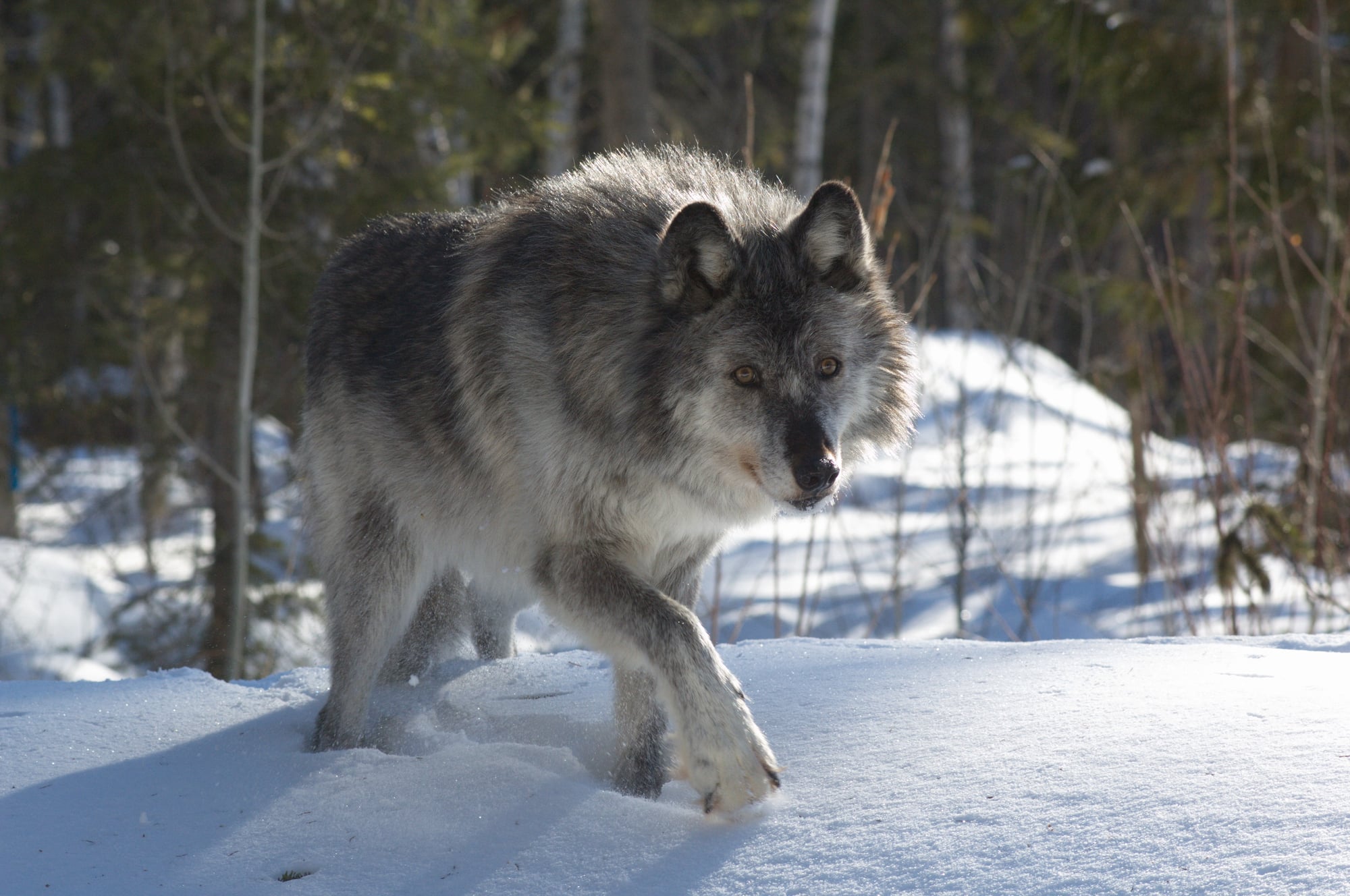
The thylacine was a marsupial. The gray wolf is a placental mammal.
One lived in Australia, the other across North America and Eurasia.
Yet photographs of both animals reveal an almost unsettling resemblance — the same lean build, pointed ears, and elongated snout. The thylacine even earned the nickname “Tasmanian wolf” for obvious reasons.
Both were apex predators in their respective ecosystems, both hunted in similar ways, both filled the same ecological niche. Evolution had crafted two nearly identical hunters from completely different starting points, separated by an entire planet.
The thylacine went extinct in 1936, but the resemblance remains one of the most striking examples of convergent evolution ever documented.
Hedgehog and Echidna
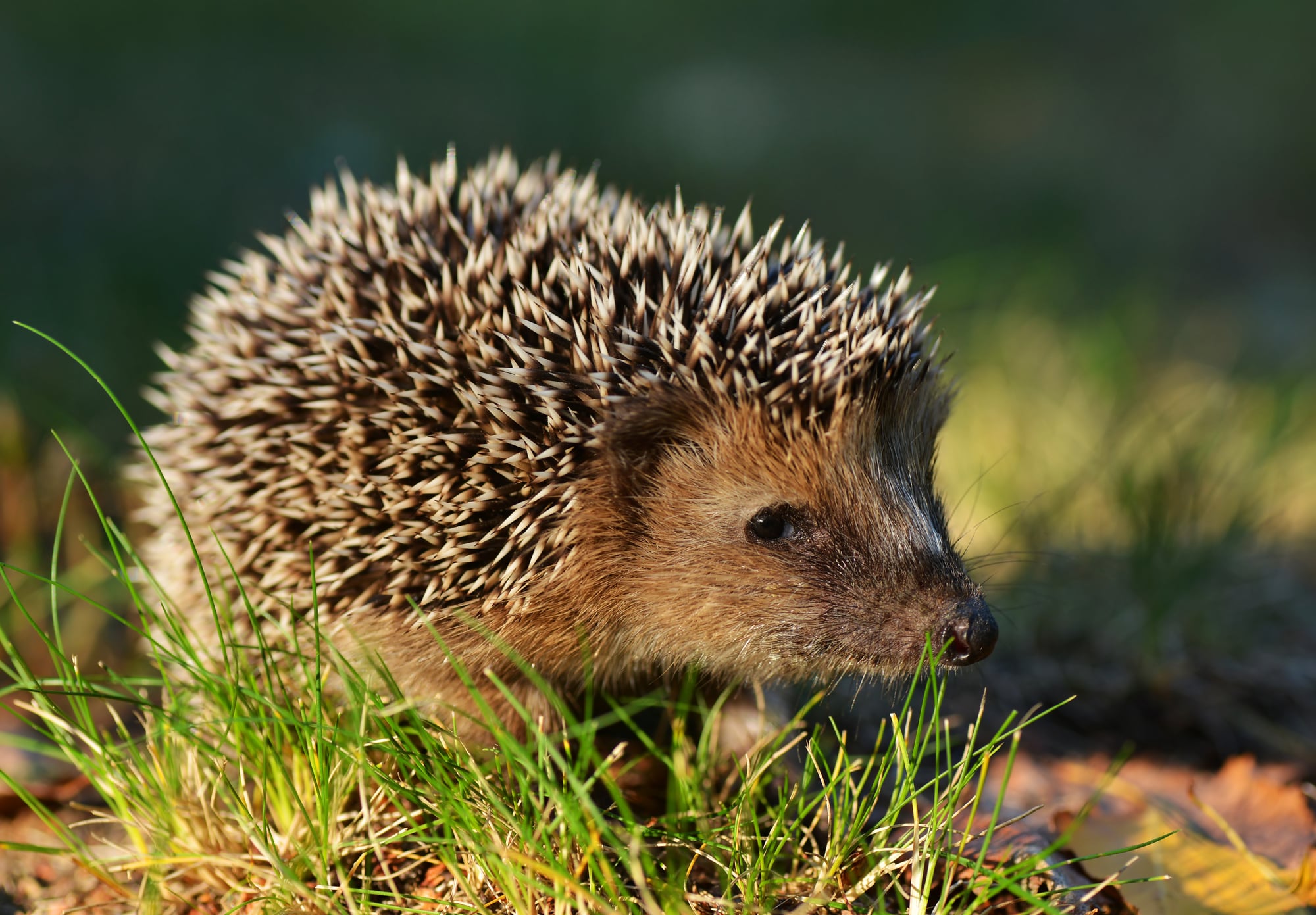
Spines work. This much is clear from looking at hedgehogs in Europe and echidnas in Australia — two animals that solved the same problem (how not to get eaten) with the same solution (become a walking pincushion).
The echidna is actually a monotreme, more closely related to the platypus than to any other spiny mammal. The hedgehog is a placental mammal with closer ties to shrews than to anything else covered in quills.
Yet both curl into defensive orbs when threatened, both use their spines as their primary defense mechanism, and both have developed similar foraging behaviors. Fair enough — when you’re covered in sharp points, certain lifestyle choices become inevitable.
Neither animal wastes energy on speed when they can simply become temporarily untouchable instead.
Hummingbird and Sunbird
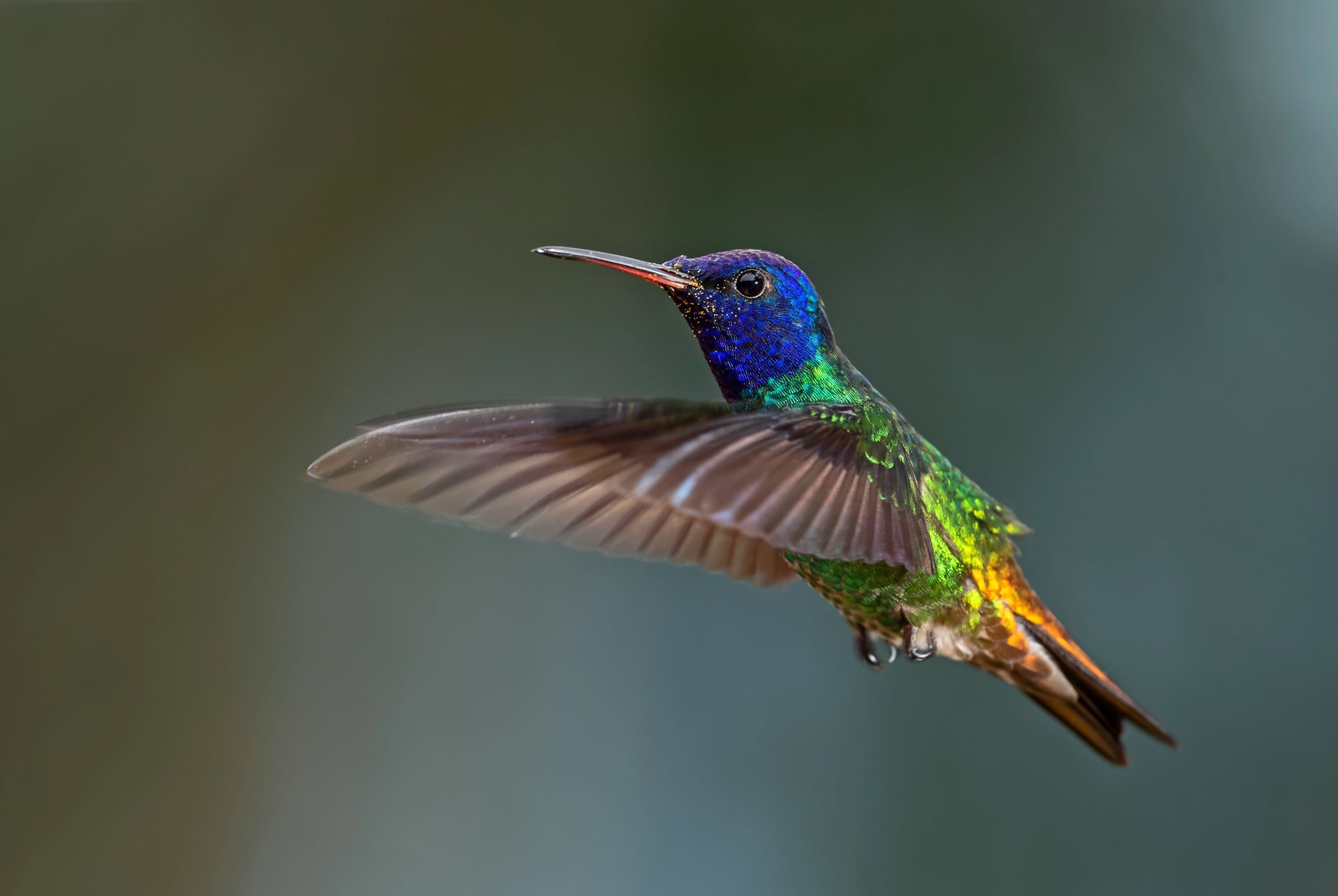
Tiny, jewel-toned birds that hover at flowers and feed on nectar exist on multiple continents. Hummingbirds dominate the Americas while sunbirds fill the same role across Africa and Asia.
Both have long, curved bills perfectly shaped for reaching deep into flowers. Both have iridescent plumage that shifts color in the light.
Both are territorial around food sources and both have developed the ability to fly backwards — a rare skill in the bird world. The main difference lies in their hover technique: hummingbirds can sustain true hovering flight, while sunbirds typically perch to feed.
Otherwise, they’re remarkably similar solutions to the same ecological puzzle.
Pangolin and Armadillo
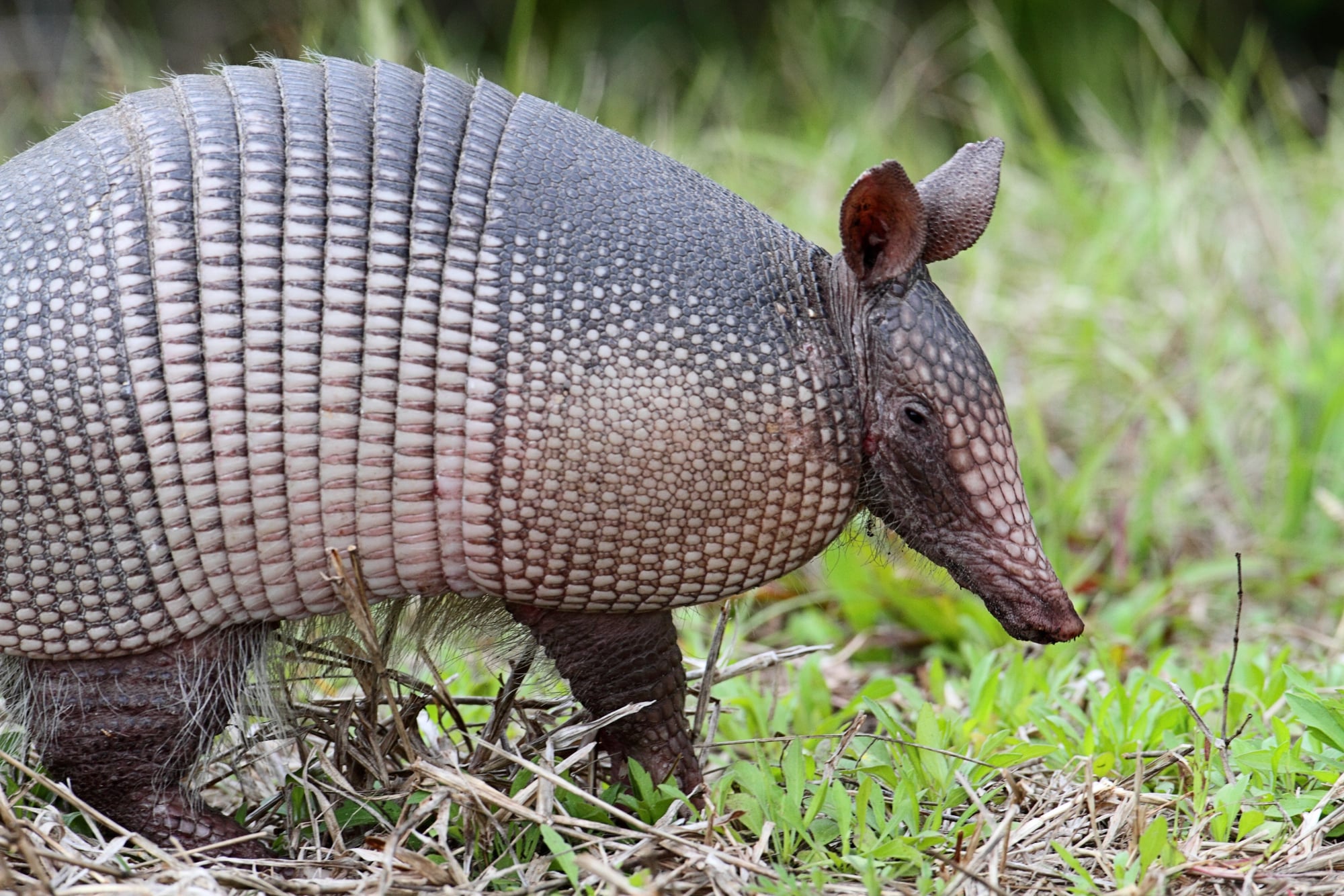
Armor plating as a defense strategy appears to have occurred independently to nature at least twice (and probably more times than that, if you count various beetles and crustaceans), resulting in the pangolin of Africa and Asia and the armadillo of the Americas — two mammals that look like they were designed by the same committee of engineers who specialized in medieval warfare equipment. Both are covered in overlapping scales or plates, both can roll into protective orbs when threatened, both have powerful claws for digging, and both feed primarily on ants and termites using long, sticky tongues that seem almost comically oversized for their bodies.
The pangolin’s scales are made of keratin while the armadillo’s shell is bone covered in keratin, but the end result is nearly identical: a walking tank that’s perfectly equipped for a life spent raiding insect colonies. And both species have that same slightly ridiculous waddle when they walk, which makes sense when your entire body is encased in natural armor.
Numbat and Anteater
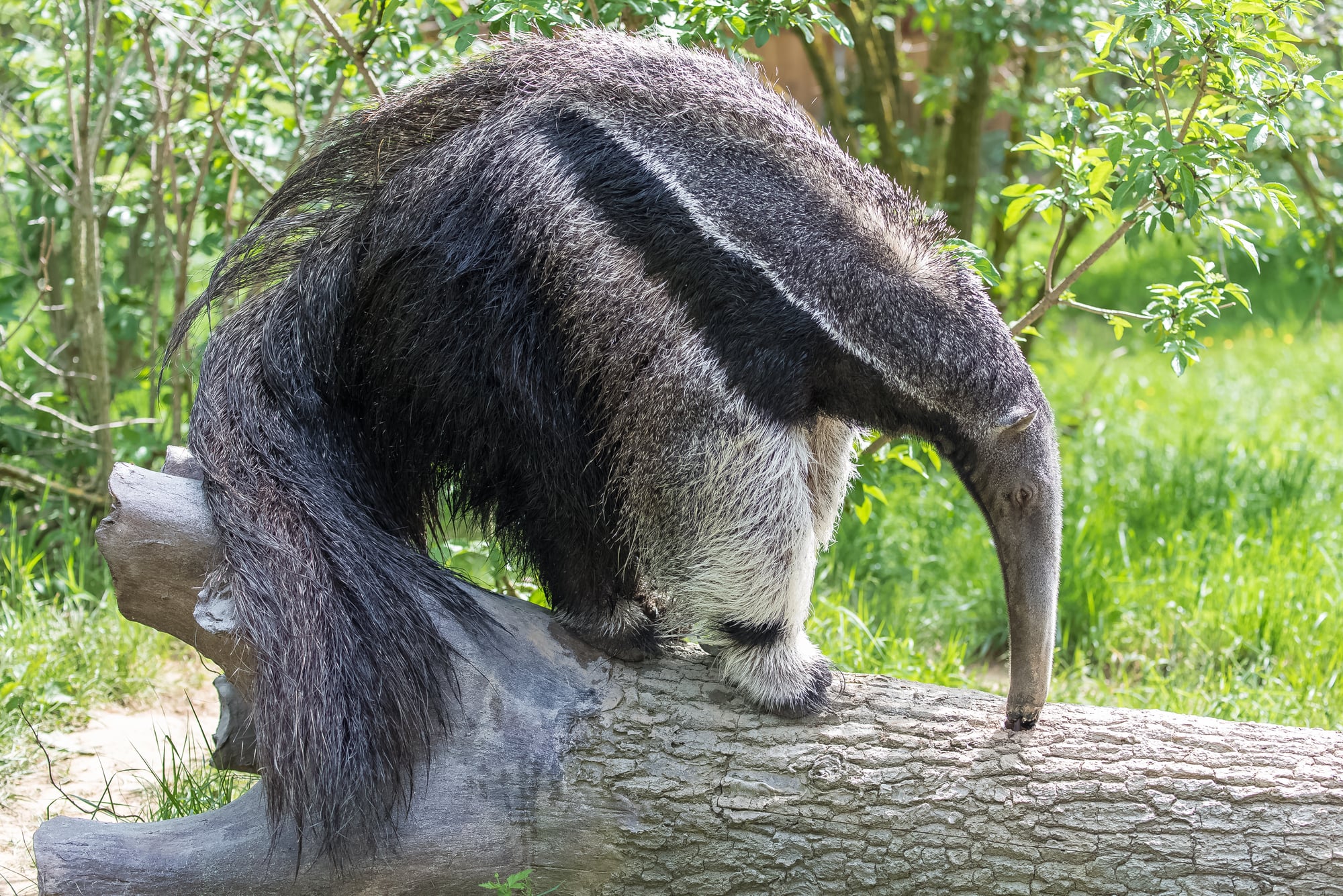
The numbat lives in Western Australia. Various anteater species range across Central and South America.
Both are built like living vacuum cleaners designed specifically for termite consumption.
Both have elongated snouts, sticky tongues that can extend well beyond their heads, and powerful claws for breaking into termite mounds. Both are day-active, which is unusual for insect-eating mammals.
Both have developed similar feeding behaviors and both can consume thousands of insects per day. The numbat is a marsupial while anteaters are placental mammals, but the job requirements for professional termite-eating apparently transcend taxonomic boundaries.
Flying Fish and Flying Gurnard
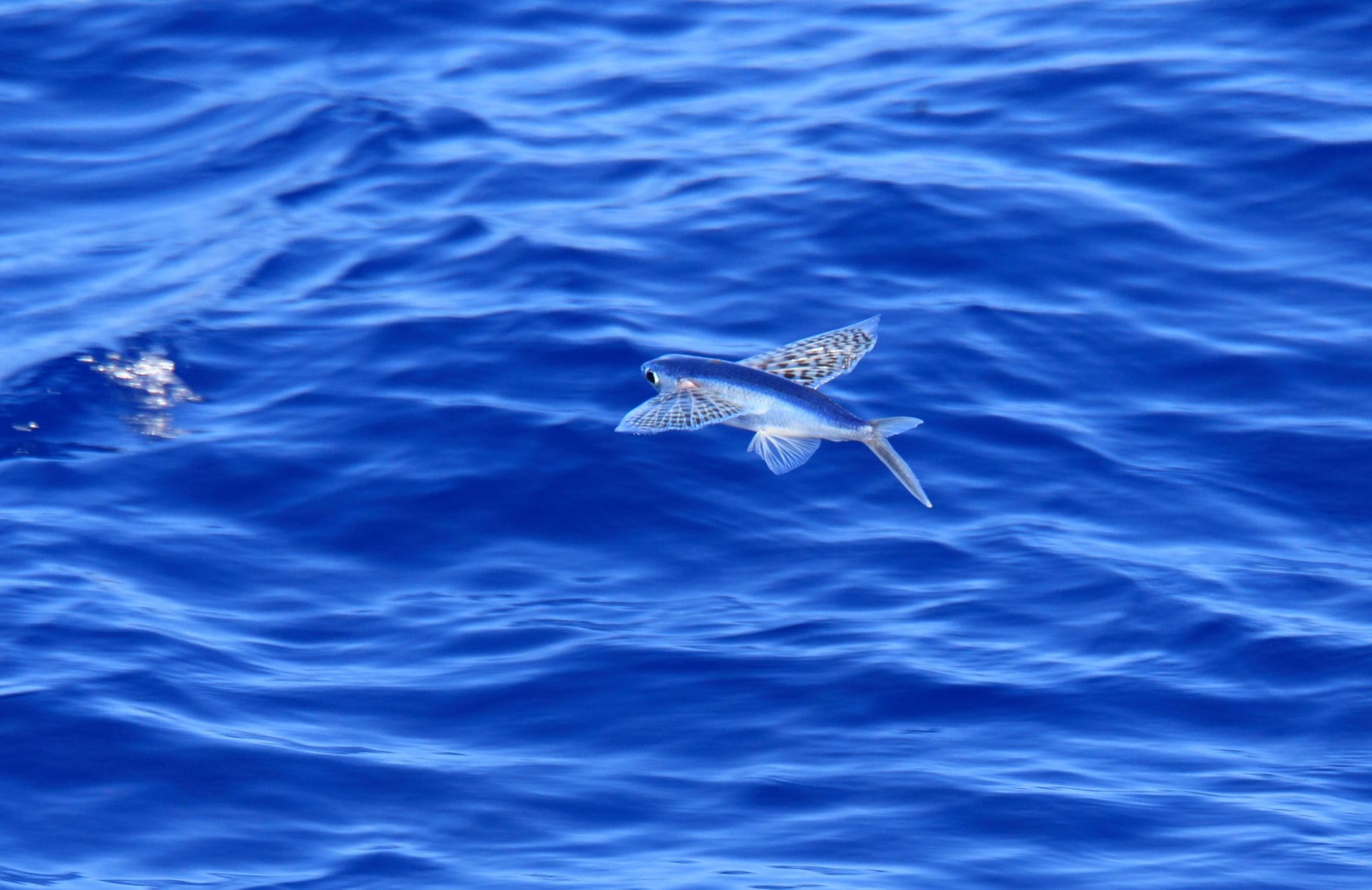
Flight — or at least gliding — appeals to fish in different parts of the world. Flying fish in tropical oceans and flying gurnards in warmer Atlantic waters both developed wing-like fins that let them briefly escape their aquatic environment.
Flying fish use their enlarged pectoral fins to glide above the water surface, sometimes covering distances of several hundred feet. Flying gurnards have similar fin structures and can achieve short gliding flights, though they’re generally less accomplished at it.
Both species evolved this ability as an escape mechanism from underwater predators. The physics of the solution are nearly identical even though the fish themselves belong to completely different families.
Caracal and Lynx
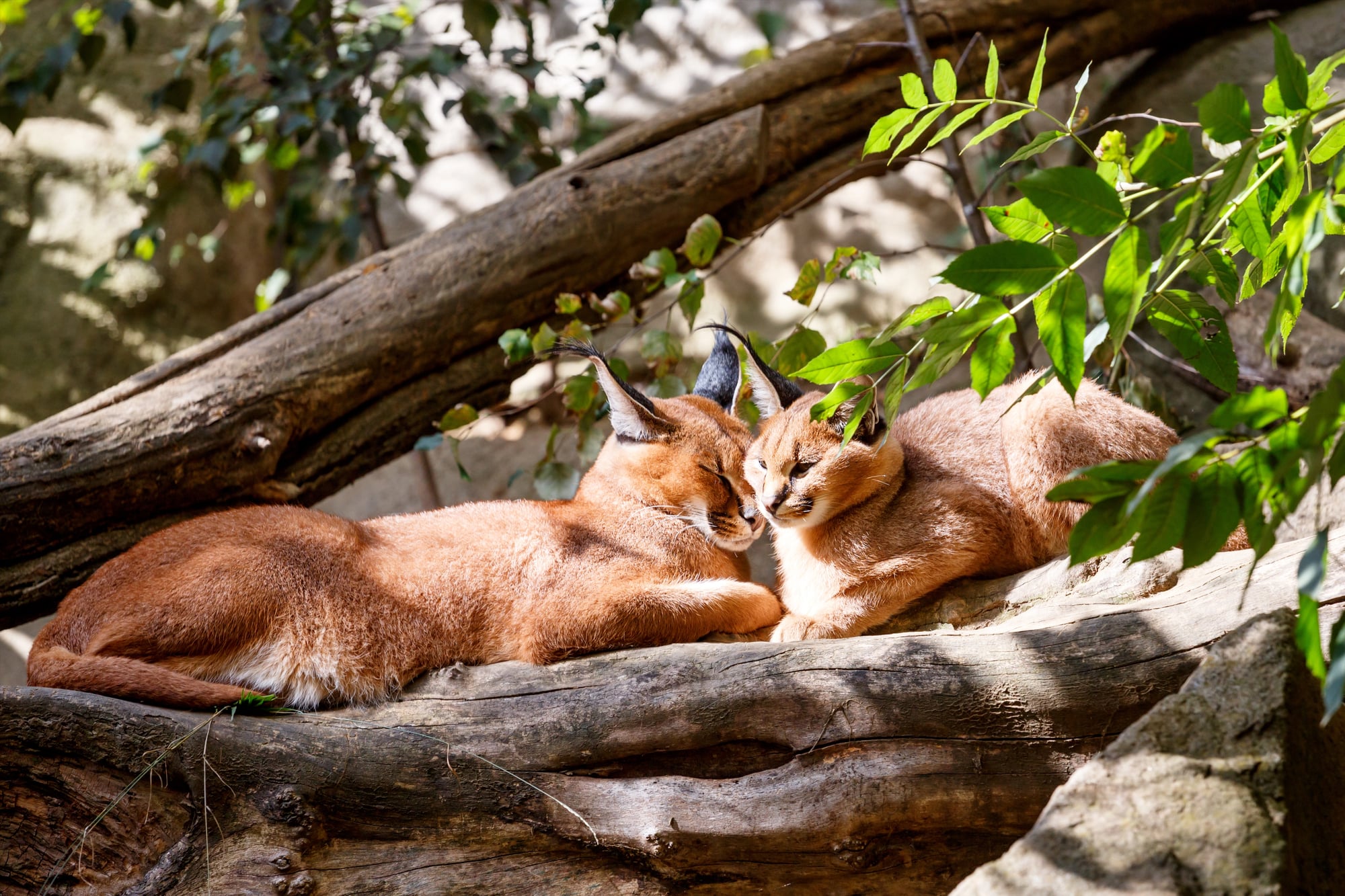
(Caracals roam the deserts and grasslands of Africa and the Middle East while various lynx species inhabit the forests of North America, Europe, and Asia), and yet both cats arrived at the same distinctive look: tufted ears that stick up like exclamation points, compact muscular builds, and similar hunting strategies that emphasize explosive jumping ability over sustained running — which makes perfect sense when you consider that both are ambush predators that need to cover short distances very quickly rather than chase prey across long stretches of terrain.
But the ear tufts remain the most striking similarity, and they serve the same function in both species: enhancing hearing by acting as sound funnels, plus providing a bit of visual communication between individuals of the same species.
Both cats can leap vertically more than ten feet from a standing start, both prefer similar prey sizes, and both have that same intense, focused expression that suggests they’re perpetually calculating the precise trajectory needed to land on something unfortunate.
Aye-aye and Striped Possum
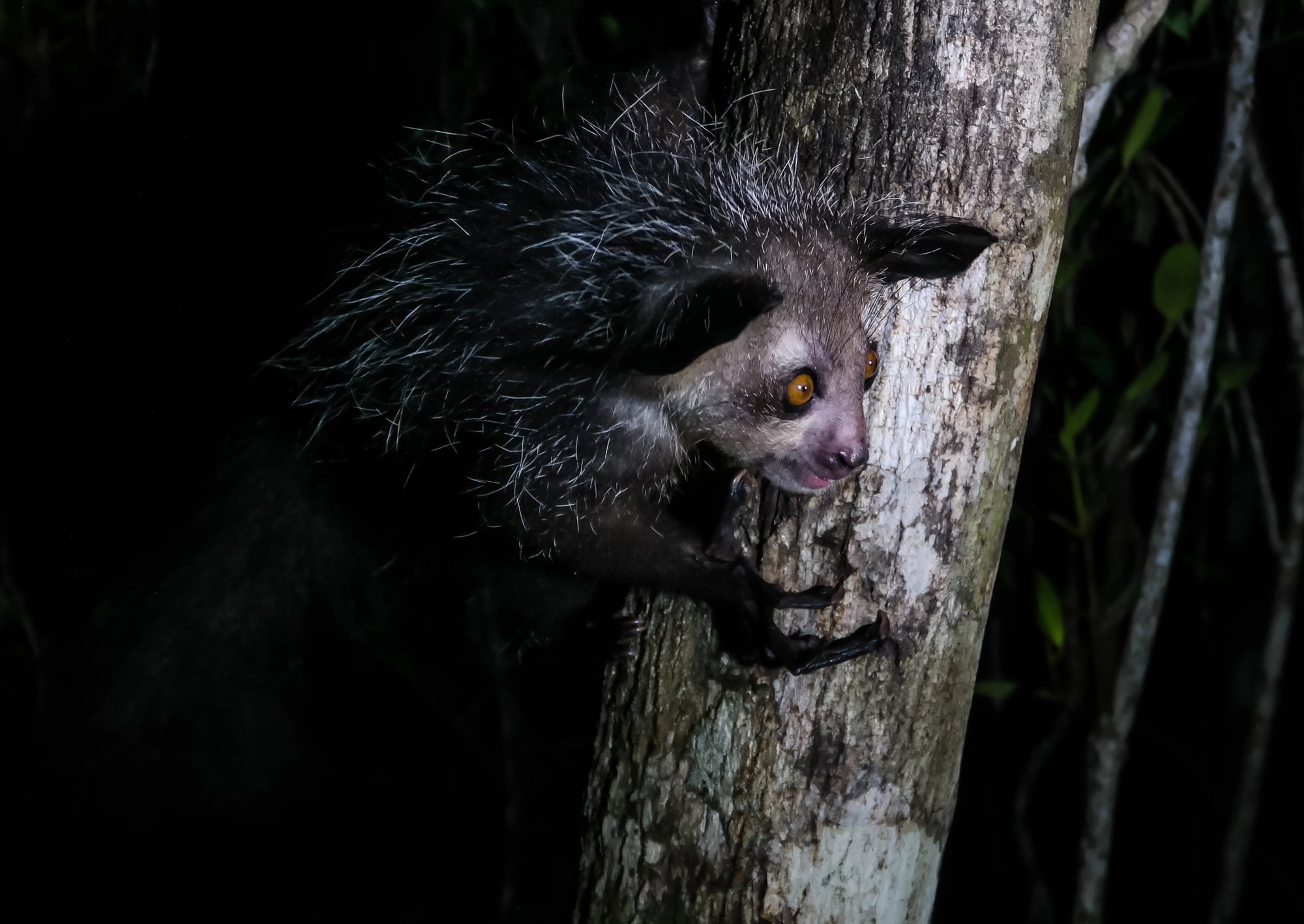
Madagascar’s aye-aye and Australia’s striped possum both solved the problem of how to extract insect larvae from inside tree bark. Both developed elongated middle fingers that work like specialized tools.
Both use their extended fingers to tap on wood, listening for hollow sounds that indicate insect tunnels underneath. Both then use the same finger to hook larvae out of the pits they’ve gnawed.
Both are nocturnal, both are primarily arboreal, and both have that slightly unsettling appearance that comes from having one finger significantly longer than the others. The aye-aye is a lemur, the striped possum is a marsupial, but the tool-use behavior is nearly identical.
Jerboa and Kangaroo Rat
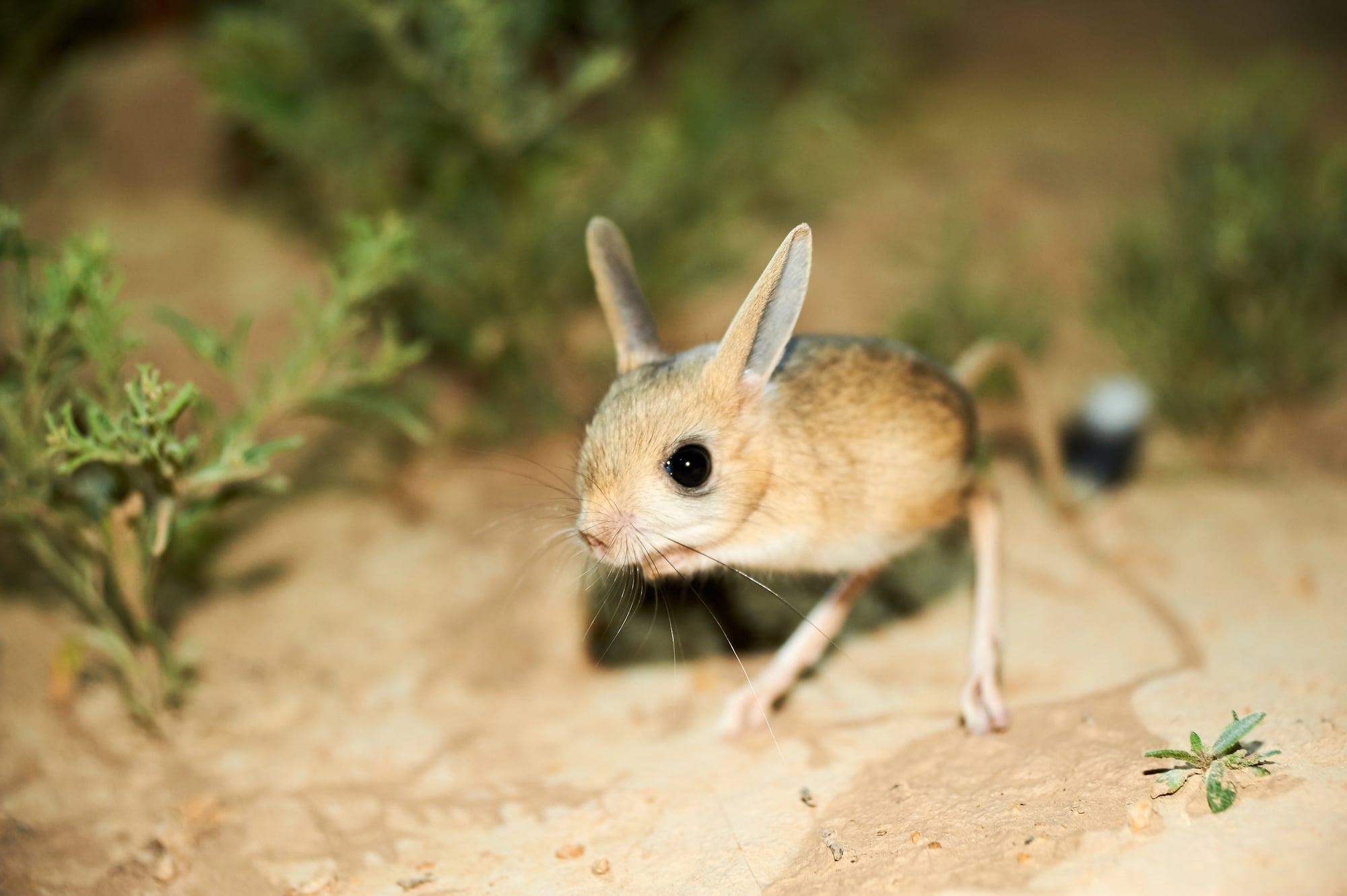
Desert life apparently demands a very specific body plan. Both jerboas (from African and Asian deserts) and kangaroo rats (from North American deserts) developed the same solution: oversized hind legs, tiny front legs, and a long tail for balance.
Both hop rather than run, both can leap remarkable distances relative to their body size, and both have adapted to survive without drinking water — getting all their moisture from the seeds they eat.
Both are nocturnal, both have excellent hearing, and both can change direction mid-hop with precision that would impress a gymnast. The kangaroo rat is a rodent, the jerboa is also a rodent but from a completely different family, yet desert survival apparently requires the same basic chassis regardless of your starting point.
Binturong and Kinkajou
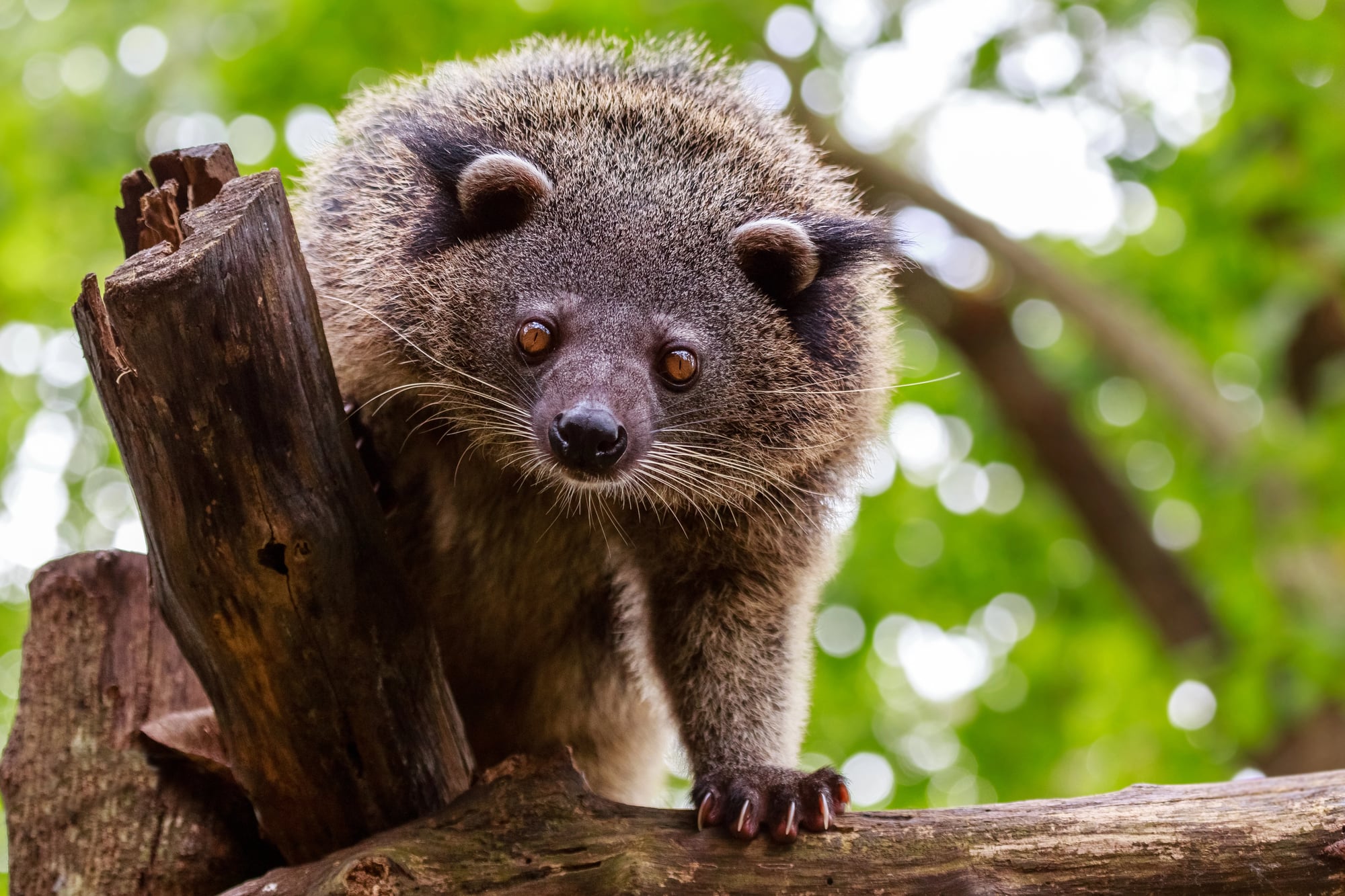
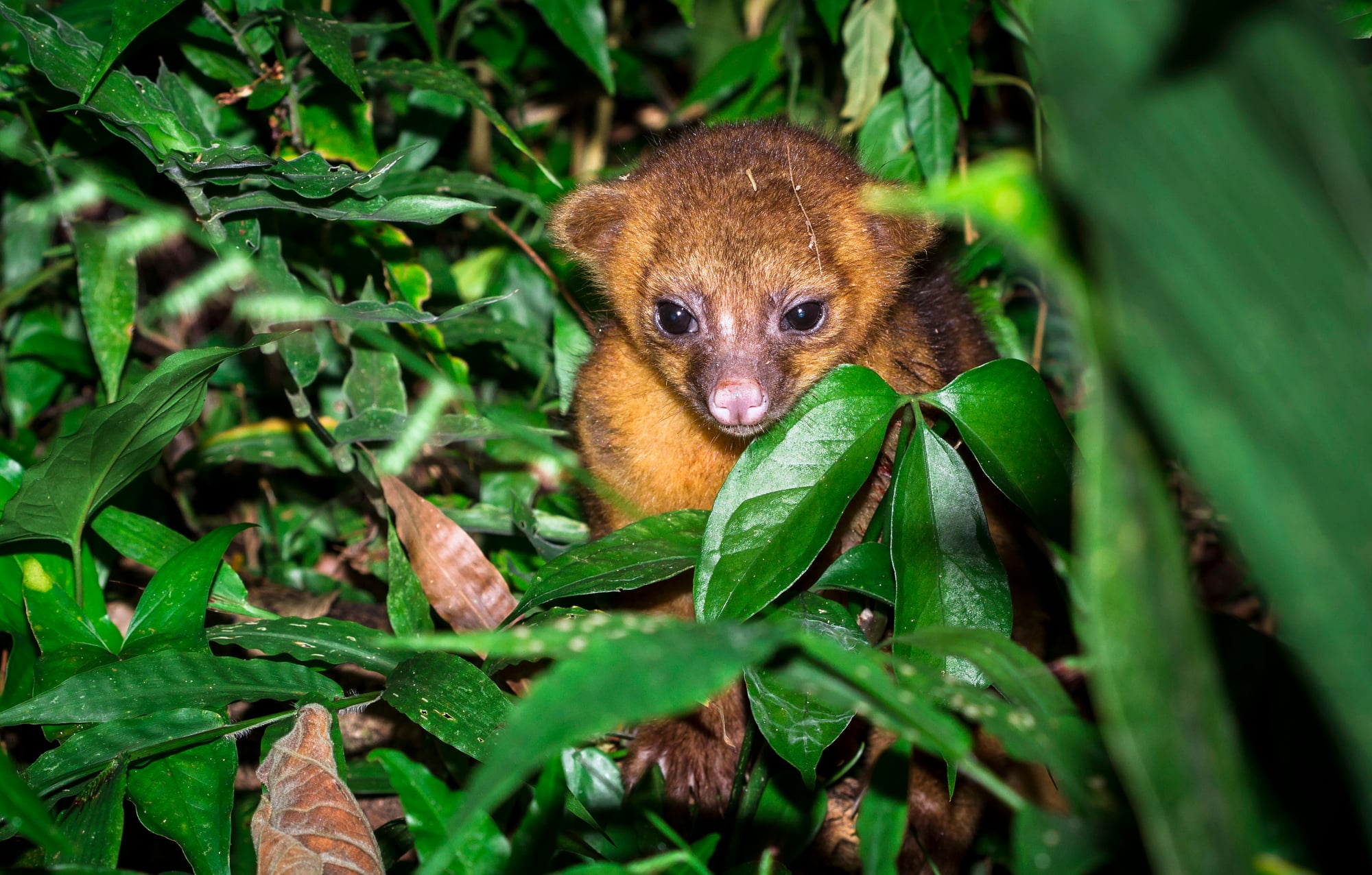
Tree-dwelling omnivores with prehensile tails exist in both Southeast Asia (binturong) and Central America (kinkajou). Both use their tails as a fifth limb for navigating forest canopies.
Both are primarily nocturnal, both have similar diets mixing fruits and small animals, and both move through trees with the same careful, deliberate gait of animals that trust their tails as much as their feet.
Both have rounded ears, stocky builds, and that slightly bear-like face common to omnivorous mammals. The binturong is related to civets while the kinkajou belongs to the same family as raccoons, but convergent evolution produced two arboreal generalists that could easily be mistaken for relatives.
Quoll and Genet
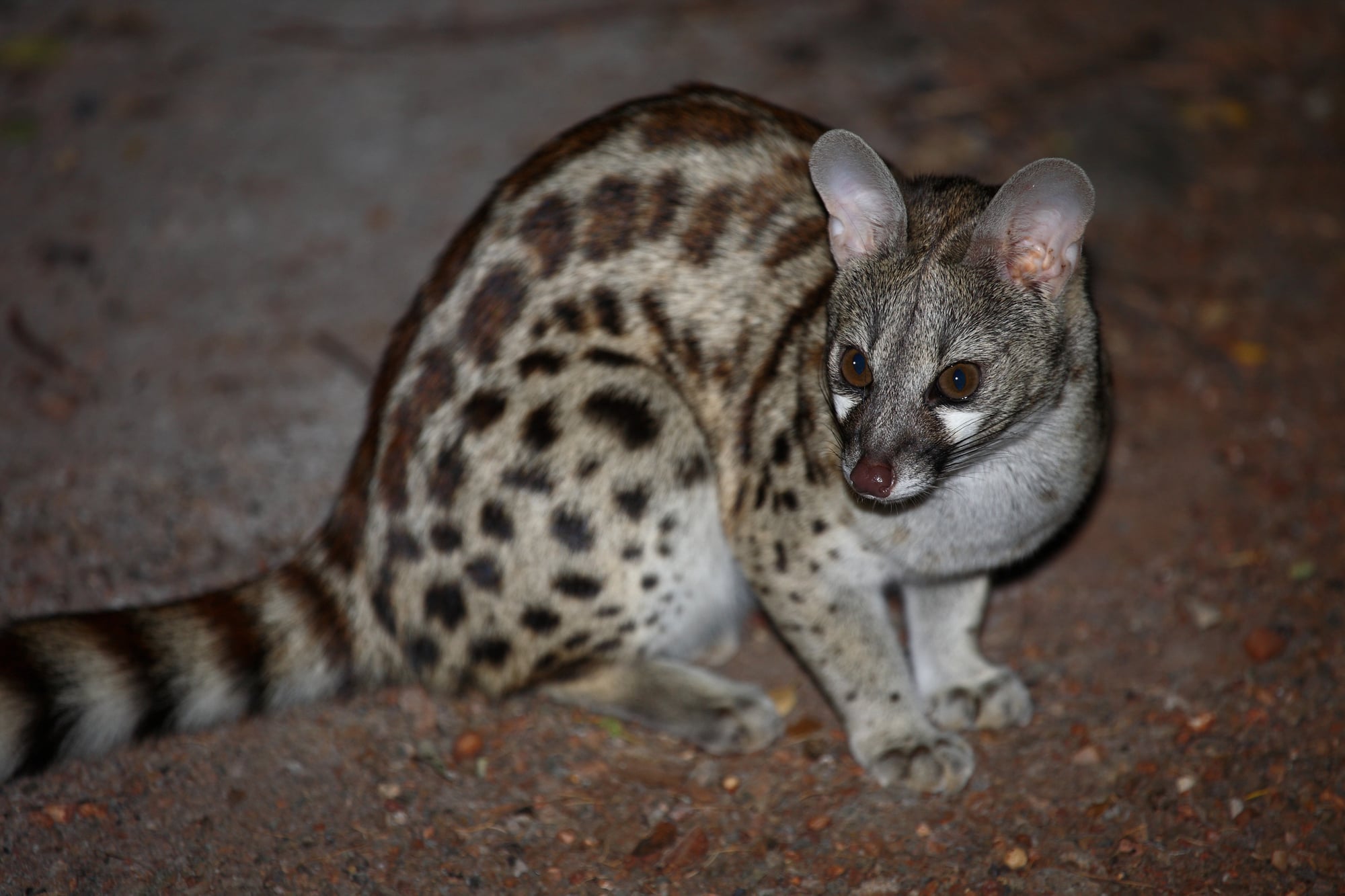
Spotted carnivores with long tails appear in both Australia (quoll) and Africa (genet). Both are primarily nocturnal hunters with similar prey preferences and hunting styles.
Both have spotted coats, both are excellent climbers, both hunt small mammals and birds using stealth rather than speed.
Both have similar body proportions — lean builds with relatively short legs and long tails that help with balance during climbing. The quoll is a marsupial carnivore while the genet belongs to the Viverridae family alongside civets, but the night-hunting lifestyle produced remarkably similar adaptations in both species.
Platypus and Echidna (Short-beaked)
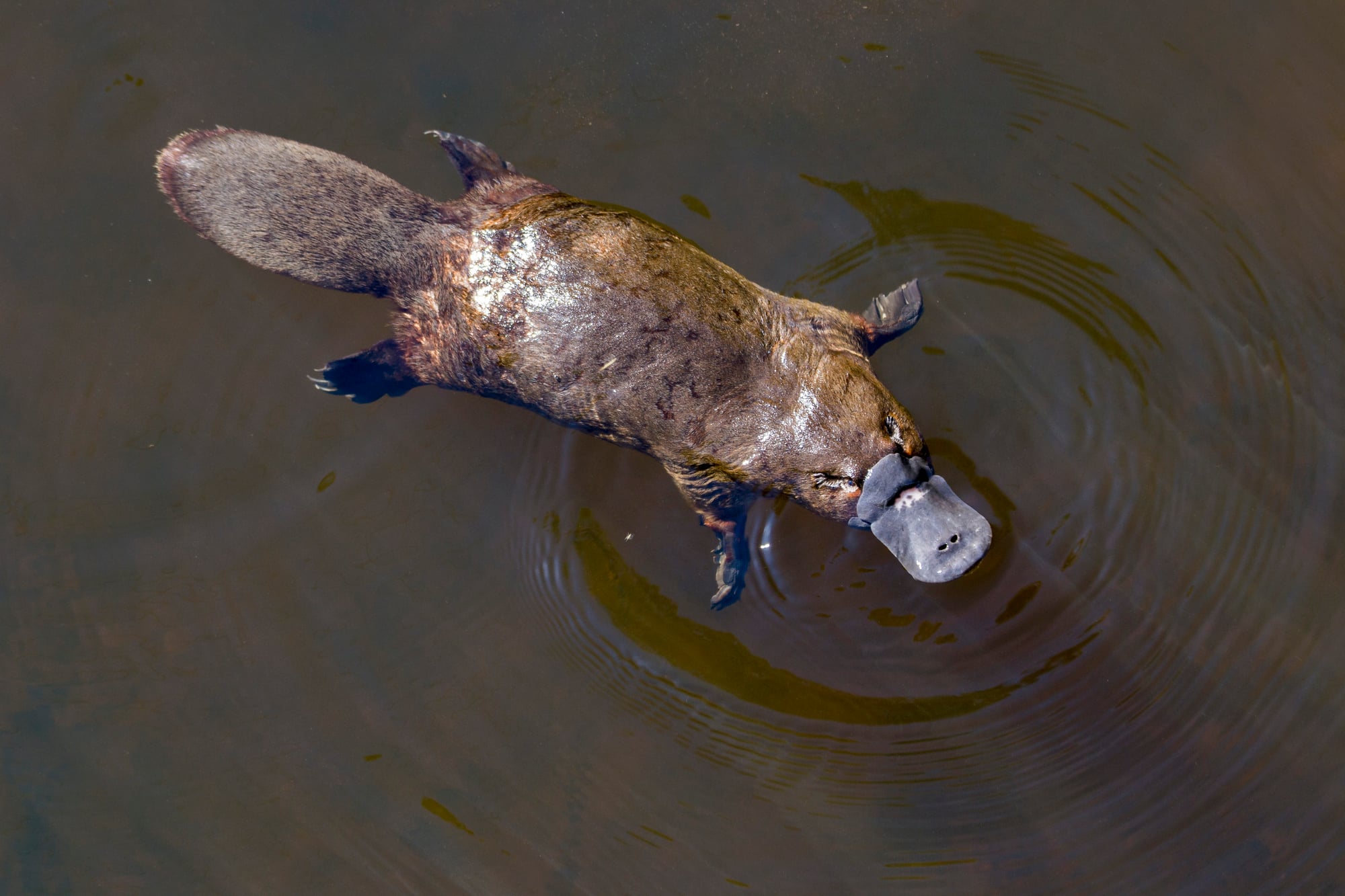
Both the platypus and short-beaked echidna are monotremes — the only egg-laying mammals on Earth. Both are found in Australia, making this less about geographic distance and more about evolutionary uniqueness.
What’s remarkable is how two monotremes diversified into such different niches while maintaining their shared egg-laying heritage. The platypus became semi-aquatic with a duck-like bill, while the echidna specialized for terrestrial ant-eating with its spiny coat.
Both use electroreception to hunt, both have similar reproductive cycles, and both represent evolutionary paths so unusual that early European naturalists thought specimens were hoaxes.
The Persistence of Good Design
These pairs reveal something fundamental about how life works. Certain solutions are so effective that nature arrives at them repeatedly, independently, across vast distances and time scales.
Whether it’s the aerodynamics of gliding, the mechanics of armor plating, or the efficiency of hopping locomotion in deserts, the same designs keep reappearing wherever the conditions are right.
The world is stranger and more connected than it first appears — not through shared ancestry, but through the simple fact that physics and survival needs remain constant regardless of which continent you call hom
More from Go2Tutors!

- The Romanov Crown Jewels and Their Tragic Fate
- 13 Historical Mysteries That Science Still Can’t Solve
- Famous Hoaxes That Fooled the World for Years
- 15 Child Stars with Tragic Adult Lives
- 16 Famous Jewelry Pieces in History
Like Go2Tutors’s content? Follow us on MSN.