Photos Of 15 Dangerous Sea Animals You Never Want To See
The ocean covers more than 70% of our planet, yet most of it remains unexplored.
That vastness holds creatures that seem pulled from nightmares — animals so dangerous, so alien in their lethality, that encountering them feels less like meeting wildlife and more like stumbling into nature’s weapons testing facility.
These aren’t your typical shark encounters or jellyfish stings. These are the animals that make marine biologists pause before describing them, the ones that turn seasoned divers into cautious observers from a very safe distance.
Box Jellyfish
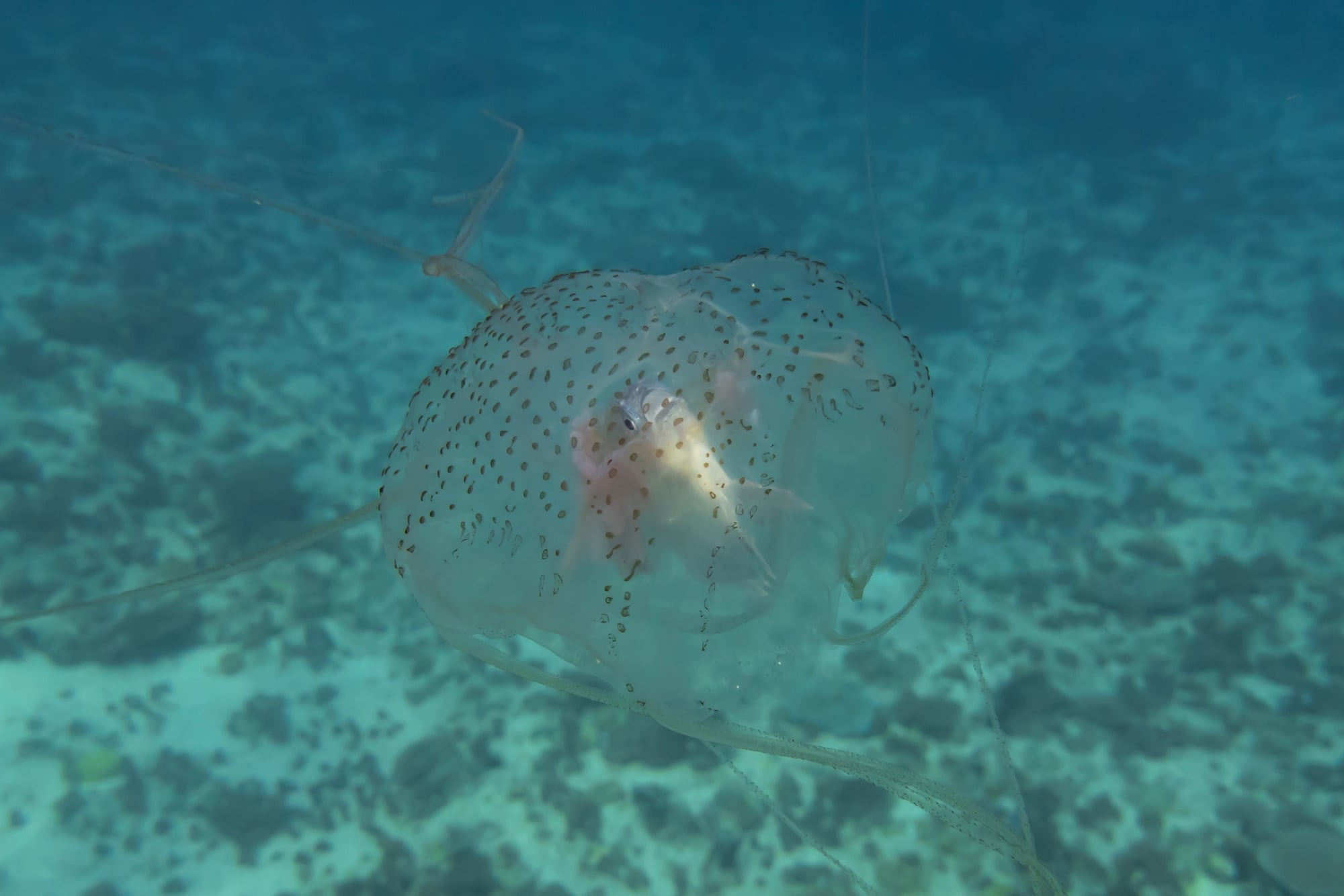
Box jellyfish kill faster than almost anything else in the ocean. Their tentacles can stretch ten feet.
Each one carries enough venom to stop a human heart in minutes.
Most people don’t see them coming. The bell is nearly transparent, and they move with purpose unlike other jellyfish that simply drift.
Blue-Ringed Octopus
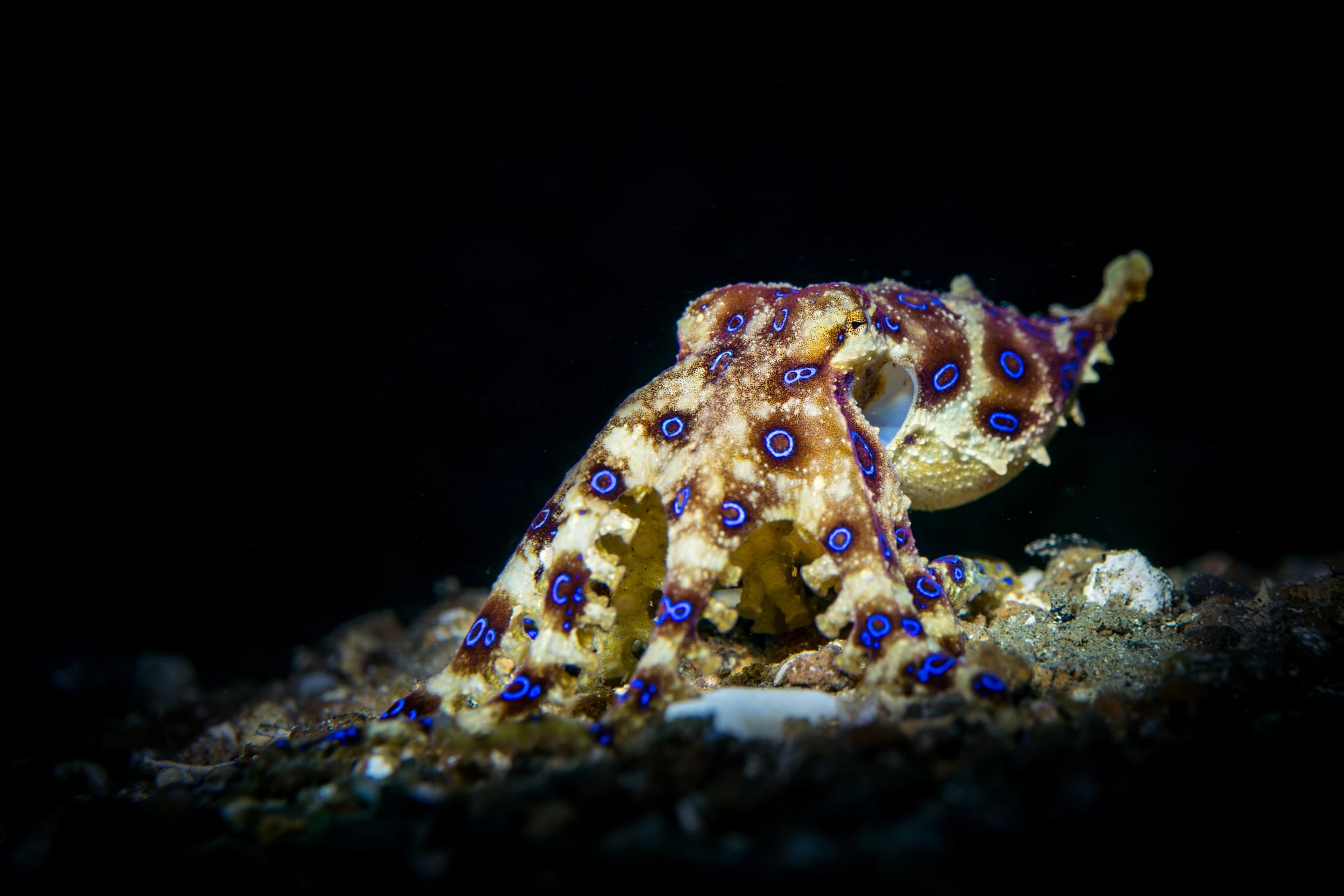
Small enough to fit in your palm, the blue-ringed octopus carries venom that can kill 26 adult humans — and there’s no antidote, which means that when those electric blue rings start flashing (a warning that most people unfortunately interpret as beautiful rather than deadly), you’re looking at one of the ocean’s most efficient killers.
The bite itself feels like a mosquito sting, so gentle that victims often don’t realize what happened until the paralysis begins creeping up their limbs.
And here’s the thing about this particular type of paralysis: your mind stays completely alert while your body shuts down, muscle by muscle, until your diaphragm stops working and you can no longer breathe.
So the octopus doesn’t just kill you — it makes you watch.
Stonefish
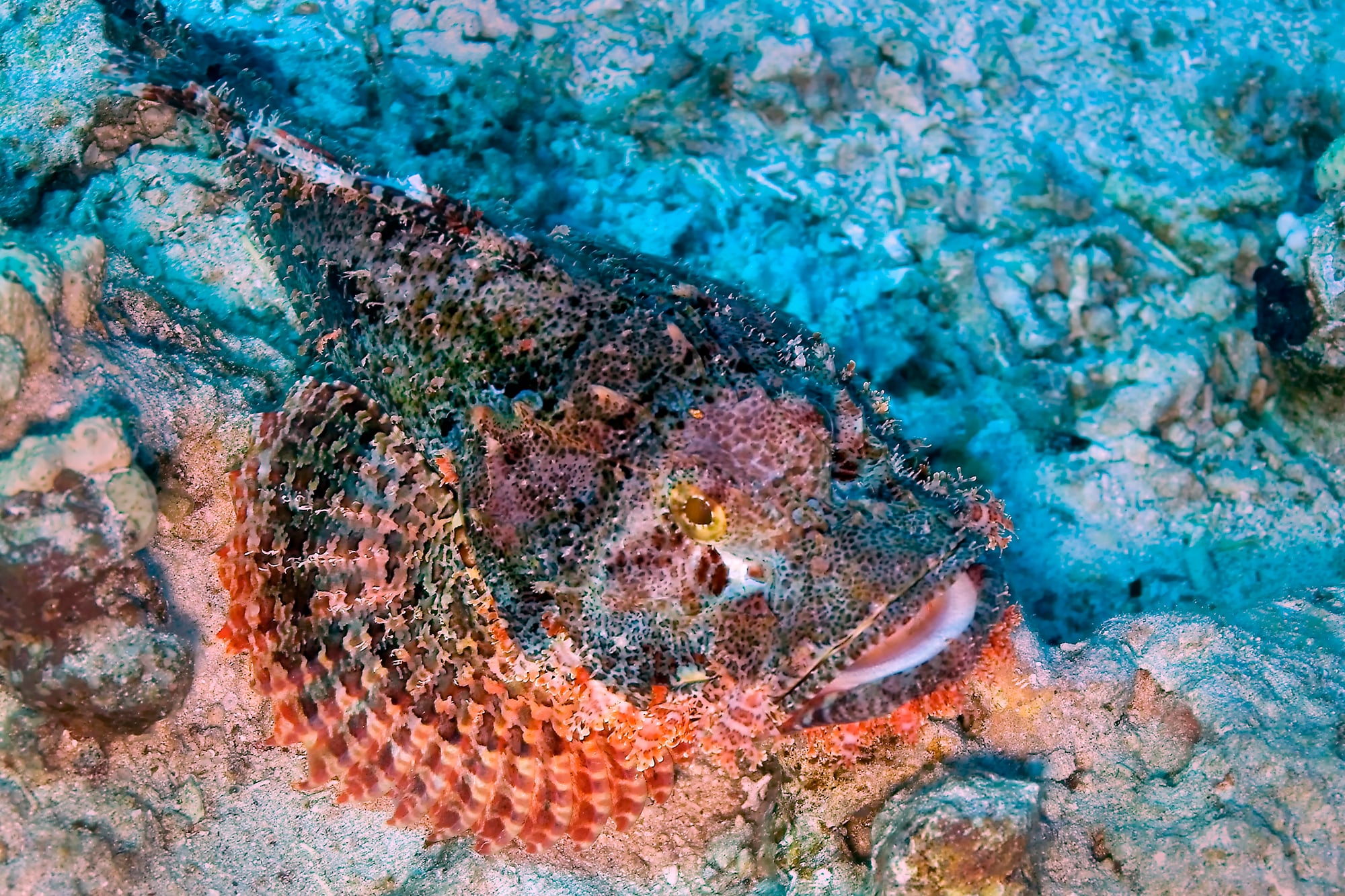
The stonefish sits motionless on the seafloor, perfectly disguised as coral or rock, waiting with the patience of something that knows its ambush is inevitable.
Pain from a stonefish sting has been described as the worst agony known to medicine — so intense that victims have been known to beg doctors to amputate the affected limb rather than endure another moment of it.
But the stonefish isn’t trying to hurt anyone.
It’s just trying not to be eaten, which makes its devastating effectiveness feel almost unfair — like evolution accidentally gave a piece of coral the ability to destroy you.
Sea Snake
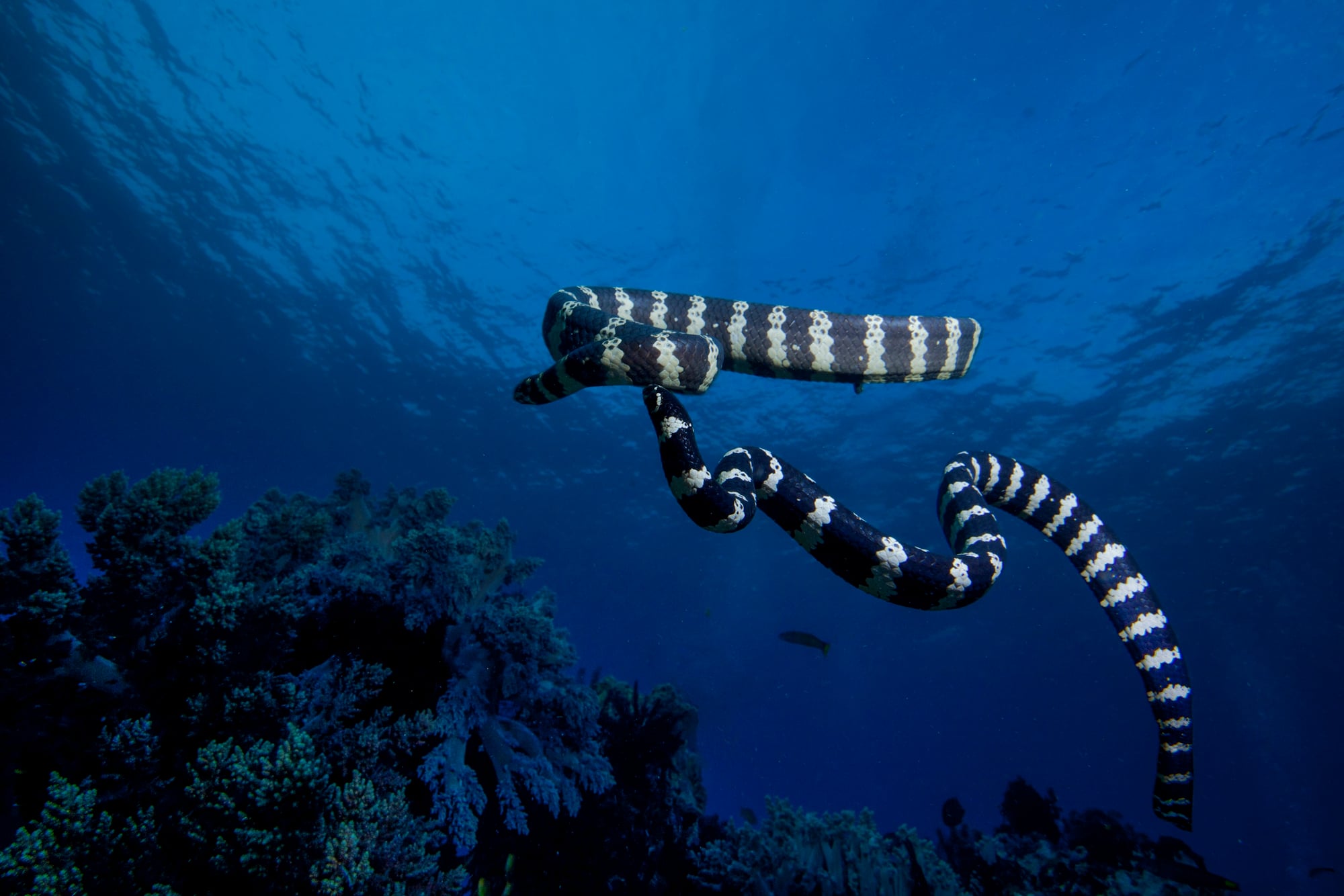
Sea snakes are more venomous than their land-dwelling cousins. Most species can kill you with a single bite.
The venom shuts down your nervous system, and you drown before you realize what happened.
They’re also surprisingly curious. Instead of fleeing, they often approach divers to investigate.
That curiosity has led to more encounters than anyone would prefer.
Cone Snail
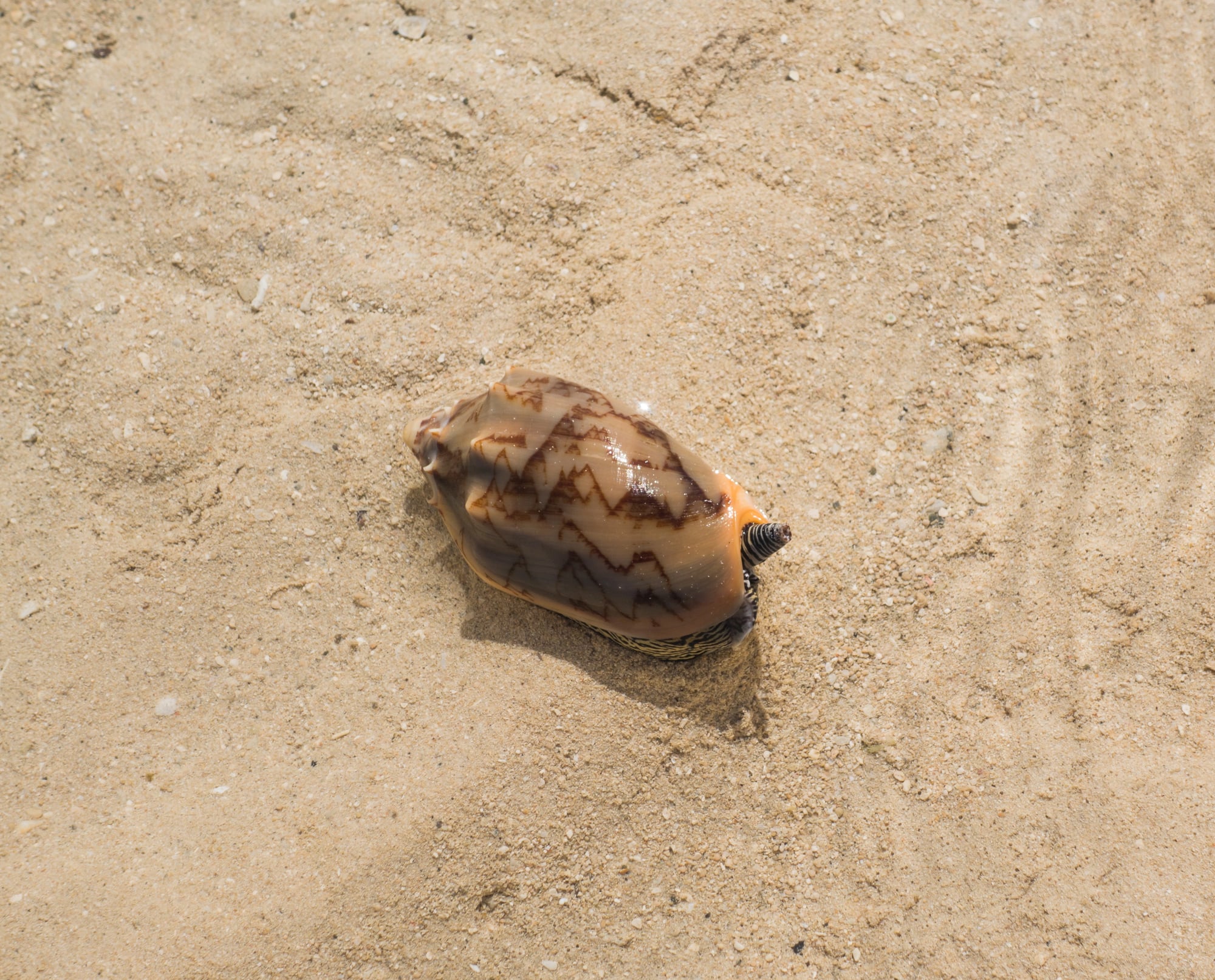
People pick up cone snails thinking they’ve found a pretty shell, not realizing they’re handling what amounts to a living harpoon gun loaded with neurotoxin — because that’s exactly what a cone snail is, a mollusk that shoots venom-tipped darts with enough precision to nail fish mid-swim and enough potency to drop a human in minutes.
The shells are genuinely beautiful (which is the problem), and the snail inside moves so slowly that it seems harmless, practically decorative.
But cone snails have been hunting for millions of years longer than humans have existed, and they’ve perfected a delivery system that makes other venomous animals look clumsy by comparison: a retractable proboscis that extends like a spear, fires a barbed dart, and injects a cocktail of toxins that shut down nerve transmission so completely that victims often don’t feel the sting until they’re already collapsing.
And the snail just slides back into its shell, patient as always, ready to do it again.
Textile Cone
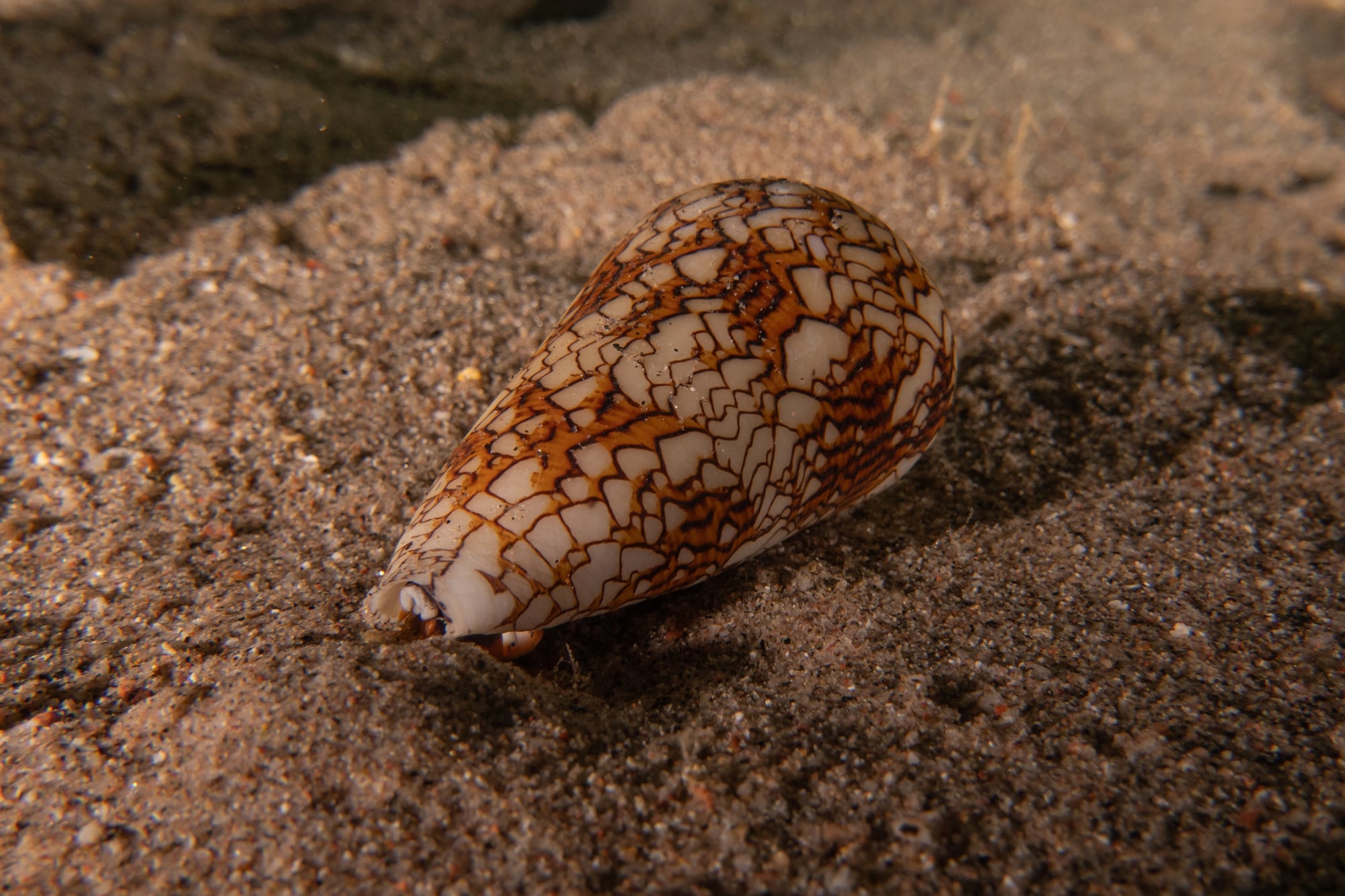
The textile cone snail deserves its own mention. Its shell pattern is intricate enough that collectors specifically seek them out.
That beauty has made it responsible for more human deaths than any other cone snail species.
The irony cuts deep — something so beautiful that people reach for it instinctively, only to discover that millions of years of evolution have turned that shell into perfect bait.
Irukandji Jellyfish
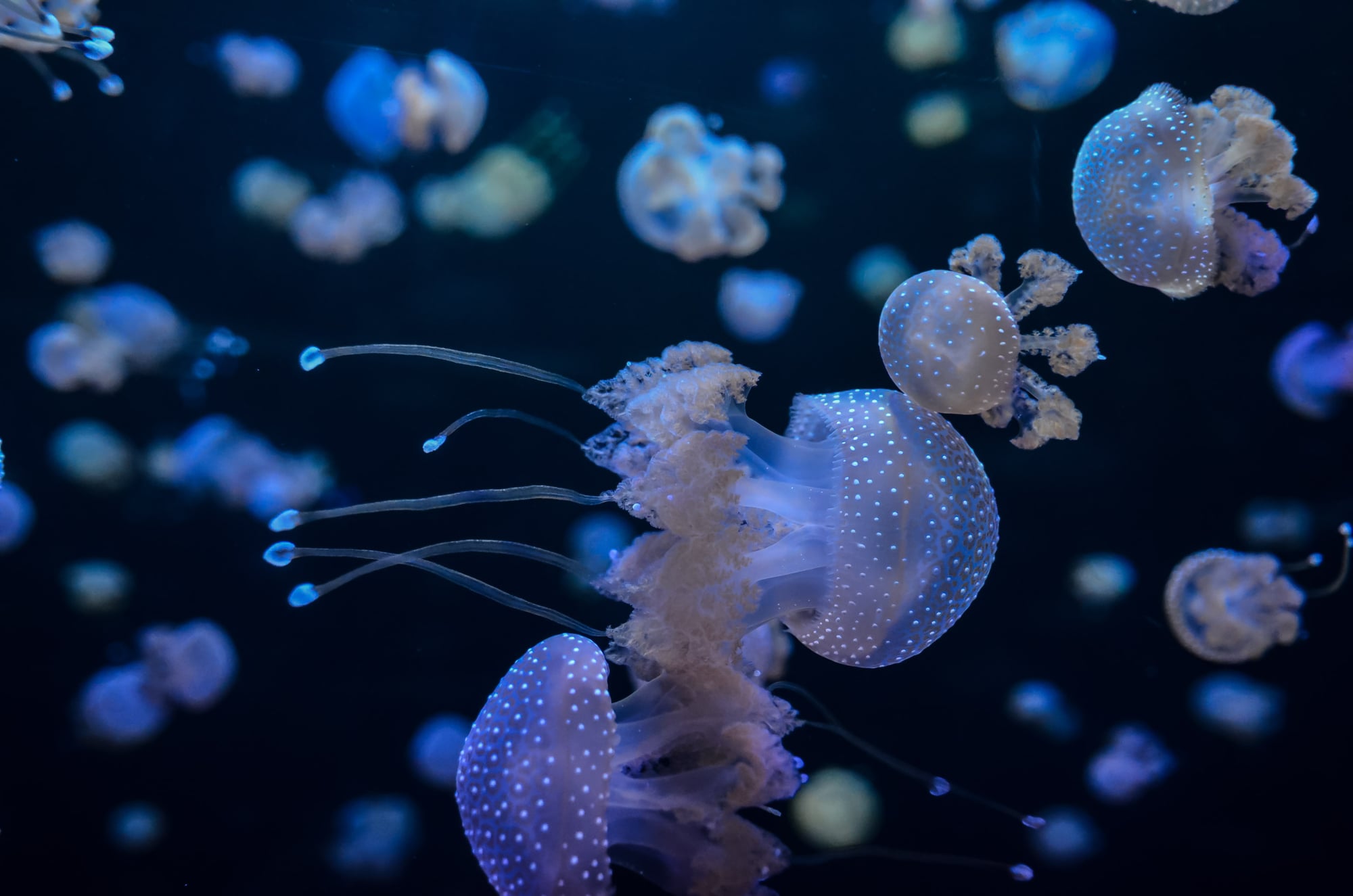
The Irukandji jellyfish proves that size means nothing when it comes to lethality — smaller than a fingernail, nearly invisible in the water, it drifts through Australian waters carrying enough venom to kill dozens of people, and unlike other dangerous jellyfish that announce their presence with size or color, the Irukandji is so small and transparent that swimmers don’t know they’ve been stung until the symptoms begin.
The initial sting feels minor, barely noticeable, which gives victims a false sense of relief that lasts exactly long enough for the venom to reach their nervous system.
Then comes Irukandji syndrome: excruciating muscle cramps, vomiting, a burning sensation throughout the entire body, and a sense of impending doom so overwhelming that victims become convinced they’re about to die.
And they might be right — the venom can cause brain hemorrhages and heart failure, turning what should have been a pleasant swim into a medical emergency that requires immediate evacuation to a hospital with intensive care capabilities.
Stingray
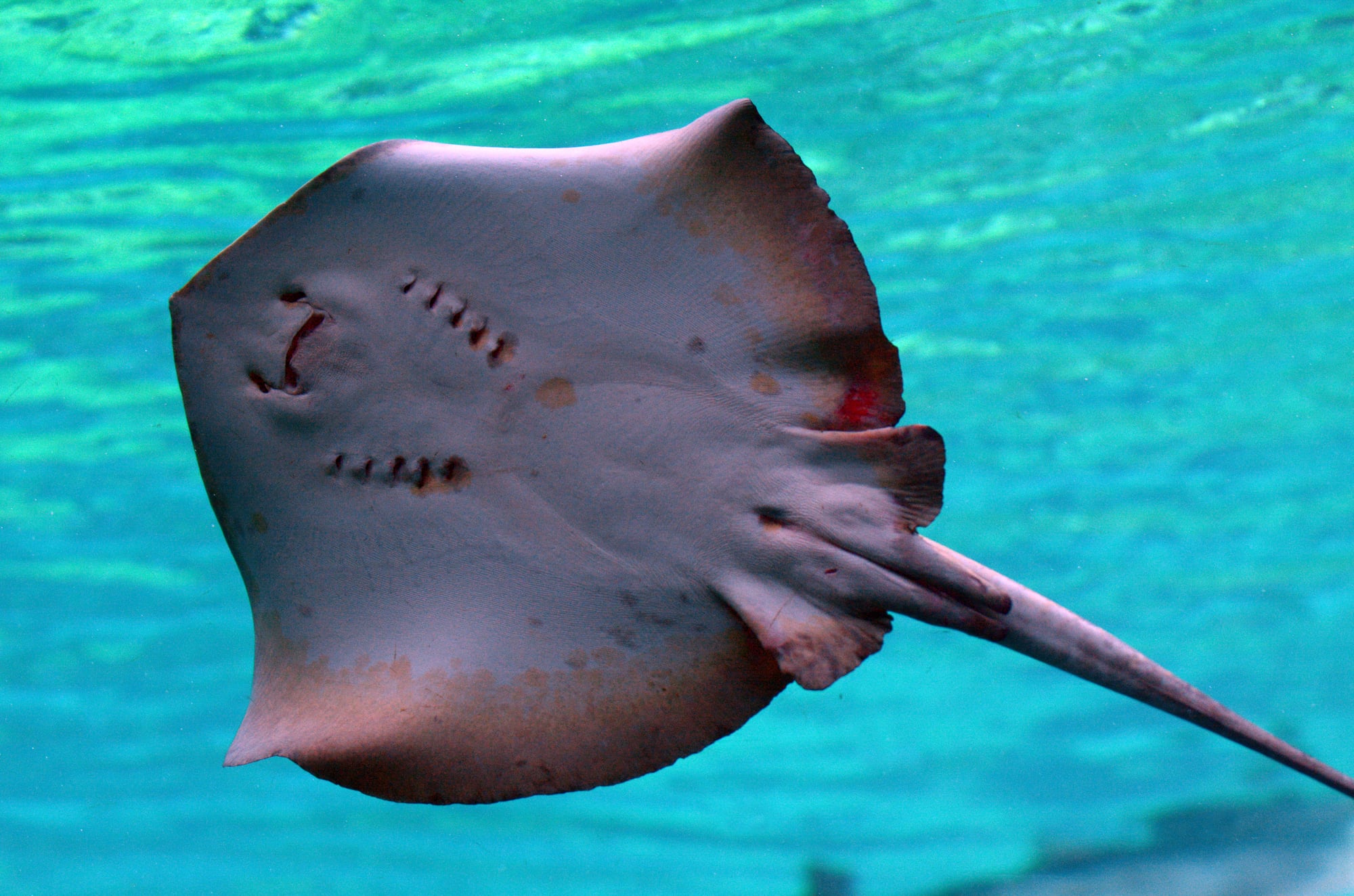
Stingrays killed Steve Irwin. That fact alone should tell you everything about their potential danger.
The barb on their tail contains serrated edges and venom designed to cause maximum tissue damage.
Most stingray injuries happen when people accidentally step on them in shallow water.
The ray’s instinctive response is to whip its tail forward, driving that barb deep into whatever threatened it.
Tiger Shark
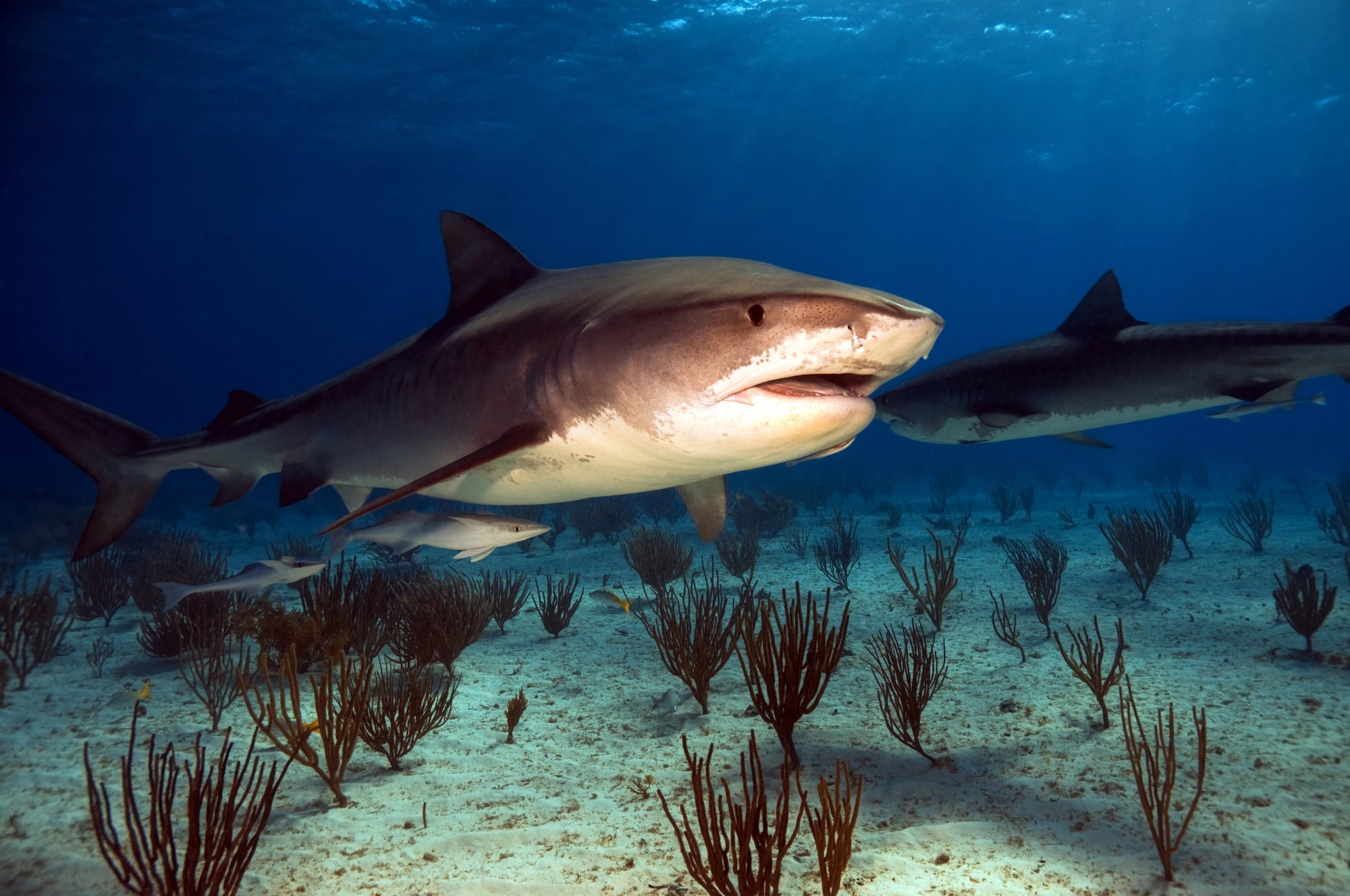
Tiger sharks eat everything. License plates, tires, other sharks, sea turtles, birds, fish — they’re the garbage disposals of the ocean, except garbage disposals don’t actively hunt and tiger sharks do, patrolling coastlines with a methodical efficiency that makes them far more dangerous than their more famous great white cousins.
They hunt at night, in murky water, in exactly the conditions where humans feel most vulnerable, and their teeth are designed to saw through turtle shells and whale bones, which means human flesh presents no challenge whatsoever.
But what makes tiger sharks truly unsettling isn’t their size or their teeth — it’s their willingness to investigate anything that moves, including surfers, swimmers, and divers who suddenly find themselves being circled by something that weighs as much as a small car and treats curiosity as a form of hunting.
Portuguese Man O’ War
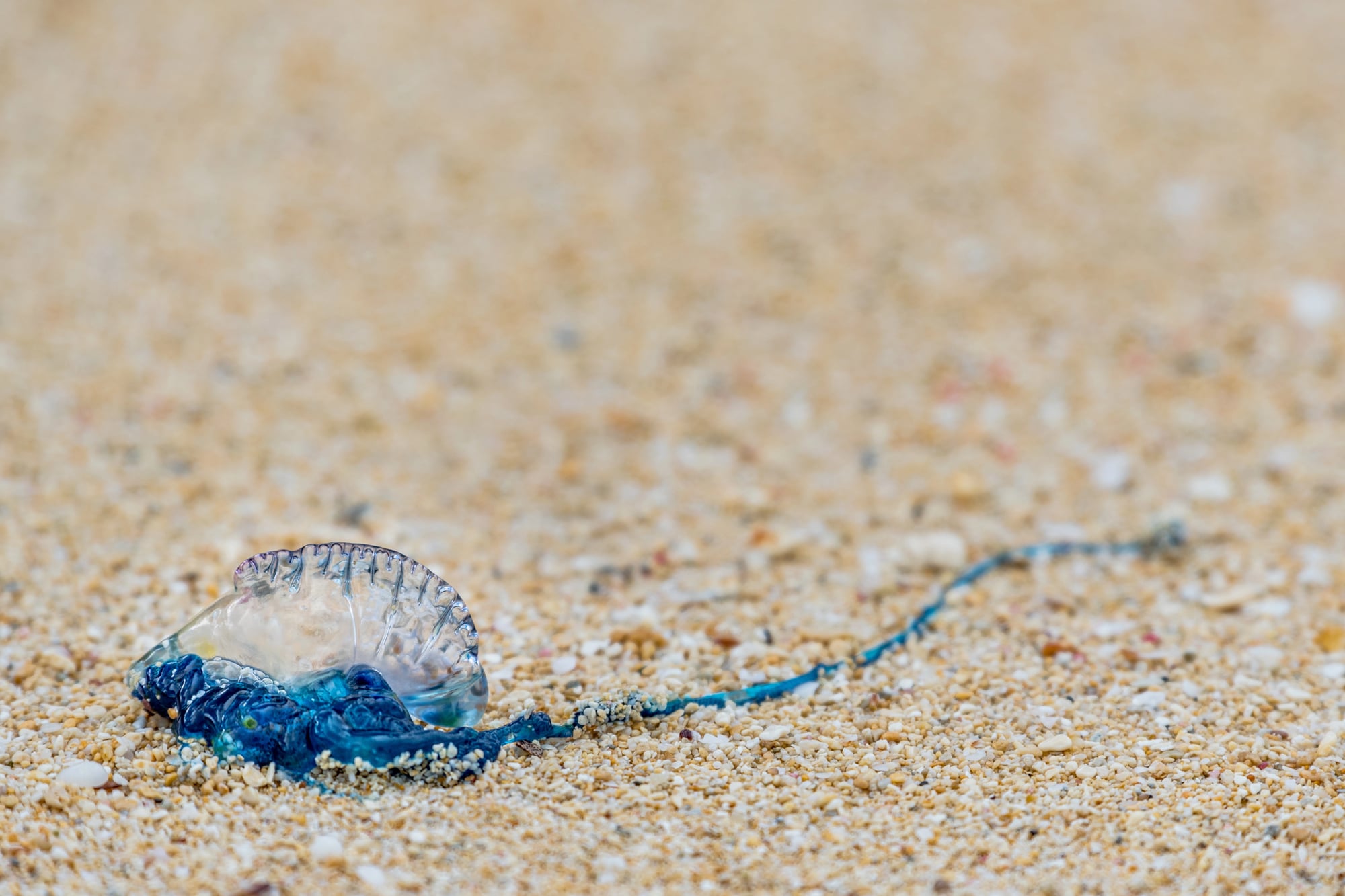
The Portuguese Man o’ War isn’t actually a jellyfish. It’s a colony of organisms working together, each specialized for a different function.
The result is something that can kill you while technically not being a single animal.
Those tentacles can extend 165 feet underwater while the blue balloon floats on the surface.
Most swimmers never see the tentacles until they’re already tangled in them.
Great White Shark
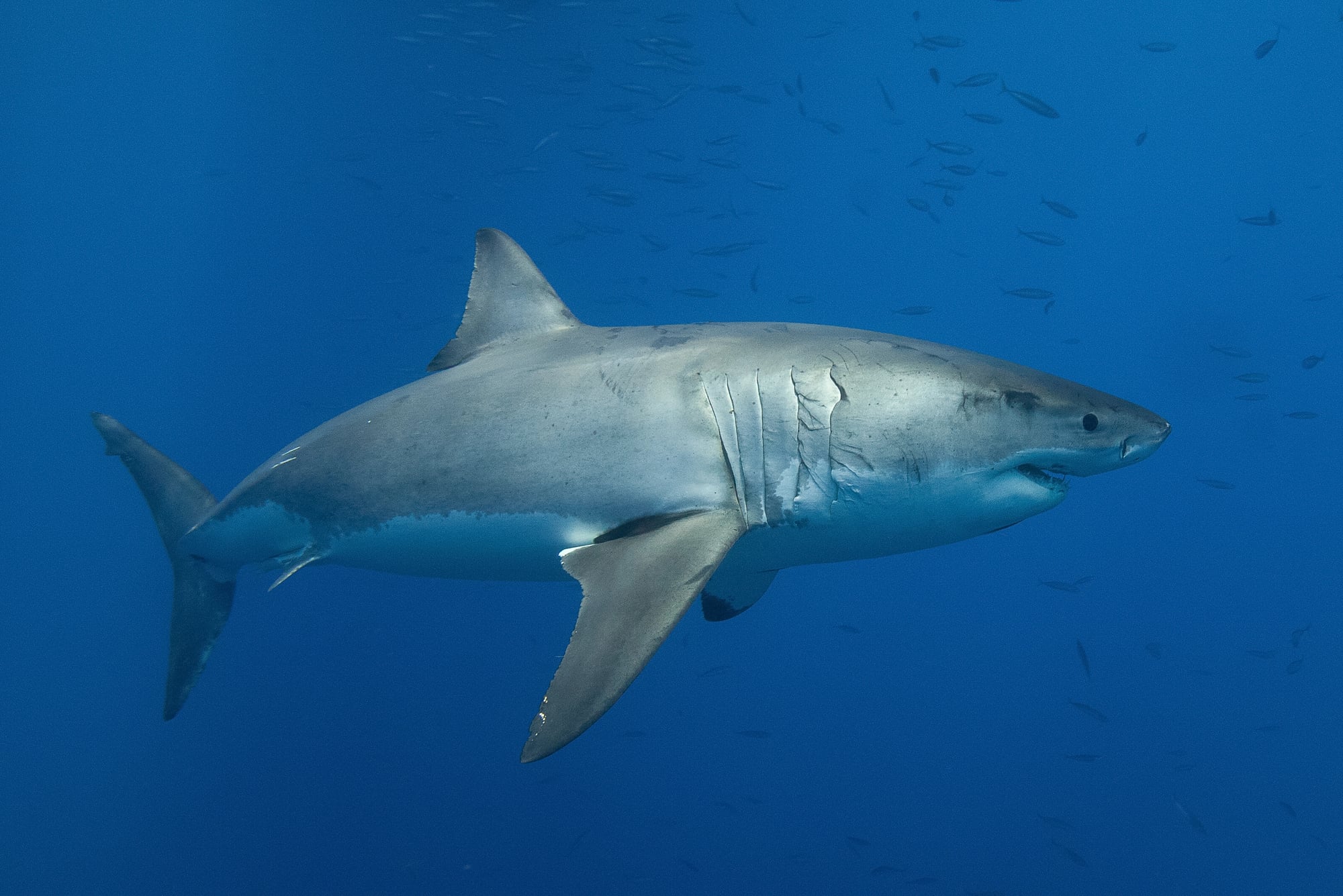
Everyone knows great whites are dangerous, but most people underestimate just how perfectly evolution has calibrated them for killing — they can detect a single drop of blood from three miles away, accelerate from zero to 25 miles per hour in seconds, and bite down with 4,000 pounds of pressure per square inch, which is enough to cut a human in half without the shark particularly trying.
Great whites don’t hunt humans intentionally (we’re not fatty enough to be worth their time), but when they do attack, it’s because they’ve mistaken a surfer for a seal, and by the time they realize their error, the damage is already catastrophic.
And here’s the thing about great white attacks: they often involve just one bite before the shark swims away, apparently disappointed by the taste, but that single bite from an animal that weighs two tons and has been perfecting its technique for 400 million years is more than enough to end a person.
So the great white doesn’t even need to be trying to kill you — casual curiosity is sufficient.
Saltwater Crocodile
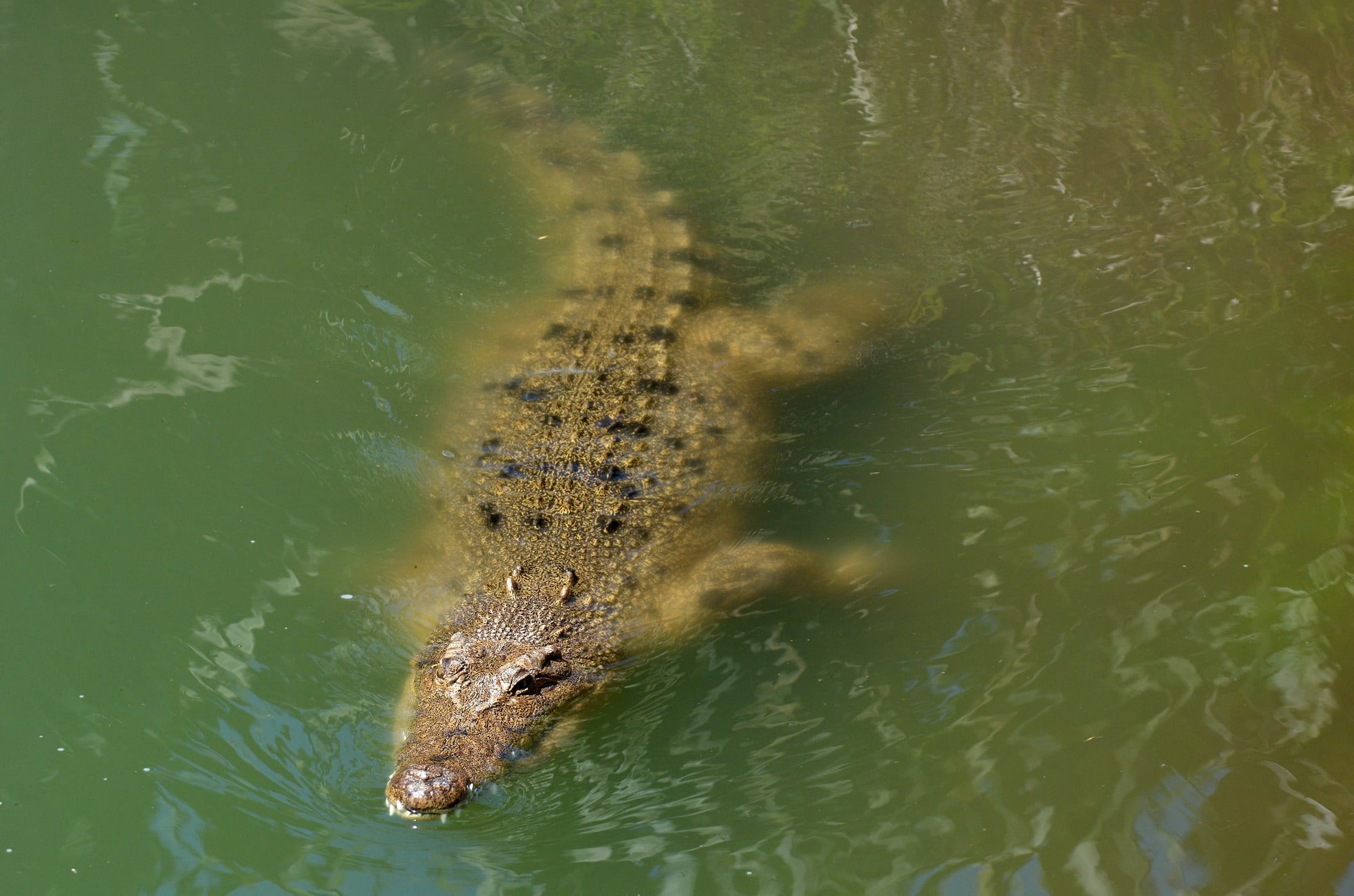
Saltwater crocodiles swim in the ocean. That fact alone should be enough to keep anyone out of certain waters.
They’re the largest living reptiles, weighing up to 2,000 pounds, and they hunt with intelligence that borders on calculated.
They remember where people go to drink or fish. They learn routines.
Then they wait in exactly the right spot with the patience of something that has been apex predating for 200 million years.
Blue Shark
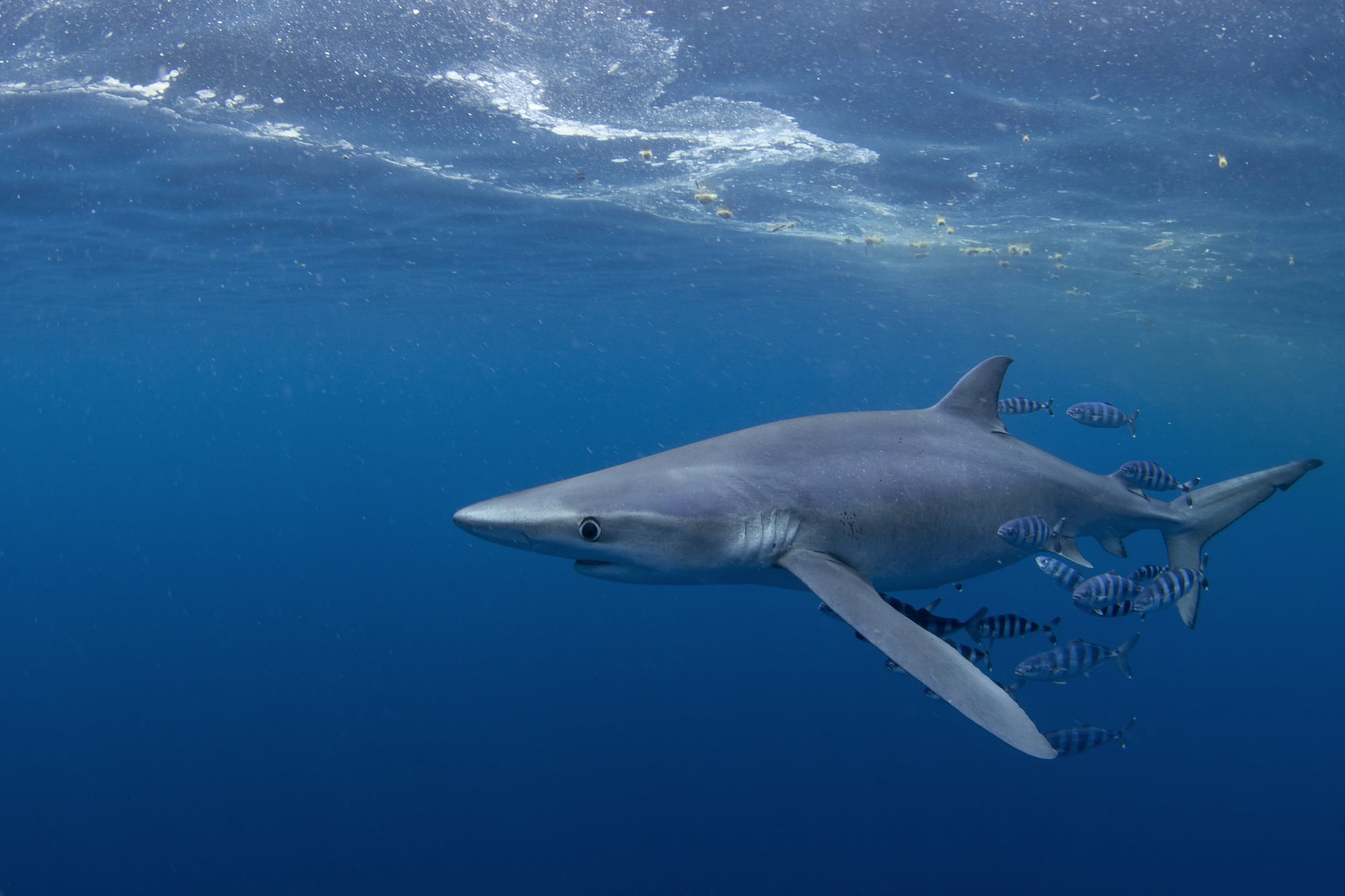
Blue sharks follow ships for hundreds of miles, waiting for scraps or sick animals to fall overboard, which means they’ve developed an association between human activity and food that makes them significantly more likely to approach swimmers and divers than other shark species.
They’re also long-distance travelers, crossing entire ocean basins in search of prey, so encountering one doesn’t mean you’re in particularly dangerous waters — it just means you’re in water, and blue sharks consider all water their territory.
But what makes blue sharks particularly unsettling isn’t their hunting behavior — it’s their numbers (they’re among the most abundant sharks in the ocean) and their curiosity (they investigate anything unusual, including humans).
So while individual blue shark attacks are relatively rare, the probability of encountering one is higher than most people realize, and their willingness to approach and investigate means that encounter might not end with the shark simply swimming away.
Moray Eel
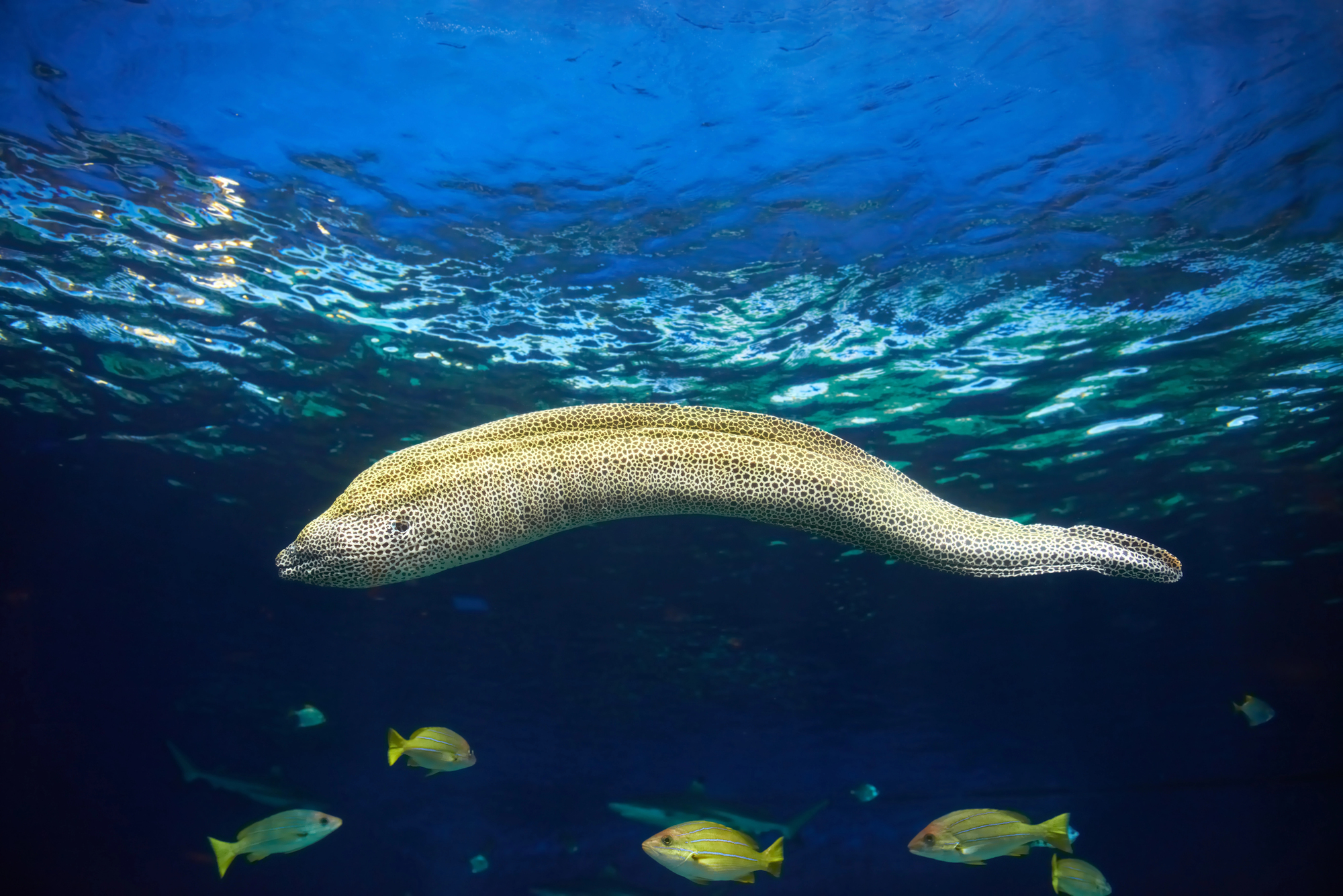
Moray eels hide in coral reefs and rocky crevices with just their heads exposed, mouths slightly open, waiting for prey to swim close enough to strike.
Their jaws contain a second set of pharyngeal jaws that shoot forward to grab prey and drag it back into their throats.
The bite itself is bad enough — razor-sharp teeth designed to grip rather than cut.
But moray eels don’t let go. They hold on and thrash, tearing flesh away in chunks.
Lionfish
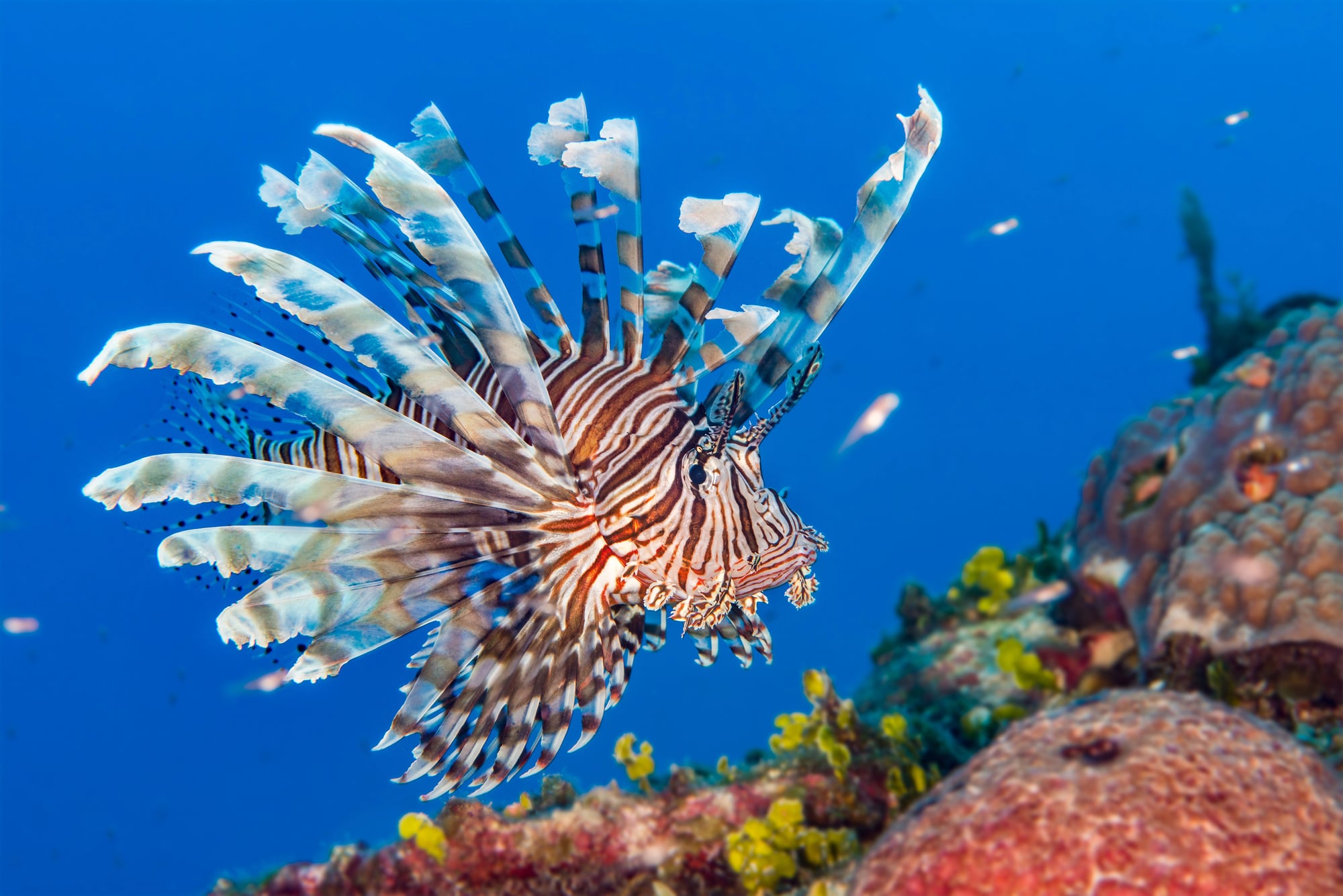
Lionfish are beautiful in the way that warns you to keep your distance — those flowing fins and dramatic stripes exist specifically to announce danger, like nature’s version of warning tape wrapped around something that can put you in the hospital.
Each of those elegant spines contains venom potent enough to cause excruciating pain, paralysis, and respiratory distress, symptoms that can last for days and leave permanent nerve damage.
But lionfish are also invasive predators that have decimated reef ecosystems throughout the Caribbean and Atlantic, eating everything small enough to fit in their mouths (which turns out to be most juvenile reef fish) and reproducing so rapidly that they’ve become ecological disasters with venomous spines.
So they’re simultaneously beautiful enough to attract curious divers and dangerous enough to make that curiosity medically expensive, which feels like exactly the kind of cruel efficiency evolution specializes in.
When Beauty Meets Danger
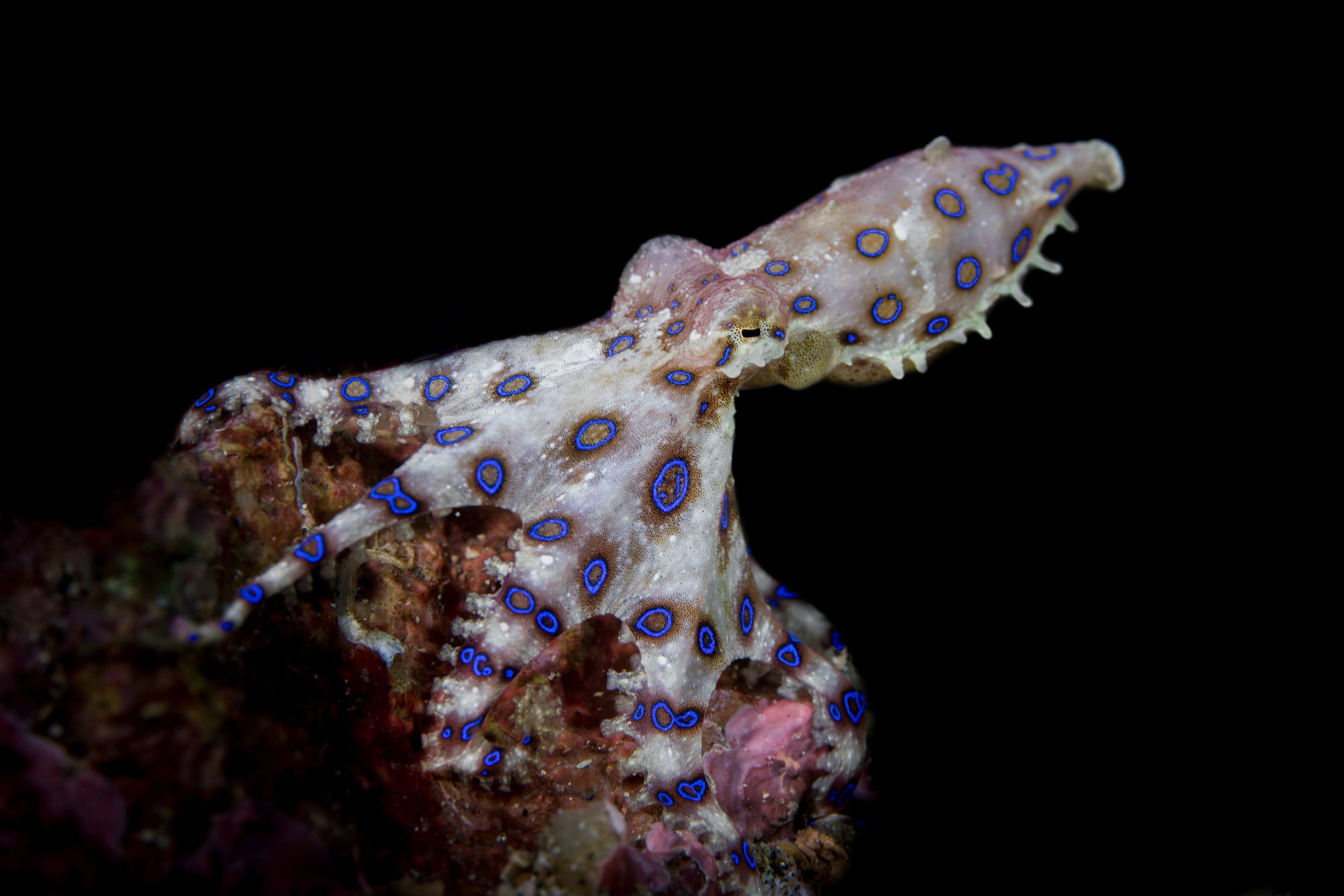
The ocean’s most dangerous animals share a common trait that makes them particularly treacherous — they’re often strikingly beautiful.
Those electric blue rings, intricate shell patterns, and flowing fins exist as warnings in nature’s language, signals that humans consistently misread as invitations to look closer.
Perhaps that’s the real danger: not the venom or the teeth, but our inability to recognize when something is trying to tell us to stay away.
More from Go2Tutors!

- The Romanov Crown Jewels and Their Tragic Fate
- 13 Historical Mysteries That Science Still Can’t Solve
- Famous Hoaxes That Fooled the World for Years
- 15 Child Stars with Tragic Adult Lives
- 16 Famous Jewelry Pieces in History
Like Go2Tutors’s content? Follow us on MSN.