15 Strange Royal Servants Performing Bizarre Tasks
Royal courts have always been theatrical places where ceremony and tradition create positions that seem almost too strange to believe. Behind the gilded walls and formal portraits, there have been servants whose daily duties involved tasks so peculiar they read like fiction.
These weren’t occasional oddities but official roles, often passed down through generations, with specific protocols and serious responsibilities attached to them.
From medieval times through the modern era, royalty has maintained an intricate web of specialized servants whose jobs ranged from the merely unusual to the downright bizarre. Some of these positions existed for practical reasons that made sense centuries ago but seem absurd today.
Others appear to have been created purely for the sake of elaborate ceremony or royal whim.
The Groom of the Stool

This position existed to assist English royalty with their most private bodily functions. The Groom of the Stool helped the monarch with toilet duties, including wiping and cleaning afterward.
But here’s the strange part: it became one of the most prestigious and sought-after positions at court. The role provided unparalleled access to the king or queen, making it a pathway to political influence and wealth.
The Royal Food Taster

Every dish that reached the royal table was first sampled by someone whose job description essentially read “might die from poisoning today.” These servants tasted each course before it was served, then waited to see if they developed symptoms of illness.
The position required not just bravery but also a refined palate capable of detecting unusual flavors that might indicate tampering.
The Keeper of the Royal Swans

This servant managed all the swans belonging to the British Crown (which, technically, is still all unmarked mute swans in open water). The role involved conducting annual swan counts, marking birds to indicate royal ownership, and maintaining detailed records of swan populations across the kingdom.
And yes, this position still exists today, though the duties have become somewhat ceremonial.
The Royal Herb Strewer

Before each royal meal, this servant would scatter specific herbs and flowers across the floors of dining rooms and walkways. The practice wasn’t just decorative — it was believed that certain herbs could ward off disease and evil spirits while providing pleasant aromas to mask less appealing scents (which, in palaces of the era, could be considerable).
The herbs were chosen according to season, occasion, and sometimes the royal mood. So this is where royal ceremony starts to feel like elaborate theater performed for an audience of one.
But the Herb Strewer took their role seriously — they studied botanical properties, maintained gardens specifically for royal use, and developed complex formulas for different occasions (coronations required different herbs than everyday meals, which required different herbs than times of illness or mourning). They studied botanical properties, maintained gardens specifically for royal use, and developed complex formulas for different occasions (coronations required different herbs than everyday meals, which required different herbs than times of illness or mourning).
The position demanded both gardening expertise and an understanding of royal protocol that could take years to master. And the servant had to crawl around on hands and knees, scattering herbs in precise patterns while the court watched.
The Clock Master
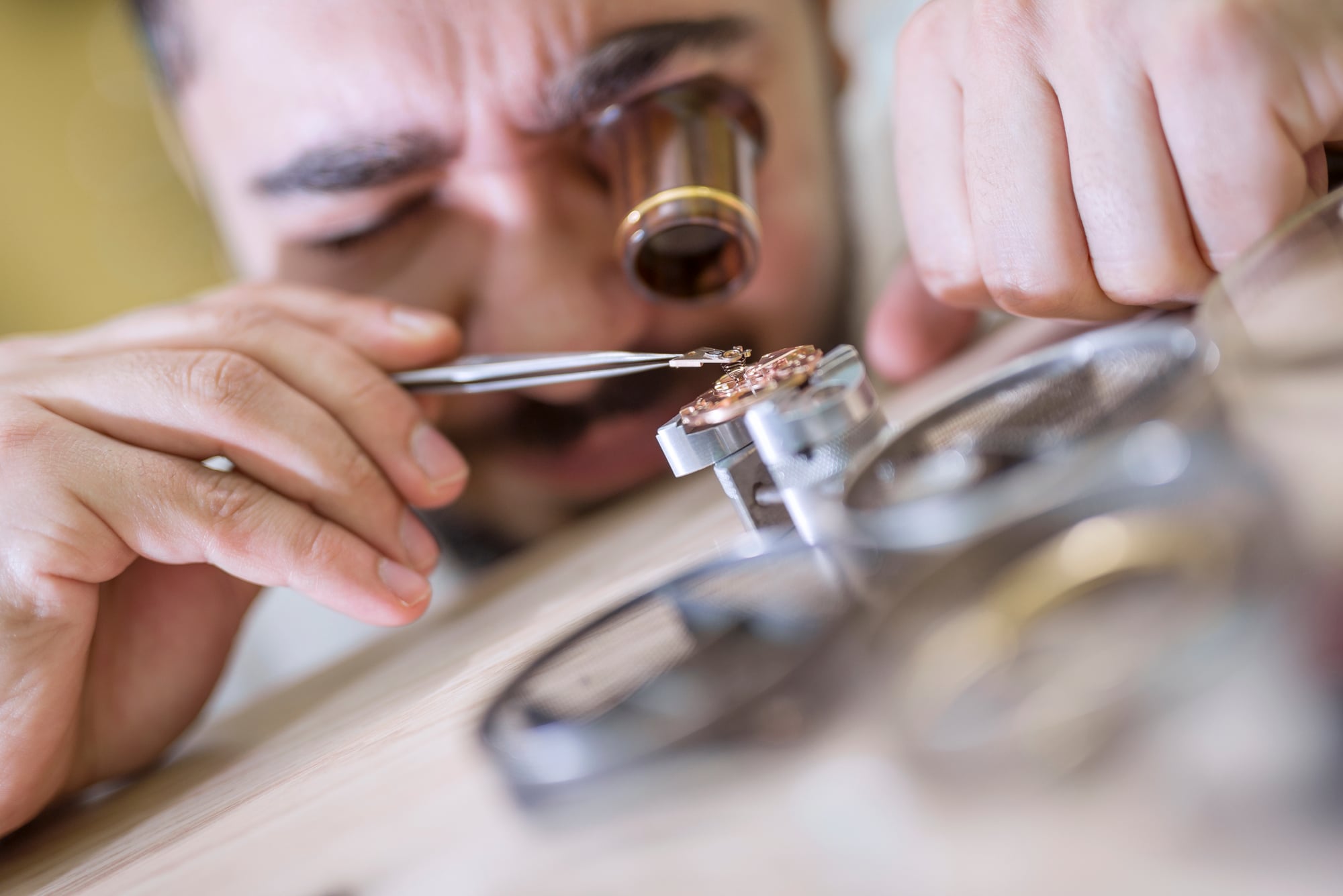
Royal households contained dozens of timepieces that all needed to display the exact same time. The Clock Master wound, adjusted, and synchronized every clock in the palace daily.
This meant climbing stairs, entering private chambers, and moving through the building on a precise schedule to ensure that no royal timepiece was even a minute off from the others.
The Royal Waterman

Rivers were the highways of their time, and the Royal Waterman served as the monarch’s personal boat captain and water taxi service. This servant navigated royal barges through river traffic, managed a crew of rowers, and maintained ornate boats that served as floating throne rooms.
The position required sailing expertise, knowledge of river conditions and tides, and the ability to coordinate elaborate water processions during ceremonies.
The Keeper of the Royal Toilet Paper

This role involved far more than simply stocking bathrooms. The servant was responsible for the quality, softness, and proper preparation of whatever materials the royalty used for personal hygiene.
In earlier periods, this meant preparing and perfuming specific cloths or papers. The position required discretion, attention to detail, and often involved testing materials personally before they could be approved for royal use.
The Royal Mole Catcher

Palace grounds had to be maintained in perfect condition, which meant eliminating any creature that might damage the carefully manicured lawns and gardens. The Royal Mole Catcher set traps, tracked underground tunnels, and removed moles that dared to disturb royal landscaping.
This wasn’t a part-time duty — it was a full-time position with its own salary and living quarters.
The Keeper of the Royal Birds

Beyond just managing hawks for hunting, this servant cared for all the exotic birds that royalty collected as symbols of wealth and power. The role involved feeding specialized diets, treating bird illnesses, training some species to perform tricks or speak, and managing breeding programs.
The servant also had to understand which birds were appropriate for different ceremonial occasions.
The Royal Pin Cushion Keeper

Safety pins didn’t exist yet, so clothing was held together with straight pins that constantly needed replacing and organizing. This servant maintained supplies of pins in different sizes and materials, organized them by type and use, and ensured that royal dressers always had immediate access to whatever pins they needed for clothing adjustments, repairs, or elaborate costume changes.
Pins were expensive and easy to lose, which made this a position with real financial responsibility — losing track of silver or gold pins meant losing genuinely valuable items. So the servant developed elaborate organizational systems, tracked inventory, and sometimes crafted custom pins for specific garments or occasions. The role required both organizational skills and an understanding of fashion that could predict what types of pins might be needed for different royal outfits.
The Master of the Royal Revels

Entertainment at court wasn’t left to chance — it was planned, organized, and executed by someone whose entire job was ensuring that royal parties met expectations. The Master of the Royal Revels hired performers, coordinated elaborate themed events, managed costumes and props for court theatricals, and sometimes wrote original entertainment specifically for royal occasions.
The Royal Closet Keeper
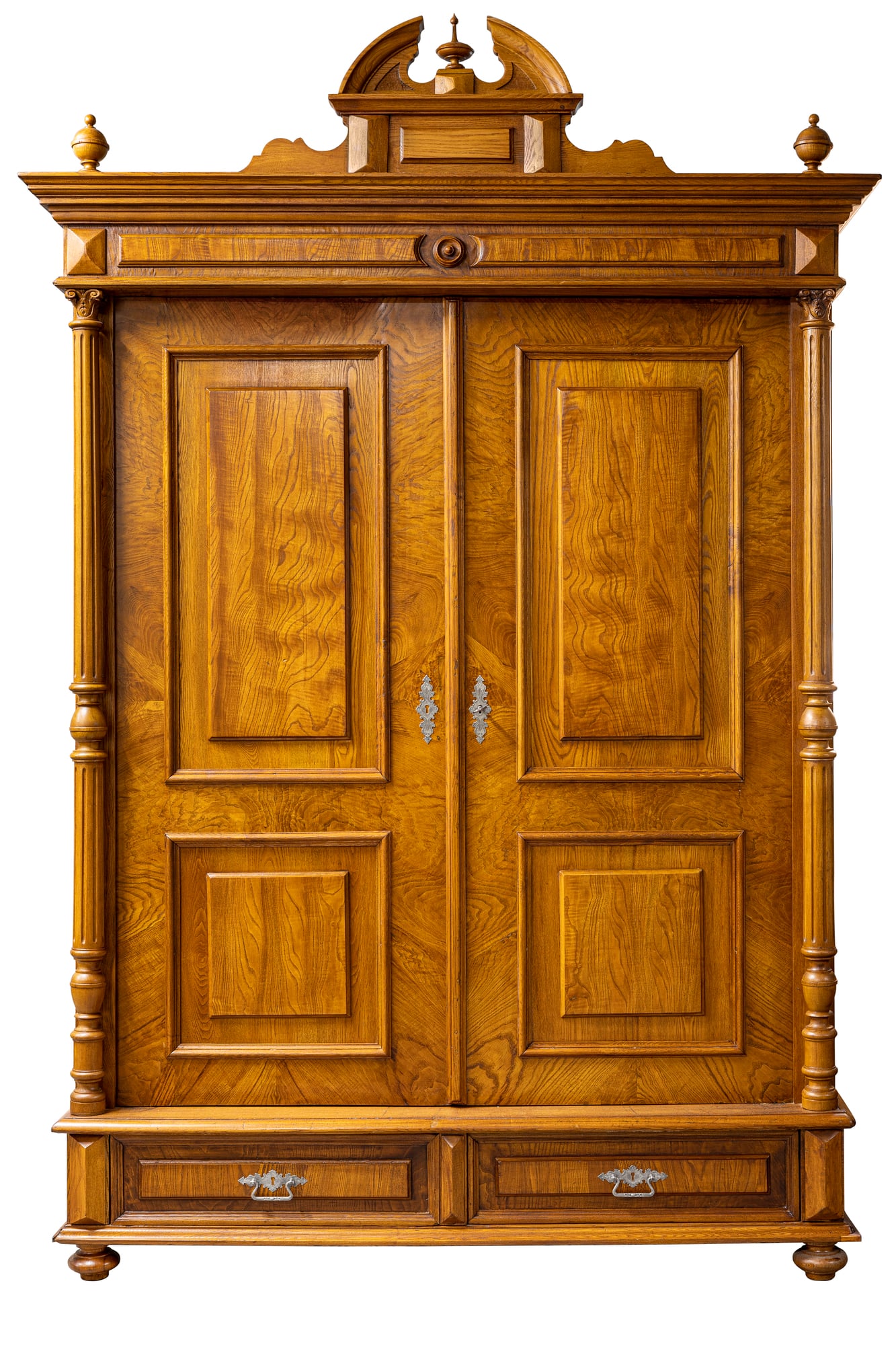
This wasn’t about organizing clothes. The “closet” was the monarch’s private chamber where they conducted confidential business and received selected visitors. The Closet Keeper controlled access to this space, managed appointments, and maintained the furnishings and atmosphere of what was essentially the royal office.
The position required discretion and political awareness.
The Keeper of the Royal Chamber Pot
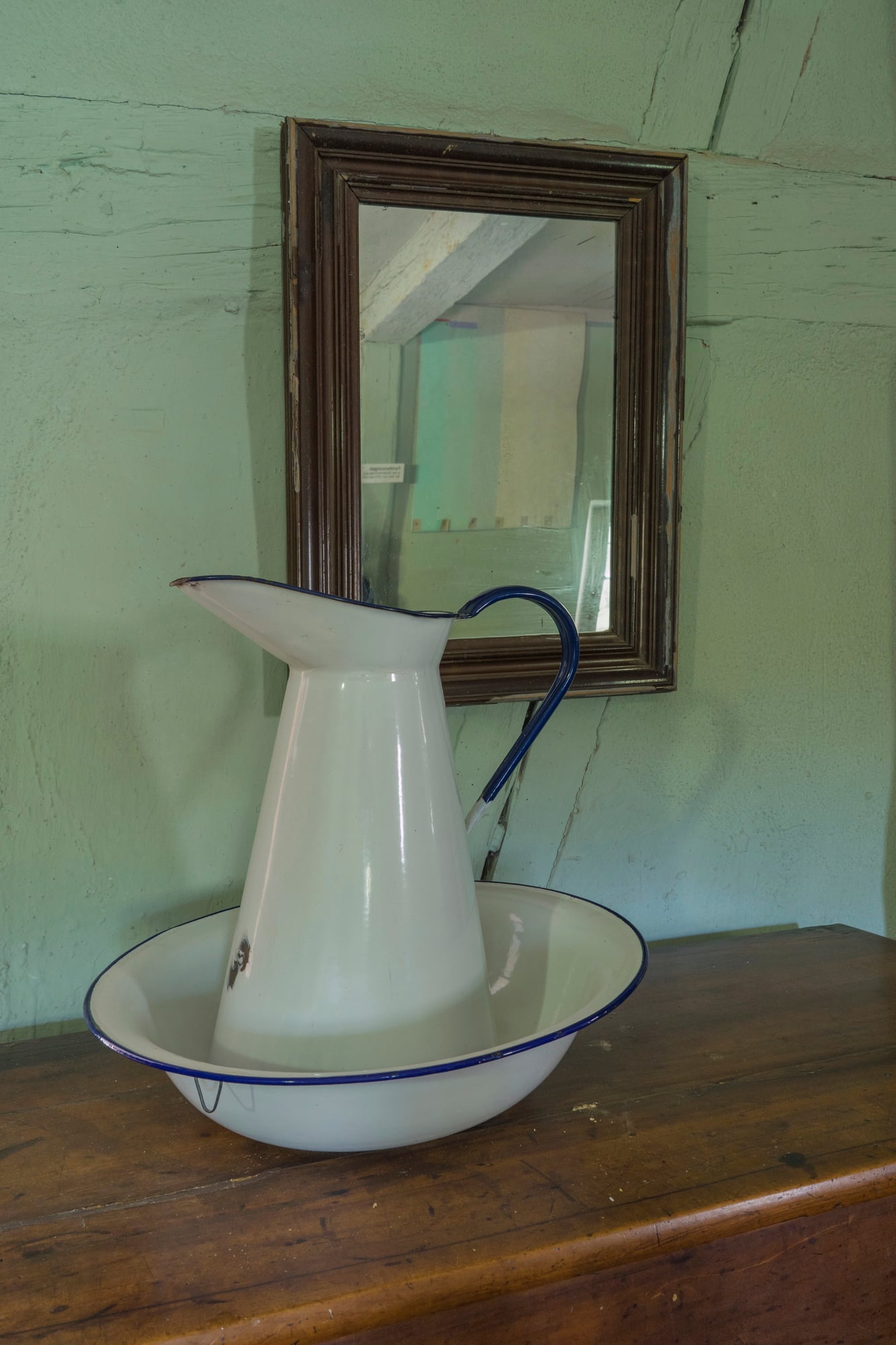
Someone had to empty, clean, and maintain the ornate vessels that royalty used when they couldn’t make it to more formal bathroom facilities. But this wasn’t just custodial work — these chamber pots were often made of precious metals and decorated with jewels, making them valuable objects that required careful handling and security.
The servant also had to be available at all hours (because bodily functions don’t follow court schedules), maintain multiple chamber pots for different locations within the palace, and ensure that each was cleaned to standards that would satisfy royal sensibilities. And they had to do all of this while maintaining the dignity and discretion expected of someone with intimate access to royal private life.
The Royal Toe Nail Clipper

Personal grooming for royalty required specialized servants, and this position involved the specific task of trimming and maintaining royal toe nails. The role required steady hands, proper tools, and knowledge of foot care that could prevent infections or injuries.
Given that even minor injuries could be life-threatening in an era before modern medicine, this was actually a position with significant responsibility.
The Master of the Royal Laundry

Royal clothing required care that went far beyond ordinary washing. This servant managed the cleaning, pressing, and maintenance of elaborate garments made from delicate fabrics and decorated with precious materials.
The position involved knowledge of different fabric types, stain removal techniques, and preservation methods that could extend the life of expensive clothing.
When Ceremony Becomes Life

These positions remind us that royal courts created entire worlds where the ordinary became extraordinary through sheer force of ceremony and tradition. What started as practical needs evolved into elaborate rituals that required dedicated servants to maintain.
The strangest part might not be that these jobs existed, but that people competed for them — and that some of the most bizarre duties came with the highest status and best access to royal favor.
More from Go2Tutors!

- The Romanov Crown Jewels and Their Tragic Fate
- 13 Historical Mysteries That Science Still Can’t Solve
- Famous Hoaxes That Fooled the World for Years
- 15 Child Stars with Tragic Adult Lives
- 16 Famous Jewelry Pieces in History
Like Go2Tutors’s content? Follow us on MSN.