16 Unforgettable Military Vehicles Featured in Film
Movies have a way of turning steel and machinery into legends. A tank rolling across the desert, a fighter jet screaming through clouds, a helicopter cutting through enemy fire — these vehicles become characters themselves, sometimes more memorable than the actors who pilot them.
They carry stories forward, embody power, and often decide who lives and who dies. The best military vehicles in cinema do more than transport troops or fire weapons.
They become symbols of human ingenuity, desperation, and the strange beauty that emerges when engineering meets warfare. From World War II classics to modern blockbusters, these machines have left tire tracks across decades of filmmaking.
Sherman Tank from Fury
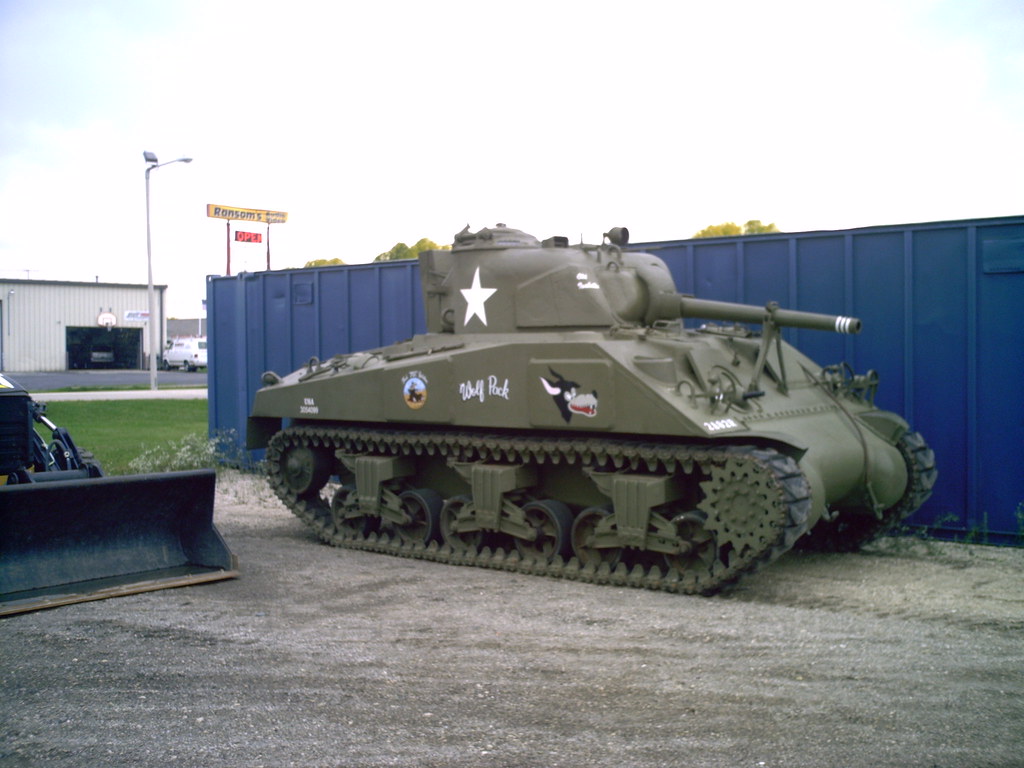
The M4 Sherman in “Fury” doesn’t just appear in the movie — it dominates every frame it occupies. Brad Pitt’s crew lives inside this steel box, and the tank becomes their world, complete with personal belongings, superstitions, and the smell of fear mixed with diesel fuel.
What makes this Sherman special isn’t its technical specifications but its humanity. The tank has scars, modifications, and a personality shaped by the men who depend on it.
It’s cramped, loud, and unforgiving, yet it’s home to five soldiers who have nowhere else to go.
P-51 Mustang from Red Tails
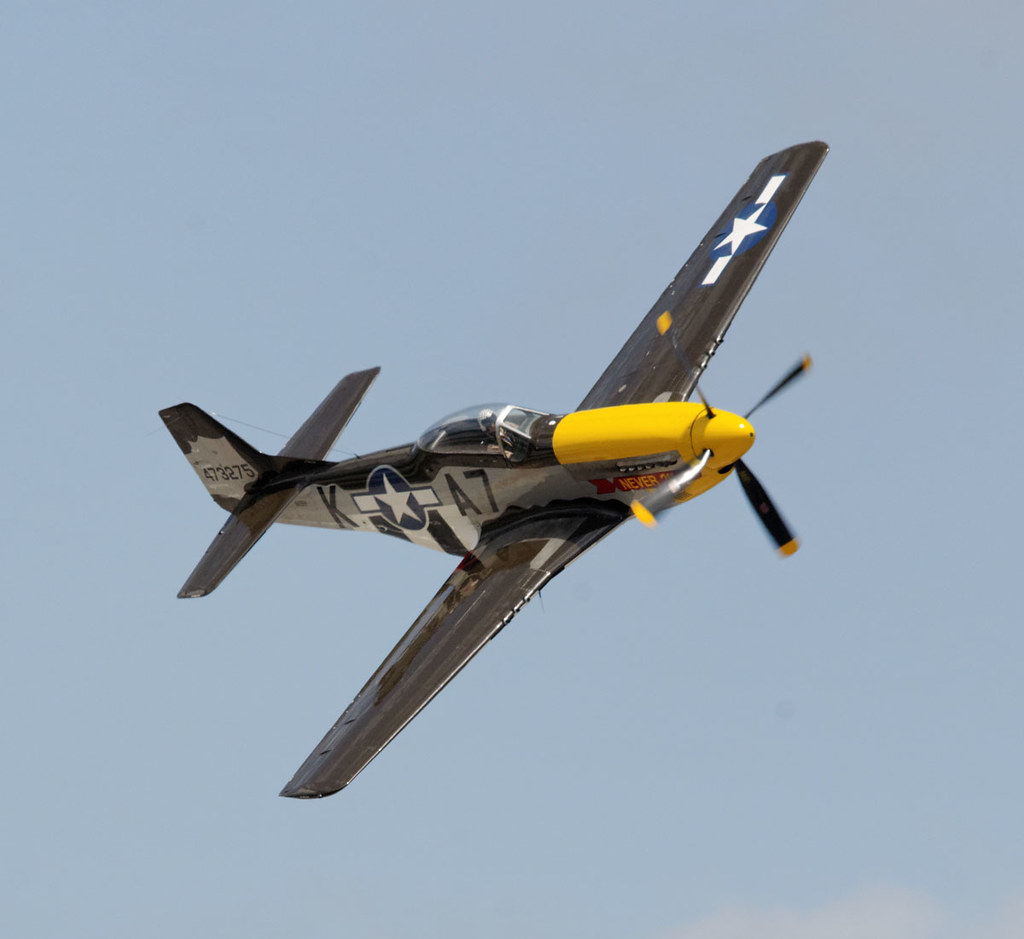
Fighter planes in movies often feel like mechanical angels — too perfect, too clean, too removed from the dirt and chaos below. The P-51 Mustangs in “Red Tails” avoid this trap by staying grounded in the experience of the Tuskegee Airmen, who flew these machines with a precision that bordered on artistry.
The Mustang’s sleek lines and distinctive silhouette make it instantly recognizable, but what sells the aircraft in this film is the way it becomes an extension of each pilot’s personality. Some fly aggressively, others with calculated patience, and the plane responds to each approach differently (or seems to, which amounts to the same thing cinematically).
The aircraft doesn’t just carry pilots through dogfights — it carries their hopes for proving something the world didn’t want to believe.
Huey Helicopter from Apocalypse Now
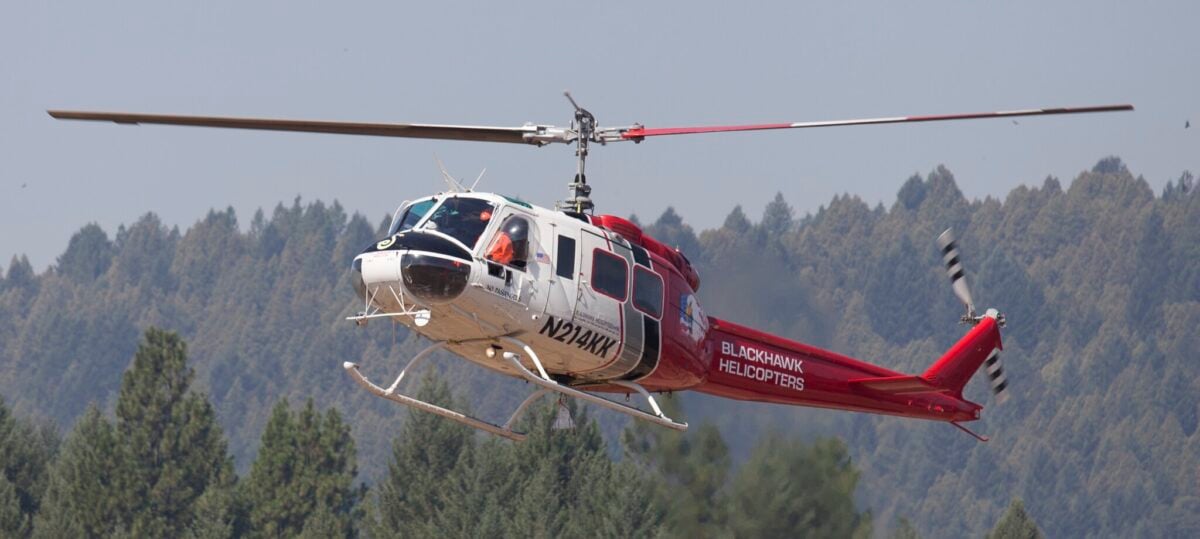
Helicopters cut through air the way boats cut through water — with purpose and a certain inevitability. The UH-1 “Huey” helicopters in “Apocalypse Now” do something different: they cut through sanity, morality, and the thin line between civilization and chaos.
These machines appear in the film’s most famous sequence, approaching a Vietnamese village while Wagner’s “Ride of the Valkyries” blares from speakers mounted on their frames. The helicopters become instruments of psychological warfare as much as physical destruction.
They hover, they strafe, they deliver death with an almost casual efficiency that feels more terrifying than any explosive spectacle. The Huey’s distinctive whop-whop-whop sound has become shorthand for Vietnam in popular culture, but in this film, it represents something larger: the mechanical precision with which humans can organize and deliver violence.
Tiger Tank from Saving Private Ryan
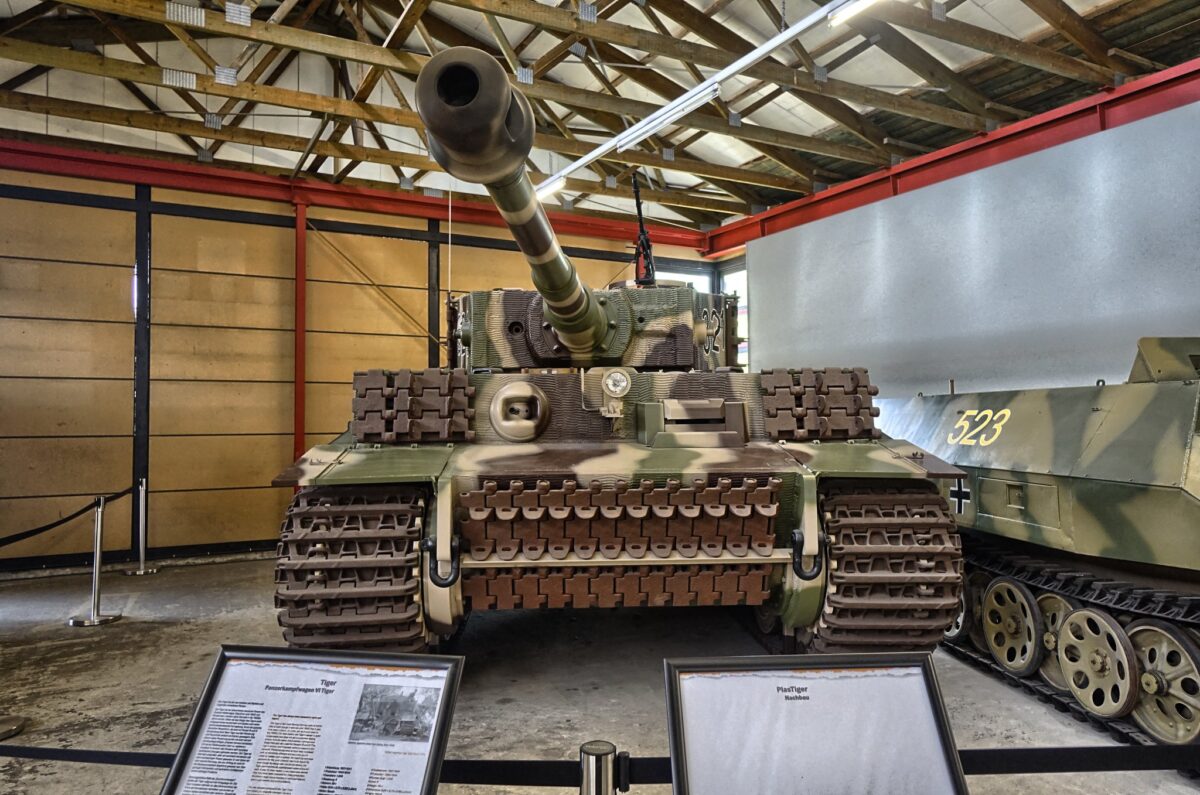
German engineering has always carried a certain reputation for precision and reliability, qualities that become deeply unsettling when applied to instruments of war. The Tiger I tank in “Saving Private Ryan” embodies this contradiction — it’s a masterpiece of design that exists solely to kill people as efficiently as possible.
The tank appears during the film’s final battle, and its presence changes everything. Suddenly, the American soldiers aren’t fighting other men but a machine that seems almost invulnerable.
The Tiger moves with deliberate slowness, its thick armor deflecting shots that would disable lesser vehicles. It doesn’t need to hurry because it knows, and the audience knows, that it holds all the advantages in this particular equation.
F-14 Tomcat from Top Gun
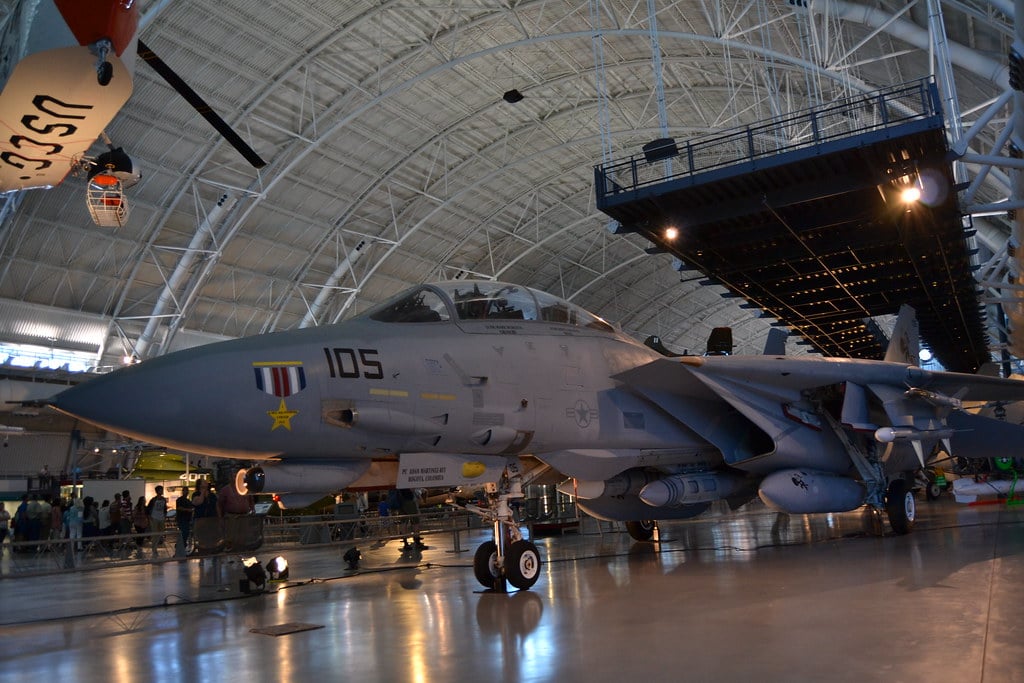
Naval aviation exists in a world where precision matters more than bravery, though both are required in quantities that would terrify most people. The F-14 Tomcat in “Top Gun” captures this perfectly — it’s a machine that demands respect from everyone who comes near it, including the hotshot pilots who think they can master it through attitude alone.
The Tomcat’s swing wings and twin engines give it a distinctive profile that looks fast even when sitting still. But the real star quality of this aircraft comes from how it handles in the film’s aerial sequences.
These aren’t just action scenes; they’re ballets performed at 30,000 feet, with each aircraft responding to inputs so subtle that the difference between success and catastrophe often comes down to fractions of seconds and degrees. The plane becomes a character that corrects overconfidence and rewards genuine skill, which makes it the perfect vehicle for a story about learning the difference between the two.
T-55 Tank from The Beast of War
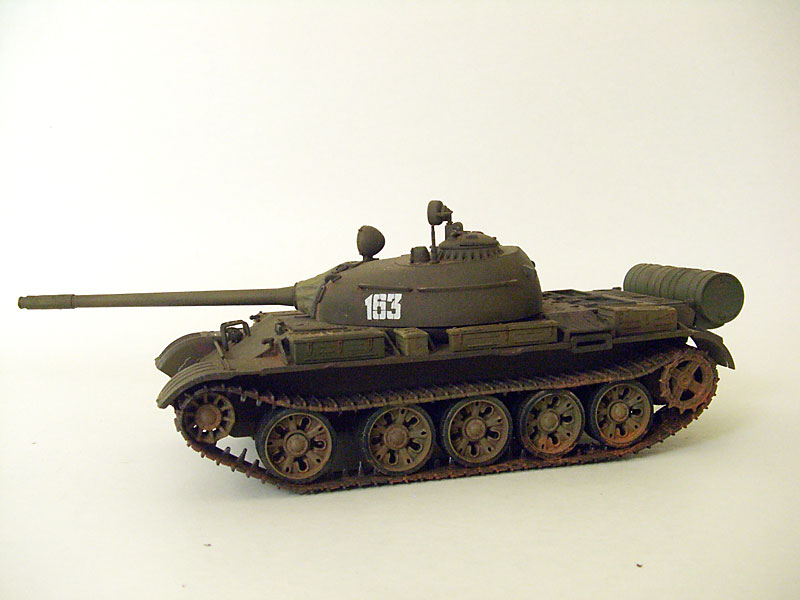
Soviet military equipment always looked different from its Western counterparts — more brutal, more functional, less concerned with comfort or convenience. The T-55 tank in “The Beast of War” carries this aesthetic to its logical conclusion, becoming a character that’s simultaneously powerful and trapped.
The film follows a Soviet tank crew lost in Afghanistan, and the vehicle becomes both their protection and their prison. Inside the tank, the crew faces mechanical failures, dwindling supplies, and the slow realization that their superior firepower means nothing when they don’t know where they are or who they can trust.
The tank’s thick armor keeps enemies out, but it also keeps the crew in, creating a mobile tomb that moves through hostile territory with nowhere safe to go. And yet — the machine endures when everything else falls apart.
Blackhawk Helicopter from Black Hawk Down
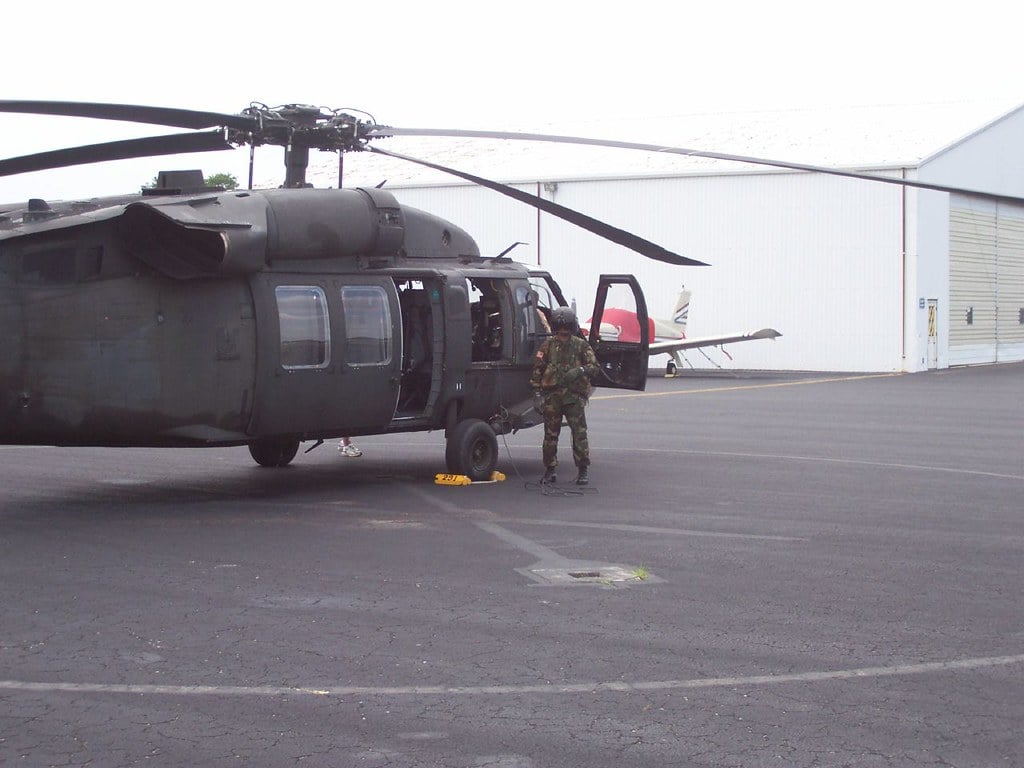
Military helicopters are creatures of precision and vulnerability, capable of extraordinary maneuvers while remaining fundamentally fragile. The UH-60 Black Hawks in “Black Hawk Down” demonstrate both qualities in ways that make every flight feel like a small miracle that could end in disaster.
The helicopters in this film serve as lifelines connecting American forces to safety, but they’re also targets that draw enemy fire like magnets. When the first Black Hawk goes down, the entire mission changes from a quick strike to a desperate rescue.
When the second helicopter crashes, the situation becomes a nightmare that no amount of training could have prepared anyone for. The aircraft become symbols of how quickly modern warfare can shift from technological superiority to basic survival.
These machines represent billions of dollars in research and development, flown by some of the most skilled pilots in the world, but they’re brought down by weapons that cost less than a nice dinner (which is saying something about asymmetric warfare, but that’s another conversation entirely).
M1 Abrams Tank from Courage Under Fire
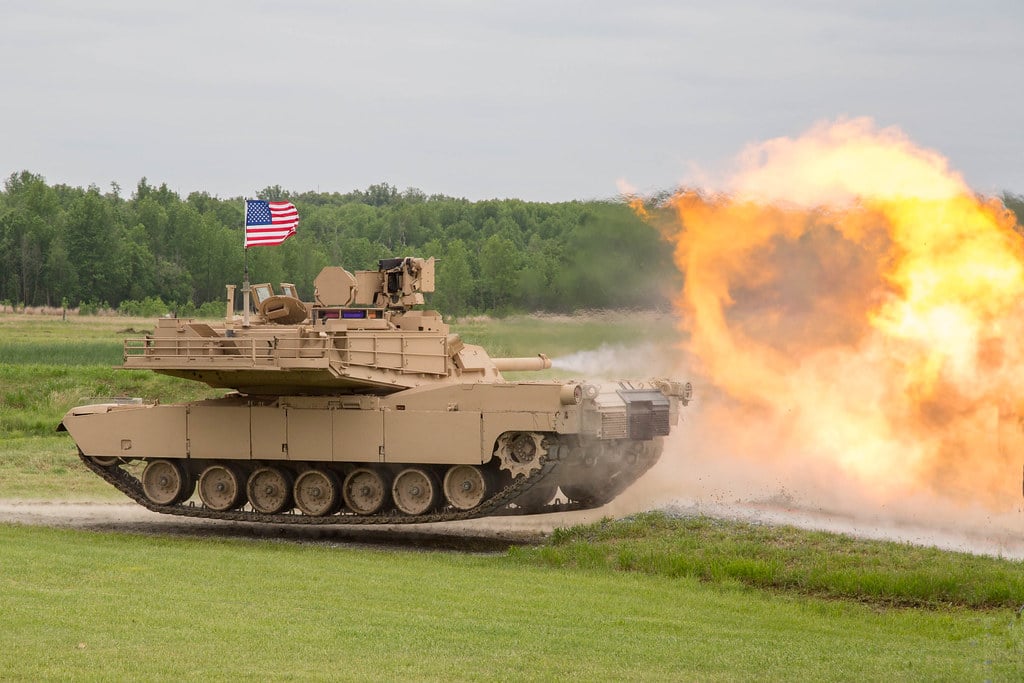
There’s something almost ceremonial about modern tank warfare — these massive machines moving across landscapes like steel cathedrals, each one carrying enough firepower to level city blocks. The M1 Abrams tank in “Courage Under Fire” appears in flashback sequences that gradually reveal the truth about a friendly fire incident, and the vehicle becomes a witness to events that several people would prefer to forget.
The Abrams represents the peak of American tank design: sophisticated, powerful, and almost impossibly complex. It requires a crew that functions like a small orchestra, with each member playing a specific part in a performance where mistakes have consequences that extend far beyond the immediate moment.
The tank’s advanced systems can identify targets, calculate firing solutions, and deliver destruction with computer-assisted precision, but none of that technology can resolve the human conflicts that arise when the shooting stops and people start asking questions about what actually happened.
Corsair from Baa Baa Black Sheep
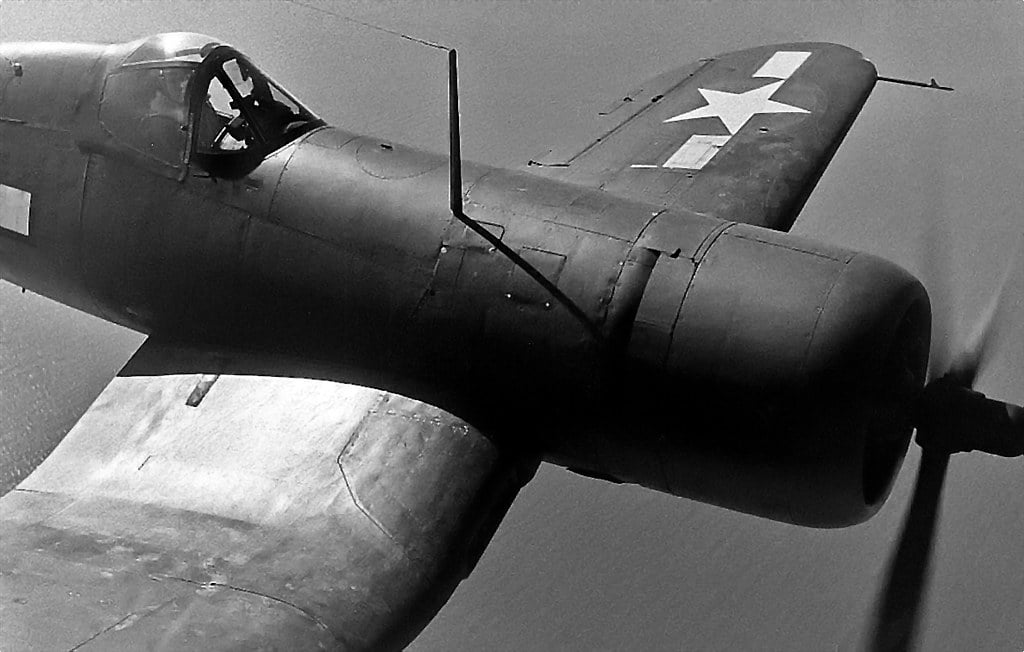
Television isn’t quite the same as cinema, but some aircraft transcend the medium they appear in. The F4U Corsair fighters in “Baa Baa Black Sheep” (later retitled “Black Sheep Squadron”) become characters in their own right, each plane reflecting the personality of its pilot while maintaining the distinctive characteristics that made the Corsair one of the most effective fighters of World War II.
The Corsair’s bent wings and powerful engine gave it a unique silhouette that was instantly recognizable to both allies and enemies. In the television series, these planes become extensions of Pappy Boyington’s squadron — unconventional, effective, and slightly dangerous to everyone involved, including the people flying them. The aircraft handle like temperamental racehorses, capable of incredible performance but requiring pilots who understand their quirks and limitations.
So the planes become metaphors for the men who fly them: powerful, unpredictable, and absolutely essential when the situation calls for controlled chaos.
AH-64 Apache from Fire Birds
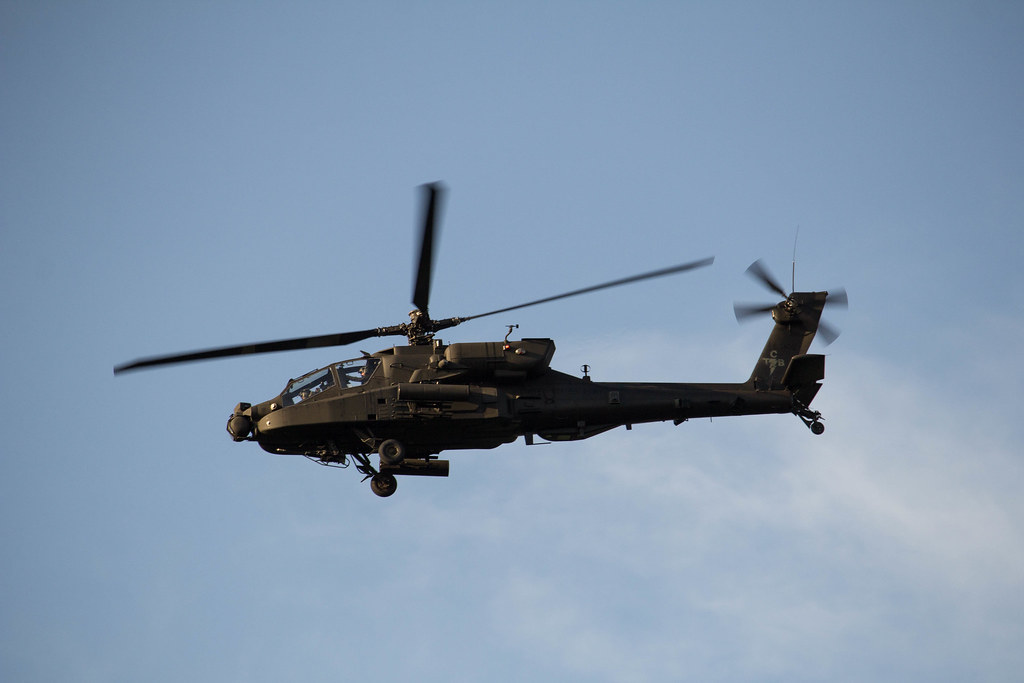
Attack helicopters occupy a unique position in military aviation — they’re designed specifically to destroy other vehicles, which gives them a predatory quality that’s both fascinating and disturbing. The AH-64 Apache in “Fire Birds” embodies this dual nature, appearing as both a technological marvel and a mechanical predator that hunts across desert landscapes.
The Apache’s tandem seating arrangement puts one pilot in charge of flying while the other operates weapons systems, creating a partnership that requires absolute trust and communication. The helicopter can hover behind cover, pop up to engage targets, then disappear again before enemy forces can respond.
Its aerial warfare is reduced to its most essential elements: see the target, destroy the target, survive to engage the next target. The film treats the Apache as both machine and character, with each aircraft displaying subtle differences in handling and performance that experienced pilots learn to recognize and accommodate.
PT Boat from PT 109
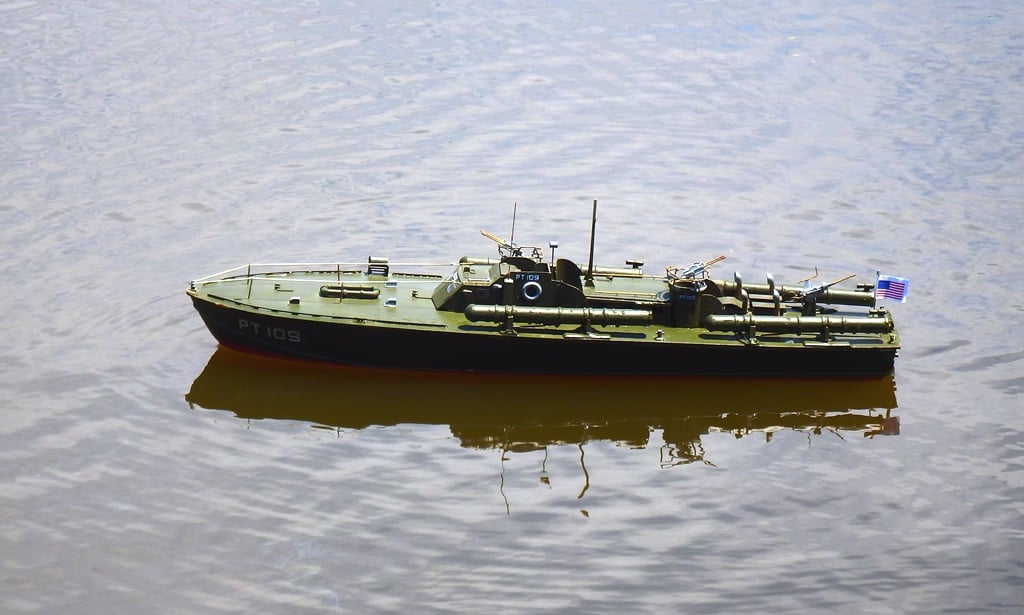
Small naval vessels live in the spaces between larger ships, moving fast and hitting hard before disappearing into darkness or weather. The PT boat in “PT 109” represents this approach to naval warfare — lightweight, fast, and dependent on crew skill rather than heavy armor or massive firepower.
The boat becomes a character that reflects John F. Kennedy’s leadership style: unconventional, willing to take risks, and effective in situations where larger, more powerful vessels would be useless. When the PT boat is cut in half by a Japanese destroyer, the crew’s survival depends on their ability to work together without the technology and firepower they’ve been trained to rely on.
The vessel’s wooden hull and relatively simple systems make it seem almost primitive compared to destroyers and cruisers, but this simplicity becomes an advantage when basic seamanship matters more than sophisticated equipment.
Jeep from The Dirty Dozen
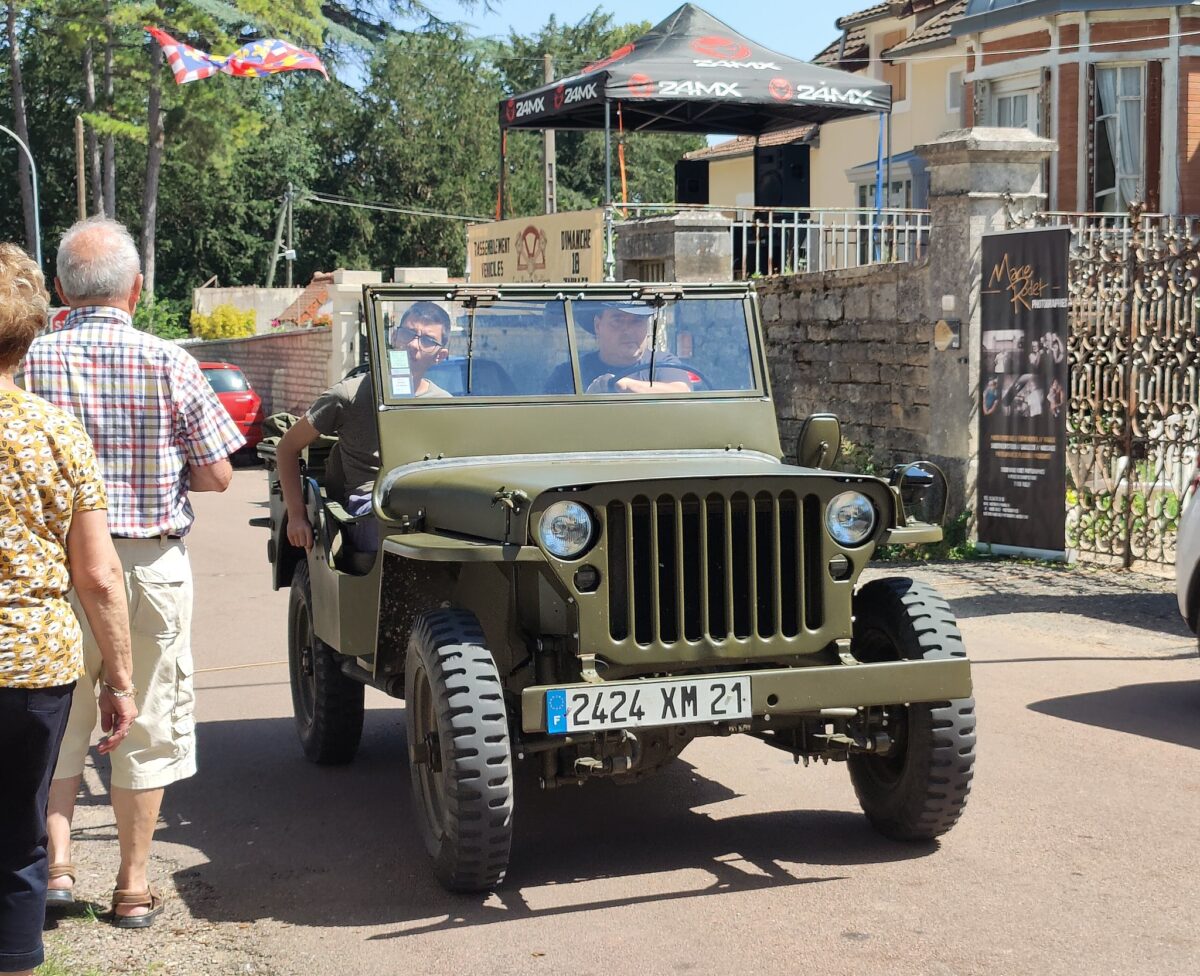
Military utility vehicles rarely get starring roles in war films, but the Jeep in “The Dirty Dozen” proves that simple, reliable transportation can be just as important as tanks or aircraft. The vehicle appears throughout the film as the thing that gets people where they need to go, regardless of road conditions, weather, or enemy fire.
The Jeep’s simple design makes it nearly indestructible under normal circumstances and repairable under abnormal ones. It can carry supplies, weapons, or wounded soldiers with equal efficiency, and its small size allows it to go places where larger vehicles would be trapped or spotted.
The vehicle becomes a symbol of American industrial capacity — not the most sophisticated technology, but reliable, practical, and available in whatever quantities the situation requires.
C-47 Transport from Band of Brothers
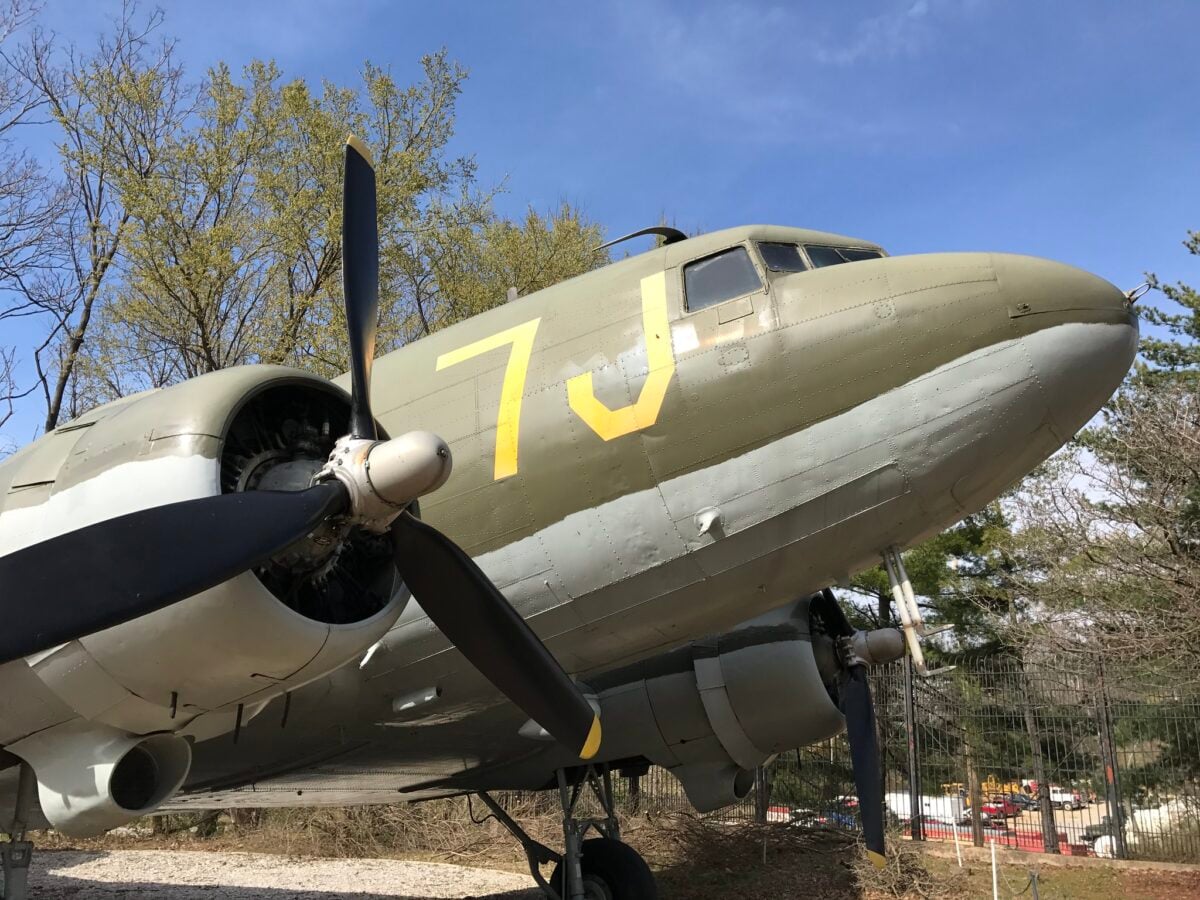
Transport aircraft occupy an unglamorous but essential role in military operations — they move people and supplies from one place to another, usually without fanfare or recognition. The C-47 Skytrain aircraft in “Band of Brothers” demonstrate how these workhorses of military aviation become lifelines for ground forces who depend on them for everything from initial insertion to emergency evacuation.
The C-47’s twin engines and reliable design made it the backbone of Allied air transport during World War II. In the series, these planes carry paratroopers into combat, drop supplies to isolated units, and evacuate wounded soldiers who would otherwise die far from any medical facility.
The aircraft aren’t glamorous, but they’re absolutely essential to every operation that involves moving people or equipment over distances too long to walk. And yet these planes face the same dangers as fighters or bombers — enemy aircraft, antiaircraft fire, and mechanical failures that become life-threatening when they occur over hostile territory.
The difference is that transport crews face these dangers while carrying passengers who depend on them completely.
Landing Craft from Saving Private Ryan
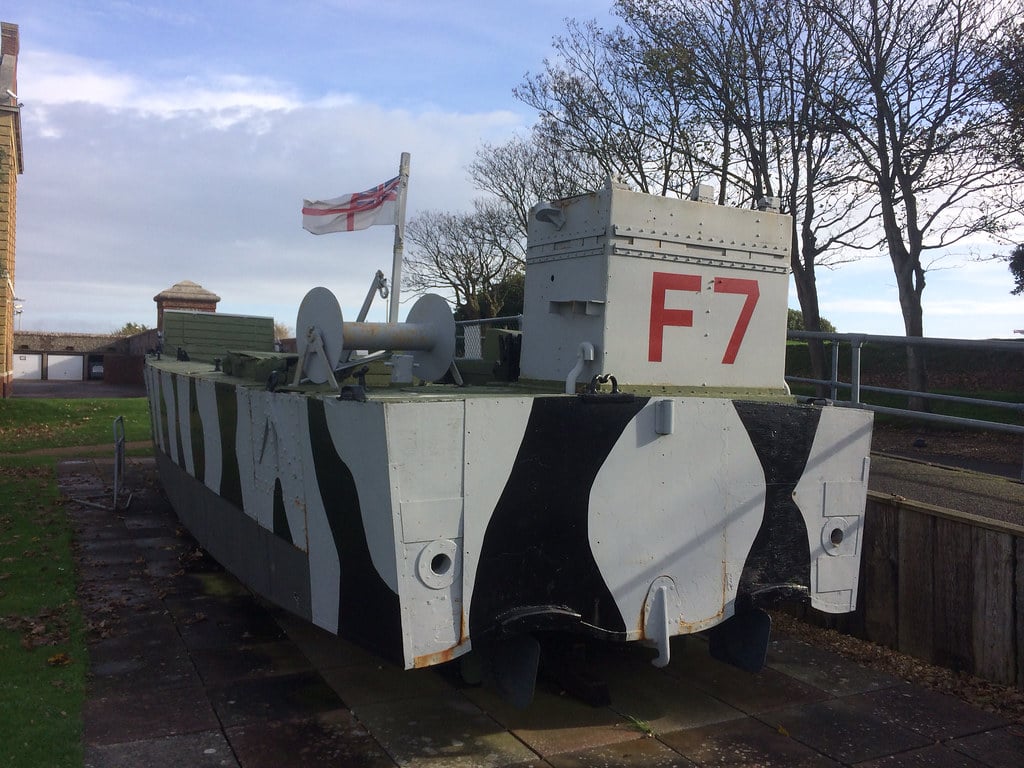
Amphibious assault vehicles exist to solve one of the most dangerous problems in warfare: how to move soldiers from ships to hostile beaches while keeping enough of them alive to accomplish their mission. The LCVP landing craft in “Saving Private Ryan” demonstrate both the necessity and the limitations of this approach during the D-Day sequence.
The landing craft are essentially floating boxes designed to carry thirty-six soldiers from transport ships to the beach, then return for another load. They have no armor, minimal protection from weather or enemy fire, and engines that make them slow, predictable targets.
The crews operating these vessels know they’re driving into machine gun fire and artillery bombardments with nothing but thin steel plates and determination for protection. But the craft keep coming, wave after wave, because the mission requires putting specific numbers of soldiers on specific beaches at specific times.
The vehicles become symbols of institutional determination — not individual heroism, but the grinding persistence required to execute plans that everyone knows will cost thousands of lives.
Motorcycle from The Great Escape
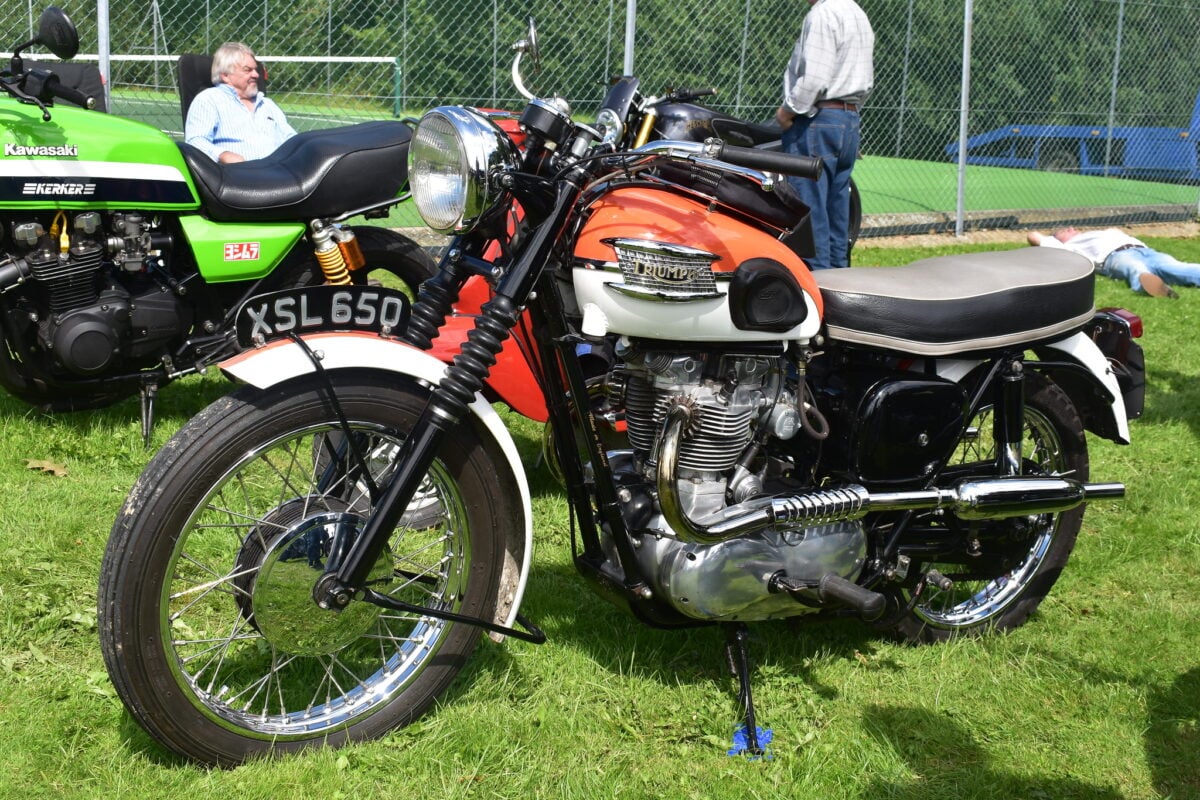
Military motorcycles serve a specific purpose: they provide fast, maneuverable transportation for small groups or individual soldiers who need to cover ground quickly without the noise and visibility of larger vehicles. The motorcycle chase sequence in “The Great Escape” showcases both the advantages and limitations of two-wheeled military transport.
Steve McQueen’s character uses a stolen German motorcycle to attempt an escape that requires speed, agility, and more than a little luck. The bike can go places where cars and trucks would be stopped or spotted, but it also offers no protection and leaves the rider completely exposed to enemy fire.
The motorcycle becomes a symbol of individual resourcefulness — one person, one machine, and whatever skills and determination can be assembled on short notice. The chase sequence remains one of the most memorable in cinema because it reduces escape to its essential elements: mechanical reliability, riding skill, and the kind of split-second decision-making that determines whether someone goes home or spends the rest of the war in a prison camp.
Destroyer from The Enemy Below
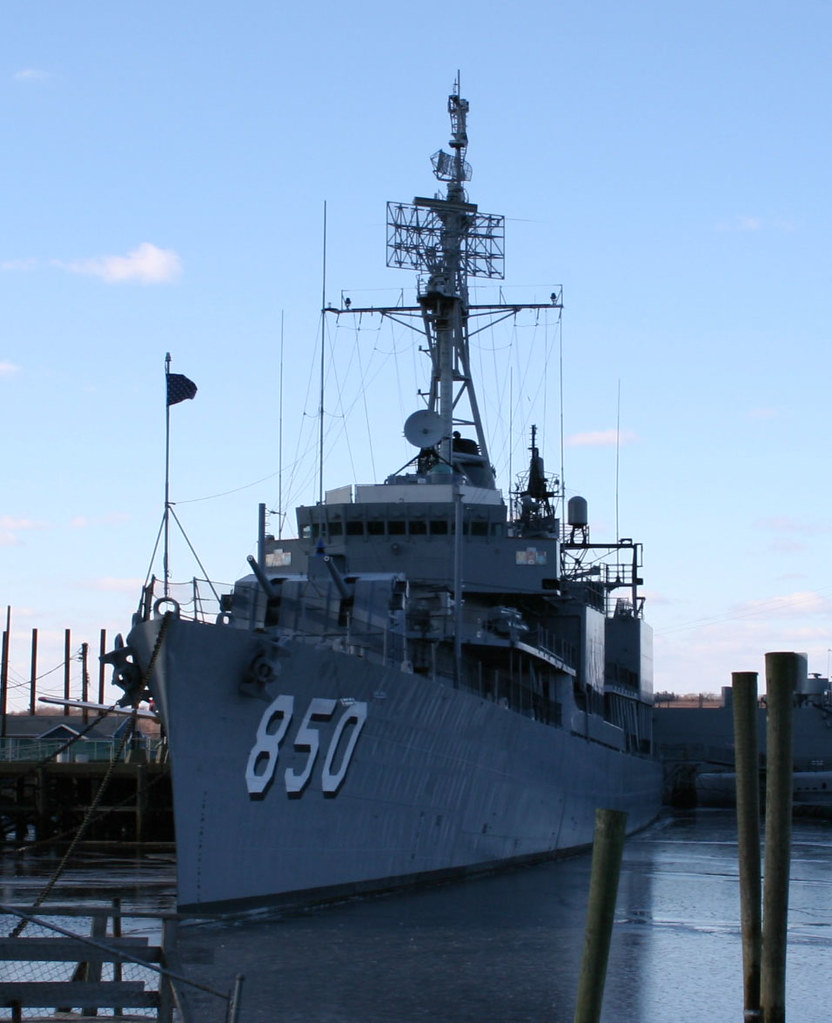
Naval warfare operates according to rules that landlubbers never fully understand — ships move slowly but think quickly, and battles can last for hours while being decided in moments. The American destroyer in “The Enemy Below” engages in a cat-and-mouse game with a German U-boat, and both vessels become characters whose capabilities and limitations drive the entire narrative.
The destroyer represents surface naval power: fast, well-armed, and equipped with sonar and depth charges specifically designed to hunt submarines. But it’s also constrained by its size and visibility — it can’t hide, can’t dive, and depends on technology and crew skill to locate an enemy that could be anywhere in three-dimensional space.
The ship becomes a platform for the kind of chess match that naval warfare often resembles, where each move reveals information to the opponent while creating new tactical possibilities. The destroyer’s crew must think like their submarine counterparts, anticipating moves and countermoves while managing a vessel that responds slowly to commands and offers no second chances for major mistakes.
When Metal Meets Memory
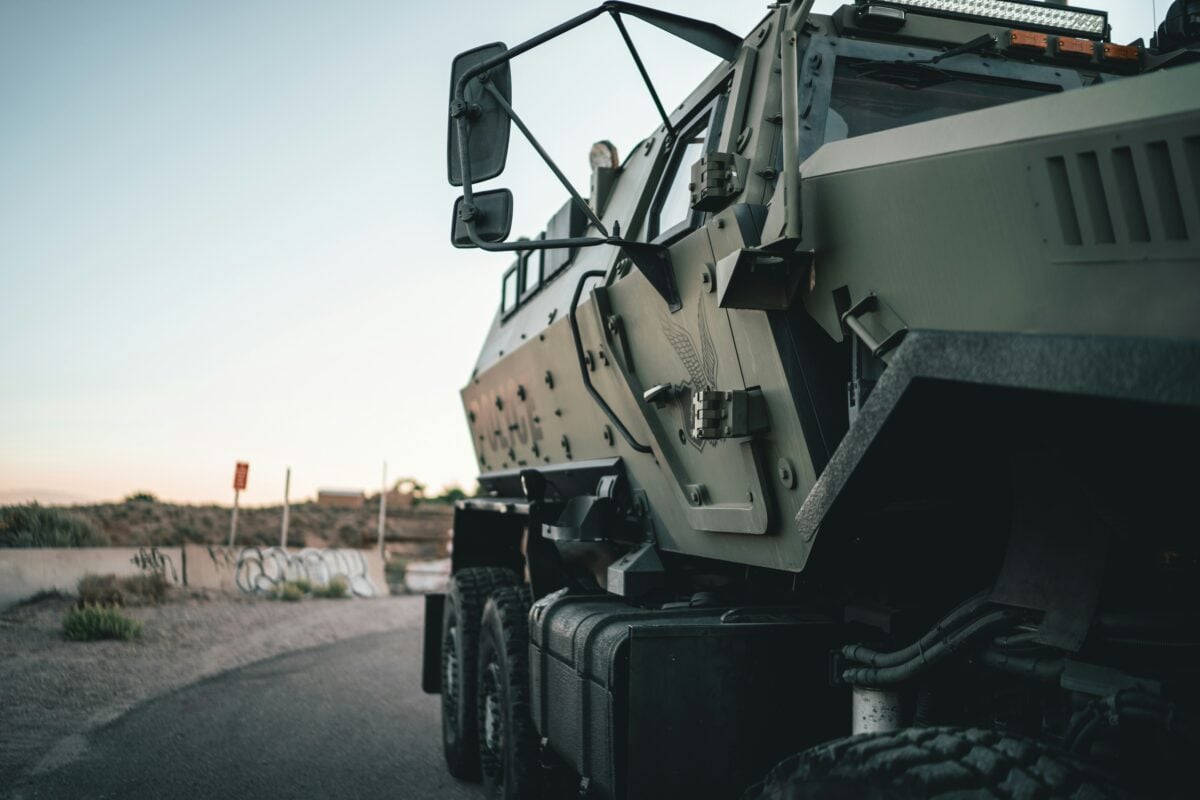
These vehicles live on long after their films fade from popular memory because they represent something more than transportation or weapons systems. They embody human relationships with technology, power, and the mechanical extensions of will that define modern warfare.
Each machine carries the personalities of the people who operate it, while simultaneously shaping how those people see themselves and their place in larger conflicts. A tank crew thinks differently from a fighter pilot, who thinks differently from a helicopter crew, who approach problems differently from sailors or motorcycle riders.
The vehicles don’t just carry people — they influence how those people understand their world and their role in it. And perhaps that’s why these military machines remain unforgettable: they show us versions of ourselves reflected in steel, aluminum, and the complex relationships between human intention and mechanical capability.
More from Go2Tutors!

- The Romanov Crown Jewels and Their Tragic Fate
- 13 Historical Mysteries That Science Still Can’t Solve
- Famous Hoaxes That Fooled the World for Years
- 15 Child Stars with Tragic Adult Lives
- 16 Famous Jewelry Pieces in History
Like Go2Tutors’s content? Follow us on MSN.