Surprising Truths About the History of Makeup
Makeup feels like a modern thing, doesn’t it? Walk into any store and there are rows of glossy lipsticks, shimmering eyeshadows, and foundations in every shade imaginable. But people have been painting their faces for thousands of years, long before anyone invented Instagram filters or beauty influencers.
The history of makeup is packed with wild stories, dangerous ingredients, and trends that would make anyone today do a double take. Let’s dig into some of the most shocking facts about how makeup became what it is today.
Ancient Egyptians wore green eyeshadow made from malachite
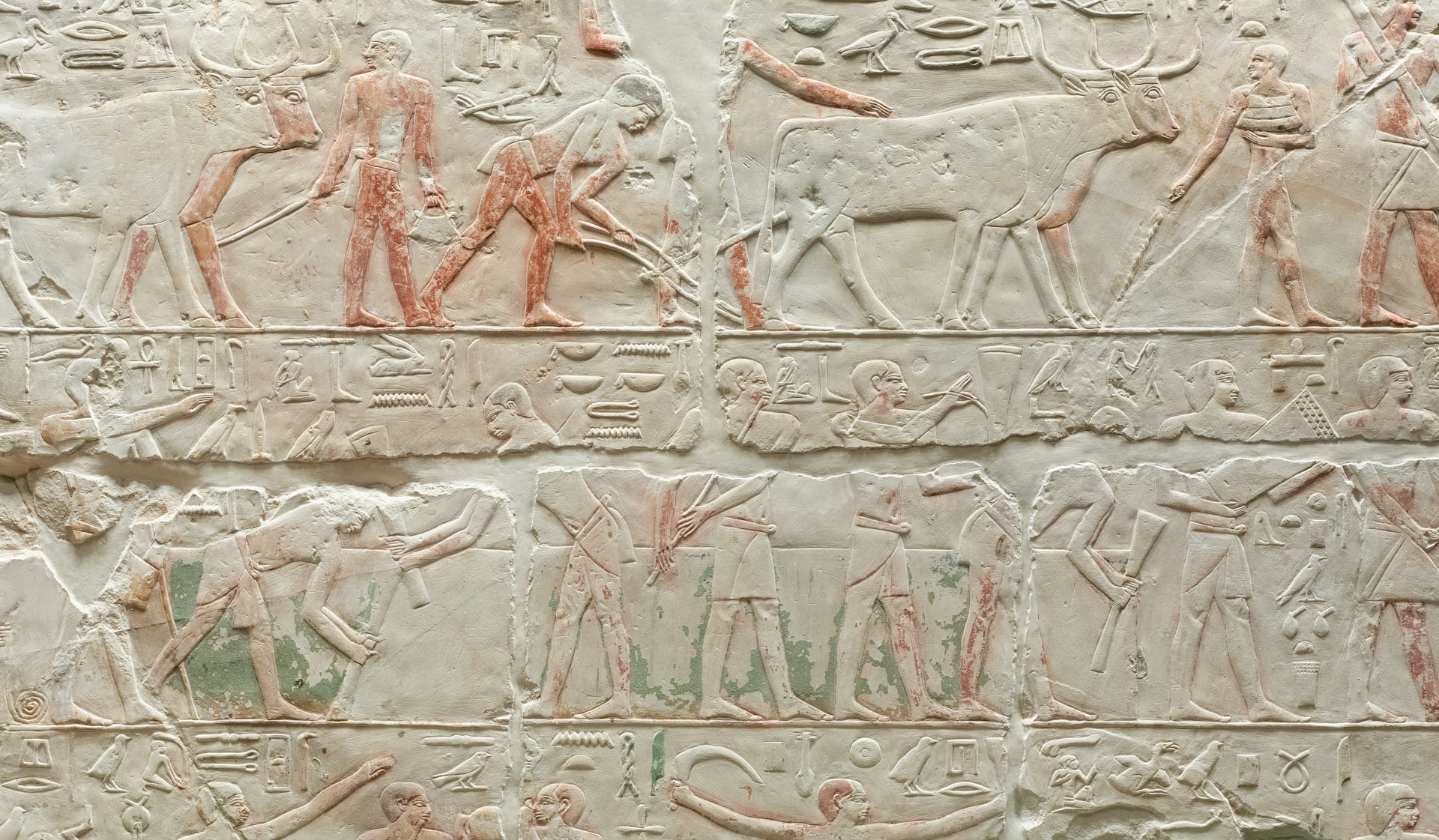
The Egyptians didn’t mess around when it came to eye makeup. Both men and women ground up a mineral called malachite to create bright green eyeshadow that they smeared across their eyelids.
They also used galena, a lead-based mineral, to make black kohl for lining their eyes. This wasn’t just about looking good either.
They believed the dark lines around their eyes protected them from the harsh desert sun and warded off evil spirits.
Lead was a popular ingredient in face powder for centuries

Women in ancient Rome, Greece, and later in Europe during the Renaissance slathered their faces with white lead powder to achieve pale skin. This toxic mixture caused serious health problems like hair loss, skin damage, and even death.
Despite knowing it was poisonous, people kept using it because pale skin was a sign of wealth and status. Tanned skin meant you worked outdoors, and nobody wanted to look like a laborer.
Crushed beetles gave lipstick its red color

Carmine, a deep red pigment used in lipsticks and blushes, comes from crushed cochineal beetles. These tiny insects are dried, ground into powder, and processed to create that vibrant red shade.
This practice started centuries ago and continues today in some cosmetics and even food products. The Aztecs were among the first to use cochineal for dye, and Spanish colonizers brought the technique back to Europe where it became wildly popular.
Victorian women ate arsenic wafers to improve their complexion
Victorian beauty standards demanded flawless, glowing skin, so some women turned to arsenic wafers as a beauty treatment. Small doses of arsenic were thought to clear up blemishes and give the skin a translucent quality.
These wafers were marketed as complexion enhancers and sold openly in stores. The long-term effects were devastating, causing organ damage and death, but the promise of perfect skin kept customers coming back.
Henna has been used as makeup for over 5,000 years

Long before modern nail polish existed, people in ancient India, Egypt, and the Middle East decorated their nails, hands, and feet with henna. This reddish-brown plant-based dye was ground into paste and applied in intricate patterns for weddings, festivals, and religious ceremonies.
Henna wasn’t just decorative. It also had cooling properties that helped people cope with hot climates, making it both practical and beautiful.
Ancient Greeks used berries and flowers as blush

Greek women crushed mulberries, red roots, and flower petals to create natural blushes and lip stains. They mixed these ingredients with beeswax or oils to make them easier to apply and longer lasting.
Unlike the toxic lead-based cosmetics popular in other cultures, these plant-based options were relatively safe. The catch was that the colors faded quickly, so women had to reapply throughout the day.
Queen Elizabeth I wore makeup so thick it cracked

Elizabeth I became famous for her stark white face, achieved through a mixture called Venetian ceruse made from white lead and vinegar. She layered this toxic paste so thickly that it would crack and peel off her face.
To hide smallpox scars and the damage from years of lead poisoning, she kept applying more makeup, which only made things worse. By the end of her life, her skin was reportedly destroyed beyond repair.
Mercury was a common ingredient in skin lightening creams
Mercury-based creams promised to fade dark spots and create an even complexion, and they were used across Asia, Europe, and the Americas for centuries. The mercury ate away at the top layers of skin, revealing lighter skin underneath, but it also caused kidney damage, neurological problems, and disfigurement.
Some countries still struggle with illegal mercury creams being sold despite modern regulations banning them.
Ancient Romans used crocodile dung in face masks

Roman women applied all sorts of bizarre ingredients to their skin, including crocodile dung mixed with mud. They believed this combination would smooth wrinkles and brighten their complexion.
Other popular ingredients included swan fat, donkey milk, and placenta from various animals. Cleopatra supposedly bathed in donkey milk to maintain her legendary beauty, though historians debate whether this actually happened.
Lipstick was considered scandalous in early America

In colonial America and into the 1800s, wearing obvious makeup was seen as sinful and associated with actresses and prostitutes. Religious leaders condemned lipstick as deceptive and immoral.
Women who wanted color on their lips had to pinch them or bite them to create a natural flush. This attitude slowly changed in the early 1900s, but lipstick didn’t become fully acceptable for respectable women until after World War I.
Kohl eyeliner sometimes contained bat droppings

Ancient recipes for kohl varied widely depending on the region, and some included truly gross ingredients. Bat droppings, burnt almonds, and antimony were ground together to create the dark paste used to line eyes.
Despite the questionable ingredients, kohl served practical purposes beyond decoration. It helped reduce glare from the sun and may have had antibacterial properties that protected against eye infections.
Geishas used bird droppings to remove their makeup

Japanese geishas painted their faces with a thick white paste made from rice powder and other ingredients. Removing this heavy makeup required something strong, and they discovered that nightingale droppings worked perfectly.
The enzymes in the bird waste broke down the makeup and left skin smooth. This practice, called uguisu no fun, is still used in some high-end facials today, though the droppings are sterilized first.
Early mascara was made from petroleum jelly and coal dust
The first modern mascara was invented in 1913 by a chemist named T.L. Williams, who mixed petroleum jelly with coal dust to help his sister Mabel darken her lashes. He named the product Maybelline after her.
Before this invention, women burned cork or used heated wax mixed with soot to darken their eyelashes. These homemade versions often caused eye irritation and infections.
Belladonna drops made pupils look bigger but caused blindness

Women in Renaissance Italy dripped belladonna, a toxic plant extract, into their eyes to dilate their pupils and create a dreamy, romantic look. The name belladonna literally means ‘beautiful woman’ in Italian.
While the dilated pupils were considered attractive, the side effects included blurred vision, sensitivity to light, and sometimes permanent blindness. Fashion came at a steep price back then.
Ancient Chinese women stained their fingernails with egg whites and gelatin
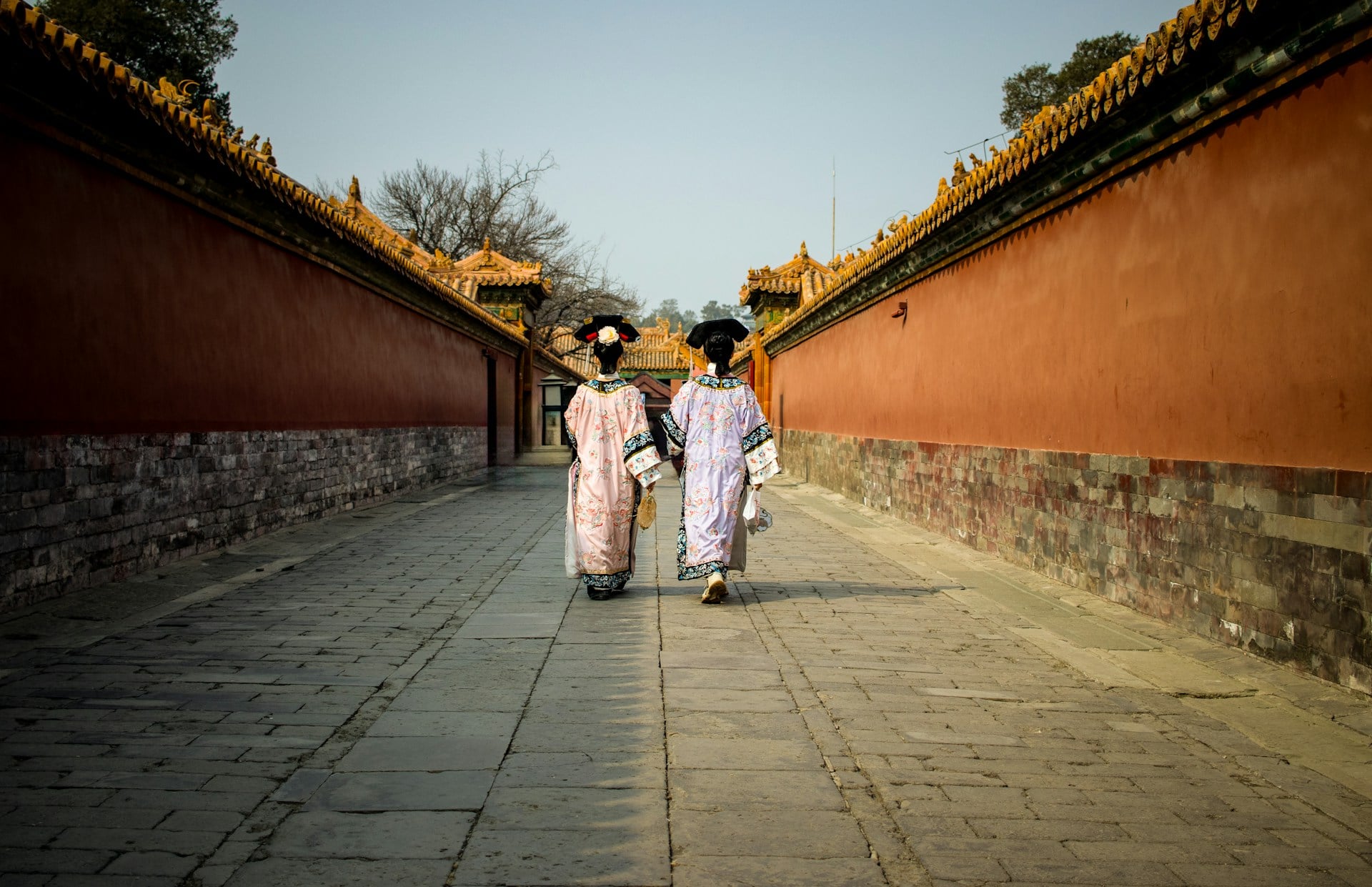
During the Ming Dynasty, Chinese royalty colored their nails with a mixture made from beeswax, egg whites, gelatin, and dyes from flower petals. The colors they chose indicated their social rank, with royal family members wearing gold or silver and lower-ranking individuals using paler shades.
Commoners were forbidden from wearing nail color at all. The process took hours because the mixture had to be applied in thin layers and dried between coats.
Radioactive makeup was sold as a beauty product in the 1920s

After radium was discovered, companies started adding it to cosmetics, claiming it would make skin glow with health and vitality. Products like Tho-Radia cream contained actual radioactive materials and were marketed as scientific breakthroughs in beauty.
Women applied these products daily, unaware they were exposing themselves to dangerous radiation. It took years before the health risks became widely known and these products were pulled from shelves.
Eyebrow shaving was fashionable in the Middle Ages

During the medieval period in Europe, high foreheads were considered the height of beauty, so women plucked or shaved off their eyebrows entirely. Some also shaved back their hairlines to make their foreheads appear even larger.
They would then draw on thin, delicate eyebrow lines much higher up on their foreheads. This look was especially popular among wealthy women who had time to dedicate to such elaborate grooming.
Lipstick sales skyrocketed during the Great Depression
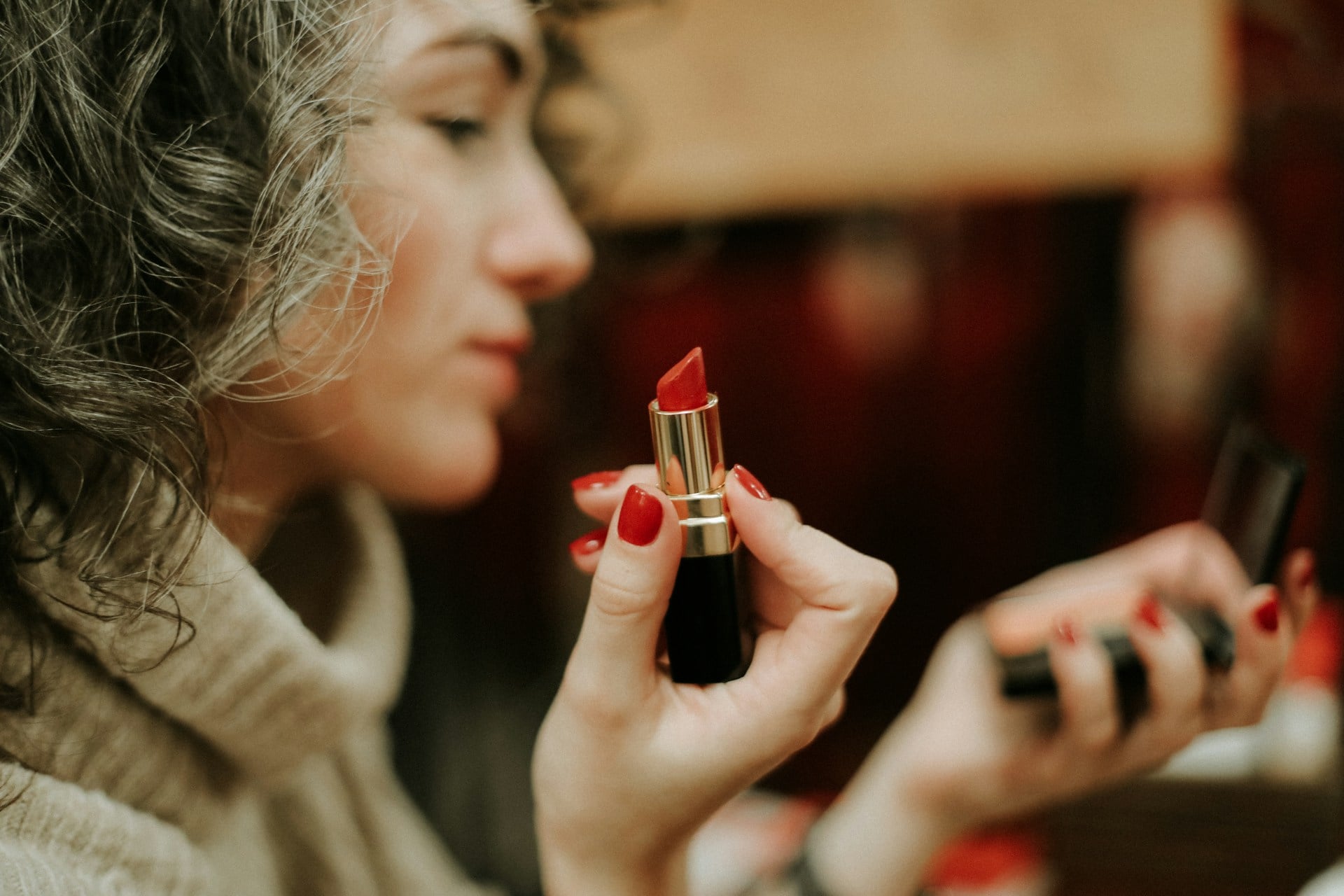
When the economy crashed in 1929, most people stopped buying luxury items, but lipstick sales actually went up. This phenomenon, called the ‘lipstick effect,’ happens because lipstick is an affordable way to feel glamorous when everything else feels hopeless.
Women could buy a tube of lipstick for a reasonable price and get a psychological boost from looking put together. The trend repeated during other economic downturns throughout history.
What we wear on our faces today
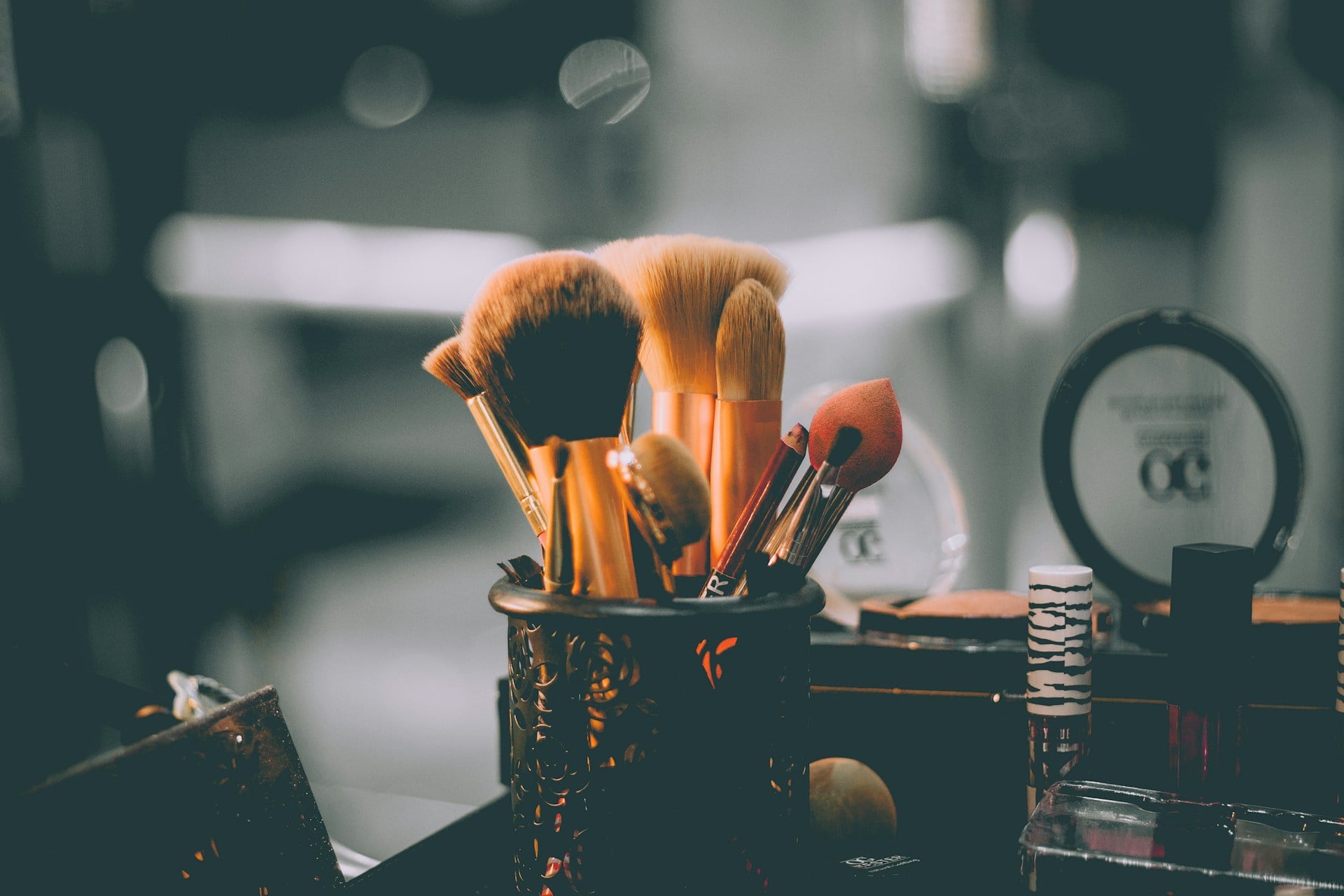
Modern makeup is safer than it’s ever been, thanks to regulations and scientific testing that didn’t exist in the past. The ingredients that once poisoned, blinded, and killed people have been replaced with synthetic alternatives and natural compounds that actually work.
Still, the desire to enhance appearance hasn’t changed much over thousands of years. People just go about it now without risking their lives for a bit of color on their cheeks or a smoother complexion.
More from Go2Tutors!

- The Romanov Crown Jewels and Their Tragic Fate
- 17 Halloween Costumes Once Considered Taboo
- Famous Hoaxes That Fooled the World for Years
- 15 Child Stars with Tragic Adult Lives
- 16 Famous Jewelry Pieces in History
Like Go2Tutors’s content? Follow us on MSN.