15 Active Rebellions Around the World Most People Know Nothing About
Turn on any news channel and the coverage follows a familiar pattern. Ukraine dominates headlines.
Gaza sparks debate. Syria occasionally resurfaces when something particularly devastating happens.
But beyond these high-profile conflicts, dozens of armed rebellions simmer across the globe with barely a mention. Some have raged for decades.
Others emerged recently from political upheaval or ethnic tensions that finally boiled over. The fighters involved aren’t seeking global attention—they’re fighting for survival, independence, or basic rights in their own backyards.
Kachin Independence Army, Myanmar
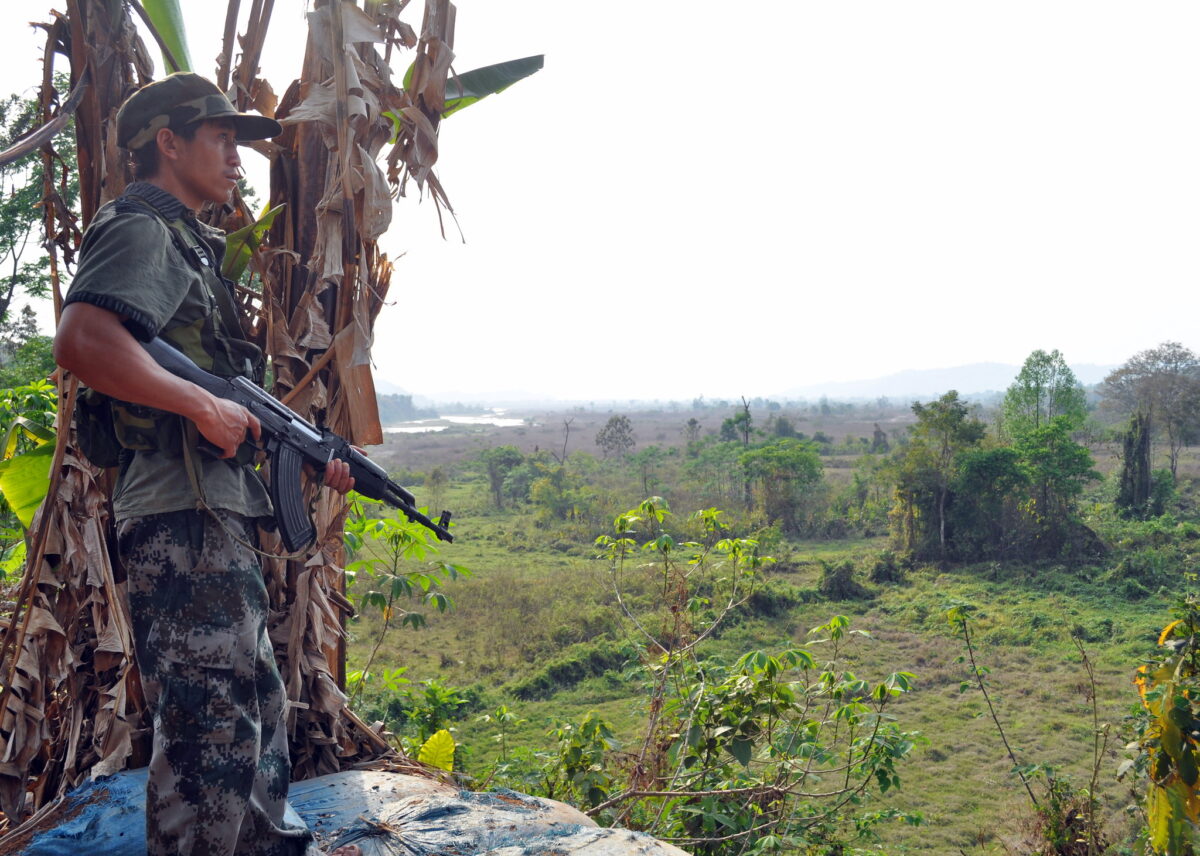
The relationship between promises and reality in Myanmar’s ethnic regions resembles a worn-out record player—the same disappointing song, stuck on repeat for over sixty years (and showing no signs of unsticking anytime soon). The Kachin Independence Army has been fighting the central government since 1961, pausing only for a brief ceasefire from 1994 to 2011 that crumbled the moment both sides decided they’d rather return to shooting than talking.
And yet the conflict continues to burn through northern Myanmar like a slow-moving fire, consuming villages and displacing hundreds of thousands while the world fixates on the broader democratic crisis that followed the 2021 military coup. So the KIA fights on, controlling significant territory in Kachin State while defending what they see as their right to exist as a distinct people.
But the costs accumulate: entire communities scattered, jade mines contested with bullets instead of negotiations, and a generation that has known nothing but the sound of helicopters overhead.
Baloch Liberation Army, Pakistan
The Baloch people inhabit a landscape that mirrors their political situation: harsh, unforgiving, and largely ignored by those who don’t have to live there. Pakistan’s largest province by area but smallest by population, Balochistan holds most of the country’s natural resources while its people remain among the poorest.
The math doesn’t add up, and the Baloch Liberation Army has spent decades trying to correct the equation with violence. Their grievance reads like a textbook case of resource extraction without representation.
Natural gas flows to Karachi and Lahore while Baloch villages lack electricity. The Chinese-funded port at Gwadar promises to transform trade routes, but locals see it as another project that will enrich outsiders while they watch from the sidelines.
The BLA’s response has been predictable: targeted killings, bombings, and attacks on infrastructure projects that they view as colonial exploitation wearing modern clothes.
West Papua Liberation Army, Indonesia
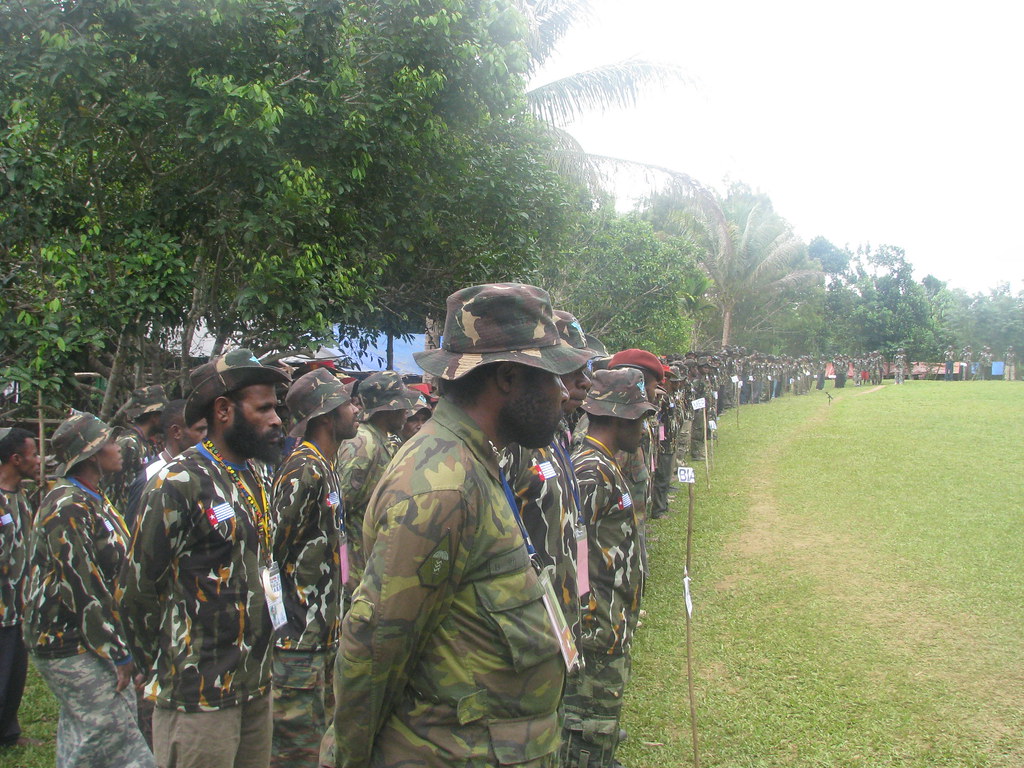
Independence movements often get filed away as historical curiosities once the major powers lose interest. West Papua never got that luxury.
The conflict there operates under a media blackout so effective that most people couldn’t place West Papua on a map, let alone explain why the Free Papua Movement has been fighting Indonesian rule since the 1960s. Indonesia restricts journalist access with the efficiency of a filing cabinet—information goes in, nothing comes out.
The West Papua Liberation Army conducts its rebellion in near-total obscurity, fighting for independence from a country that insists the territory was legally transferred from Dutch colonial rule. The fighters know something the outside world has largely forgotten: that the 1969 “Act of Free Choice” that supposedly legitimated Indonesian control involved just over 1,000 handpicked representatives voting on behalf of nearly a million Papuans.
Hardly a ringing endorsement of democratic self-determination.
Arakan Army, Myanmar
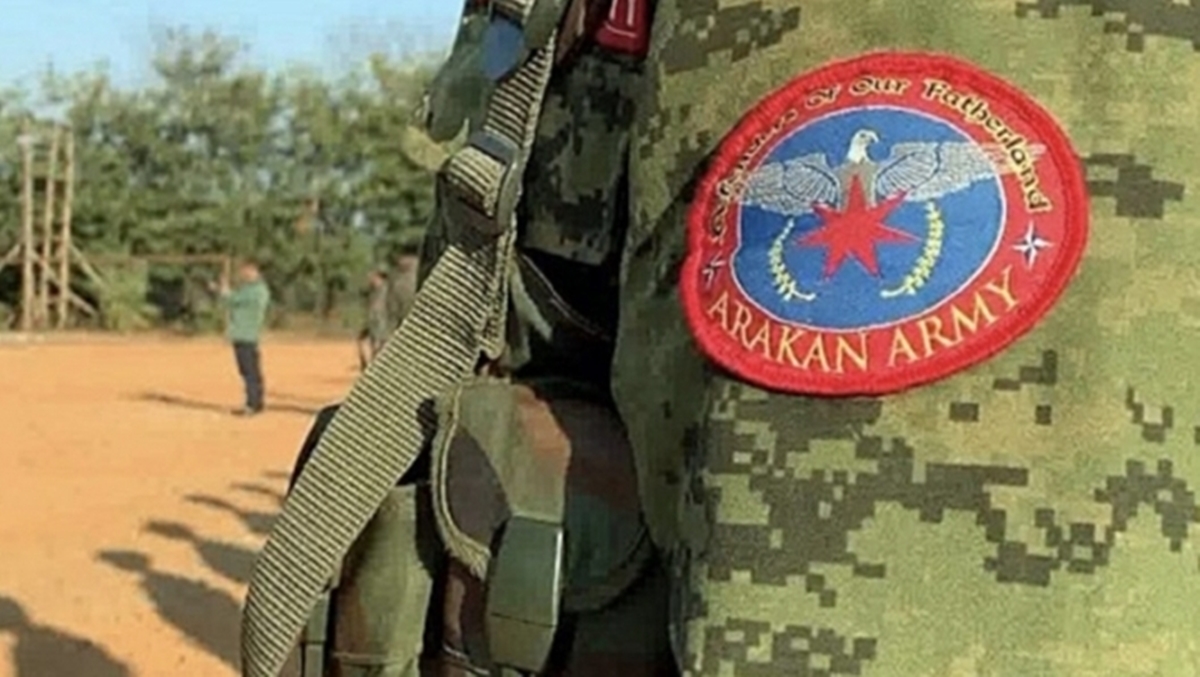
Myanmar’s civil conflicts stack up like geological layers—each one representing a different era of grievance and failed negotiation. The Arakan Army represents one of the newer strata, formed in 2009 by Rakhine Buddhists who felt squeezed between the central government’s neglect and international attention focused primarily on the Rohingya crisis.
The irony cuts both ways: Rakhine State has been synonymous with persecution of the Rohingya Muslim minority, yet many ethnic Rakhine Buddhists see themselves as equally marginalized by Myanmar’s Bamar-dominated government. The Arakan Army emerged from this frustration, demanding autonomy for what they call the “Arakan nation.”
Their rebellion gained momentum after the 2021 military coup, when the space for political solutions disappeared entirely. So they fight on, adding another layer of complexity to a region already synonymous with suffering.
Kurdistan Workers’ Party, Turkey
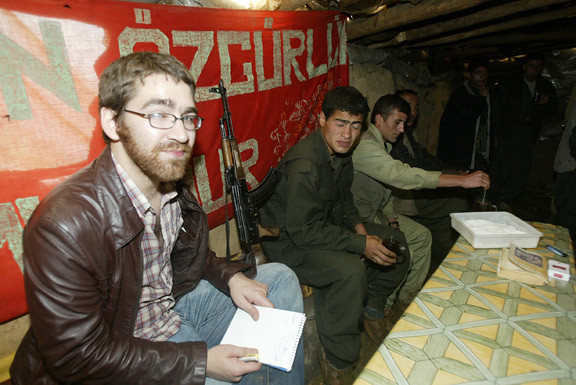
Some rebellions refuse to follow the script of inevitable defeat or negotiated settlement—they simply persist, adapting to each new decade like a persistent weed that finds ways to grow through concrete. The PKK has been fighting the Turkish state since 1984, evolving from a Marxist-Leninist organization demanding an independent Kurdistan into something more pragmatic: a movement seeking cultural rights and autonomy for Turkey’s Kurdish minority.
The conflict operates on multiple levels simultaneously. Turkish jets bomb PKK positions in northern Iraq while Kurdish politicians get arrested in Ankara for speeches that wouldn’t raise eyebrows in most European parliaments.
Ceasefires collapse with the regularity of seasonal weather patterns—hope arrives with peace talks, then winter returns with renewed fighting. The human cost accumulates steadily: over 40,000 deaths since the conflict began, with no clear endgame in sight for either side.
New People’s Army, Philippines
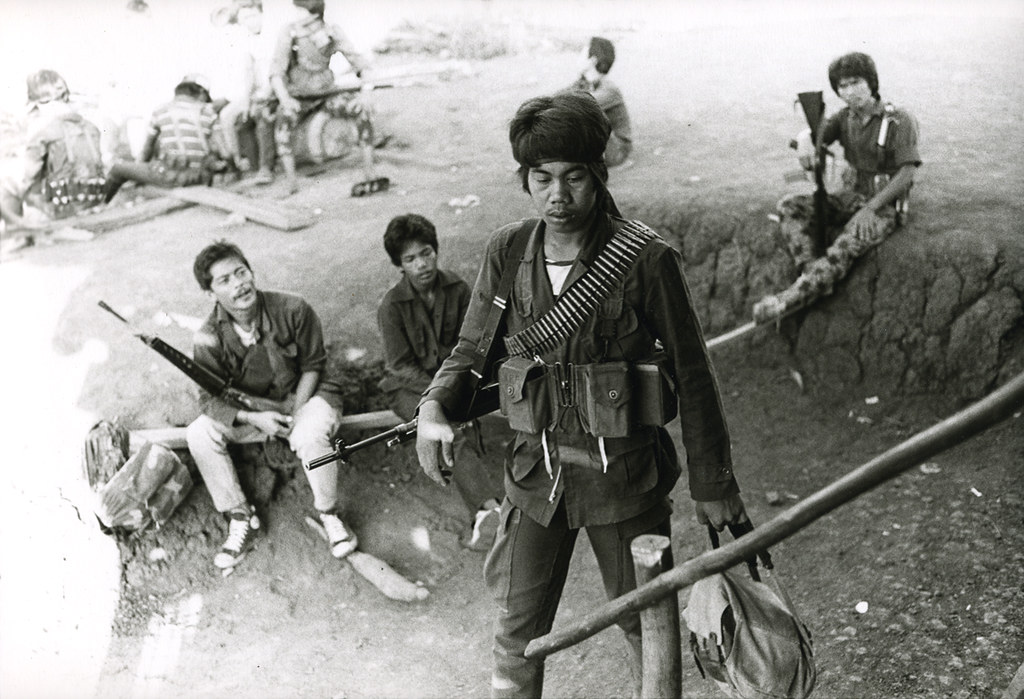
Marxist rebellions supposedly went out of style when the Berlin Wall came down, but apparently nobody informed the New People’s Army. They’ve been fighting the Philippine government since 1969, making them one of the longest-running communist insurgencies on the planet.
The NPA operates with the patience of a gardener tending a crop that takes decades to mature. They control rural areas where government presence remains theoretical, collecting taxes, settling disputes, and running parallel institutions that function better than their official counterparts.
Their rebellion feeds on the same inequalities that sparked it fifty years ago: landlessness, poverty, and a political system that serves elite interests while leaving peasant communities to fend for themselves.
Southern Transitional Council, Yemen
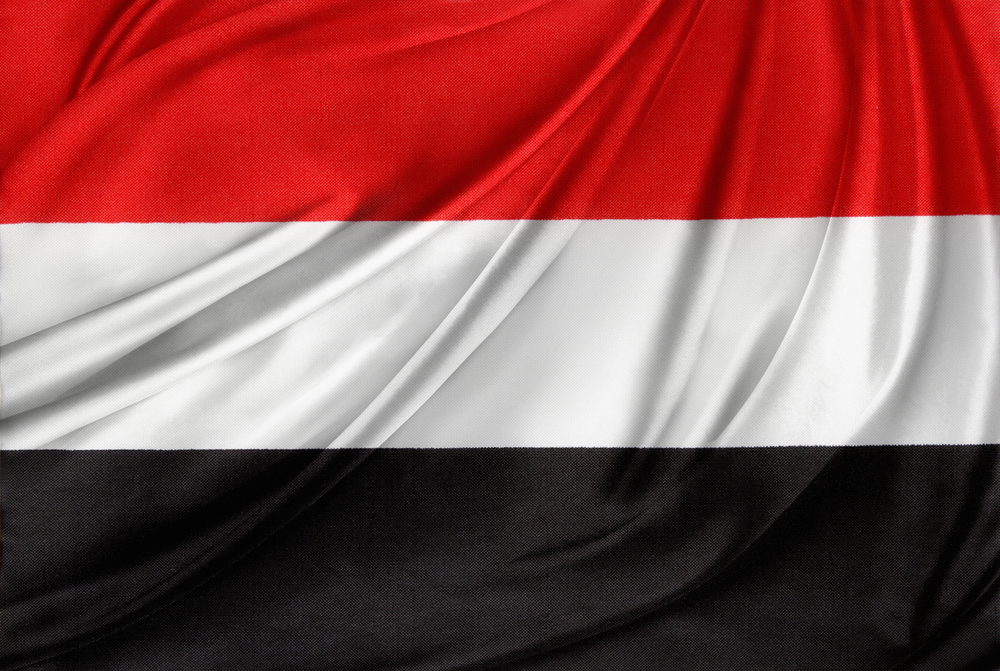
Yemen’s war gets covered as a proxy conflict between Saudi Arabia and Iran, which captures about half the story while missing the part that might actually matter for anyone trying to understand why the fighting continues. The Southern Transitional Council represents the south’s attempt to resurrect the People’s Democratic Republic of Yemen, which existed as a separate country until unification in 1990.
Southern separatists argue that unification was a mistake—a hostile takeover disguised as political merger. They point to decades of economic neglect and political marginalization as evidence that the marriage never worked.
So while Saudi and Iranian proxies fight over influence, the STC fights for something more basic: the right to govern themselves without interference from Sanaa. The rebellion within a rebellion complicates any potential resolution, since ending the broader war still leaves the question of whether Yemen can exist as a single country.
FLEC, Cabinda
Cabinda exists as one of Africa’s strangest political entities: an oil-rich enclave separated from Angola by a strip of Democratic Republic of Congo territory, generating billions in revenue for a country it technically belongs to but has never fully accepted as legitimate. The Front for the Liberation of the Enclave of Cabinda has been fighting for independence since the 1960s, arguing that Cabinda was never legally incorporated into Angola.
Their case rests on colonial-era treaties that supposedly guaranteed Cabinda’s separate status, though Angola’s government dismisses such claims as historical footnotes irrelevant to modern reality. The math tells its own story: Cabinda produces about 70% of Angola’s oil revenue while its 300,000 residents see little benefit from the wealth extracted from their territory.
FLEC’s rebellion continues at a low simmer, overshadowed by Angola’s larger post-war reconstruction but never fully resolved.
NLFT, Tripura

India’s northeastern states harbor dozens of insurgent groups with acronyms that blur together in news reports, but the National Liberation Front of Tripura stands out for the persistence of its grievance: the transformation of indigenous Tripuris into a minority within their own homeland.
The demographic shift happened gradually, then suddenly. Bengali migration from Bangladesh and West Bengal turned ethnic Tripuris into roughly 30% of Tripura’s population, creating the conditions for a rebellion that frames itself as indigenous resistance to colonization by settlement.
The NLFT emerged from this tension, demanding independence for what they call the original inhabitants of Tripura. Their rebellion operates on a smaller scale than Kashmir or Punjab, but the underlying issue—indigenous rights versus demographic change—remains unresolved.
MILF, Philippines

The Moro Islamic Liberation Front represents what happens when peace processes produce agreements that satisfy negotiators more than the people they claim to represent. The MILF signed a comprehensive peace deal with the Philippine government in 2014, creating the Bangsamoro Autonomous Region in Muslim Mindanao and supposedly ending decades of conflict.
But peace agreements work better on paper than in practice. Spoiler groups rejected the deal, continuing armed resistance under different banners.
Local commanders found reasons to keep fighting even after their leaders moved to Manila for political careers. The MILF officially supports the peace process while elements within its ranks quietly maintain the option of returning to rebellion if autonomy fails to deliver meaningful change. It’s peace with an asterisk, stability with conditions attached.
Houthis, Yemen
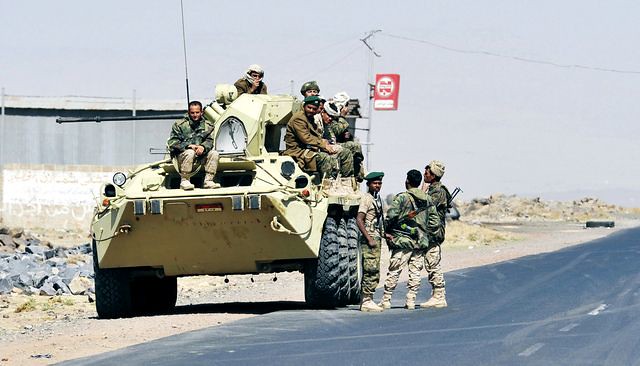
The Houthis get plenty of news coverage, but usually as Iranian proxies rather than as representatives of Yemen’s Zaidi minority pursuing their own agenda. That framing misses the domestic roots of their rebellion: the marginalization of Zaidis after the 2011 revolution that ended decades of Zaidi political dominance.
Zaidis had ruled Yemen for over a thousand years until the 1962 republican revolution, then managed to maintain significant influence until the Arab Spring upended traditional power structures. The Houthis emerged from this displacement, initially as a cultural organization defending Zaidi rights, then as an armed movement when political channels closed off.
Iranian support came later, after the rebellion had already established itself as a significant force. The external backing matters, but the rebellion’s staying power comes from internal grievances that predate regional proxy conflicts.
NSCN-IM, Nagaland
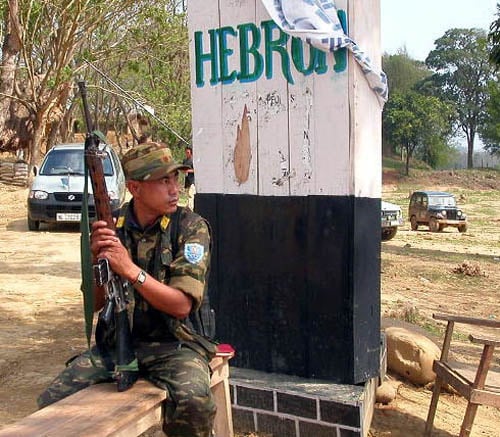
Some conflicts get frozen in time, neither advancing toward resolution nor fading away—they just persist, like background noise that everyone learns to ignore. The National Socialist Council of Nagaland (Isak-Muivah faction) has been negotiating with the Indian government for over two decades while maintaining its armed structure and territorial control.
The talks started in 1997 with great optimism about finally resolving one of India’s oldest insurgencies. The NSCN-IM wanted independence, India offered autonomy, and both sides settled in for what they thought would be a few years of bargaining.
Instead, they’ve been negotiating ever since, producing dozens of agreements on peripheral issues while the core question of Naga sovereignty remains unanswered. The rebellion continues in suspended animation—not quite war, not quite peace, but something in between that has become its own form of normalcy.
Maoist Center, Nepal
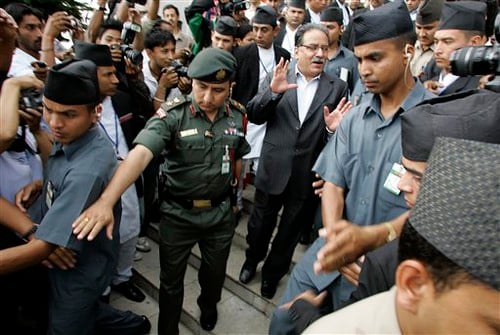
Nepal’s Maoists followed the prescribed path from rebellion to political participation, laying down arms in 2006 after a decade-long insurgency that killed over 17,000 people. They won elections, formed governments, and wrote a new constitution.
The success story lasted until reality set in. The Maoist revolution promised to transform Nepal’s feudal society into something more equitable, but political power proved insufficient for social transformation.
Rural poverty persists, caste discrimination continues, and economic opportunities remain concentrated in Kathmandu. Some former Maoist fighters have returned to insurgency under new banners, arguing that the peace process delivered political posts for leaders while leaving underlying problems unsolved.
The rebellion that officially ended continues in fragments, carried out by people who believe the original goals remain unfulfilled.
Karen National Union, Myanmar
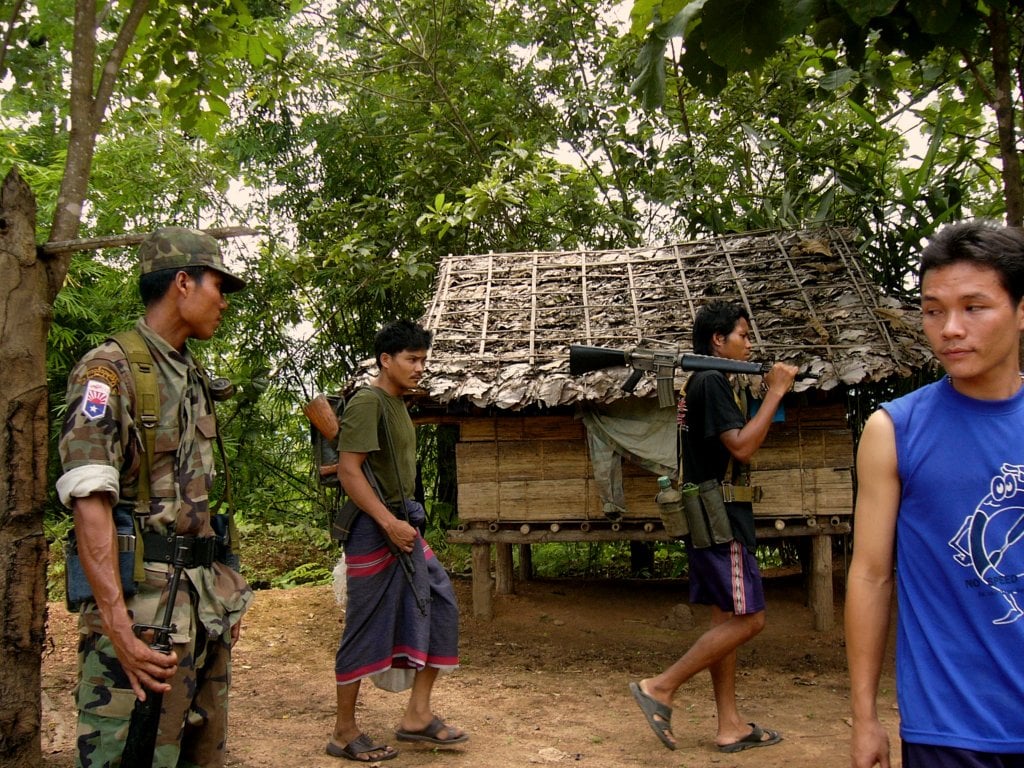
The Karen National Union holds the distinction of leading the world’s longest-running civil war, having fought for independence since 1949. Seven decades of conflict have produced a peculiar form of semi-sovereignty: the KNU controls territory along the Thai border, runs its own schools and clinics, and maintains an army that has outlasted multiple Myanmar governments.
Their persistence reflects the durability of grievances that predate modern Myanmar. The Karen fear absorption into the Bamar-dominated state, cultural extinction, and loss of territories they’ve inhabited for centuries.
Ceasefires come and go—the most recent lasted from 2012 to 2018—but the underlying disagreement remains unchanged. The KNU wants federal democracy with genuine autonomy, while Myanmar’s military prefers centralized control with cosmetic concessions.
After seventy years, both sides understand their positions perfectly; they just can’t find a way to bridge the gap.
East Turkestan Islamic Movement, Xinjiang
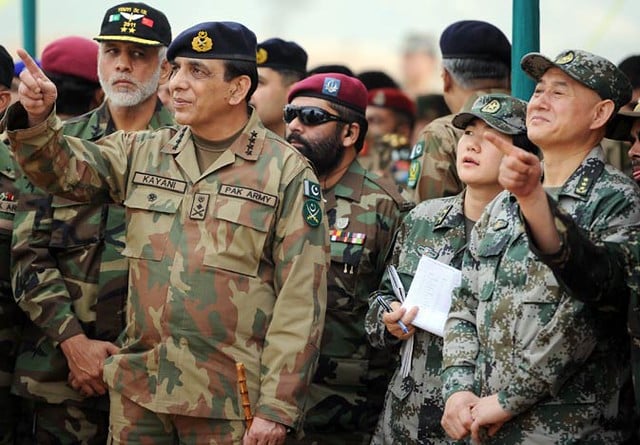
China’s approach to the Xinjiang conflict combines information control with population control, making it difficult to assess the current state of Uyghur armed resistance. The East Turkestan Islamic Movement operates in the shadows of one of the world’s most comprehensive surveillance states, carrying out attacks that Chinese authorities often classify as terrorism while Uyghur activists describe as resistance to cultural genocide.
The rebellion feeds on policies that most observers agree constitute systematic repression: mass detention camps, forced sterilization, cultural suppression, and economic displacement. The ETIM’s capacity for armed resistance appears limited by the sheer scope of state control, but the underlying grievances grow stronger as Beijing’s policies become more intrusive.
The conflict may be moving underground rather than ending, creating conditions for future explosions that could catch everyone by surprise.
The Quiet Wars Continue
These conflicts persist not because they’re unsolvable, but because solving them requires admitting uncomfortable truths about how modern states actually function. Most involve minorities seeking protection from majorities, indigenous peoples defending traditional territories, or regions demanding control over their own resources.
The grievances are often legitimate, the government responses typically inadequate, and the international community generally indifferent unless the fighting affects broader strategic interests. So the rebellions continue in the margins of global attention, sustained by the same dynamics that created them.
They remind us that the era of armed resistance didn’t end with the Cold War—it just moved to places where fewer people are watching.
More from Go2Tutors!

- The Romanov Crown Jewels and Their Tragic Fate
- 13 Historical Mysteries That Science Still Can’t Solve
- Famous Hoaxes That Fooled the World for Years
- 15 Child Stars with Tragic Adult Lives
- 16 Famous Jewelry Pieces in History
Like Go2Tutors’s content? Follow us on MSN.



