Guitar Riffs Everyone Knows Instantly
A single chord can echo through decades, living in heads without warning. Out of nowhere, a sequence appears, familiar like an old room.
It is not how fast it moves but when it lands that matters most. Sound shaped by silence sticks longer than noise ever could.
Familiarity grows not from flash, yet from what waits between the beats. Few things stick around like some guitar moments do.
Across years, these notes slip out of one song only to show up everywhere – movie soundtracks, living rooms, parking lots, quiet drives. It is hard to say where the tune ends and real life begins anymore.
A stadium hums with it just as loud as a kitchen does at midnight. Names fade, yet the melody stays sharp in your bones.
You recognize it before you think.
‘Smoke on the Water’

That Deep Purple tune? Yeah, the one starting with four heavy notes. Everyone knows it, even if they do not know the name. It sits there, slow and bold, like footsteps in an empty room.
New guitarists learn it early – it feels good under the fingers. The silence between each note does half the work.
Space gives it weight. Nothing fancy needed.
What happened that night shaped what we hear now. A blaze broke out mid-show in Switzerland, and from that moment came a melody soaked in tension.
The way the notes drag downward pulls you into a scene before you realize it. Decades pass, yet people keep leaning in when those first sounds begin.
‘Seven Nation Army’

The riff from The White Stripes’ ‘Seven Nation Army’ barely needs a guitar to work. Often played on bass, sung by crowds, or chanted in sports arenas, it has taken on a life of its own.
Its hypnotic repetition makes it adaptable, while its minor-key feel gives it an edge that sticks in the mind. What makes this riff remarkable is how little it tries to do.
There’s no flash, no flourish, just a steady, confident pulse. That restraint allows it to travel far beyond rock music, becoming a global chant that feels almost ancient in its simplicity.
‘Sweet Child O’ Mine’

Slash’s opening riff for ‘Sweet Child O’ Mine’ is instantly recognizable thanks to its bright, looping melody. Unlike many heavy rock riffs, this one feels playful and open, almost conversational.
It dances rather than charges, creating a sense of movement that pulls listeners in from the first second. The riff also contrasts beautifully with the song’s emotional core.
Its upbeat tone softens the edges of a powerful vocal performance, making the track feel both intimate and anthemic. That balance is part of why it remains a staple of radio and playlists worldwide.
‘Sunshine of Your Love’

Cream’s ‘Sunshine of Your Love’ introduced a riff that feels thick and grounded, almost physical in its weight. Rooted in blues but sharpened for a louder era, the riff moves with a deliberate swagger that feels timeless.
Each note lands with purpose, leaving no room for distraction. Its endurance comes from that sense of confidence.
The riff doesn’t rush or decorate itself. Instead, it leans into repetition, allowing familiarity to build naturally.
Over time, that repetition becomes comfortingly familiar, like a well-worn path.
‘Back in Black’

AC/DC’s ‘Back in Black’ is a masterclass in economy. The opening riff doesn’t overwhelm.
It invites. Built from crisp chords and perfectly timed pauses, it creates tension through absence rather than excess.
The silence between notes is as important as the notes themselves. This approach gives the riff its punch.
It feels bold without being aggressive, confident without shouting. That balance has helped it endure across generations, remaining just as effective today as it was on release.
‘Day Tripper’
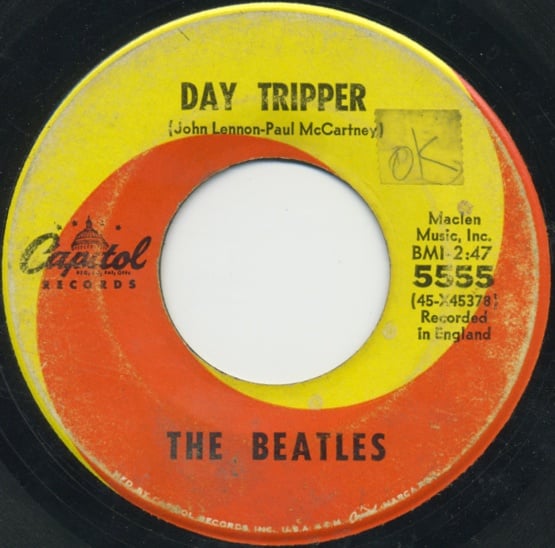
The Beatles understood the power of a strong riff early on, and ‘Day Tripper’ is proof. Its opening guitar line feels cheeky and confident, reflecting the band’s playful evolution during the mid-1960s.
The riff walks forward with a sense of purpose, never lingering too long on any single note. What makes it memorable is its clarity.
There’s no clutter, no unnecessary layers. The riff stands front and center, acting as both introduction and backbone.
It’s simple enough to hum, yet distinctive enough to stand alone.
‘Enter Sandman’

Metallica’s ‘Enter Sandman’ opens with a riff that feels like a slow march. It builds tension gradually, pulling listeners into a darker atmosphere without rushing them there.
The riff’s strength lies in its steady repetition, creating a sense of inevitability. Despite coming from a heavier genre, its accessibility helped it reach mainstream audiences.
The riff isn’t about speed or complexity. It’s about mood, and that mood is unmistakable from the first few seconds.
‘Whole Lotta Love’

Jimmy Page’s riff for ‘Whole Lotta Love’ is raw, bold, and unapologetic. Rooted in blues traditions but amplified for a louder era, it hits with immediate force.
The riff doesn’t ease in. It announces itself. Its power comes from its directness. There’s nothing subtle about it, yet it never feels sloppy.
That balance between control and aggression helped define a new sound and ensured the riff’s place in rock history.
‘Purple Haze’

Jimi Hendrix’s ‘Purple Haze’ opens with a riff that feels slightly off-kilter, bending expectations just enough to grab attention. The use of dissonance and unusual phrasing gives it a psychedelic edge that was revolutionary at the time.
Even now, that opening feels distinctive. It doesn’t sound like anything else, which is exactly why it endures.
The riff signals that something different is coming, and listeners lean in instinctively.
‘Money for Nothing’
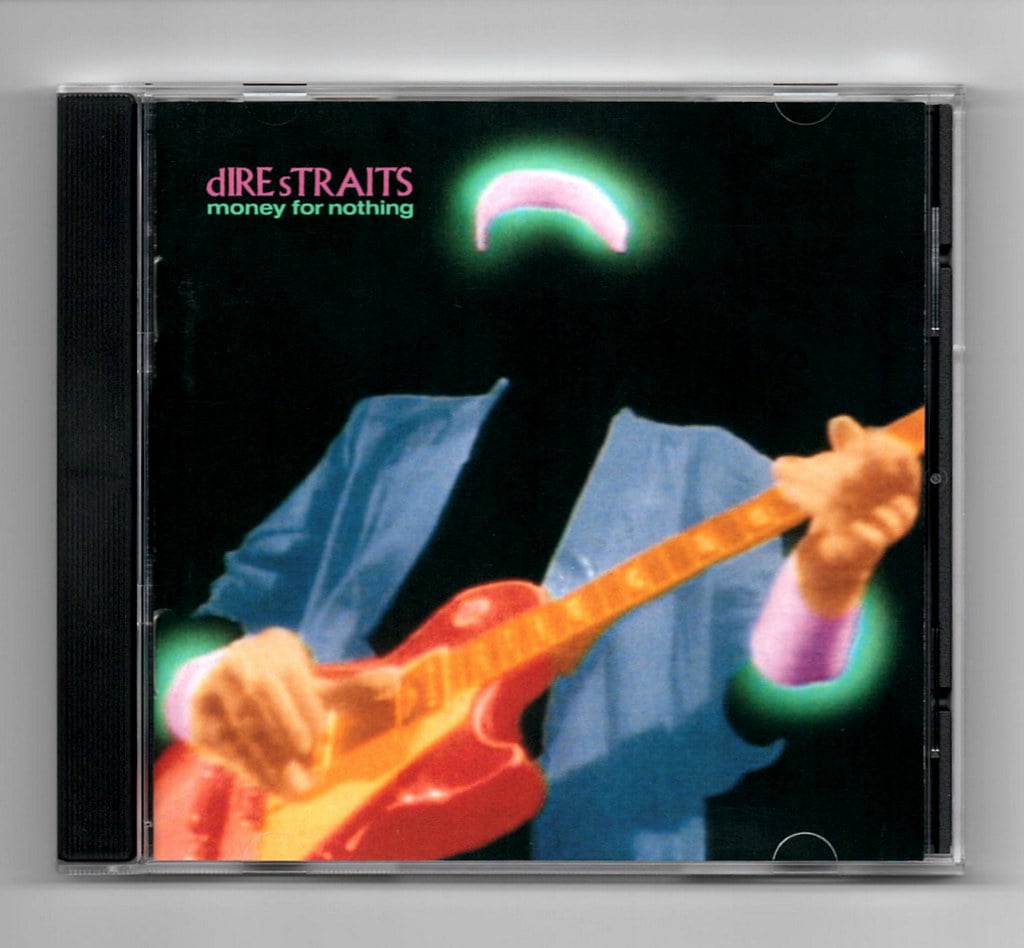
Dire Straits’ ‘Money for Nothing’ begins with a riff that feels massive and deliberate. Its slow build and distorted tone give it a sense of scale, like something large coming into view.
The riff’s spaciousness allows each note to resonate fully. What makes it stick is its confidence.
It doesn’t rush to impress. Instead, it lets anticipation do the work.
By the time the full song kicks in, the riff has already set the tone.
‘Iron Man’
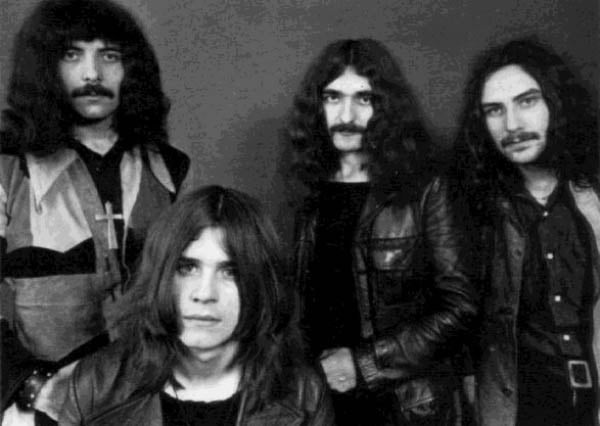
Black Sabbath’s ‘Iron Man’ riff sounds mechanical and ominous, perfectly matching the song’s theme. Its plodding rhythm and heavy tone make it instantly recognizable.
The riff feels less like a melody and more like a presence. That sense of character is key.
The riff doesn’t just introduce the song. It embodies it.
That tight connection between sound and theme makes it unforgettable.
‘La Grange’
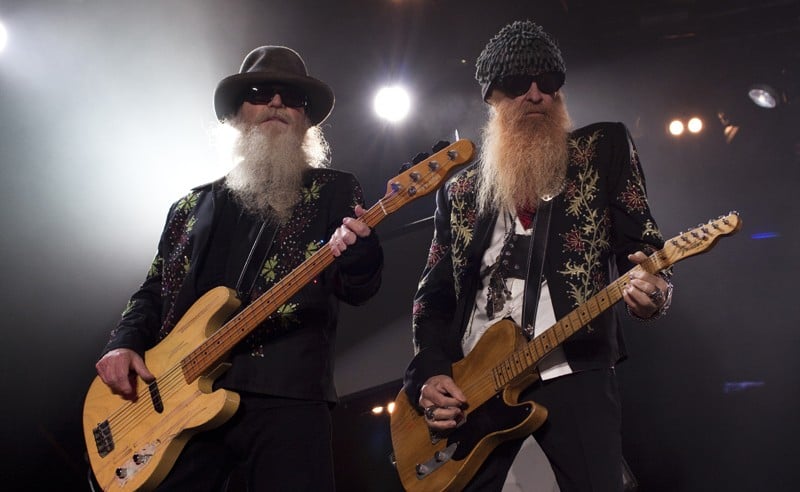
ZZ Top’s ‘La Grange’ opens with a gritty, blues-driven riff that feels effortless. Its shuffle rhythm and raw tone give it a lived-in quality, like something that’s always existed.
The riff doesn’t demand attention. It earns it.
Its familiarity comes from that grounded feel. Even listeners who don’t know the song title recognize the groove instantly.
It’s a reminder that authenticity often resonates more than complexity.
‘Johnny B. Goode’
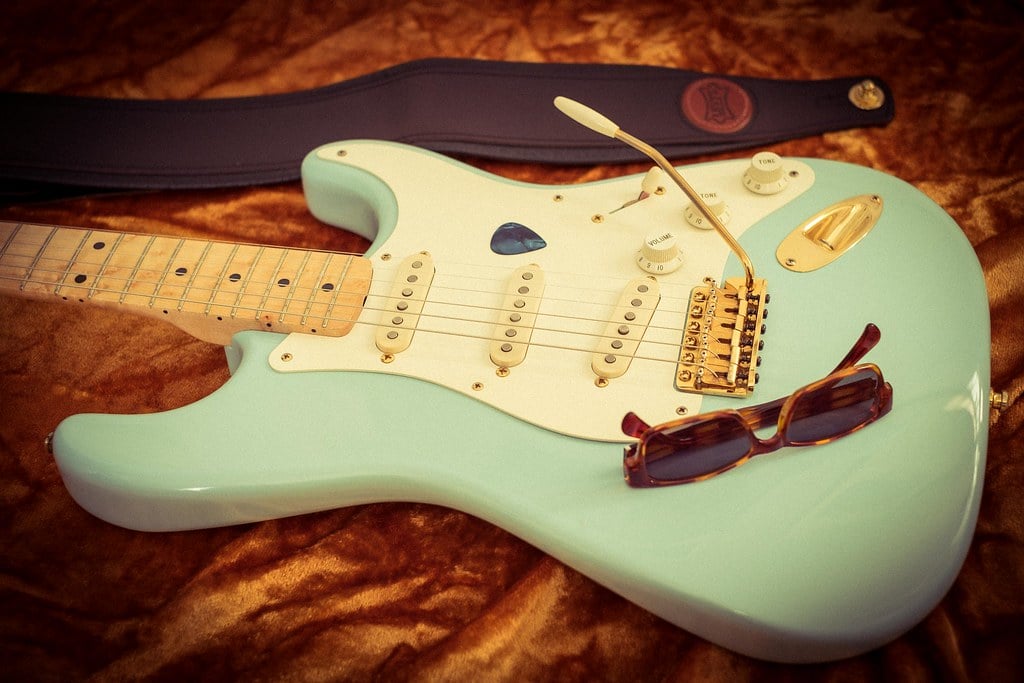
That guitar start in Chuck Berry’s ‘Johnny B. Goode’ shaped how rock sounded at the beginning. Joy spills out, mixed with a rush, like music breaking fresh ground.
Bouncy, clean notes hit right away, pulling listeners in without delay. Even now, years on, the spark hasn’t faded.
This lasting pulse is what keeps drawing artists and fans back, again and again.
Why These Riffs Endure

What ties these riffs together isn’t how hard they are or how fast they go. Instead, it’s how clearly each one speaks.
Right away, you understand what it’s doing – no setup required. Before your mind dissects them, your body already knows.
Still, their endurance grows through constant presence in everyday moments. Through radio waves, movies, games, and common experiences, these tones sink deeper into our world.
Slowly, they shift from mere notes to markers of belonging, handed forward across years without fading strength.
More from Go2Tutors!

- 16 Historical Figures Who Were Nothing Like You Think
- 12 Things Sold in the 80s That Are Now Illegal
- 15 VHS Tapes That Could Be Worth Thousands
- 17 Historical “What Ifs” That Would Have Changed Everything
- 18 TV Shows That Vanished Without a Finale
Like Go2Tutors’s content? Follow us on MSN.