15 Fascinating Ways Food and Drink Were Prepared Before Modern Kitchens
The hum of a refrigerator, the click of a gas burner igniting, the steady whir of a microwave — these sounds form the backdrop of modern cooking. But for most of human history, preparing food meant working with fire, ice, salt, and time in ways that required both skill and patience.
Before electricity transformed kitchens into the convenient spaces we know today, cooks developed ingenious methods that turned raw ingredients into preserved, flavorful meals using nothing but natural resources and clever techniques.
Clay pot cooking
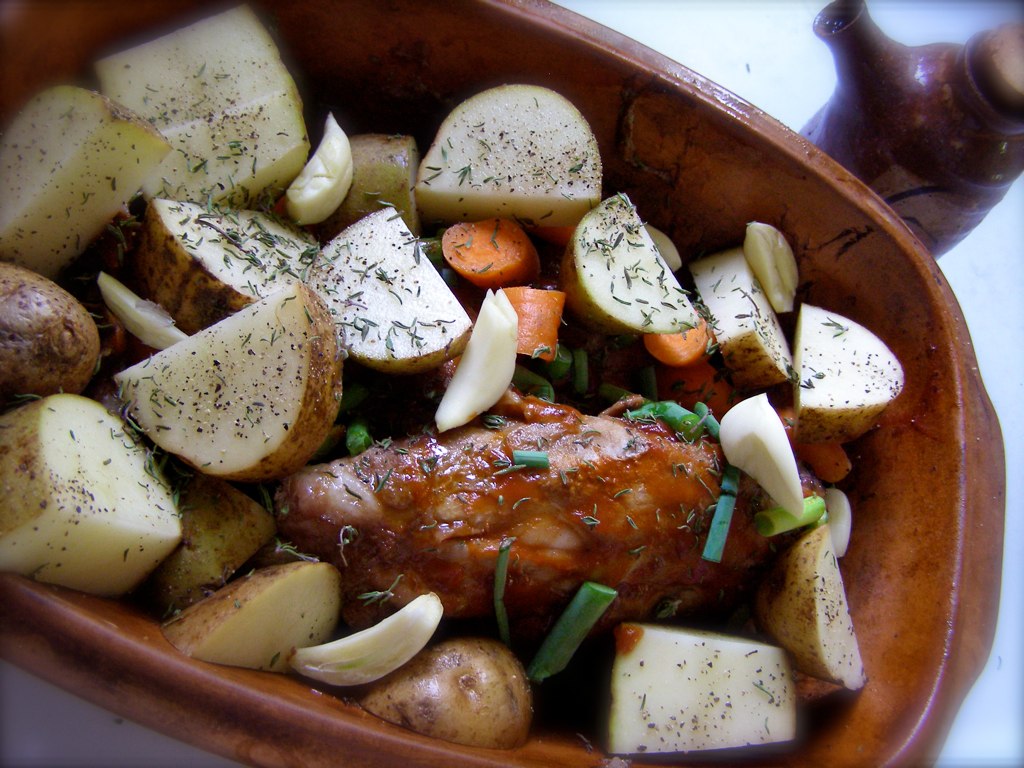
Clay pots don’t just hold food. They transform it.
The porous walls breathe moisture in and out, creating a gentle steam that keeps meat tender while developing flavors that metal can’t touch. Ancient cooks buried these vessels in coals, letting the earth itself become the oven.
Smoking over wood fires
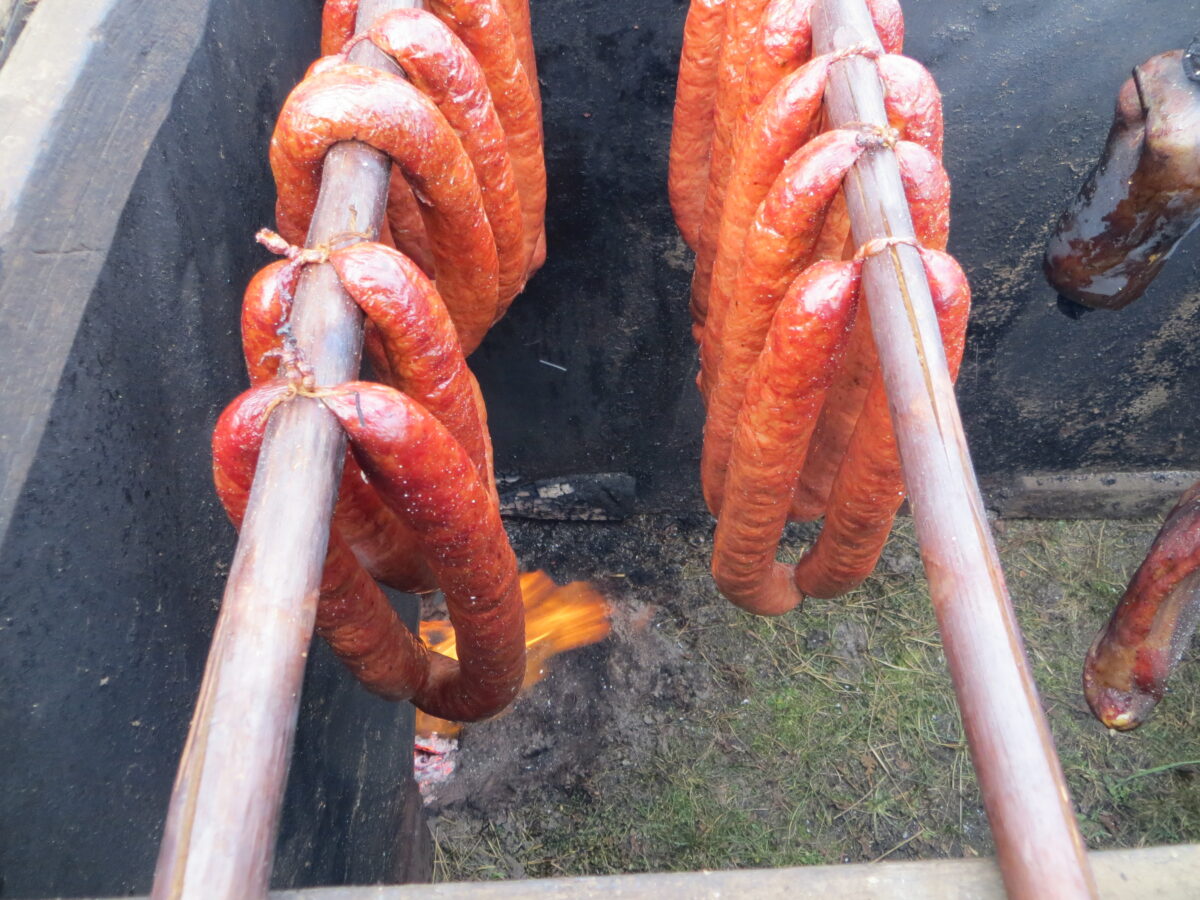
Smoke was the original preservative. Strips of meat, fish, and even vegetables hung above smoldering hardwood fires for days, absorbing flavors while moisture slowly escaped.
Different woods created different tastes — hickory for pork, cedar for salmon, oak for almost everything else.
Fermentation in buried vessels
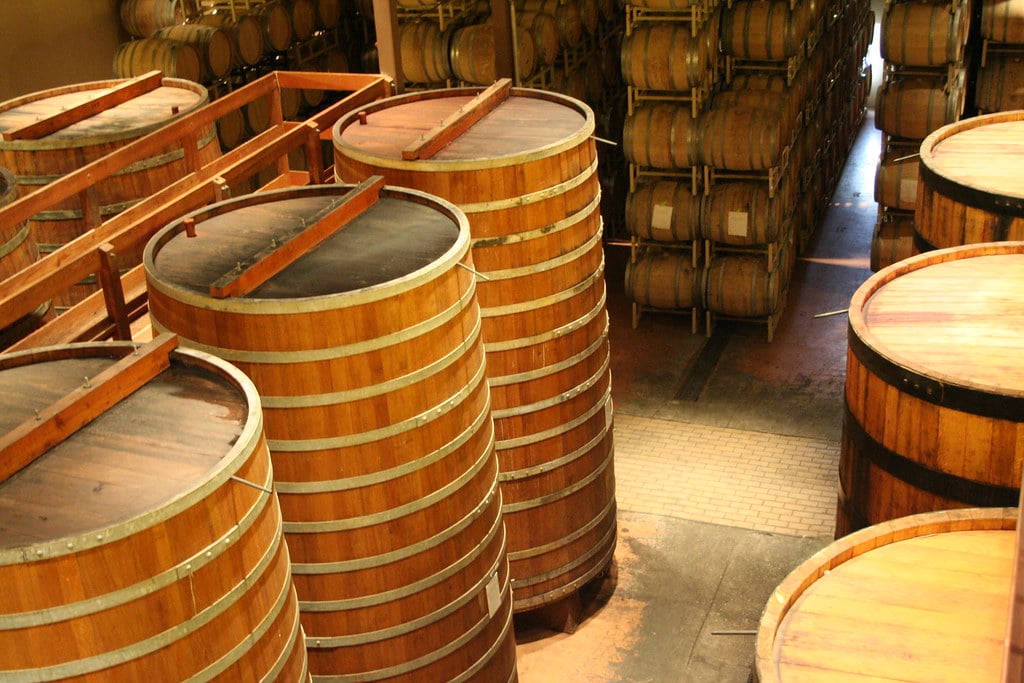
Underground storage wasn’t just practical (though the consistent temperature helped), it was transformative in ways that seem almost magical when you consider how it worked. Vegetables packed in salt and sealed in ceramic jars would undergo a slow chemical dance over months, bacteria converting sugars into acids that both preserved the food and created entirely new flavors — think Korean kimchi aging in earthenware buried in courtyards, or Germanic sauerkraut developing its characteristic tang in cellars that stayed cool year-round.
The earth itself became a fermentation chamber, and families would bury dozens of these vessels each fall, creating an underground pantry that would sustain them through winter while simultaneously improving with age. So simple, yet so sophisticated.
Salt curing and preservation
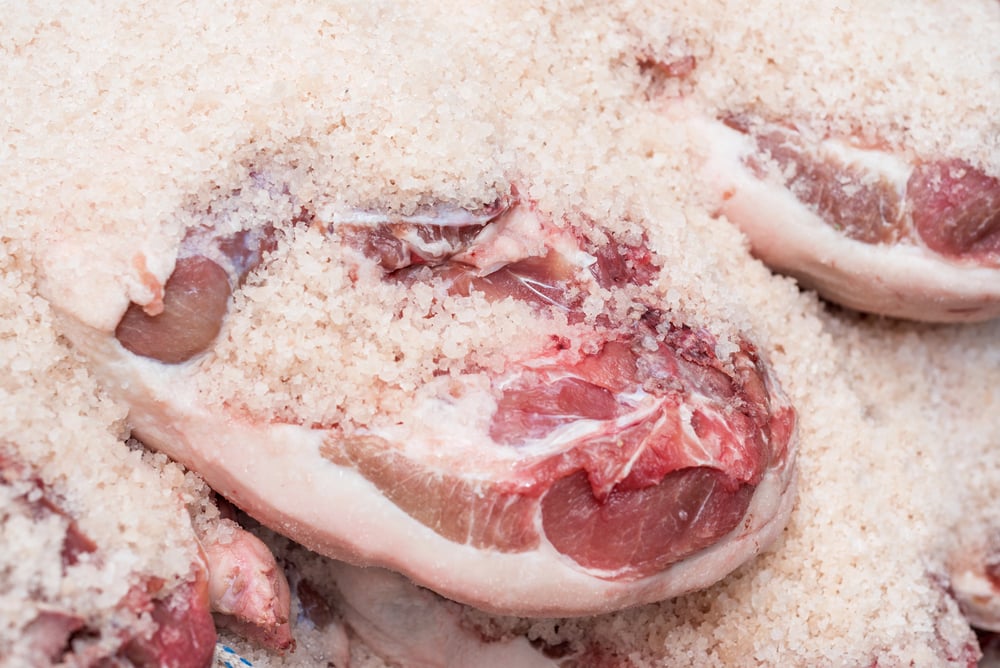
Salt draws water from everything it touches. This makes it useless for cooking fresh food but invaluable for preservation.
Whole fish, cuts of meat, and even eggs could last months when packed properly in salt. The technique worked so well that entire trade routes developed around moving salt to places that needed it.
Stone boiling
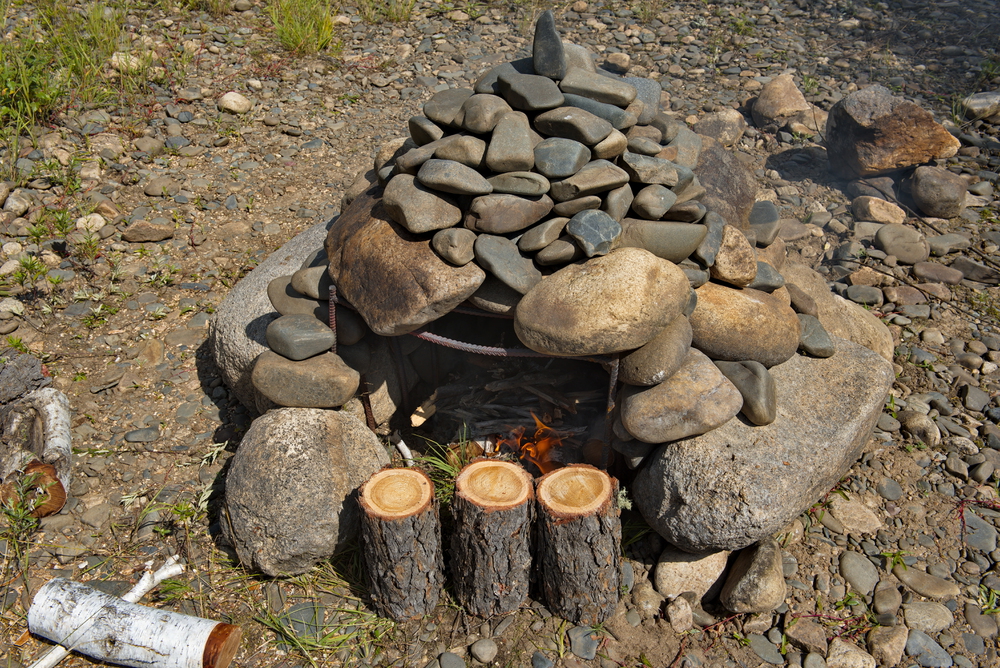
Before metal pots became common, resourceful cooks would heat stones in fire until they glowed red-hot, then drop them into water-filled animal stomachs or tightly woven baskets lined with pitch. The stones would bring the water to a rolling boil in minutes (which is remarkable when you think about it — using nothing but rock and flame to create the precise heat needed for cooking), allowing for stews and broths in places where clay wasn’t available, and the technique was so effective that some cultures continued using it long after metal cookware became available because it imparted a distinct mineral flavor that couldn’t be replicated any other way.
And here’s the thing: it actually worked faster than waiting for a clay pot to heat through. So much for primitive technology.
Ice house storage
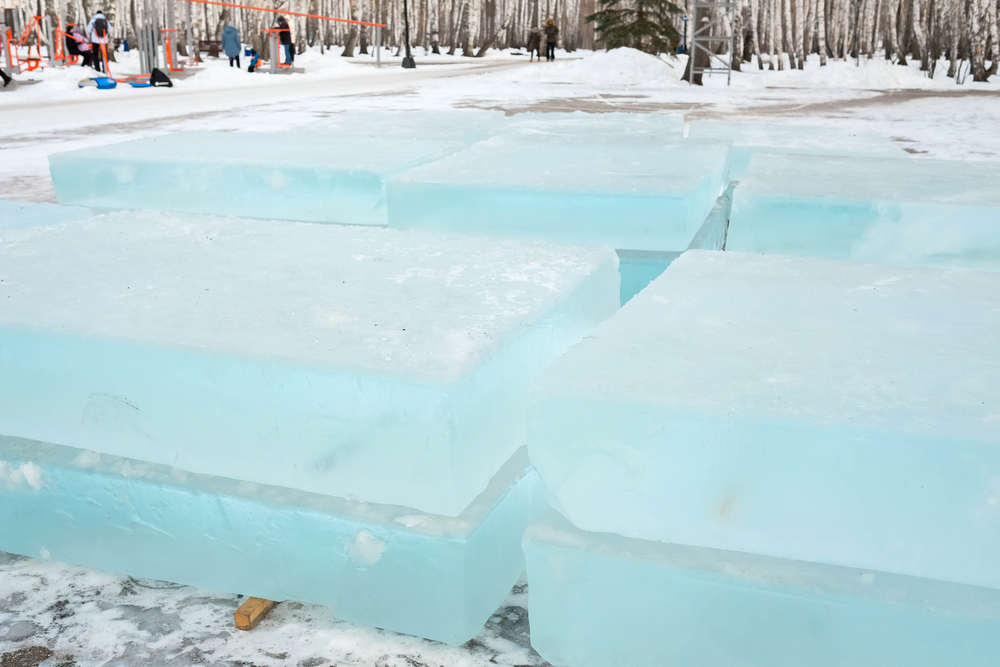
Cutting blocks of ice from frozen lakes and packing them in sawdust created refrigeration that lasted through summer. These ice houses, built partially underground, kept dairy products fresh and allowed for cold drinks even in the heat.
Wealthy households could maintain frozen foods for months using this method.
Ash cooking techniques
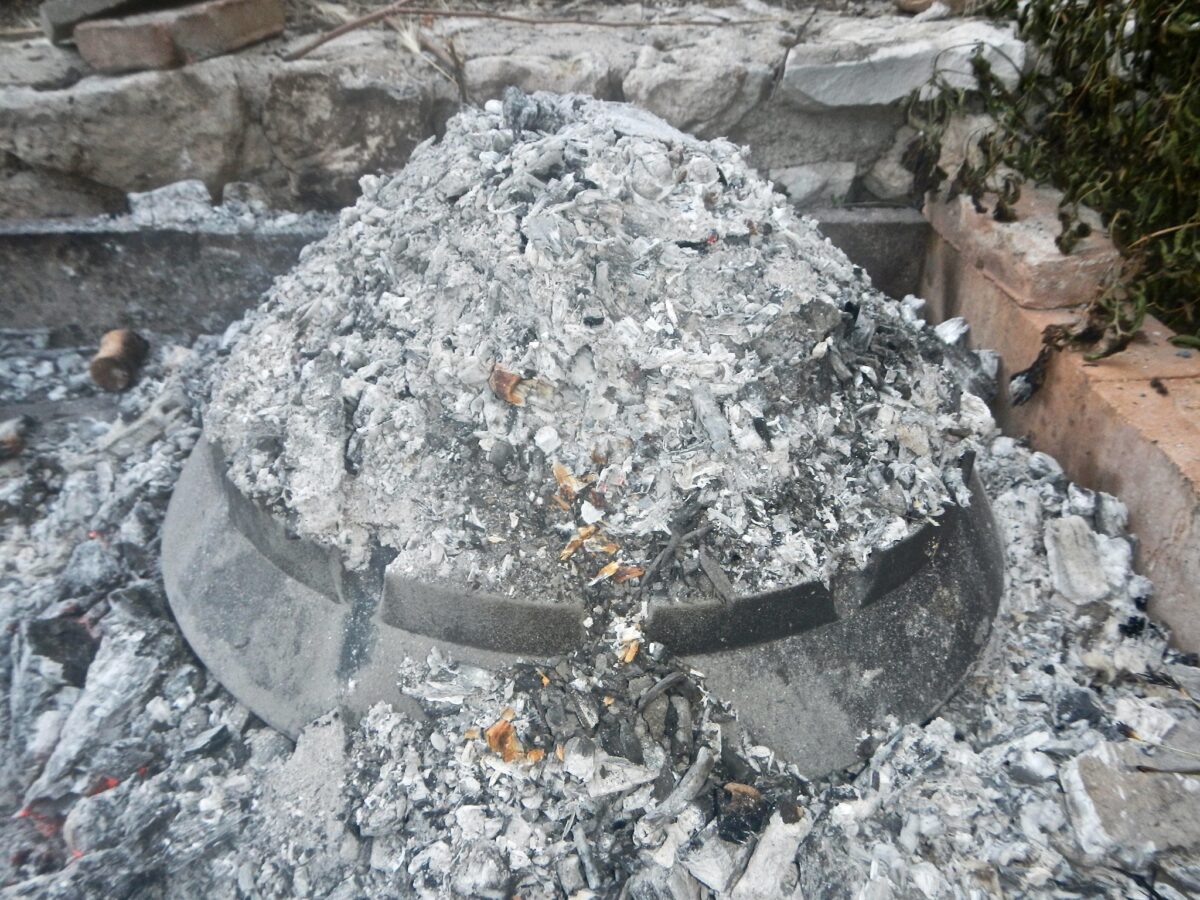
Wood ash contains potash, which makes it naturally alkaline — a chemical property that early cooks learned to exploit in ways that feel almost like alchemy. Corn kernels buried in hot ash would transform into hominy, their tough outer hulls dissolving away to reveal tender, swollen grains with an entirely different texture and flavor than the original corn.
Potatoes wrapped in wet leaves and nestled in ash-lined pits would emerge hours later with skins that peeled away like paper and flesh that had absorbed a subtle, earthy sweetness. The ash itself became a seasoning, its mineral content changing the very structure of whatever it touched.
Pit roasting with hot coals
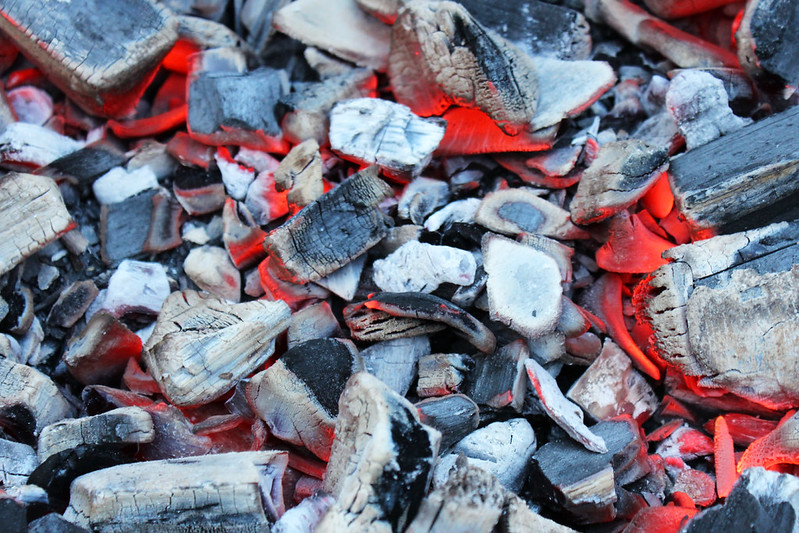
Digging a pit, filling it with coals, and burying food for hours created some of the most tender meat imaginable. Whole animals could be cooked this way, with the underground heat creating an effect similar to modern slow-cooking methods.
The technique required no monitoring once the pit was sealed.
Sun drying on elevated racks
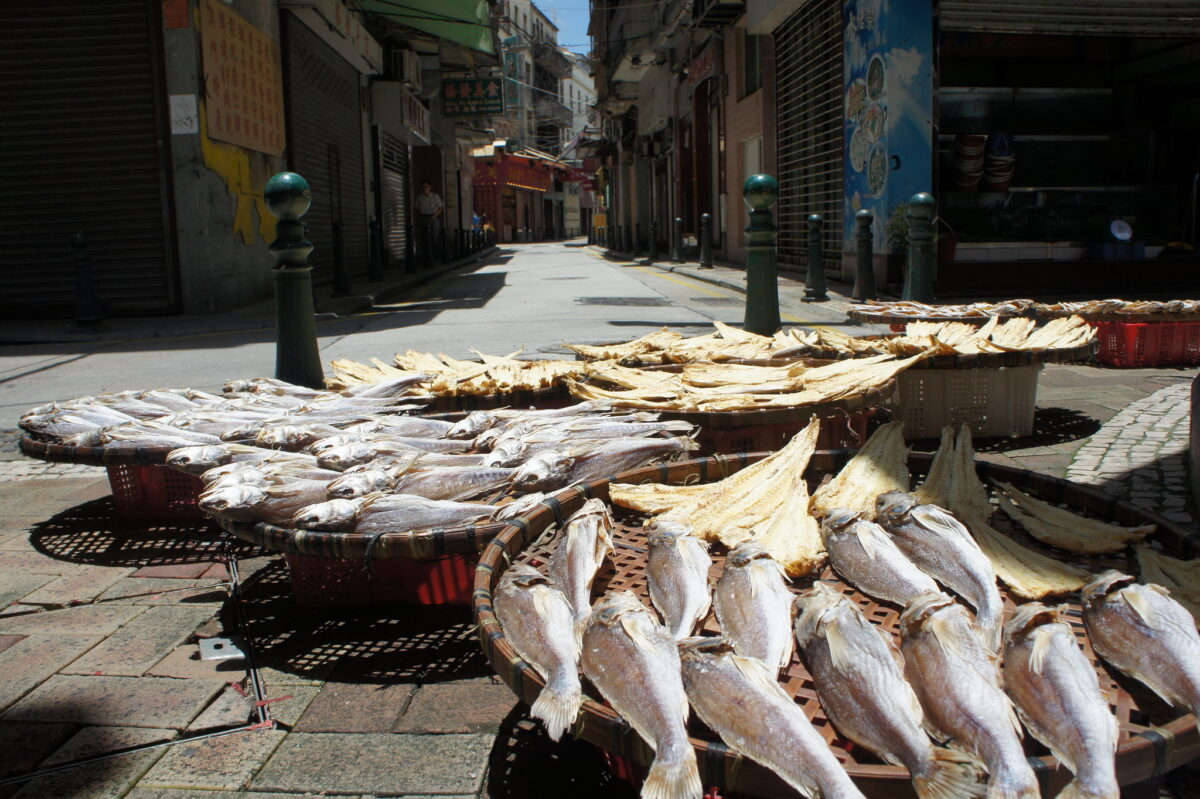
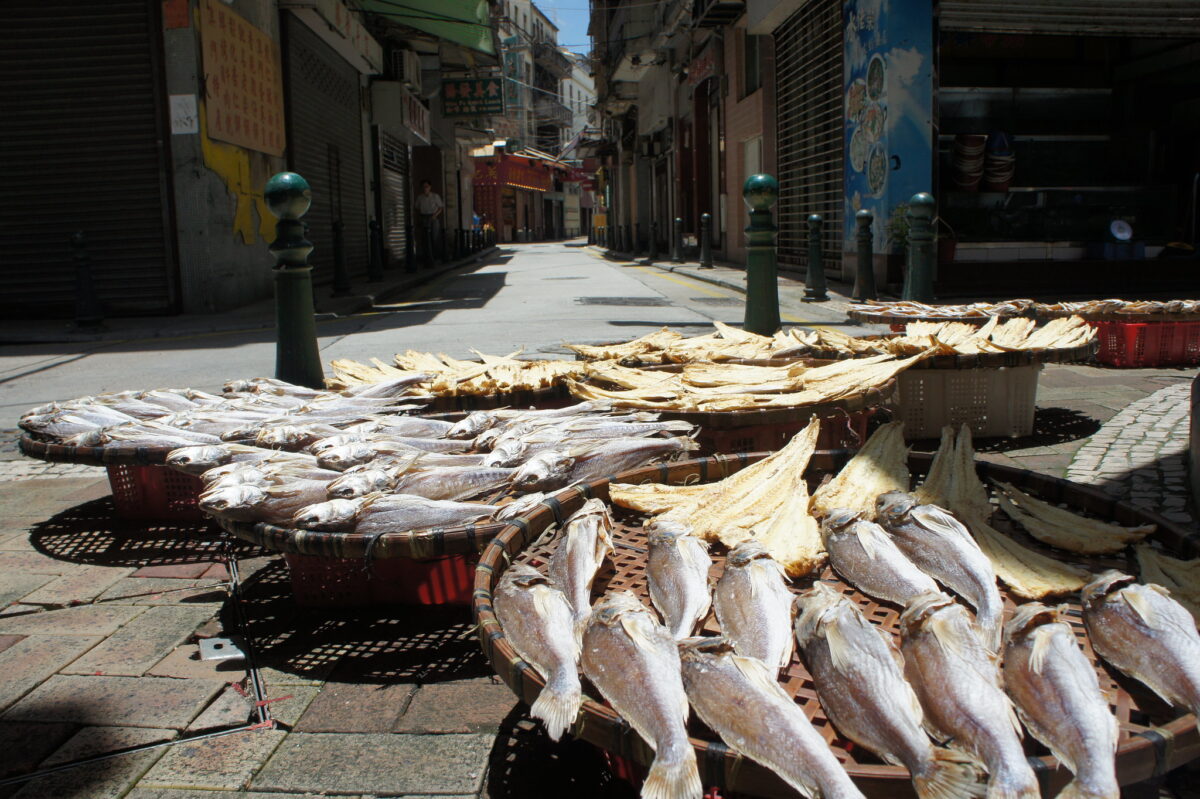
The sun and wind make an excellent dehydration team, but only if you understand how to use them properly. Thin strips of fruit, meat, or vegetables laid out on raised wooden frames would lose their moisture over several days while developing concentrated flavors that fresh food couldn’t match (which explains why sun-dried tomatoes taste nothing like fresh ones, and why beef jerky has remained popular despite requiring days to make properly).
Different climates demanded different approaches — desert regions could dry food quickly but risked over-hardening it, while humid coastal areas required longer exposure times and careful attention to prevent spoilage, but the basic principle remained constant: elevation for air circulation, protection from rain, and patience. And it’s worth noting that foods dried this way often lasted longer than those processed with artificial heat because the slow moisture loss didn’t damage the cellular structure as severely.
Underground steam cooking
Geothermal areas allowed cooks to harness the earth’s natural heat. Food wrapped in leaves and lowered into natural hot springs would cook slowly and evenly.
This method required no fuel and produced incredibly tender results, though it was obviously limited to specific geographic locations.
Gourd and animal stomach vessels
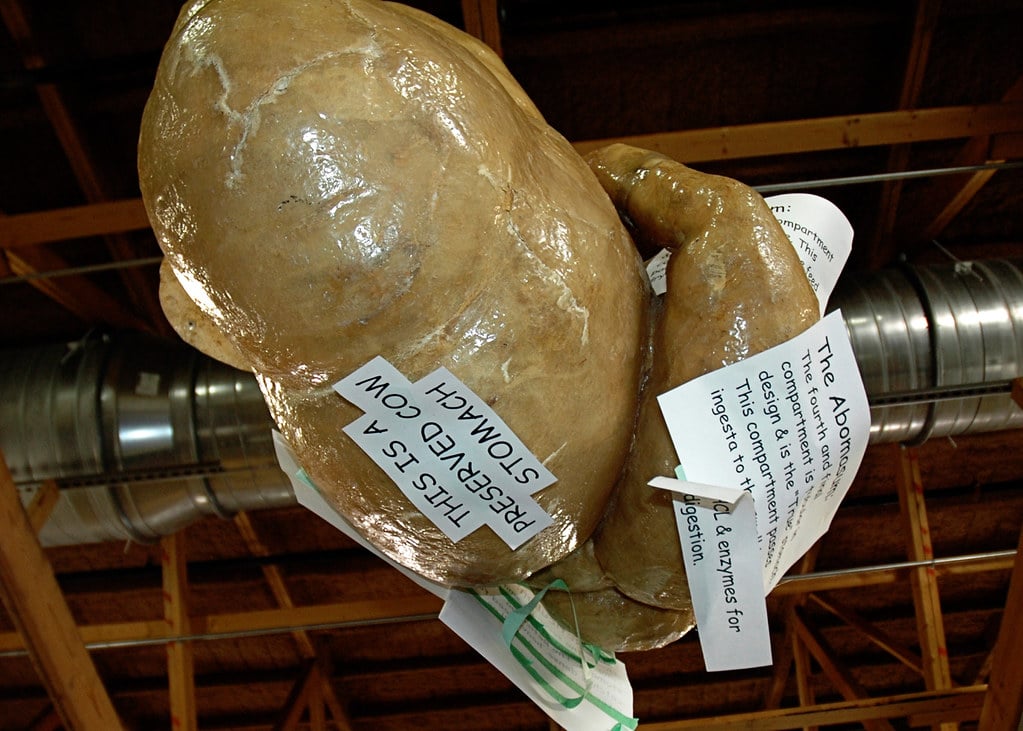
Before pottery became widespread, nature provided its own containers — and they worked better than you might expect. Large gourds, hollowed and dried, created watertight vessels perfect for storing liquids or cooking stews when combined with hot stone techniques.
Animal stomachs, properly cleaned and treated, formed flexible bags that could hold water, ferment dairy into cheese, or serve as portable cooking vessels for nomadic peoples. These organic containers had advantages that pottery couldn’t match: they were lightweight, nearly unbreakable, and could be shaped to fit irregular spaces.
Maple sap processing
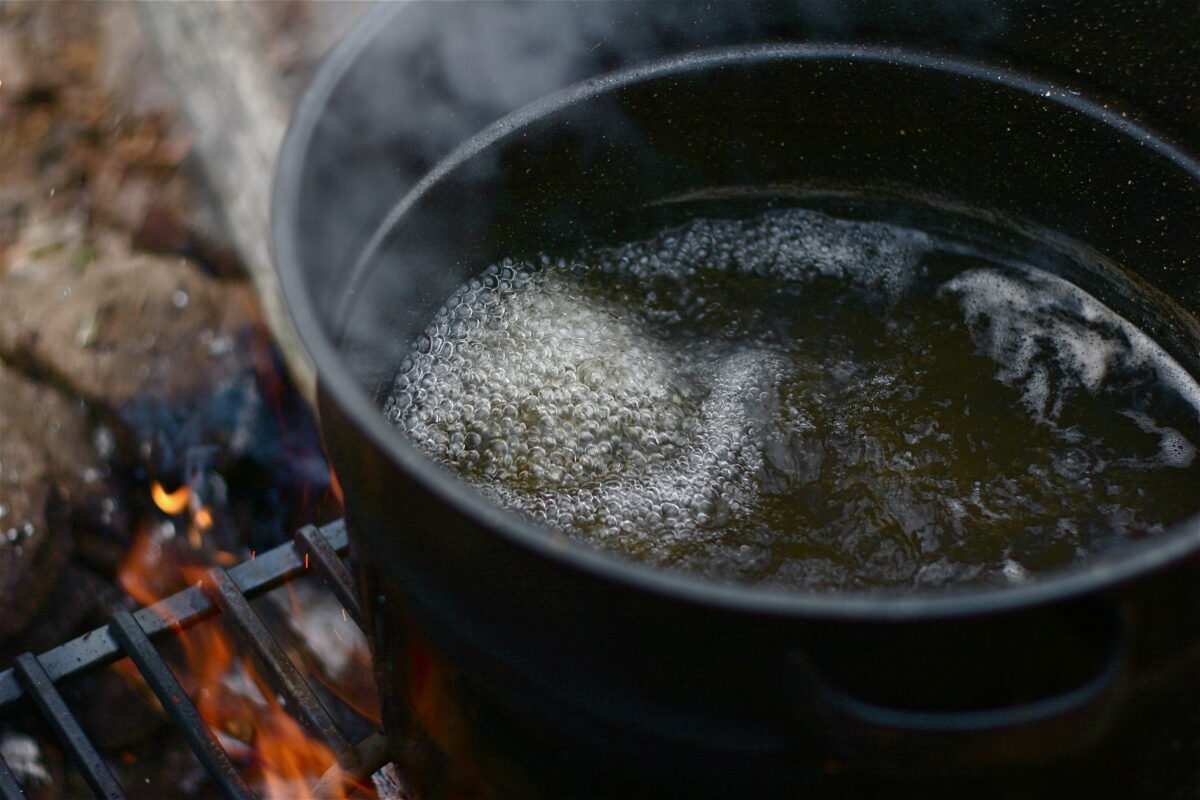
Collecting maple sap in early spring and boiling it down into syrup required enormous patience and precise timing, but the process reveals something fascinating about pre-industrial cooking: the willingness to invest massive amounts of time for relatively small yields. It takes roughly forty gallons of sap (collected drop by drop from tapped trees over weeks when weather conditions are just right — warm days, freezing nights) to produce a single gallon of syrup, and the boiling process itself could take days of constant attention to prevent burning, but indigenous peoples and early settlers committed to this labor-intensive process year after year because the resulting sweetener was one of the few they could produce reliably in northern climates.
But here’s what’s remarkable: they figured out how to do this without thermometers, using visual cues and simple tests to determine when the sap had reached the proper concentration. So much for needing modern equipment.
Reed and grass weaving for food storage
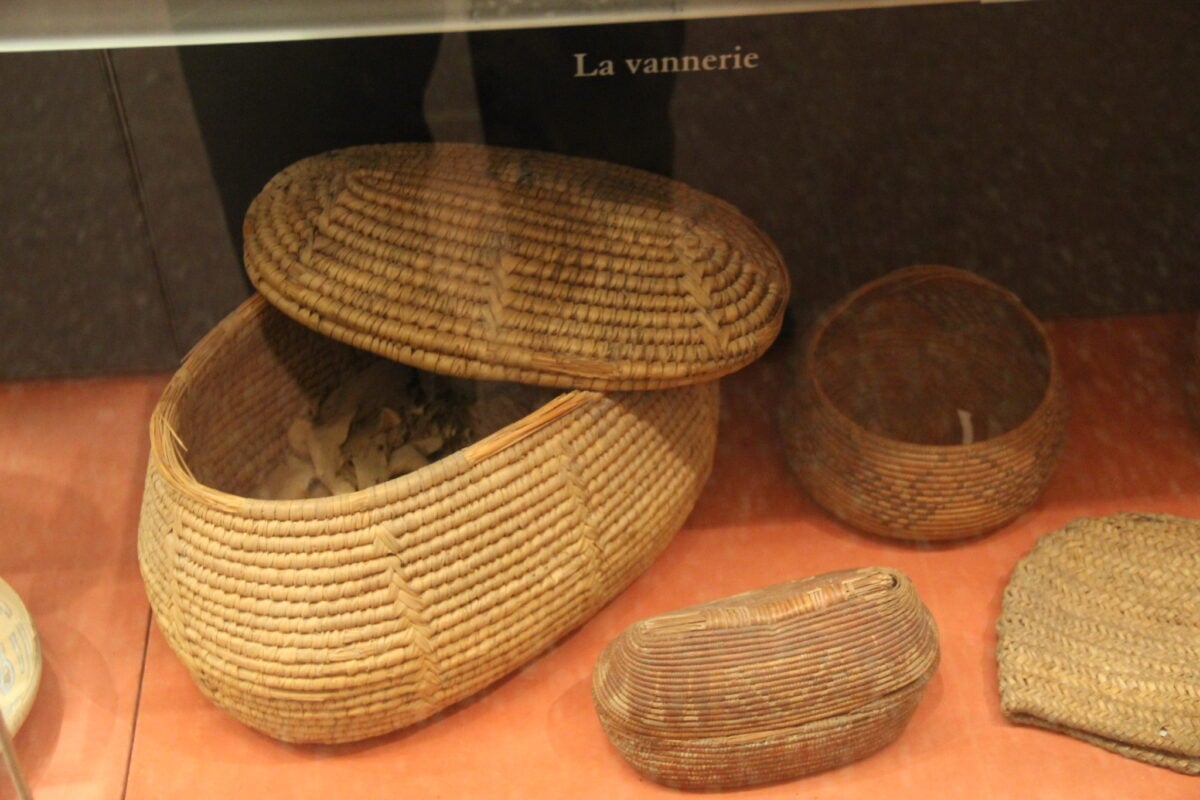
Tightly woven baskets made from reeds and grasses created surprisingly effective food storage. When lined with pine pitch or animal fat, these containers became waterproof and could hold liquids.
Different weaving techniques created different levels of permeability, allowing some containers to breathe while others sealed completely.
Hot stone massage for meat preparation
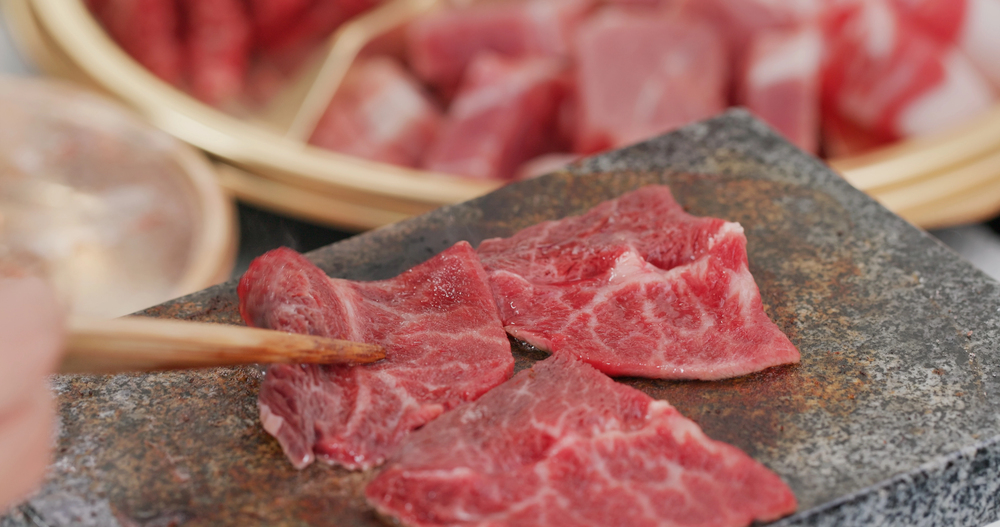
Heated stones weren’t just for cooking — they were tools for food preparation. Pounding meat with warm stones broke down tough fibers while the residual heat began the cooking process.
This technique created tender meat faster than marinating and required no additional ingredients.
Controlled spoilage for flavor development
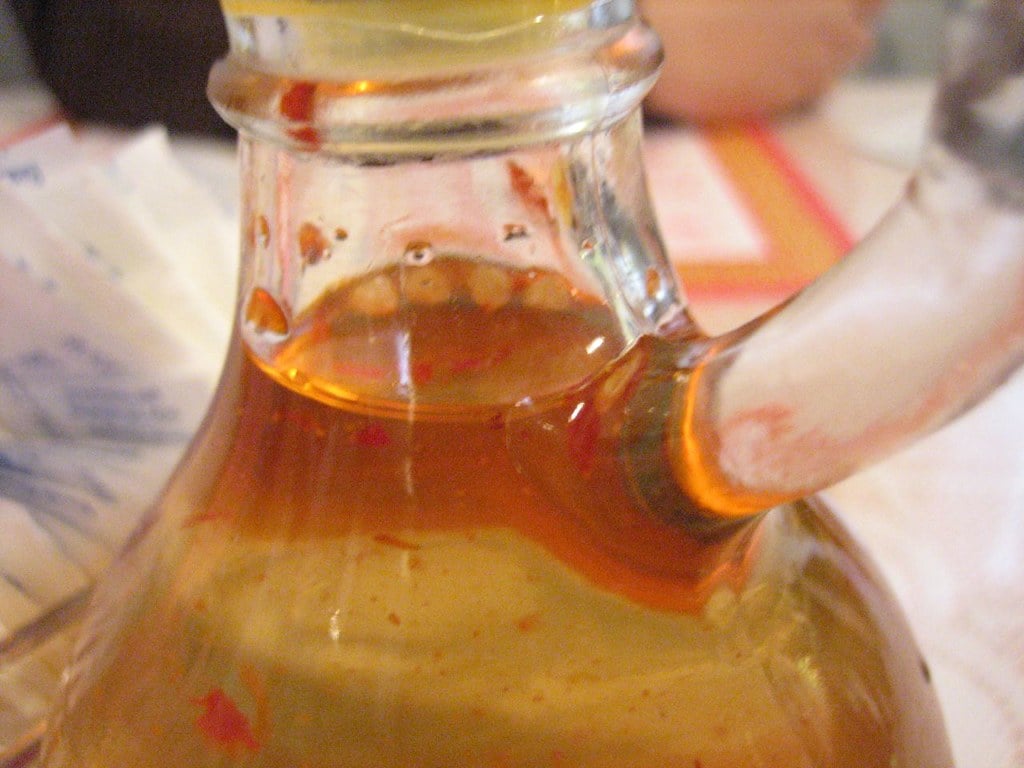
What we call spoilage, earlier cultures called flavor development — and they were often right to make that distinction. Controlled decomposition, carefully managed through specific temperatures, moisture levels, and timeframes, created foods with complex tastes that can’t be replicated through modern methods.
Fish sauce, aged in wooden vats for months until the proteins broke down into liquid umami, became the foundation of entire cuisines. Cheese, allowed to develop beneficial molds in cool caves, transformed from simple curd into varieties with flavors ranging from mild to intensely sharp.
The key was understanding the difference between harmful bacteria and beneficial ones, knowledge passed down through generations of careful observation.
Before convenience came mastery

These techniques required something modern cooking has largely abandoned: an intimate understanding of how food actually behaves. Cooks knew which woods burned hottest, which stones held heat longest, and exactly how long meat needed to cure before it was safe to eat.
They read smoke patterns like weather forecasts and could judge fermentation progress by scent alone. That knowledge, built over generations, created meals that satisfied not just hunger but the deeper human need for flavors that develop slowly, with patience and skill.
More from Go2Tutors!

- The Romanov Crown Jewels and Their Tragic Fate
- 13 Historical Mysteries That Science Still Can’t Solve
- Famous Hoaxes That Fooled the World for Years
- 15 Child Stars with Tragic Adult Lives
- 16 Famous Jewelry Pieces in History
Like Go2Tutors’s content? Follow us on MSN.