15 Priceless Artifacts Taken by the British Empire That Are Still Disputed
History has a way of catching up with itself. Walk through the British Museum today, and you’re surrounded by treasures that tell stories far more complicated than their plaques suggest.
These aren’t just ancient objects behind glass — they’re flashpoints in ongoing debates about cultural ownership, colonial legacy, and what it means to preserve versus possess. The British Empire’s reach was vast, and so was its appetite for collecting.
What began as exploration became extraction on an unprecedented scale. Today, many of these artifacts sit at the center of heated diplomatic discussions, legal battles, and moral reckonings that show no signs of resolution.
The Elgin Marbles
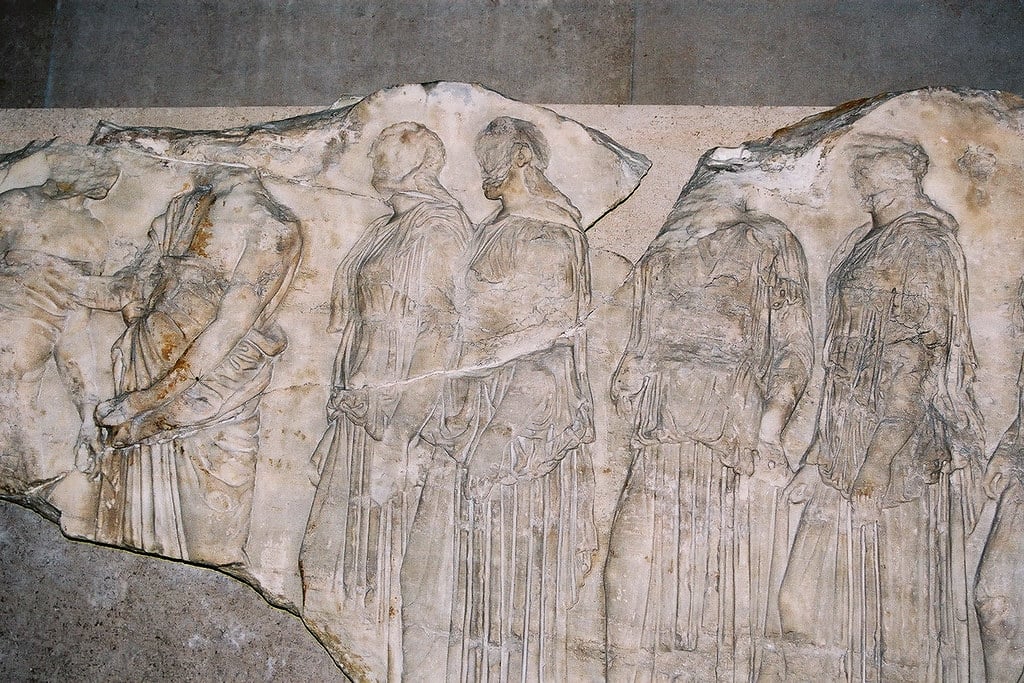
The Parthenon sculptures have become the poster child for repatriation debates. Lord Elgin didn’t just stumble upon these marble masterpieces in 1801 — he systematically removed them from the Parthenon in Athens, claiming he had permission from the Ottoman authorities who controlled Greece at the time.
Greece has been asking for them back since 1983, and the request has only grown louder. The British Museum’s response remains the same: the marbles are better preserved in London, and they belong to the world, not just Greece.
The Rosetta Stone
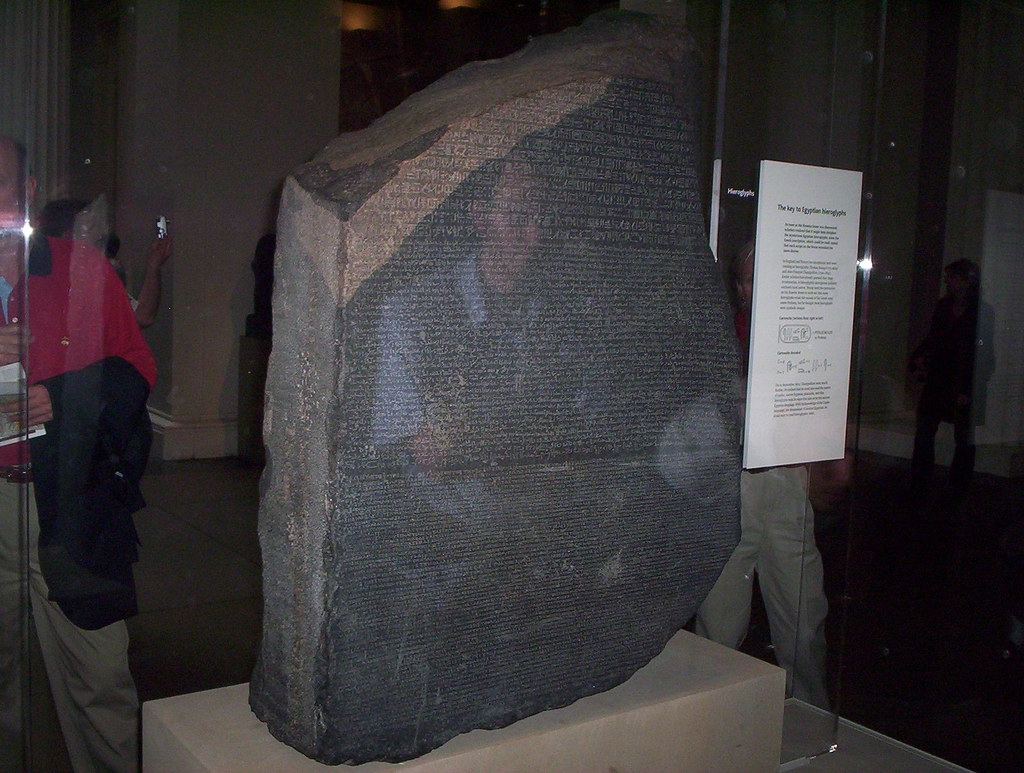
Without this black granodiorite slab, we might never have cracked the code of Egyptian hieroglyphs. French soldiers found it in 1799, but when the British defeated Napoleon’s forces, it became part of the spoils of war (along with a collection of other Egyptian antiquities, naturally — because if you’re going to claim ancient treasures through military conquest, might as well be thorough about it).
Egypt has been politely, then not so politely, requesting its return since the 1980s. The stone sits in the British Museum’s most visited gallery, where millions of tourists snap photos of what is essentially Egypt’s cultural DNA written in stone.
The irony isn’t lost on anyone: a key that unlocked an entire civilization’s voice now sits silent in a foreign land, unable to speak its way home.
The Koh-i-Noor Diamond
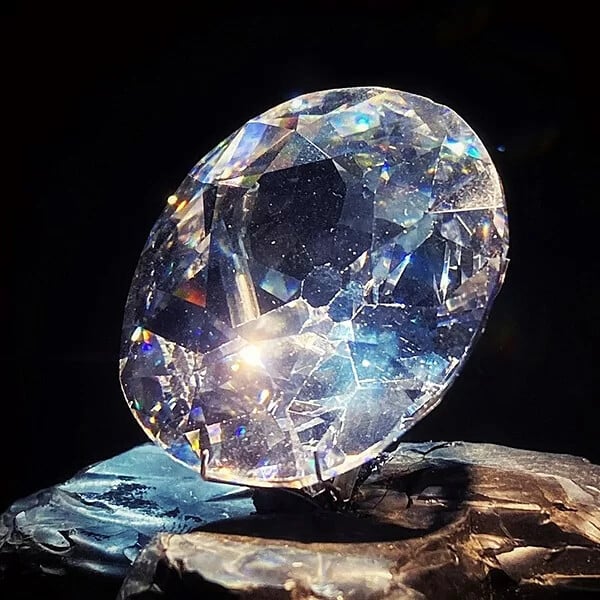
This isn’t just any diamond — it’s a 105-carat piece of crystallized political tension. The gem passed through Mughal emperors, Persian shahs, Afghan rulers, and Sikh maharajas before the British East India Company got its hands on it in 1849.
They presented it to Queen Victoria, and it’s been in the Crown Jewels ever since. India wants it back.
Pakistan wants it back. So do Afghanistan and Iran.
The British position? It was obtained legally under the Treaty of Lahore, so it stays put. The diamond sits in the Tower of London, probably the only rock on earth that could start a four-way diplomatic incident just by existing.
Ethiopian Sacred Manuscripts
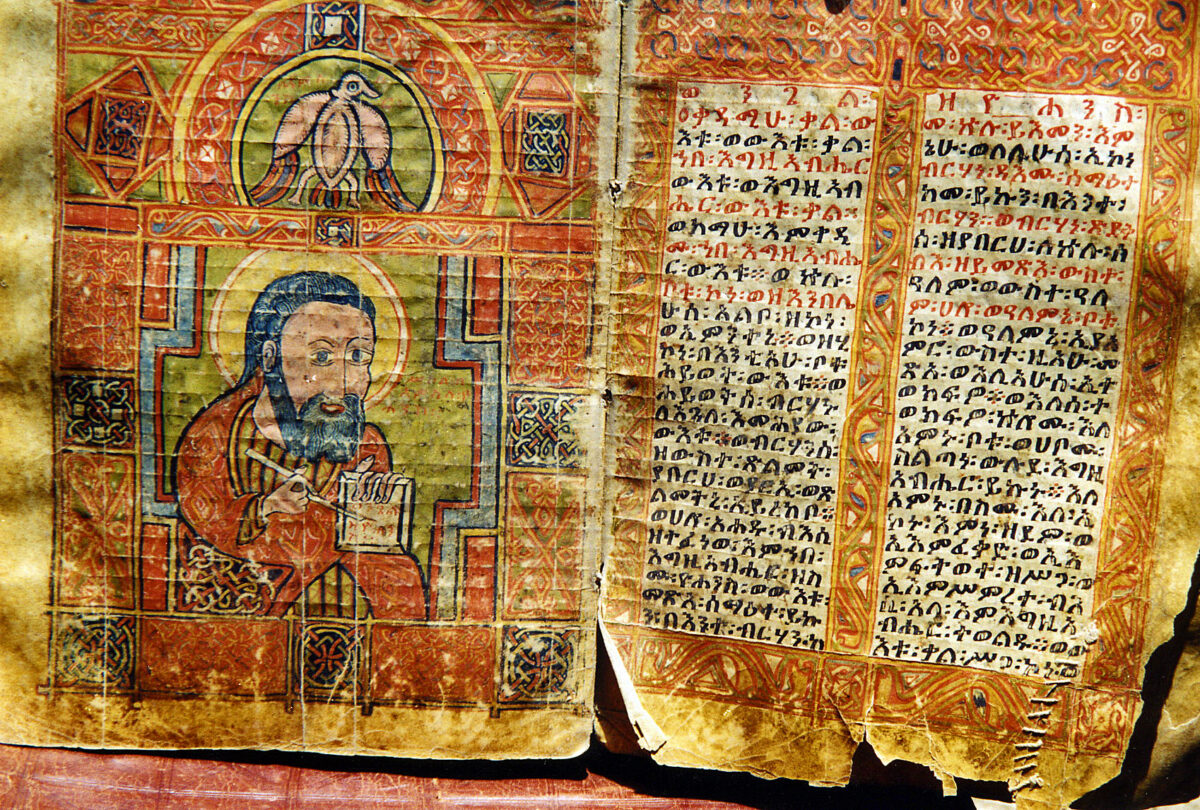
Picture this: you’re an Ethiopian monk, and foreign soldiers storm your mountain fortress monastery, defeat your emperor, and walk away with 15 elephants and 200 mules loaded with your most sacred texts — manuscripts that took centuries to create, written in Ge’ez, illuminated by generations of scribes who poured their souls into every page (because apparently, when you’re sacking Magdala in 1868, religious artifacts make excellent souvenirs). These weren’t just books; they were the spiritual and intellectual backbone of Ethiopian Christianity, each one a masterwork that connected the present to an ancient past.
But here’s what makes it sting: these manuscripts didn’t just disappear into some dusty warehouse. They became the founding collection of the British Library’s Ethiopian holdings.
Meanwhile, Ethiopia — the only African nation never to be fully colonized — lost irreplaceable pieces of its heritage to a punitive expedition that lasted all of four months. And when Ethiopian scholars want to study their own religious traditions?
They have to travel to London and ask permission.
Benin Bronzes
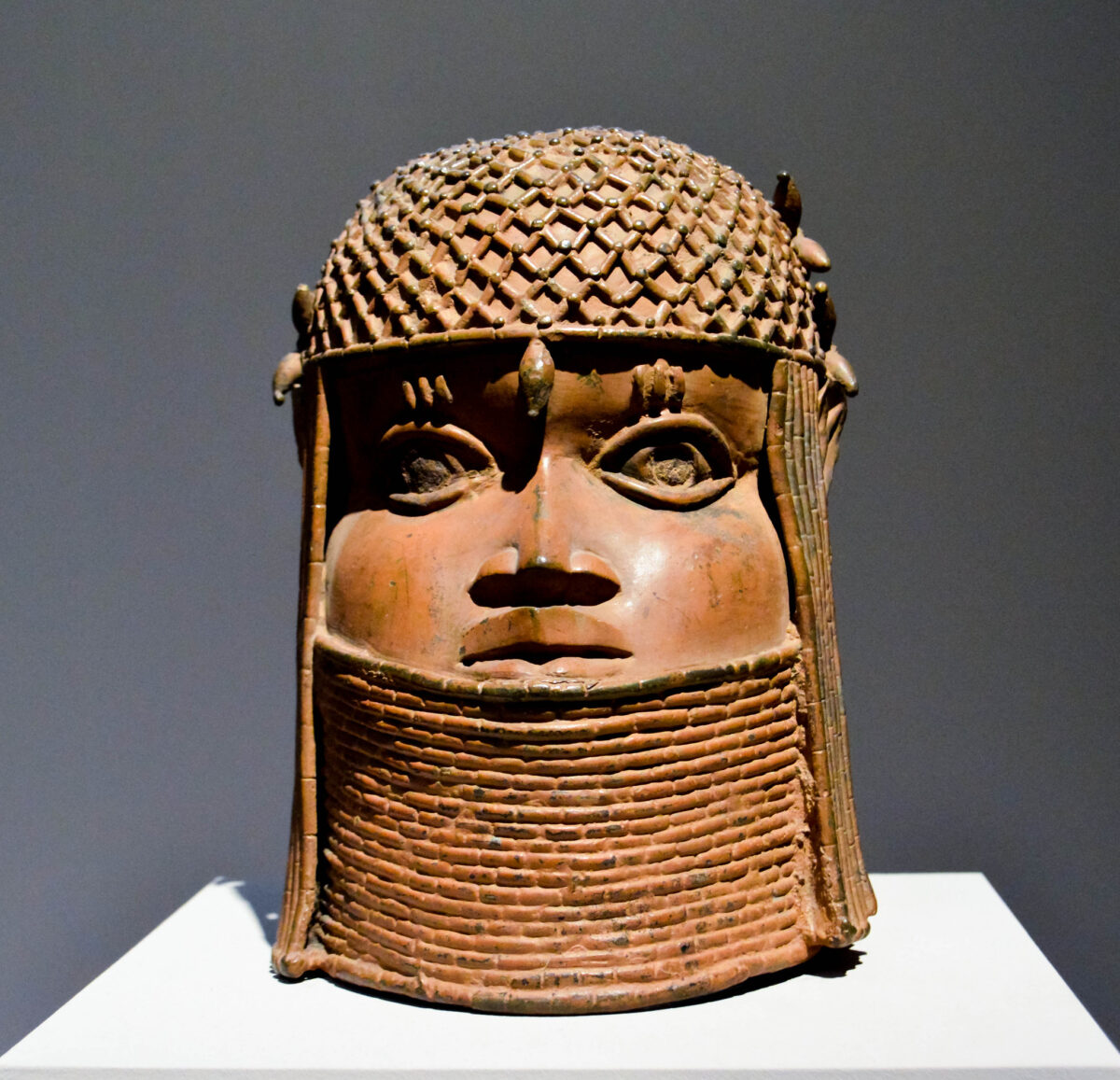
The Benin Bronzes aren’t actually bronze, and they’re not from Benin the country. They’re brass plaques and sculptures from the Kingdom of Benin in present-day Nigeria, looted during a British punitive expedition in 1897.
The irony runs deeper than the name confusion. These artifacts decorated the royal palace of the Oba, telling the history and culture of the Edo people through intricate metalwork.
Today, they’re scattered across museums worldwide, with the largest collection sitting in the British Museum. Nigeria has been asking for their return for decades.
Some European museums have started returning pieces, but the British Museum hasn’t budged.
The Parthenon Sculptures (Additional Pieces)
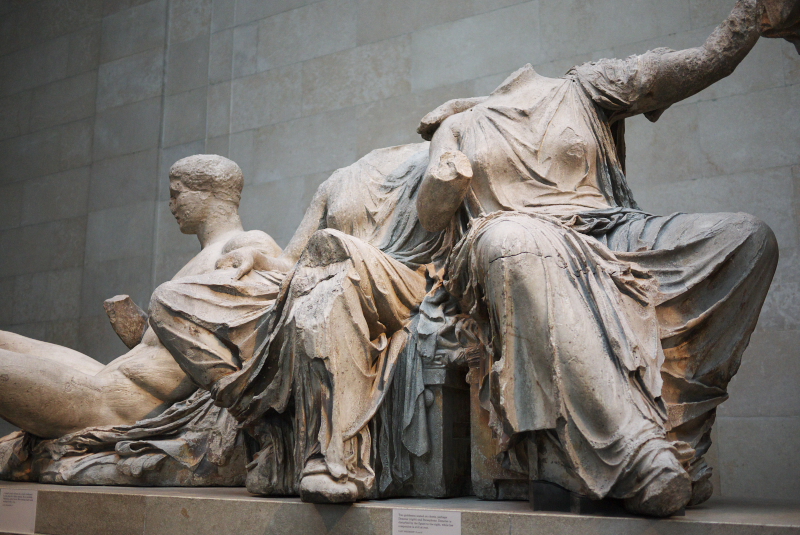
Beyond the famous Elgin Marbles, the British Museum holds other fragments from the Parthenon that rarely get mentioned in the headlines. These include architectural elements, smaller sculptures, and decorative pieces that were part of the same systematic removal process.
Greece’s argument for their return isn’t just about the famous frieze panels — it’s about reuniting an entire artistic program that was designed to work together. The new Acropolis Museum in Athens even has empty spaces where these pieces would fit, like a jigsaw puzzle missing its corners.
Aboriginal Sacred Objects
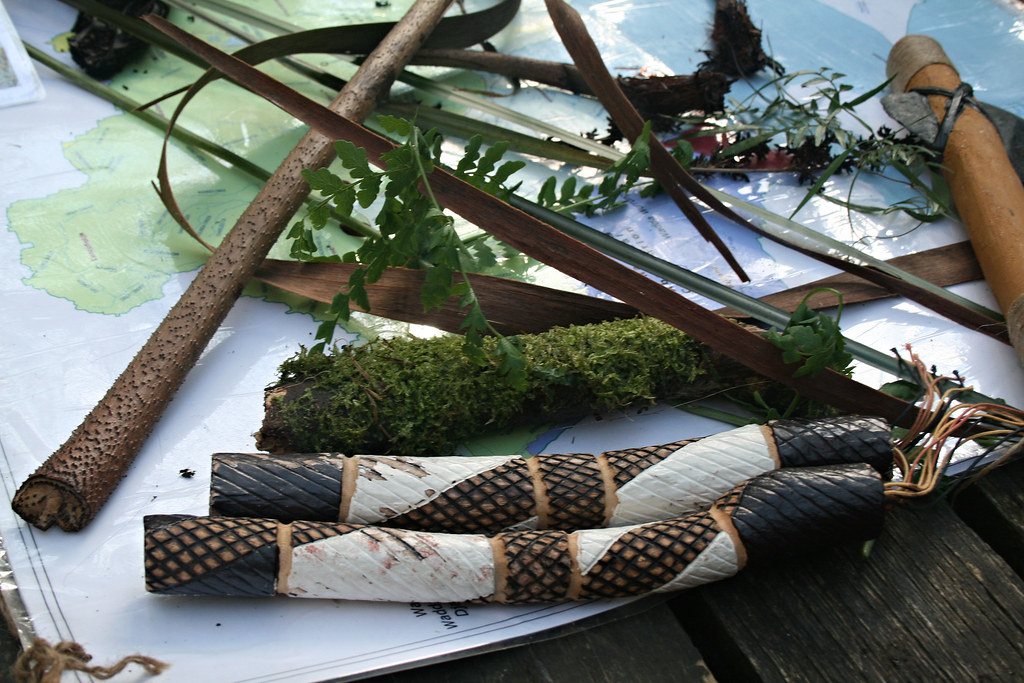
Some things aren’t meant to be displayed. Aboriginal sacred objects in British collections represent one of the most sensitive areas of the repatriation debate, because many of these items are considered too sacred for public viewing even by their own communities.
The British Museum and other institutions hold thousands of Aboriginal artifacts, many collected during colonial expeditions when Indigenous communities had little power to refuse. Australian Aboriginal groups have been working for decades to bring these objects home, often facing bureaucratic processes that seem designed to exhaust rather than resolve.
Chinese Ceramics and Artifacts
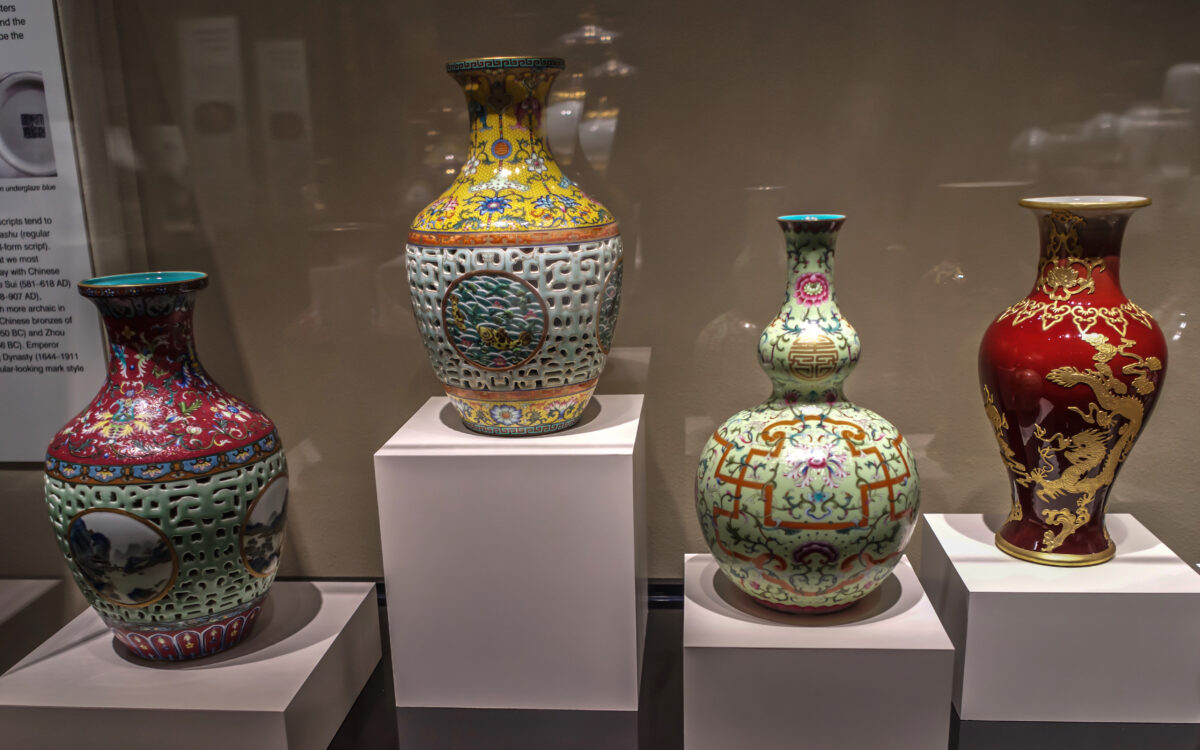
The Summer Palace in Beijing was once called the “Garden of Gardens.” In 1860, British and French forces looted and burned it during the Second Opium War, making off with countless treasures including porcelain, jade, and bronze artifacts that had been accumulated by Chinese emperors over centuries.
Many of these pieces now sit in British museums, divorced from their cultural context and the architectural spaces they were designed to complement. China’s requests for their return have intensified as the country’s economic and political influence has grown.
Indian Tipu Sultan’s Treasures
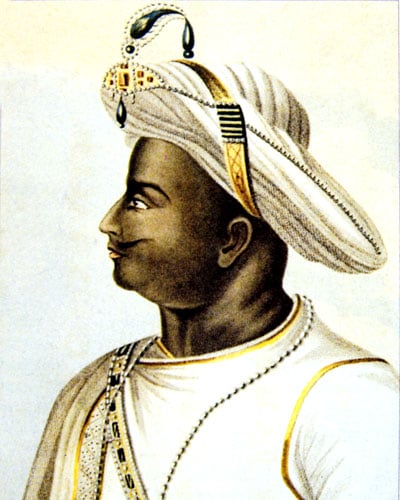
When Tipu Sultan fell at Seringapatam in 1799, the British didn’t just claim his kingdom — they cleaned out his palace like it was a going-out-of-business sale. His personal effects, weapons, jewelry, and throne all made their way to Britain, where they became symbols of imperial triumph rather than mementos of a ruler who died defending his territory.
The irony cuts both ways: Tipu Sultan was no saint (he had his own complicated relationship with religious minorities in his kingdom), but his belongings represent more than just one man’s possessions. They’re artifacts of resistance, symbols of an India that fought back against colonial expansion.
And yet they sit in British collections, their defiance neutered by museum labels and climate-controlled cases.
Maori Artifacts from New Zealand
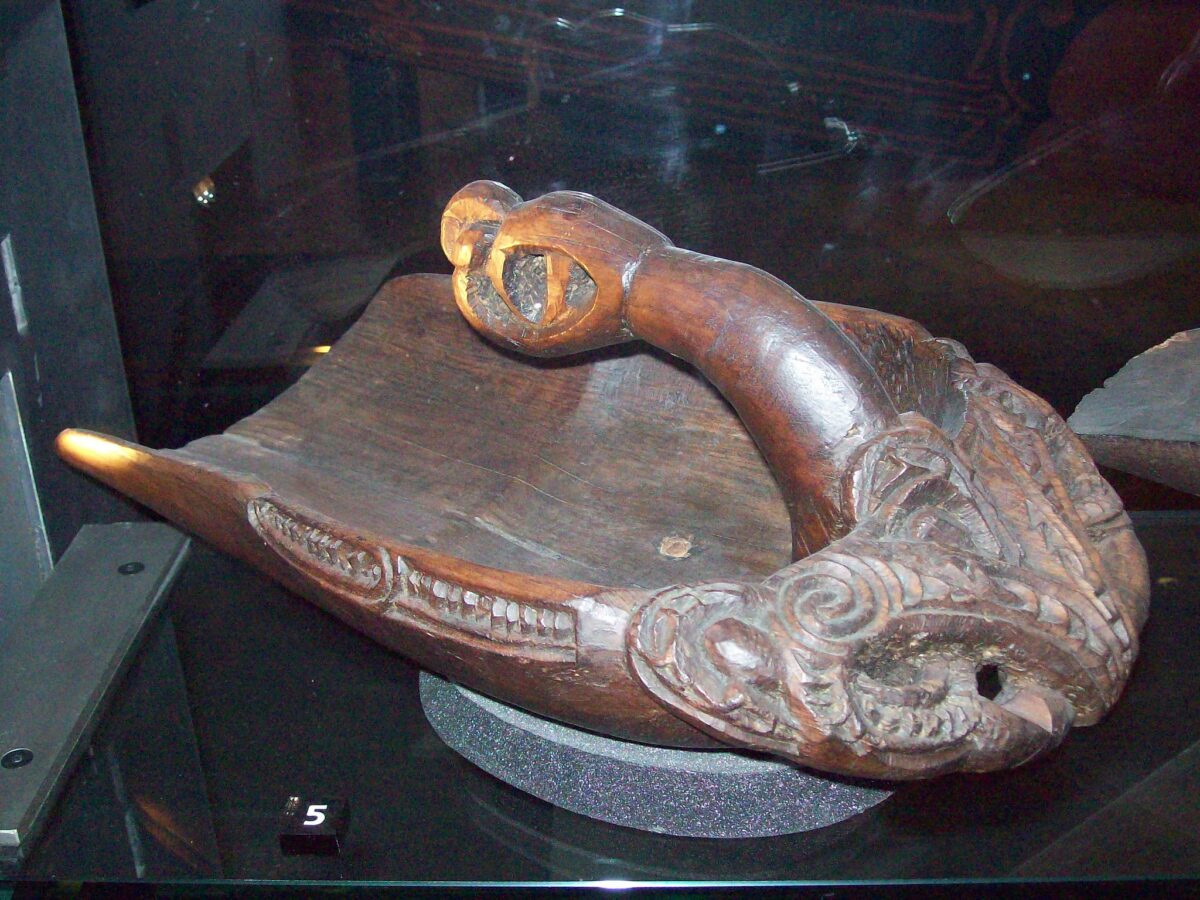
The relationship between the British and the Maori people of New Zealand has always been complicated, thanks to the Treaty of Waitangi and generations of legal disputes over land and sovereignty (which, as treaties go, has aged about as well as you’d expect from a document where both sides seem to have understood completely different terms). British institutions hold significant collections of Maori artifacts, including carved wooden objects, weapons, and ceremonial items that are deeply connected to Maori spiritual beliefs and cultural practices.
What makes this particularly fraught is that many Maori artifacts aren’t just historical objects — they’re considered living entities by their communities. Keeping them in foreign museums isn’t just cultural separation; it’s spiritual disruption.
New Zealand has been working to repatriate these items, but the process moves at the speed of bureaucracy while cultural connections fray across oceans and generations.
Sri Lankan Kandyan Royal Regalia
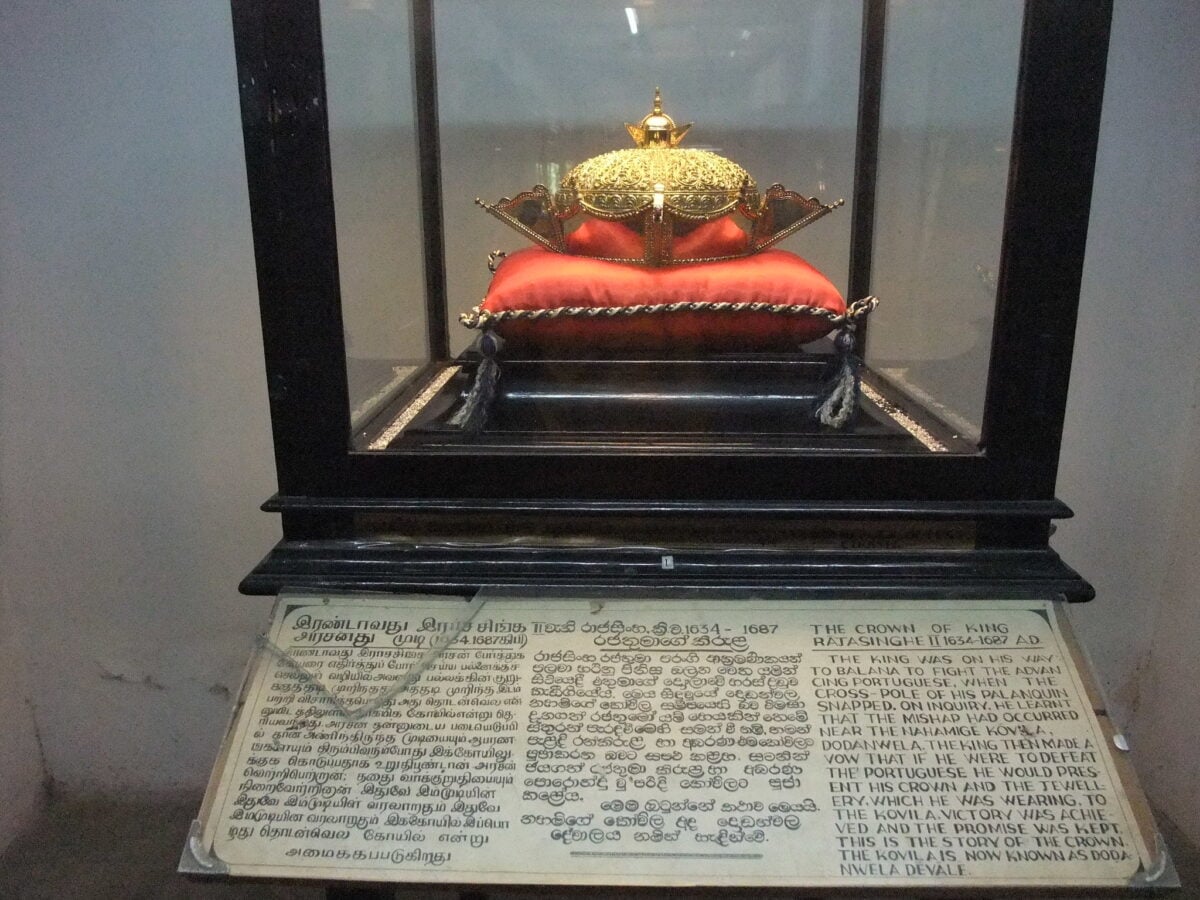
When the British deposed the last king of Kandy in 1815, they didn’t stop at political conquest. They took the royal regalia — the crown, throne, and ceremonial objects that had legitimized Kandyan rulers for centuries.
These weren’t just fancy accessories; they were the physical embodiment of sovereignty itself. Sri Lanka has been requesting the return of these objects since independence, arguing that they’re essential to understanding and preserving Kandyan cultural heritage.
The regalia remains in British collections, a reminder of how colonial powers didn’t just take territory — they took the very symbols that made that territory meaningful to its people.
Hawaiian Feather Cloaks and Artifacts
Captain Cook’s expeditions brought back more than just maps and scientific observations from Hawaii. British collections include sacred feather cloaks, weapons, and ceremonial objects that were integral to Hawaiian royal culture and religious practices.
These artifacts represent a Hawaii that existed before Western contact transformed the islands forever. Native Hawaiian groups have been working to bring these items home, where they can be properly cared for according to cultural protocols and reconnected with the communities that created them.
Sikh Religious Artifacts
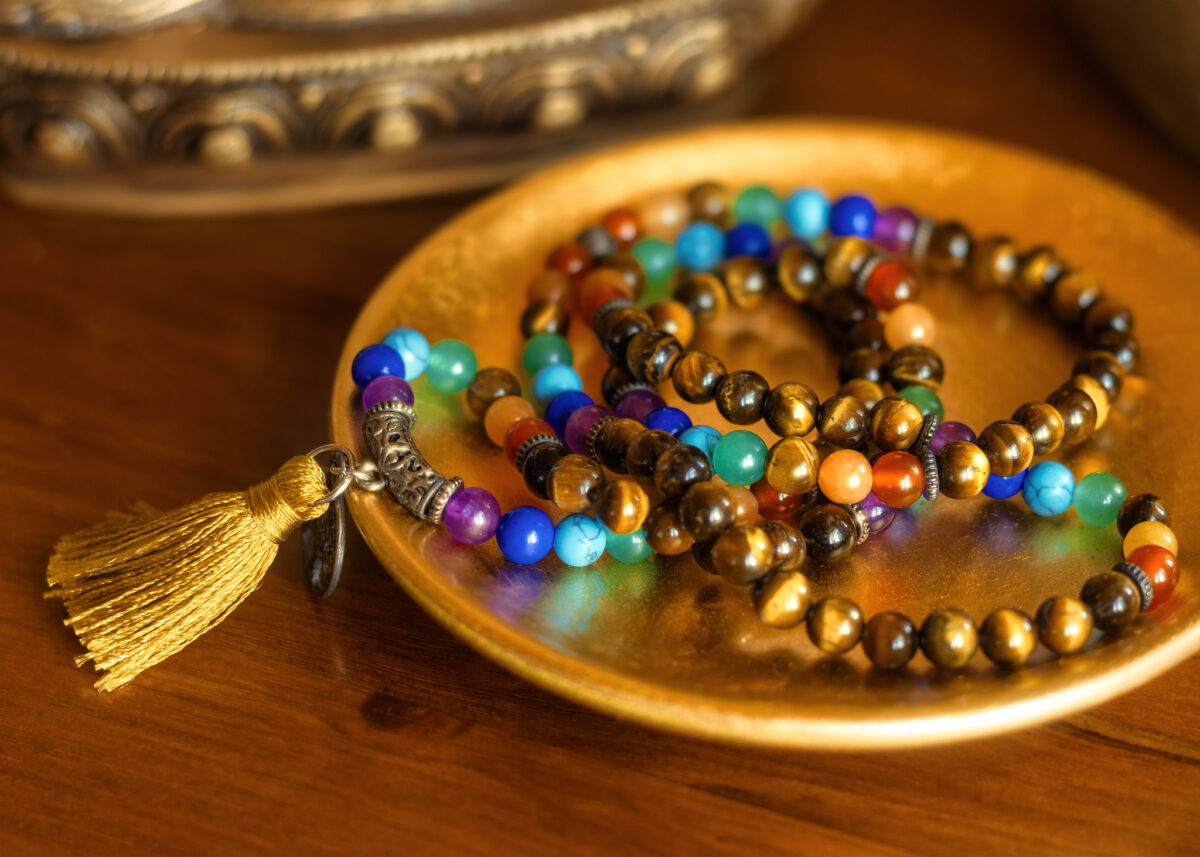
Picture a faith built on principles of equality, community service, and resistance to oppression, then imagine its sacred objects locked away in the museums of the very empire that spent decades trying to crush that resistance (because nothing says “we respect your religious freedom” like displaying your prayer books and ceremonial weapons as conquered curiosities). British institutions hold significant collections of Sikh religious artifacts, including manuscripts, weapons, and ceremonial objects that were taken during various colonial campaigns in Punjab.
The Sikh community’s relationship with these artifacts is particularly complex because many of the items aren’t just religious — they’re symbols of a faith that formed partly in response to political oppression. Keeping them in British museums adds another layer of historical irony to an already complicated legacy.
Polynesian Navigation Instruments
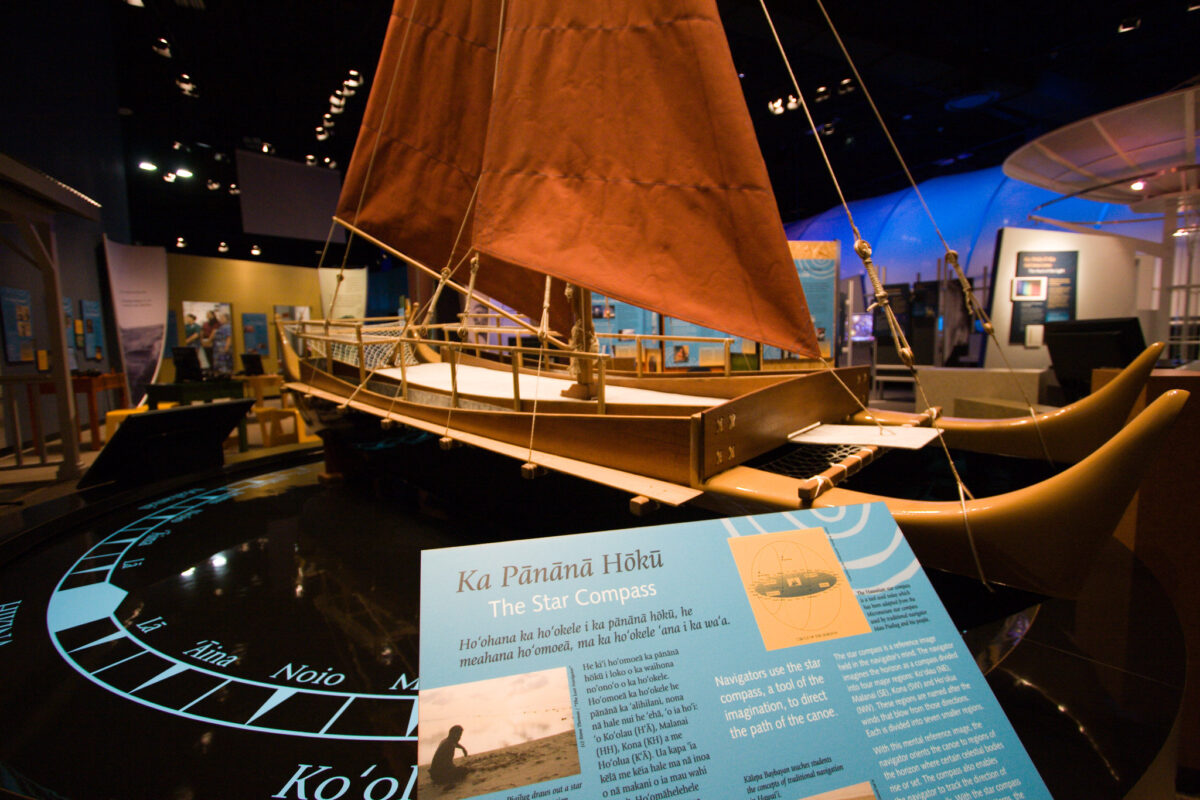
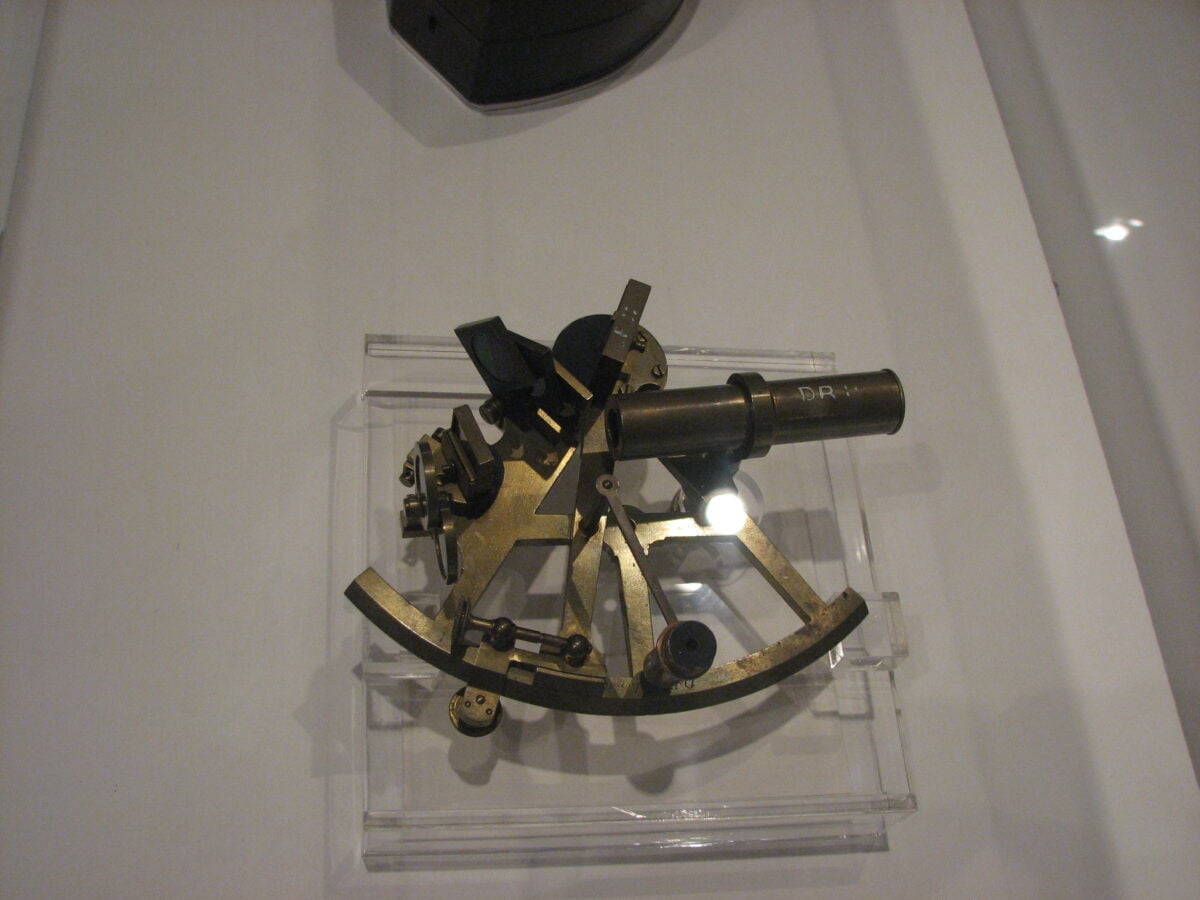
Long before GPS or even compasses, Polynesian navigators were crossing thousands of miles of open ocean using sophisticated instruments and techniques that represented centuries of accumulated knowledge. British expeditions collected many of these navigation tools, removing them from the communities that created and understood them.
These instruments aren’t just technological artifacts — they’re embodiments of one of humanity’s greatest achievements in exploration and seamanship. Pacific Island communities have been working to bring these items home, where they can be used to teach traditional navigation techniques to new generations.
African Royal Artifacts
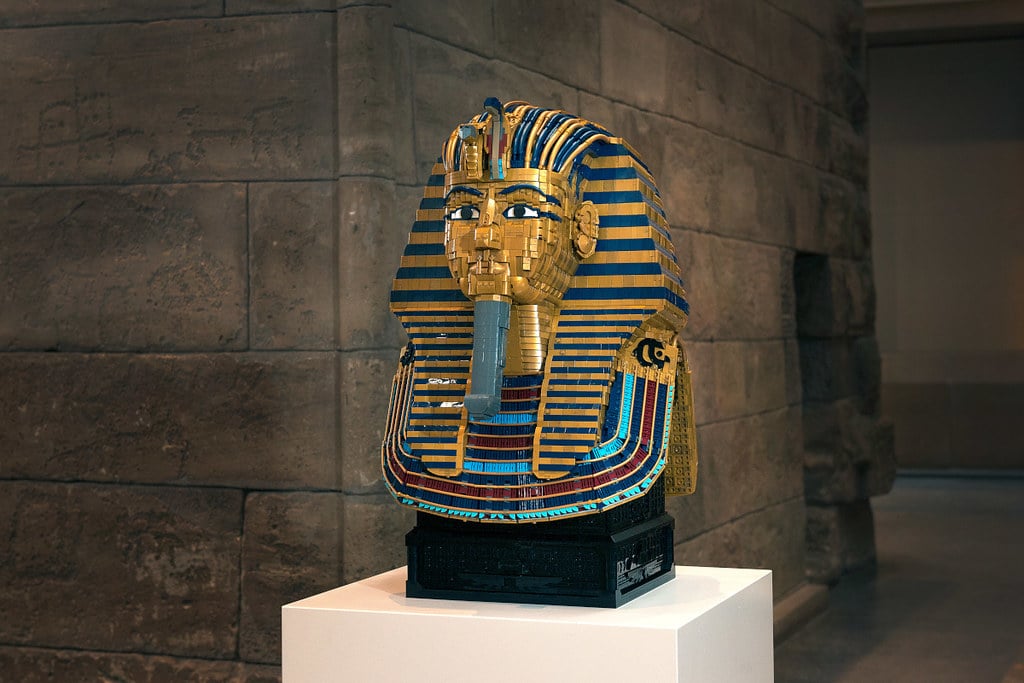
British museums hold countless artifacts from African royal courts — crowns, ceremonial objects, weapons, and regalia from kingdoms across the continent. Many were taken during colonial expeditions, punitive campaigns, or through unequal treaties that gave African rulers little choice but to hand over their treasures.
These objects represent more than just wealth or craftsmanship. They’re symbols of political systems, cultural values, and artistic traditions that colonial powers often claimed didn’t exist.
Their presence in British museums contradicts the very justifications that were used to take them in the first place.
The Weight of History
Museums aren’t neutral spaces, no matter how much their mission statements suggest otherwise. They’re arguments made in marble and glass, stories told through the act of possession itself.
The artifacts in this list represent more than just beautiful or historically significant objects — they’re evidence of a particular moment when one culture decided it had the right to take and keep pieces of others. The debates around these artifacts aren’t really about museums or even about objects.
They’re about how we understand the past, who gets to tell its stories, and whether the institutions built on colonial wealth can find ways to address the inequalities that created them. Some of these artifacts will eventually go home.
Others may never leave their display cases. But the conversations they’ve started have already changed how we think about cultural ownership, and that might matter more than where any single object ends up.
More from Go2Tutors!

- The Romanov Crown Jewels and Their Tragic Fate
- 13 Historical Mysteries That Science Still Can’t Solve
- Famous Hoaxes That Fooled the World for Years
- 15 Child Stars with Tragic Adult Lives
- 16 Famous Jewelry Pieces in History
Like Go2Tutors’s content? Follow us on MSN.



