Misconceptions About Professional Boxing Explained
Boxing’s been around forever, but people still mess up what they think about it. Some folks think it’s just about being tough.
Others picture it as basically controlled chaos. But honestly, it’s way more complicated than that.
There’s a lot more going on than people realize. So, let’s dive into some of the most common misconceptions about this sport – and explain what it’s actually about.
Boxers don’t just throw punches wildly

Yeah, it looks messy sometimes, but that’s not what’s happening. Fighters aren’t just flailing around.
Every punch has a purpose, timed just right. You watch the other person carefully, waiting for your moment to attack.
It’s basically strategy wrapped in motion, like chess but faster and with more sweat.
It’s not only about strength

Sure, being strong helps a lot. But that’s not the whole thing at all. Speed matters way more than people think. Stamina matters
. Balance matters. Sometimes the faster guy or the smarter guy wins over the one who hits hardest.
Skill and conditioning beat pure muscle every single time in this sport.
Like Go2Tutors’s content? Follow us on MSN.
Boxers wear serious protection during practice

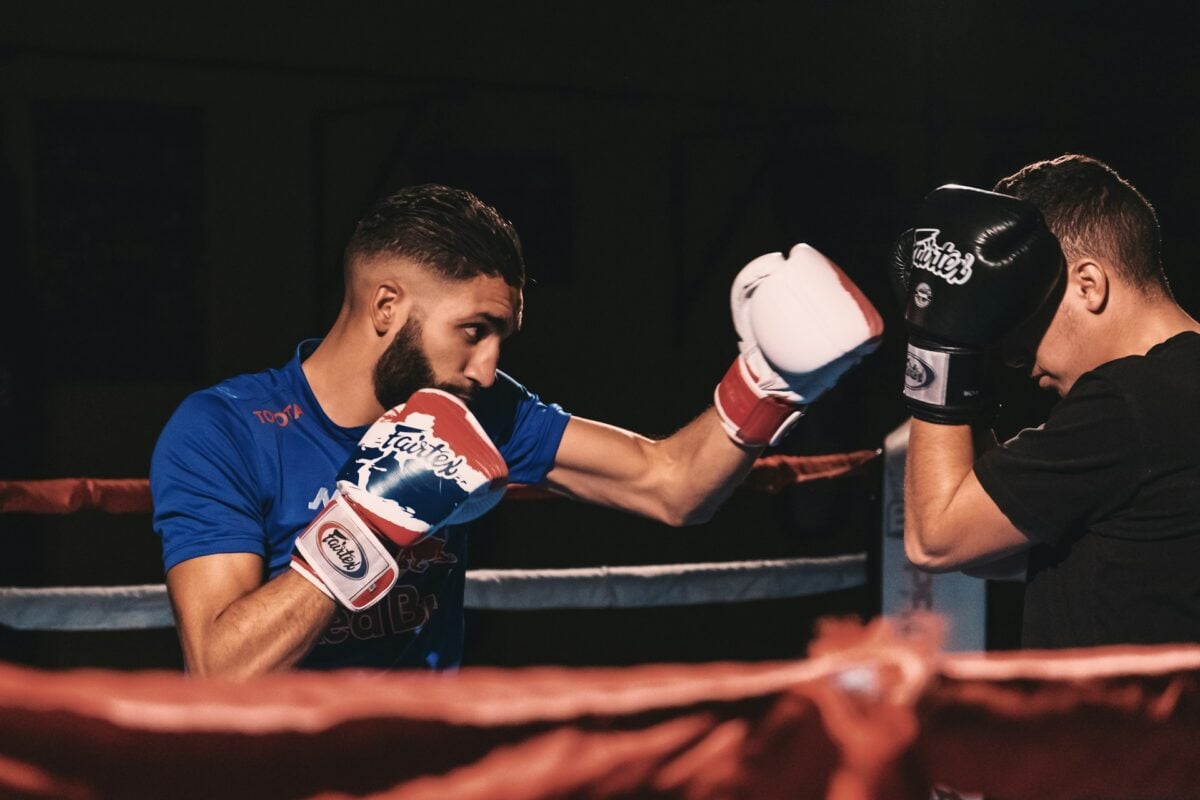
When fighters train, they’re covered in gear. Headgear, gloves, mouthguards, all that stuff.
The sparring gloves are specifically softer so they don’t do damage. People actually care about staying healthy during training.
It’s not like they’re trying to destroy each other.
Not every boxer gets rich

That’s kind of a big myth. Most boxers aren’t making bank.
Only the top guys really cash out. Everyone else works normal jobs, trains on the side, tries to make it.
It takes forever and you sacrifice a ton of stuff.
Boxing doesn’t shorten everyone’s life
There’s a bit of a common misconception that boxing shortens the life of all participants. However, that’s not really true.
Strong medical oversight, rules and regulations help to make it much safer than it used to be. Of course, there’s always a ref there to stop it is there’s a bad mismatch or one of the competitors can’t continue.
As a sport, it’s actually a lot safer than most people think.
Like Go2Tutors’s content? Follow us on MSN.
Women boxers train just as hard

Female fighters put in the exact same work as men. Same runs, same sparring, same weights, same intensity.
Women’s boxing has gotten a ton of respect lately because these athletes are legitimately incredible. Working hard has nothing to do with gender.
Boxers don’t fight out of anger

This is one of the dumbest myths. Fighters don’t go in the ring angry.
Good boxers stay calm. Staying cool helps you think better and react faster.
After the fight, most boxers respect each other. They’ve both been through something brutal together.
Boxing isn’t all about fighting
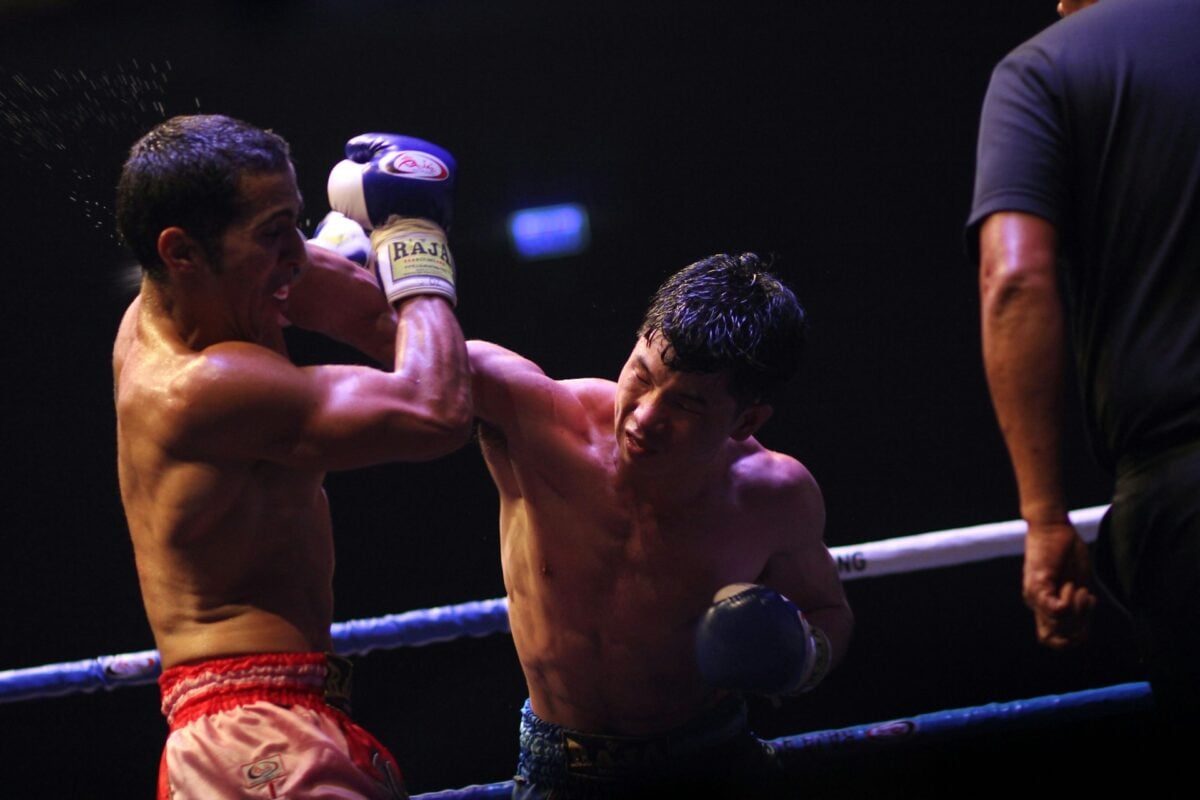
Boxing teaches you discipline, focus, how to handle pressure. It builds confidence, helps you deal with fear.
The stuff you learn in the gym actually helps outside of boxing too. People change through boxing.
Like Go2Tutors’s content? Follow us on MSN.
Not every punch causes major damage

Gloves help a lot. Plus boxers learn how to defend themselves. Most punches don’t really hurt someone that bad.
Knockouts are rare, honestly. It’s mostly technical boxing, not people getting brain damage every five seconds.
Boxers don’t train every single day

Rest days are necessary. Training too much just breaks you down.
Most boxers have built-in recovery time. You can’t fight all the time without falling apart.
Footwork is just as important as punching
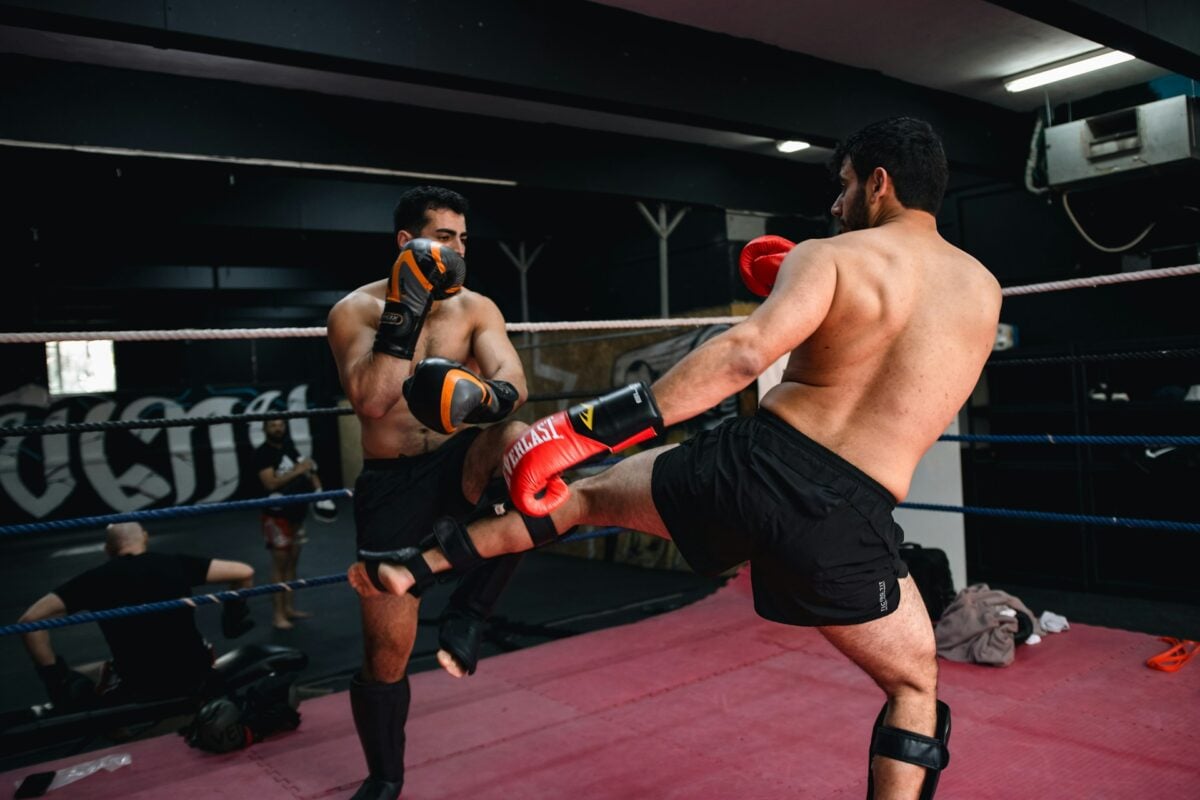
How you move determines everything. Good footwork means you control space, avoid getting hit, stay balanced. It’s almost like dancing but with purpose.
Without it, your punches don’t mean much. Movement is the foundation of everything.
Like Go2Tutors’s content? Follow us on MSN.
Coaches play a massive role

A good coach isn’t just someone yelling. They plan strategies, figure out how to beat specific opponents, keep fighters motivated.
The coach-fighter relationship is huge. Most boxers will tell you their coach made all the difference.
Boxing matches are highly regulated
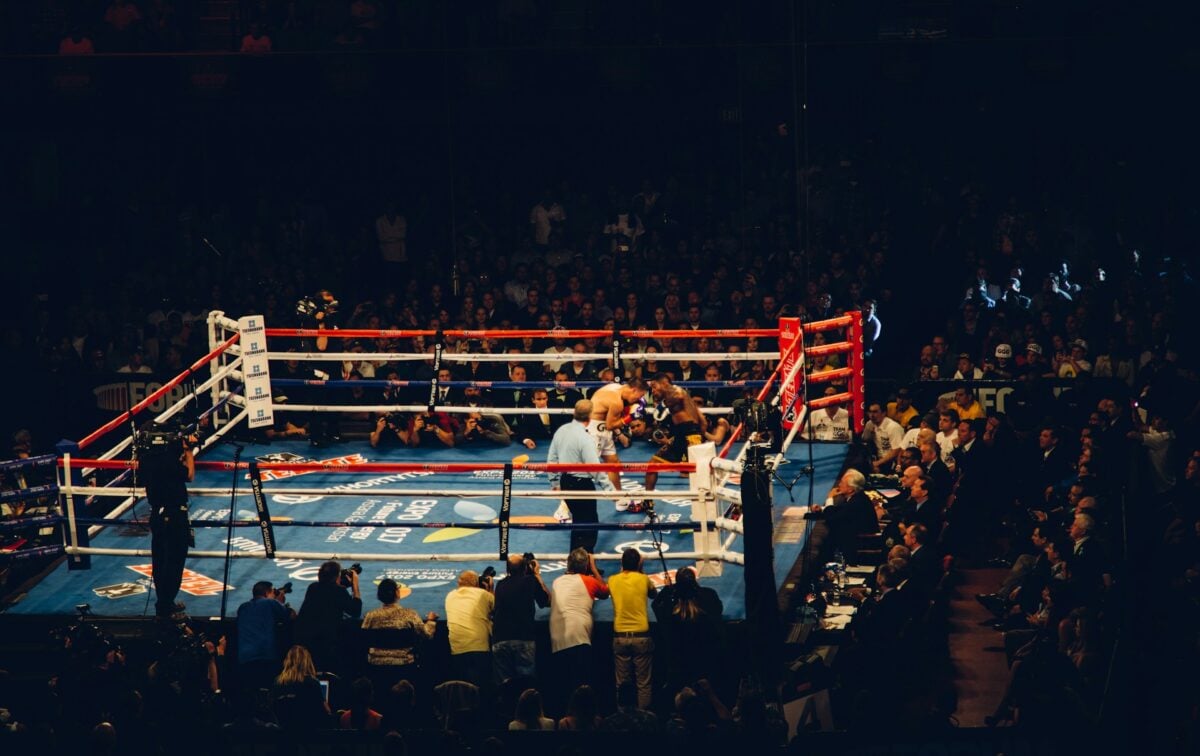
There’s rules about gloves, about rounds, about safety checks. Referees are watching constantly and can stop a fight immediately.
Judges keep things fair. All these rules exist for good reason.
Boxers respect their opponents deeply

Even after a brutal fight, boxers respect each other. They get it.
They know how hard it is to step in that ring. You usually see them shake hands after, maybe chat a bit.
It’s about honor, not hate.
Like Go2Tutors’s content? Follow us on MSN.
Training doesn’t end after a fight
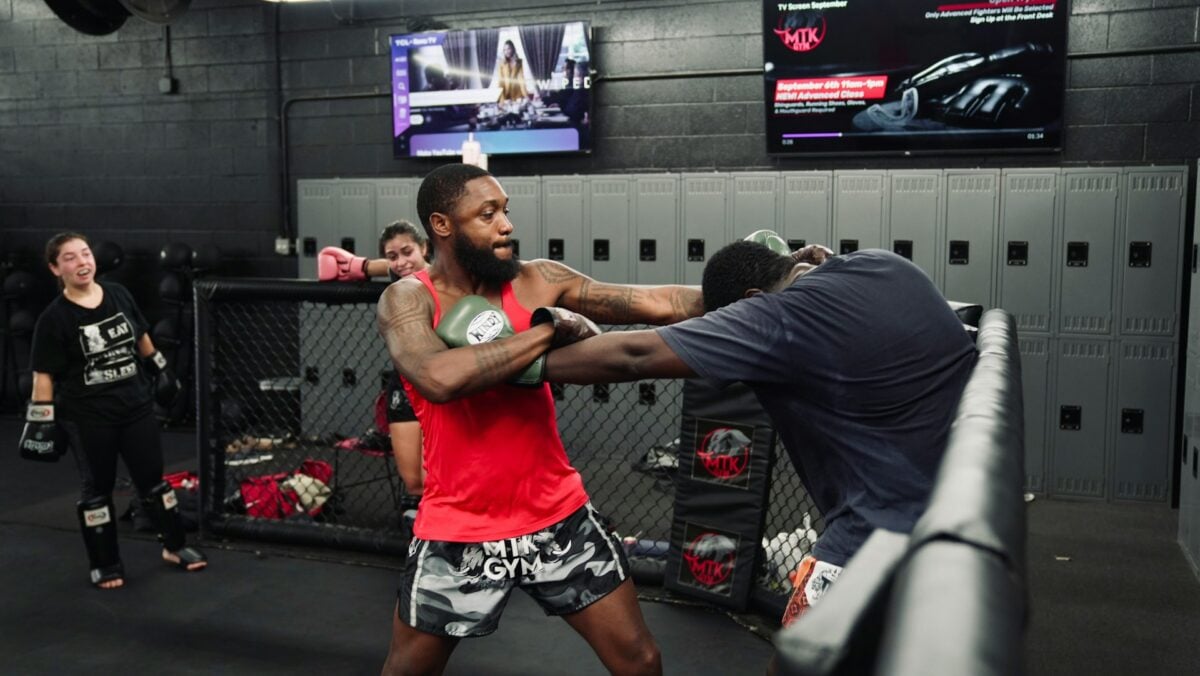
After a fight ends, that’s not the end. Boxers review what happened, see what went wrong, fix it.
It’s a constant cycle of getting better. You never actually stop training, you just keep evolving.
Boxing is not just for the young

People start boxing at all ages. Plenty of people pick it up later for fitness or confidence.
Age doesn’t really matter that much. Most gyms will take anyone serious about training.
How boxing has changed and what it means now

Boxing used to have this reputation as a brutal sport. But really, it’s now way more about skill and discipline and safety.
Fighters get better training and protection than they ever did before. It’s a sport that tests everything about you, not just your ability to punch hard.
More from Go2Tutors!

- 16 Historical Figures Who Were Nothing Like You Think
- 12 Things Sold in the 80s That Are Now Illegal
- 15 VHS Tapes That Could Be Worth Thousands
- 17 Historical “What Ifs” That Would Have Changed Everything
- 18 TV Shows That Vanished Without a Finale
Like Go2Tutors’s content? Follow us on MSN.