Photos Of Sports Collectibles That Shattered Auction Records
Something happens when ordinary objects become extraordinary. A piece of cardboard worth pennies transforms into a fortune.
A jersey worn for a few hours commands millions. The sports collectibles market doesn’t just preserve history — it assigns dollar values to dreams, turning childhood memories into investment portfolios that would make Wall Street envious.
1952 Topps Mickey Mantle PSA Grade 9
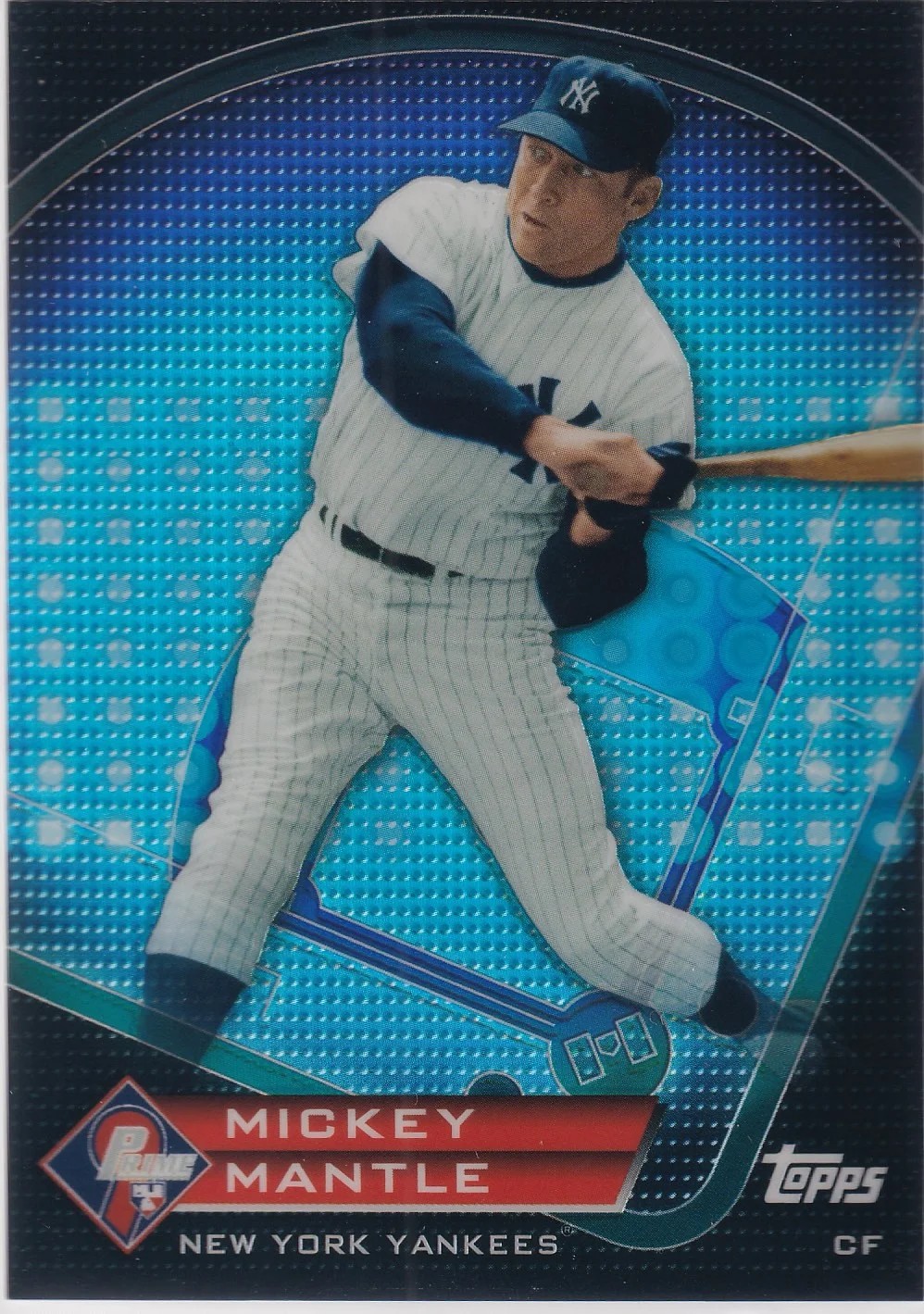
The holy grail exists. It’s made of cardboard and measures 2.5 by 3.5 inches.
This particular Mantle rookie card sold for $12.6 million in 2022. Not because it’s rare — thousands were printed.
Because it survived sixty-seven years in near-perfect condition while most of its siblings got clipped to bicycle spokes or traded away for bubble gum.
T206 Honus Wagner
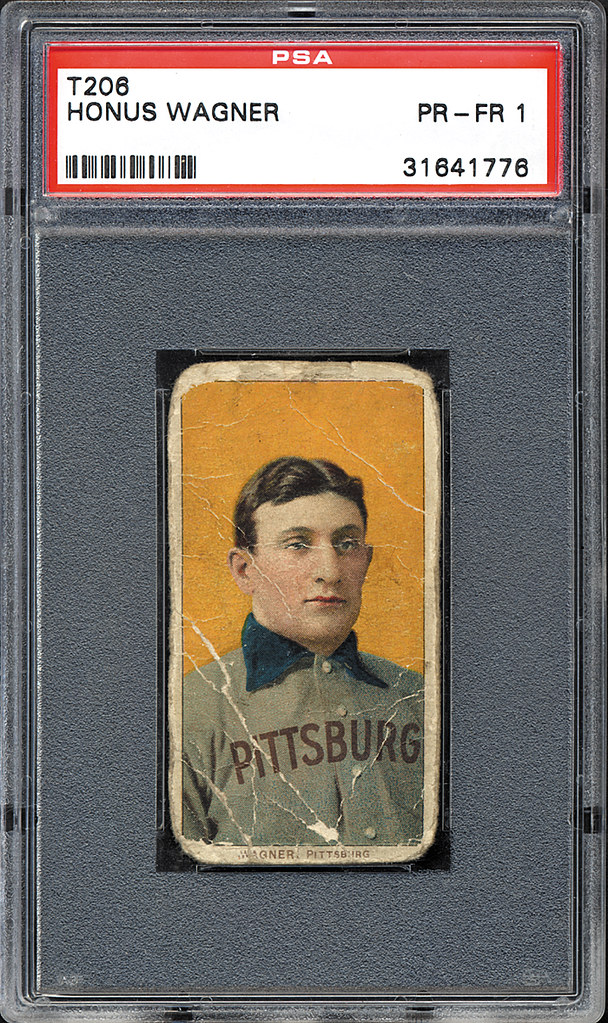
The tobacco card that launched a thousand auction dreams sits in its own category of obsession, and for good reason (the American Tobacco Company pulled it from production after Wagner objected to his image being used to sell cigarettes to children, which was either principled or shrewd depending on how you read history).
When one sold for $7.25 million in 2022, it wasn’t just the sale price that mattered — it was the reminder that sometimes the stories behind objects matter more than the objects themselves.
The card’s scarcity wasn’t planned; it was accidental, which makes it more valuable than anything deliberately limited ever could be.
And yet the irony persists: Wagner’s attempt to distance himself from tobacco marketing created the most famous tobacco card ever produced.
So here’s the thing about legendary status: it often begins with someone saying no when everyone else says yes.
Babe Ruth’s 1920 Yankees Jersey
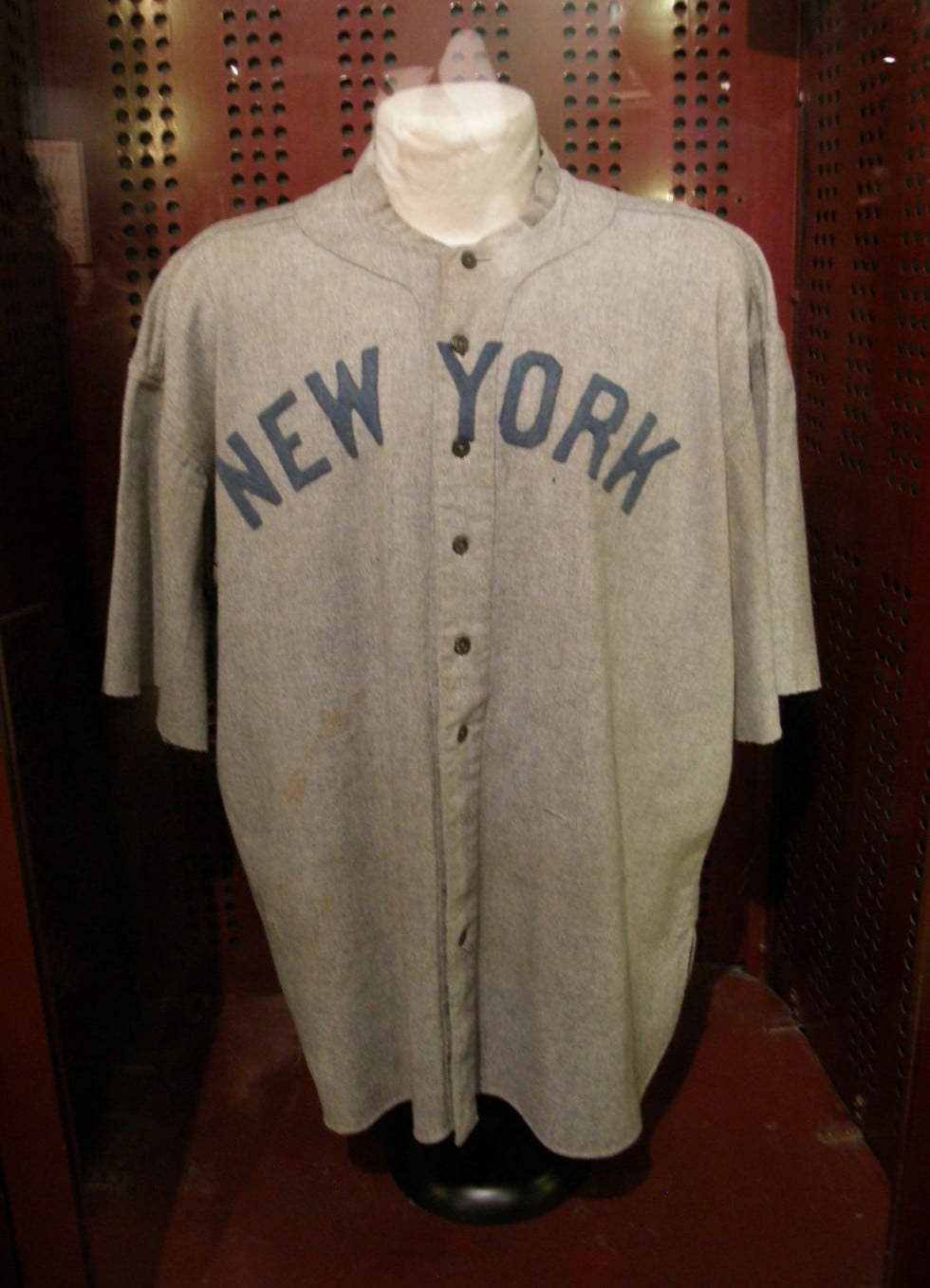
Fabric carries memory differently than photographs. This jersey, worn during Ruth’s first season with the Yankees, sold for $4.4 million in 2012.
The pinstripes weren’t just decorative — they were witnessing history. Ruth hit 54 home runs that season, more than any entire team except his own.
The jersey absorbed every swing, every slide, every moment when baseball transformed from small-time sport to national obsession.
LeBron James’ 2013 NBA Finals Game 7 Jersey
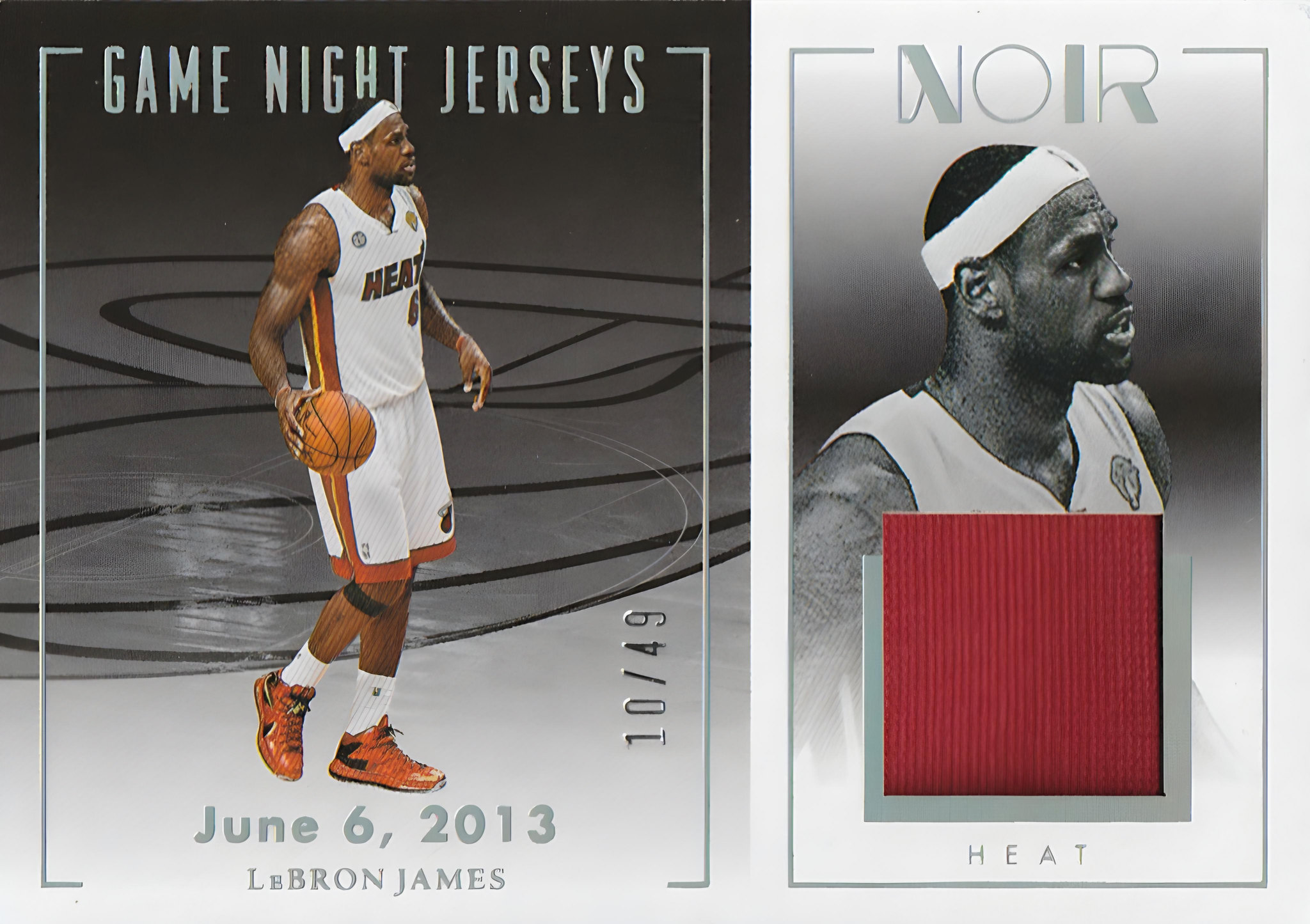
Modern legends command modern prices. James wore this jersey during the Heat’s championship-clinching victory over the Spurs.
It sold for $3.7 million. The sweat stains aren’t flaws — they’re authentication.
Every thread holds the weight of a title that almost slipped away, saved by Ray Allen’s three-pointer and James’ 37 points.
That’s expensive validation, but fair enough when you consider the jersey witnessed greatness under the ultimate pressure.
Mickey Mantle’s 1956 Triple Crown Jersey
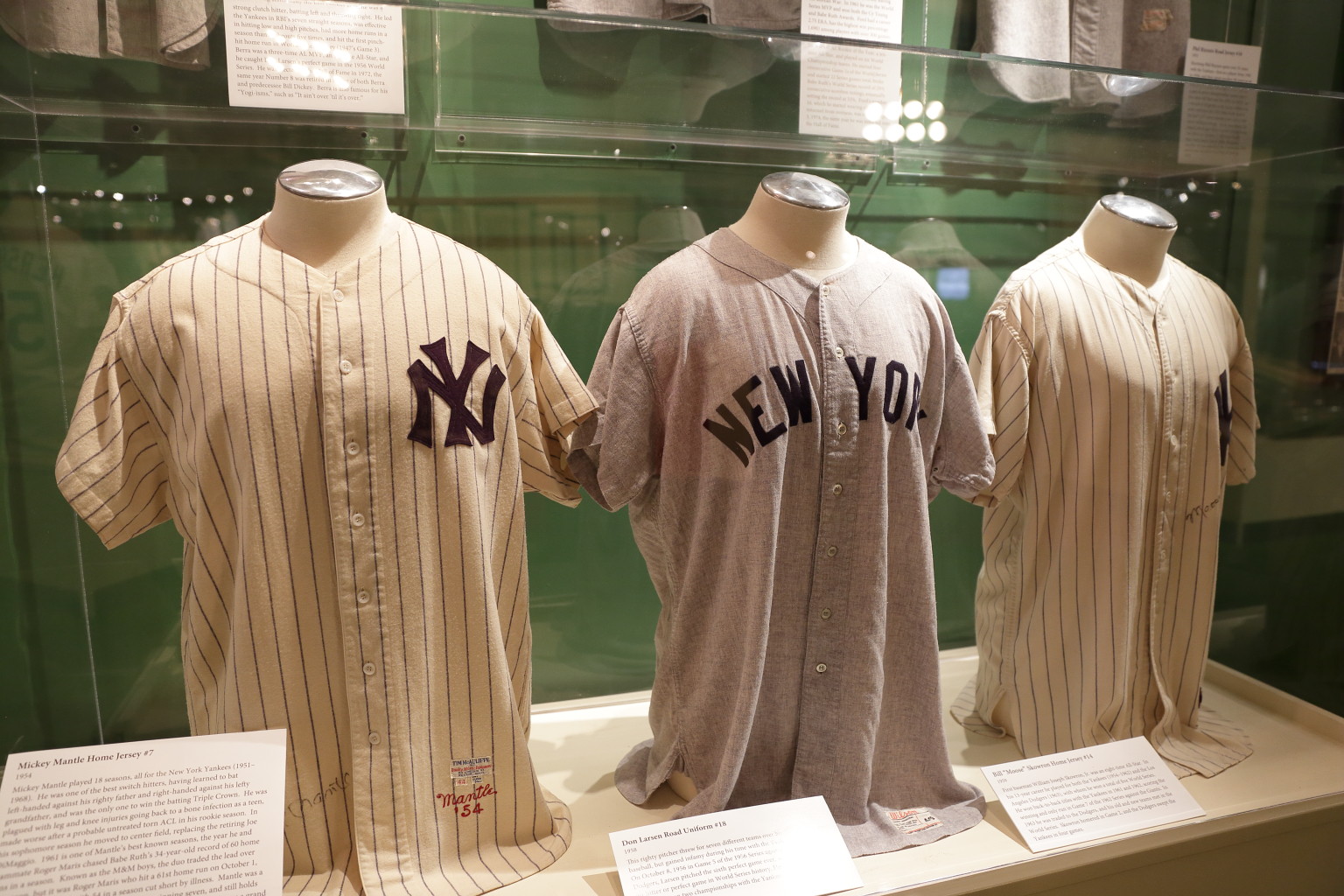
There’s something stubborn about greatness — it refuses to be replicated, no matter how many try.
Mantle’s 1956 season was the kind of statistical perfection that reads like fiction: .353 batting average, 52 home runs, 130 RBIs, making him the last American League player to win the Triple Crown until Miguel Cabrera did it fifty-six years later.
The jersey he wore during that season sold for $12.6 million, which sounds astronomical until you consider that it clothed someone doing something that happens roughly once every half-century.
The pinstripes didn’t make Mantle great, but they absorbed his greatness, thread by thread, game by game, until the fabric itself became inseparable from the achievement.
And here’s what’s interesting about Triple Crown seasons: they’re not just rare, they’re stubborn — they resist the modern game’s tendency toward specialization, demanding excellence in every offensive category simultaneously.
But the jersey’s value isn’t really about the statistics, even though those numbers justify the price.
It’s about wearing perfection.
1979-80 Wayne Gretzky O-Pee-Chee Rookie Card
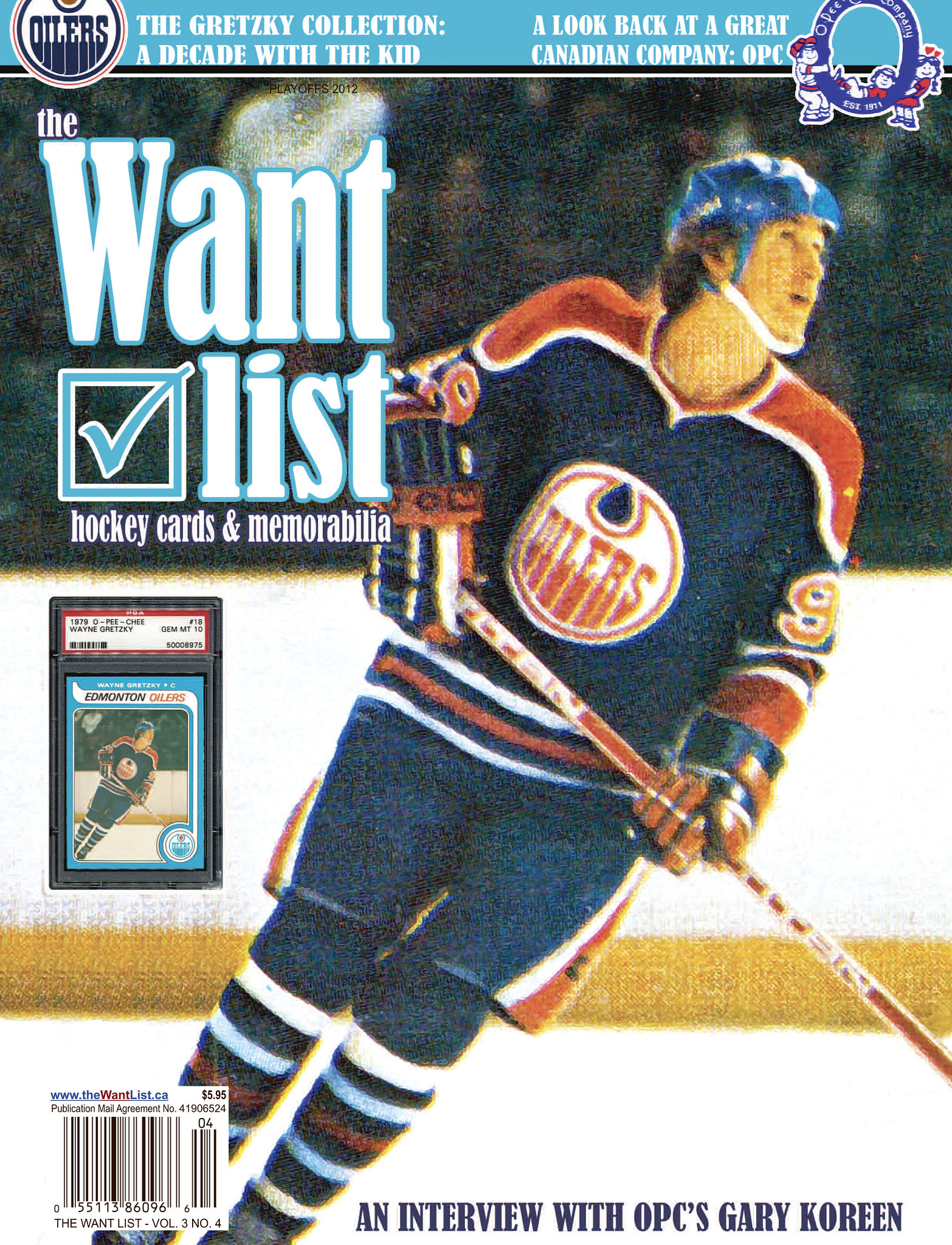
Hockey cards live in baseball’s shadow, except when they don’t. Gretzky’s rookie card sold for $3.75 million in 2022.
The Great One changed hockey the way Ruth changed baseball — by making the impossible look routine.
This card captured him before anyone knew he’d rewrite the record books.
Before the 894 goals, before the 2,857 points, before becoming the only athlete whose jersey number got retired league-wide.
Tom Brady’s Final Game Jersey
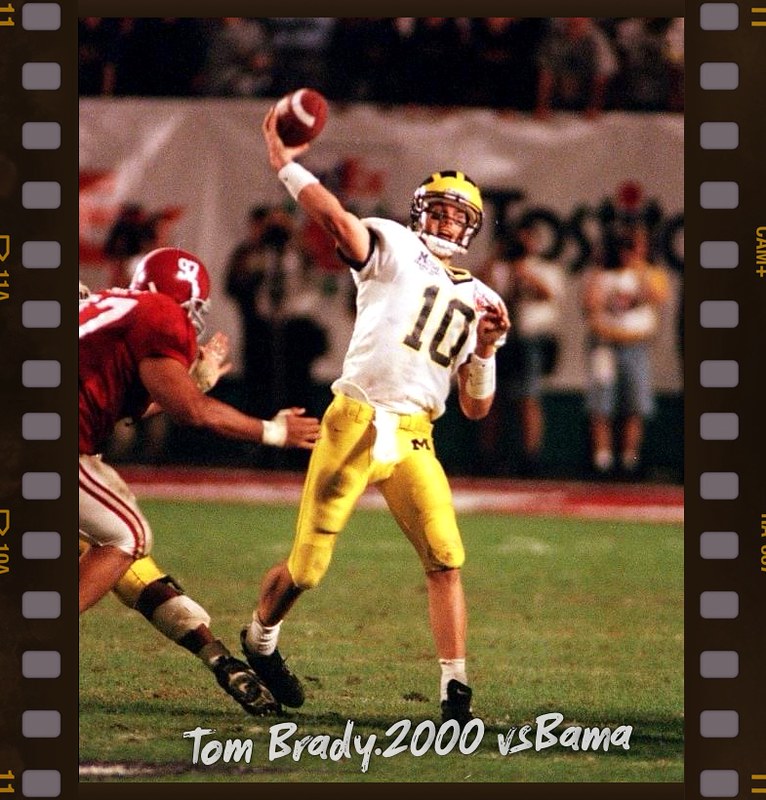
Endings carry different weight than beginnings (they’re finite in a way that starting points never are, which explains why last dance tours sell more tickets than debut performances).
Brady’s jersey from his final NFL game — a playoff loss to the Rams that nobody knew would be his last until he announced his retirement weeks later — sold for $1.3 million.
The fabric absorbed twenty-two seasons of professional football, seven Super Bowl victories, and the slow recognition that even Tom Brady couldn’t play forever.
What’s remarkable isn’t that someone paid seven figures for a jersey; it’s that Brady’s career lasted long enough for multiple generations to watch him play, which means this jersey represents childhood memories for fans who are now in their thirties.
And yet there’s something almost accidental about its significance — Brady didn’t know he was wearing a retirement jersey when he put it on, which makes it more genuine than any planned farewell could ever be.
The jersey holds the weight of an ending that nobody saw coming, including Brady himself.
1916 Sporting News Babe Ruth Rookie Card
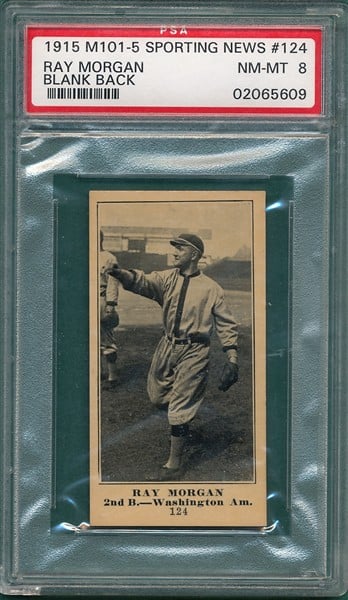
Ruth has two rookie cards, which creates its own market dynamics. This one sold for $6 million in 2022.
The 1916 version shows Ruth as a pitcher for the Red Sox, before anyone imagined he’d become baseball’s greatest hitter.
The card captured potential rather than achievement.
Sometimes that’s worth more — it holds the entire story in a single frame, before the story got told.
Michael Jordan’s 1986 Fleer Rookie Card
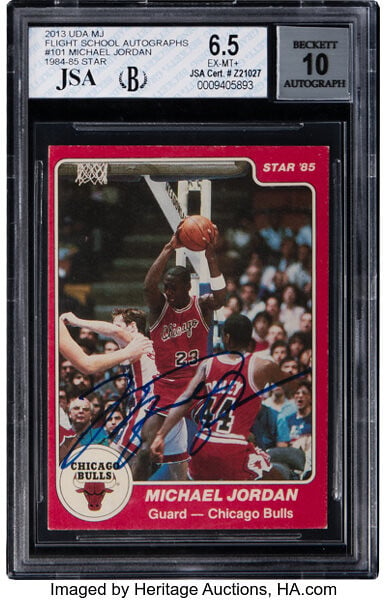
Basketball cards entered the conversation late but made up for lost time with determination that borders on aggression.
Jordan’s rookie card, in pristine condition, sold for $840,000, which seems modest until you remember that basketball cards barely existed as a serious market twenty years ago.
The 1986 Fleer set was basketball’s breakthrough moment — the first major card release that treated the sport like it mattered as much as baseball or football.
Jordan’s card wasn’t just capturing a rookie season; it was anchoring an entire industry that was figuring itself out in real time.
And here’s what’s telling about Jordan’s rookie card: it shows him mid-dribble, which is perfect because Jordan was always in motion, always between one impossible move and the next.
The card caught him being himself before the world knew who that was.
But the real value isn’t in the cardboard — it’s in timing.
Jordan’s rookie card launched during basketball’s golden age, just before MTV and highlight reels turned athletes into entertainment.
Lou Gehrig’s 1933 Goudey Card
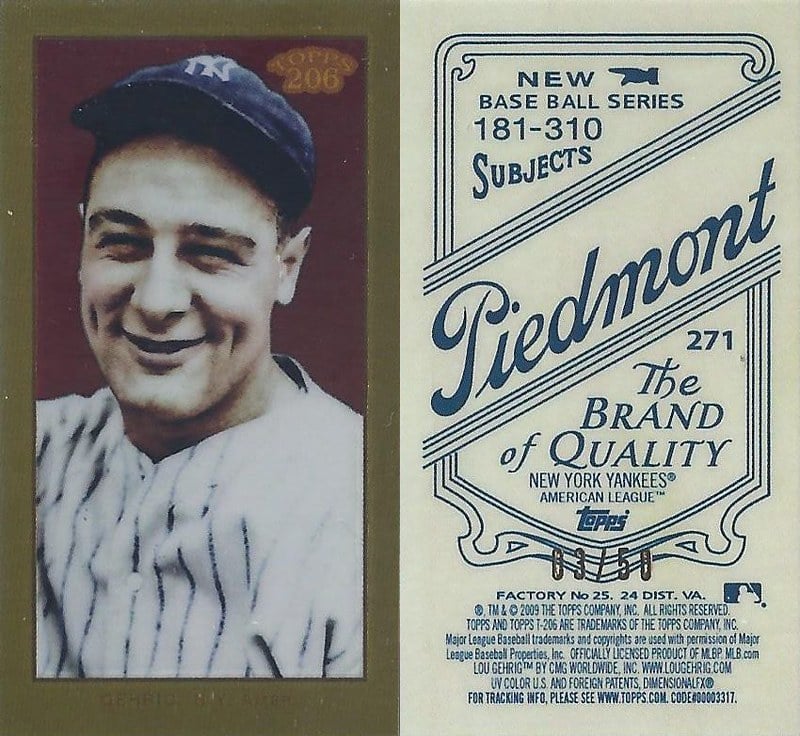
Gehrig gets overshadowed by Ruth and forgotten next to DiMaggio, but his 1933 Goudey card sold for $750,000.
The Iron Horse played 2,130 consecutive games, a record that stood for fifty-six years.
The card shows Gehrig in his prime, before ALS stole his strength and his life.
It’s not just a collectible — it’s evidence of durability in a sport that breaks everyone eventually.
Gehrig just lasted longer than most.
1957 Topps Hank Aaron Rookie Card
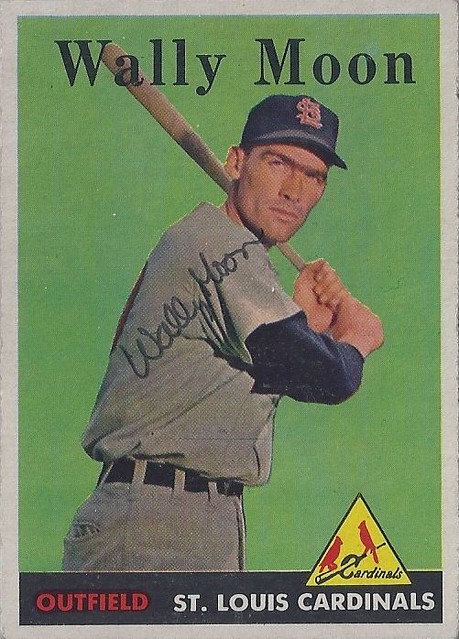
Aaron’s rookie card sold for $780,000, which feels appropriate for someone who broke Ruth’s home run record while receiving death threats.
The card was printed in 1957, seventeen years before Aaron would hit his 715th home run and change baseball forever.
The young face on the card doesn’t hint at the courage it would take to surpass Ruth.
That’s what makes rookie cards fascinating — they preserve potential before it gets tested by reality.
Wayne Gretzky’s 1979 Edmonton Oilers Game-Worn Jersey
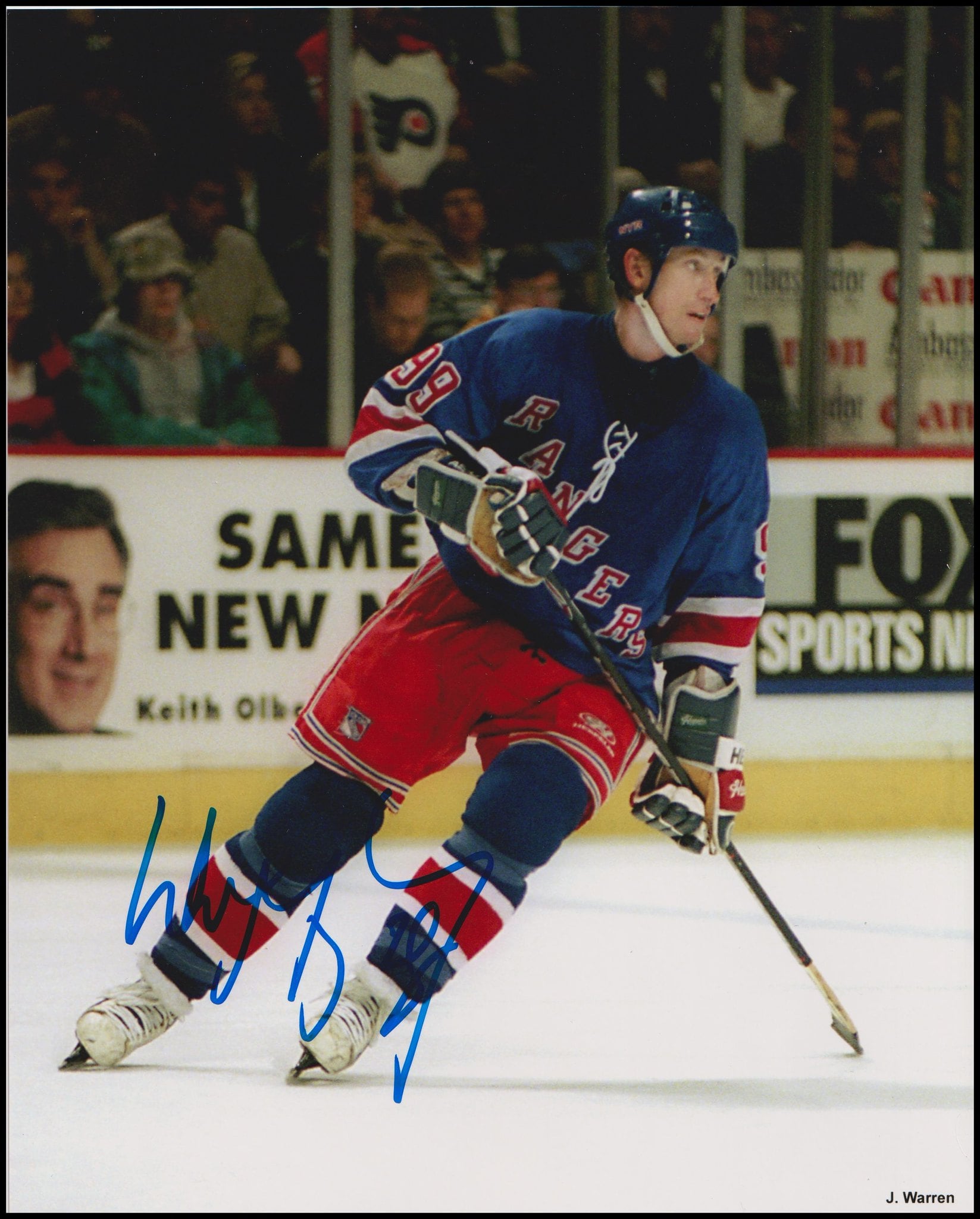
Game-worn jerseys carry different authority than cards (fabric absorbs impact in ways that cardboard never could, which explains why collectors pay premiums for authentication that proves the stains are real rather than decorative).
Gretzky’s jersey from his first NHL season sold for $1.4 million, and the price makes sense when you consider that it clothed the most dominant athlete in professional sports history during his rookie campaign.
The Edmonton Oilers were barely a franchise when Gretzky arrived — they’d just joined the NHL from the World Hockey Association, carrying the uncertainty that comes with expansion teams and unproven leagues.
But this jersey absorbed 51 goals and 86 assists from a teenager who was redefining what hockey excellence looked like, game by game, shift by shift.
And yet what’s remarkable about Gretzky’s rookie season isn’t just the statistics — it’s that he was playing against grown men who’d been professionals for years, and he was making them look slow.
So the jersey holds that contradiction: it fit an eighteen-year-old body that was playing hockey like a veteran.
The fabric witnessed greatness before greatness became expected, which is worth every penny of that million-dollar price tag.
1955 Topps Roberto Clemente Rookie Card
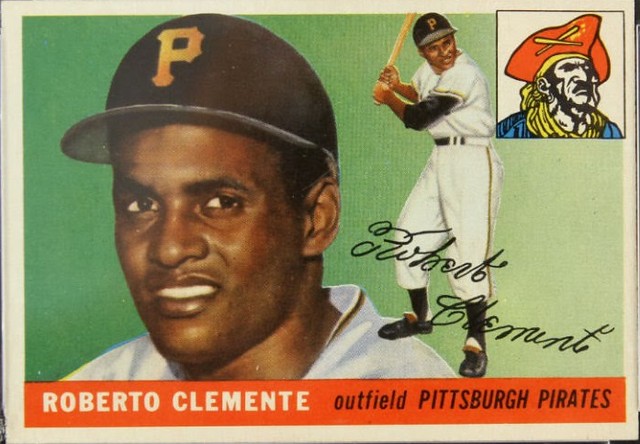
Clemente’s rookie card reached $1.1 million, honoring a player who died delivering humanitarian aid to earthquake victims in Nicaragua.
The card preserves him at twenty-one, decades before his death would make him larger than baseball.
Clemente won twelve Gold Gloves and hit exactly 3,000 hits.
The card shows none of that achievement, just the potential that would unfold over eighteen seasons.
Sometimes potential is worth more than results — it holds infinite possibility in a single frame.
Muhammad Ali’s 1965 Fight-Worn Trunks
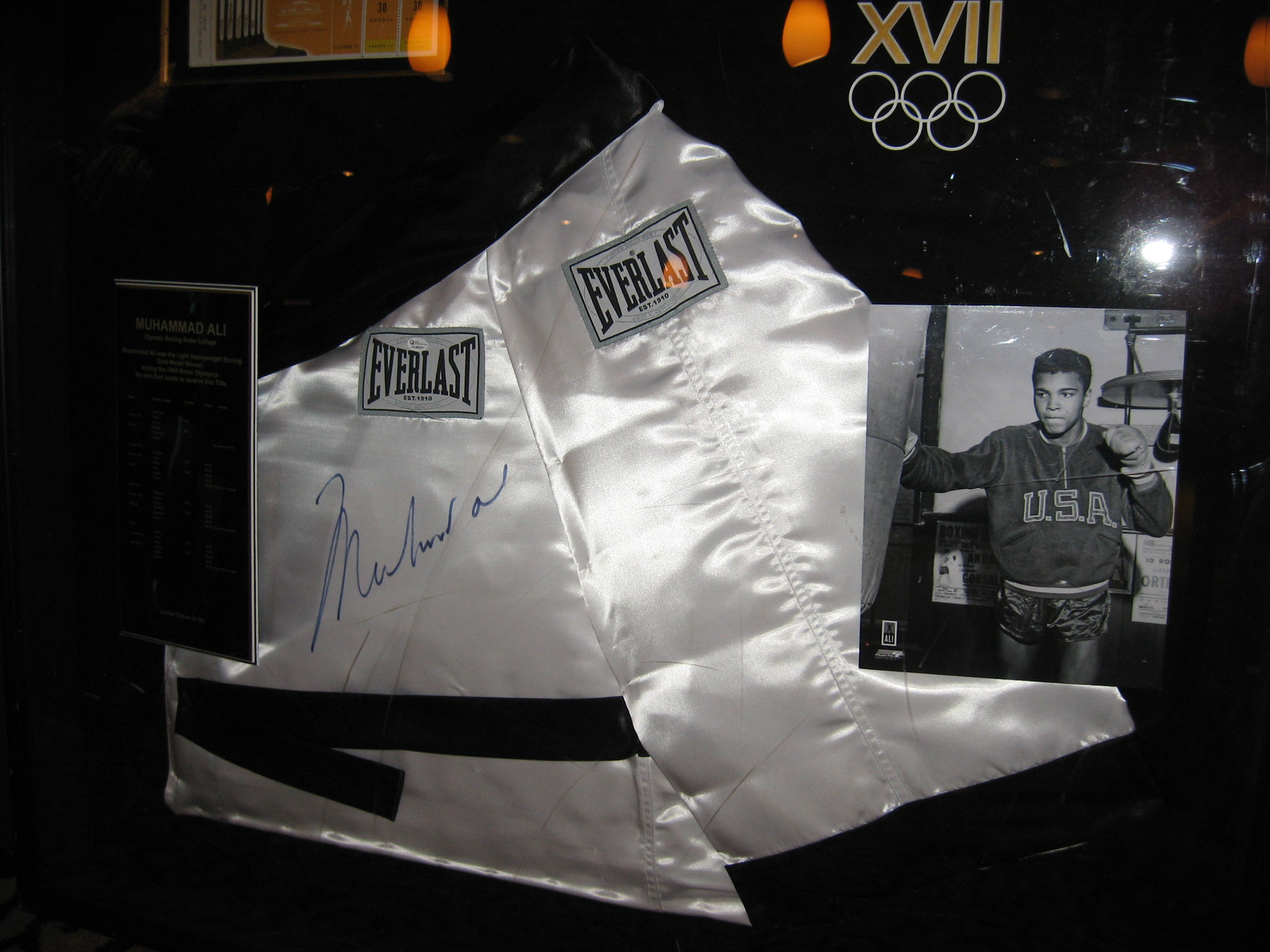
Boxing memorabilia operates by different rules than team sports, and Ali’s trunks from his 1965 victory over Floyd Patterson sold for $6.7 million.
These weren’t just athletic wear — they were political statements worn by someone who refused to separate sports from society.
Ali wore these trunks during his prime, before Vietnam, before his conversion to Islam cost him his career, before Parkinson’s stole his voice.
The fabric absorbed sweat from the greatest heavyweight who ever lived, at the exact moment when he was proving it to the world.
The Weight Of Memory
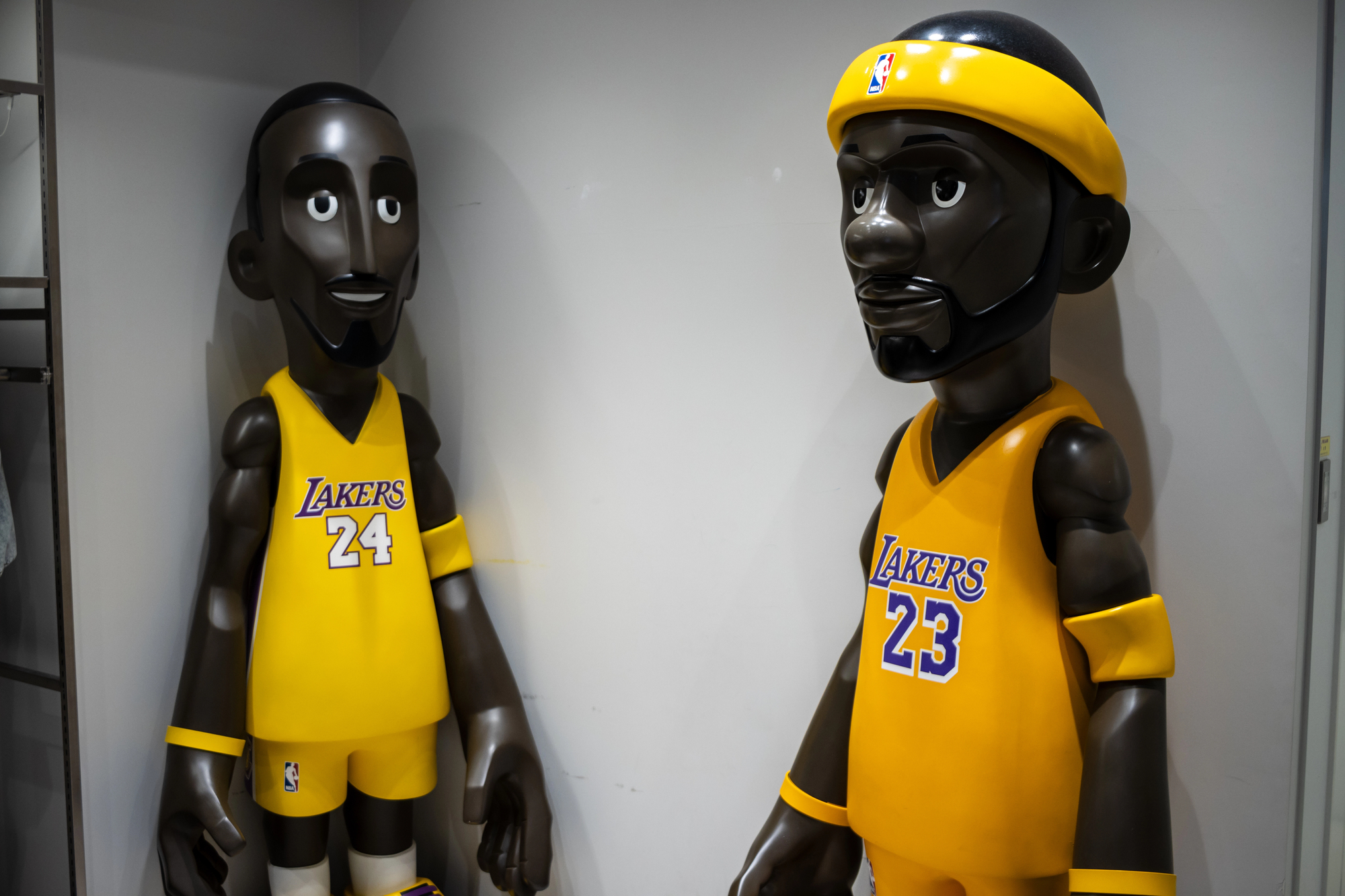
Auction records don’t just measure money — they weigh memory against desire, scarcity against demand.
These objects survived because someone cared enough to preserve them, and now they command fortunes because others care enough to own them.
The cardboard and fabric hold stories that photographs can’t capture and statistics can’t measure.
They absorbed greatness when it was happening, before anyone knew it would become legendary.
More from Go2Tutors!

- The Romanov Crown Jewels and Their Tragic Fate
- 13 Historical Mysteries That Science Still Can’t Solve
- Famous Hoaxes That Fooled the World for Years
- 15 Child Stars with Tragic Adult Lives
- 16 Famous Jewelry Pieces in History
Like Go2Tutors’s content? Follow us on MSN.