16 Vintage Digital Cameras Everyone Is Buying Today
Digital photography wasn’t always sleek smartphones and mirror-less perfection. There was a time when cameras had actual weight to them, when you could hear the shutter mechanism working, and when taking a photo felt deliberate rather than casual.
Those cameras are back in a big way. Not as museum pieces or nostalgic decorations, but as working tools that photographers are actively seeking out and using.
The appeal isn’t just aesthetic, though the chunky silver bodies and satisfying button clicks certainly don’t hurt. These vintage digital cameras produce images with character that modern equipment often smooths away.
They force you to slow down, think about your shots, and work within limitations that can actually spark creativity rather than stifle it.
Canon EOS 5D
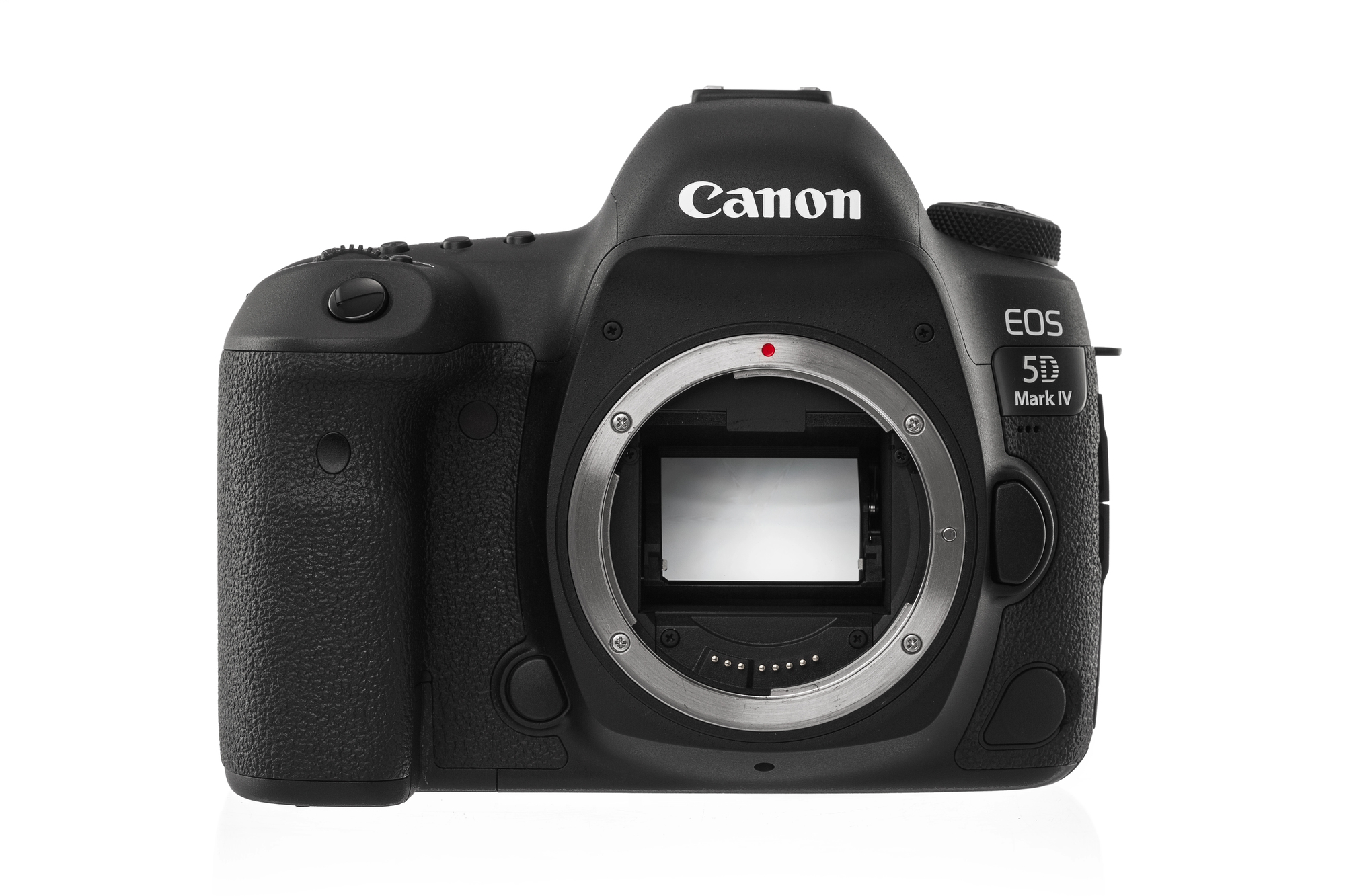
The original 5D changed everything when it arrived in 2005. Full-frame sensor in a body that didn’t require a second mortgage.
Most photographers have forgotten how revolutionary this felt at the time. Before the 5D, full-frame meant professional-grade prices that kept most serious amateurs locked out.
This camera broke that barrier without apology. The image quality still holds up remarkably well for a nearly 20-year-old sensor.
The colors have a warmth that newer cameras sometimes struggle to replicate, even with careful post-processing.
Nikon D700
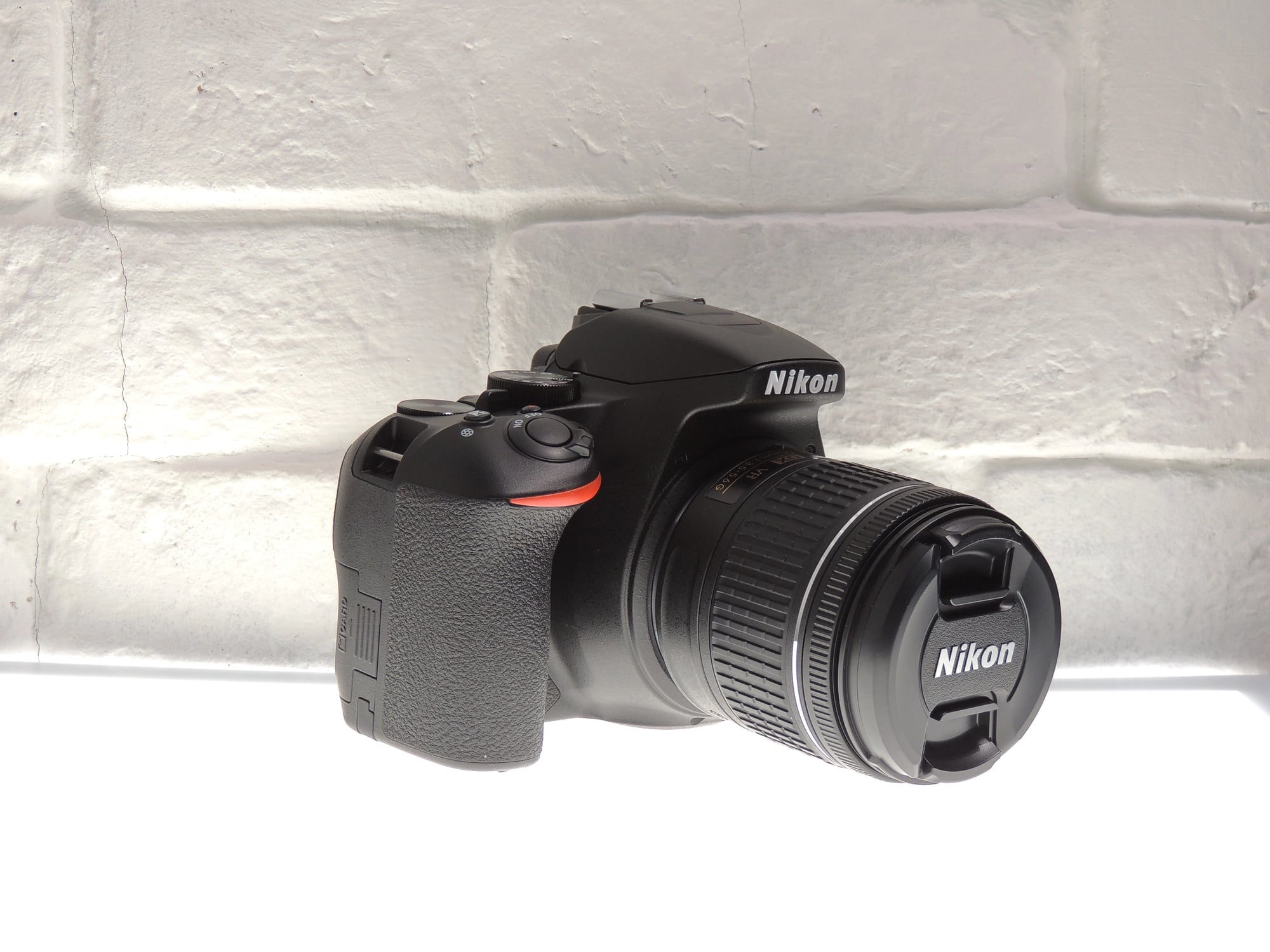
Here’s the thing about the D700 that people who never used one professionally don’t understand (and there were plenty of wedding photographers who built entire careers around this body): it handled low light situations with a confidence that bordered on arrogance, producing clean images at ISO settings where other cameras of its era would throw in the towel.
The dynamic range was generous enough to forgive minor exposure mistakes, which meant you could push the shadows and pull back highlights in ways that felt almost reckless at the time.
And the build quality — that solid, tank-like construction that suggested it could survive being dropped down a flight of stairs and still fire up for the next shoot.
So photographers kept using them long after newer models arrived.
The autofocus system, while not lightning-fast by today’s standards, had a deliberate precision that forced you to be more intentional about focus points rather than relying on the camera to guess what you wanted sharp.
Canon PowerShot G1
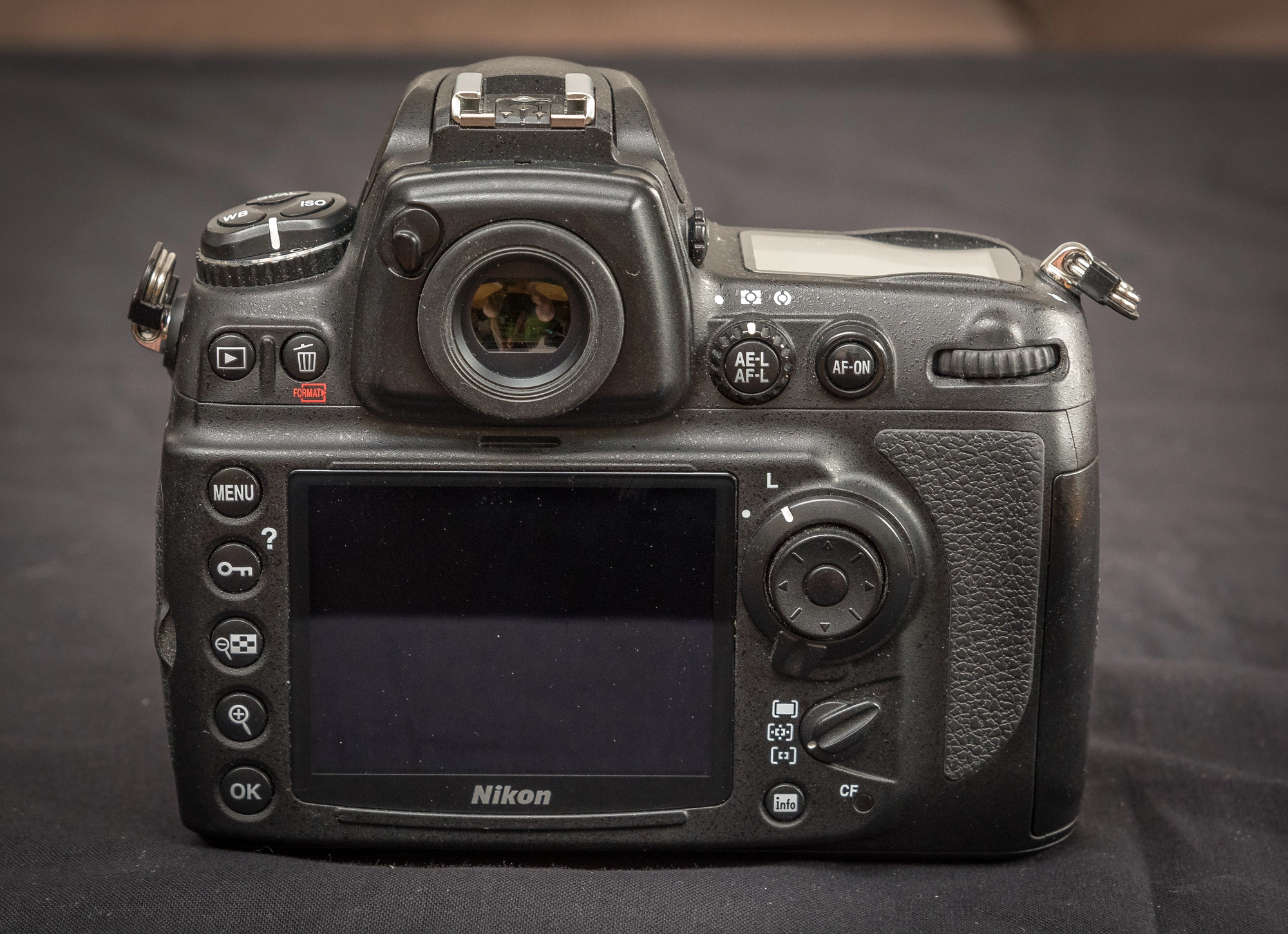
Compact cameras used to mean something different. The G1 proved you could get serious image quality without hauling around a full DSLR setup.
This was Canon’s answer to photographers who wanted control over their settings but didn’t always want to carry a camera bag.
Fixed lens, but a good one. Manual controls that actually felt responsive under your fingers.
The G1 has developed a cult following among street photographers who appreciate its understated appearance and quiet operation.
Fujifilm FinePix S2 Pro
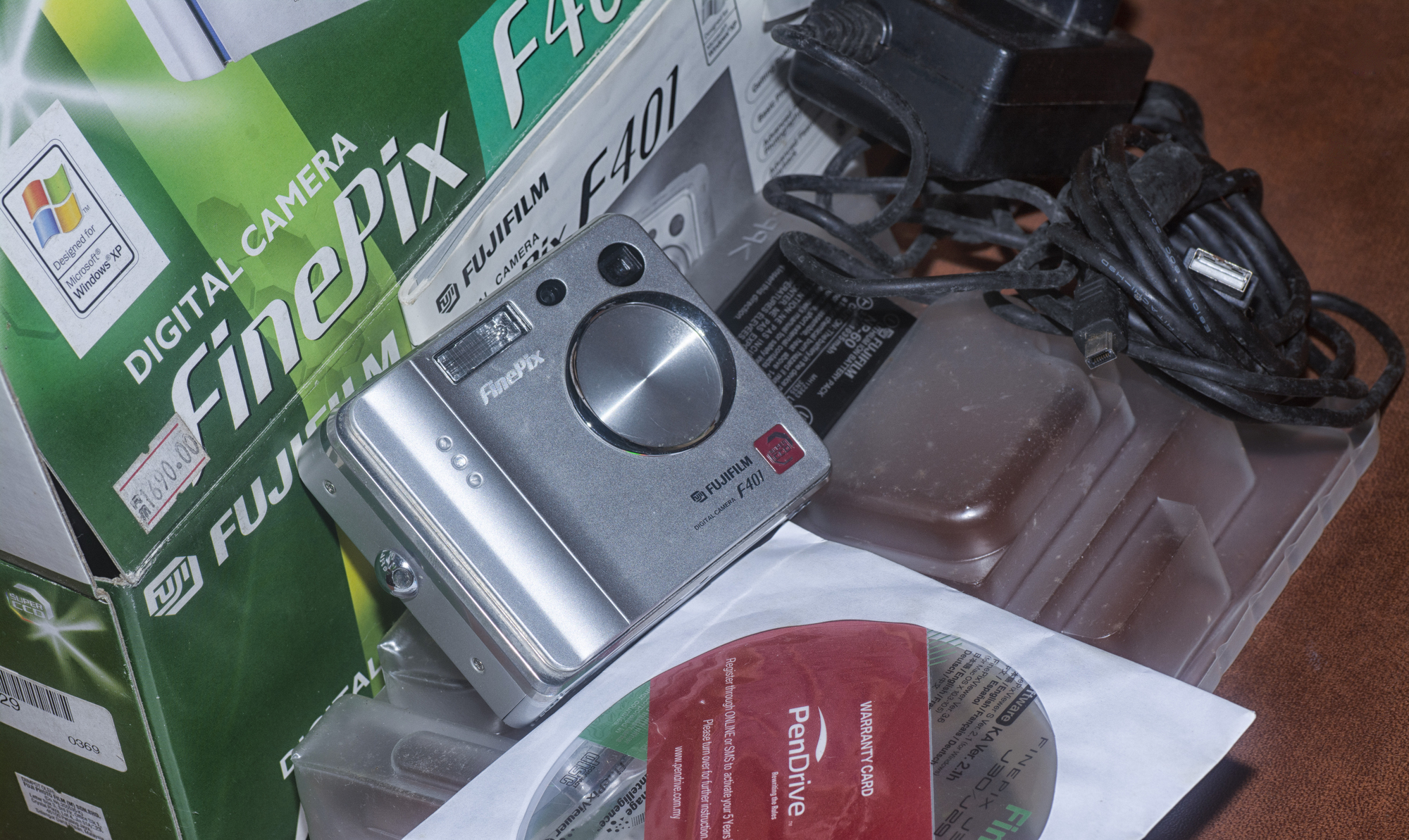
The S2 Pro occupies this peculiar space in digital camera history where Fujifilm took a Nikon F80 film camera body and stuffed their own sensor technology inside — a sensor that used two different photodiode sizes on each pixel location to capture an extended dynamic range that, frankly, shouldn’t have worked as well as it did (but somehow produced images with a film-like quality that other digital cameras were still struggling to achieve).
The color science was unmistakably Fujifilm: rich, saturated, with skin tones that required minimal correction straight out of the camera.
Portrait photographers, in particular, gravitated toward the S2 Pro because it handled color transitions in ways that felt natural rather than digital.
But the camera was slow. Painfully slow by any standard.
Wedding photographers who used the S2 Pro learned patience in ways that bordered on meditation. The buffer would fill quickly, and you’d wait.
And wait.
Olympus E-1
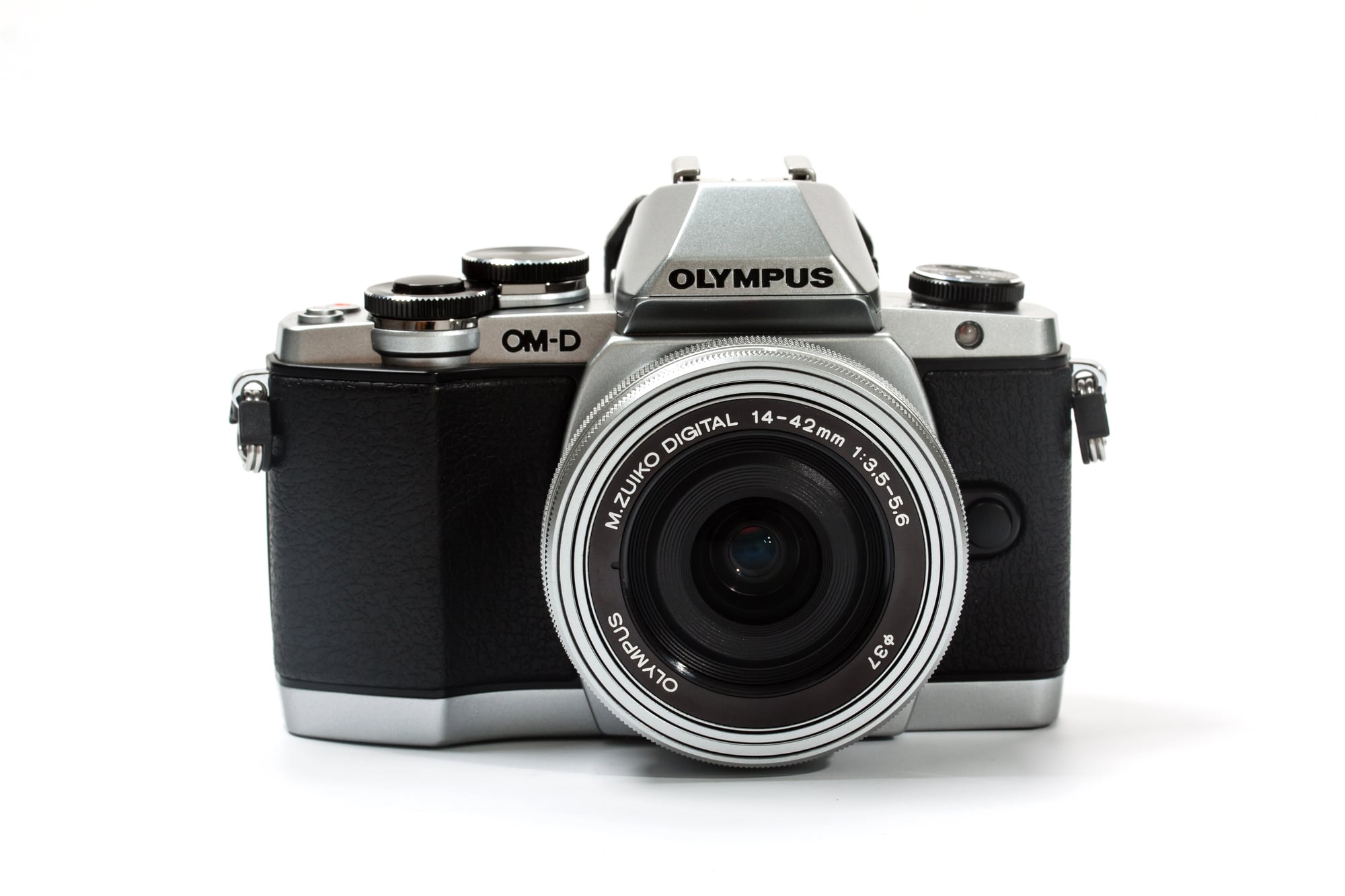
Four Thirds was supposed to be the future of digital photography. Smaller sensors, more compact lenses, professional build quality without the bulk.
The E-1 was Olympus showing everyone exactly what Four Thirds could accomplish when done right.
Weather sealing that actually worked. Colors that popped straight out of camera without looking oversaturated.
A shutter sound that felt substantial without being obnoxiously loud.
The system never quite caught on the way Olympus hoped, but photographers who used the E-1 remember it fondly for good reason.
Canon EOS 20D
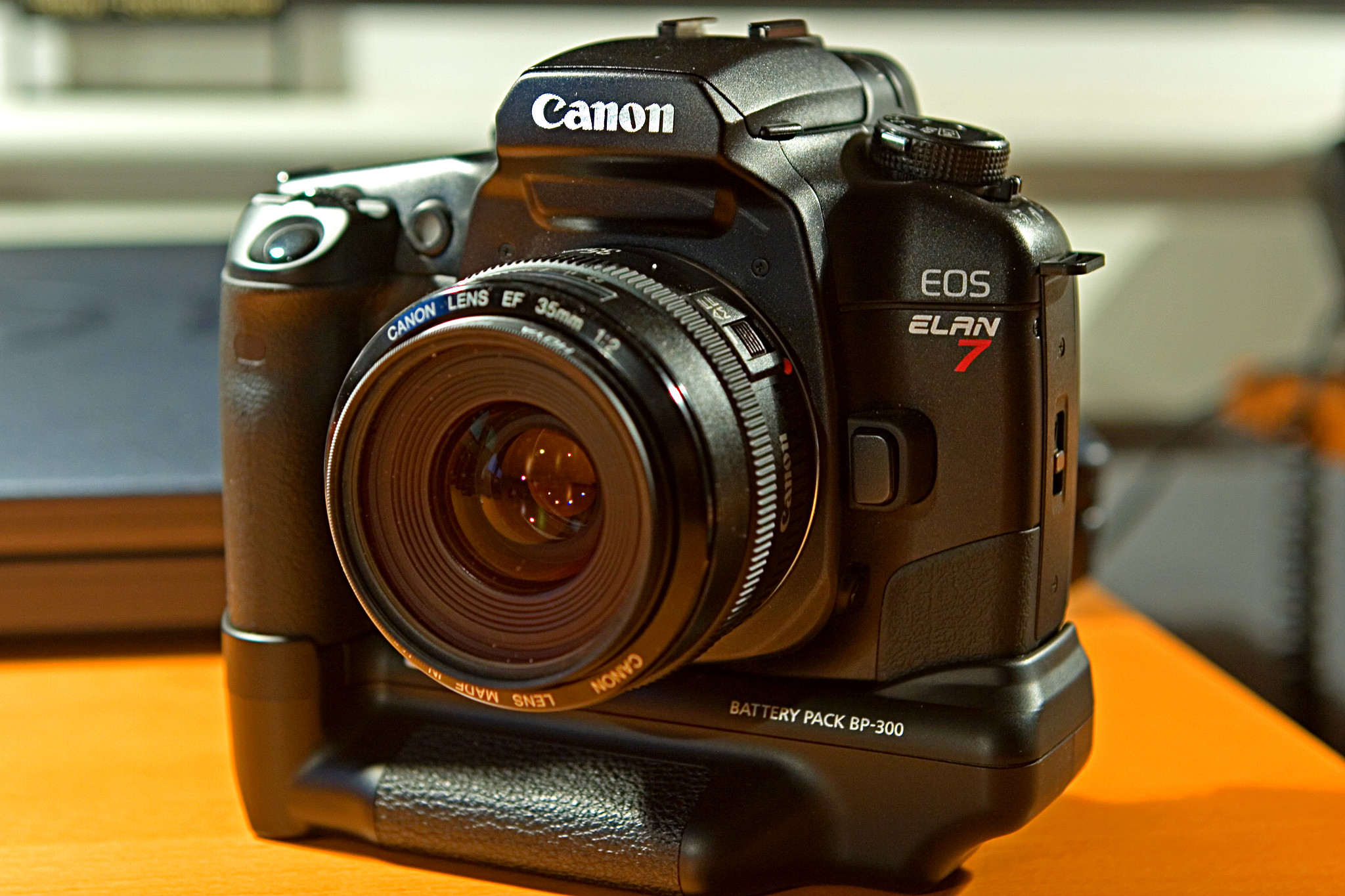
There’s something to be said for cameras that know exactly what they are and don’t try to be anything else.
The 20D was Canon’s enthusiast DSLR that hit a sweet spot between features and price that competitors struggled to match.
It wasn’t trying to be a professional workhorse or a beginner-friendly point-and-shoot — it was designed for photographers who understood the basics and wanted a tool that would get out of their way.
The 20D had this particular quality to its JPEG engine that produced images with a slight warmth that felt organic rather than processed.
Film photographers transitioning to digital often found the 20D’s color rendering more familiar than some of the clinically accurate alternatives available at the time.
Sony Mavica FD-91
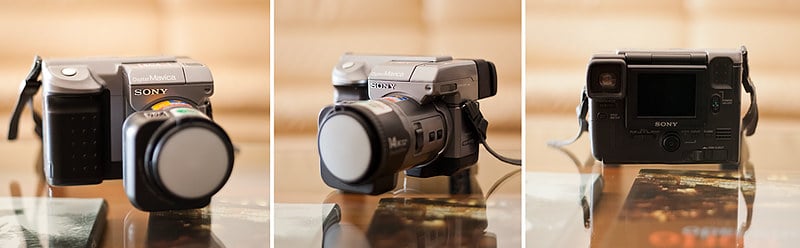
The Mavica series represents one of those technological dead ends that somehow feels more interesting now than it did when it was current.
Floppy disks as storage media in a digital camera sounds absurd until you remember that in 1999, most computers still had floppy drives, and the ability to pop a disk out of your camera and directly into your PC was genuinely convenient.
The FD-91 took this concept about as far as it could reasonably go, with a 14x zoom lens that was genuinely impressive for its time.
Image quality was never the strong suit — these were utilitarian cameras for people who needed to document things quickly and transfer them easily.
Real estate agents loved them. Insurance adjusters loved them.
Anyone who needed decent-enough photos without fuss gravitated toward the Mavica line.
The sound the floppy drive made while saving images — that mechanical whirring and clicking — became part of the shooting experience in a way that modern silent storage simply can’t replicate.
Nikon D200
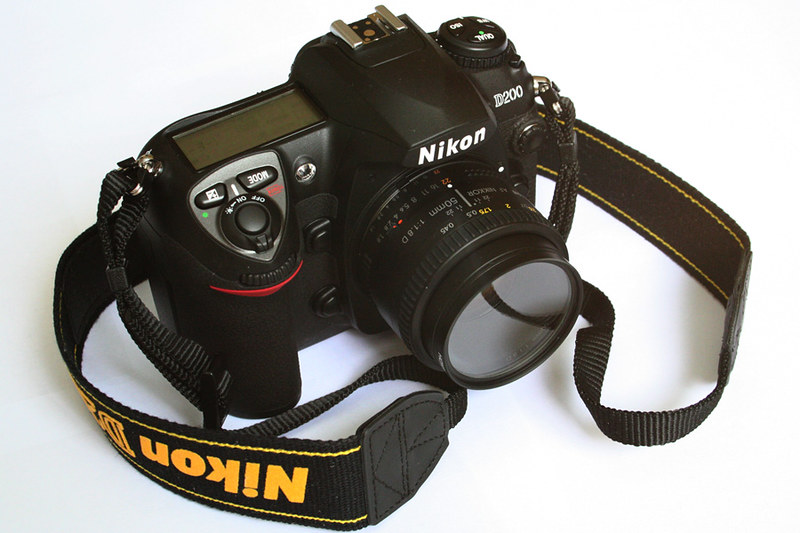
The D200 was Nikon’s attempt to build the perfect enthusiast camera.
Ten megapixels felt luxurious in 2005. The build quality rivaled cameras costing twice as much.
Professional photographers often kept a D200 as a backup body because it performed so similarly to their primary cameras.
The autofocus was reliable, the metering was accurate, and the overall handling felt natural in ways that some more feature-heavy cameras did not.
Battery life was exceptional by any standard, digital or otherwise.
A single charge could last through weekend shooting sessions without anxiety.
Canon EOS 300D
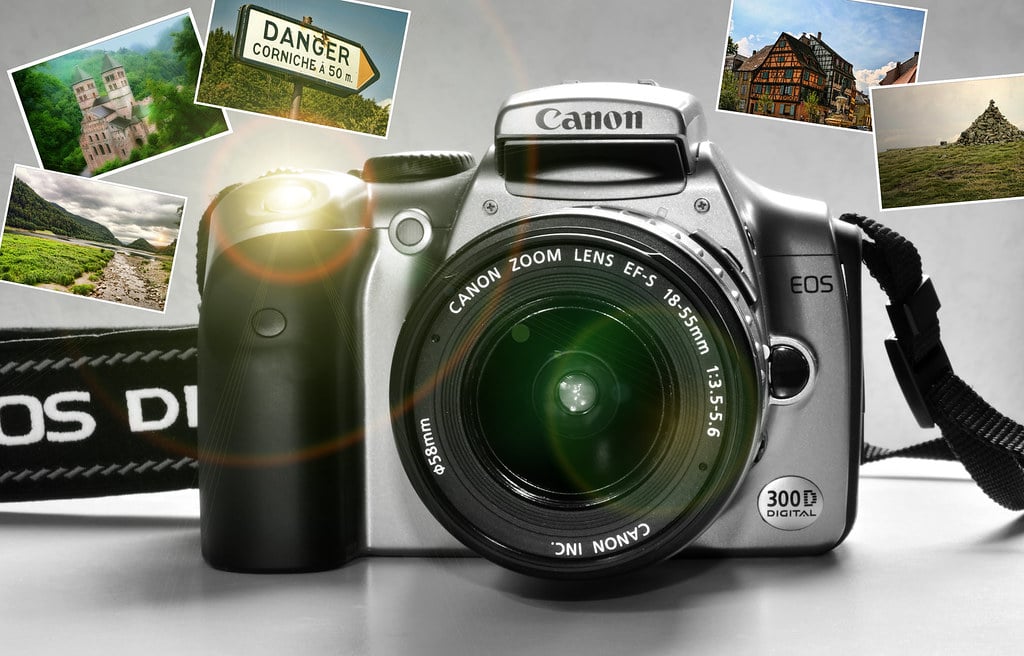
Digital SLRs used to cost serious money.
The 300D changed that conversation entirely by proving that accessible pricing didn’t require compromising on image quality.
This was many photographers’ first DSLR, and it spoiled them with capabilities that seemed magical coming from film or point-and-shoot digital cameras.
The ability to review images immediately, adjust ISO settings on the fly, and shoot hundreds of frames without worrying about film costs opened up creative possibilities that hadn’t existed before.
The 300D’s JPEG processing was surprisingly good straight out of camera, which mattered more then than it does now since RAW workflow software was still relatively primitive.
Pentax*ist D
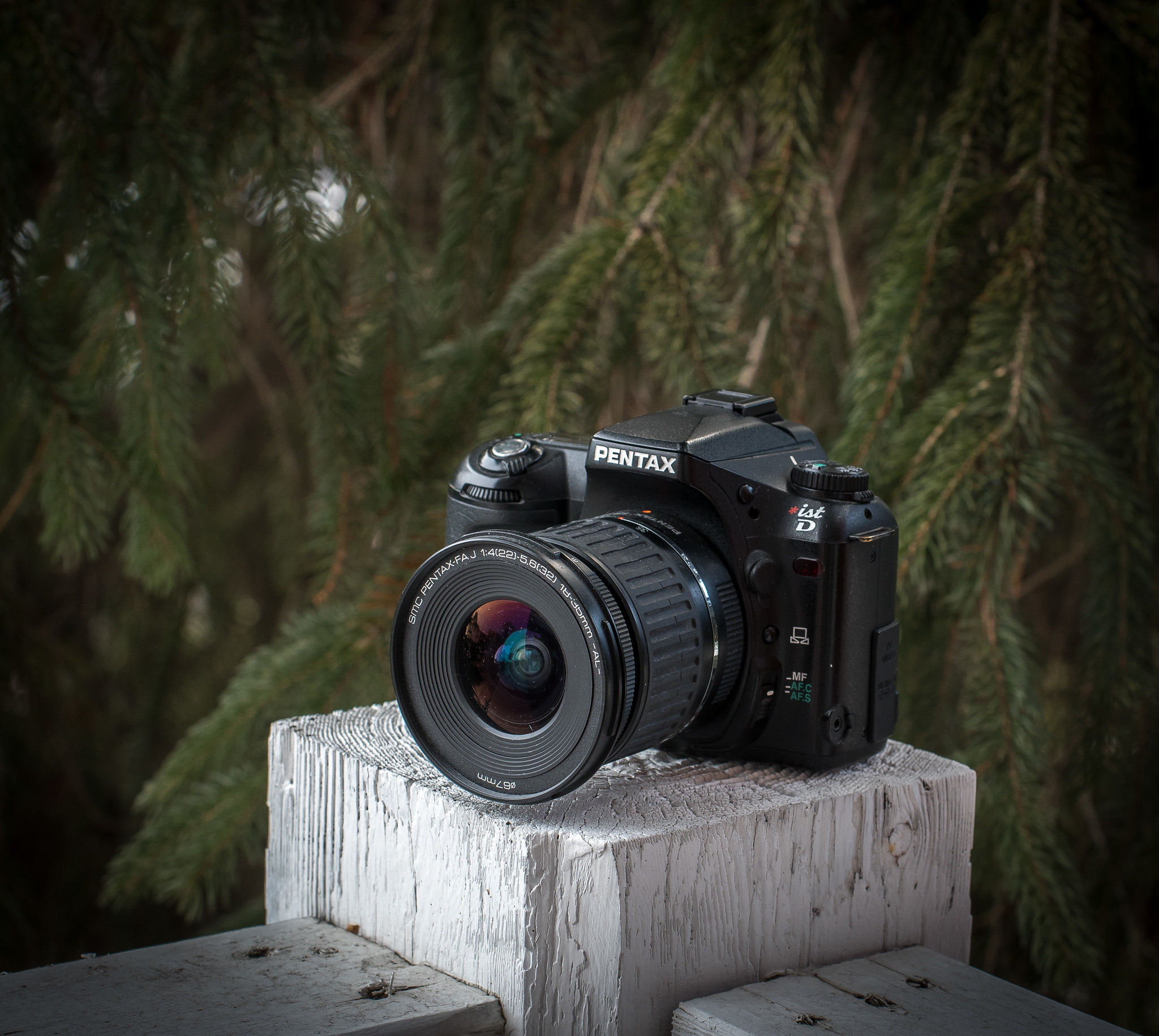
Pentax has always occupied this interesting position in the camera world where their engineering is genuinely excellent but their marketing presence never quite matches their technical achievements — the *ist D being a perfect example of this phenomenon, arriving with features and build quality that easily competed with Canon and Nikon offerings while somehow flying under the radar of many photographers who might have appreciated what it brought to the table.
The camera felt solid in ways that suggested it was built to last decades rather than years, with weather sealing that actually worked and a user interface that made sense without requiring constant reference to the manual.
And then there was the compatibility with decades of Pentax K-mount lenses, many of which could be found at reasonable prices precisely because Pentax never achieved the market dominance that drove up lens prices for other systems.
The *ist D produced images with a color signature that was distinctly Pentax — slightly cooler than Canon, warmer than Nikon, with excellent dynamic range that handled high-contrast situations gracefully.
Sigma SD9
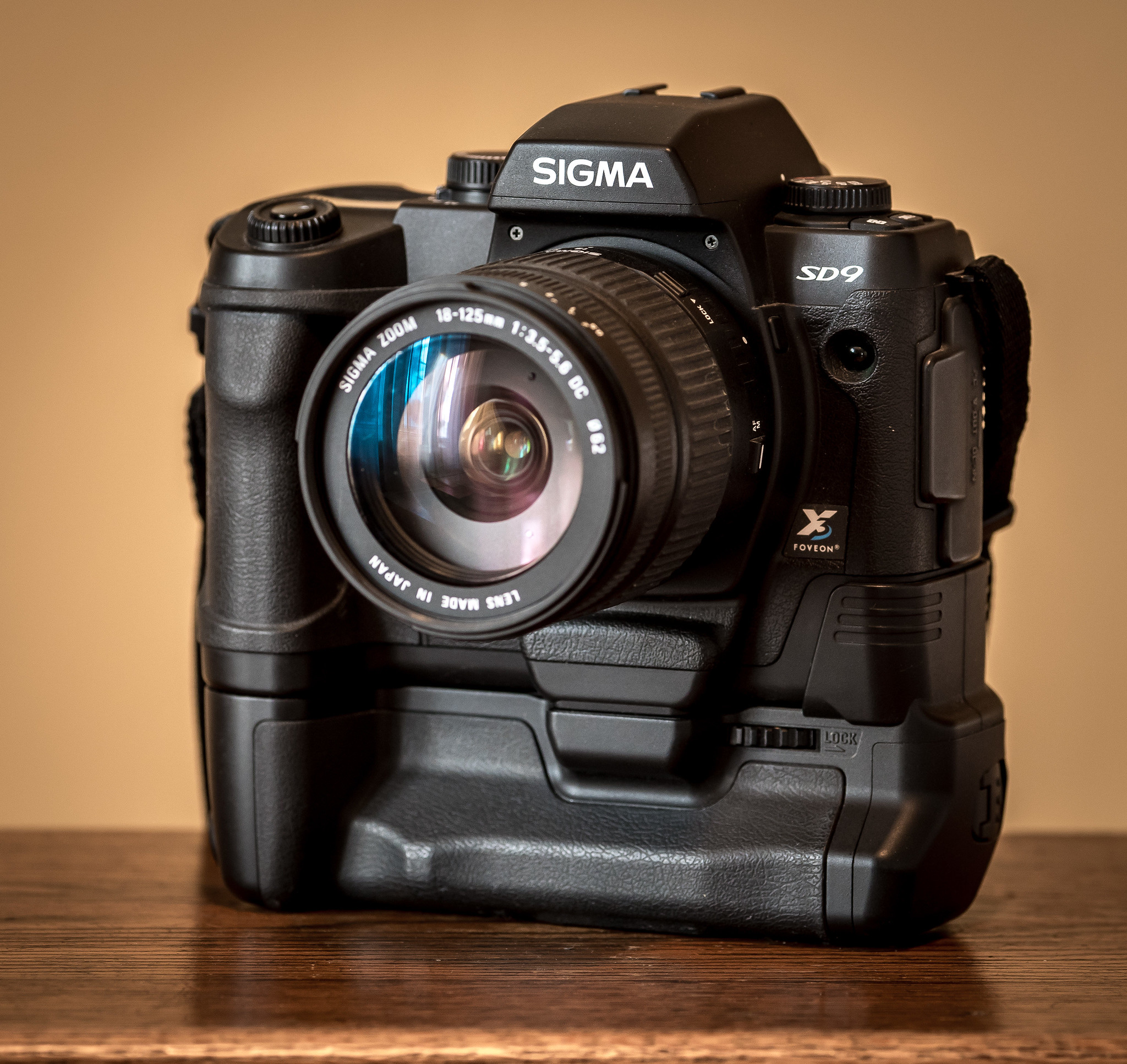
The Foveon sensor in the SD9 represents one of photography’s most interesting what-if scenarios.
Instead of using a traditional Bayer array with color filters, Foveon sensors captured red, green, and blue light at different depths within the silicon itself.
The results were genuinely unique.
When the SD9 worked well, it produced images with a resolution and color accuracy that seemed to exceed its technical specifications.
Fine details rendered with an almost medium-format clarity that impressed photographers who were used to more conventional sensors.
When it didn’t work well — which was often — the SD9 could produce strange color shifts and noise patterns that no amount of post-processing could completely eliminate.
Konica Minolta DiMAGE A2
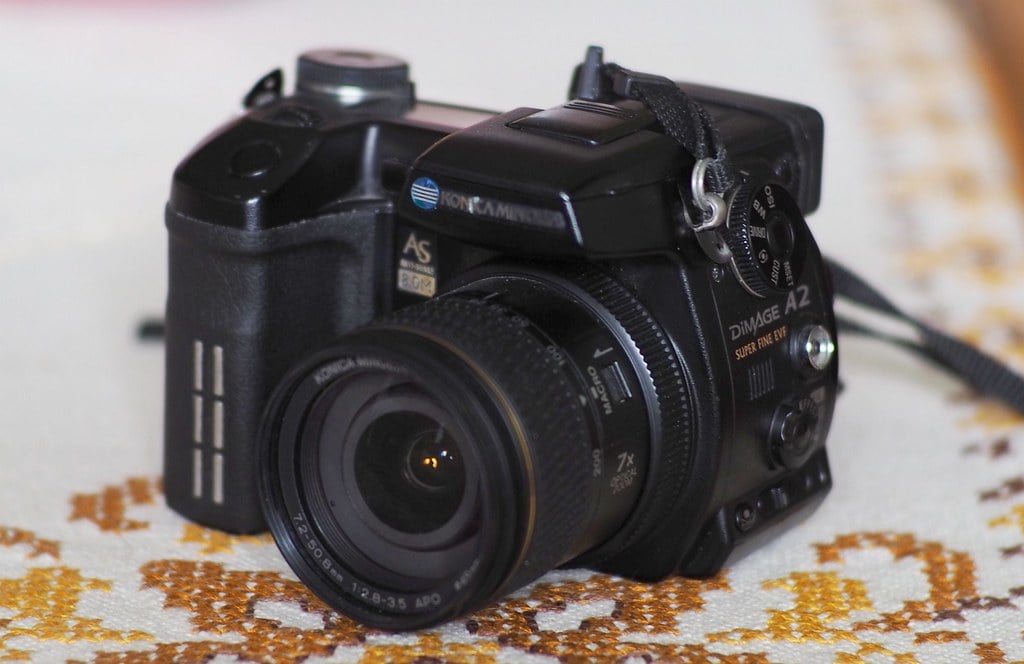
The A2 belonged to that brief era when camera manufacturers were experimenting with all-in-one designs that tried to eliminate the need for interchangeable lenses entirely.
The approach made sense on paper: one camera, one excellent lens, coverage from wide-angle through telephoto without the bulk and expense of a full system.
Minolta’s execution was particularly thoughtful.
The 28-200mm equivalent lens was genuinely good across its entire zoom range, which couldn’t be said for many competing designs.
The anti-shake system worked well enough to enable handheld telephoto shots that would have required a tripod with other cameras of its era.
The electronic viewfinder was large and bright by the standards of its time, though it still couldn’t quite match the immediacy of an optical viewfinder for fast-moving subjects.
Canon EOS 10D
The 10D established the template for what enthusiast DSLRs could be.
Not quite professional grade, but serious enough for photographers who understood their craft and wanted tools that matched their ambitions.
Canon’s color science was hitting its stride by the time the 10D arrived.
Images had a natural warmth that required minimal post-processing for most shooting situations.
Skin tones rendered beautifully straight out of camera, which made the 10D popular with portrait photographers working in natural light.
The magnesium alloy construction felt substantial without being unnecessarily heavy.
Build quality that suggested Canon was taking the enthusiast market seriously rather than treating it as an afterthought.
Olympus C-8080 Wide Zoom
Fixed-lens cameras with professional aspirations were having a moment in the early 2000s, and the C-8080 represented Olympus pushing this concept as far as it could reasonably go.
The 28-140mm equivalent lens was sharp throughout its range and the wide-angle end was genuinely wide by the standards of its time.
What set the C-8080 apart was its manual controls.
Real aperture and shutter speed dials that clicked into position with satisfying precision.
A camera that encouraged you to think about exposure settings rather than leaving everything to automatic modes.
The eight-megapixel sensor produced images with excellent detail and Olympus’s characteristically vibrant color rendering that made landscapes and nature photography particularly rewarding.
Nikon Coolpix 8700
Nikon’s approach to the enthusiast compact camera market emphasized optical quality above all else.
The 8700’s lens was genuinely impressive — sharp, with minimal distortion, and a zoom range that covered most practical shooting situations.
The camera felt substantial in ways that suggested serious engineering rather than cost-cutting compromises.
Metal construction where it mattered, with controls that operated smoothly and precisely even after extended use.
Professional photographers often kept a Coolpix 8700 as a backup camera or for situations where a full DSLR setup would be impractical but image quality still mattered.
The results were good enough for professional work when needed.
Sony Alpha A100
Sony’s entry into the DSLR market came with the confidence of a company that understood both sensors and electronics manufacturing.
The A100 inherited the excellent Minolta autofocus system and lens mount, giving it immediate access to decades of high-quality glass.
The in-body stabilization, carried over from Konica Minolta’s proven Anti-Shake system, meant that every lens became a stabilized lens — a significant practical advantage that opened up handheld shooting in situations that previously required a tripod.
Telephoto work improved dramatically.
Sony’s color science in those early Alpha cameras had a distinctive look — slightly cooler than Canon, with excellent shadow detail that made post-processing more forgiving than some competing systems.
Finding Magic In The Past
The revival of these vintage digital cameras isn’t just nostalgia dressed up as practicality.
These machines possess qualities that modern equipment, for all its technical superiority, sometimes lacks.
They force deliberation in an age of spray-and-pray shooting.
Their limitations become creative constraints rather than technical barriers.
There’s something to be said for cameras that make you work a little harder for your images.
The satisfaction of nailing focus manually, of choosing your moment carefully because the buffer is limited, of learning to see light the way your specific sensor interprets it — these become part of the creative process rather than obstacles to overcome.
More from Go2Tutors!

- The Romanov Crown Jewels and Their Tragic Fate
- 13 Historical Mysteries That Science Still Can’t Solve
- Famous Hoaxes That Fooled the World for Years
- 15 Child Stars with Tragic Adult Lives
- 16 Famous Jewelry Pieces in History
Like Go2Tutors’s content? Follow us on MSN.