16 Lighting Methods That Shaped Daily Schedules
Throughout human history, the way we light our world has fundamentally changed how we organize our days and nights. From the earliest torches to modern LED systems, each advancement in lighting technology didn’t just brighten our surroundings—it revolutionized when we worked, ate, socialized, and slept.
The evolution of artificial light essentially gave us more hours in each day, stretching productive time well beyond sunset. Here is a list of 16 lighting methods that dramatically altered how humans structure their daily routines.
Fire and Torches
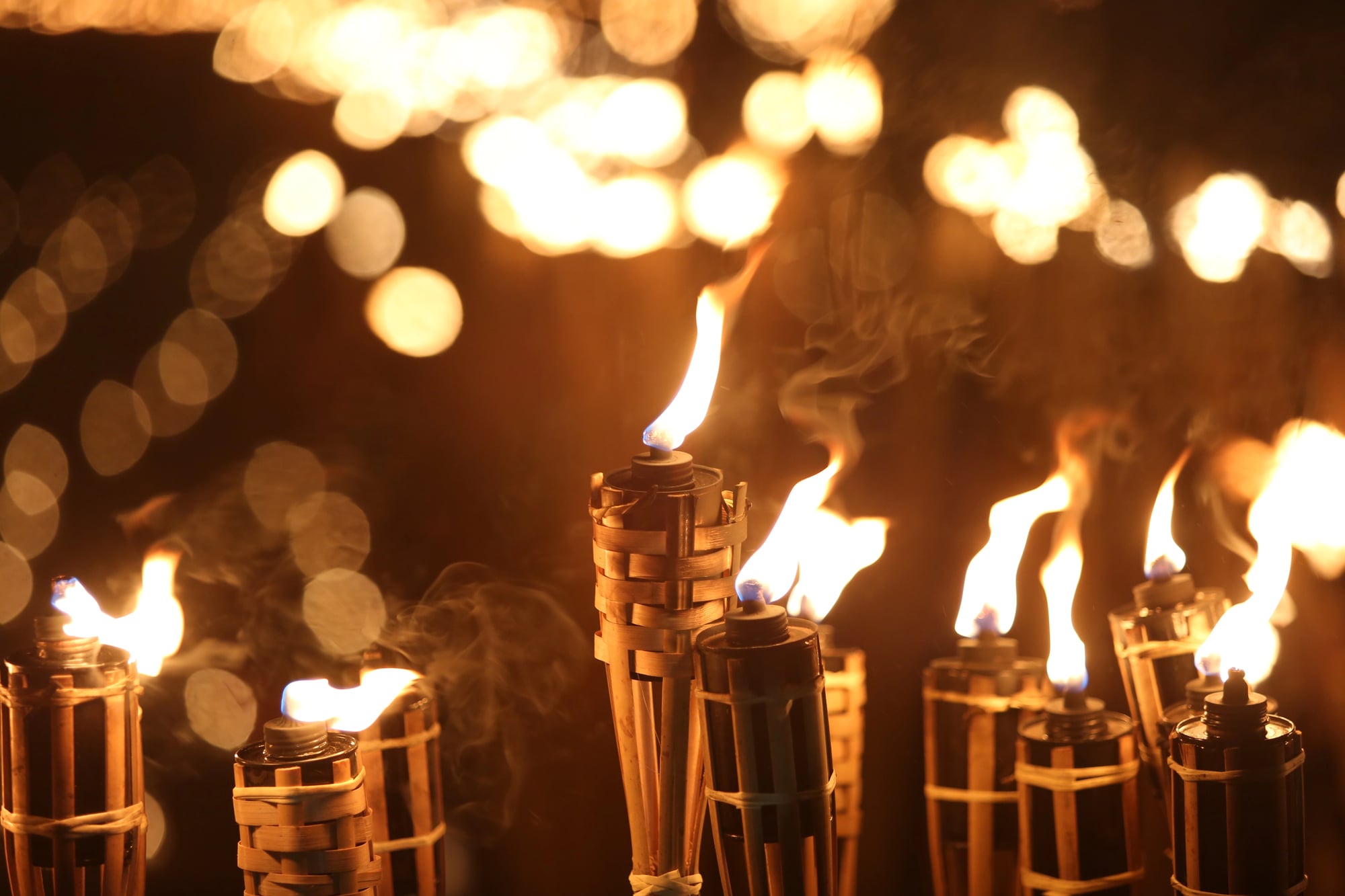
The discovery of controlled fire marked humanity’s first major victory over darkness. Early humans could now extend their active hours beyond daylight, cooking food after dark and maintaining social gatherings around the flames.
This simple technology allowed communities to develop more complex social structures since people could gather and communicate long after the sun disappeared.
Oil Lamps

Ancient civilizations perfected the oil lamp, using everything from animal fat to olive oil as fuel. These portable light sources meant that indoor activities could continue well into the evening, fundamentally changing domestic life.
Families could now prepare meals, craft tools, and tend to household tasks regardless of the time of day, making daily schedules more flexible than ever before.
Candles
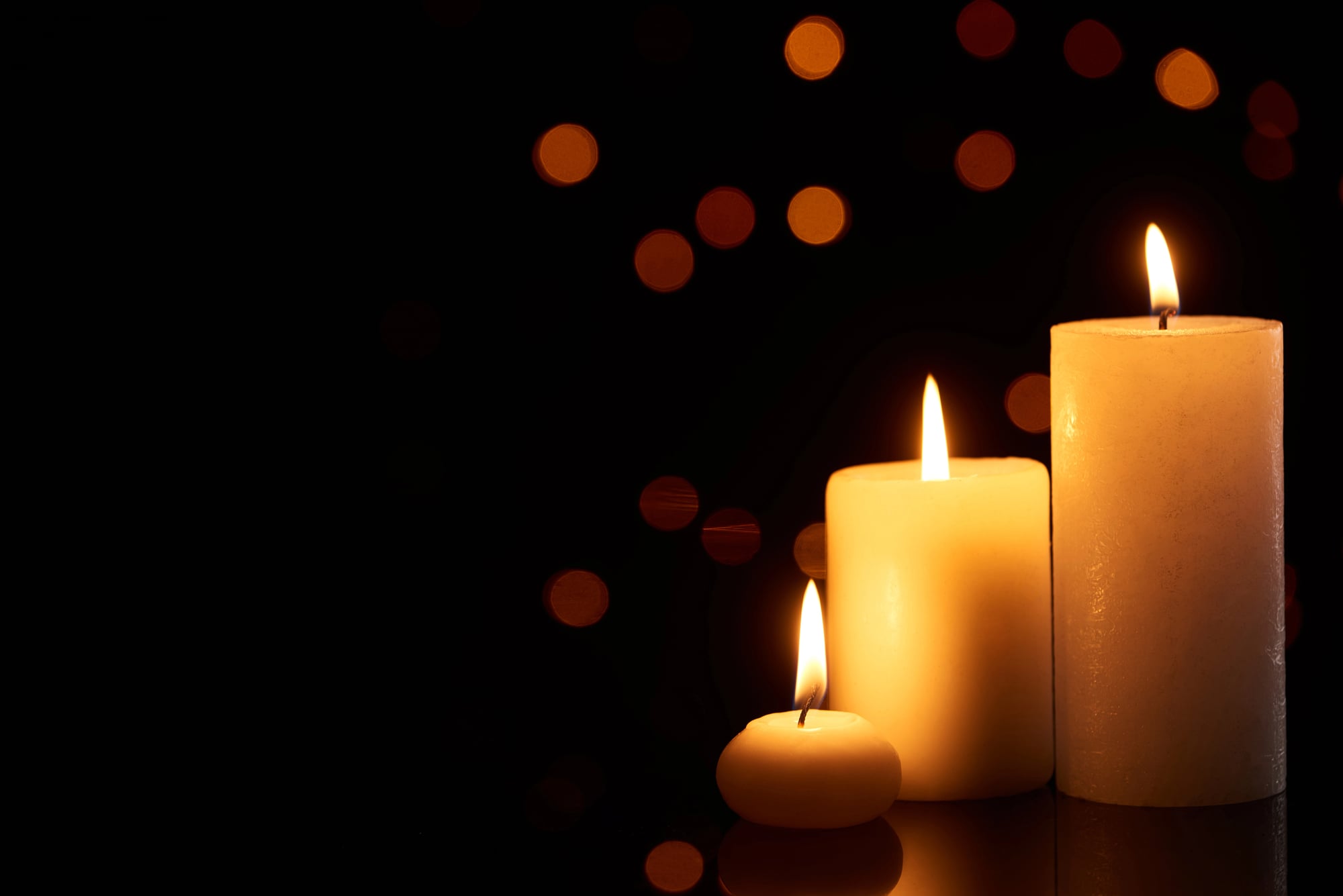
Candles brought a new level of convenience to artificial lighting since they required no additional fuel or maintenance during use. Medieval monasteries structured their entire daily schedules around canonical hours, with candles marking prayer times throughout the night.
The wealthy could afford multiple candles, extending their evening social activities and allowing for late-night reading and writing.
Whale Oil Lamps

The whaling industry of the 18th and 19th centuries produced incredibly bright, clean-burning oil that transformed evening activities. Whale oil lamps burned so efficiently that they allowed for detailed work like sewing, reading, and writing long after sunset.
This superior lighting quality meant that productive work hours could extend deep into the night, particularly in coastal cities where whale oil was readily available.
Kerosene Lamps

Kerosene became the first widely affordable bright lighting option for ordinary families in the mid-1800s. Unlike expensive whale oil, kerosene was cheap enough for most households to use regularly, democratizing extended evening hours.
Rural families could now maintain consistent daily routines regardless of seasonal daylight changes, with children able to study after dark and adults continuing household work.
Gaslight

Cities that installed gas lighting systems in the early 1800s experienced a dramatic shift in urban life patterns. Streets became safe to navigate after dark, leading to the development of evening entertainment districts and night markets.
Workers could commend longer hours, and social activities moved from being strictly daytime affairs to round-the-clock possibilities.
Carbon Arc Lamps
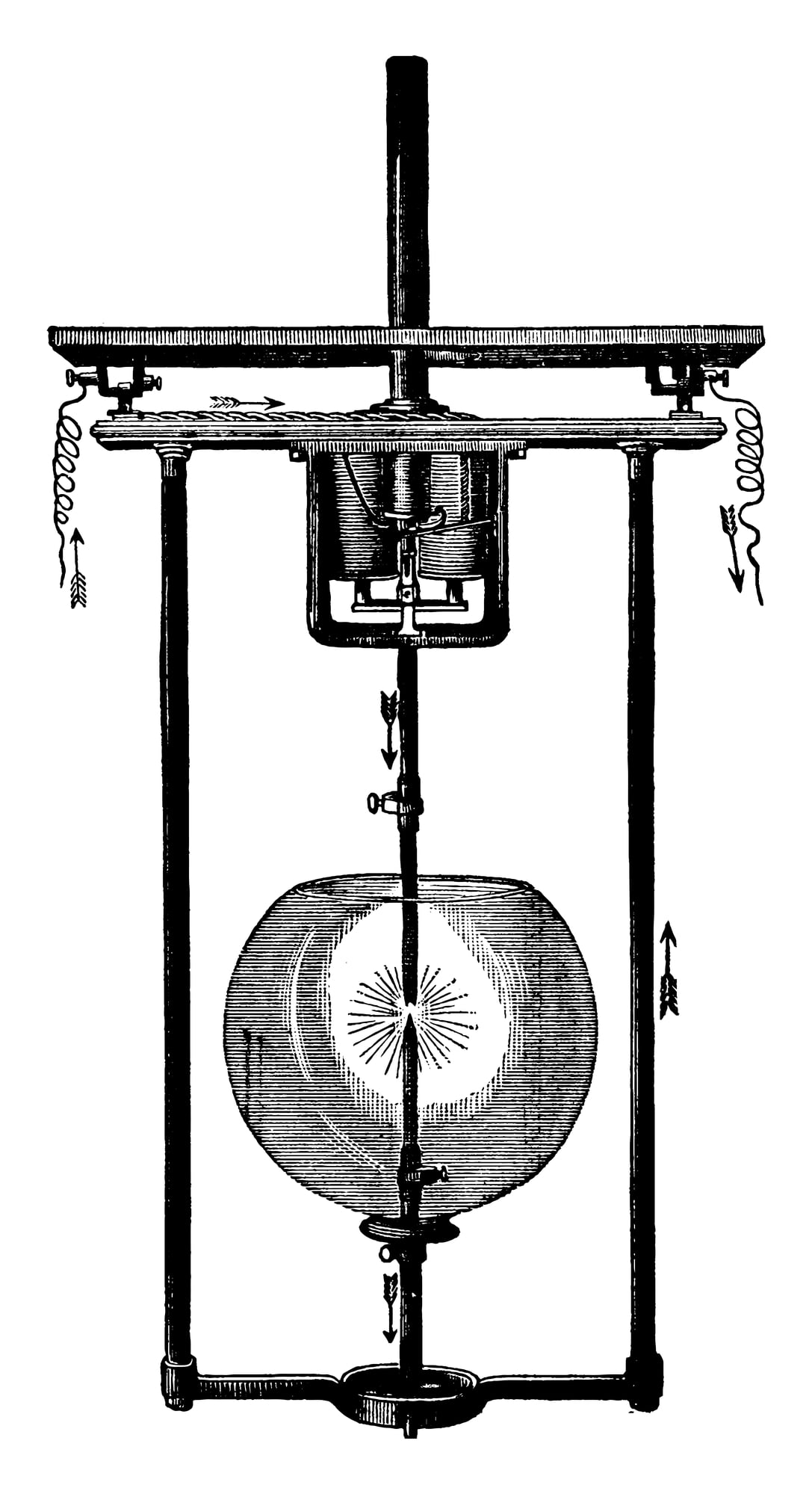
These incredibly bright electric lights first appeared in the 1870s, primarily used for street lighting and large indoor spaces. Carbon arc lamps were so brilliant that they turned night into day in city centers, enabling 24-hour commercial activity for the first time.
Factories could operate multiple shifts, and urban areas developed distinct nighttime economies that hadn’t existed before.
Incandescent Bulbs

Thomas Edison’s practical incandescent bulb revolutionized domestic life starting in the 1880s. Unlike gas flames, electric bulbs were safe to leave unattended and could be controlled with a simple switch, making evening activities far more convenient.
Families began eating dinner later, children could do homework after dark, and social visits extended well into the evening hours.
Fluorescent Lighting
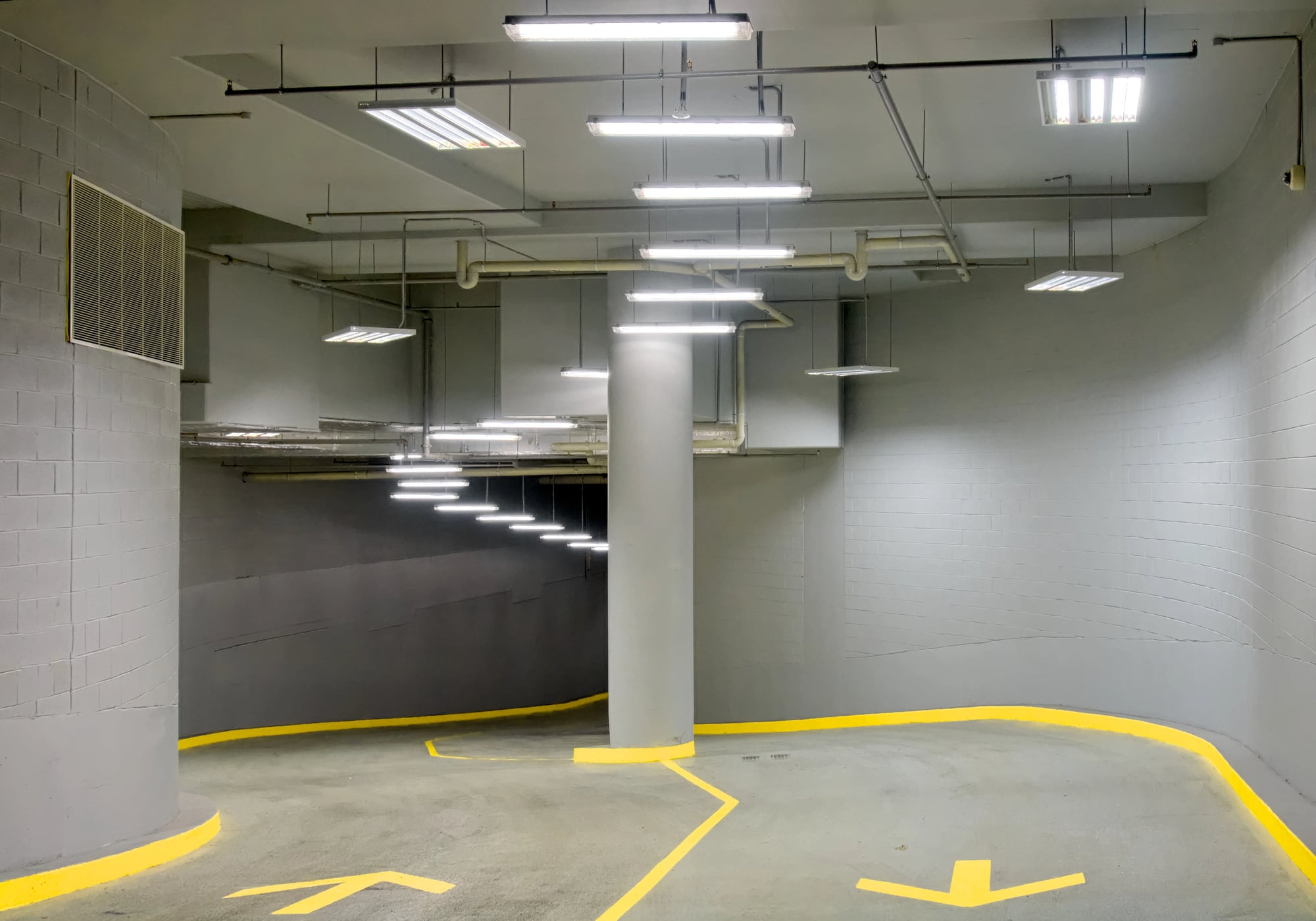
The development of fluorescent tubes in the 1930s provided bright, efficient lighting that was perfect for workplaces and schools. These lights made it economical to illuminate large spaces for extended periods, leading to the standard 9-to-5 work schedule in office buildings.
Schools could hold evening classes and activities, while factories could maintain consistent lighting for round-the-clock production.
Neon Signs

Neon lighting transformed urban nightlife starting in the 1920s, creating vibrant entertainment districts that attracted people after dark. Cities like Las Vegas and Times Square became 24-hour destinations specifically because of their brilliant neon displays.
The colorful lighting encouraged people to venture out at night for shopping, dining, and entertainment, reshaping urban social patterns.
Halogen Bulbs
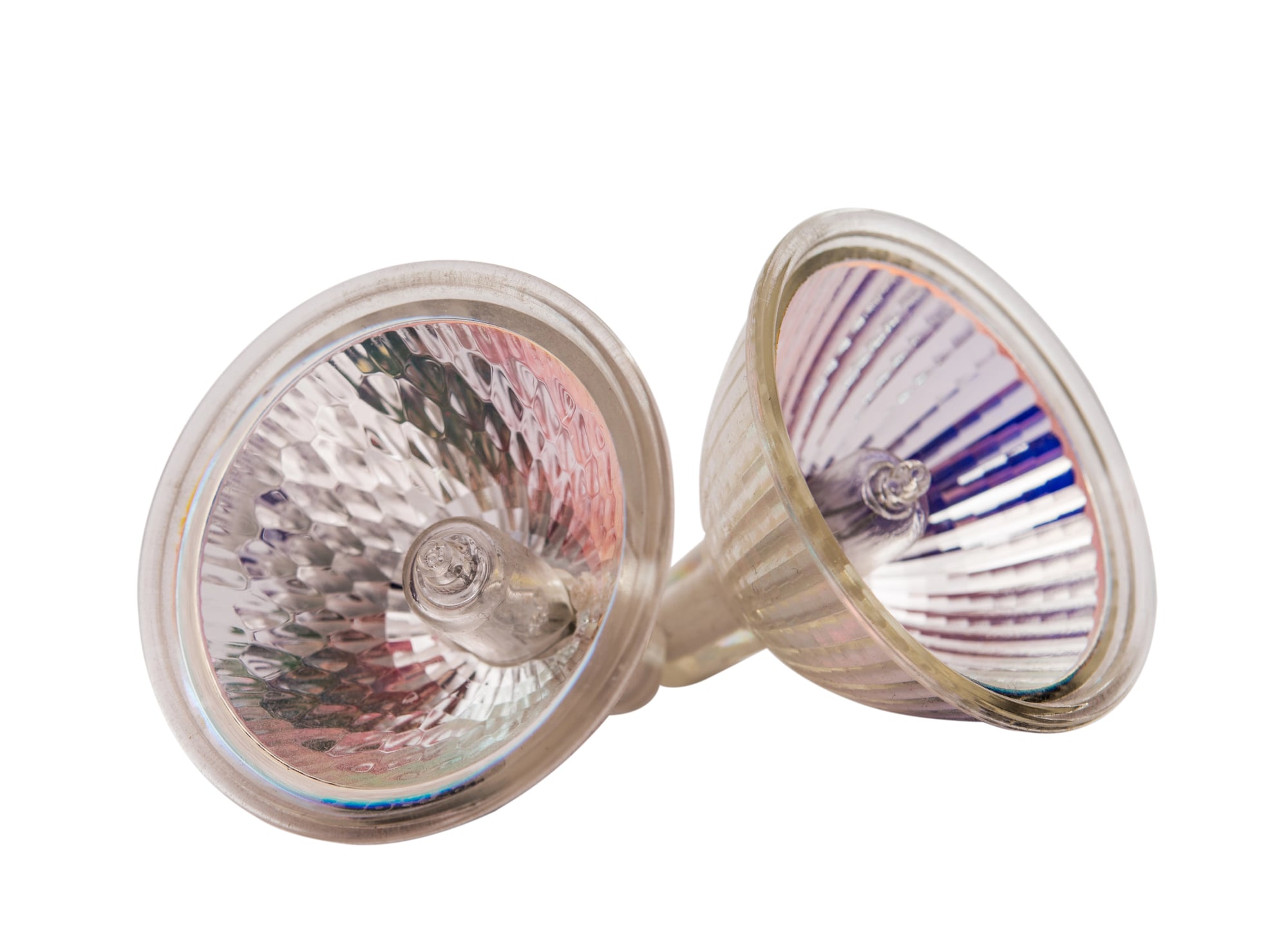
Halogen technology provided brighter, whiter light than traditional incandescent bulbs while lasting much longer. This improvement made task lighting more effective, allowing people to work on detailed projects comfortably during evening hours.
Home workshops, art studios, and reading areas became more functional spaces after dark, extending productive time for hobbies and personal projects.
High-Intensity Discharge Lamps

HID lamps brought stadium-quality lighting to outdoor spaces, enabling nighttime sports and large gatherings. These powerful lights made it possible to schedule major events after traditional work hours, leading to prime-time sports broadcasts and evening concerts.
Communities could use recreational facilities after dark, fundamentally changing how people spent their leisure time.
Compact Fluorescent Lamps
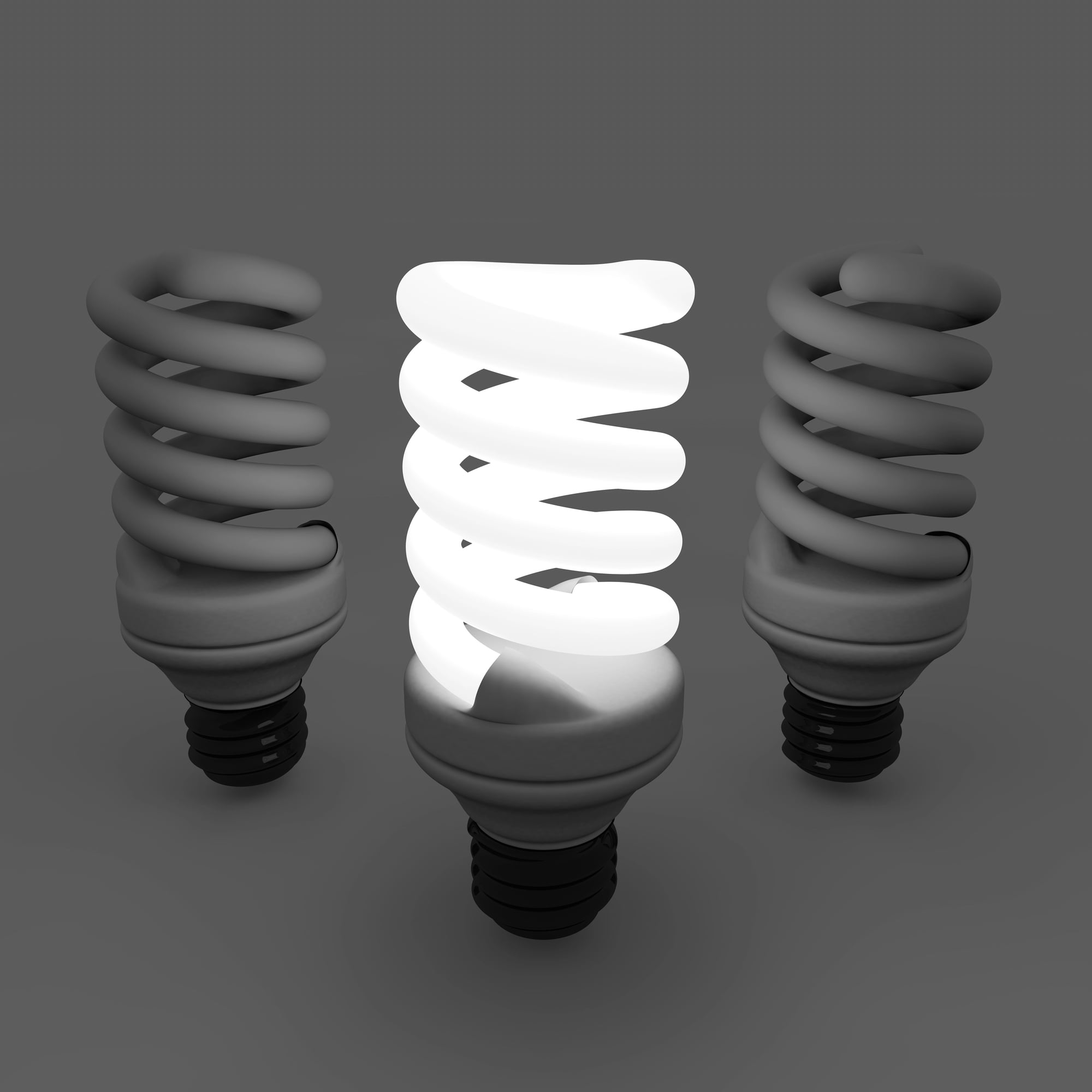
CFLs made efficient lighting affordable for households in the 1980s and 1990s, reducing the cost of extended evening illumination. Families could light their entire homes brightly without worrying about electricity bills, making evening activities more appealing.
Home offices became practical spaces for after-hours work, and children could participate in more evening activities without straining their eyes.
LED Technology
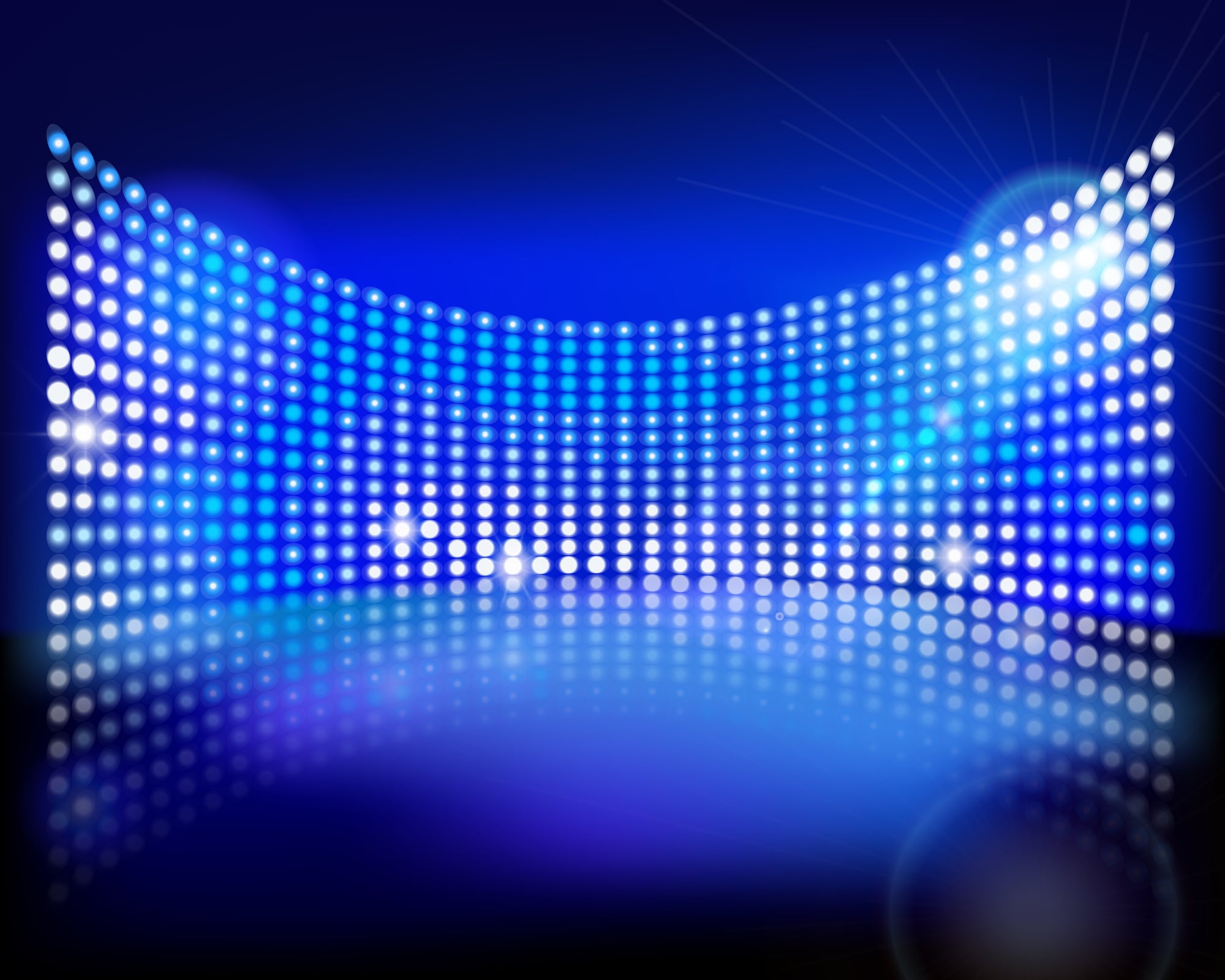
Light-emitting diodes revolutionized both the efficiency and versatility of artificial lighting in the 2000s. LEDs can be dimmed, colored, and programmed, allowing people to customize lighting for different activities throughout the day.
Smart LED systems now automatically adjust to support natural circadian rhythms, helping people maintain healthier sleep schedules despite extensive artificial lighting.
Smart Lighting Systems

Modern smart bulbs can be controlled remotely and programmed to match daily routines automatically. These systems gradually dim in the evening to promote better sleep while brightening gradually in the morning to ease waking up.
People can now optimize their lighting to support their personal schedules, whether they’re early risers or night owls.
Solar-Powered Lighting
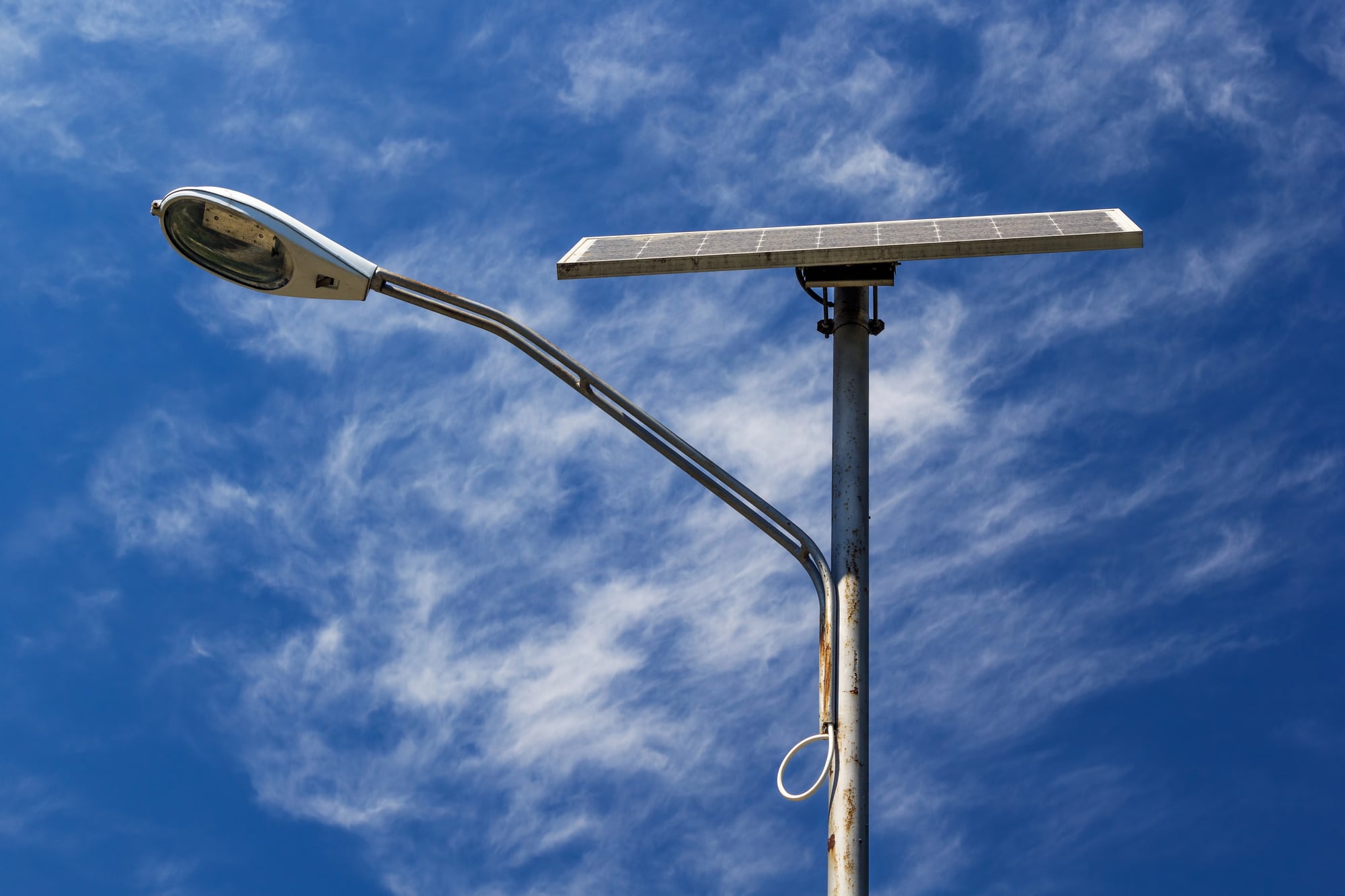
Off-grid solar lighting has brought extended daily schedules to remote areas without electrical infrastructure. Rural communities in developing countries can now operate schools, clinics, and businesses after dark using solar-charged LED systems.
This technology has eliminated the geographic barriers that once limited productive hours to daylight, allowing remote areas to participate in modern economic activities.
The Bright Thread of Progress

Every advancement in lighting not only made our world brighter, but it also completely changed the way people perceive time. Instead of being totally reliant on daylight, we now have total control over our lit surroundings.
We have come a long way since those initial flickering flames, as evidenced by the fact that contemporary sleep researchers today investigate ways to reconcile our lighting preferences with our biological need for darkness. It’s possible that more intelligent uses of the amazing lighting capacity we already possess will lead to the next revolution in everyday routines rather than brighter lights.
More from Go2Tutors!

- The Romanov Crown Jewels and Their Tragic Fate
- 13 Historical Mysteries That Science Still Can’t Solve
- Famous Hoaxes That Fooled the World for Years
- 15 Child Stars with Tragic Adult Lives
- 16 Famous Jewelry Pieces in History
Like Go2Tutors’s content? Follow us on MSN.