Behind the Scenes Photos from the Most Iconic Movies Ever Made
Some movies are so deeply woven into culture that they feel like they’ve always existed. The final cut is what audiences see, but the real magic often happens between takes — in the candid moments when directors are thinking out loud, when actors are stepping out of character, when the carefully constructed world of the film briefly shows its seams. These behind-the-scenes glimpses don’t diminish the movie’s power. They make it more human.
The Godfather
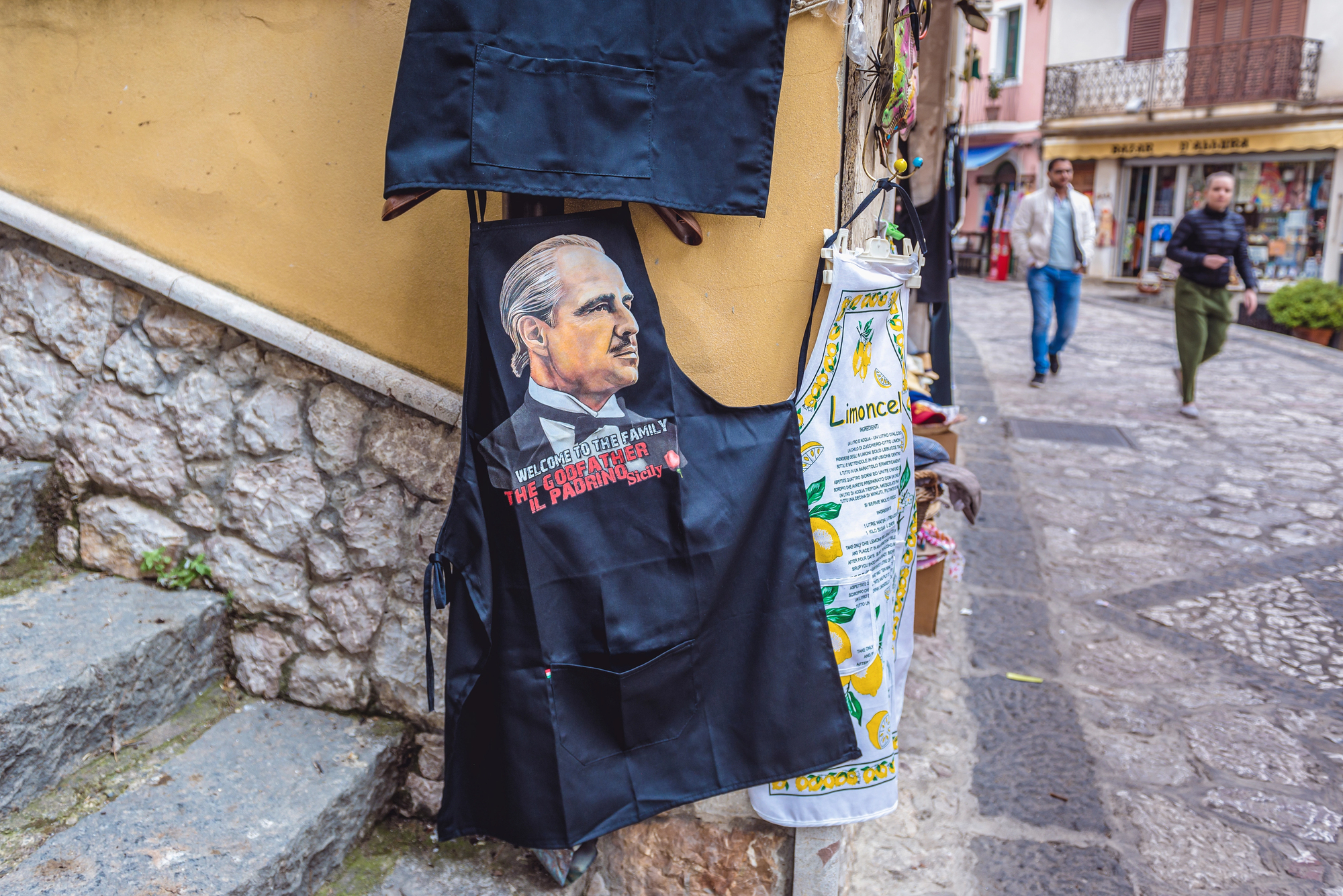
Marlon Brando stuffed cotton orbs in his cheeks during his audition. The rest is cinema history. Behind-the-scenes photos show him between takes, still in character but relaxed, the cotton creating that distinctive jawline that would define Don Corleone. Francis Ford Coppola appears in several shots, young and intense, directing what would become his masterpiece.
Casablanca
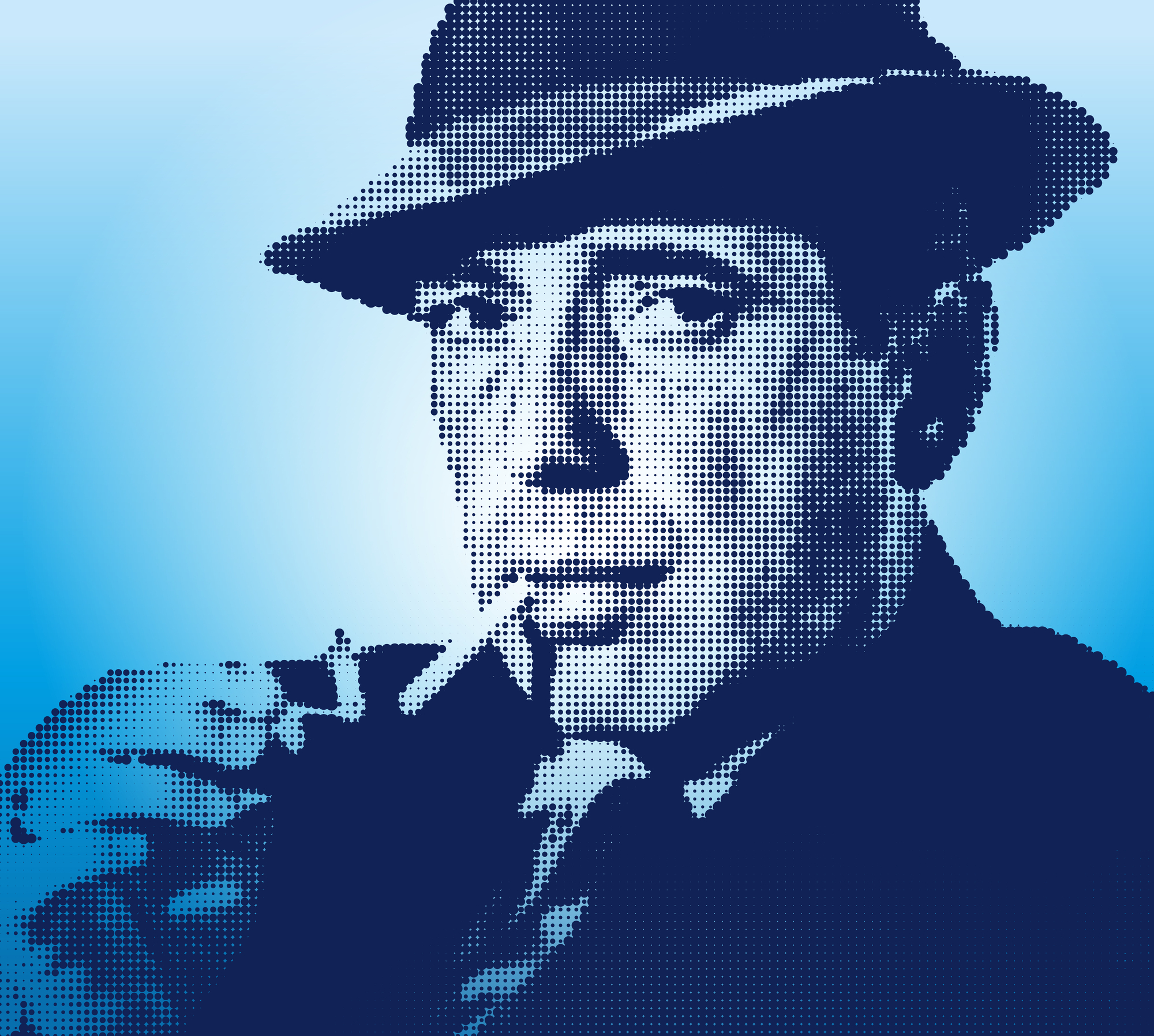
The fog that swirls around the airplane in the final scene wasn’t created by some elaborate movie magic — it was dry ice, and the plane wasn’t even full-sized (it was a cardboard cutout, which is saying something about the power of good cinematography). Production photos reveal the intimate scale of what felt epic on screen. Humphrey Bogart and Ingrid Bergman appear in casual shots between takes, and there’s something oddly comforting about seeing them as regular people who happened to create one of the most romantic films ever made.
Star Wars
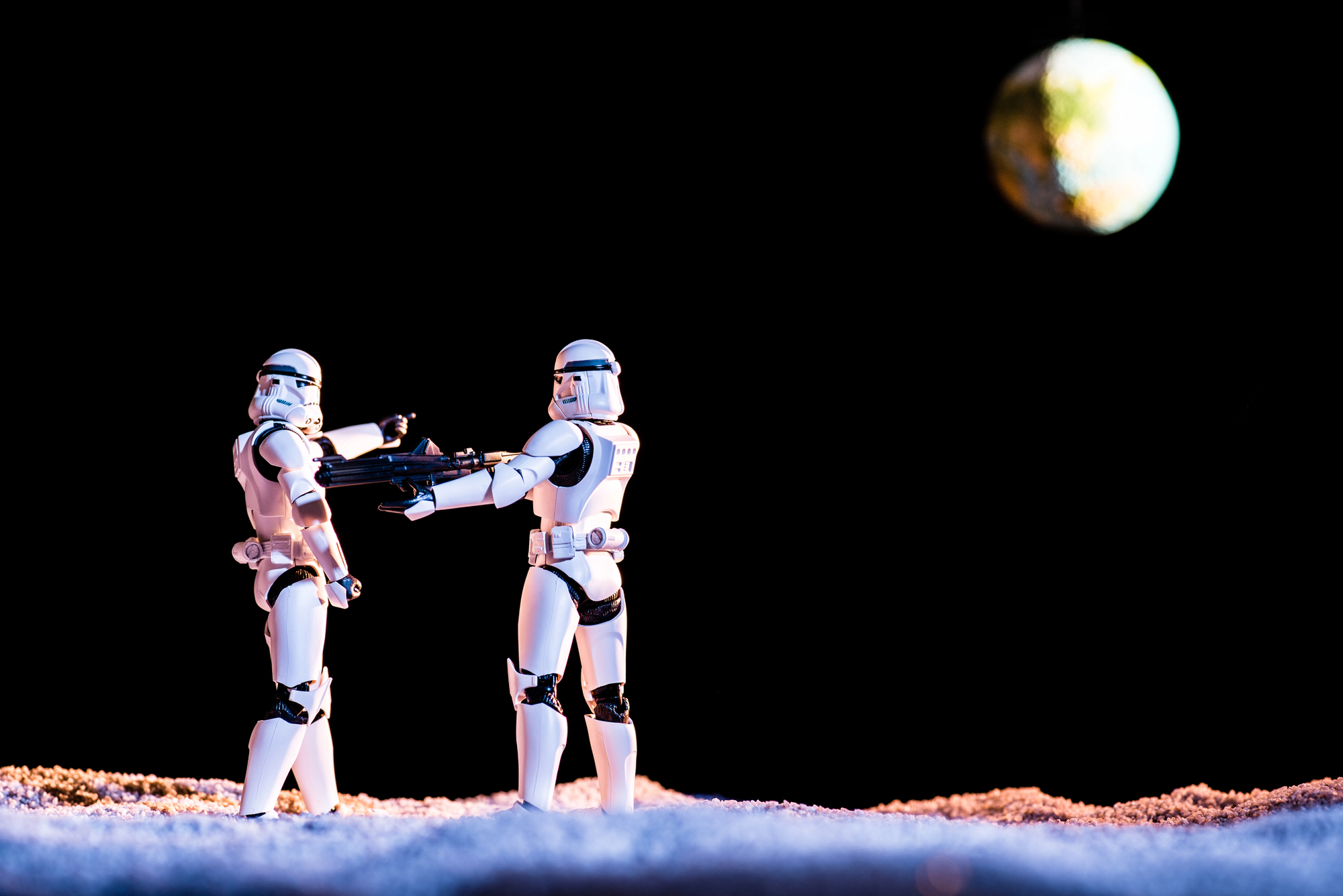
George Lucas looked like he was barely old enough to drive, let alone create a galaxy far, far away. Behind-the-scenes photos from the original trilogy show him surrounded by what looks like an elaborate school science project — models, miniatures, and creatures that would later become cultural icons. The Death Star was built in sections on a soundstage. Chewbacca took smoke breaks. These images remind you that imagination, not budget, built that universe.
The Wizard of Oz
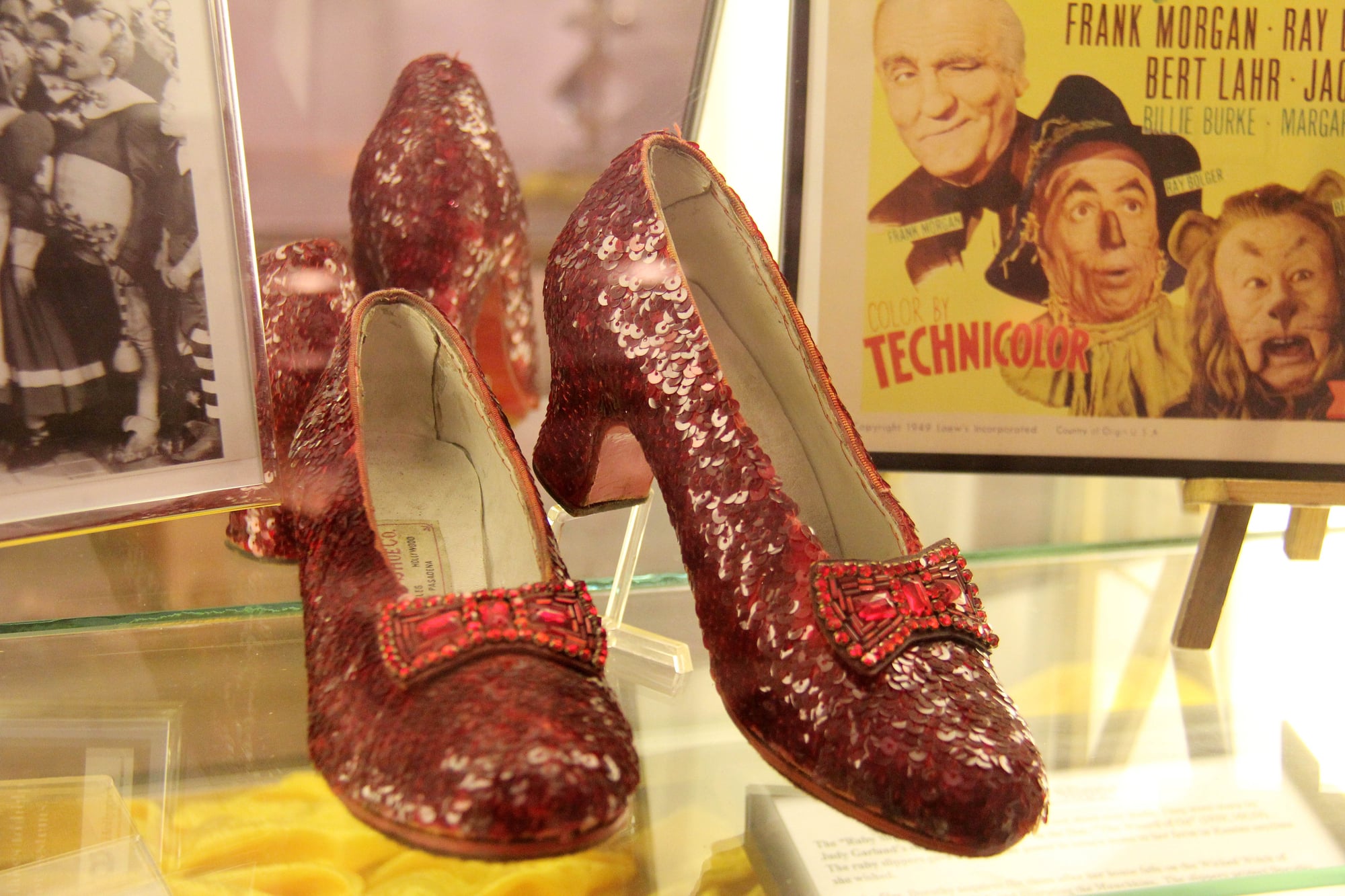
Dorothy’s ruby slippers were actually silver in L. Frank Baum’s original book, but Technicolor demanded red for maximum visual impact. Production stills show Judy Garland between takes, often looking far more serious than her cheerful Dorothy persona. The Emerald City was built on Stage 26 at MGM, and photos reveal the intricate painted backdrops that created the illusion of infinite space. The yellow brick road was actual brick — painted yellow, naturally — and weighed more than anyone anticipated.
Psycho
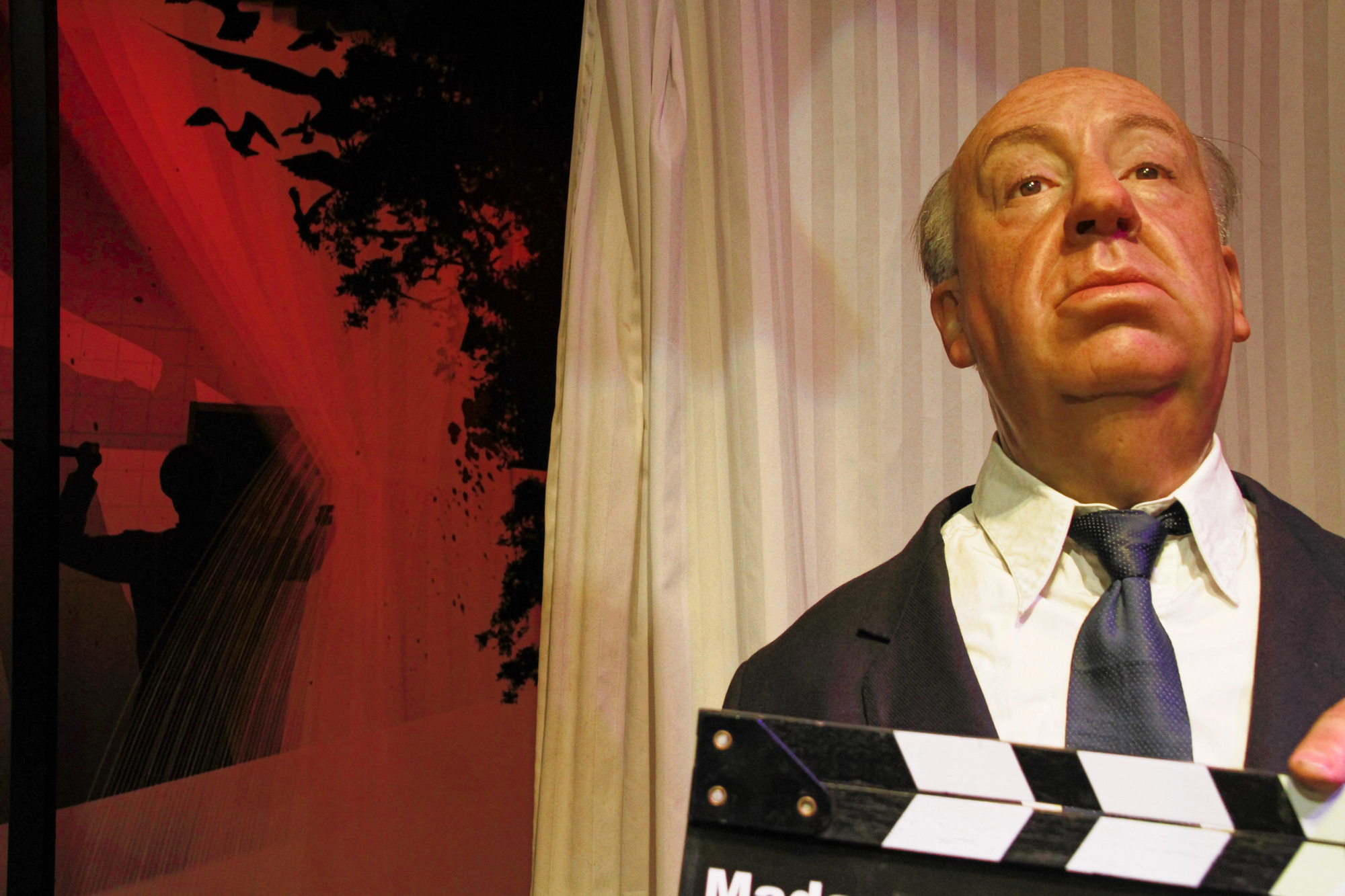
Alfred Hitchcock treated the shower scene like a military operation. Behind-the-scenes photos show the elaborate setup required for what became cinema’s most famous murder — multiple cameras, precise lighting, and chocolate syrup standing in for blood (because real blood didn’t photograph well in black and white, and besides, chocolate syrup had better viscosity). Janet Leigh appears in several candid shots, looking remarkably calm considering she was about to film one of the most terrifying scenes ever committed to celluloid.
Jaws
The mechanical shark spent more time broken than working. Production photos capture the crew constantly repairing “Bruce” (named after Spielberg’s lawyer), and you can see the frustration on everyone’s faces. But that mechanical failure forced Spielberg to suggest the shark rather than show it, and the movie became exponentially more frightening. Sometimes the best creative decisions are the ones circumstances force on you.
Gone with the Wind
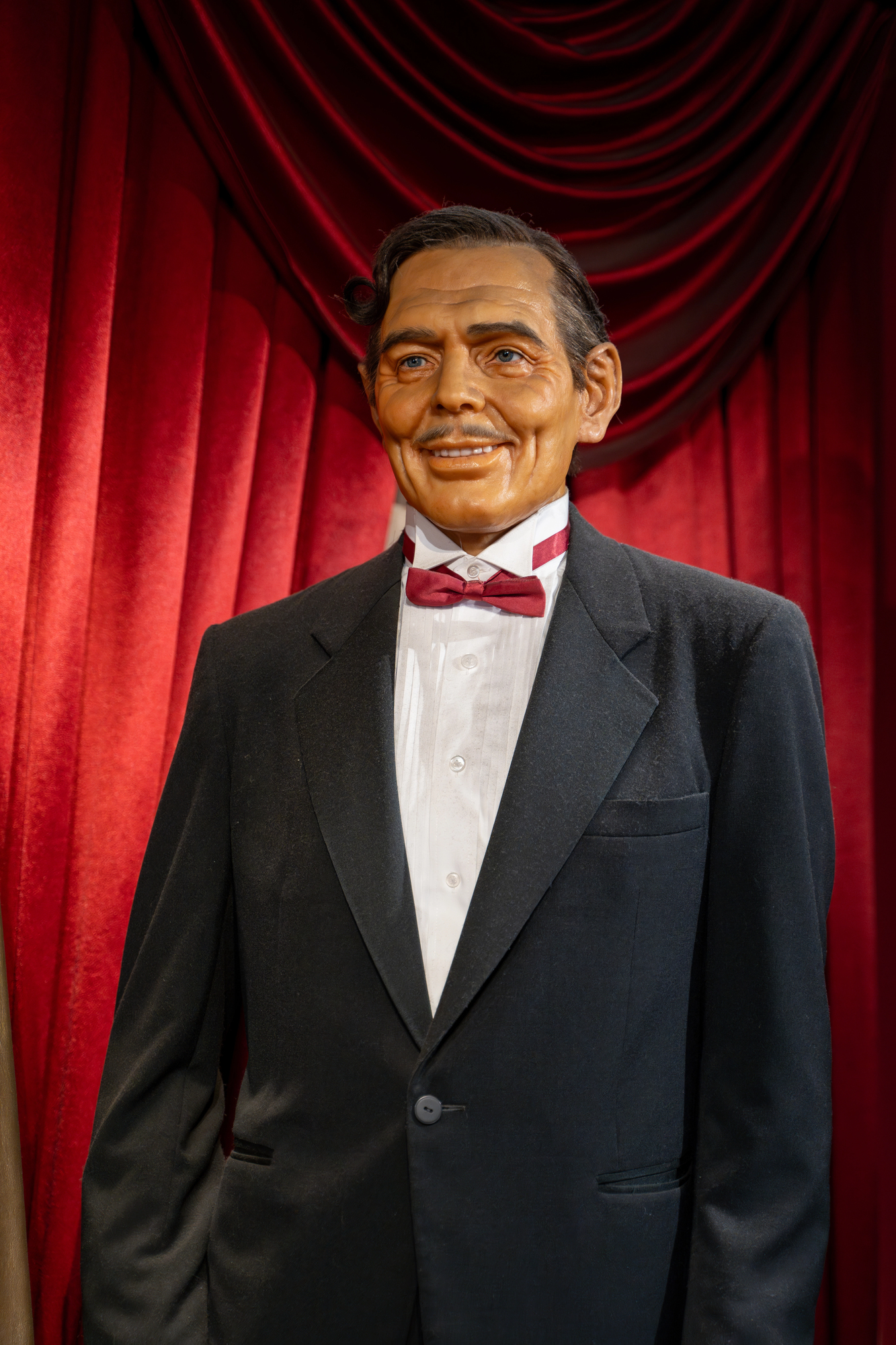
Atlanta burning in the background wasn’t Atlanta at all — it was old movie sets from previous films, finally put to good use (though calling the deliberate destruction of sets “good use” might depend on your perspective). Behind-the-scenes photos show the massive scale of the production, with hundreds of extras sprawled across makeshift hospital sets. Clark Gable appears in several informal shots, often holding a coffee cup and looking like he’d rather be anywhere else, which somehow makes his Rhett Butler all the more convincing.
Lawrence of Arabia
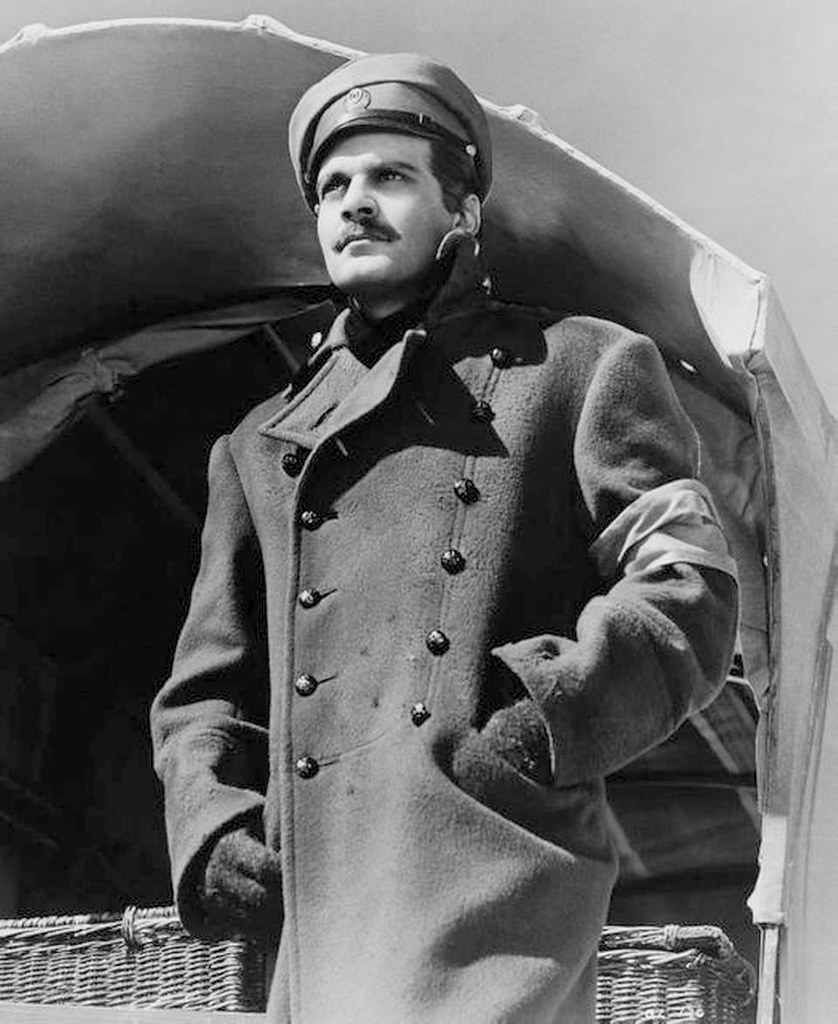
David Lean shot in actual desert conditions, and the behind-the-scenes photos make that decision look insane. Sand gets into everything — cameras, costumes, coffee. Peter O’Toole appears in production stills looking appropriately weathered, surrounded by crew members who seem to be questioning their life choices. The sweeping landscape shots that made the film legendary required hauling equipment across terrain that wasn’t designed for filmmaking. Stubbornness, it turns out, can produce art.
Citizen Kane

Orson Welles was 25 when he made what many consider the greatest American film. Behind-the-scenes photos show him directing with the confidence of someone twice his age, experimenting with camera angles that had never been attempted. The famous deep-focus shots required custom lighting setups, and production stills reveal the intricate work that went into making every frame visually compelling. Youth, apparently, has its advantages when it comes to ignoring conventional limitations.
Singin’ in the Rain
Gene Kelly had a fever of 103 degrees when he filmed the title number. Production photos show him between takes, looking appropriately miserable while soaked to the skin. The “rain” was a mixture of water and milk to make it more visible on camera, and the entire sequence was shot on a studio backlot designed to look like a city street. Kelly’s commitment to the performance — dancing through actual illness in fake weather on an artificial street — captures something essential about the movie business.
The Shining

Stanley Kubrick was notorious for multiple takes, and behind-the-scenes photos from The Shining prove it. Jack Nicholson appears in production stills looking progressively more unhinged, though whether that’s the character or the actor’s response to shooting the same scene dozens of times remains unclear. The Overlook Hotel’s interiors were built on soundstages in England, and the elaborate sets show Kubrick’s obsession with geometric precision. Every carpet pattern and wallpaper choice was deliberate, which explains why the film still feels unsettling decades later.
2001: A Space Odyssey
Kubrick again, this time making a space epic before anyone knew what space actually looked like. Behind-the-scenes photos reveal the practical effects that created the illusion of zero gravity — rotating sets, carefully choreographed movements, and techniques that still hold up against modern computer graphics. The monolith was a simple black rectangle, but production stills show the elaborate lighting setups required to make it appear otherworldly. Sometimes the simplest props demand the most complex execution.
Apocalypse Now
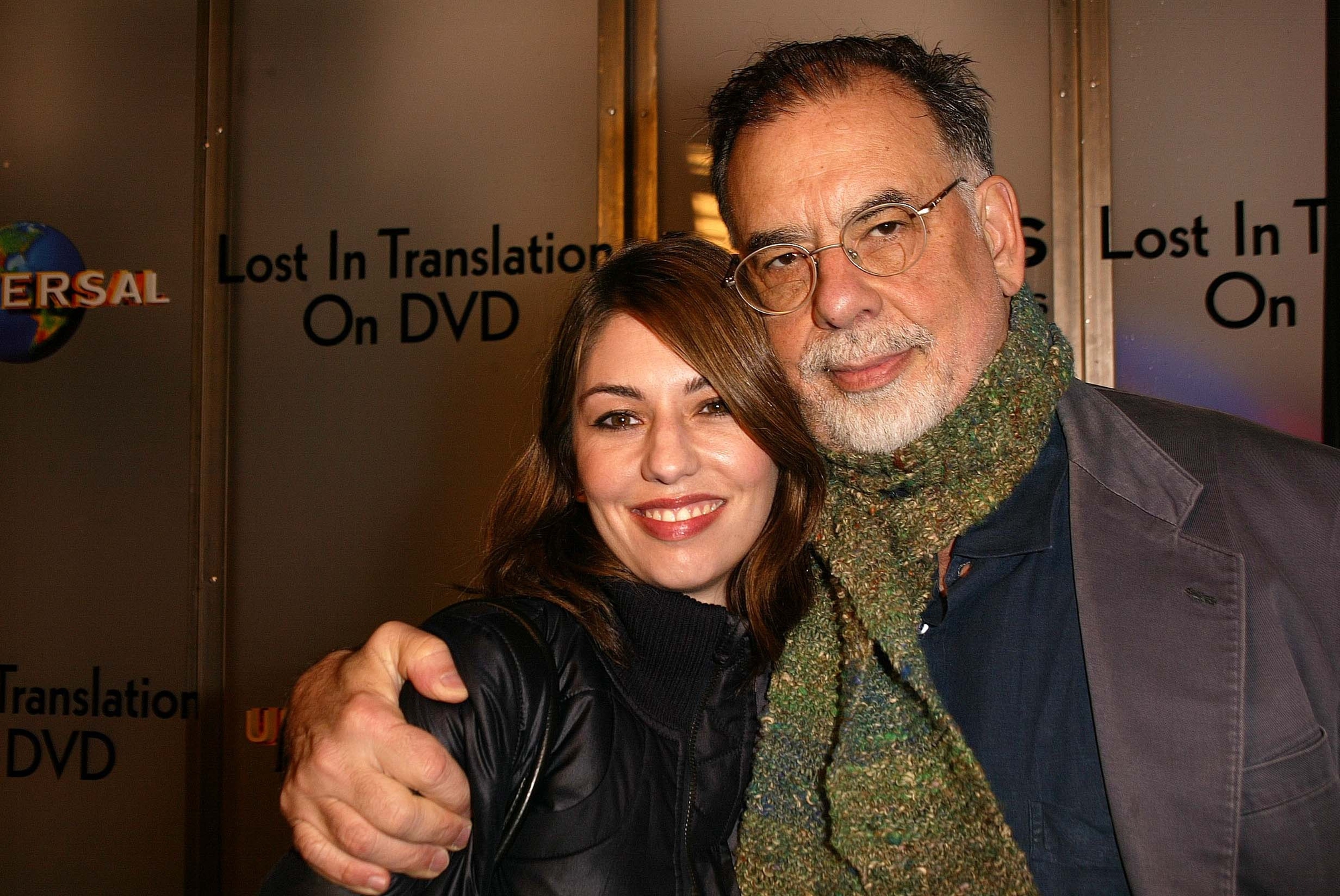
Francis Ford Coppola’s Vietnam War epic was famously chaotic to film, and behind-the-scenes photos capture that chaos. Marlon Brando arrived on set significantly heavier than expected, forcing script rewrites. Martin Sheen had a heart attack during filming. The Philippine locations provided authentic jungle settings but also authentic tropical diseases. Production stills show a crew that looks like they’ve survived an actual war, which in some ways, they had.
The Bicycle Thief
Vittorio De Sica cast non-professional actors for this neorealist masterpiece, and behind-the-scenes photos show the director working with ordinary people who happened to have the right faces for his story. The film was shot on location in post-war Rome, and production stills capture a city still rebuilding from devastation. There’s something moving about seeing the real streets and real people who became the foundation for what many consider perfect cinema.
When the Cameras Finally Stopped Rolling
These behind-the-scenes glimpses don’t demystify great movies — they reveal how much work goes into making magic look effortless. The cotton orb in Brando’s cheeks, the chocolate syrup standing in for blood, the fever that Gene Kelly danced through — these details don’t diminish the films. They make them more remarkable. Great art often emerges from practical problems solved by stubborn people who refuse to settle for good enough.
More from Go2Tutors!

- The Romanov Crown Jewels and Their Tragic Fate
- 13 Historical Mysteries That Science Still Can’t Solve
- Famous Hoaxes That Fooled the World for Years
- 15 Child Stars with Tragic Adult Lives
- 16 Famous Jewelry Pieces in History
Like Go2Tutors’s content? Follow us on MSN.