15 Vintage 1970s Advertisements That Aged Terribly
The 1970s brought us some unforgettable cultural moments — disco, bell-bottoms, and a whole lot of questionable advertising choices. Looking back at vintage ads from that era feels like opening a time capsule filled with cringe-worthy moments that make you wonder what advertisers were thinking. These weren’t just innocent missteps or outdated fashion trends. They were full-blown marketing disasters that reveal just how different (and often problematic) attitudes were five decades ago.
Virginia Slims
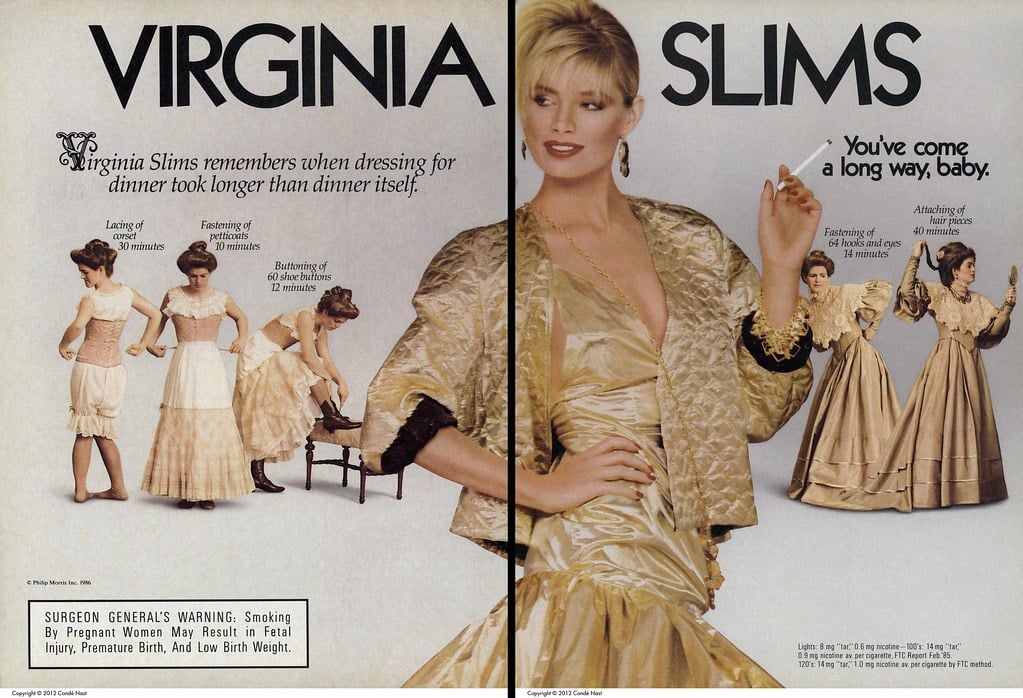
The tagline “You’ve come a long way, baby” was supposed to celebrate women’s liberation. Instead, it managed to be both condescending and harmful at the same time.
These ads featured glamorous women in professional settings, cigarettes in hand, celebrating their newfound freedom. The irony was thick — selling addiction as empowerment while calling grown women “baby.” The campaign linked cig smoke directly to feminism, suggesting that lighting up was somehow a statement of independence. Looking back, it’s hard to imagine a more backwards way to market both women’s rights and lung cancer in the same breath.
Wisk Laundry Detergent

“Ring around the collar” became the most annoying phrase in advertising history. These commercials blamed wives for their husbands’ dirty shirt collars, as if laundry mishaps were a personal failing that warranted public shame.
The ads showed embarrassed women being confronted by friends and neighbors about collar stains, reinforcing the idea that a woman’s worth was measured by her cleaning abilities. Husbands stood by looking disappointed while wives scrambled to explain their domestic shortcomings. The whole premise was built on the assumption that laundry was exclusively women’s work — and that they should feel guilty about not being perfect at it.
Jovan Musk Oil
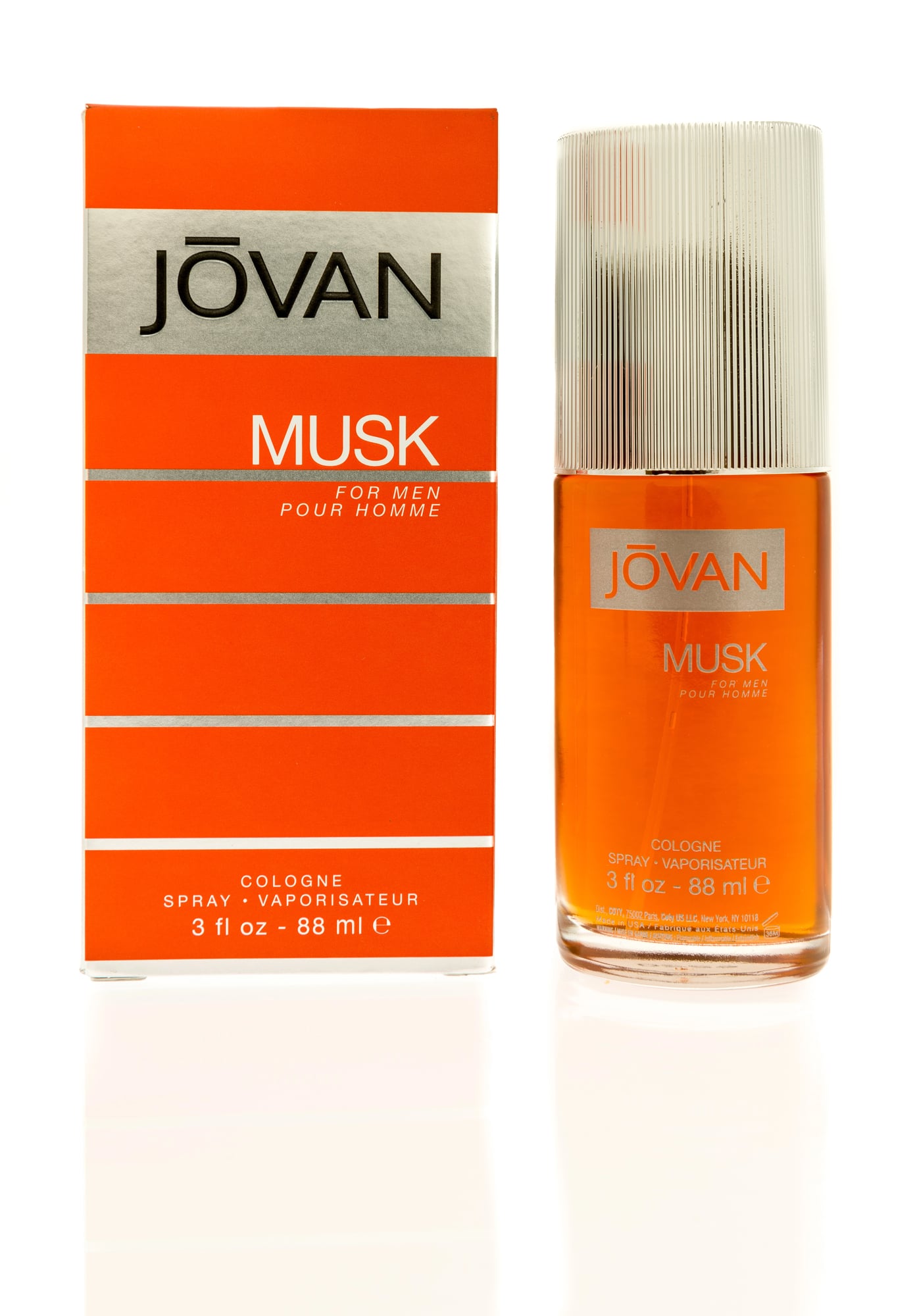
The perfume ads of the ’70s were something else entirely, but Jovan Musk took things to an uncomfortable extreme. The campaign featured couples in various states of undress, with taglines that were more explicit than most people expected from mainstream advertising.
One particularly memorable ad showed a woman applying the fragrance while a man watched from bed, accompanied by text that left little to the imagination about what had just happened (or was about to happen). These weren’t just suggestive — they were basically soft-core advertisements that somehow made it onto billboards and into magazines that families read together. The whole approach felt less like selling perfume and more like selling a fantasy that most people found either laughable or deeply uncomfortable, depending on where they encountered it.
Love’s Baby Soft
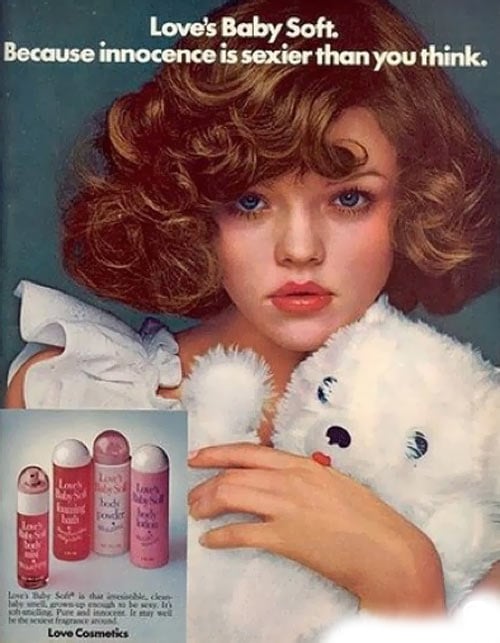
Nothing says “problematic” quite like a perfume marketed to teenage girls with the tagline “Because innocence is sexier than you think.” The ads featured young models in childlike poses, often sucking on lollipops or holding stuffed animals.
The entire campaign seemed designed to sexualize youth in a way that feels deeply disturbing today. These weren’t women being portrayed as youthful — they were teenagers being portrayed as objects of desire specifically because of their innocence. The imagery and messaging created an uncomfortable connection between childhood and attraction that makes modern viewers want to shower after seeing it.
Hertz Rent-a-Car
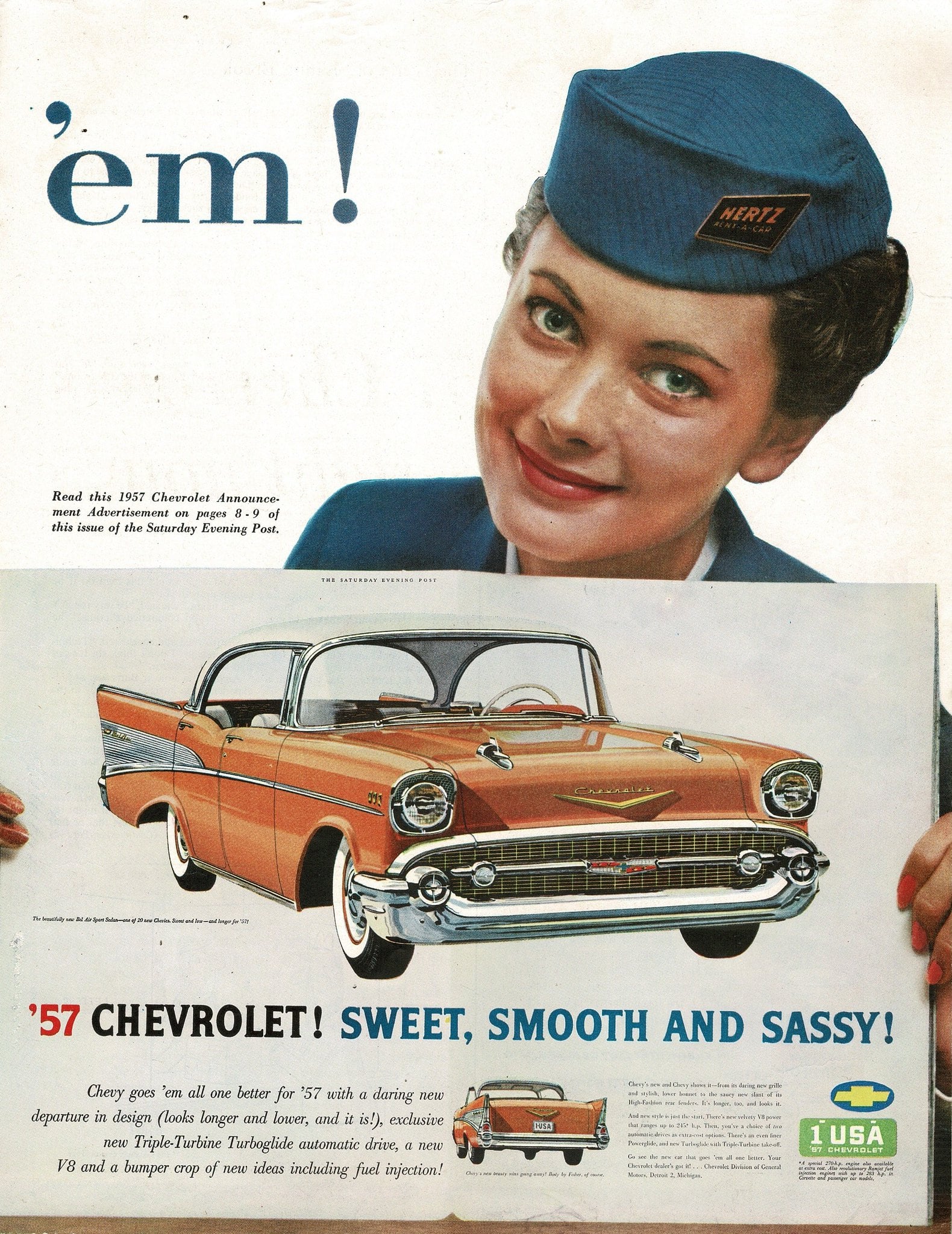
The famous “We’re number two, so we try harder” slogan belonged to Avis, but Hertz had their own questionable approach to advertising. Their commercials featured the bizarre concept of people being literally picked up and placed into rental cars by a giant hand.
While the special effects were impressive for the time, the whole premise was unsettling. Customers were shown being grabbed without warning, lifted through the air, and deposited into vehicles — all while smiling as if this was perfectly normal behavior. The ads were supposed to demonstrate fast, efficient service, but they ended up looking more like alien abduction scenarios. The tagline “Let Hertz put you in the driver’s seat” took on an oddly sinister meaning when accompanied by footage of people being manhandled by disembodied appendages.
Tab Cola

Diet soda advertising in the ’70s was a masterclass in body shaming disguised as lifestyle marketing. Tab’s campaigns focused relentlessly on weight loss, featuring impossibly thin models and messaging that equated drinking diet soda with moral virtue.
The ads suggested that regular soda was a character flaw and that choosing Tab was evidence of self-control and discipline. Women were shown obsessing over their figures, celebrating their ability to resist “real” soda, and measuring their worth by the number on a scale. The entire approach reinforced unhealthy relationships with food and body image while positioning an artificially sweetened beverage as the solution to life’s problems. These commercials didn’t just sell soda — they sold anxiety about weight that many women carried for decades.
Eastern Airlines

“The Wings of Man” campaign was Eastern Airlines’ attempt at inspiring advertising, but it managed to exclude half the population right in the tagline. The commercials featured soaring music, dramatic aviation footage, and narration about mankind’s conquest of the skies.
The problem wasn’t just the gendered language — though that aged poorly enough on its own. The real issue was the underlying assumption that air travel was primarily a masculine achievement and experience. Flight attendants were portrayed as decorative additions rather than safety professionals, and female passengers were shown as nervous travelers who needed male reassurance. The ads celebrated aviation as a triumph of male ingenuity while treating women as passengers in their own lives.
Ultra Brite Toothpaste
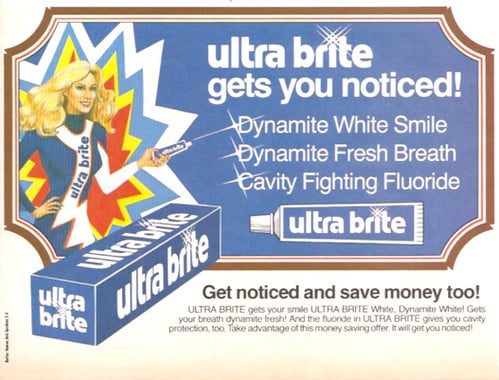
These ads promised that using their toothpaste would make your teeth so white and your breath so fresh that romantic encounters would be inevitable. The commercials featured couples meeting, kissing, and falling in love — all because someone had brushed their teeth with the right product.
The messaging was absurd on multiple levels: it reduced human attraction to dental hygiene, suggested that romance was just a matter of buying the right consumer goods, and created unrealistic expectations about what toothpaste could accomplish. People weren’t just buying a cleaning product — they were buying the promise of a better love life. The ads preyed on insecurities about appearance and social acceptance while making claims that bordered on the ridiculous. Brushing your teeth is important, but it’s not a matchmaking service.
Hai Karate Aftershave

The name alone should have been a warning sign, but the advertising made things much worse. These commercials showed men applying aftershave and then being attacked by women who couldn’t control themselves around the scent.
The ads included actual instructions for men on how to defend themselves against overly amorous women, complete with martial arts moves and self-defense techniques. The whole concept was built on harmful stereotypes about both male and female behavior — men were portrayed as irresistible objects, while women were shown as unable to control their impulses around cologne. The campaign treated physical boundaries as a joke and suggested that unwanted attention was not only normal but desirable.
Noxzema Shaving Cream
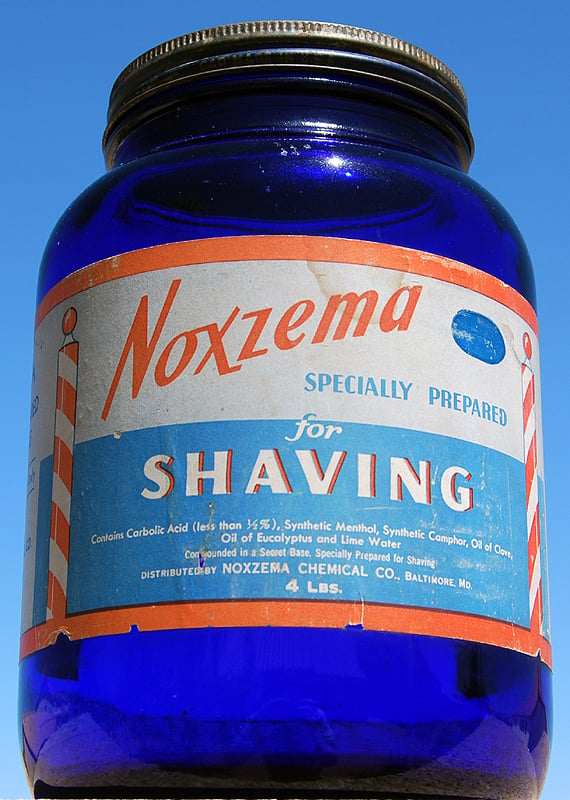
“Take it off, take it all off” became one of the most memorable advertising jingles of the decade, but the commercials that featured it were problematic in ways that went beyond the suggestive tagline.
The ads typically showed attractive women instructing men to remove their facial hair, often in contexts that had nothing to do with actual shaving. The innuendo was intentional and heavy-handed, turning a basic grooming product into something that felt more like adult entertainment than mainstream advertising. These commercials aired during family programming, creating awkward moments for parents trying to explain why the lady on television was talking about taking things off. The campaign succeeded in being memorable, but for all the wrong reasons.
Charlie Perfume
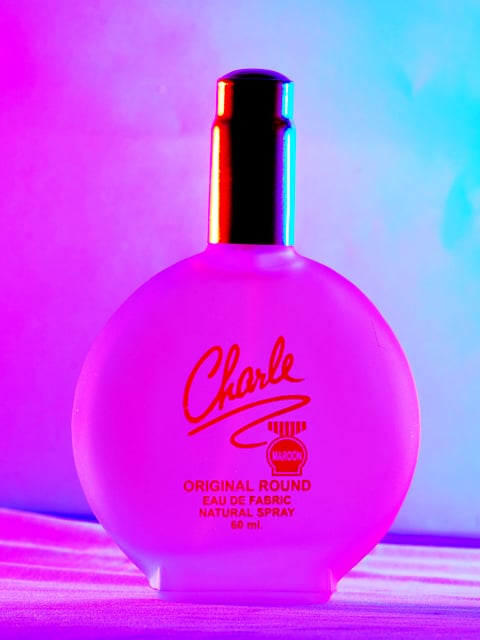
While Charlie was marketed as a fragrance for the “new woman,” the advertising often undermined its own message with imagery and scenarios that reinforced traditional gender roles despite the progressive packaging.
The commercials showed women wearing pantsuits and carrying briefcases, but they inevitably ended with romantic encounters where the professional woman transformed back into a traditional feminine role. The mixed messaging was confusing — were they selling empowerment or romance? Independence or attractiveness? The ads couldn’t decide whether they wanted women to be strong or appealing, so they tried to have it both ways and ended up with campaigns that felt hollow and manipulative.
Enjoli Perfume
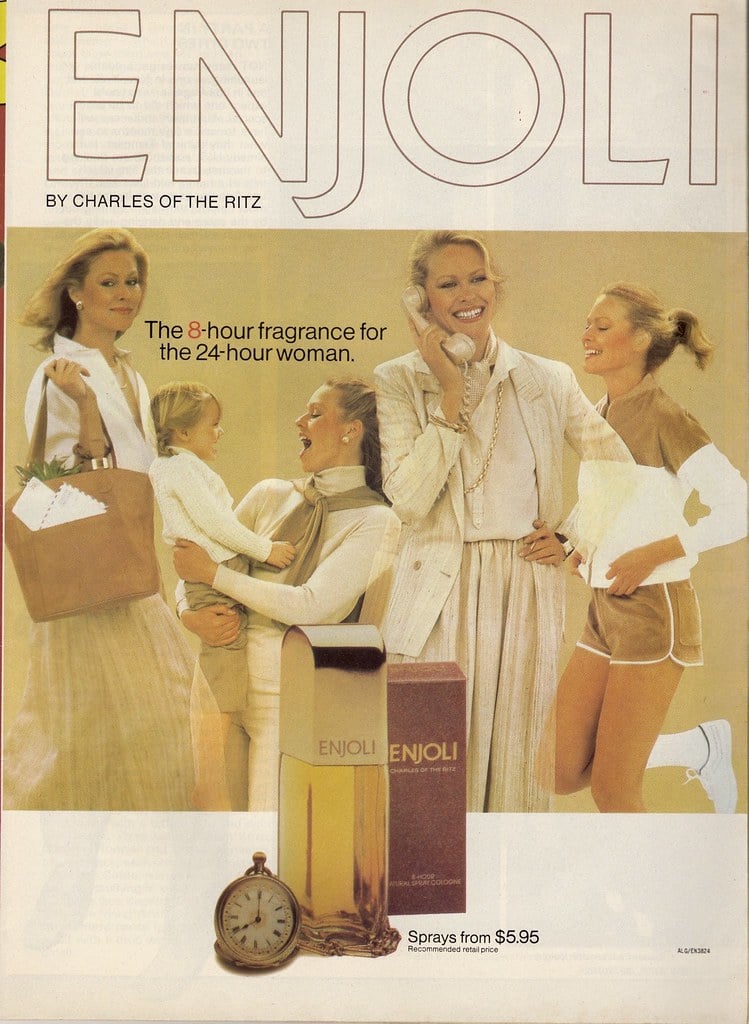
“I can bring home the bacon, fry it up in a pan, and never let you forget you’re a man” might be the most exhausting advertising promise ever made. The commercial showed a woman juggling career, cooking, and romantic duties without missing a beat.
This wasn’t empowerment — it was a recipe for burnout disguised as liberation. The ad suggested that modern women should be able to handle full-time careers, complete domestic responsibilities, and maintain perfect relationships simultaneously. The message was that equality meant doing everything men did while also continuing to do everything women had always done. It was an impossible standard that left many women feeling inadequate when they couldn’t live up to this superhuman ideal.
Macho Cologne
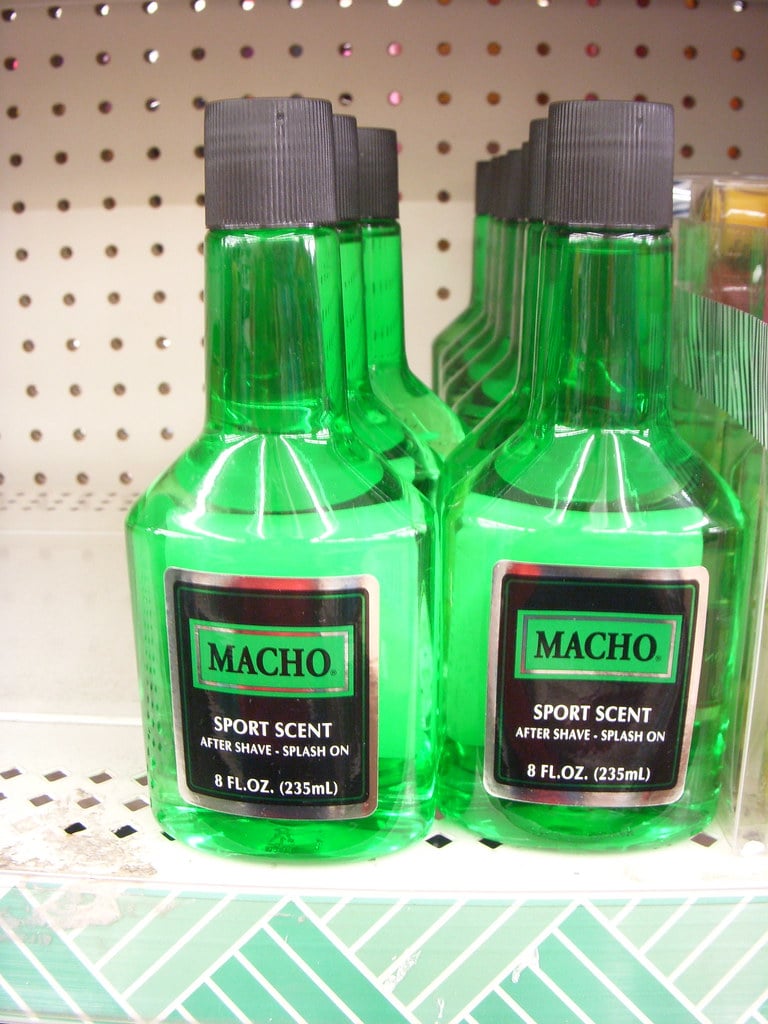
With a name like “Macho,” this fragrance was never going to age gracefully, but the advertising made things exponentially worse. The commercials featured exaggerated displays of masculinity that bordered on parody, though they were presented completely seriously.
Men were shown engaging in stereotypically masculine activities — chopping wood, riding motorcycles, lifting heavy objects — all while a narrator explained how Macho cologne enhanced their natural manliness. The ads reinforced rigid gender roles while suggesting that masculinity was something that could be purchased and applied topically. The entire campaign was built on insecurities about male identity, offering a product solution to what were really social and cultural questions about what it meant to be a man.
Federal Express

The early FedEx commercials were actually quite clever, but some of their print advertisements from the late ’70s featured imagery and language that feels problematic today. One series showed businessmen in various states of panic about delayed deliveries, often with secretaries or assistants portrayed as incompetent or hysterical.
The ads reinforced workplace hierarchies that placed men in decision-making roles while women handled administrative tasks poorly. When packages were delayed or lost, female employees were typically shown as flustered and apologetic, while male executives appeared as the competent problem-solvers who knew to call Federal Express. The messaging wasn’t just about shipping — it was about who could be trusted with important business decisions.
Braniff International Airways
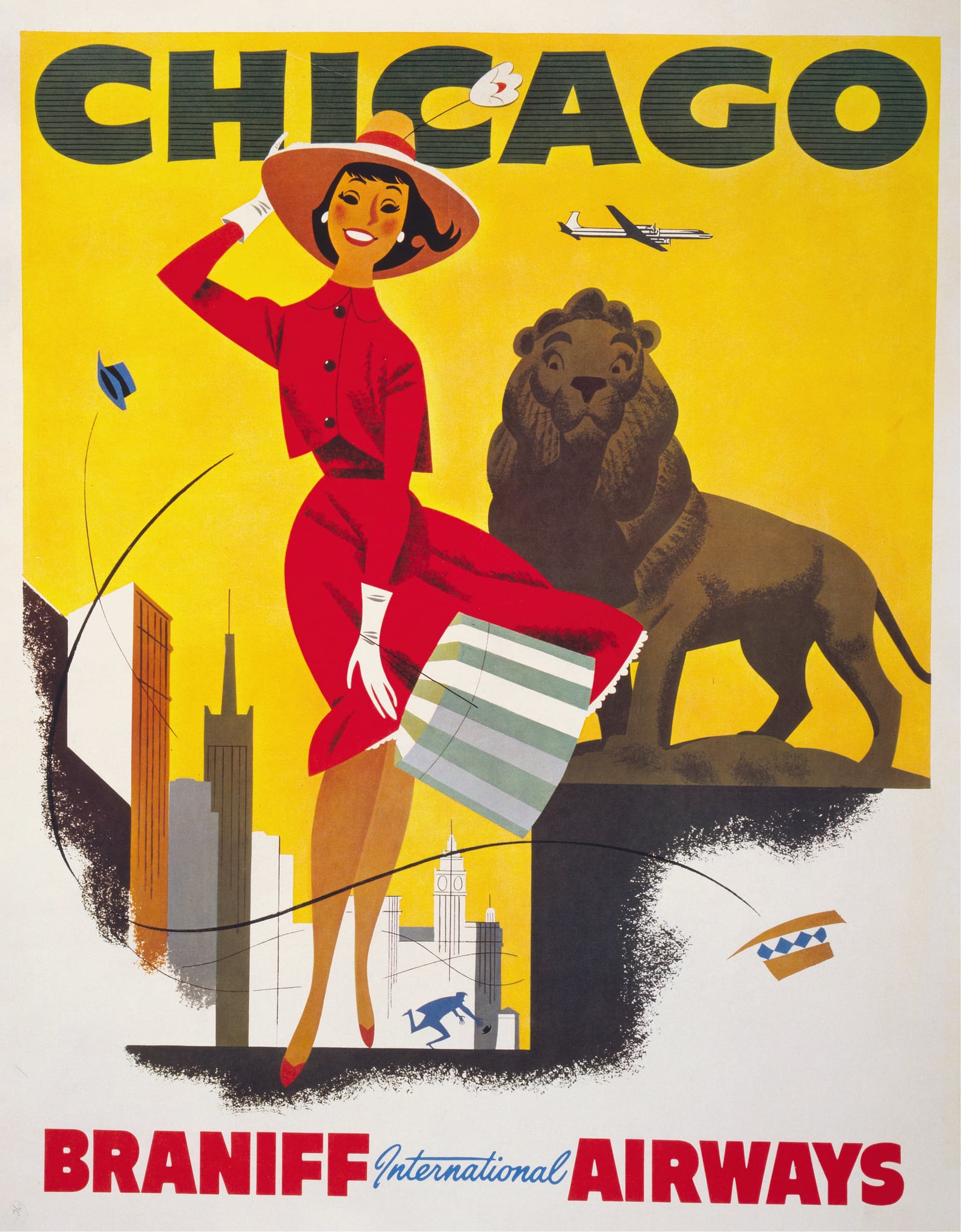
Braniff’s “When You Got It, Flaunt It” campaign featured flight attendants in colorful uniforms designed by high-end fashion designers, but the advertising focused more on the appearance of female employees than on airline service or safety.
The commercials treated flight attendants as fashion models whose primary job was to look attractive for passengers. While the airline industry has always had problematic attitudes toward female employees, Braniff’s advertising made the objectification explicit and central to their brand identity. The ads suggested that passengers should choose their airline based on how appealing they found the staff, reducing professional women to decorative elements in the travel experience.
A Different Kind of Hindsight

These advertisements serve as uncomfortable reminders of how much society has changed in just five decades. They weren’t created by evil people trying to cause harm — they were made by professionals who thought they were reflecting the values and desires of their time. That’s what makes them so unsettling to revisit. They show us how normalized certain attitudes were, how acceptable it was to base entire marketing campaigns on ideas that now seem obviously problematic. The real lesson isn’t about advertising at all — it’s about how quickly cultural blind spots can become historical embarrassments.
More from Go2Tutors!

- The Romanov Crown Jewels and Their Tragic Fate
- 13 Historical Mysteries That Science Still Can’t Solve
- Famous Hoaxes That Fooled the World for Years
- 15 Child Stars with Tragic Adult Lives
- 16 Famous Jewelry Pieces in History
Like Go2Tutors’s content? Follow us on MSN.